Logis de la Cadène


Operating from a building that dates to 1848 on Saint-Emilion's Place du Marché au Bois, Logis de la Cadène holds a Michelin star and a Remarkable designation for cuisine that draws heavily on estate-grown produce. The wine cellar runs deep on Bordeaux reds, and the cheese selection is among the strongest in the appellation. It also functions as a small hotel, making it one of the few addresses in town where table and room share the same provenance.
 Discover on Pearl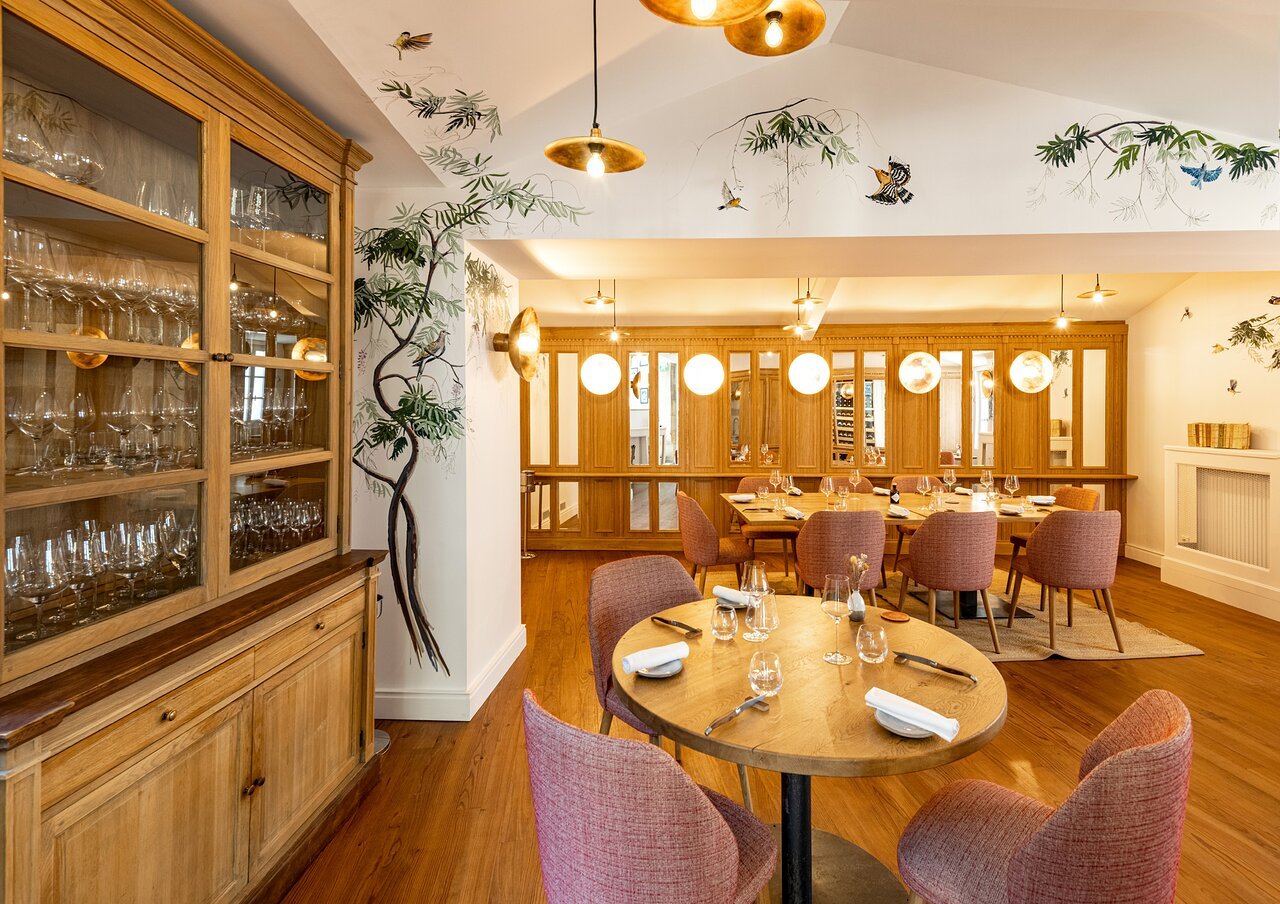
A Table Set in the Stone of Saint-Emilion
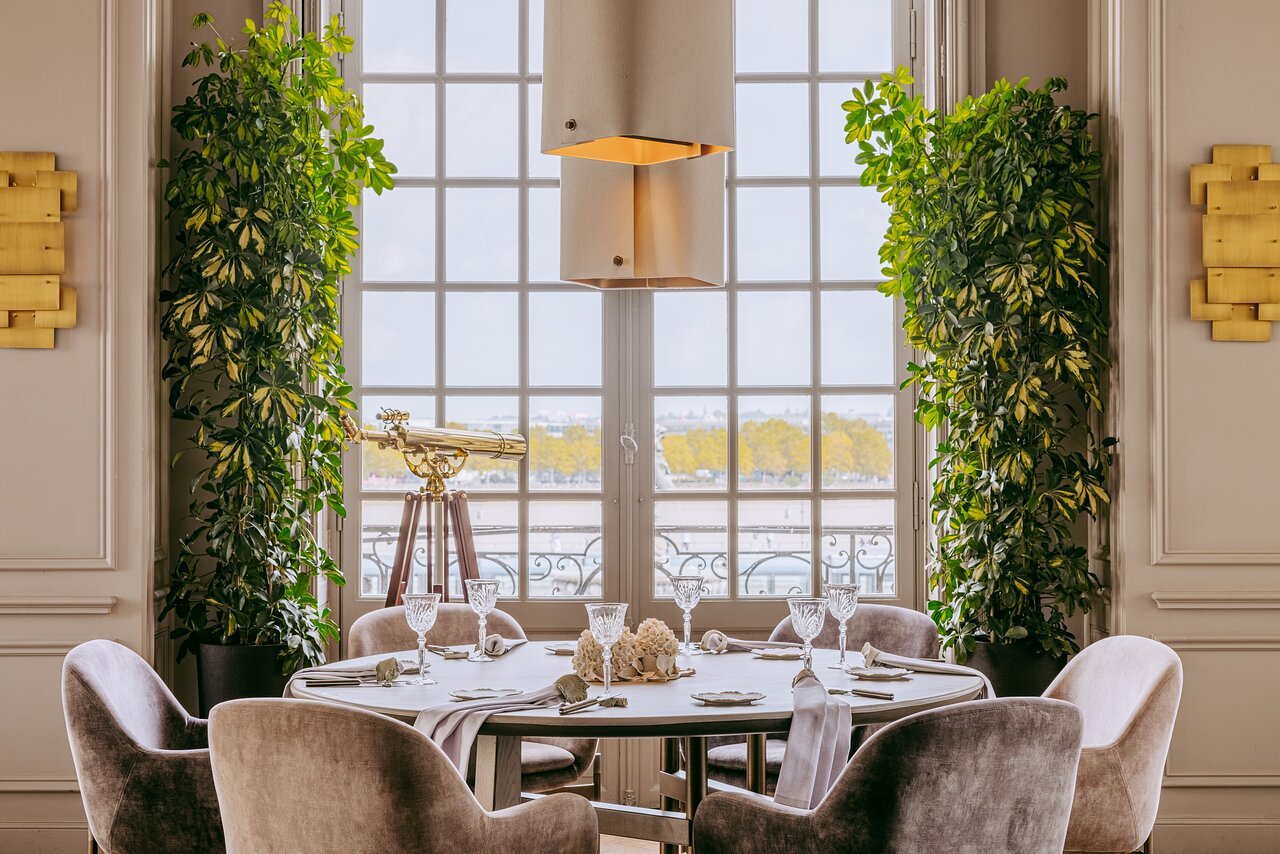
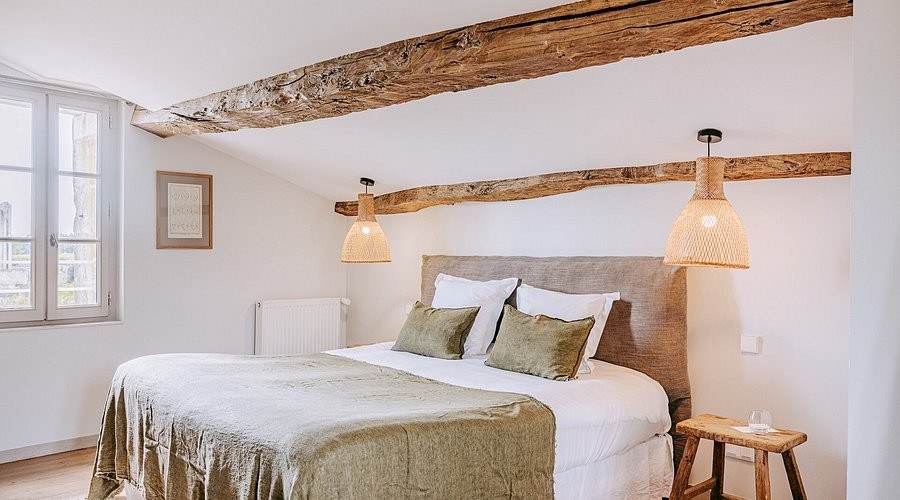
Place du Marché au Bois sits a short walk from the collegiate church at the geographic and social centre of Saint-Emilion, and it is on this square that Logis de la Cadène has occupied its stone premises since 1848. Arriving at the address is less a dramatic entrance than a quiet recognition: the building belongs to the town in the way that the limestone ramparts do, shaped by the same regional vernacular, weathered into its surroundings over more than a century and a half. The dining rooms inside continue that logic, described by Michelin assessors as plush and cosy, done in an elegant register consistent with the guestrooms upstairs. This is a property where restaurant and hotel are not separate operations sharing a postcode but a single hospitality idea extended across two floors.
In a village of roughly two thousand permanent residents that receives several million wine tourists annually, the question of where to eat well is not academic. Saint-Emilion has a defined hierarchy. At the leading end, Les Belles Perdrix de Troplong Mondot and La Table de Pavie operate within château estates, where the dining room is inseparable from the grand cru identity of the property. Logis de la Cadène occupies a different position: it sits at the same leading price tier (€€€€) and carries a Michelin star, but its frame of reference is the town itself rather than a single estate. That distinction matters when reading the menu.
How the Menu Reveals Its Priorities
The editorial angle that Michelin uses to characterise a kitchen tells you something that star counts alone cannot. For Logis de la Cadène, the assessors' language centres on two things: produce sourced as locally as possible, and a culinary approach described as delicate and subtle. Neither word is incidental. In a region whose gastronomic identity is constructed primarily around the wine rather than the plate, a kitchen that pursues subtlety rather than spectacle is making a considered argument about what the food's role should be at a wine-country table.
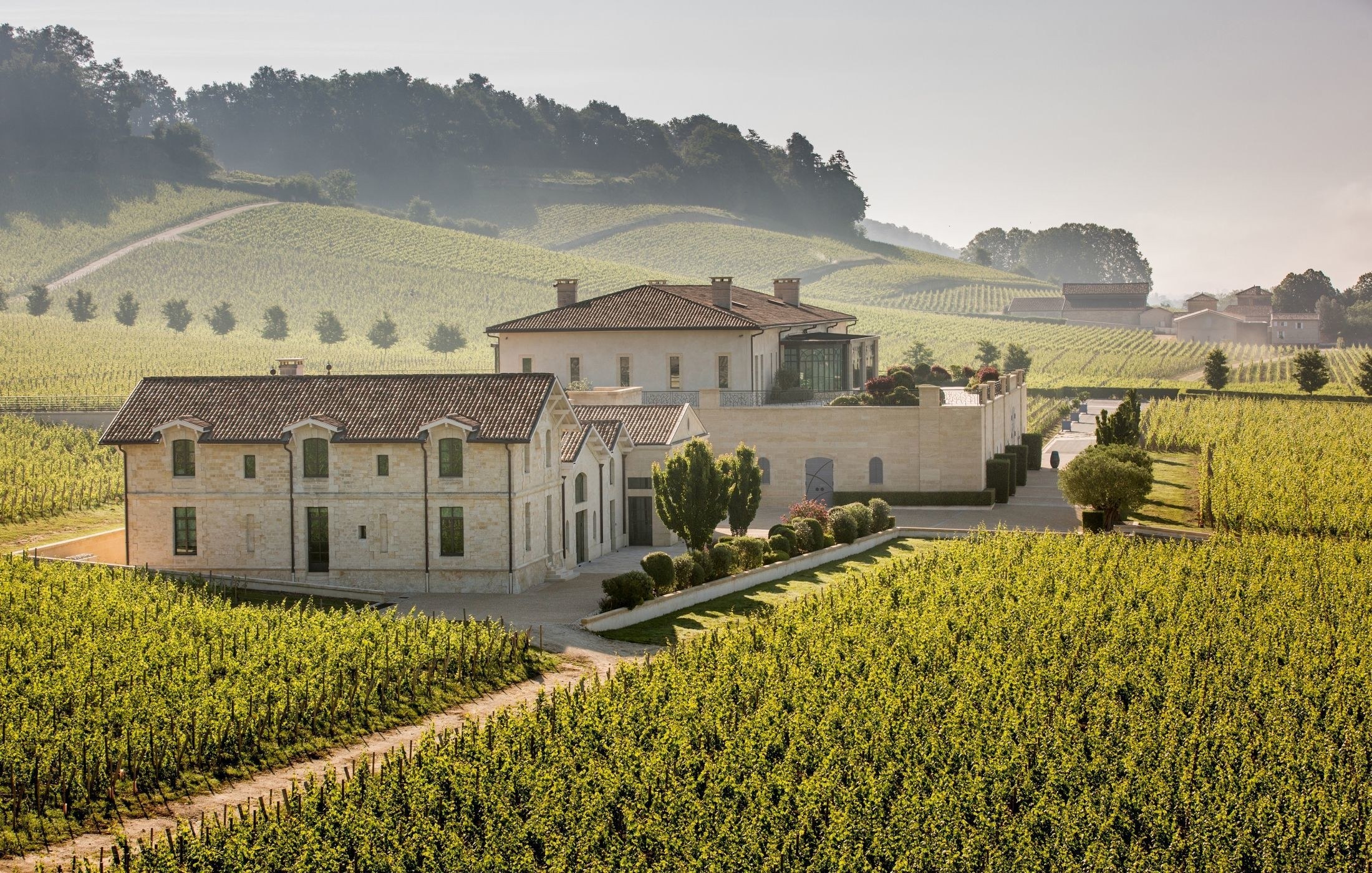
The estate maintains its own farm, from which fruit, vegetables, and honey reach the kitchen. This is not a novel arrangement in contemporary French fine dining — Bras in Laguiole built its identity on a similar commitment to the surrounding terroir, and Flocons de Sel in Megève draws on Alpine produce with comparable rigour. But in the context of Saint-Emilion, where most restaurants serve the wine tourist trade rather than a local agricultural community, having a working farm attached to the operation is a structural commitment rather than a marketing gesture. It constrains the menu seasonally and anchors it geographically in ways that supplier relationships alone cannot replicate.
Chef Thibaut Gamba works within those constraints, building dishes from what the estate and the broader Gironde region produce. The approach aligns with what Michelin's Remarkable category signals: cooking that demonstrates clear identity and consistent technique, placed one tier below the more experimental or technically elaborate work recognised at higher distinction levels. Comparable in that structural sense to how Mirazur in Menton or Alléno Paris au Pavillon Ledoyen sit at different points on a spectrum of ambition and register, Logis de la Cadène makes a case for restraint over flourish. Within that register, the cheese course carries particular weight: the selection is described as superlative in Michelin's own language, which in a country where the cheese course is a serious critical category is a specific and meaningful claim.
The Wine Cellar as a Second Menu
Any starred restaurant in Saint-Emilion will have a considered Bordeaux list. What sets a wine program apart at this address is the depth rather than the curation alone. Michelin's assessors describe the cellar as splendid with a knockout selection of Bordeaux reds — language that is more precise than generic praise, pointing toward depth of vertical range or access to allocations that a standard restaurant list does not carry. In a town where the grands crus classés are produced by neighbours rather than remote négociants, a restaurant that has cultivated genuine cellar depth is making a different kind of investment than one that simply stocks the obvious labels.
The practical consequence for a diner is that the wine conversation here should start with the list rather than a default selection. At the €€€€ price point, the food-and-wine pairing opportunity is what separates a meal at this address from the competent but less specific experience at, say, Château Grand Barrail or L'Huitrier Pie at the €€€ tier. The cheese course, paired with a mature Bordeaux red from a cellar with genuine vertical range, is the sequence most clearly articulated by the house's own offer.
Saint-Emilion's Fine Dining in Context
The wider dining scene in Saint-Emilion sorts into roughly three registers. At street level and in the informal tier, addresses like Le Tertre offer accessible entry points. A middle tier at €€€ covers options including Château Grand Barrail and L'Huitrier Pie. The top tier is occupied by Logis de la Cadène, Les Belles Perdrix, and La Table de Pavie, each with a distinct character: Les Belles Perdrix operates from within the Troplong Mondot estate with a specific château identity; La Table de Pavie connects its creative register explicitly to another grand cru property; Logis de la Cadène brings its own estate agriculture and a town-centre location that makes it the most embedded in the fabric of the village itself.
France's broader modern cuisine tradition, running from the rigour of Troisgros through the terroir-led philosophy of Paul Bocuse's Auberge du Pont de Collonges and into the produce-first idiom now practised widely across the country, frames what Logis de la Cadène is doing. The kitchen does not operate in isolation from that national conversation. The farm-to-table commitment, the emphasis on local produce, the subtle rather than theatrical technique: these are markers within a recognisable French fine dining grammar, applied specifically to the Gironde's agricultural and viticultural context.
Planning Your Visit
The restaurant opens for lunch from 12:30 to 2:00 PM and for dinner from 7:30 to 9:30 PM, Tuesday through Friday, with Monday service also on both sittings. Saturday and Sunday are closed, which narrows the access window significantly during the en primeur week and harvest tourism peaks , booking ahead is not optional at this address during those periods. The property also operates as a hotel, and staying overnight makes practical sense if you intend to work through the wine list seriously; Saint-Emilion is a forty-minute drive from Bordeaux, and the village itself has limited late transport.
For those building a fuller picture of the appellation's hospitality offer, EP Club's full Saint-Emilion restaurants guide maps the complete dining tier from casual to starred. The Saint-Emilion hotels guide covers overnight options across the region, while the wineries guide and experiences guide extend the itinerary beyond the table. The bars guide handles the pre- or post-dinner question, which in a village this size is a more limited but still navigable set of options. For diners whose frame of reference extends to modern cuisine programs at comparable distinction levels internationally, Frantzén in Stockholm and FZN by Björn Frantzén in Dubai offer a calibration point for how the category operates at different latitudes and price ceilings.
Comparison Snapshot
A compact peer snapshot based on similar venues we track.
| Venue | Cuisine | Price | Awards | Notes |
|---|---|---|---|---|
| Logis de la Cadène | Modern Cuisine | €€€€ | Michelin 1 Star | This venue |
| La Table de Pavie | Creative | €€€€ | Michelin 2 Star | Creative, €€€€ |
| Les Belles Perdrix de Troplong Mondot | Modern Cuisine | €€€€ | Michelin 1 Star | Modern Cuisine, €€€€ |
| L'Huitrier Pie | Modern Cuisine | €€€ | Modern Cuisine, €€€ | |
| L'Envers du Décor | Traditional Cuisine | €€ | Traditional Cuisine, €€ | |
| Château Grand Barrail | Modern Cuisine | €€€ | Modern Cuisine, €€€ |
Continue exploring