Château Grand Barrail

Château Grand Barrail brings consecutive Michelin Plate recognition to Saint-Émilion's hotel-restaurant circuit, sitting at the €€€ tier where quality signals are clear but the room for ambition is wider than at the starred tables nearby. Set within a 19th-century château property on the Route de Libourne, the kitchen works in the Modern Cuisine register against one of the Gironde's most wine-saturated backdrops.
Pearl is the En Primeur Club membership app — saves, bookings, and concierge access live there. Same editors, same standards.
- Address
- D243 Route De Libourne, 33330 Saint-Émilion, France
- Phone
- +33 5 57 55 37 00
- Website
- grand-barrail.com
- Directions
- Get directions
 Saves & bookings on Pearl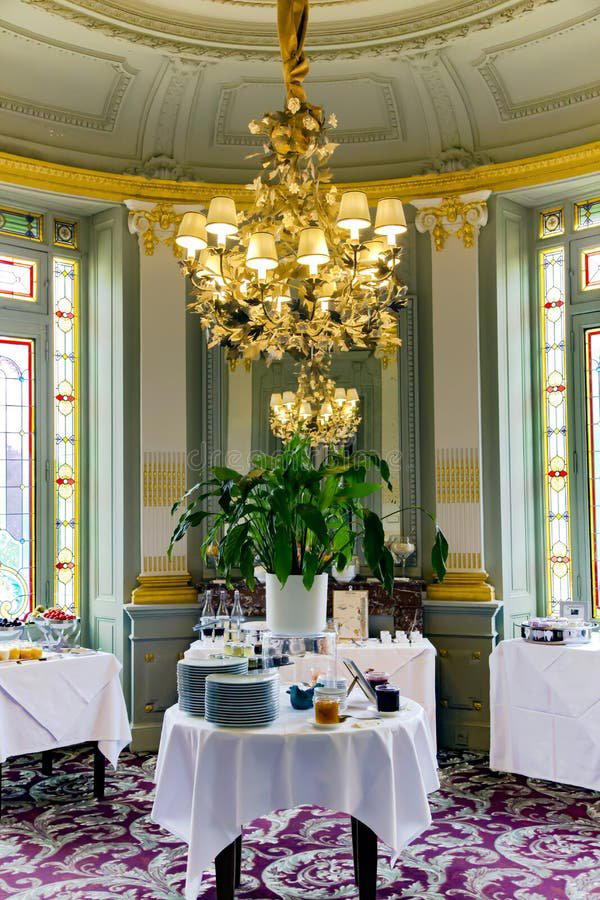
Stone, Vines, and What the Land Around Saint-Émilion Puts on the Plate
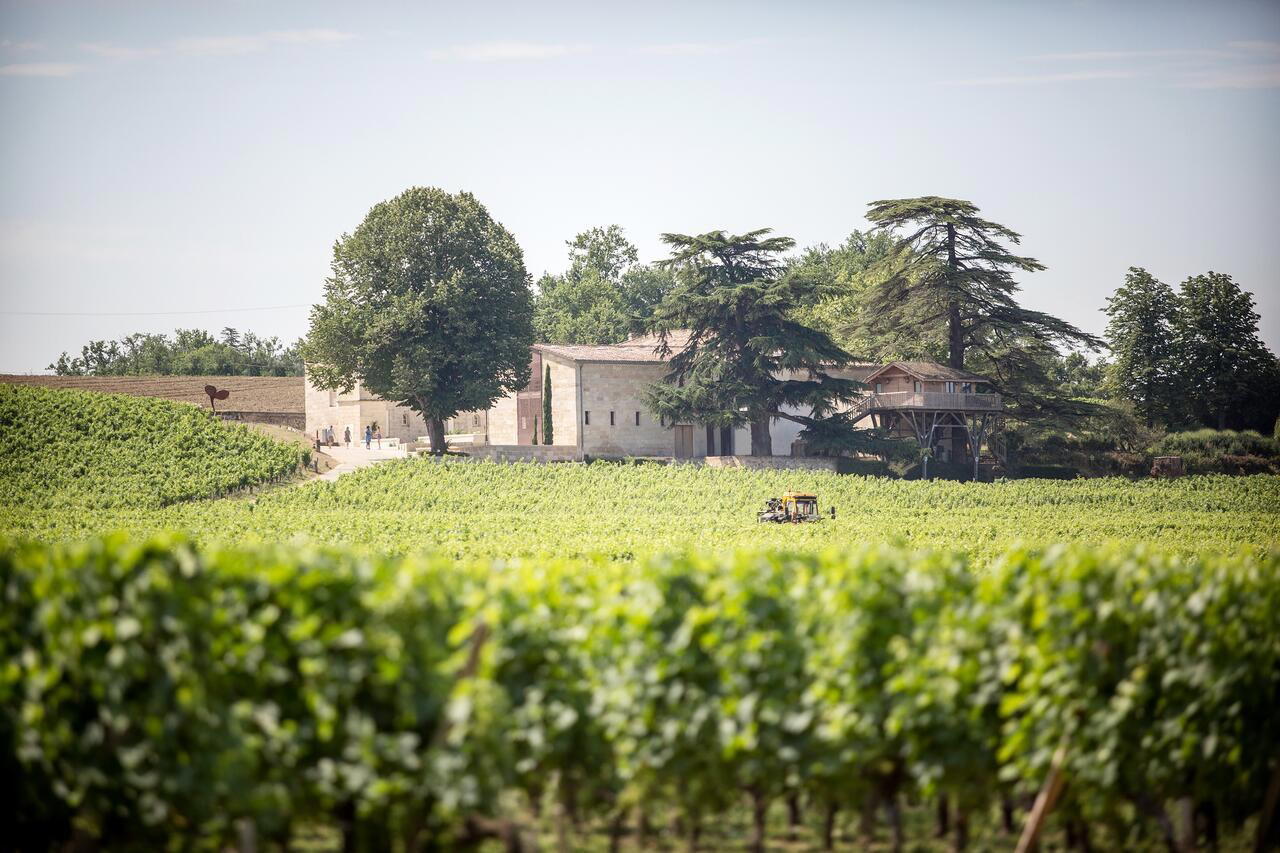
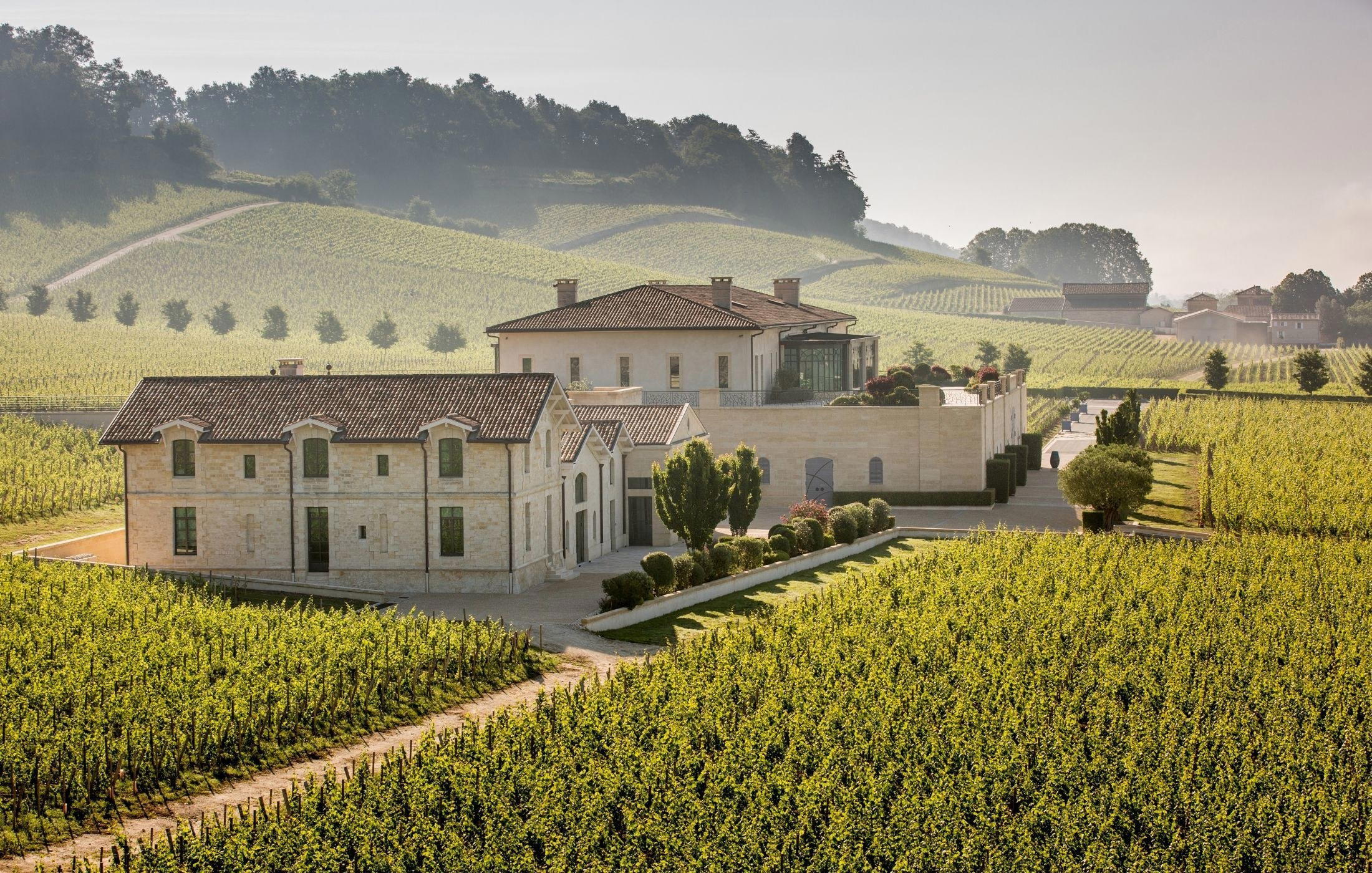
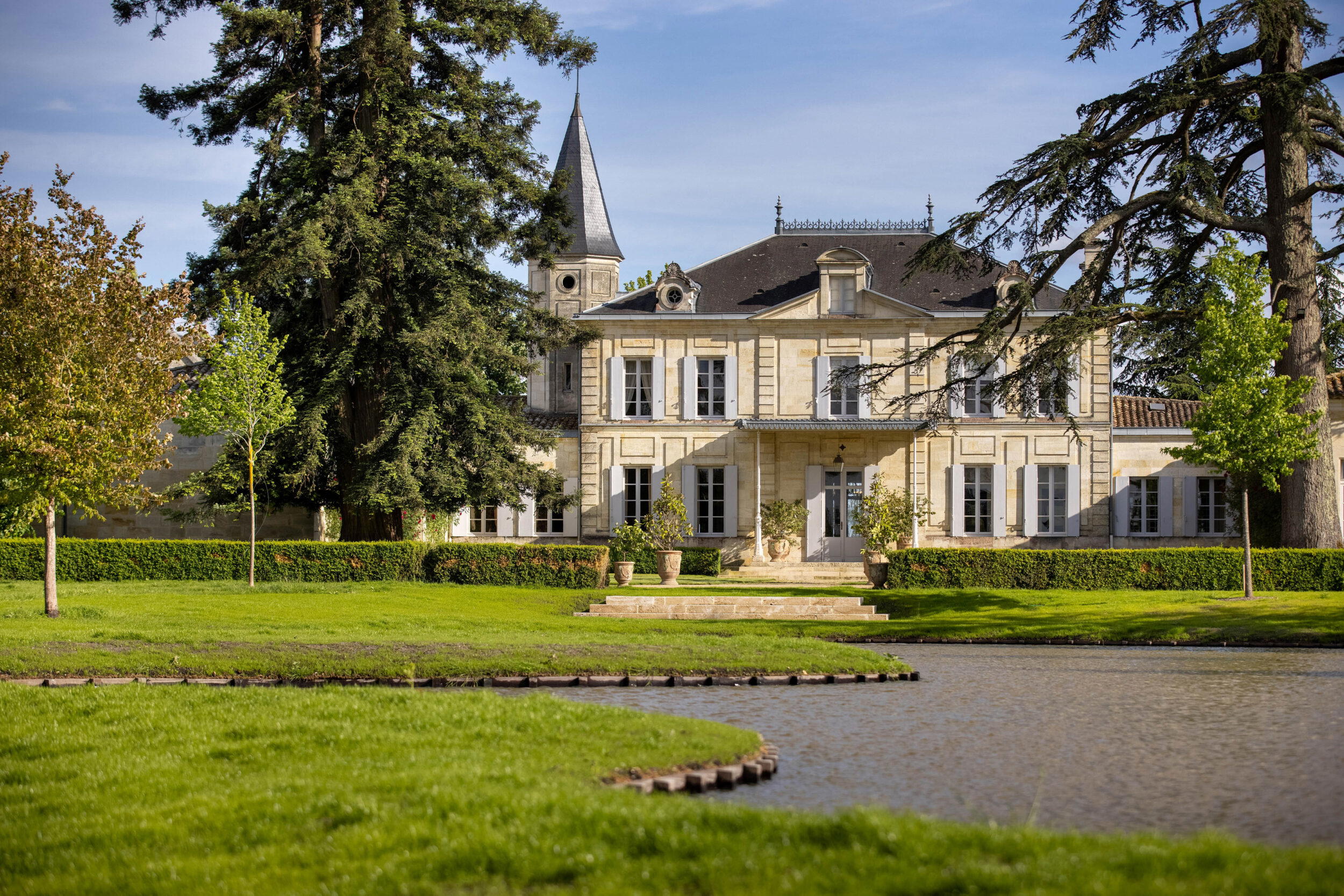
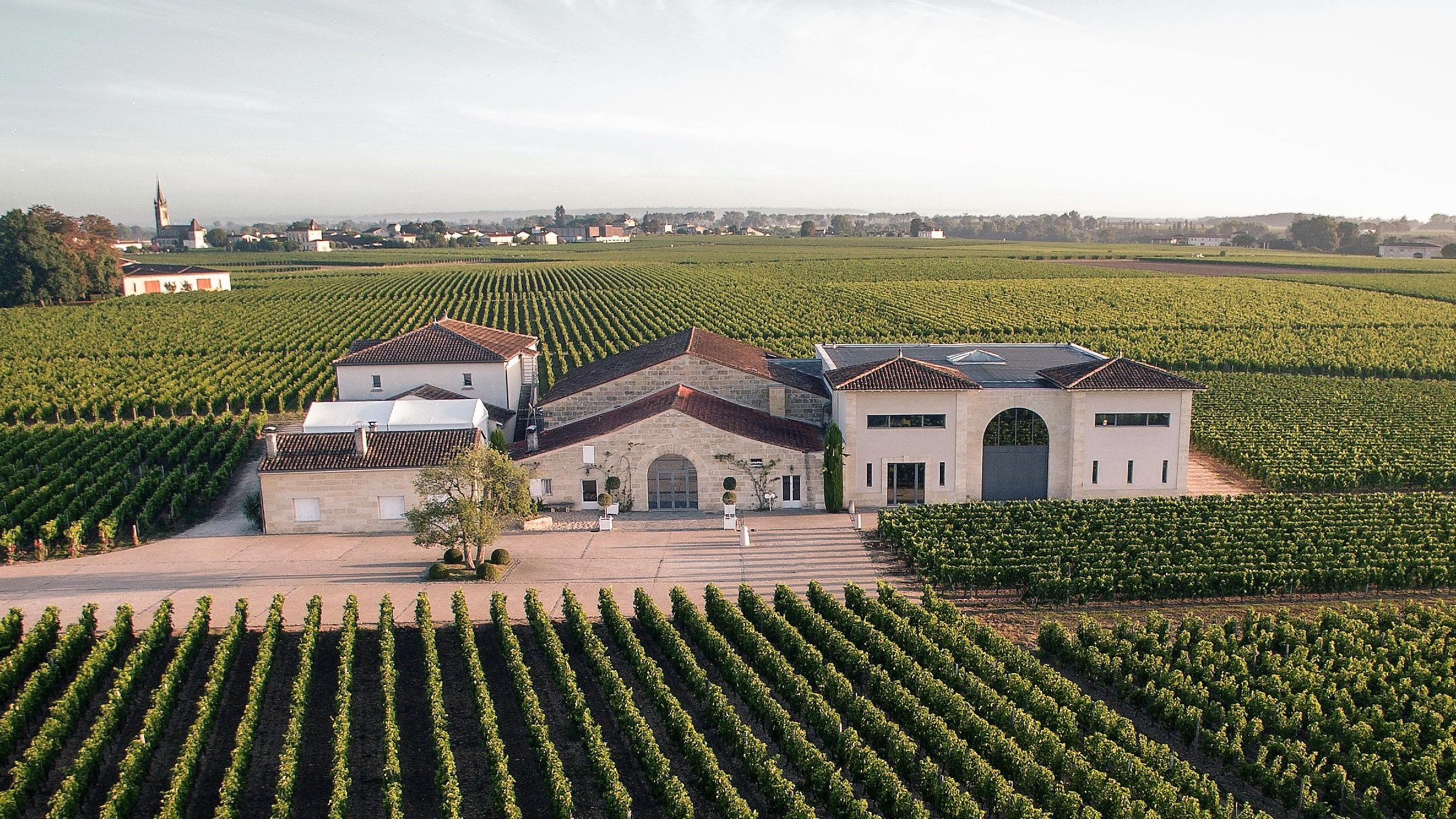
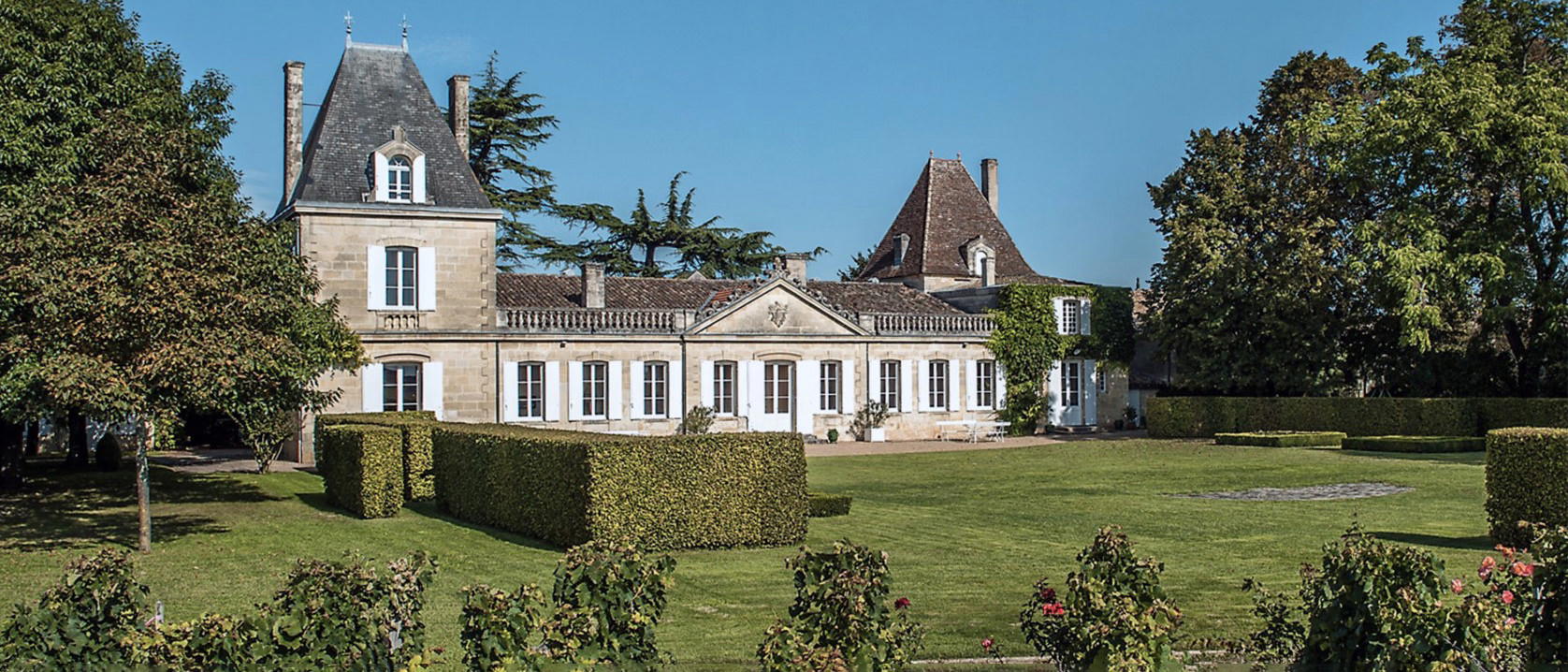
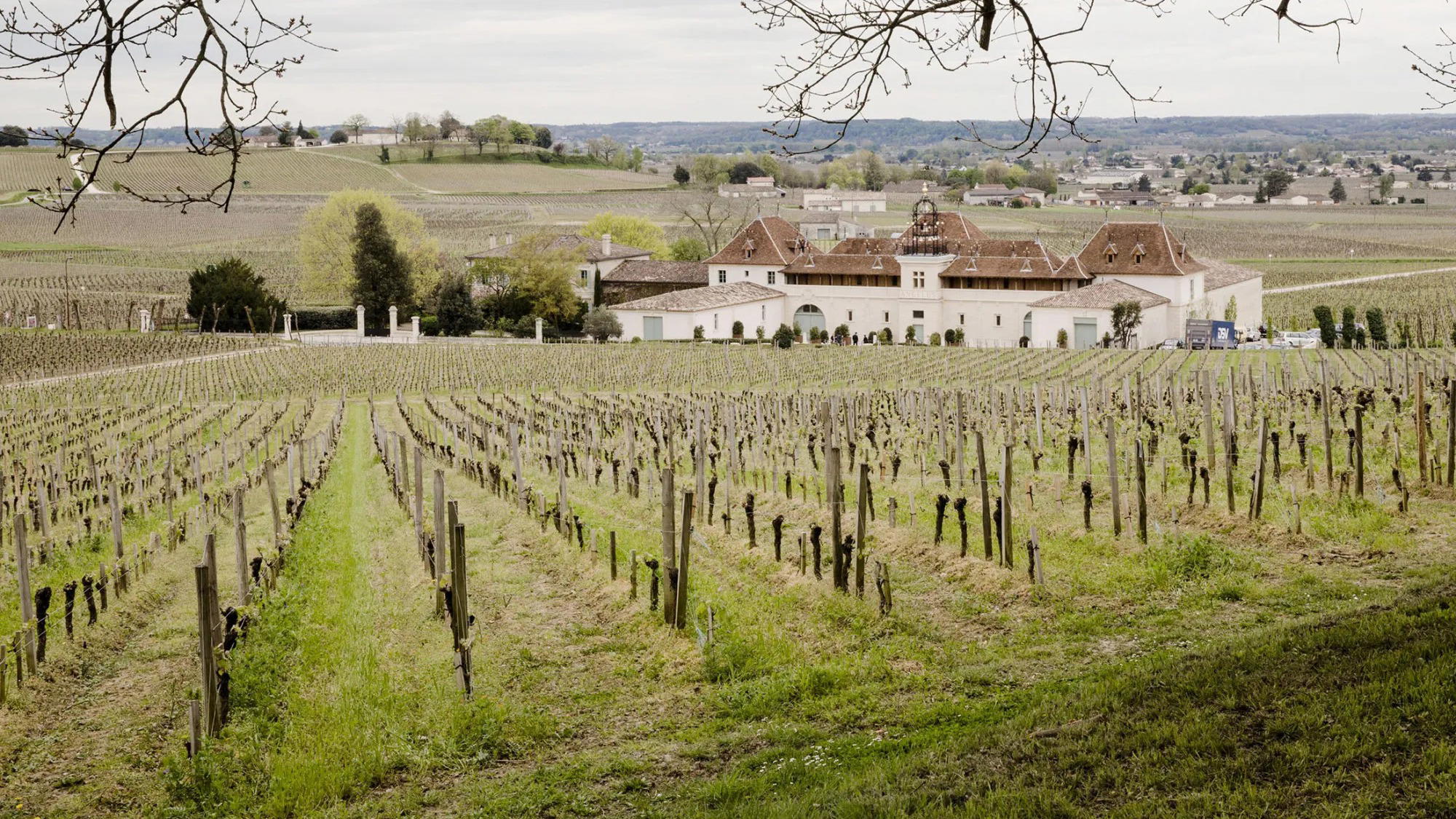
Approach the Route de Libourne from the town centre and the density of vine rows relaxes only slightly before the 19th-century silhouette of Château Grand Barrail comes into view. The property sits on the edge of Saint-Émilion's appellation boundary, where the architecture of grand cru production and the architecture of hospitality have long been difficult to separate. In this corner of the Gironde, the land itself is the context for every meal: the soils that drive wine pricing in the millions also shape what local producers grow, raise, and bring to kitchen doors. A restaurant operating here without a clear relationship to that raw material would be working against its own setting.
That framing matters for understanding where Château Grand Barrail positions itself in Saint-Émilion's dining hierarchy. The town's leading tables occupy a narrow, expensive tier: Les Belles Perdrix de Troplong Mondot and Logis de la Cadène both carry Michelin stars at the €€€€ price point, while La Table de Pavie holds two stars. Grand Barrail sits one tier below in price (€€€) and holds consecutive Michelin Plate recognition for 2024 and 2025, a signal that the guide's inspectors consider the cooking consistent and worth the detour, even if the full star candidacy remains ahead. For visitors who want seriousness without the tasting-menu commitment of the starred rooms, that positioning is genuinely useful.
The Source Argument: Why Ingredient Provenance Is the Story Here
The Modern Cuisine register that Grand Barrail works within is, in the French provincial context, fundamentally an ingredient argument. Where the grande cuisine of Paris institutions such as Alléno Paris au Pavillon Ledoyen tends to foreground technique as the headline, modern kitchens in agriculturally rich regions have increasingly reoriented around the raw material itself. In the Gironde, that means access to Atlantic seafood within an hour's drive, Périgord truffle and duck from the north, and a ring of market gardens supplying what the clay-limestone plateau cannot. Establishments embedded in château properties have a structural advantage here: land, relationships with neighbouring domaines, and in some cases direct production give kitchen teams sourcing depth that urban restaurants spend considerable sums trying to replicate.
The region's precedent for this kind of cooking is long. The argument made by chefs such as Michel Bras at Bras in Laguiole, that a kitchen rooted in its specific landscape can compete intellectually with any table in France, has filtered down through a generation of provincial kitchens. In Alsace, Auberge de l'Ill in Illhaeusern built its multi-decade Michelin recognition on a similar premise of hyper-regional sourcing married to classical rigour. Saint-Émilion, because of its wine identity, tends to attract visitors already attuned to terroir as a concept: they understand, at least in the glass, why provenance matters. A kitchen that extends that argument to the plate is working with a receptive audience.
Where Grand Barrail Sits Against Its Saint-Émilion Peers
Saint-Émilion's restaurant scene is small but deliberately tiered. At the €€ level, traditional bistros and wine-bar formats such as L'Envers du Décor handle volume and tourist throughput. At €€€, L'Huitrier Pie and Grand Barrail occupy a middle tier where cooking ambition is clear but the format remains accessible: no mandatory eight-course tasting menus, no sommelier theatre required. The €€€€ tables, including Le Tertre and the starred château restaurants, are where the full ceremony of Bordeaux fine dining plays out.
What distinguishes Grand Barrail's position in that middle tier is the property itself. Hotel-restaurants in converted châteaux operate differently from standalone dining rooms: the guest mix includes hotel guests with no particular dining agenda alongside destination diners who booked specifically for the table. That dynamic, common across France's château-hotel circuit, tends to produce kitchens that need to perform consistently across multiple services and appetite levels rather than delivering a single high-wire tasting experience.
The Broader Context: Modern Cuisine in France's Wine Regions
Modern Cuisine as a category in France has become more precisely defined over the past decade. It no longer simply means French classical cooking with contemporary plating. Increasingly it signals a kitchen that has absorbed lessons from the Nordic product-first movement, applied them to French sourcing logic, and arrived at something that is neither fusion nor tradition but a third position. Restaurants such as Mirazur in Menton and Flocons de Sel in Megève represent what this looks like at the starred summit. The Scandinavian parallel, visible in the output of Frantzén in Stockholm or its Dubai extension FZN by Björn Frantzén, confirms that the product-led argument is now a global register, not a regional French quirk.
In wine regions specifically, this movement has produced kitchens where wine pairing is not an afterthought but a structural assumption. At Grand Barrail, the setting inside Saint-Émilion's appellation means the cellar logic is almost self-writing: right-bank Merlot-dominant wines, château-bottled or négociant, at every price point. The difficulty, and the interest, is in building a food program that matches that wine intelligence rather than simply letting the bottles do the work. Troisgros - Le Bois sans Feuilles in Ouches provides the French benchmark for this kind of integrated thinking across multiple decades.
Planning a Visit
Grand Barrail sits on the D243 Route de Libourne, roughly two kilometres from the walled town of Saint-Émilion on a road that connects the appellation's western estates. Visitors arriving by car from Bordeaux (approximately 40 kilometres to the west) will pass through vine-heavy terrain before reaching the property. Saint-Émilion itself is a UNESCO World Heritage site and draws significant visitor numbers from spring through harvest in October, when tables at the better-known addresses book out. Arriving mid-week outside the harvest window reduces competition for reservations across the town's dining tier. The €€€ pricing at Grand Barrail places a meal for two, with wine from a cellar logically stocked with Saint-Émilion appellation bottles, in a range comparable with serious bistro dining in Paris but considerably below the starred château experiences nearby. For a fuller picture of where this table sits in the town's overall offering, the EP Club Saint-Émilion restaurants guide covers the complete tier. Visitors planning a longer stay will find relevant context in our Saint-Émilion hotels guide, bars guide, wineries guide, and experiences guide.
Side-by-Side Snapshot
| Venue | Cuisine | Price | Awards |
|---|---|---|---|
| Château Grand BarrailThis venue — the venue you are viewing | Modern Cuisine | €€€ | Michelin Plate (2025); Michelin Plate (2024) |
| Logis de la Cadène | Modern Cuisine | €€€€ | Michelin 1 Star |
| La Table de Pavie | Creative | €€€€ | Michelin 2 Star |
| L'Huitrier Pie | Modern Cuisine | €€€ | Modern Cuisine, €€€ |
| L'Envers du Décor | Traditional Cuisine | €€ | Traditional Cuisine, €€ |
| Les Belles Perdrix de Troplong Mondot | Modern Cuisine | €€€€ | Michelin 1 Star |
Recognition history
Dated appearances from independent guides and award organizations, with the underlying list record or original source where available.
Michelin Plate
Michelin
Michelin Plate
Michelin
Michelin Plate
Michelin
Continue exploring
More in Saint-Émilion
Restaurants in Saint-Émilion
Browse all →
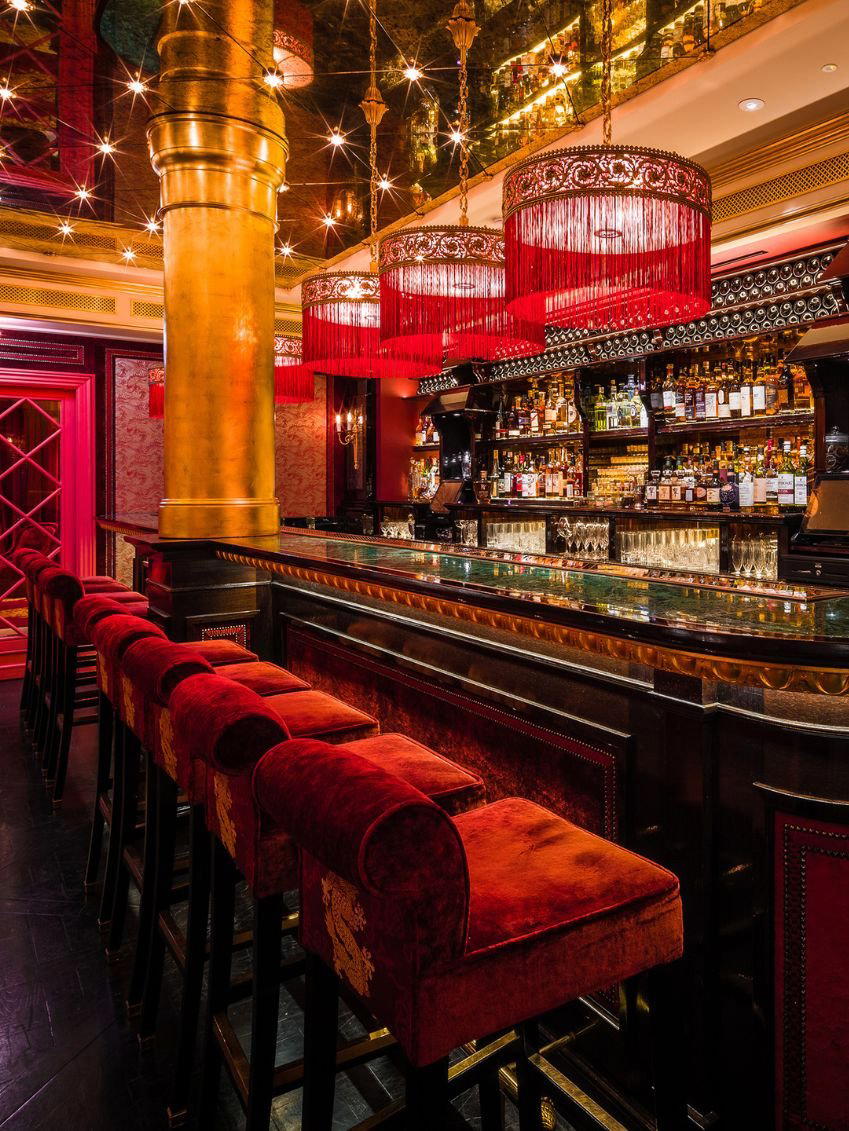
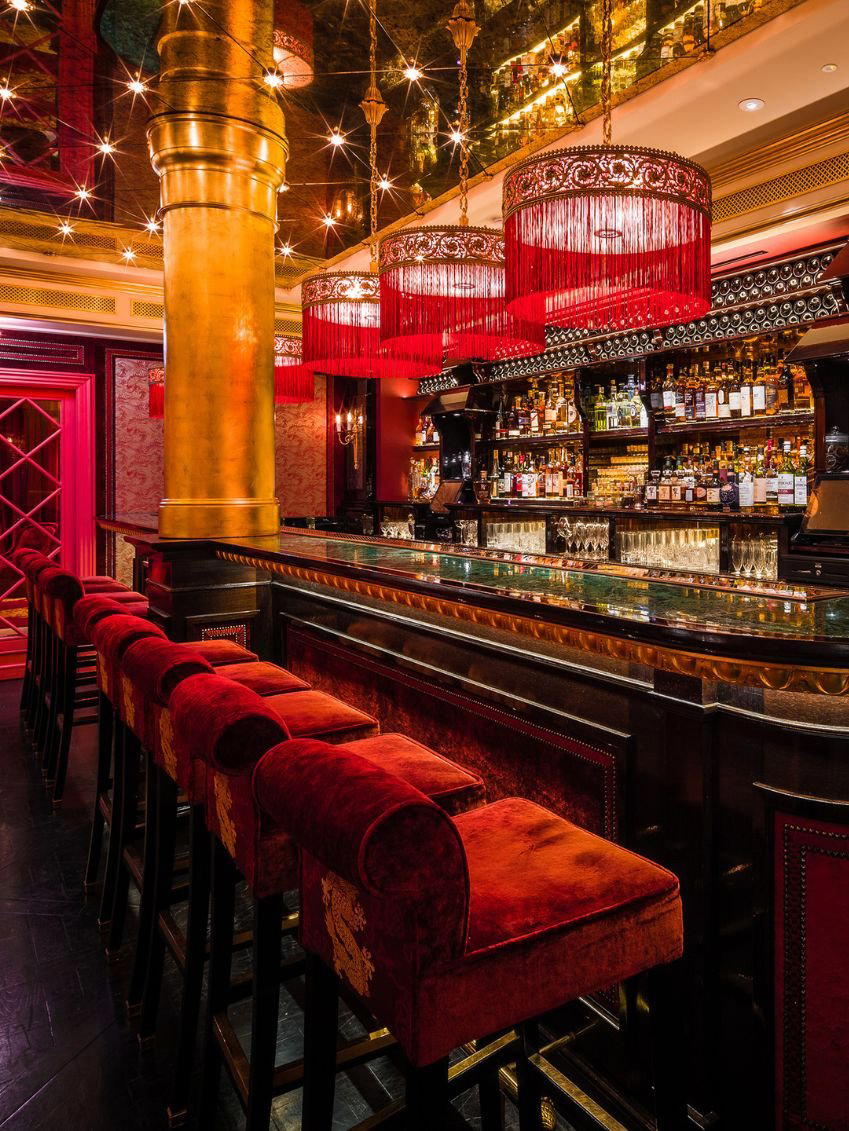
Bars in Saint-Émilion
Browse all →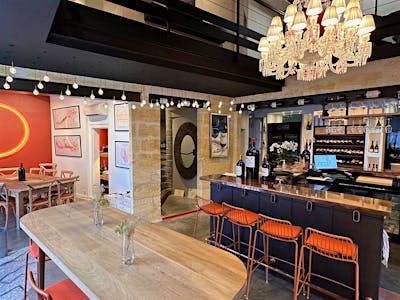
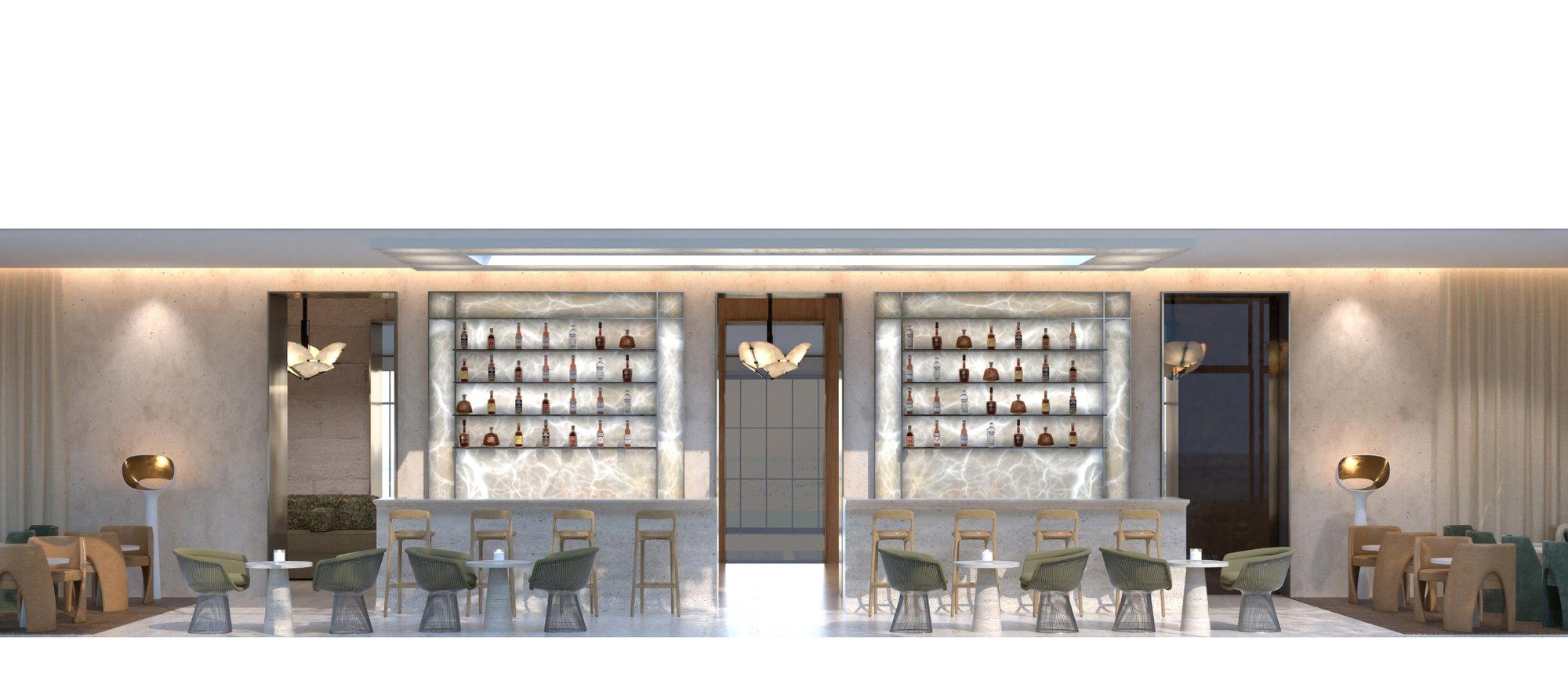
Hotels in Saint-Émilion
Browse all →
At a Glance
- Romantic
- Elegant
- Sophisticated
- Scenic
- Date Night
- Special Occasion
- Celebration
- Group Dining
- Terrace
- Garden
- Private Dining
- Hotel Restaurant
- Panoramic View
- Historic Building
- Extensive Wine List
- Sommelier Led
- Local Sourcing
- Farm To Table
- Vineyard
- Garden
Current opening hours
- Monday
- 12:15–2 PM, 7:30–10 PM
- Tuesday
- 12:15–2 PM, 7:30–10 PM
- Wednesday
- 12:15–2 PM, 7:30–10 PM
- Thursday
- 12:15–2 PM, 7:30–10 PM
- Friday
- 12:15–2 PM, 7:30–10 PM
- Saturday
- 12:15–2 PM, 7:30–10 PM
- Sunday
- 12:15–2 PM, 7:30–10 PM
Hours can change for holidays and private events. Last verified .
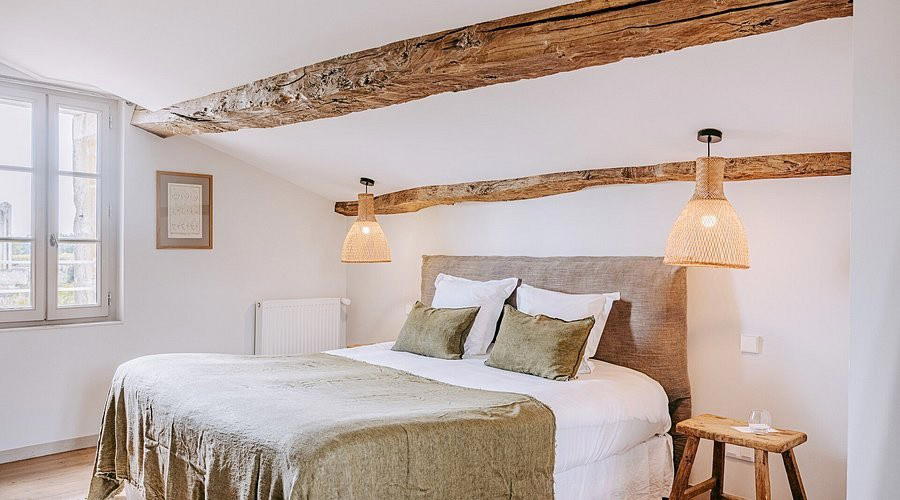
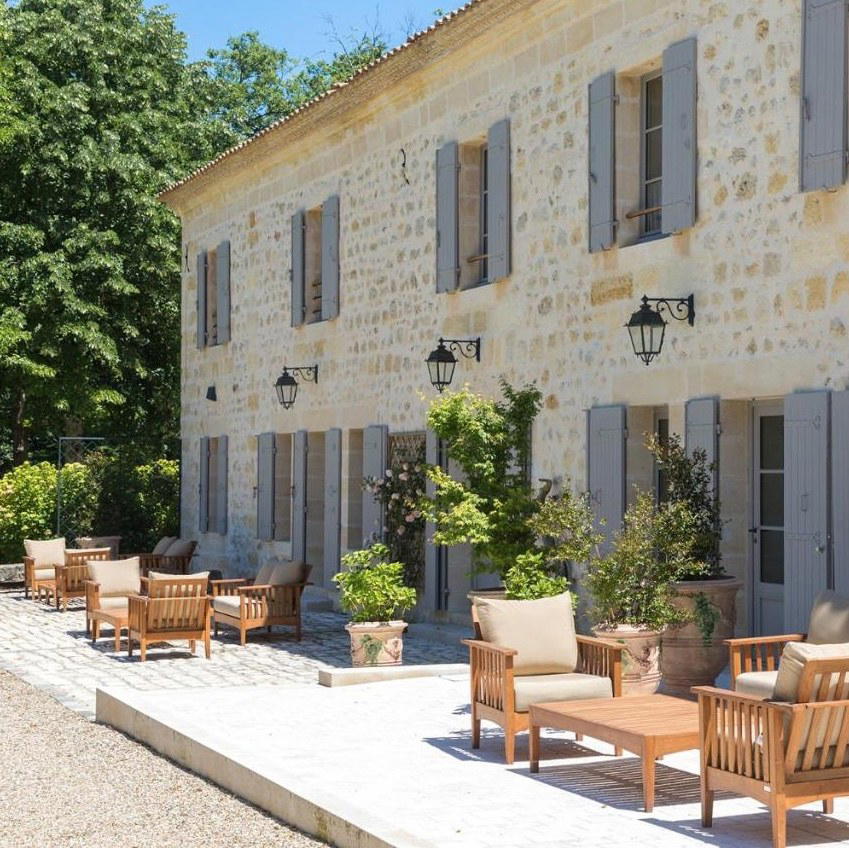
Warm, cozy, and refined with Art Nouveau-inspired lounges and a beautiful terrace; soft lighting creates an intimate yet sophisticated atmosphere.
Know Before You Go
- Getting there
- D243 Route De Libourne, 33330 Saint-Émilion, France