Levantine
Utrecht's Levantine kitchen draws on the sourcing traditions of the eastern Mediterranean, bringing the region's ingredient logic to Moskeeplein 87. The address sits in a part of the city where multicultural dining has genuine community roots rather than trend-cycle origins. For anyone tracking where the Netherlands' Middle Eastern dining scene is developing outside Amsterdam, this is a reference point worth knowing.
Pearl is the En Primeur Club membership app — saves, bookings, and concierge access live there. Same editors, same standards.
- Address
- Moskeeplein 87, 3531 BX Utrecht, Netherlands
- Phone
- +31304300777
- Website
- levantine.nl
- Directions
- Get directions
 Saves & bookings on Pearl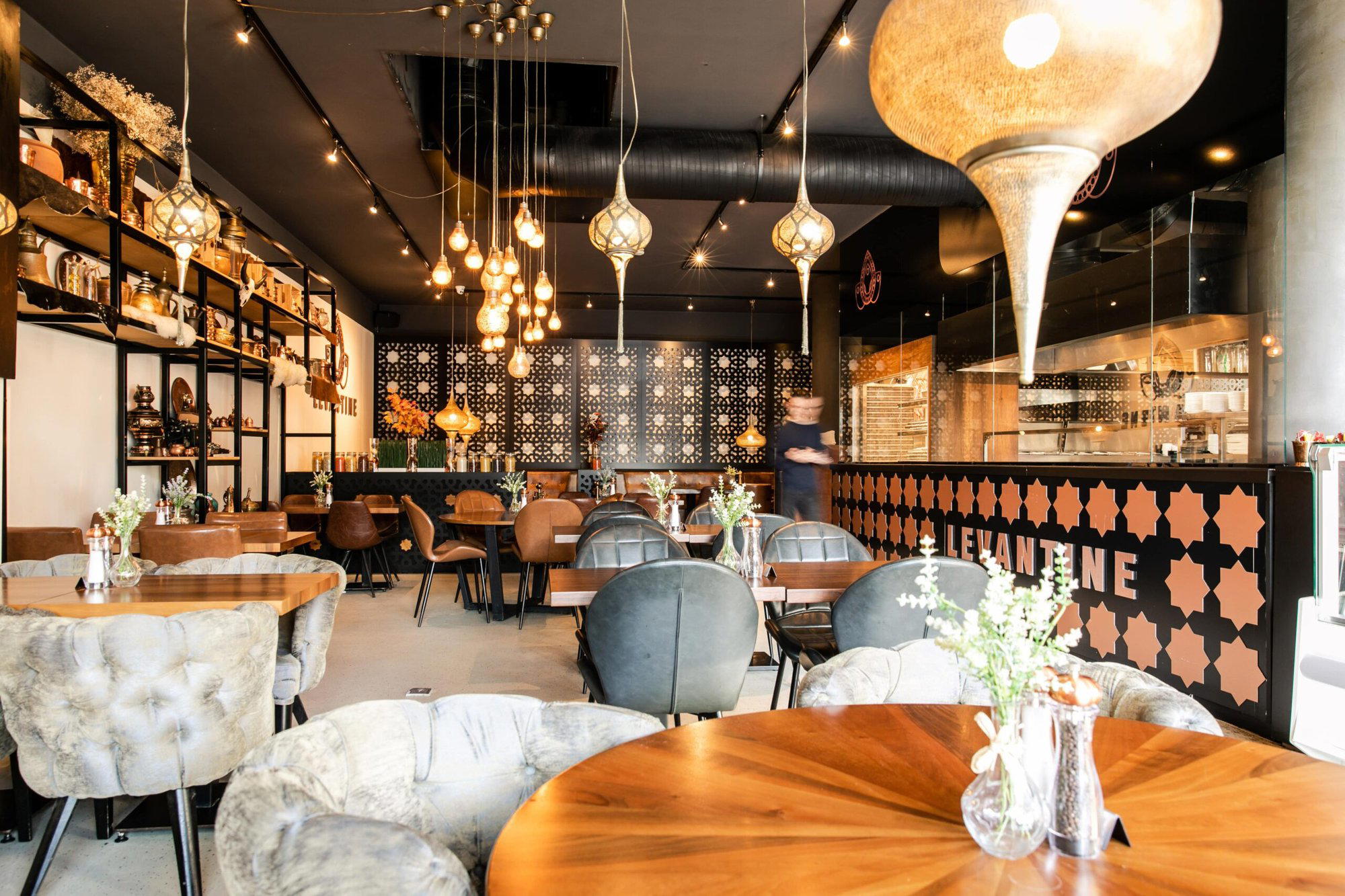
Where Moskeeplein Meets the Eastern Mediterranean
The stretch of Utrecht around Moskeeplein does not perform its cultural plurality for visitors. It simply lives it. The square and its surrounding streets have long functioned as one of the city's more grounded multicultural quarters, where the shops, cafes, and community spaces reflect populations that settled here rather than a neighbourhood rebranded for weekend foot traffic. Levantine, at number 87, occupies that context without needing to explain it. The name points to the Levant, the eastern Mediterranean arc running from Turkey through Lebanon, Syria, Palestine, and Jordan, and the kitchen operates within that tradition rather than sampling it from a distance.
For a Utrecht dining scene where creative French and tasting menus dominate the conversation (see Maeve (€€€ · Creative French) and Karel 5 (€€€€ · Creative) for that tier), a kitchen rooted in Levantine sourcing logic represents a different set of priorities. The comparison matters: where tasting-menu kitchens often interrogate Dutch or Nordic ingredient supply chains, Levantine cuisine traces a different geography, with olive oils pressed in the Galilee or the Bekaa Valley, za'atar harvested from Palestinian hillsides, and pomegranate molasses from Syrian production. Ingredients here are not neutral. They carry provenance, and that provenance shapes flavour in ways that a kitchen description rarely captures.
The Sourcing Logic Behind Levantine Cooking
Levantine cuisine is structured around preserved, fermented, and dried ingredients in ways that European fine dining has only recently begun to take seriously as a distinct intellectual tradition. Meze culture, the practice of assembling many small preparations rather than building toward a single composed plate, demands that each element justify itself on ingredient quality alone. A plate of hummus at this level is not a vehicle for technique; it is an argument about chickpea variety, tahini source, and lemon acidity. Flatbreads rely on fermentation timing and flour character. Charred aubergine is as much about the specific cultivar and its moisture content as the fire applied to it.
The Netherlands has a relatively recent history with Levantine food at the ingredient-serious end of the spectrum. Amsterdam carries a larger restaurant population and has seen some investment in Lebanese and Syrian kitchens that operate above the pita-and-wrap level, but Utrecht's Levantine scene has grown alongside its community demographics rather than through trend adoption. That distinction matters when assessing sourcing authenticity: kitchens embedded in a diaspora community tend to maintain supply relationships that newer, trend-following restaurants do not have access to.
Across the broader Dutch dining context, the restaurants earning sustained critical attention, De Librije in Zwolle, Ciel Bleu in Amsterdam, or the plant-forward precision of De Nieuwe Winkel in Nijmegen, operate in European fine-dining idioms where Levantine cooking is rarely a reference point.
Utrecht's Dining Range and Where Levantine Sits
Utrecht has developed a genuinely varied restaurant scene for a city of roughly 375,000 people. The range runs from the easy-going breakfast culture at Bakkerswinkel Utrecht through mid-range neighbourhood dining and up to the Michelin-decorated end represented by Karel 5. Casual-sociable venues like Bar Bet and the relaxed all-day format at Badhuis anchor the middle register. For the full Utrecht picture, EP Club's full Utrecht restaurants guide maps this range with more granularity.
Levantine occupies a distinct position in this range: eastern Mediterranean cuisine at a Moskeeplein address that connects it to community rather than to the city's more tourist-oriented dining corridors. That positioning is not a limitation. In cities where Middle Eastern kitchens are taken seriously, Beirut, obviously, but also London's Marylebone or New York's lower-stakes Lebanese counters, the restaurants closest to community sourcing networks consistently outperform the interpretive, crossover-cuisine versions. The same pattern applies in the Netherlands. Community-embedded kitchens tend to maintain relationships with specialist importers that give them access to ingredient quality that is genuinely difficult to replicate.
For context, the ambition threshold at the serious end of Mediterranean and Middle Eastern dining internationally is high. Kitchens like Atomix in New York City demonstrate what happens when a culinary tradition is taken to its absolute technical limit, while Le Bernardin in New York City shows how ingredient sourcing can become the entire organizing principle of a kitchen's identity. Levantine is not operating in those registers of investment or recognition, but the underlying principle, that sourcing determines quality ceiling, applies regardless of price tier.
Planning a Visit to Moskeeplein 87
Levantine's address on Moskeeplein puts it in the western part of central Utrecht, reachable from Utrecht Centraal on foot in roughly fifteen to twenty minutes or via tram connections that serve the square directly. The neighbourhood rewards arriving with time to walk: the streets around Moskeeplein carry a density of small food shops, bakeries, and specialist grocers that contextualise the kind of cooking Levantine represents. Understanding the sourcing tradition is easier when you can see where it comes from.
Because current booking details, hours, and pricing are not listed through standard reservation platforms at the time of writing, the practical recommendation is to visit the address directly or make contact through community-facing channels rather than expecting an online booking flow. For a restaurant operating in this neighbourhood and at this price tier, walk-in or phone-first booking is the more likely mechanism. Levantine draws on a local customer base that knows where to find it.
Anyone building a Utrecht itinerary around serious eating should use Levantine alongside rather than instead of the city's other reference points. The Michelin-level ambition of Karel 5, the creative French precision at Maeve, and the more relaxed registers of Badhuis and Bar Bet between them cover most of Utrecht's dining character. Levantine fills the eastern Mediterranean corner of that map, and that corner has been underrepresented in the city's critical coverage relative to its actual quality and community depth. For EP Club's wider Dutch regional context, the decorated kitchens at Aan de Poel in Amstelveen, Brut172 in Reijmerstok, De Bokkedoorns in Overveen, De Groene Lantaarn in Staphorst, De Lindehof in Nuenen, De Lindenhof in Giethoorn, and 't Nonnetje in Harderwijk collectively define the national scene against which any regional kitchen is implicitly measured.
In Context: Similar Options
Comparable venues nearby, for context on price, style, and recognition.
| Venue | Cuisine | Price | Notes |
|---|---|---|---|
| LevantineThis venue — the venue you are viewing | Levantine Halal Steakhouse | $$$ | Not listed |
| Juuls Hummus | Mediterranean Middle Eastern Hummus Bowls | $$ | Outside city centre |
| Sarban - Utrecht | Traditional Afghan | $$ | Binnenstad |
| Ruby Rose | Mediterranean Shared Dining & Wine Bar | $$$ | Binnenstad |
| OLI MAZÍ | Modern Greek Shared Dining | $$$ | Overvecht |
| Restaurant de Watertoren | Modern European Fine Dining with Seafood Focus | $$$ | Utrecht South |
Continue exploring
More in Utrecht
Restaurants in Utrecht
Browse all →
Bars in Utrecht
Browse all →
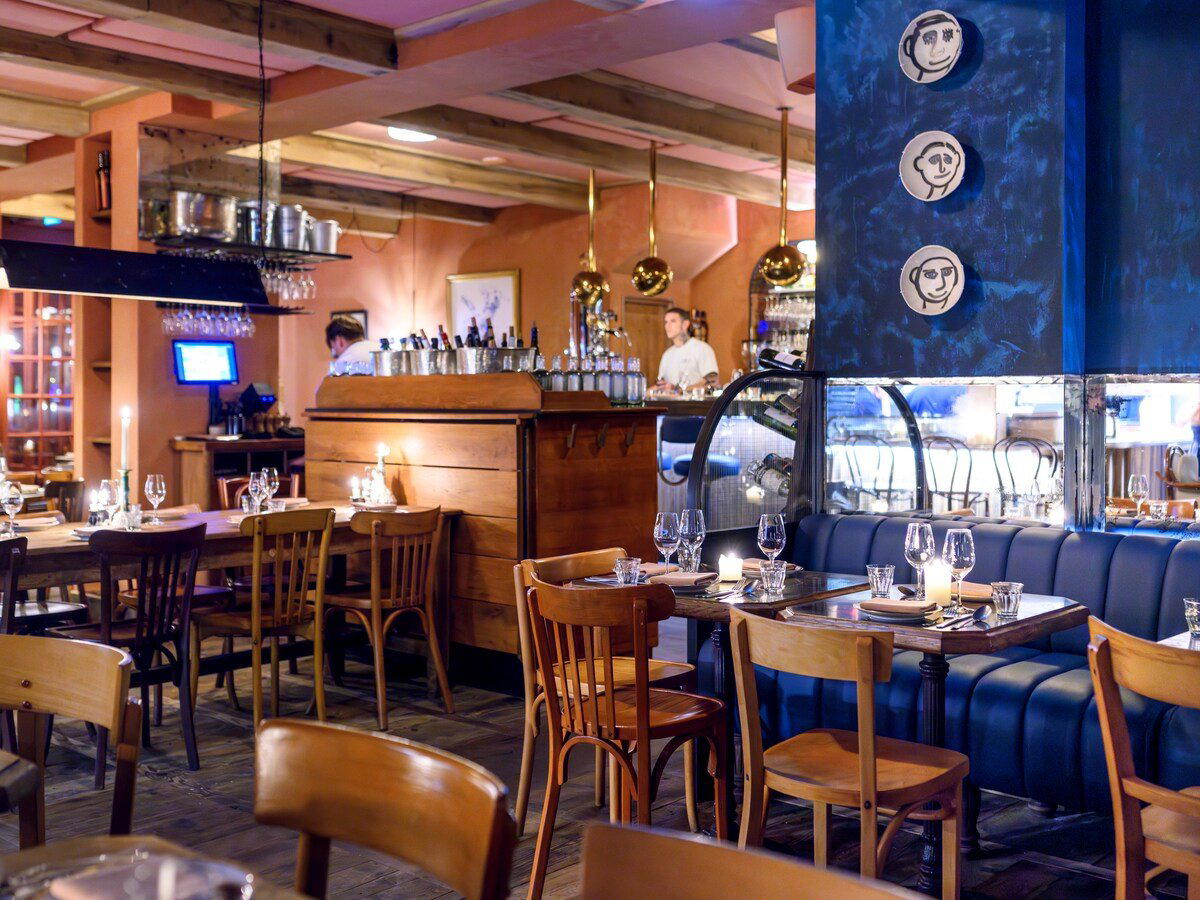
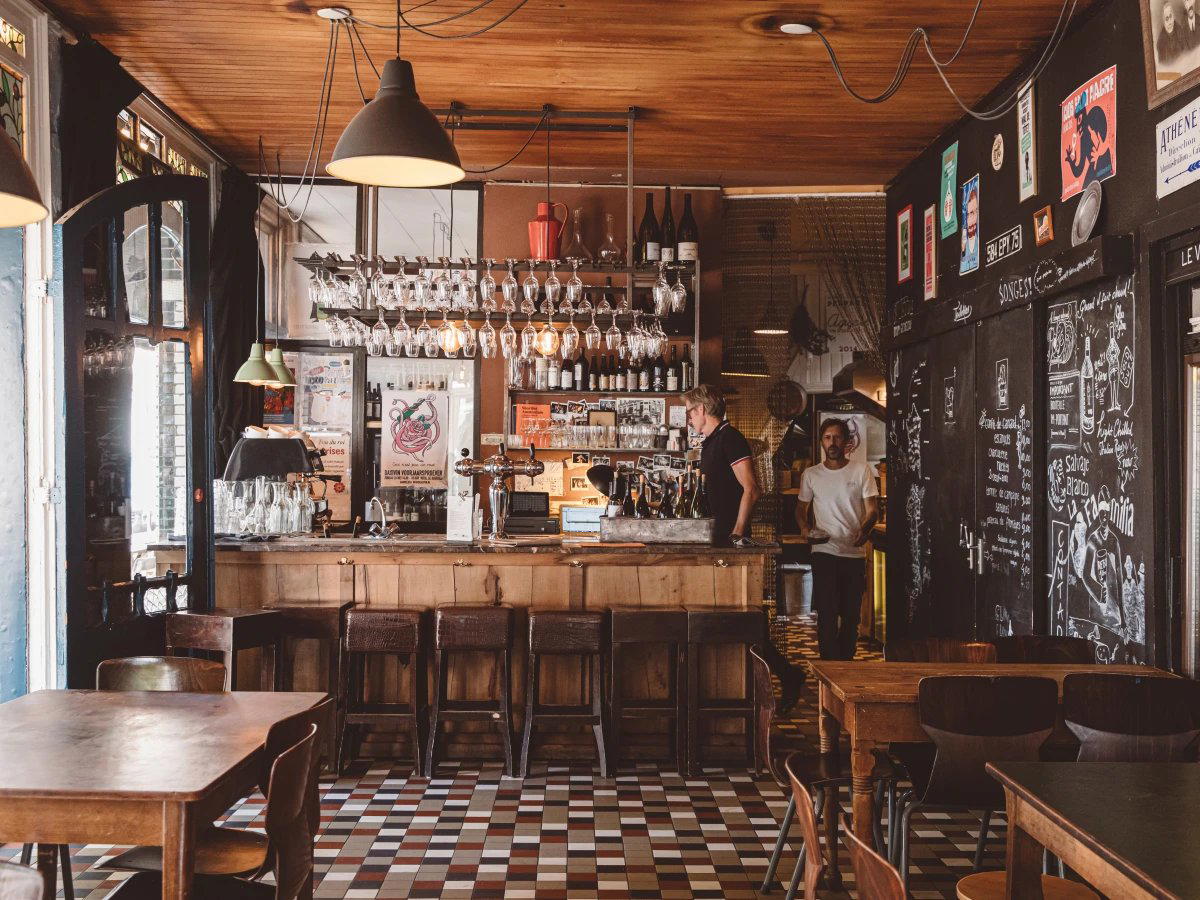
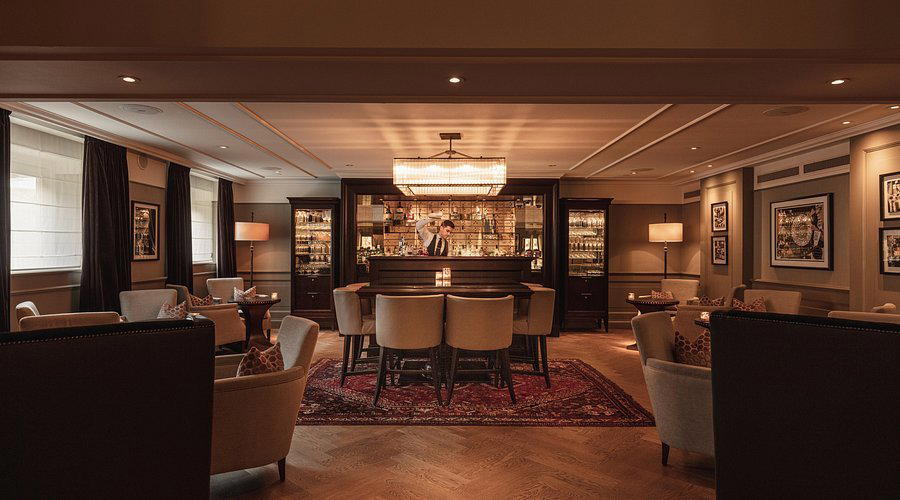
Hotels in Utrecht
Browse all →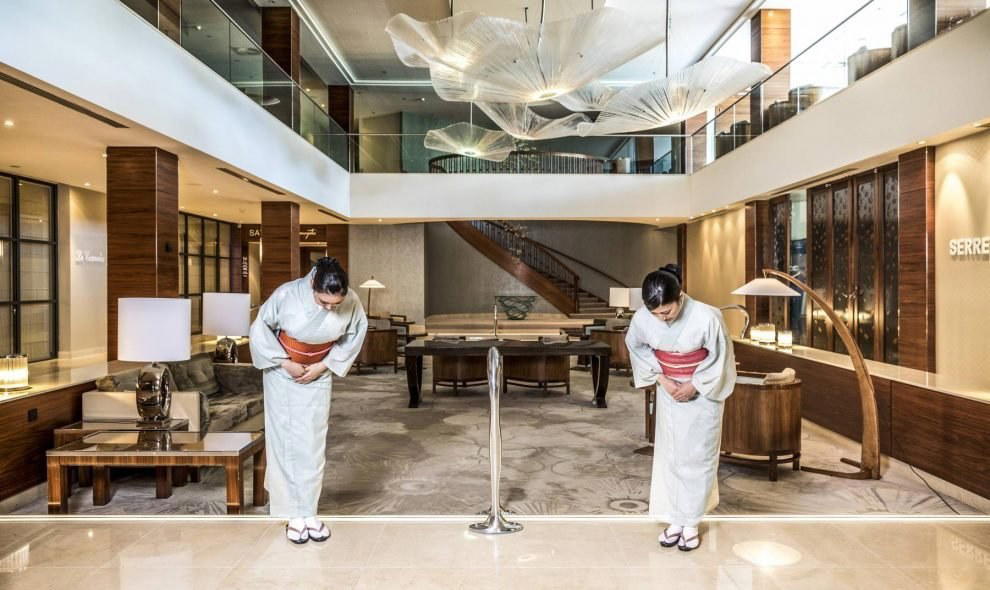
Wineries in Utrecht
Browse all →
At a Glance
- Modern
- Group Dining
- Casual Hangout
Current opening hours
- Monday
- 2–11 PM
- Tuesday
- 2–11 PM
- Wednesday
- 2–11 PM
- Thursday
- 2–11 PM
- Friday
- 2–11 PM
- Saturday
- 9 AM–11 PM
- Sunday
- 9 AM–11 PM
Hours can change for holidays and private events. Last verified .
modern setting with warm hospitality