


1 Michelin Star · Guía Repsol 1 Sol · Macarfi 8.5 Food Rating
Our verdict
A Michelin-starred address in the small Catalan town of Arbúcies, Les Magnòlies sits inside a 19th-century building flanked by three mature magnolia trees at the edge of the Montseny Natural Park. The kitchen runs two tasting menus built around local organic produce from the surrounding area, with à la carte also available. Lunch service runs Wednesday through Sunday at €€€ pricing, with wine-pairing options on both menus.

Pearl is the En Primeur Club membership app — saves, bookings, and concierge access live there. Same editors, same standards.
- Address
- PASSATGE, Passeig Mossèn Anton Serres, 7, 17401 Arbúcies, Girona, Spain
- Phone
- +34 972 86 08 79
- Hours
- Mon–Tue ClosedWed–Sun 1–3:30 PM
- Website
- lesmagnolies.com
- Directions
- Get directions
- Booking
- Book on TheFork
Where the Montseny Forest Meets the Plate
The approach to Passeig Mossèn Anton Serres in Arbúcies gives little away about what awaits at number seven. This is a town of around six thousand people in the Girona comarca of La Selva, set against the wooded ridgelines of the Montseny massif. The building that houses Les Magnòlies is 19th-century stone, and three mature magnolia trees frame it in a way that makes the address feel less like a restaurant destination and more like a private house someone forgot to lock. That particular quality, the sense of stumbling into somewhere that has not been staged for arrival, is exactly what defines the leading eating in rural Catalonia — and it is increasingly rare as the region's reputation draws attention from further afield.
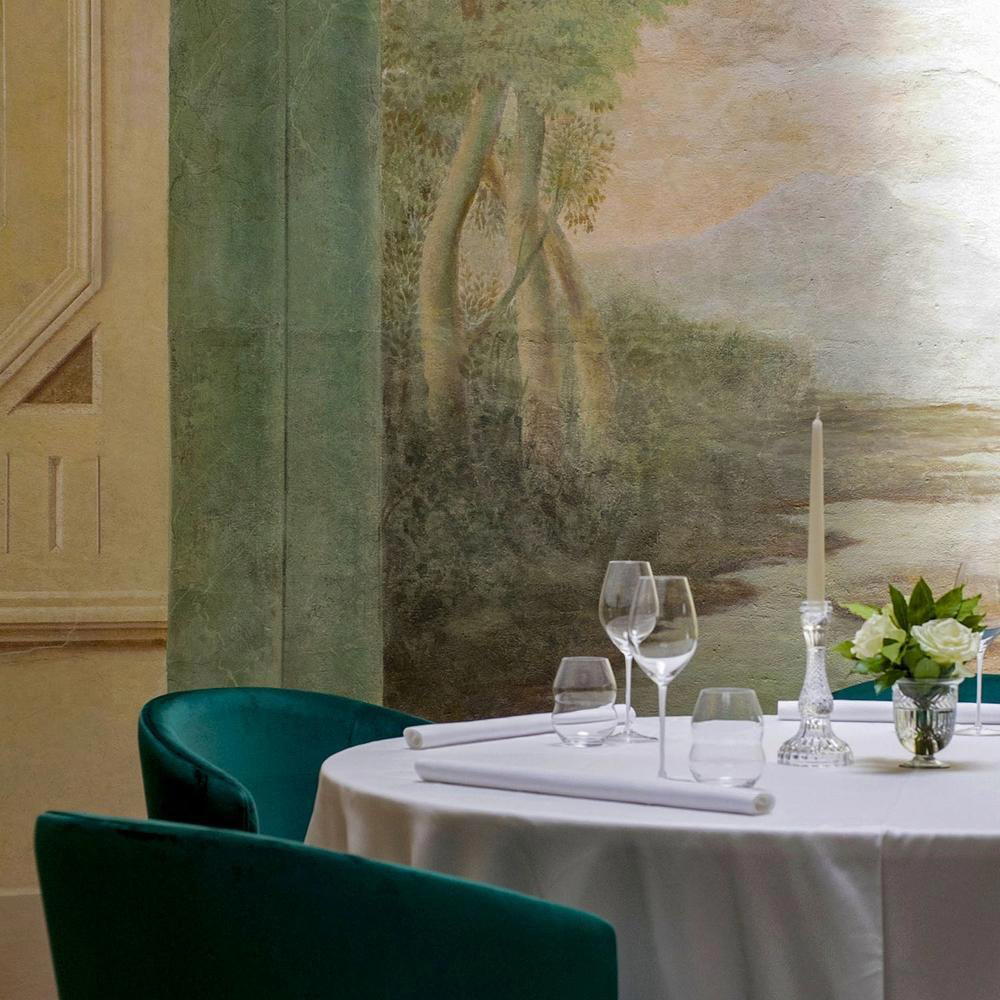
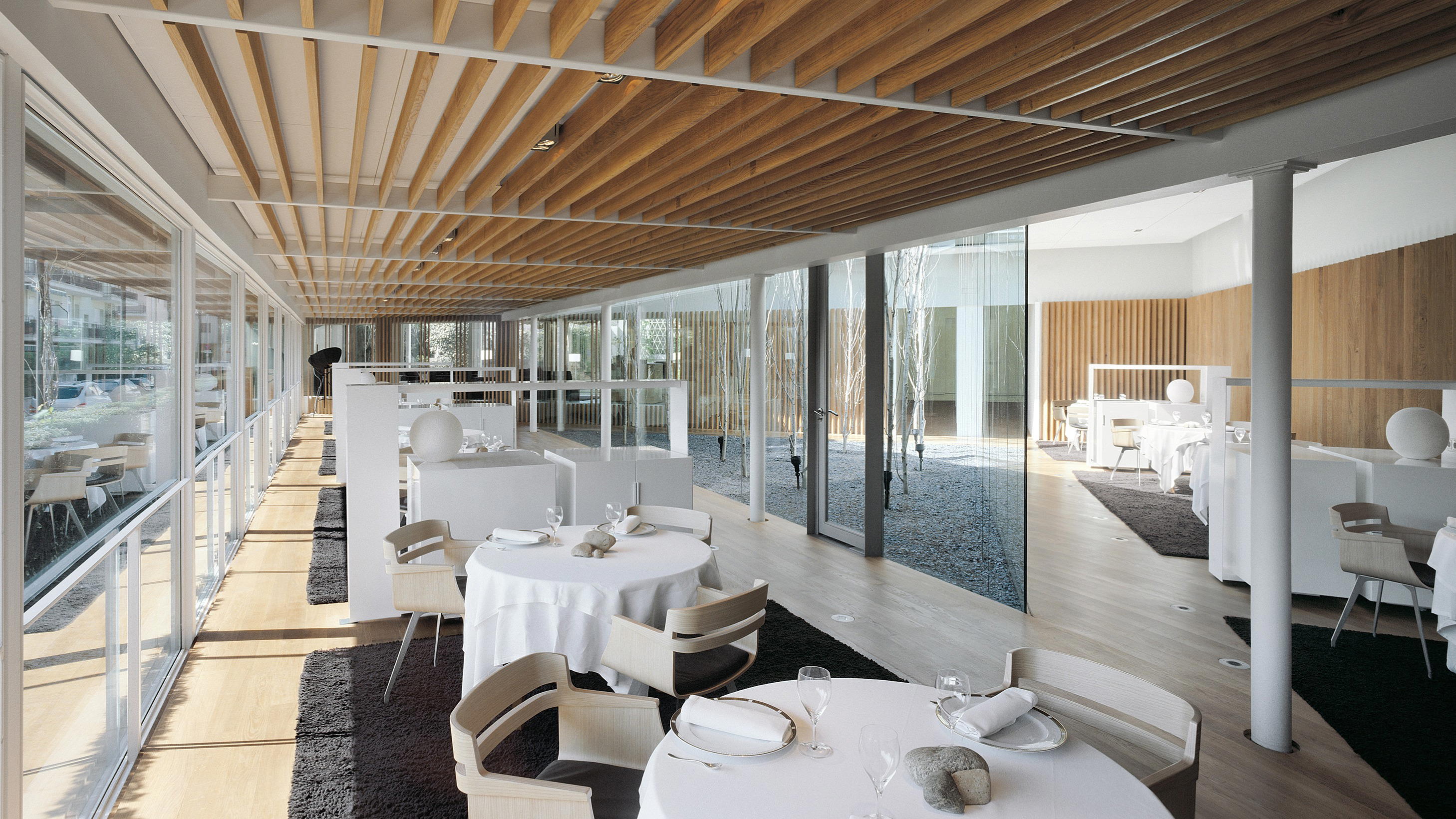
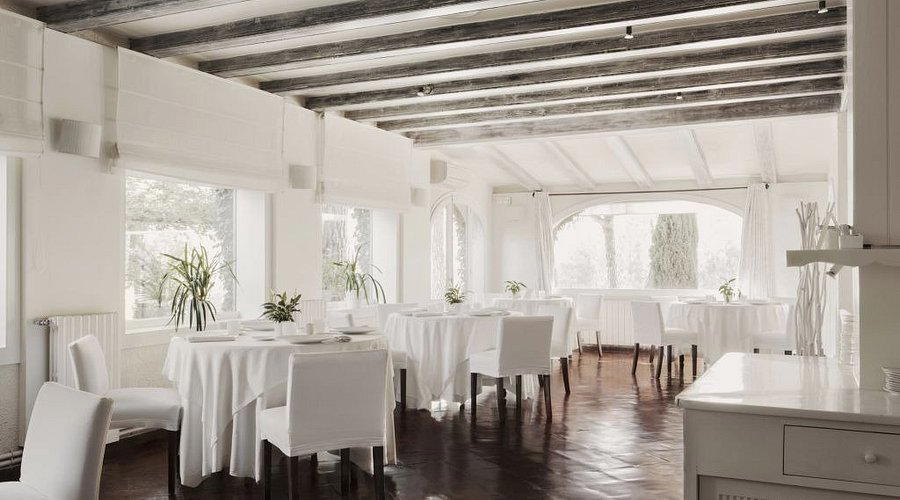
Inside, the decor has been updated with care: the architecture's original character preserved, the comfort levels brought into line with what a Michelin-starred kitchen demands of its dining room. The result is a space that reads as considered without feeling designed, which is a harder balance to achieve than it sounds. Spain's rural fine-dining tier has spent the last decade wrestling with this question — how to modernise without erasing the local texture that justified the restaurant's existence in the first place. Les Magnòlies sits comfortably on the right side of that line.
The Montseny as Larder
The most significant editorial fact about Les Magnòlies is not its Michelin star, awarded in 2024, but the sourcing logic that underlies every plate. The Montseny Natural Park, a UNESCO Biosphere Reserve covering roughly 30,000 hectares of mixed forest, river valleys, and mountain pasture, functions here as an active larder rather than a scenic backdrop. The kitchen's commitment to local organic ingredients is structural, not decorative: it shapes both the tasting menu formats and the broader culinary argument the restaurant is making.
This matters because ingredient-led cooking in rural Spain operates differently from the same philosophy applied in a city. In Barcelona or Madrid, a chef sourcing locally is making a statement against industrialisation. In Arbúcies, sourcing from the Montseny corridor is simply what proximity allows, and what the seasons enforce. The wild mushrooms, game, river fish, and mountain herbs that the landscape produces in rotation are not brought in to signal intent; they appear because they are there, and because the terrain has shaped a distinct Catalan pantry that cannot be replicated anywhere else.
The two tasting menus reflect this directly. "A Stroll through Montseny" and "A Journey through Montseny" are not names chosen for marketing effect. They describe a progression through the park's produce, lighter and more introductory in the first format, more extended and technical in the second. Both carry a wine-pairing option, which given the proximity to the Osona and Empordà wine zones is worth taking seriously. An à la carte is available for those who prefer to direct their own path through the kitchen's output.
Technical Ambition at Rural Scale
Modern Catalan cuisine operates within a tradition that stretches from the foundational work at El Celler de Can Roca in Girona through to the more disruptive registers of Disfrutar in Barcelona. The common thread is technical precision applied to Catalan raw materials, with the ambition calibrated differently depending on scale and context. Les Magnòlies occupies the rural end of that spectrum, a single Michelin star, a lunch-only format, a small town setting, but the kitchen's orientation is clearly toward the technical tier of that tradition rather than its more conservative expressions.
Head chef Víctor Torres divides his time between Arbúcies and Quirat de la Ciudad Condal at the InterContinental Barcelona, an arrangement that places him within Spain's broader fine-dining conversation while keeping the Montseny project grounded in its specific place. The culinary framework he has articulated draws from Joan Miró: the idea that a cook becomes an artist when the plate carries something to say. That framing aligns Les Magnòlies with the strand of Spanish cooking, represented at the other end of the ambition scale by DiverXO in Madrid, Arzak in San Sebastián, or Mugaritz in Errenteria, that treats the plate as a site of intention, not just execution.
At €€€ pricing, Les Magnòlies sits a tier below the €€€€ bracket occupied by Spain's highest-profile starred addresses. Compare it against Aponiente in El Puerto de Santa María, Quique Dacosta in Dénia, Azurmendi in Larrabetzu, Martin Berasategui in Lasarte-Oria, Ricard Camarena in València, or Atrio in Cáceres and the value proposition at Arbúcies becomes apparent. This is technically ambitious cooking in a deeply specific landscape, and it is priced for the context rather than the headline.
When to Go and How to Plan
Service runs Wednesday through Sunday, lunch only, from 1 PM to 3:30 PM. Monday and Tuesday the kitchen is closed. For visitors approaching from Barcelona, roughly an hour and fifteen minutes north by car through the Montseny foothills, a Saturday booking combined with a walk in the park beforehand makes the most geographic sense. The Montseny route from Sant Celoni through Arbúcies is well-established among Barcelona day-trippers, and the restaurant's opening hours are calibrated to that pattern.
The €€€ price band, combined with the limited lunch window and the Michelin star earned in 2024, means forward planning is advisable. Arbúcies itself offers enough in the surrounding natural park to justify an overnight stay rather than a day trip; for accommodation options and broader travel planning, see our full Arbúcies hotels guide. For readers interested in how the ingredient-sourcing model applies at different latitudes, the work at Frantzén in Stockholm and FZN by Björn Frantzén in Dubai offers an instructive contrast in how chefs transpose a terrain-rooted philosophy across entirely different sourcing environments.
Frequently asked questions
Is Les Magnòlies good for families?
The setting, a restored 19th-century building with mature magnolia trees on Passeig Mossèn Anton Serres, is calm rather than formal, which suits adults and older children comfortable with a longer lunch format. Service runs Wednesday through Sunday, lunch only, meaning there are no late evening sittings. Families with younger children should be aware that the two tasting menus, "A Stroll through Montseny" and "A Journey through Montseny," are structured courses rather than flexible à la carte dining, though an à la carte option is also available.
What's the overall feel of Les Magnòlies?
Les Magnòlies sits in a 19th-century building in Arbúcies, a town of around six thousand people on the edge of the Parque Natural del Montseny, and the room reflects a considered renovation that preserved the building's character without museum-piece stiffness. The kitchen, led by Víctor Torres, who also runs the award-winning Quirat at the InterContinental Barcelona, operates at a technical level that earned a Michelin star in 2024, yet the guiding philosophy, rooted in local organic sourcing and a Joan Miró-borrowed principle about the cook as artist, keeps the experience grounded in the region rather than detached from it.
Is Les Magnòlies Michelin-listed?
Les Magnòlies has received recognition including: If you’re in or around Arbúcies, close to the Parque Natural del Montseny, this restaurant is a must for all food-lovers. Taking its name from the three mature magnolia trees that surround this 19C building, it has successfully and sympathe….
What should I order at Les Magnòlies?
The two tasting menus, "A Stroll through Montseny" and "A Journey through Montseny," are the most direct expression of what chef Víctor Torres is doing with local organic produce from the surrounding natural park, and both are available with wine pairing. If you prefer to set your own pace, an à la carte menu is also offered. Given the Michelin star recognition and the kitchen's stated commitment to seasonal, technically driven plates, the tasting menus with wine pairing represent the fullest case for the €€€ price positioning.
| Venue | Cuisine | Price | Awards |
|---|---|---|---|
| Les MagnòliesThis venue — the venue you are viewing | Modern Catalan Fine Dining | $100–150 | 1 Michelin Star · Guía Repsol 1 Sol |
| Aponiente | Progressive - Seafood, Creative | Not listed | Michelin 3 Star |
| Arzak | Modern Basque, Creative | Not listed | Michelin 3 Star |
| DiverXO | Progressive - Asian, Creative | Not listed | Michelin 3 Star |
| El Celler de Can Roca | Progressive Spanish, Creative | Not listed | Michelin 3 Star |
| Quique Dacosta | Creative | Not listed | Michelin 3 Star |
Recognition history
Dated appearances from independent guides and award organizations, with the underlying list record or original source where available.
Michelin 1 Star
Michelin
Guía Repsol 1 Sol
Guía Repsol
Macarfi 8.5 Food Rating
Macarfi
Full recognition history (5 entries)
Michelin 1 Star
Michelin
Michelin 1 Star
Michelin
Continue exploring
More in Arbúcies
Restaurants in Arbúcies
Browse all →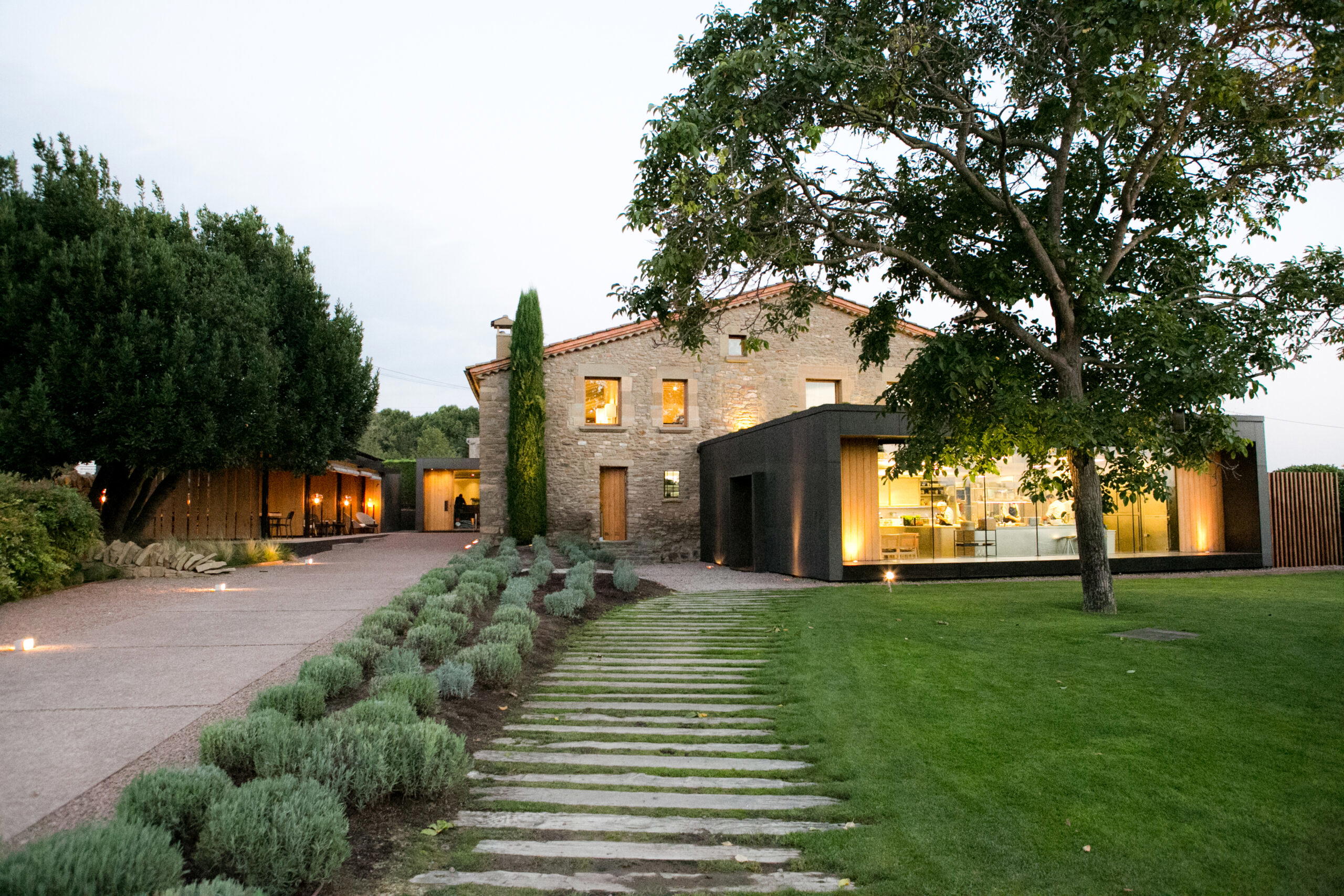
Bars in Arbúcies
Browse all →
Hotels in Arbúcies
Browse all →
Wineries in Arbúcies
Browse all →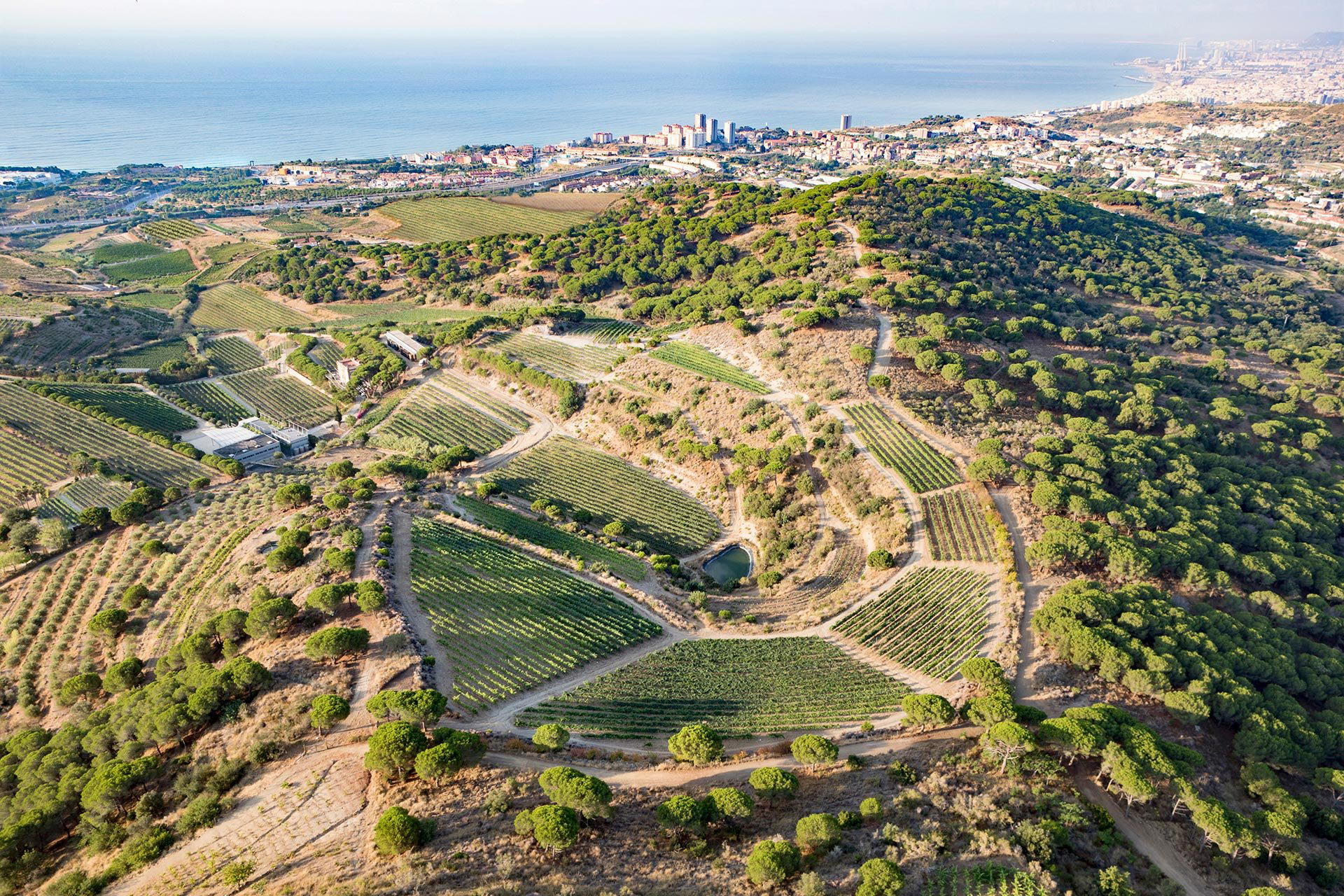
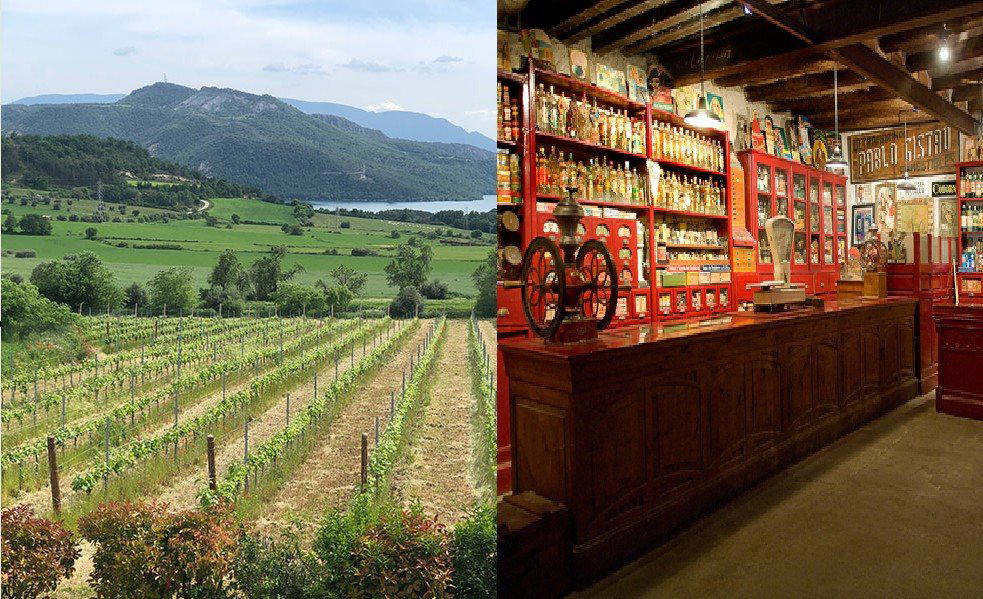
Details
- Cozy
- Elegant
- Intimate
- Scenic
- Special Occasion
- Date Night
- Celebration
- Terrace
- Historic Building
- Extensive Wine List
- Local Sourcing
- Organic
- Garden
- Tasting Menu
- A La Carte
Current opening hours
- Monday
- Closed
- Tuesday
- Closed
- Wednesday
- 1–3:30 PM
- Thursday
- 1–3:30 PM
- Friday
- 1–3:30 PM
- Saturday
- 1–3:30 PM
- Sunday
- 1–3:30 PM
Hours can change for holidays and private events. Last verified .
Cozy and elegant with well-spaced tables, neutral tones, warm lighting, and a calm, peaceful atmosphere well-suited for leisurely fine dining.