Els Tinars







1 Michelin Star · La Liste Top Restaurants · Guía Repsol 2 Soles
Our verdict
A Michelin-starred farmhouse on the road between Sant Feliu de Guíxols and Girona, Els Tinars has anchored Costa Brava's serious dining scene for decades. Chef Marc Gascons works an à la carte of traditional Catalan cooking sourced from nearby producers and the Palamós fish auction, with two set menus available alongside. Ranked 505th in Europe by Opinionated About Dining in 2025 and scoring 79.5 points on La Liste, this is the kind of place the region built its reputation on.

Pearl is the En Primeur Club membership app — saves, bookings, and concierge access live there. Same editors, same standards.
- Address
- Ctra. de St. Feliu a Girona, km 7, 2, 17240 Llagostera, Girona, Spain
- Phone
- +34 972 83 06 26
- Hours
- Mon ClosedTue–Thu 1–3:30 PMFri–Sat 1–3:30 PM, 8–10:30 PMSun 1–3:30 PM
- Website
- elstinars.com
- Directions
- Get directions
- Booking
- Book on TheFork
The menu
What to order
- Palamós Prawn Tartare
- Gnocchi with Imperial Caviar
- Squab
- Tuna Tartare with Egg
- Catalan Gilda
A Farmhouse on the Road to Girona
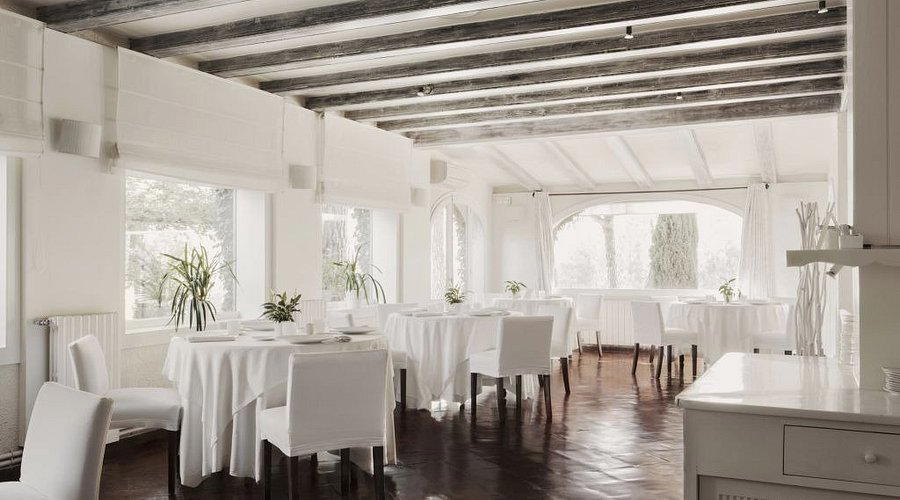
The approach to Els Tinars sets the register immediately. The restaurant occupies a restored masia, a Catalan farmhouse of the kind that once organised the agricultural life of the Baix Empordà, sitting on the road between Sant Feliu de Guíxols and Girona at kilometre seven. The building's bones are old, the interior is bright and Mediterranean in its materials and light, and in summer a garden terrace takes over as the main room. This is not the self-conscious rusticity of a city restaurant borrowing countryside aesthetics; it is a working farmhouse that became a serious kitchen, and the sequence feels natural rather than designed.
Costa Brava's dining tradition has always operated at a remove from Barcelona's creative vanguard. Where Disfrutar in Barcelona and El Celler de Can Roca in Girona work in the register of technical transformation, the strongest kitchens along this coastline have tended to define themselves through fidelity to product: what was pulled from the sea that morning, what the local producer brought in, what the season dictates. Els Tinars sits squarely in that tradition, and has done so long enough to have shaped it.
The Olive Oil Foundation: How the Cuisine Is Built
Catalan cooking rests on a short list of foundational elements, and olive oil is the most consequential. It is not decoration or finishing; it is structure. The sofregit that underpins so many Catalan sauces, the pa amb tomàquet that begins nearly every table, the slow-braised preparations that characterise the inland kitchen: all of them depend on the quality and character of the oil used. The Baix Empordà sits within reach of the Arbequina groves of the Garrigues and the more strong Siurana denominations to the south, and the leading kitchens in the region treat oil selection with the same rigour applied to wine. At Els Tinars, the commitment to local producers extends to this base level. The sourcing philosophy that brings Palamós prawns and seasonal vegetables to the pass begins with the same logic applied to what goes into the pan first.
This matters because it changes the flavour arithmetic of the food. When the base fat is right, dishes that look simple on the menu carry more complexity than their description suggests. Traditional Catalan cuisine at this level is not simple food dressed up; it is disciplined cooking that asks the ingredient to speak rather than asking technique to compensate for weakness elsewhere. That distinction separates a kitchen like this from the more interventionist approach of, say, Aponiente in El Puerto de Santa María or Quique Dacosta in Dénia, where the product is the raw material for something more architecturally complex. Neither approach is superior; they are answering different questions about what Spanish cooking can be.
The Menu Architecture
The format at Els Tinars is built around an extensive à la carte of traditional Catalan dishes, with two set menus available for those who prefer a curated sequence: a shorter seasonal option and a full tasting menu. The breadth of the à la carte is deliberate. It allows the kitchen to respond to what arrived at the Palamós fish auction that week, what the nearby producers brought in, and what the season makes available, without committing every table to an identical progression. For a kitchen rooted in tradition rather than avant-garde technique, this is the more honest format: the repertoire is wide because the tradition is wide.
The Palamós prawn tartare has become the restaurant's most requested dish, a telling signal about what guests come here for. Palamós prawns (gambes de Palamós) occupy a specific place in Catalan seafood culture: the auction at the port is among the most closely watched in the region, and the prawn's sweetness and texture at peak freshness are well documented. The garnishes shift with the season, which means the dish is not static. It is a reliable index of the kitchen's sourcing, given new expression each time. For those trying to calibrate this restaurant against the broader Spain context, it is worth noting the difference in register: where Arzak in San Sebastián or Martin Berasategui in Lasarte-Oria use the finest local ingredients as the starting point for technical elaboration, Els Tinars uses them as the destination.
Vegetable work at the restaurant has drawn specific commentary from diners and critics, with particular mention of freshness and depth of flavour. The proximity to small producers in the Empordà gives the kitchen a genuine advantage here. The flat agricultural land behind the Costa Brava coast produces a range of seasonal vegetables that rarely make it beyond the regional market, and a kitchen that has built relationships with those producers over years has access to material that no amount of city sourcing can replicate.
Where It Sits in the Spanish Fine Dining Hierarchy
Els Tinars holds one Michelin star (2024), placing it in a tier below the multi-starred operations that define Spain's global reputation in fine dining. But the Michelin framework is only one axis of assessment. On La Liste, which aggregates critical opinion across publications and guides, the restaurant scored 79.5 points in 2025, ranking it among the more consistently regarded kitchens in Europe. Opinionated About Dining, which draws on a network of experienced frequent diners, placed it 505th in Europe in 2025, up from 532nd in 2024, a movement that suggests growing recognition rather than a plateau. These are not the rankings of a restaurant coasting on local reputation.
The competitive context is worth mapping clearly. Spain's most technically ambitious restaurants, including Mugaritz in Errenteria, DiverXO in Madrid, and Azurmendi in Larrabetzu, operate at the €€€€ price point and position themselves as creative propositions first. Els Tinars prices at €€€ and positions itself as a traditional kitchen first. These are not competing for the same diner on the same occasion. Where a restaurant like Ricard Camarena in València bridges the gap between technical ambition and regional product, Els Tinars holds the traditional end of the spectrum without apology. That is a position, not a limitation.
Within Llagostera itself, L'Atelier Dagà Clos occupies the Traditional Cuisine category alongside Els Tinars, giving the small town a concentration of serious cooking that is unusual for a municipality of its size. For a fuller picture of what the area offers across categories, our full Llagostera restaurants guide maps the dining scene in detail.
The Role of the Garden and the Season
The summer terrace is not incidental to the experience. In the warmest months, dining outside in the garden of a restored Catalan farmhouse changes the pace and atmosphere of a meal in ways that an interior room cannot replicate. The transition between seasons is also built into how the kitchen operates: the shorter seasonal set menu is the most direct expression of what is available right now, while the à la carte gives returning guests reason to come back across the year and find the menu has moved.
The R&D; space within the building is the mechanism by which new dishes enter the repertoire. This is a kitchen that is not frozen in tradition but is working to extend it, developing new preparations that remain grounded in Catalan cooking logic while finding new expressions for local ingredients. The process is ongoing and internal, which keeps the creative development connected to the kitchen's identity rather than to external trends.
Planning Your Visit
Els Tinars is open for lunch and dinner every day of the week, with lunch service running from 1 PM to 3:30 PM and dinner from 8 PM to 10:30 PM. The restaurant sits on the carretera between Sant Feliu de Guíxols and Girona, making it accessible by car from either town and reachable from the broader Costa Brava hotel corridor. Guests arriving by car receive a code for the external car park, which includes electric vehicle charging points. The price point at €€€ places it in the mid-to-upper tier for the region, below the full tasting-menu-only operations that price at €€€€, and appropriate for either a long lunch or a serious dinner. For those planning a wider Costa Brava stay, our Llagostera hotels guide, bars guide, wineries guide, and experiences guide cover the surrounding area in full.
Frequently asked questions
What's the must-try dish at Els Tinars?
The Palamós prawn tartare is the kitchen's most requested dish, and its consistency across seasons makes it the clearest statement of what this restaurant does. Palamós prawns are among the most prized seafood in Catalonia, sourced directly from the port auction, and the tartare format showcases their texture and sweetness without obscuring either. The garnishes change with the season, so the dish is never exactly the same twice. For context on how this kind of product-first approach compares to other Spanish fine dining, see Le Bernardin in New York City, which applies a similar discipline to seafood from a French technical base. Chef Marc Gascons, who leads the kitchen with his sister Elena managing front of house, has built the entire menu around this sourcing logic, supported by a Michelin star (2024) and a La Liste score of 79.5 points in 2025.
In Context: Similar Options
| Venue | Cuisine | Price | Awards |
|---|---|---|---|
| Els TinarsThis venue — the venue you are viewing | Modern Catalan Fine Dining | $100–150 | 1 Michelin Star · La Liste Top Restaurants |
| Aponiente | Progressive - Seafood, Creative | Not listed | Michelin 3 Star |
| Arzak | Modern Basque, Creative | Not listed | Michelin 3 Star |
| DiverXO | Progressive - Asian, Creative | Not listed | Michelin 3 Star |
| El Celler de Can Roca | Progressive Spanish, Creative | Not listed | Michelin 3 Star |
| Quique Dacosta | Creative | Not listed | Michelin 3 Star |
Recognition history
Dated appearances from independent guides and award organizations, with the underlying list record or original source where available.
Michelin 1 Star
Michelin
La Liste Top Restaurants
La Liste
Falstaff Restaurant - 93 Falstaff Points
Falstaff
Guía Repsol 2 Soles
Guía Repsol
Macarfi 8.9 Food Rating
Macarfi
Full recognition history (13 entries)
Opinionated About Dining Top Restaurants in Europe Recommended
Opinionated About Dining
La Liste Top Restaurants
La Liste
Michelin 1 Star
Michelin
Opinionated About Dining Top Restaurants in Europe Ranked #505
Opinionated About Dining
We're Smart World 1 Radish
We're Smart World
Michelin 1 Star
Michelin
Opinionated About Dining Top Restaurants in Europe Ranked #532
Opinionated About Dining
Opinionated About Dining Top New Restaurants in Europe Recommended
Opinionated About Dining
Continue exploring
More in Llagostera
Restaurants in Llagostera
Browse all →
Bars in Llagostera
Browse all →
Hotels in Llagostera
Browse all →
Wineries in Llagostera
Browse all →
Details
- Elegant
- Romantic
- Sophisticated
- Scenic
- Date Night
- Special Occasion
- Celebration
- Garden
- Terrace
- Private Dining
- Historic Building
- Standalone
- Sommelier Led
- Farm To Table
- Local Sourcing
- Garden
- A La Carte
- Tasting Menu
- Set Menu
- Wine Pairings
- Local Wines
- Vegetarian Friendly
- Vegan Options
- Gluten Free Options
Current opening hours
- Monday
- Closed
- Tuesday
- 1–3:30 PM
- Wednesday
- 1–3:30 PM
- Thursday
- 1–3:30 PM
- Friday
- 1–3:30 PM, 8–10:30 PM
- Saturday
- 1–3:30 PM, 8–10:30 PM
- Sunday
- 1–3:30 PM
Hours can change for holidays and private events. Last verified .
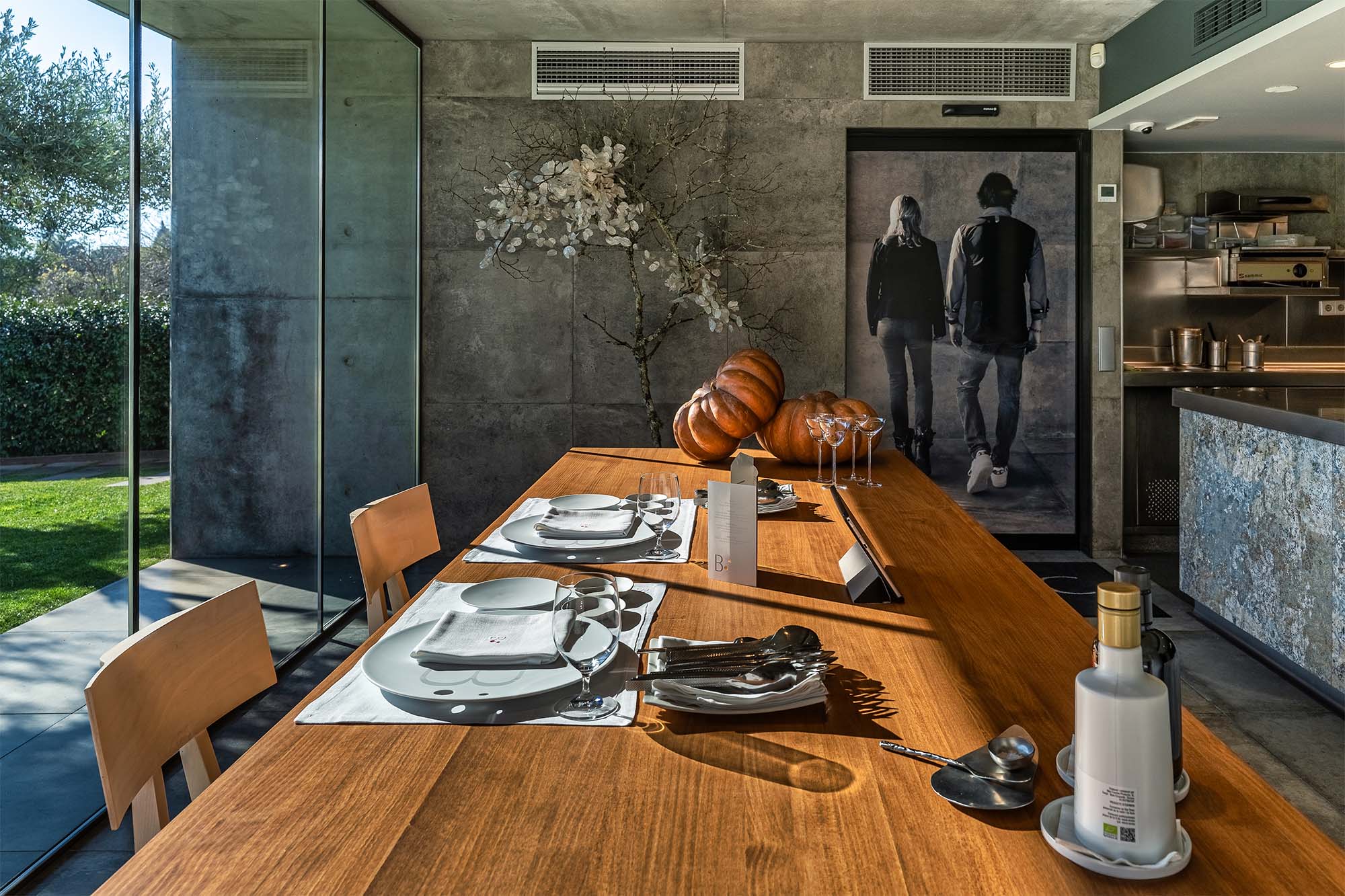
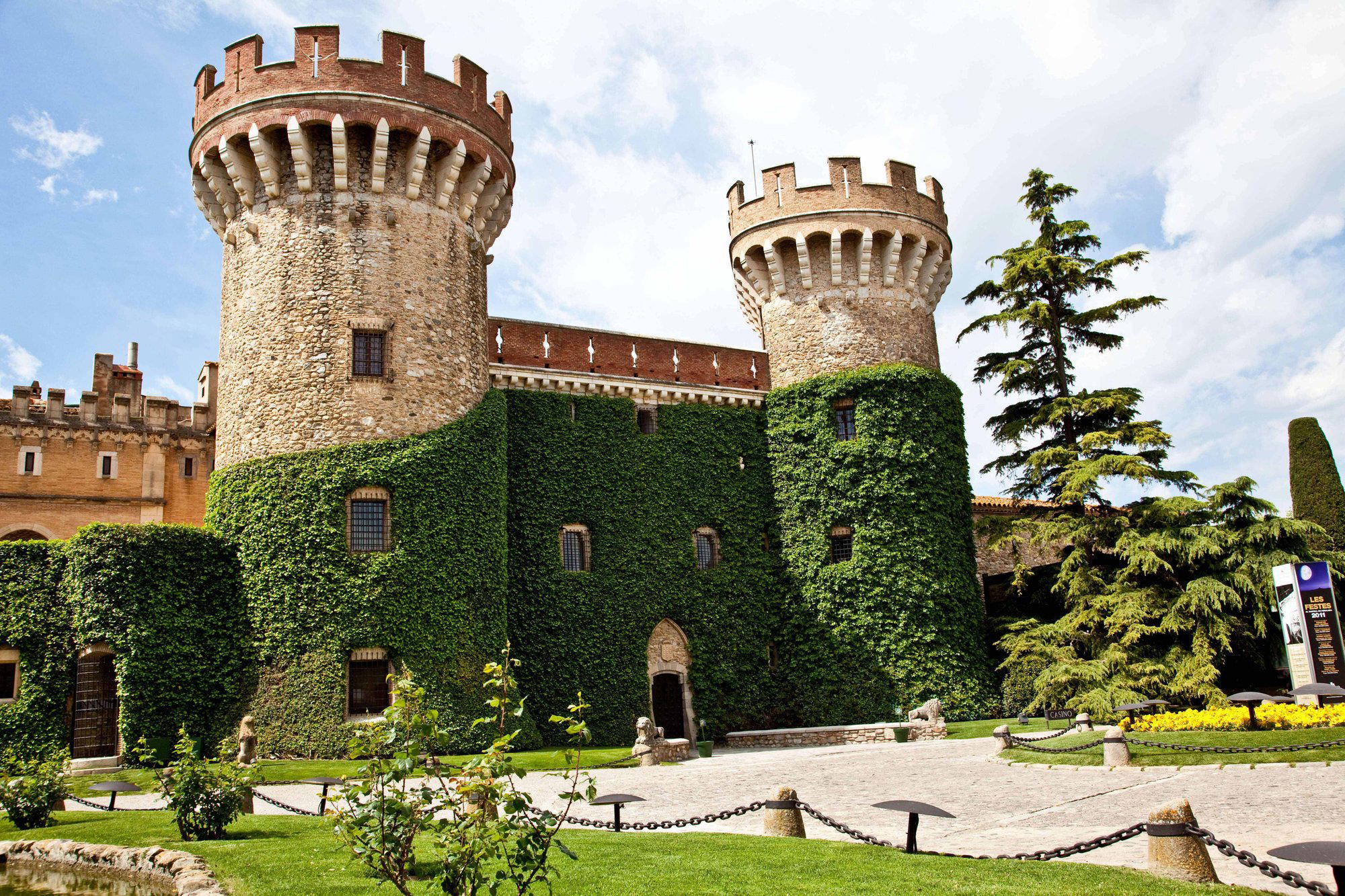
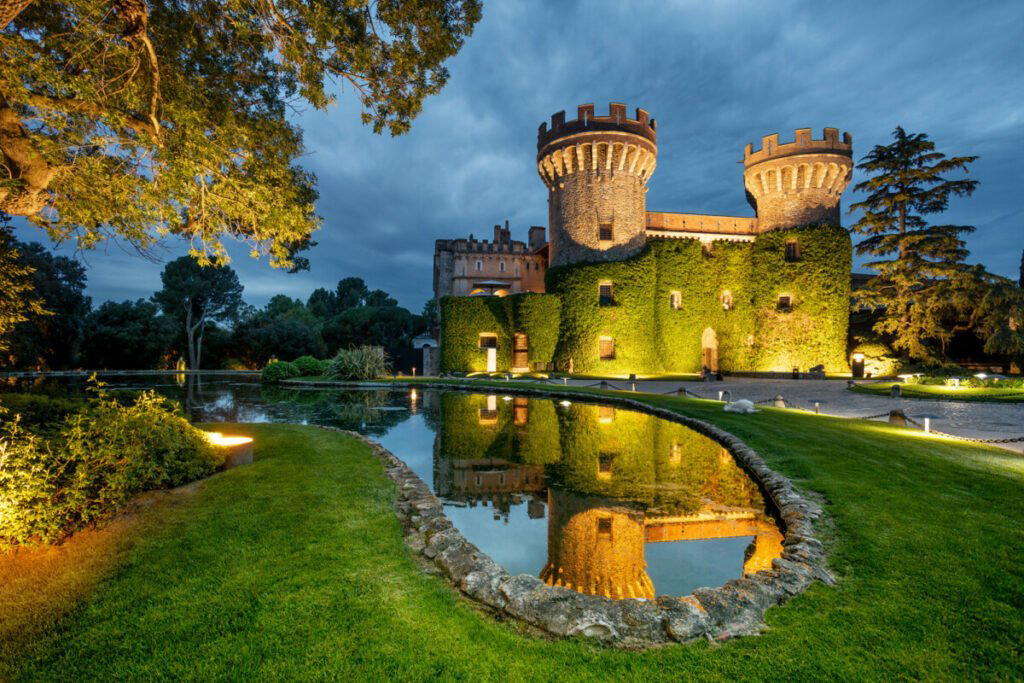
Bright Mediterranean-inspired interior with minimalist Provençal design; luxuriant garden-terrace for summer dining; calm, serene atmosphere free of ostentation.