
Our verdict
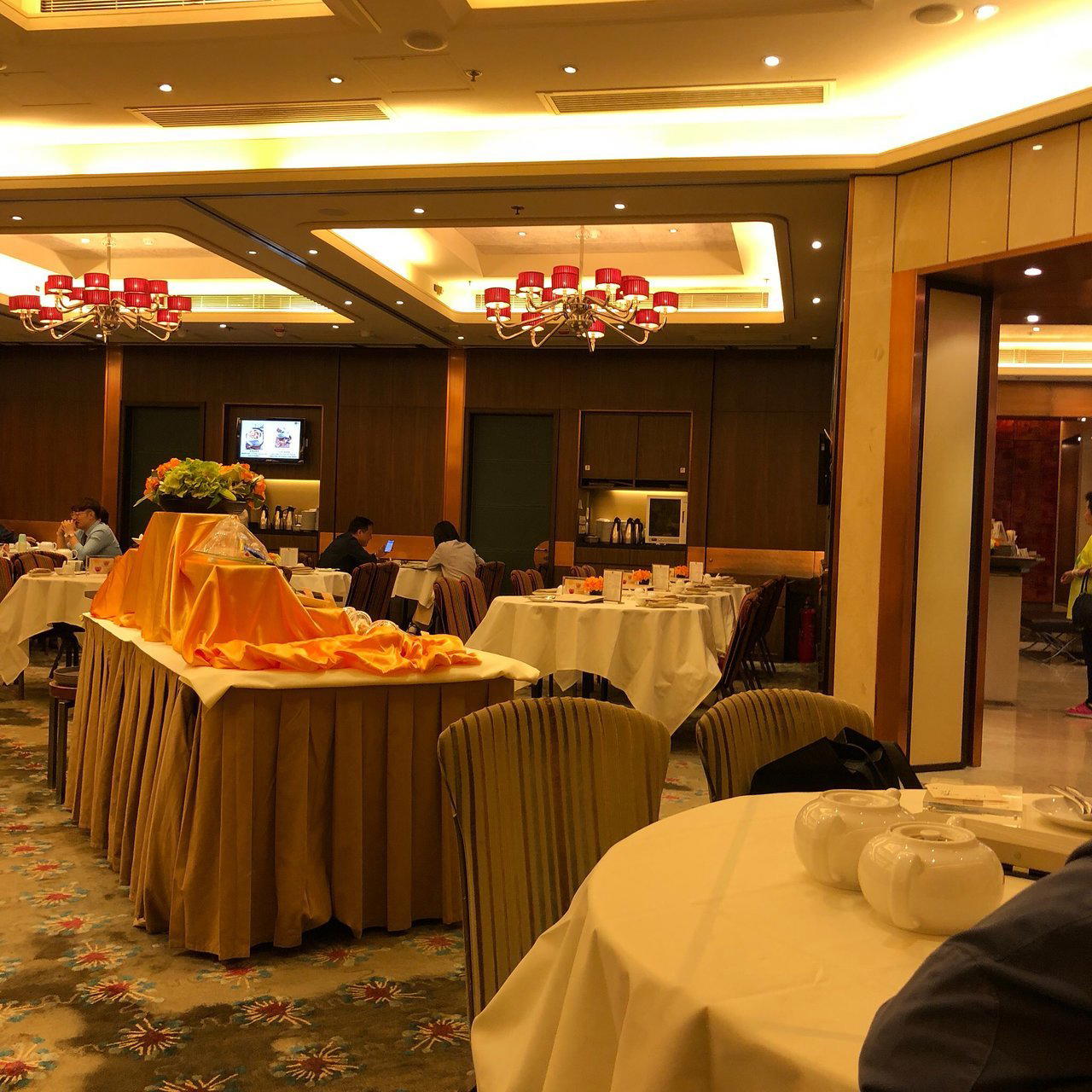
Lei Garden in Central has tracked upward through Opinionated About Dining's Asia rankings three consecutive years, reaching #203 in 2024 and #226 in 2025. The kitchen operates within Hong Kong's serious Cantonese tradition, where wok hei discipline and precisely timed high-heat cooking remain the defining measures of quality. An address at 8 Finance Street places it squarely in the IFC district, where the city's finance and diplomatic circuit dines.

Pearl is the En Primeur Club membership app, where members save venues, book tables and use the concierge.
The menu
What to order
- Crispy roasted pork
- Winter melon soup
- Har gow (shrimp dumplings)
- Lobster broth rice
- Roast goose
- Crispy roasted duckling
Central's Cantonese Benchmark
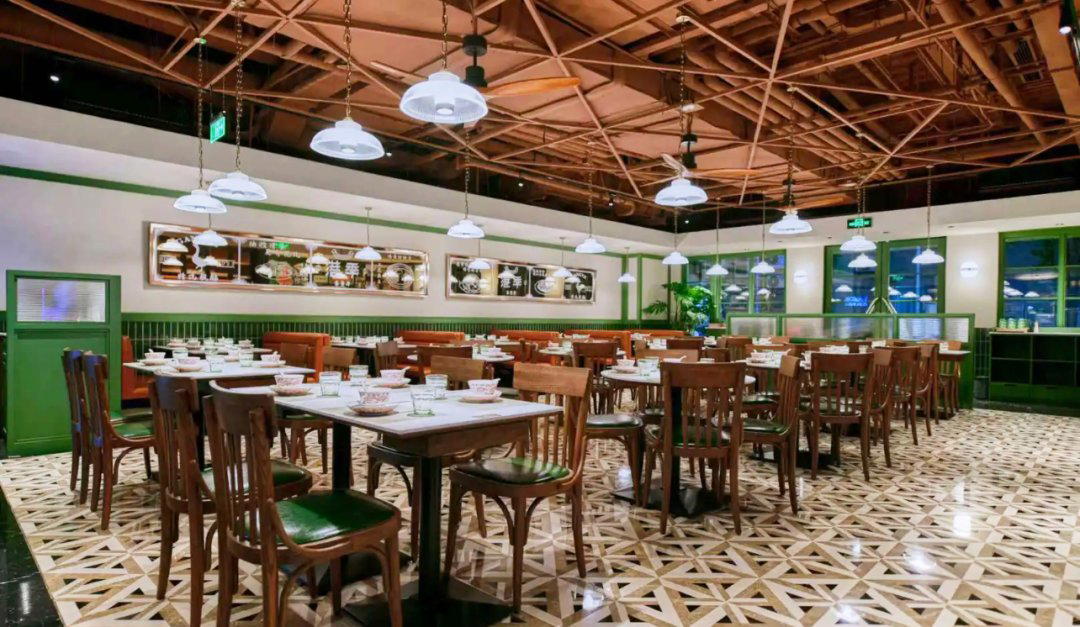
The dining room at 8 Finance Street sits inside one of Hong Kong's most concentrated corridors of high-end eating. Central's IFC precinct has become a proving ground for the city's serious Cantonese restaurants, where a lunch crowd drawn from regional banking headquarters and a dinner crowd that expects precision from every plate hold kitchens to an unusually consistent standard. Lei Garden operates in that pressure zone, and its steady movement through Opinionated About Dining's Asia rankings, recommended in 2023, ranked #203 in 2024, rising to #226 in 2025, reflects a kitchen that has maintained quality across the period rather than delivering a single celebrated moment.
That upward trajectory, modest in absolute number but meaningful in context, places Lei Garden inside a tier of Cantonese restaurants that are taken seriously by the critics who track the region's Chinese dining most closely. In Hong Kong, where Cantonese competition is dense and the bar for technical cooking is set by institutions like Lung King Heen, Lai Ching Heen, and T'ang Court, a consistent OAD presence signals something more than repeat bookings from regulars.
Wok Hei and the Discipline of High Heat
Cantonese cuisine, at its technical core, is defined by the relationship between flame, metal, and timing. Wok hei, literally 'breath of the wok', describes the flavour transformation that occurs when ingredients hit a seasoned wok at extreme temperatures for a matter of seconds. It is not a flavour that can be approximated by lower heat or longer cooking; it requires a cook who understands the exact moment a dish must leave the flame. In Hong Kong's upper tier of Cantonese restaurants, the presence or absence of this quality is often what separates the reviewed from the ranked.
At Lei Garden, the kitchen's approach sits within this tradition. Cantonese wok cooking demands speed, calibration, and an instinct for heat that accumulates over years at the station rather than from a single training philosophy. The restaurants in this tier typically maintain teams of wok cooks with deep institutional knowledge, which is why consistency, rather than innovation, tends to be the primary measure critics apply. A restaurant ranked twice running by OAD in Asia is, by definition, meeting that consistency threshold.
The broader Cantonese style practised at this level prioritises the natural character of ingredients over heavy seasoning. Seafood arrives at the table with minimal intervention; sauces are built to complement rather than to define. Dim sum, where it features, is held to the same standard of precision as the kitchen's main service, with wrapper thickness, filling ratios, and steaming time each managed with the same care applied to a wok-tossed dish. In Hong Kong's competitive mid-to-upper Cantonese category, these are the details that differentiate.
Where Lei Garden Sits in the Hong Kong Cantonese Field
Hong Kong's Cantonese restaurant scene distributes across several distinct tiers. At the peak sit the three-Michelin-star operations like Lung King Heen, which has held its stars since 2009 and operates with a price point and booking window to match. Below that, a large mid-upper tier of one- and two-starred or award-tracked restaurants carries the bulk of serious daily dining. Lei Garden sits in this tier, positioned as a venue that delivers technically serious cooking to a Central clientele without the full formality of the city's hotel fine dining rooms.
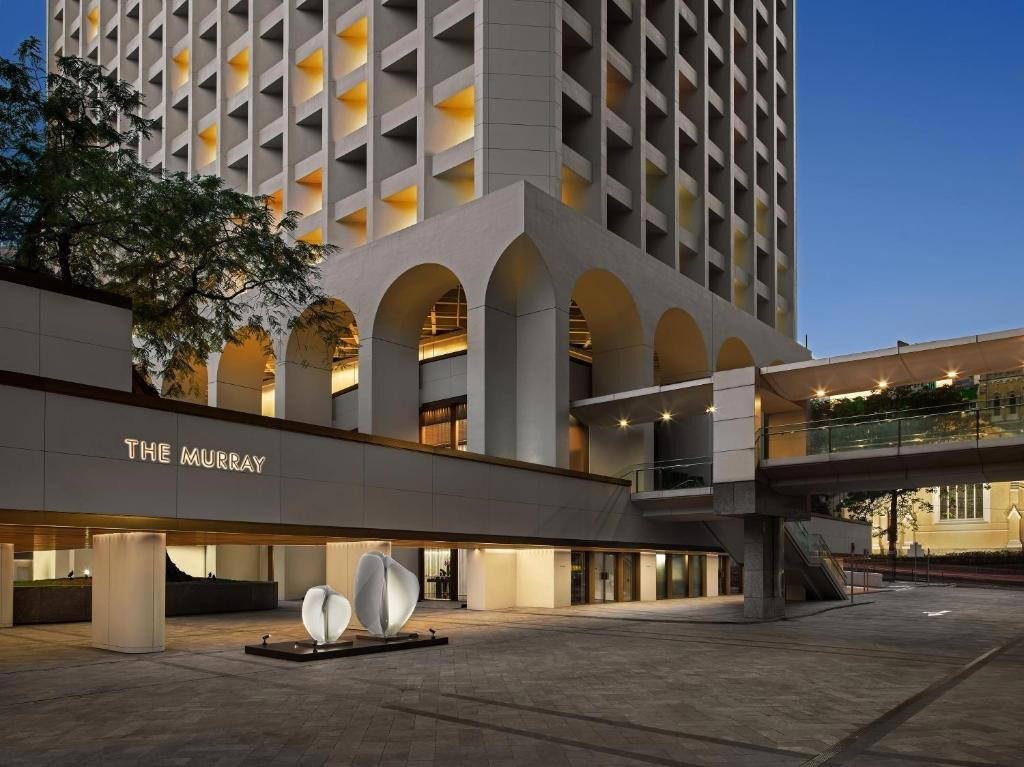
That distinction matters. Hong Kong's non-hotel Cantonese restaurants often carry a slightly different register from their hotel counterparts: less ceremonial in service, more direct in the cooking. Forum, long regarded as one of the city's reference points for braised abalone, operates in a similar bracket of non-hotel Cantonese seriousness. Rùn at the Murray Hotel represents the more formal hotel-Cantonese end of the spectrum. Lei Garden occupies ground between these poles: tracked by the critics who assess Chinese cooking on its own terms, located in a business district that demands reliability, and operating within a multi-branch structure that requires each location to sustain its own kitchen standard.
Cantonese Beyond Hong Kong
The Cantonese tradition extends well beyond Hong Kong, and a number of the region's most recognised practitioners now operate in mainland China, Macau, Singapore, and Taiwan. For context on where Lei Garden sits within that broader field, it is worth noting that the OAD Asia rankings place it alongside restaurants across a diverse competitive geography. Jade Dragon in Macau and Chef Tam's Seasons represent the high-formal end of cross-border Cantonese; Le Palais in Taipei interprets the tradition through a Taiwanese lens; Summer Pavilion in Singapore operates within the hotel fine dining model. Shanghai's Cantonese scene, covered across 102 House, Bao Li Xuan, Canton 8, and Imperial Treasure Fine Chinese Cuisine, shows how the tradition adapts when the kitchen is operating outside Hong Kong's immediate competitive pressure.
What this geography makes clear is that Hong Kong remains the baseline reference for serious Cantonese cooking. A restaurant that holds an OAD Asia ranking in Central is being measured against the deepest concentration of Cantonese expertise anywhere in the world.
Planning Your Visit
Lei Garden's Central location at 8 Finance Street places it inside the IFC complex, accessible directly from Hong Kong Station on the Airport Express and MTR lines. The surrounding precinct is dense with financial sector offices, which means lunch service fills quickly on weekdays. For broader context on dining, drinking, and staying in Hong Kong, see our full Hong Kong restaurants guide, our full Hong Kong hotels guide, our full Hong Kong bars guide, our full Hong Kong wineries guide, and our full Hong Kong experiences guide.
Know Before You Go
- Address: 8 Finance Street, Central, Hong Kong
- Cuisine: Cantonese
- Awards: Opinionated About Dining Leading Restaurants in Asia, Recommended (2023), #203 (2024), #226 (2025)
- Nearest Transit: Hong Kong Station (Airport Express / MTR), direct IFC access
- Booking: Advance reservation advised, particularly for weekday lunch
- Price, Hours, Dress Code:Lai Ching Heen and Lung King Heen, the kitchen is leading approached through the dishes that most directly test wok discipline and ingredient quality, rather than through heavily sauced or elaborate preparations.
A Pricing-First Comparison
| Venue | Cuisine | Price | Awards | Notes |
|---|---|---|---|---|
| Lei Garden RestaurantThis venue (the venue you are viewing) | Traditional Cantonese Dim Sum | $30–50 | Not listed | Not listed |
| 8 1/2 Otto e Mezzo Bombana (Hong Kong) | 3 Michelin-Star Italian Fine Dining | $200–300 | 3 Michelin Stars · World's 50 Best #94 | Italian |
| Ta Vie | Modern French-Japanese Fine Dining | $300–500 | 3 Michelin Stars · World's 50 Best #68 | Japanese - French, Innovative |
| Caprice | Contemporary French Fine Dining | $200–300 | 3 Michelin Stars · World's 50 Best #35 | French, French Contemporary |
| Feuille | Modern Vegetable-Forward French | $200–300 | 1 Michelin Star · World's 50 Best #93 | French Contemporary |
| Neighborhood | Modern French with Asian Influences | $50–100 | 1 Michelin Star · World's 50 Best #24 | International, European Contemporary |
Recognition history
Dated appearances from independent guides and award organizations, with the underlying list record or original source where available.
Opinionated About Dining Top Restaurants in Asia Recommended
Opinionated About Dining
Full recognition history (4 entries)
Opinionated About Dining Top Restaurants in Asia Ranked #226
Opinionated About Dining
Opinionated About Dining Top Restaurants in Asia Ranked #203
Opinionated About Dining
Opinionated About Dining Top Restaurants in Asia Recommended
Opinionated About Dining
Continue exploring
More in Hong Kong
More from Chef Various
Browse all →
Restaurants in Hong Kong
All restaurants in Hong Kong →
Bars in Hong Kong
All bars in Hong Kong →
Hotels in Hong Kong
All hotels in Hong Kong →
Wineries in Hong Kong
All wineries in Hong Kong →
Details
- Lively
- Classic
- Elegant
- Group Dining
- Family
- Business Dinner
- Private Dining
- Beer Program
- Local Sourcing
- A La Carte
- Family Style
- Beer
- Soft Drinks
- Vegetarian Friendly
- Gluten Free Options
- Allergy Accommodating
Current opening hours
- Monday
- 11:30 AM–10:30 PM
- Tuesday
- 11:30 AM–10:30 PM
- Wednesday
- 11:30 AM–10:30 PM
- Thursday
- 11:30 AM–10:30 PM
- Friday
- 11:30 AM–10:30 PM
- Saturday
- 11:30 AM–10:30 PM
- Sunday
- 11:30 AM–10:30 PM
Hours can change for holidays and private events. Hours as of .