Our verdict
Le Stella serves Classic French Brasserie fare at 133 Av. Victor Hugo in Paris, with Seafood Platter, Escargots, and Steak Tartare on the menu; smart casual suits the room.

Pearl is the En Primeur Club membership app, where members save venues, book tables and use the concierge.
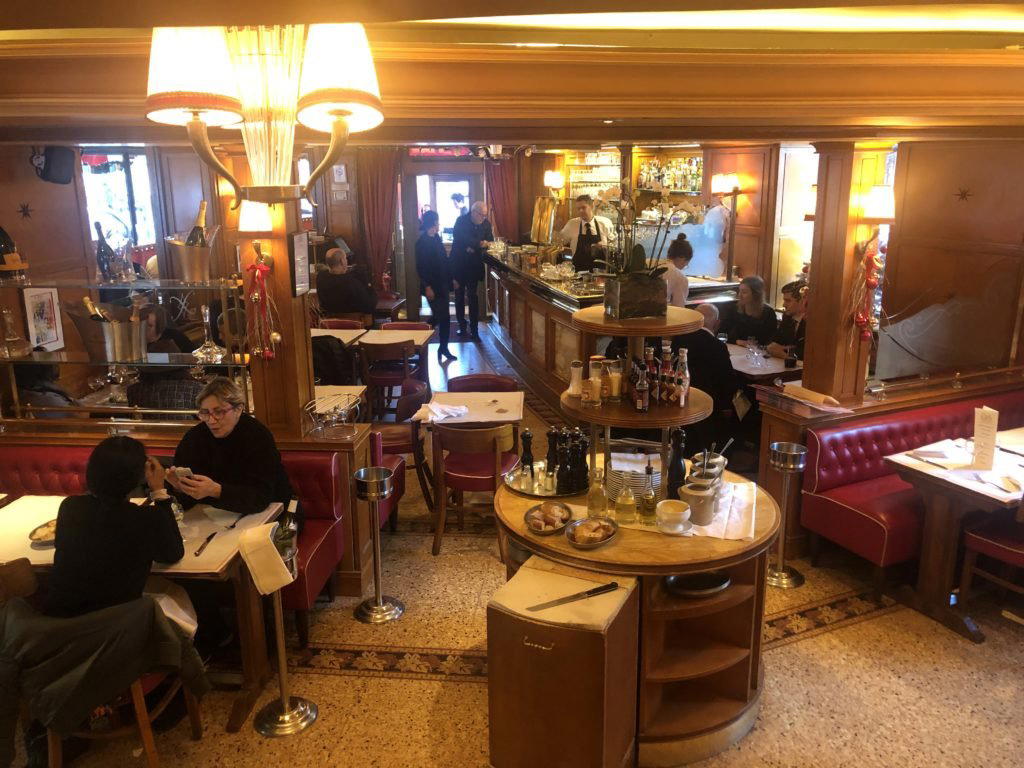
Avenue Victor Hugo and the Grammar of the 16th Arrondissement Table
The 16th arrondissement has long operated on its own culinary register. This is not the Paris of Marais bistros or Left Bank brasseries; it is a quieter, more residential district where the dominant dining tradition runs toward formal French service, classical technique, and a clientele that rarely announces itself. Avenue Victor Hugo, which stretches from the Arc de Triomphe toward the Trocadéro axis, sits at the centre of that tradition. Le Stella occupies a position at 133 of that avenue, inside a neighbourhood where the dining conversation tends to privilege continuity over novelty and where rooms are measured by what they do not need to prove.
That context matters when placing Le Stella against the city's broader spectrum. Paris at the top of the market has fractured into several distinct tiers: the creative-driven Michelin three-star tier represented by addresses like Alléno Paris au Pavillon Ledoyen and Arpège; the classically anchored formal tier occupied by L'Ambroisie on the Place des Vosges; and a broader middle range of serious restaurants that sustain neighbourhood identity without chasing international rankings. Le Stella's position on Victor Hugo places it in dialogue with the third of those tiers, alongside the kind of address that Parisians return to across decades rather than reserve for a single occasion.
The Meal as a Sequence: How the 16th Shapes a Progression
In the editorial angle of tasting-progression restaurants, the structure of a meal is itself an argument. The 16th's dining rooms have historically made that argument through classical French sequencing: an aperitif moment that establishes register, amuse-bouche that signals the kitchen's precision, and a succession of courses built around the logic of sauce, protein, and seasonal garnish rather than the deconstructive vocabulary that dominates right-bank creative kitchens. Restaurants in this neighbourhood tend not to compete on surprise; they compete on execution across a repeatable arc.
That philosophy has parallels across France's most durable addresses. Houses like Auberge de l'Ill in Illhaeusern and Paul Bocuse's Auberge du Pont de Collonges have built multi-generational followings on exactly this premise: the meal progresses along a recognisable arc, and the reader of that arc is rewarded by the quality of each step rather than redirected by conceptual rupture. In that sense, the 16th arrondissement's dining identity is closer to provincial French classicism than to the creative Parisian avant-garde represented by AM par Alexandre Mazzia in Marseille or Mirazur in Menton.
Le Stella sits inside this tradition. What the address and neighbourhood record support is a reading of the room as one where the progression matters: where the entre is not incidental to the plat, and where the cheese course is treated as a structural element rather than an afterthought. That is the operating logic of the serious Victor Hugo table, and it is what separates this tier from the more casual brasseries of the 8th.
France's Dining Provinces and the Paris Comparison
Understanding Le Stella also means understanding where the 16th sits in the hierarchy of French dining ambition. France's most decorated rooms in the provinces Troisgros in Ouches, Bras in Laguiole, Assiette Champenoise in Reims, Flocons de Sel in Megève, and Auberge du Vieux Puits in Fontjoncouse, carry Michelin weight that shapes the national conversation. Paris absorbs that weight differently: it has so many serious restaurants that the ones without three-star visibility often go unrecognised by international visitors who track awards rather than neighbourhoods.
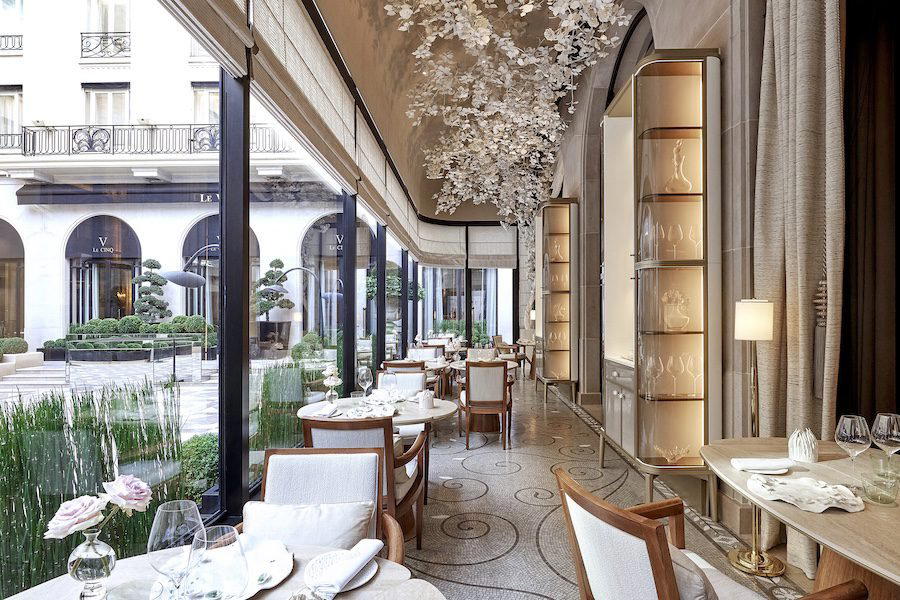
The comparison set inside Paris is instructive. Kei on the Rue Coq Héron applies Japanese precision to French classic form at the €€€€ tier. Le Cinq at the Four Seasons George V operates in grand hotel format with modern French technique at the same price bracket. Au Crocodile in Strasbourg shows how the Alsatian tradition handles the same formal register at a regional level. Le Stella, as a Victor Hugo address rather than a palace hotel or a Michelin-chasing creative kitchen, occupies a different niche: the serious neighbourhood room that sustains its clientele through consistency and address rather than through the machinery of international recognition.
For international reference, the closest structural parallels might be found in certain New York rooms: Le Bernardin sustains a formal French identity with credential-backed authority, while Atomix in Midtown represents the opposite end of the spectrum, where progression is the explicit theatrical subject of the meal. The 16th arrondissement model sits firmly between those poles.
Planning Your Visit: Le Stella in Context
The practical calculus for the 16th is worth stating plainly. The neighbourhood runs on local custom rather than tourist infrastructure. Addresses here are not on the standard visitor circuit, which means walk-in availability at serious rooms tends to be more plausible mid-week than it would be in the 8th or the 1st.
| Venue | Arrondissement | Tier | Booking Horizon | Format |
|---|---|---|---|---|
| Le Stella | 16th (Victor Hugo) | Neighbourhood serious | Unconfirmed, call ahead | Classic French sequence |
| L'Ambroisie | 4th (Place des Vosges) | Three-star classic | Weeks to months ahead | À la carte, no set menu |
| Le Cinq | 8th (George V) | Three-star palace hotel | Weeks ahead minimum | Multi-course tasting and à la carte |
| Kei | 1st (Palais Royal) | Three-star Franco-Japanese | Weeks ahead | Tasting menus |
For a broader view of where Le Stella sits within the Paris dining picture, the EP Club Paris restaurants guide maps the full spectrum from three-star creative rooms to serious neighbourhood addresses across all arrondissements.
Frequently asked questions
What's Le Stella's location?
Le Stella is located at 133 Av. Victor Hugo, 75016 Paris, France, Paris.
Is Le Stella suitable for a formal business lunch in Paris?
The Avenue Victor Hugo address in the 16th arrondissement has long been a corridor for exactly this kind of meal: residential, low-noise, and structured around classical French pacing rather than the faster turnover of central Paris brasseries. The neighbourhood's dining rooms have historically attracted a professional local clientele rather than groups or tourists, which keeps the atmosphere composed.
What dish is Le Stella famous for?
The 16th arrondissement address on Avenue Victor Hugo places it within a neighbourhood tradition of classical French sequencing, so the kitchen likely reflects that register. check the venue's official channels at 133 Avenue Victor Hugo before your visit to confirm current menu focus.
Can I walk in to Le Stella?
Walk-in availability is more plausible at addresses in the 16th arrondissement than in high-traffic Paris districts, since the neighbourhood runs on a local residential clientele rather than tourist footfall. Arriving mid-week and outside peak service hours gives the best chance of a table without a reservation.
What's Le Stella best at?
Based on its position at 133 Avenue Victor Hugo, Le Stella belongs to the 16th arrondissement's tradition of structured, formal French service, a dining culture where sequenced courses and classical technique take precedence over trend-driven cooking. That positioning makes it a reasonable choice for diners who want a composed, unhurried meal rather than a high-concept or natural-wine-list experience.
Is Le Stella good for vegetarians?
Classical French kitchens in the 16th arrondissement tier have historically built menus around protein-led courses, meaning vegetarian options are often limited to what the kitchen will adapt on request. Contacting the restaurant at 133 Avenue Victor Hugo in advance is advisable if a fully vegetarian progression matters to you.
Price Lens
Comparable venues nearby, for context on price, style, and recognition.
| Venue | Cuisine | Price | Notes |
|---|---|---|---|
| Le StellaThis venue (the venue you are viewing) | Classic French Brasserie | $50–100 | Not listed |
| Maison Blanche | Not listed | Not listed | 8th arrondissement, Modern French Fine Dining |
| Sauvage | Modern French Bistronomic | $50–100 | Saint-Germain-des-Prés, Modern French Bistronomic |
| Le Café Marly | Modern French Brasserie | $50–100 | Louvre/Palais-Royal, Modern French Brasserie |
| Bien Élevé | French Steakhouse with Aged Meats | $50–100 | 9th Arr., French Steakhouse with Aged Meats |
| Bistro L'Olivier | French Mediterranean Bistro | $30–50 | Montmartre, French Mediterranean Bistro |
Continue exploring
More in Paris
Restaurants in Paris
All restaurants in Paris →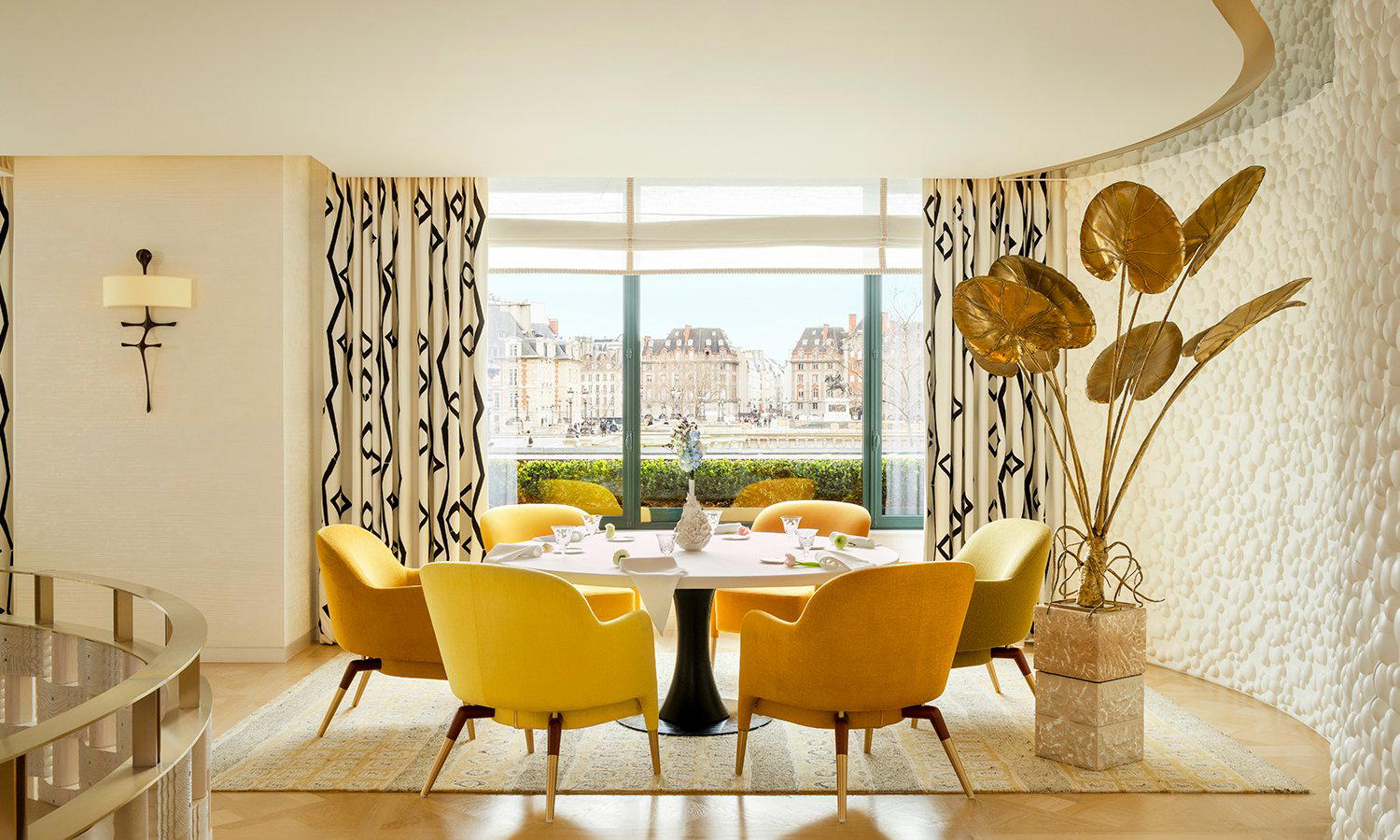
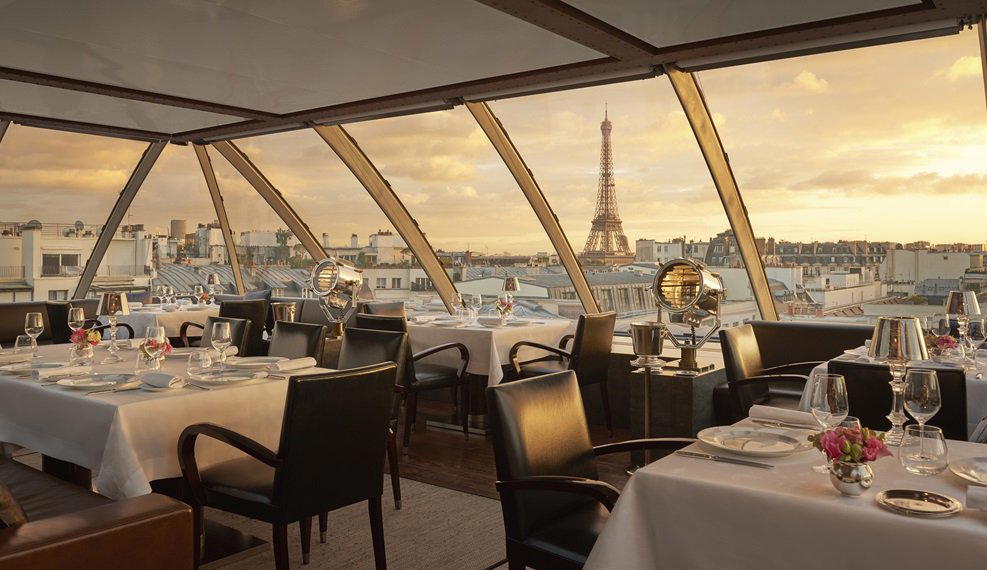

Bars in Paris
All bars in Paris →
Details
- Classic
- Elegant
- Late Night
- Standalone
- A La Carte
Current opening hours
- Monday
- 7 AM–12 AM
- Tuesday
- 7 AM–12 AM
- Wednesday
- 7 AM–12 AM
- Thursday
- 7 AM–12 AM
- Friday
- 7 AM–12 AM
- Saturday
- 7 AM–12 AM
- Sunday
- 7 AM–12 AM
Hours can change for holidays and private events. Hours as of .
Chic 50s-style brasserie with professional Parisien service and a timeless French atmosphere.