Le Café Marly pairs a Modern French Brasserie menu with terrace seating, a historic building setting, street scene views, and an extensive wine list.
Pearl is the En Primeur Club membership app — saves, bookings, and concierge access live there. Same editors, same standards.
- Address
- 93 Rue de Rivoli, 75001 Paris, France
- Phone
- +33 1 49 26 06 60
- Website
- cafe-marly.com
- Directions
- Get directions
 Saves & bookings on Pearl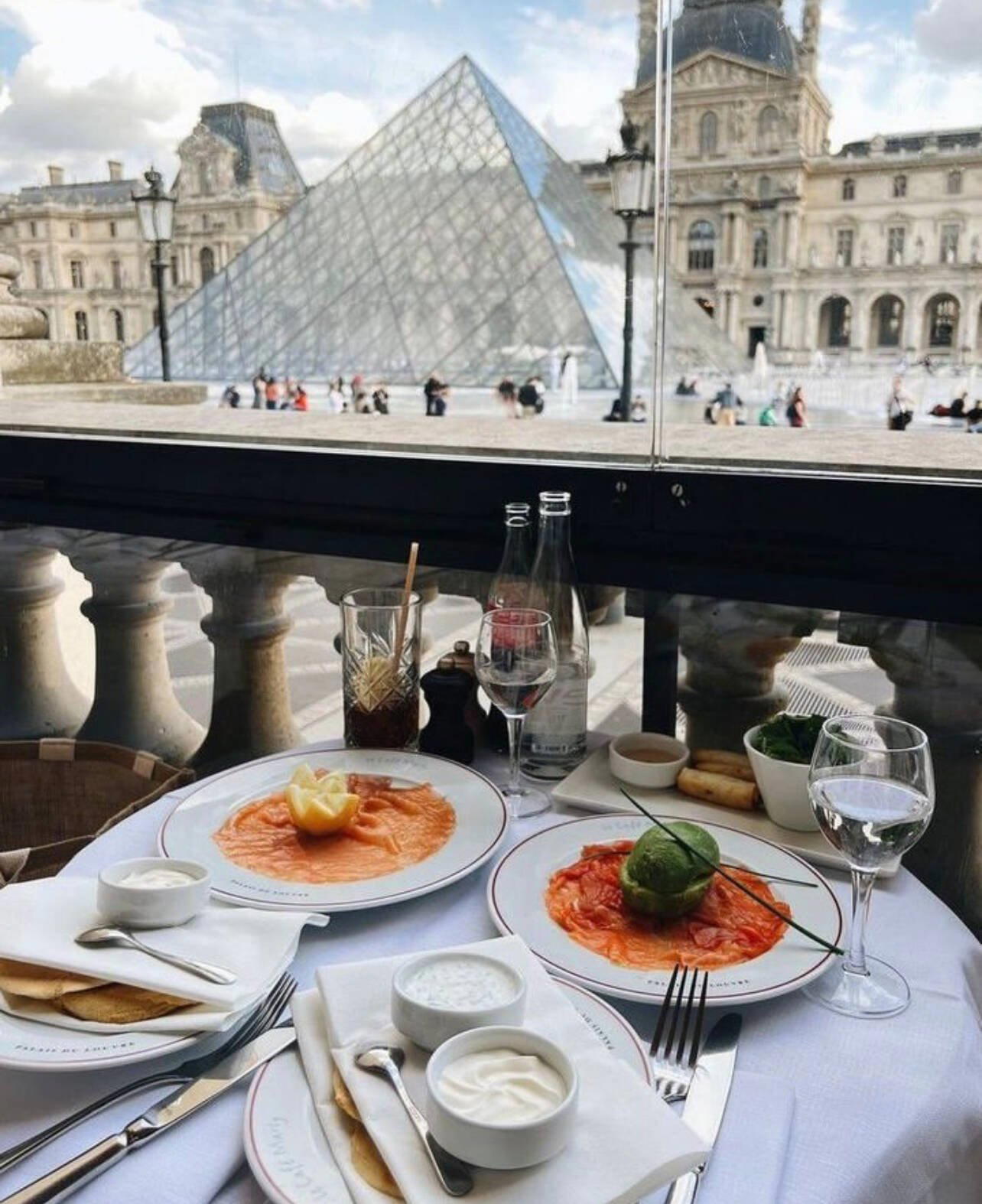
The Louvre's Most Consequential Terrace
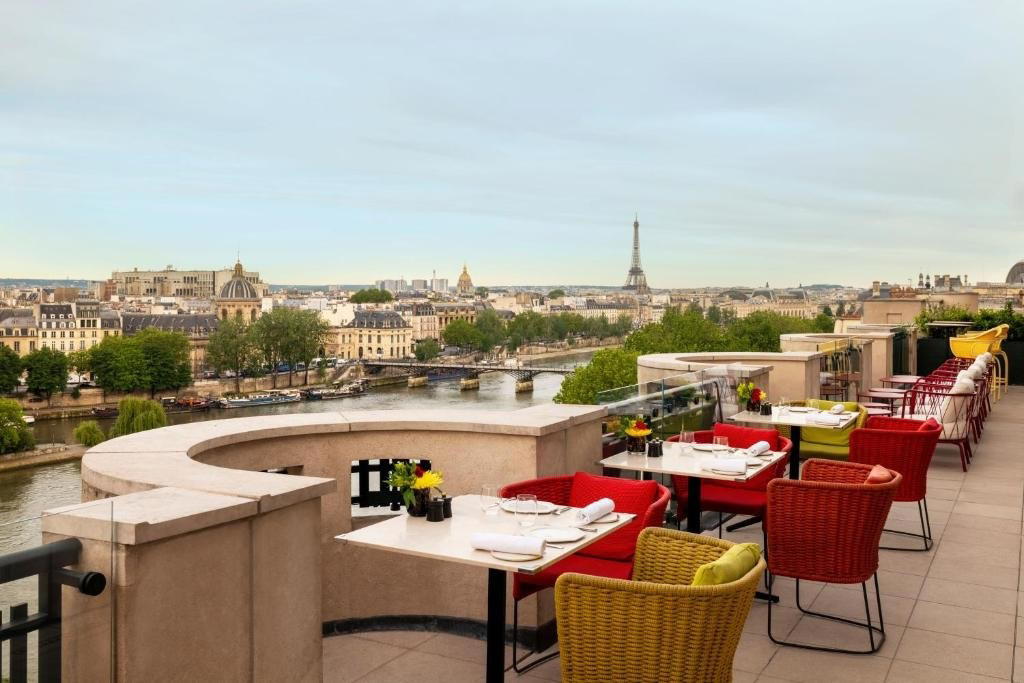
Facing the Cour Napoléon from inside the Richelieu wing of the Palais du Louvre, Le Café Marly occupies among the more architecturally charged dining positions in Paris. The covered arcades of the Louvre's northern façade frame each table with carved stone and shadow; the glass pyramid sits directly in eyeline across the courtyard. It is a setting that has nothing to prove, and the experience of sitting within it carries a spatial weight that no amount of interior design can manufacture. Arriving in the early evening, when the stone turns amber under low sun and the courtyard empties of day-visitors, is a different proposition from the lunch rush.
A Café in the Classic Parisian Register
The broader category Le Café Marly inhabits, the grand café brasserie attached to or adjacent to a major cultural institution, has a long tradition in Paris. Comparable addresses at the Palais Royal, the Musée d'Orsay, and the Centre Pompidou follow similar logic: the location anchors the offer, the kitchen delivers reliable French brasserie cooking, and the room earns its premium through address rather than tasting-menu ambition. Le Café Marly sits firmly in this tradition. It is not competing with the destination kitchens of the 1st and 8th arrondissements, the Michelin-decorated rooms like L'Ambroisie on Place des Vosges or Le Cinq at the Four Seasons George V, nor is it trying to. The competitive frame is the all-day Parisian café in a monument context: a format where atmosphere is the primary product and food is the supporting case.
That said, French brasserie cooking at this address operates in a register that demands consistency. The city has enough mediocre museum cafés to make a point of comparison easy. Le Café Marly has maintained relevance over decades because the kitchen takes the brasserie idiom seriously: French classics executed cleanly, French produce treated with the basic respect the format requires. In a city where the brasserie tradition is increasingly under pressure from casual international formats, that coherence matters.
The Sustainability Frame: Sourcing Inside a Monument Address
Particularly substantive progress has come not from large-format brasseries but from kitchens with tight supplier relationships and seasonal discipline, places like Arpège in the 7th, where the vegetable programme has defined the conversation for years, or from regional references like Bras in Laguiole and Mirazur in Menton, which have built sourcing ethics into the architectural idea of the kitchen itself. At Flocons de Sel in Megève, hyper-local Alpine sourcing is the premise of the whole menu.
The restaurant operates at a different scale and with different constraints. High-volume all-day service in a tourist-adjacent heritage site is not the natural environment for farm-direct micro-sourcing. But the brasserie tradition at its most responsible has always been rooted in French regional supply chains: seasonal fish, French dairy, vegetables from established producer relationships. What can be said is that the brasserie format, at the price point this address commands, carries an implicit expectation of French sourcing, and that visitors should feel comfortable asking specifically about provenance on seasonal items, as any serious Parisian café now expects such questions from its clientele.
Waste discipline in high-footfall café settings is a harder problem than sourcing. Covers turn quickly, portion standards must hold across a long service day, and the mise en place for an all-day menu generates more trim than a focused dinner kitchen. The restaurants in France that have addressed this most visibly, Troisgros in Ouches, Les Prés d'Eugénie in Eugénie-les-Bains, and in the south, Auberge du Vieux Puits in Fontjoncouse, share a common feature: a single kitchen with a controlled menu that limits variety to increase efficiency. Café Marly's all-day format works against that model. The responsible visitor reads a broad café menu not as a problem but as a reason to order focused, seasonal items rather than the safest international option on the card.
Position in the Paris Restaurant Conversation
Paris has enough serious destination kitchens to occupy any itinerary. Alléno Paris at Pavillon Ledoyen pushes contemporary French cooking into new technical territory. Kei bridges French and Japanese frameworks in a way that has earned consistent recognition. The restaurant does not sit in that competitive tier, and there is no reason to frame it that way. Its value lies in the category it actually occupies: a reliable, atmospheric address for a long lunch or an early dinner, with one of the few outdoor terrace positions in Paris that genuinely rewards sitting still for two hours. For the traveller building a Paris week that includes serious restaurant meals, the restaurant fills the role of the considered mid-register day, not the evening you have booked a year ahead, but not a concession either.
The French café brasserie tradition has international echoes worth noting. Serious French-trained kitchens in New York, such as Le Bernardin, and progressive American formats like Lazy Bear in San Francisco operate in entirely different registers, but they share with the leading Parisian cafés an insistence on sourcing rigour and seasonal coherence that separates them from the address-only play. The comparison is instructive: location is a starting point, not a substitute for kitchen discipline.
For context on comparable French regional ambition, the constellation of addresses that have shaped modern French cooking outside Paris, Paul Bocuse's Auberge du Pont de Collonges, Auberge de l'Ill in Illhaeusern, Georges Blanc in Vonnas, and La Table du Castellet, represent a different ambition entirely. They are reference points for understanding how seriously the French take the café and table format when the kitchen is the primary product. The restaurant's primary product is the room and the address; the kitchen's job is to not undermine that.
Know Before You Go
- Address: 93 Rue de Rivoli, 75001 Paris, France
- Access: Enter from the Richelieu wing of the Palais du Louvre; the arcade terrace faces the Cour Napoléon and the glass pyramid
- Metro: Palais Royal–Musée du Louvre (lines 1 and 7) is the closest station
- Booking: Reservations are recommended.
- Timing: The restaurant is open daily from 8:30 AM to 2 AM.
- Format: All-day café brasserie; suitable for solo travellers, couples, and small groups at lunch or dinner
Reputation First
Comparable venues nearby, for context on price, style, and recognition.
| Venue | Cuisine | Price | Notes |
|---|---|---|---|
| Le Café MarlyThis venue — the venue you are viewing | Modern French Brasserie | $$$ | Not listed |
| Saturne | Modern French with Nordic Influences | $$$ | 2nd Arrondissement |
| Rue du Bac | Classic French Bistro & Haute-Bistronomie | $$$ | Saint-Germain-des-Prés, 7th Arrondissement |
| Fitzgerald | Modern French Bistro with Mediterranean Touches | $$$ | Gros-Caillou |
| L'Auberge du Roi Gradlon | Breton French Bistro | $$$ | Gobelins |
| La Traversée | Modern French Bistro | $$$ | 18th Arrondissement |
Continue exploring
More in Paris
Restaurants in Paris
Browse all →
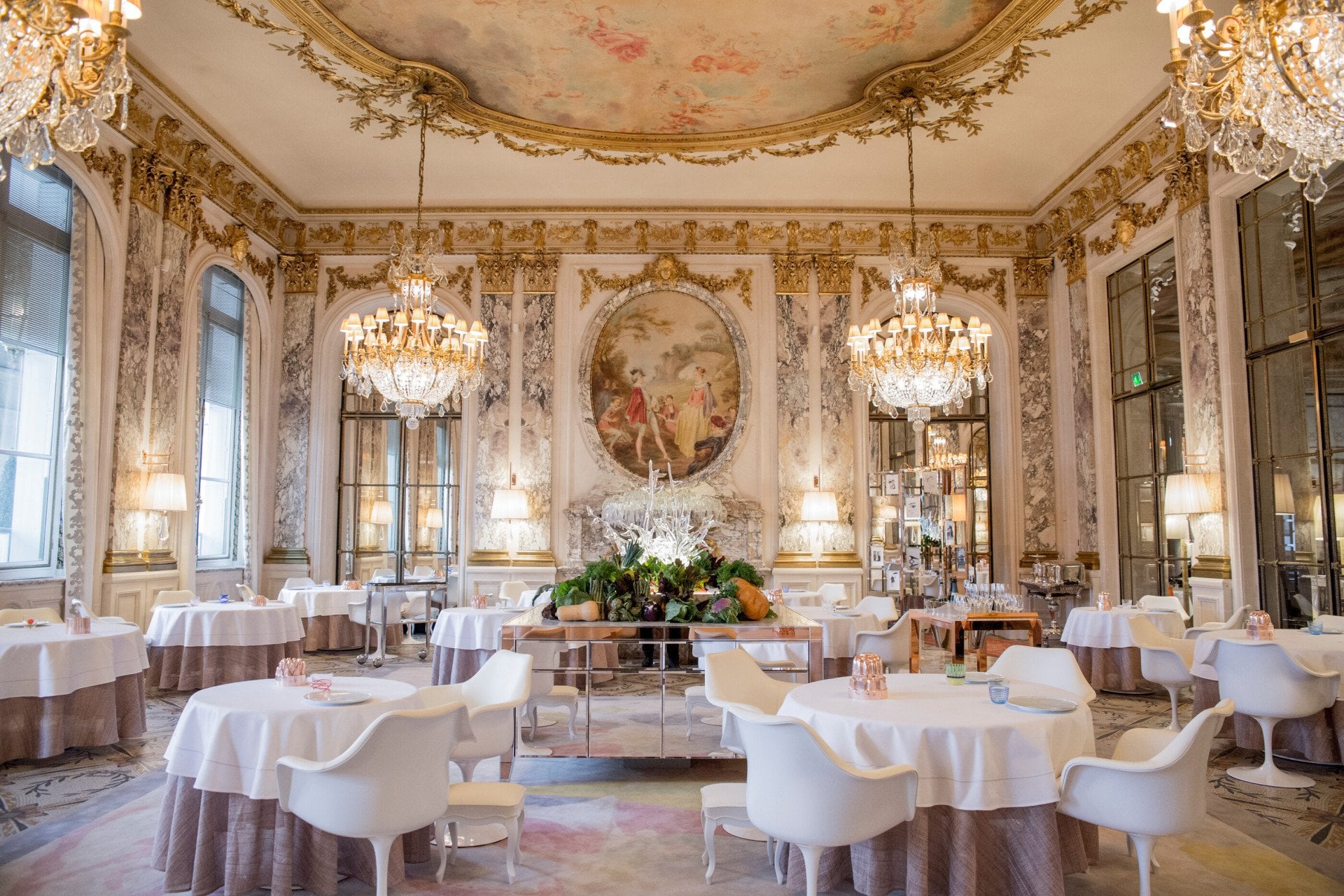
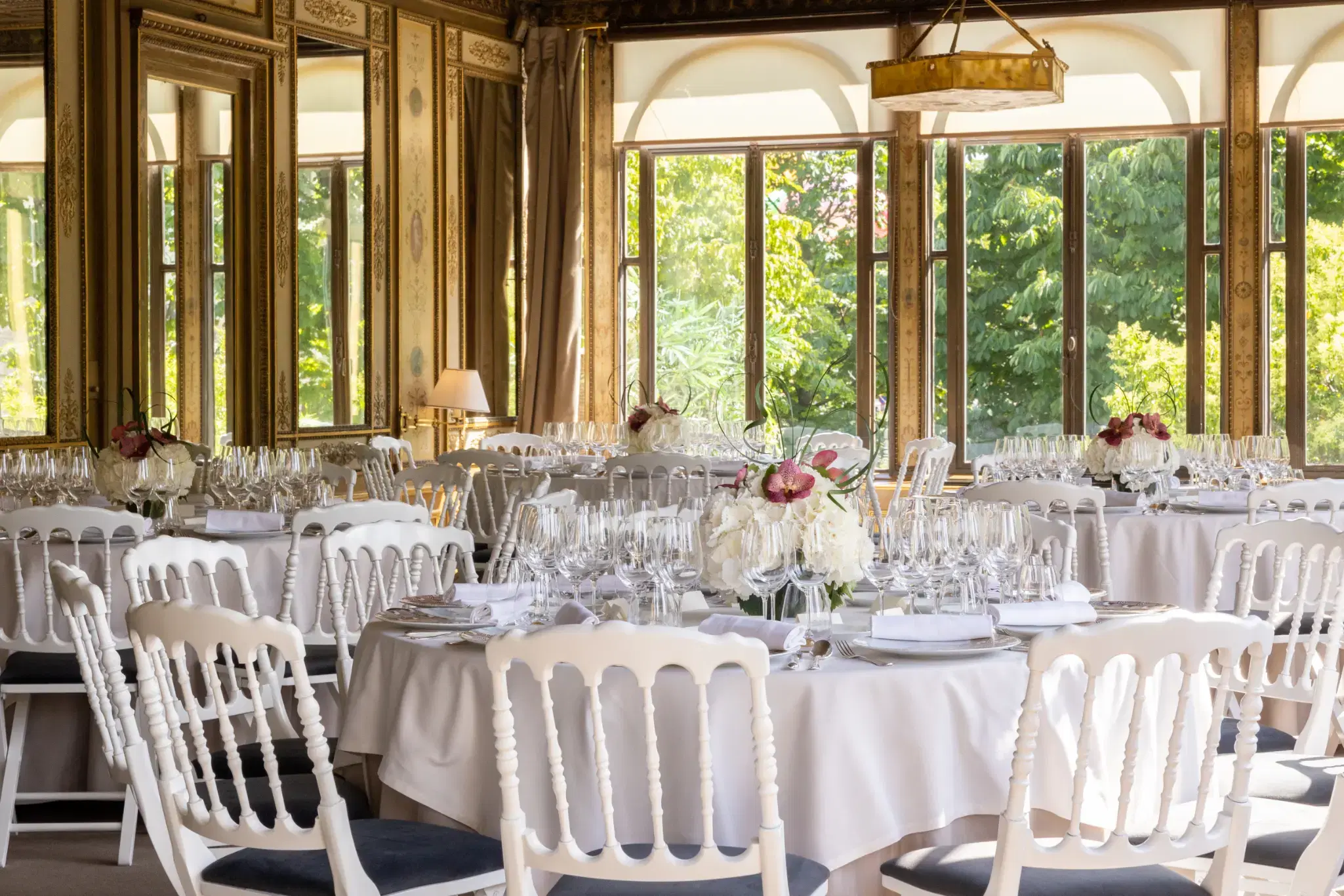
Bars in Paris
Browse all →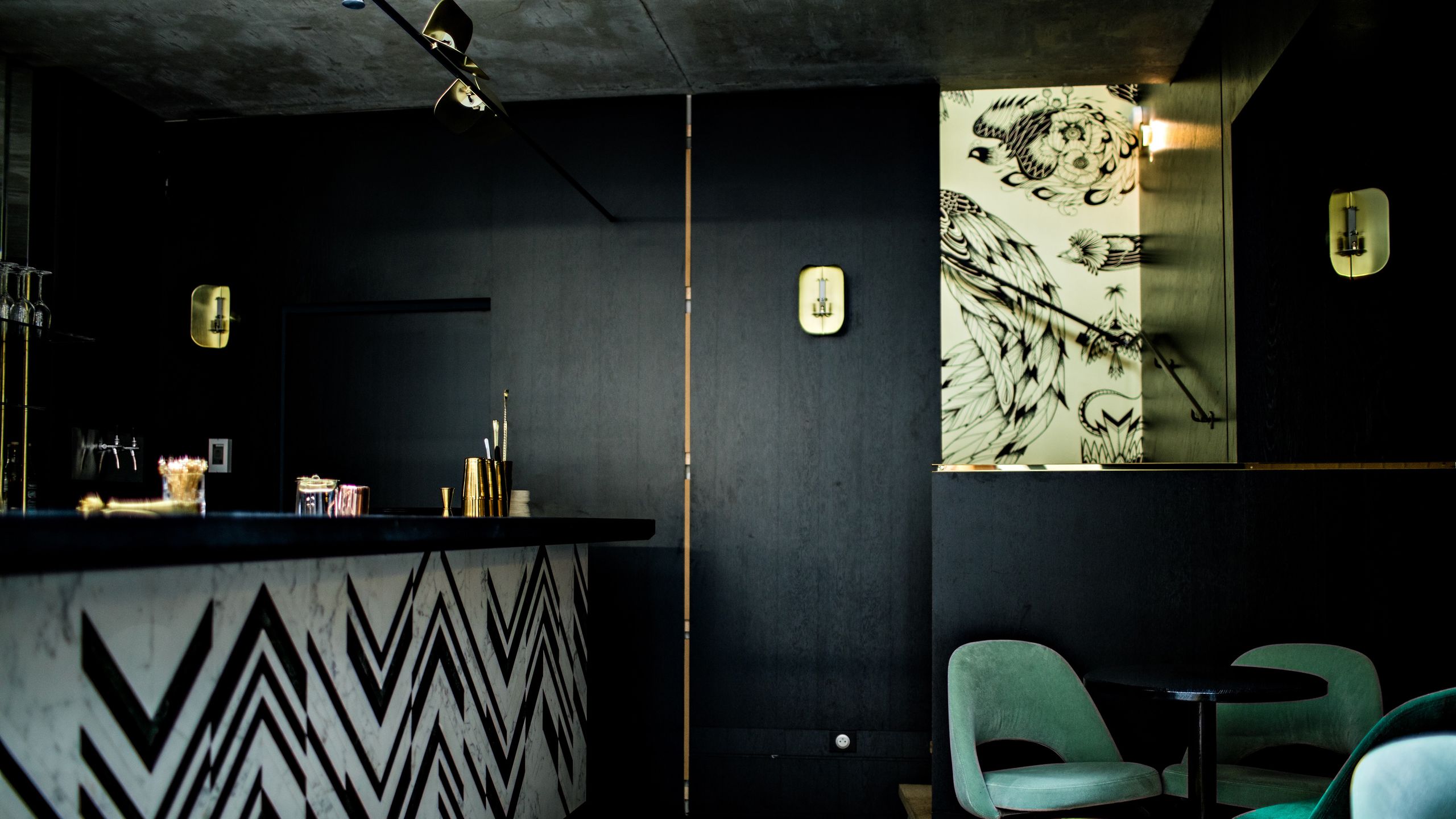
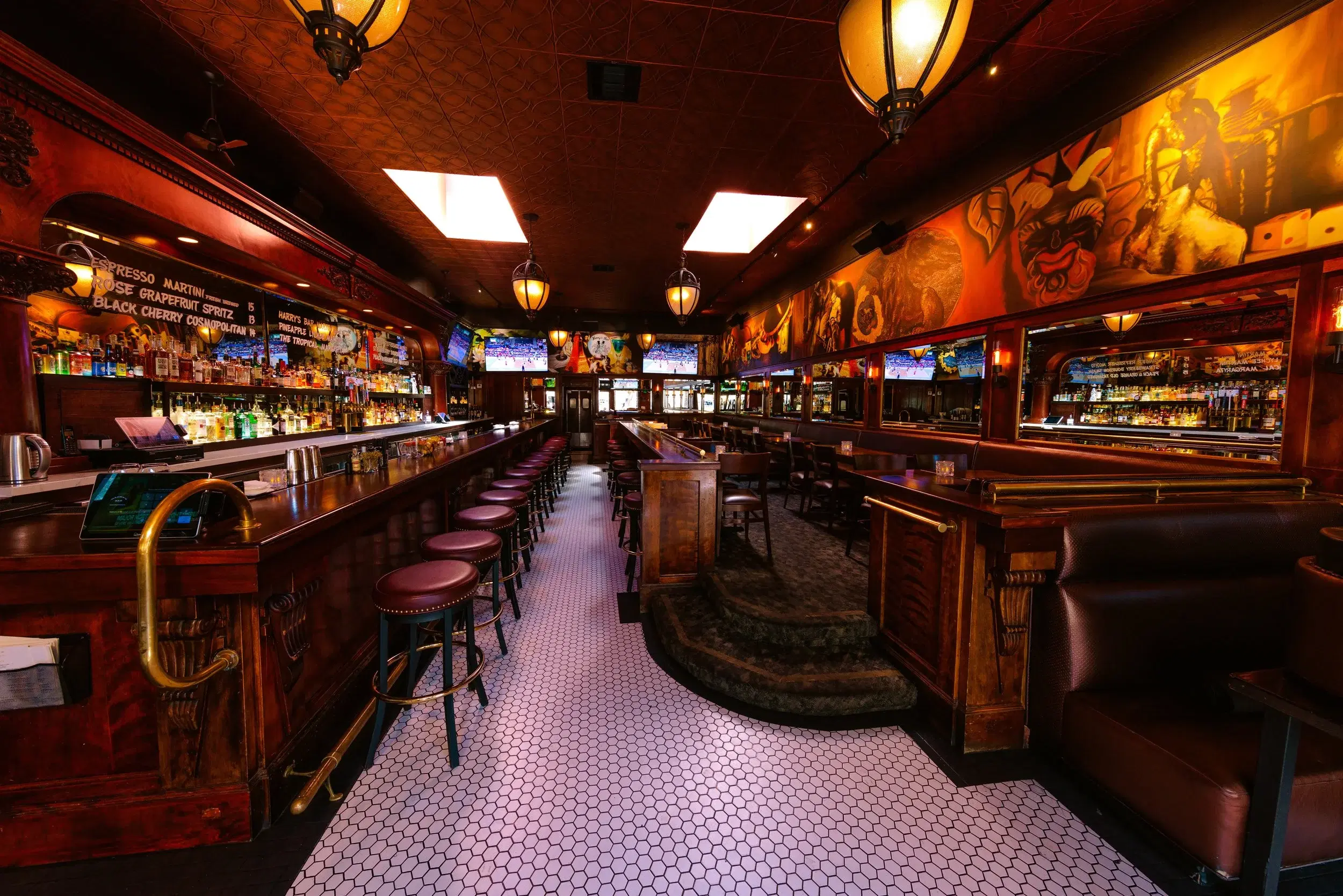
Hotels in Paris
Browse all →

At a Glance
- Romantic
- Elegant
- Well Known
- Sophisticated
- Date Night
- Brunch
- Special Occasion
- Terrace
- Historic Building
- Hotel Restaurant
- Extensive Wine List
- Street Scene
Current opening hours
- Monday
- 8:30 AM–2 AM
- Tuesday
- 8:30 AM–2 AM
- Wednesday
- 8:30 AM–2 AM
- Thursday
- 8:30 AM–2 AM
- Friday
- 8:30 AM–2 AM
- Saturday
- 8:30 AM–2 AM
- Sunday
- 8:30 AM–2 AM
Hours can change for holidays and private events. Last verified .
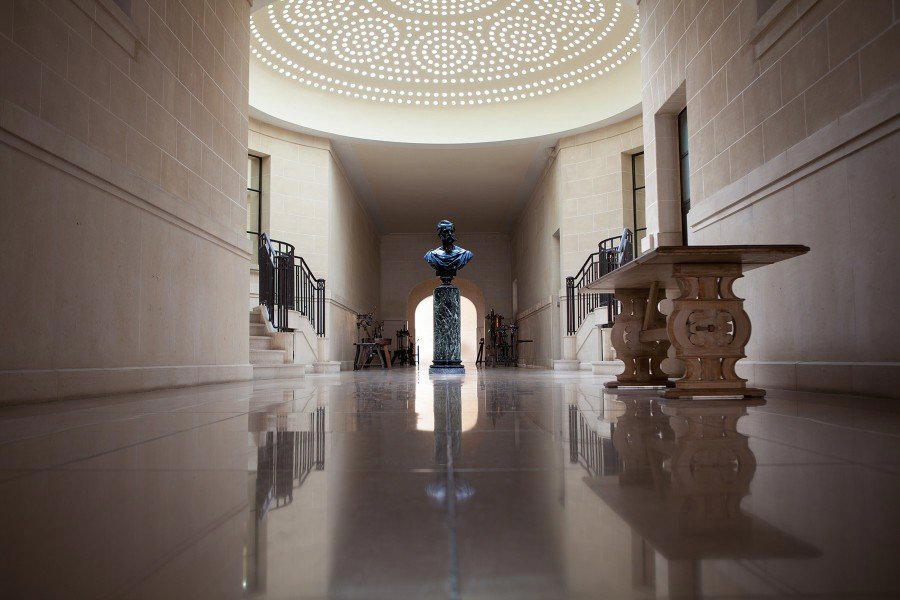
Elegant historic setting with majestic woodwork, plush red and gold decor, cozy brasserie atmosphere, and light-filled terrace.