On a quiet street in the 16th arrondissement, Le Scheffer occupies a register that Paris does well but rarely advertises: the serious neighbourhood restaurant where the room is unhurried, the cooking is grounded in French technique, and sustainability thinking shapes what arrives on the plate. For a city that often reserves its ecological ambition for headline addresses, this corner of Passy repays closer attention.
Pearl is the En Primeur Club membership app — saves, bookings, and concierge access live there. Same editors, same standards.
- Address
- 22 Rue Scheffer, 75116 Paris, France
- Phone
- +33147278111
- Website
- tables-auberges.com
- Directions
- Get directions
 Saves & bookings on Pearl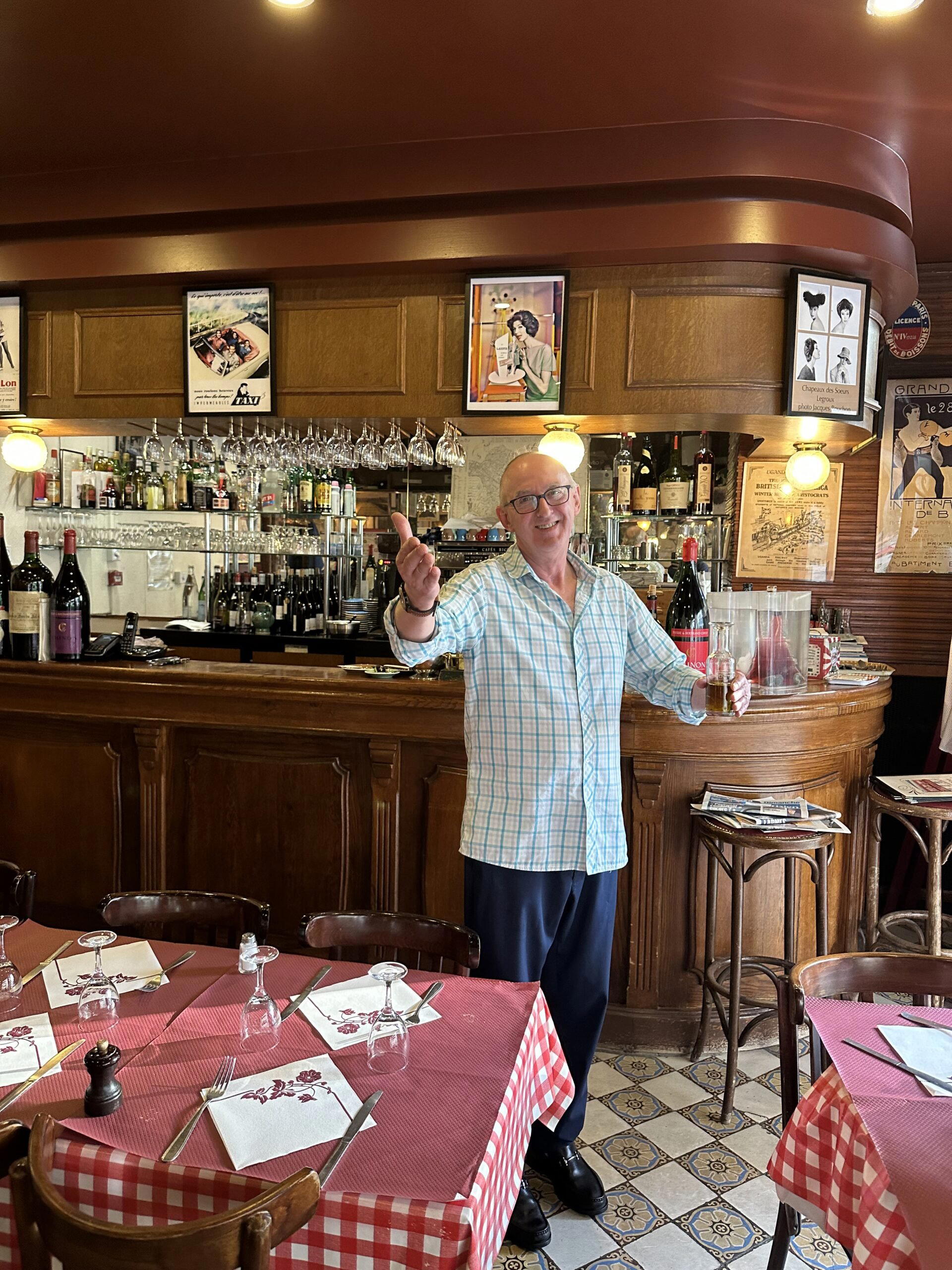
The 16th Arrondissement and the Case for Restraint
Le Scheffer is a classic French bistro at 22 Rue Scheffer in Paris's 16th arrondissement. The neighbourhood around Trocadéro and Passy has long supported a tier of restaurants that serve a local clientele with deep expectations and little patience for theatre. Rue Scheffer sits inside that tradition. The street itself is residential in character, removed from the tourist circuits around the Eiffel Tower a few hundred metres away, and the address at number 22 reflects that. What you find in rooms like this one across the 16th is less a performance of French gastronomy and more a daily negotiation with it.
That distinction matters when thinking about how sustainability operates in French fine dining. At the headline addresses, places like Alléno Paris au Pavillon Ledoyen or Arpège, environmental consciousness is often a stated programme, announced in press notes and visible in how menus are written. At neighbourhood level, the same values tend to operate more quietly, embedded in purchasing relationships and menu rotation rather than branded as a philosophy. Le Scheffer sits closer to that second model.
Sourcing as Structure, Not Statement
Across France's most closely watched kitchens, the shift toward ethical sourcing and waste reduction has reshaped how menus are built. The progression is visible from Alsace to the Mediterranean: Auberge de l'Ill in Illhaeusern has maintained relationships with local producers across generations; Bras in Laguiole built its entire identity around Aubrac terroir and a kitchen philosophy that treats the surrounding plateau as both larder and compass. Further south, Mirazur in Menton has moved toward a biodynamic calendar as an organising principle for the menu itself.
These are high-profile examples, but the logic filters down. In Paris's neighbourhood restaurants, particularly those in the 16th where clientele tends to be older, French-born, and accustomed to market-led cooking, the expectation of seasonal and locally sourced product is baseline rather than differentiating. A kitchen that sources indifferently in this part of the city will be noticed. The arrondissement's proximity to the Marché de Passy, one of the better covered markets in the city, makes daily procurement a practical option rather than a logistical challenge.
That proximity also shapes menu scope. Short, rotating menus that track what is available rather than what is always available are a feature of this tier of Parisian restaurant. The model produces less waste, demands more skill from the kitchen in adapting technique to ingredient rather than the reverse, and tends to result in a more honest account of what is in season. It is also, frankly, harder to sustain at consistent quality than a fixed carte built around reliable supply chains.
Where Le Scheffer Sits in Its comparable set
Positioning the restaurant against Paris's multi-starred addresses requires some calibration. Restaurants at the level of L'Ambroisie on the Place des Vosges or Le Cinq at the Four Seasons George V operate at a different scale of investment, formality, and price. Kei, in the 1st, occupies a niche of Franco-Japanese precision that has its own award-driven comparable set. These addresses are not the comparison point for Rue Scheffer.
The more instructive comparison is with the broader ecology of serious French bistros and neighbourhood restaurants in the arrondissements west of the Seine, where value is measured in consistency and sourcing integrity rather than tasting-menu ambition. In that register, the restaurant competes on food that reflects where it is and when it is, served without the overheads of a destination address. For visitors to Paris who have already done the landmark meals, or for those who find the formality of three-star dining beside the point, addresses like this one represent a more authentic account of how Parisians actually eat well.
French kitchens outside Paris have long pointed the way on this front. Flocons de Sel in Megève built a three-star identity around Alpine produce and a kitchen that treats the mountains as a sourcing zone. Troisgros in Ouches has restructured its entire kitchen garden programme around zero-waste ambition. Even Paul Bocuse's Auberge du Pont de Collonges in Collonges-au-Mont-d'Or carries a legacy of sourcing discipline rooted in Lyon's market culture. These reference points matter because they show that sustainability in French cooking is not a recent import from Nordic fine dining but a long-standing structural feature of how serious French kitchens have operated for decades.
Restaurants like Auberge du Vieux Puits in Fontjoncouse and Assiette Champenoise in Reims have each developed sourcing programmes specific to their regions, demonstrating that producer relationships, not imported sustainability labels, are what actually reduce supply chain waste in a working kitchen. AM par Alexandre Mazzia in Marseille has pushed this further into a kind of controlled instability, building menus that change based on what Mediterranean suppliers deliver rather than what is planned. Au Crocodile in Strasbourg, one of Alsace's historic addresses, reflects a border-region sourcing logic shaped by both French and German agricultural traditions.
The restaurant operates at a quieter register than all of these, but the underlying principle, that a kitchen should answer to its suppliers and its season, not to a fixed menu designed for operational convenience, is shared.
Planning Your Visit
| Venue | Tier | Format | Booking Lead Time |
|---|---|---|---|
| The restaurant (Paris 16th) | Neighbourhood bistro | À la carte / short menu | Moderate; walk-ins possible off-peak |
| Alléno Paris au Pavillon Ledoyen | Three-star destination | Tasting menu | Weeks to months in advance |
| L'Ambroisie | Three-star classic | À la carte | Several weeks in advance |
| Le Cinq | Grand hotel dining room | Tasting menu / à la carte | One to three weeks |
| Le Bernardin, New York | International reference | Prix fixe | Two to four weeks |
Address: 22 Rue Scheffer, 75116 Paris.
For international reference points in the same sustainability-conscious cooking tradition, Atomix in New York demonstrates how producer relationships and low-waste kitchen culture operate at tasting-menu level in a different culinary context.
Cuisine and Credentials
Comparable venues nearby, for context on price, style, and recognition.
| Venue | Cuisine | Price | Notes |
|---|---|---|---|
| Le SchefferThis venue — the venue you are viewing | Classic French Bistro | $$ | Not listed |
| Camille | Classic French Bistro | $$ | Le Marais |
| Le Café de Mars | French Fusion Bistro | $$ | Gros-Caillou |
| Le Grand Pan | Classic French Bistro | $$ | 15th Arr. - Vaugirard |
| Le P'Tit Musset | Traditional French Bistro | $$ | Batignolles-Monceau |
| Lobineau | French Seafood | $$ | Saint-Germain-des-Prés |
Continue exploring
More in Paris
Restaurants in Paris
Browse all →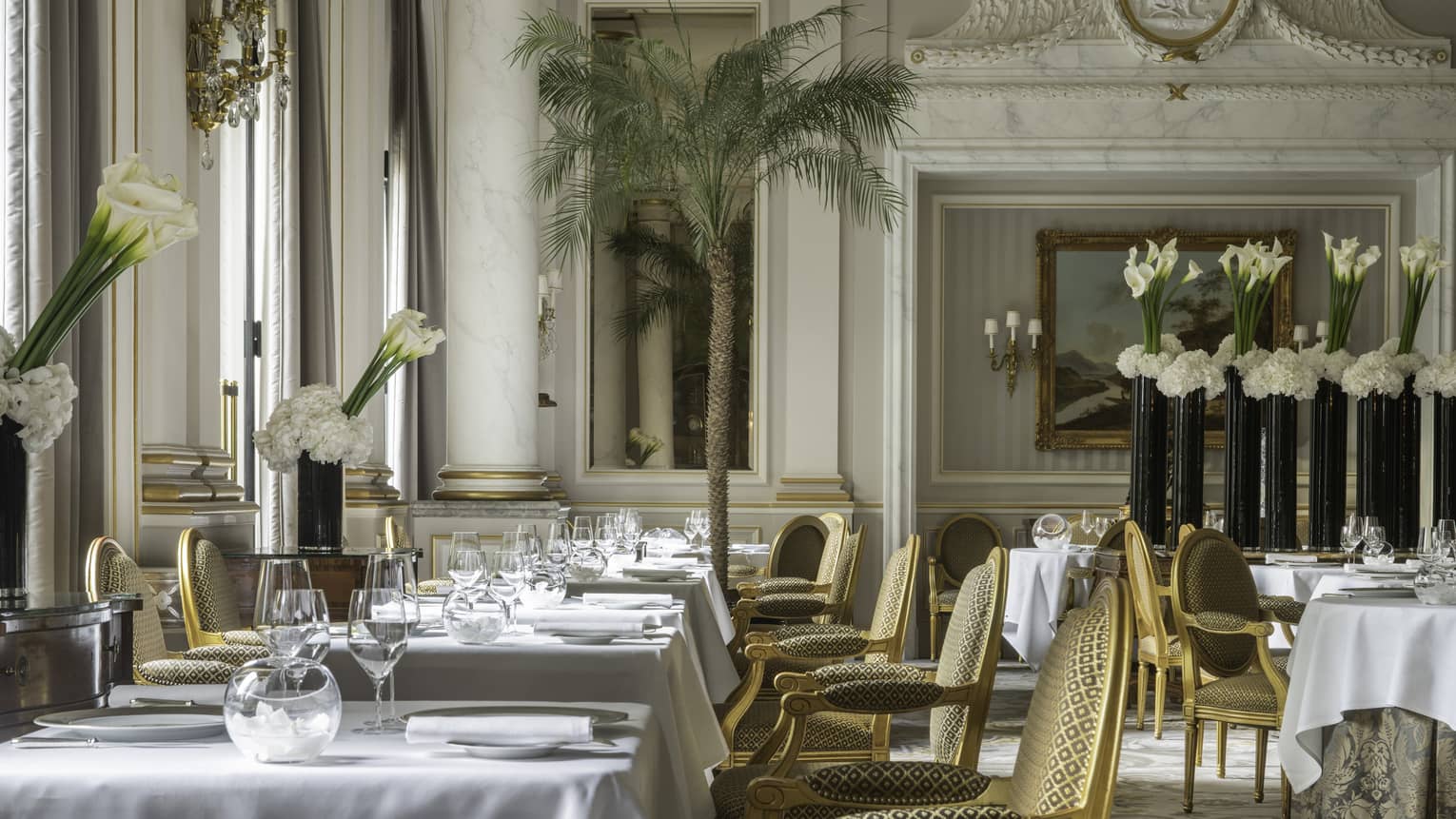

Bars in Paris
Browse all →
Hotels in Paris
Browse all →
Wineries in Paris
Browse all →
At a Glance
- Classic
- Cozy
- Elegant
- Date Night
- Casual Hangout
- Historic Building
- Extensive Wine List
Current opening hours
- Monday
- 12–2 PM, 7:30–10 PM
- Tuesday
- 12–2 PM, 7:30–10 PM
- Wednesday
- 12–2 PM, 7:30–10 PM
- Thursday
- 12–2 PM, 7:30–10 PM
- Friday
- 12–2 PM, 7:30–10 PM
- Saturday
- 12–2 PM, 7:30–10 PM
- Sunday
- Closed
Hours can change for holidays and private events. Last verified .