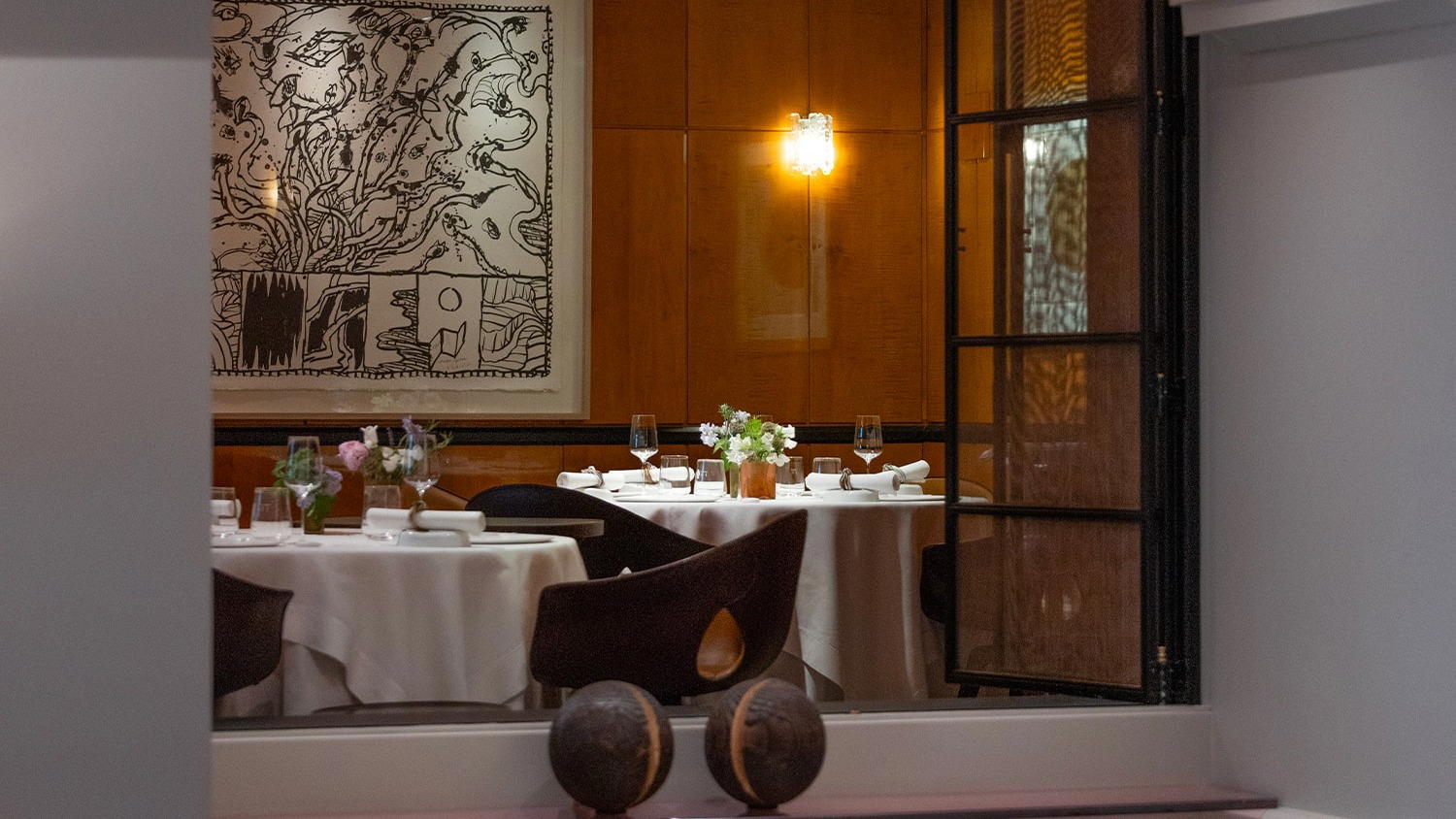
Camille occupies a quietly residential stretch of the 16th arrondissement at 2 Rue Duban, positioning it within a neighbourhood where serious French dining often operates without the fanfare of the more trafficked arrondissements. The address places it at some remove from the grand-boulevard circuit of comparable Paris tables, which shapes both how it draws its clientele and how the rhythm of a meal there differs between lunch and dinner service.
Pearl is the En Primeur Club membership app — saves, bookings, and concierge access live there. Same editors, same standards.
- Address
- 2 Rue Duban, 75016 Paris, France
- Phone
- +33978805258
- Website
- camille-passy.com
- Directions
- Get directions
 Saves & bookings on Pearl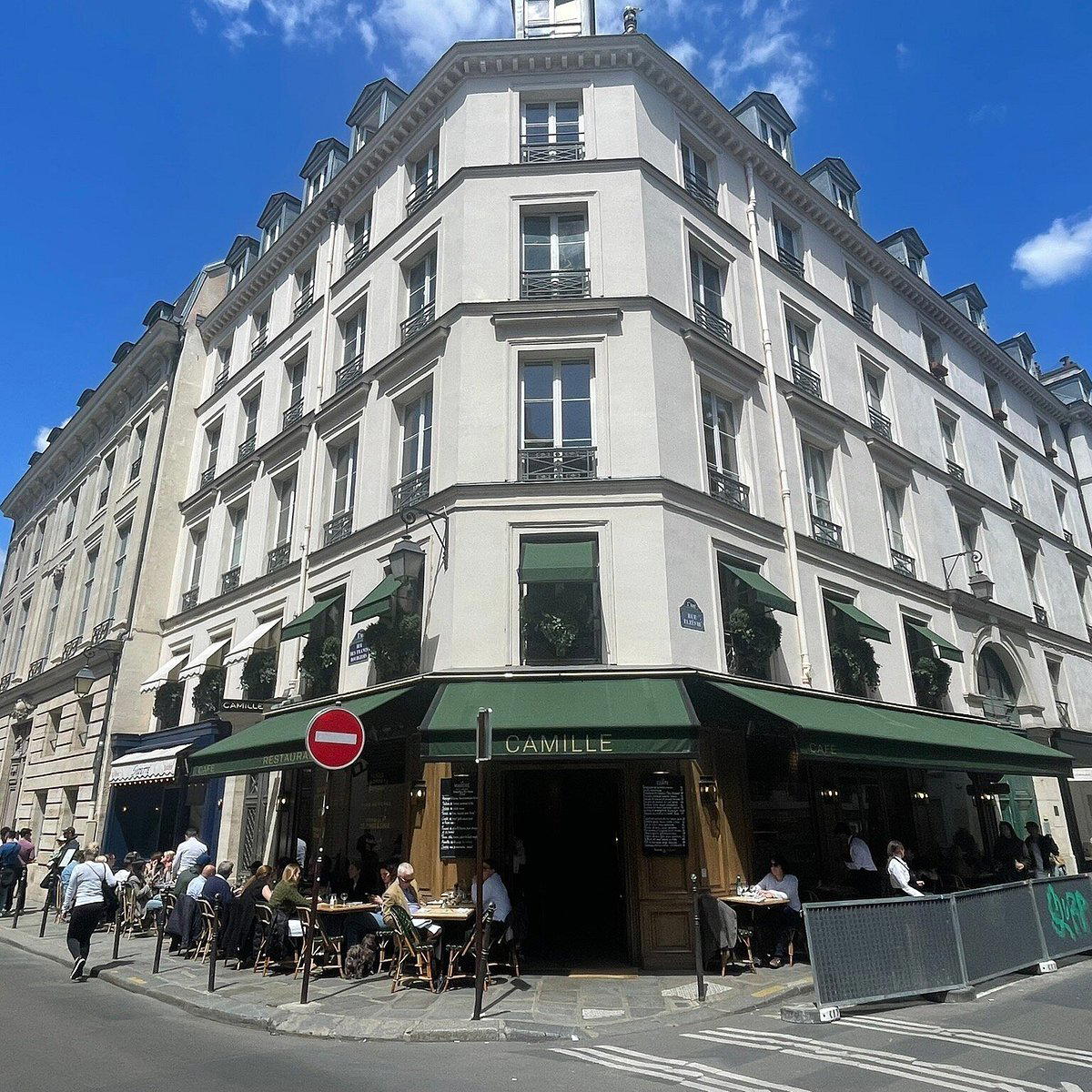
The 16th Arrondissement and the Case for Neighbourhood Dining
Paris has a long-established pattern of splitting its serious restaurant culture between the high-visibility addresses around the 1st, 8th, and 6th arrondissements and the quieter, residential pockets where kitchens depend on conviction rather than foot traffic. The 16th sits firmly in the second category. Bounded by the Bois de Boulogne to the west and the Seine to the south, it draws a local clientele that eats well as a matter of habit rather than occasion. Camille, at 2 Rue Duban, is an address that fits that pattern: not positioned to capture tourists exiting the Louvre, but serving a neighbourhood with strong opinions about its tables.
That residential character matters more than it might initially seem. Tables in this part of Paris tend to have regulars in a way that destination restaurants in denser districts rarely do. The kitchen's relationship to that audience shapes menu continuity, service warmth, and the sense that you are eating somewhere people return to rather than somewhere they check off. Compare that dynamic to the heavily booked grand rooms further east — Alléno Paris au Pavillon Ledoyen on the Champs-Élysées or Le Cinq at the Four Seasons Hôtel George V, both operating at €€€€ price points with the full architecture of grand Parisian dining — and the 16th's quieter registers read as a conscious counter-programme.
Lunch Versus Dinner: Where the Real Difference Lives
Across Paris's mid-to-upper dining tier, the lunch-versus-dinner divide is as much a structural feature as a scheduling preference. Dinner in this city carries weight: longer menus, fuller rooms, a certain performance of occasion. Lunch, particularly in residential arrondissements, moves differently. The pace is shorter, the clientele skews local and professional rather than celebratory, and the kitchen often offers better value per course, a pattern that holds across French dining tradition from the neighbourhood bistrot to the starred table.
At an address like Camille's, that divide is likely to be especially pronounced. A residential 16th table serving lunch works a different kind of room than its evening iteration: smaller parties, faster turns, a menu that functions as sustenance for people who live and work nearby rather than as an event for those who have planned around it. The evening service, by contrast, tends to draw from further afield, to run longer, and to lean harder on wine and the full sequence of courses. Neither mode is more correct than the other; they serve different purposes, and the experienced diner calibrates accordingly.
For a first visit, lunch at a neighbourhood address like this one offers a lower-stakes way to take the measure of a kitchen. The cooking is usually the same; the surrounding temperature is lower. If the food merits it, dinner becomes the obvious follow-up on a return visit, when you already know the room and have a clearer sense of what to order.
The 16th in Context: What the Neighbourhood Implies
The 16th arrondissement is not a dining destination in the way the Marais or Saint-Germain functions for visitors, but it carries its own coherent dining culture. It is an area of Haussmann-era apartments, embassies, and substantial wealth with a preference for discretion. The restaurants that thrive here are not the kind that rely on social media visibility; they rely on a clientele that returns and recommends within its own networks.
That insularity has consequences. It can mean that a very good address goes largely unreviewed in English-language food press while remaining fully booked by its own community. It also means that stumbling across a strong table in the 16th carries a particular satisfaction, the discovery is proportionally more useful because the information is less freely distributed. For context on how that dynamic plays out across the broader Paris scene, our full Paris restaurants guide maps the city's dining character arrondissement by arrondissement.
Within France more broadly, the restaurant culture Camille operates within has deep roots. The tradition of the neighbourhood table, serious cooking without ceremony, connects to a lineage that runs through institutions like Auberge de l'Ill in Illhaeusern and regional anchors like Bras in Laguiole and Georges Blanc in Vonnas. Those addresses work a different scale and context, but they share a commitment to the local audience as the primary reference point, not the international guide.
Placing Camille in the Wider Paris Conversation
Paris's upper dining tier is well documented. The city's three-star tables, among them L'Ambroisie in the 4th, operating at the summit of classic French cuisine, set one ceiling. Addresses like Arpège and Kei represent the creative and contemporary-French registers. Below that tier but above the casual bistrot sits the category where neighbourhood tables in the 16th tend to operate: serious cooking, considered wine lists, service that knows its regulars.
That mid-upper tier is where value propositions in Paris become genuinely interesting. The gap between a lunch at a well-run 16th table and a dinner at a starred address in the 8th can be substantial in price while being relatively modest in cooking quality. Experienced diners in Paris have long exploited that gap deliberately, and the 16th's quieter tables are among the primary beneficiaries of that calculation.
For those whose Paris itinerary extends beyond the city, the wider French fine-dining circuit offers useful comparison points: Mirazur in Menton, Flocons de Sel in Megève, Troisgros in Ouches, Paul Bocuse in Collonges-au-Mont-d'Or, Les Prés d'Eugénie in Eugénie-les-Bains, Auberge du Vieux Puits in Fontjoncouse, and La Table du Castellet in the Var. Internationally, the comparison extends to tasting-format rooms like Le Bernardin in New York and Lazy Bear in San Francisco, both operating in the chef-driven, technically serious register.
Planning Your Visit
Camille is located at 2 Rue Duban, 75016 Paris. The 16th is accessible by Metro lines 6 and 9, with Passy and La Muette stations both within reasonable walking distance of the Duban address. Lunch is the lower-commitment entry point and the logical first visit for anyone unfamiliar with the table. As with most Paris neighbourhood restaurants operating at this level, booking ahead is advisable, the room depends on regulars who plan their weeks in advance.
Quick reference: 2 Rue Duban, 75016 Paris. Nearest Metro: Passy (line 6) or La Muette (line 9). Reservations recommended; contact directly for current availability.
Cuisine and Recognition
| Venue | Cuisine | Price | Awards |
|---|---|---|---|
| CamilleThis venue — the venue you are viewing | This venue | Not listed | Not listed |
| Alléno Paris au Pavillon Ledoyen | Creative | €€€€ | Michelin 3 Star |
| Kei | Contemporary French, Modern Cuisine | €€€€ | Michelin 3 Star |
| L'Ambroisie | French, Classic Cuisine | €€€€ | Michelin 3 Star |
| Le Cinq - Four Seasons Hôtel George V | French, Modern Cuisine | €€€€ | Michelin 3 Star |
| Pierre Gagnaire | French, Creative | €€€€ | Michelin 3 Star |
Continue exploring
More in Paris
Restaurants in Paris
Browse all →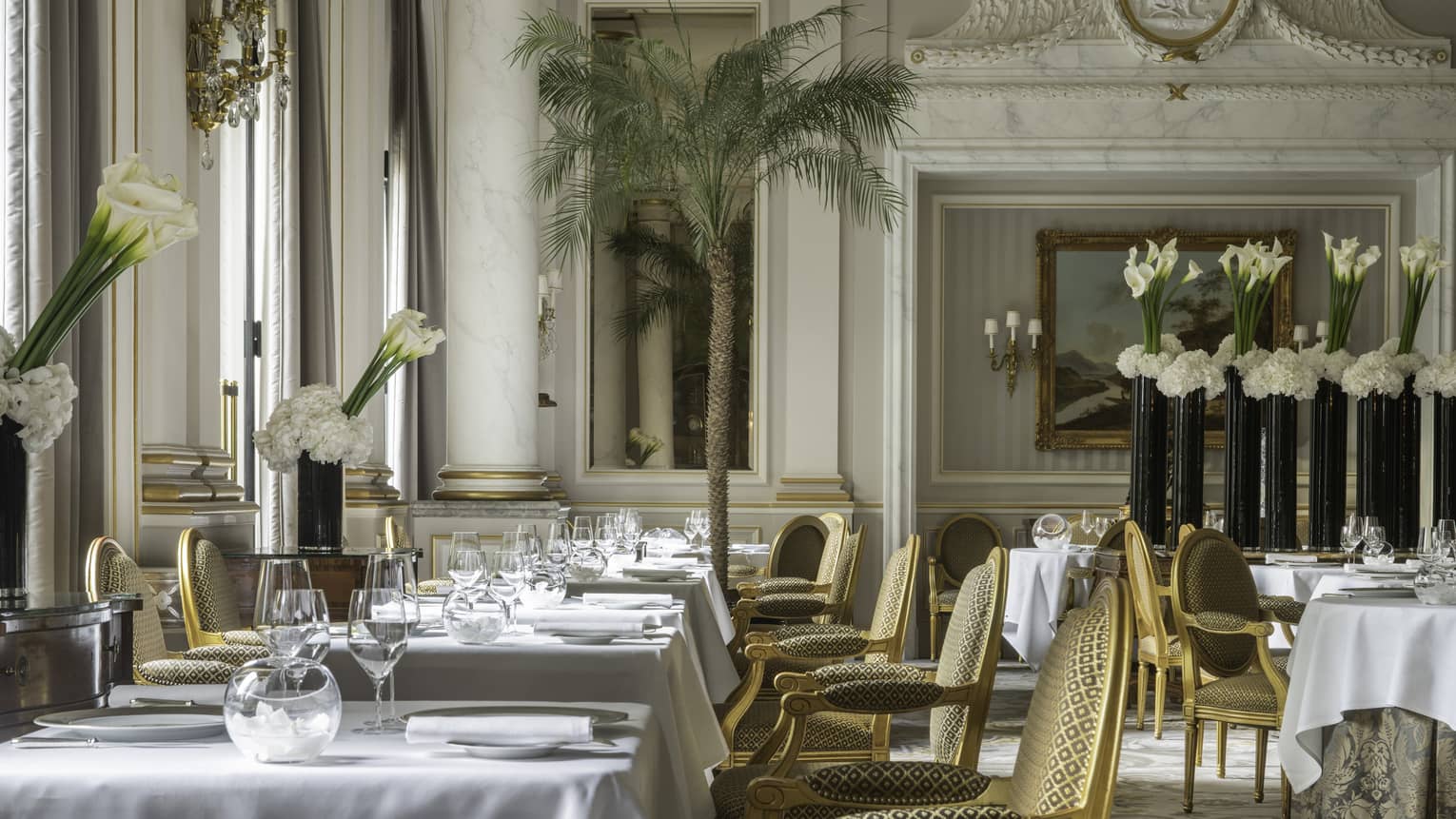

Bars in Paris
Browse all →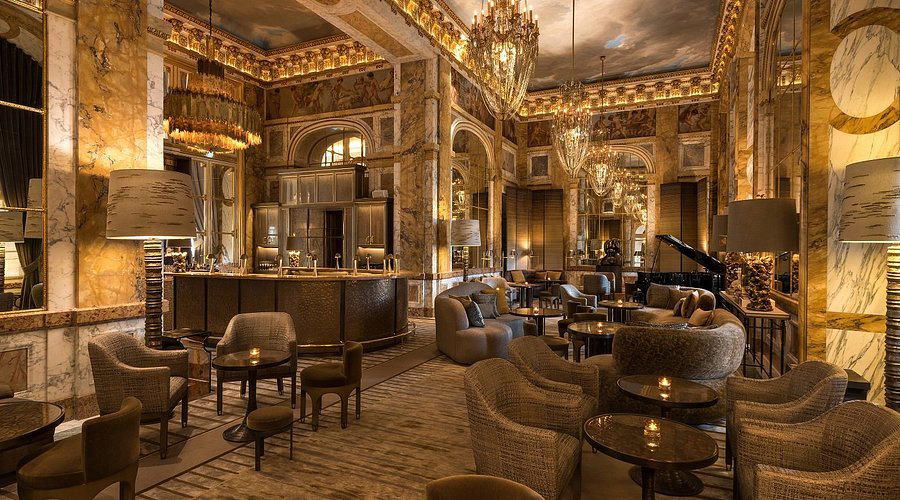
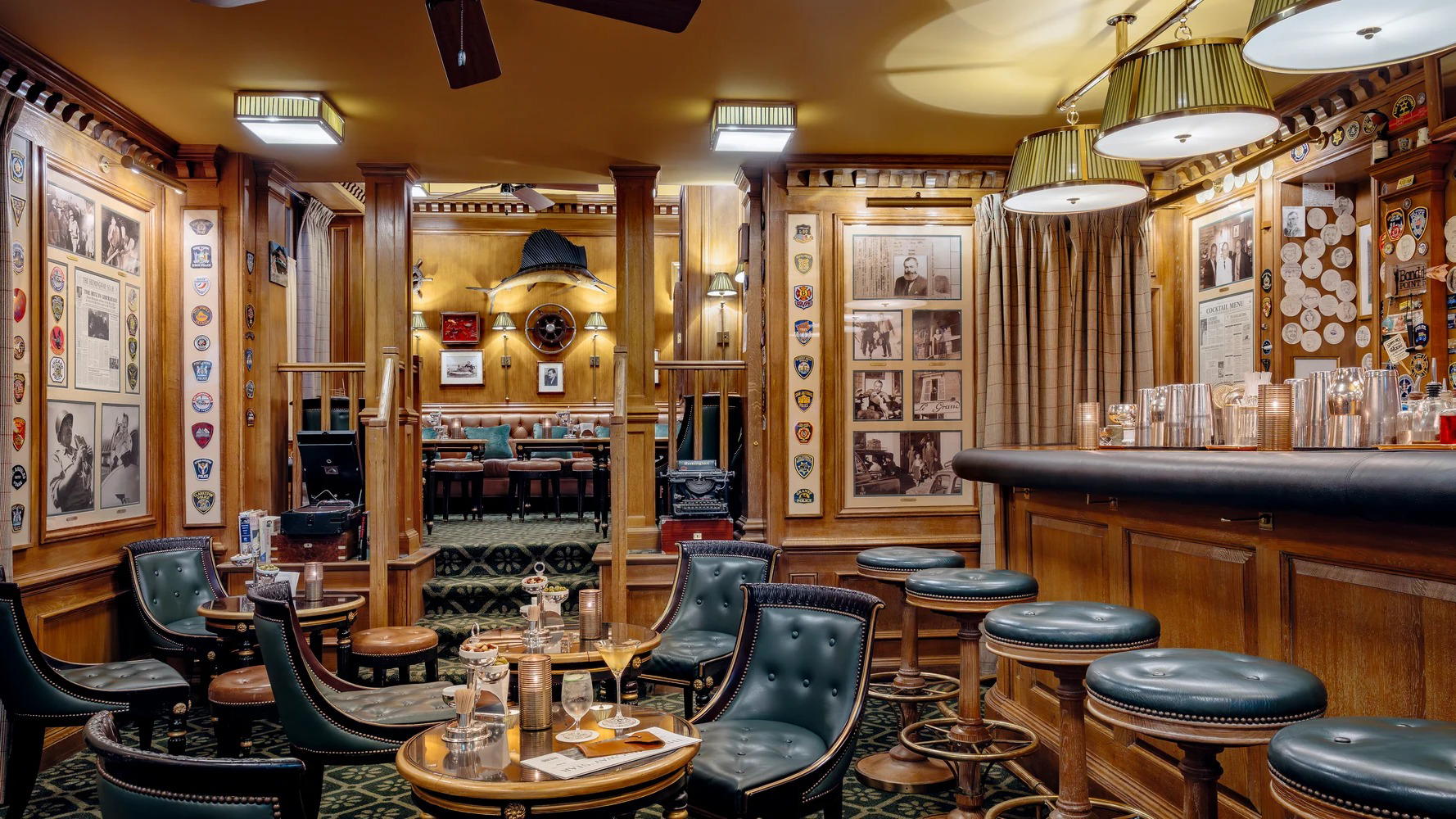
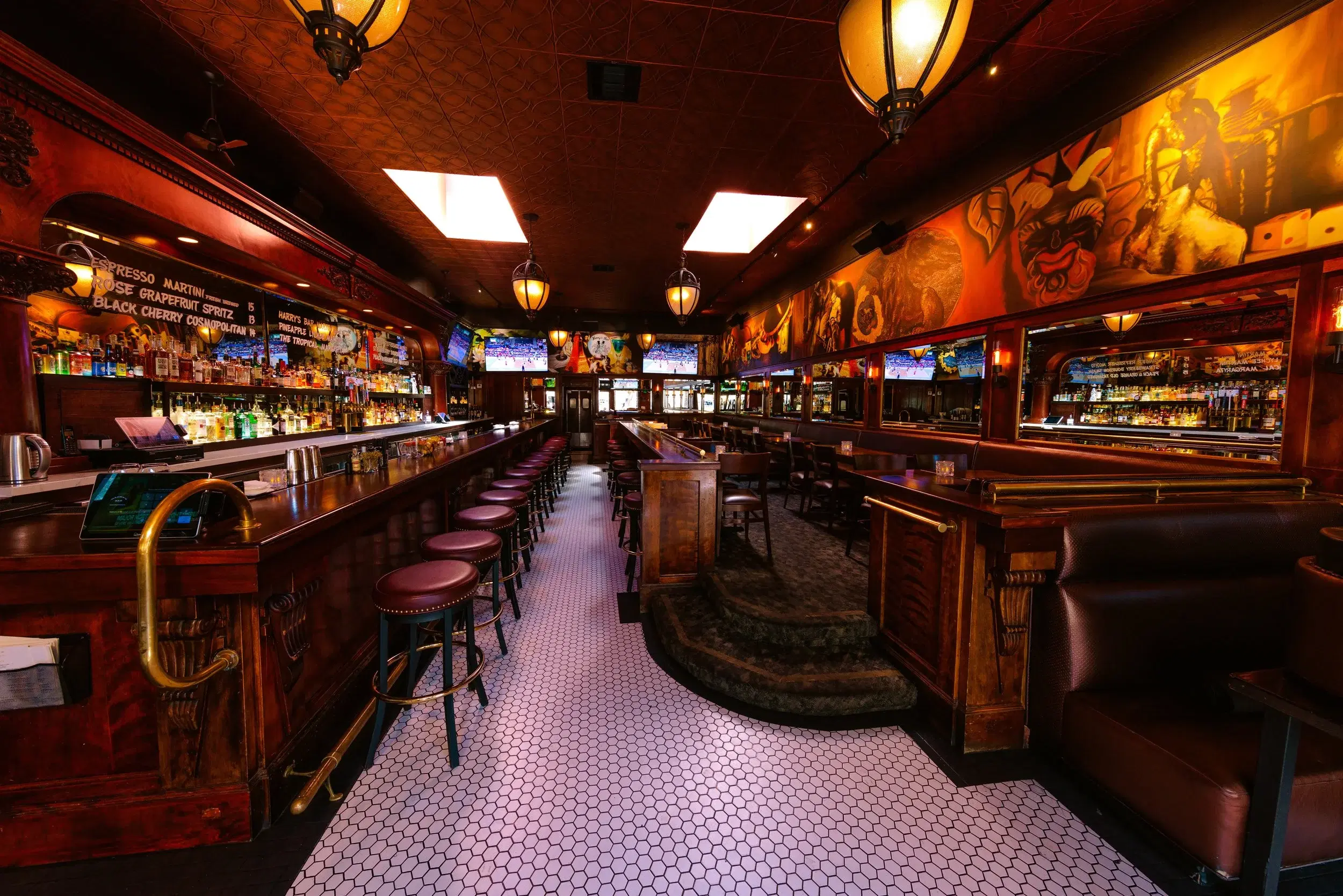
Hotels in Paris
Browse all →
At a Glance
- Cozy
- Classic
- Date Night
- Casual Hangout
- Standalone
- Local Sourcing
Current opening hours
- Monday
- 12–3 PM, 7–11 PM
- Tuesday
- 12–3 PM, 7–11 PM
- Wednesday
- 12–3 PM, 7–11 PM
- Thursday
- 12–3 PM, 7–11 PM
- Friday
- 12–3 PM, 7–11 PM
- Saturday
- 12–3:30 PM, 7–11 PM
- Sunday
- 12–3:30 PM, 7–11 PM
Hours can change for holidays and private events. Last verified .
Cozy and charming Parisian bistro atmosphere with warm, inviting service.
Know Before You Go
- Getting there
- 2 Rue Duban, 75016 Paris, France