Le Grand Pan sits on Rue Rosenwald in the 15th arrondissement, a residential pocket of Paris where the dining crowd skews local and the room is built around the kind of unhurried eating that the city's grander addresses rarely permit. The address operates within a tradition of neighbourhood bistro seriousness that sits well below the €€€€ tier yet demands equal attention from anyone mapping Paris's full dining range.
Pearl is the En Primeur Club membership app — saves, bookings, and concierge access live there. Same editors, same standards.
- Address
- 20 Rue Rosenwald, 75015 Paris, France
- Phone
- +33142500250
- Website
- legrandpan.fr
- Directions
- Get directions
 Saves & bookings on Pearl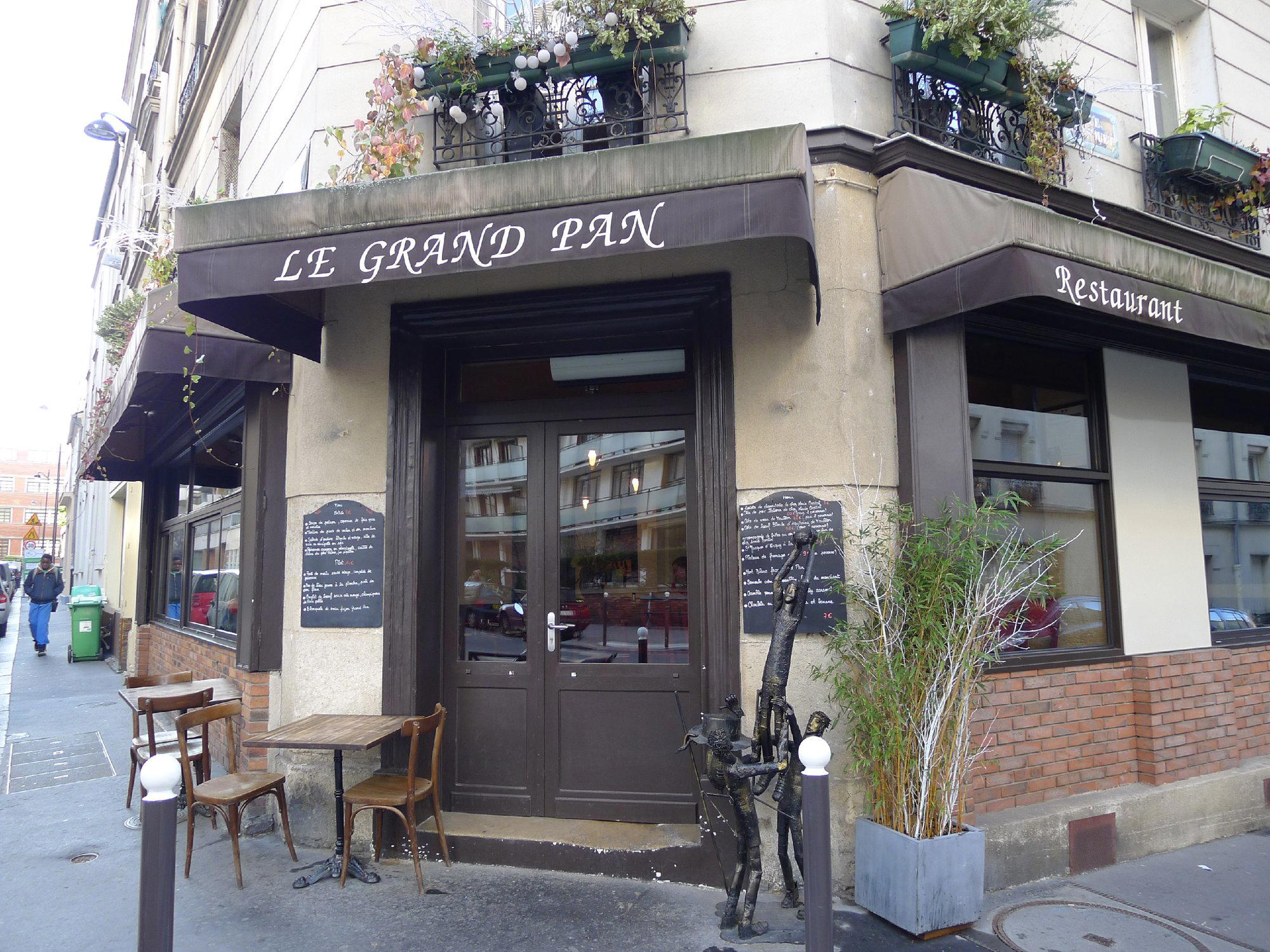
The 15th and What It Means to Eat Here
Paris's 15th arrondissement does not generate the kind of press that the 1st or 8th attract. There are no grand hotel dining rooms, no Pavillon Ledoyen terraces, and no Place des Vosges backdrops. What the 15th offers instead is a denser, more functional version of the city, where apartment buildings outnumber monuments and the restaurants that survive do so on the strength of regulars rather than tourists. Rue Rosenwald sits within this logic. Le Grand Pan, at number 20, is exactly the kind of address that rewards the reader willing to cross an arrondissement boundary for a meal rather than defaulting to the better-signposted corridors near the Seine.
The geography matters because it shapes what the room expects of you and what you can expect in return. Dining in this part of the 15th is not about occasion-dressing or table theatre. The surrounding neighbourhood is domestic in character, and the restaurants that anchor it tend to take food seriously in a way that is legible rather than performative. Le Grand Pan belongs to that tradition: a bistro address that operates without the choreography of the city's €€€€ tier, where names like Alléno Paris au Pavillon Ledoyen, Le Cinq at the Four Seasons George V, or L'Ambroisie define what formal French dining looks like at its most codified.
A Different Register of French Seriousness
France's most discussed restaurants tend to cluster at two poles: the grand multi-Michelin addresses that set benchmarks for the country's culinary identity, and the natural-wine-driven neo-bistros that have repositioned Paris as a destination for a younger, internationally mobile dining crowd. Le Grand Pan operates in the space between these poles, which is one interesting place to sit in the city's dining spectrum right now.
The bistro format that restaurant inhabits has a long and well-documented tradition in French food culture. It is the format that prizes the product itself, typically meat, over the transformation of it. In Paris, addresses that build a reputation around a single well-sourced cut and the confidence to cook it simply have historically held more durable local loyalty than those chasing seasonal menus or tasting format trends. This is not nostalgia; it is a reading of what French diners in a residential neighbourhood actually want from a Tuesday evening out. The same logic sustains similarly positioned addresses across France, from the market-led bistros of Lyon to the auberge tradition visible in houses like Auberge de l'Ill in Illhaeusern or the deeply rooted regional identity of Bras in Laguiole.
At the higher end of the French spectrum, three-starred houses like Arpège in Paris or Troisgros in Ouches make the argument that French cooking's future lies in produce-first precision married to evolving technique. The restaurant makes a quieter but related argument: that produce-first eating does not require a tasting menu or a Michelin star to justify itself. The bistro format, at its most disciplined, is already a complete answer to the question of what serious French eating looks like.
Reading the Room on Rue Rosenwald
The physical experience of arriving at the restaurant is shaped by its street rather than its interior. Rue Rosenwald is not a destination in its own right; it is the kind of Parisian side street that you reach because you have already decided where you are going. That intentionality is part of what the room feels like once you are inside. The crowd skews local and repeat. Conversations between tables are not uncommon. The rhythm is slower than the city's tourist-facing bistros, where covers turn and menus arrive pre-translated.
This quality, a room that functions as a neighbourhood anchor rather than a draw for the curious passerby, is increasingly rare in the parts of Paris that attract international attention. It is more readily found in the 15th, the 13th, or the outer reaches of the 19th than in the Marais or Saint-Germain.
Where This Sits in the Paris Dining Map
Paris's dining options divide, roughly, into four tiers by price and formality. At the leading, the €€€€ bracket includes tasting-menu houses and hotel restaurants. Below that, a mid-upper tier covers serious à la carte addresses and contemporary French rooms with recognisable chef names. The third tier, where the restaurant operates, is the city's most populated: neighbourhood restaurants with real cooking ambition but without the pricing architecture of award-chasing establishments. The fourth tier is the tourist-facing brasserie, which requires no further comment here.
Within that third tier, the quality gap between addresses is significant. Some operate on reputation inertia; others, like Le Grand Pan, appear to hold their position through consistent execution. For those mapping the full range of Paris dining, the bistro tradition represented by an address like this sits alongside the more formally recognised houses in our full Paris restaurants guide and provides essential context for understanding what French restaurant culture actually looks like when it is not performing for international acclaim. Comparable calibrated French seriousness at higher price points can be found at Kei or, further afield in France, at Assiette Champenoise in Reims, Au Crocodile in Strasbourg, or Auberge du Vieux Puits in Fontjoncouse.
For readers whose Paris dining usually begins and ends at the addresses covered in publications focused on the 1st, 6th, and 8th, the 15th arrondissement represents a different kind of argument about what eating well in this city can mean. The restaurant, at 20 Rue Rosenwald, is a reasonable place to begin testing that argument.
Planning Your Visit
The restaurant is located at 20 Rue Rosenwald, 75015 Paris, in the southern part of the 15th arrondissement. Given the neighbourhood's residential character, booking ahead is recommended. Those with specific dietary requirements should communicate them at the point of booking; the bistro format typically allows for direct conversation with the kitchen on such matters, and Paris's dining culture at this tier expects that kind of direct exchange rather than the pre-visit allergy questionnaires common in larger tasting-menu houses.
- Côte de bœuf
- Côte de veau
- Côte de porc
- Saint-Jacques
- Homard
- Os à moelle
Price and Recognition
Comparable venues nearby, for context on price, style, and recognition.
| Venue | Cuisine | Price | Notes |
|---|---|---|---|
| Le Grand PanThis venue — the venue you are viewing | Not listed | $$ | Not listed |
| La Gauloise | Not listed | $$ | 15th arrondissement, Traditional French Brasserie |
| La Cantine du Troquet | Not listed | $$ | 14th Arrondissement, Basque Bistro |
| Firmin le Barbier | Gros-Caillou, Classic French Bistro | $$ | Not listed |
| Au XV Du Rond Point | Not listed | $$ | Champs-Élysées, Traditional French Brasserie |
| Daimant Saint-Honoré | Not listed | $$ | Place du Marché Saint-Honoré, Modern Vegan French Rotisserie |
Continue exploring
More in Paris
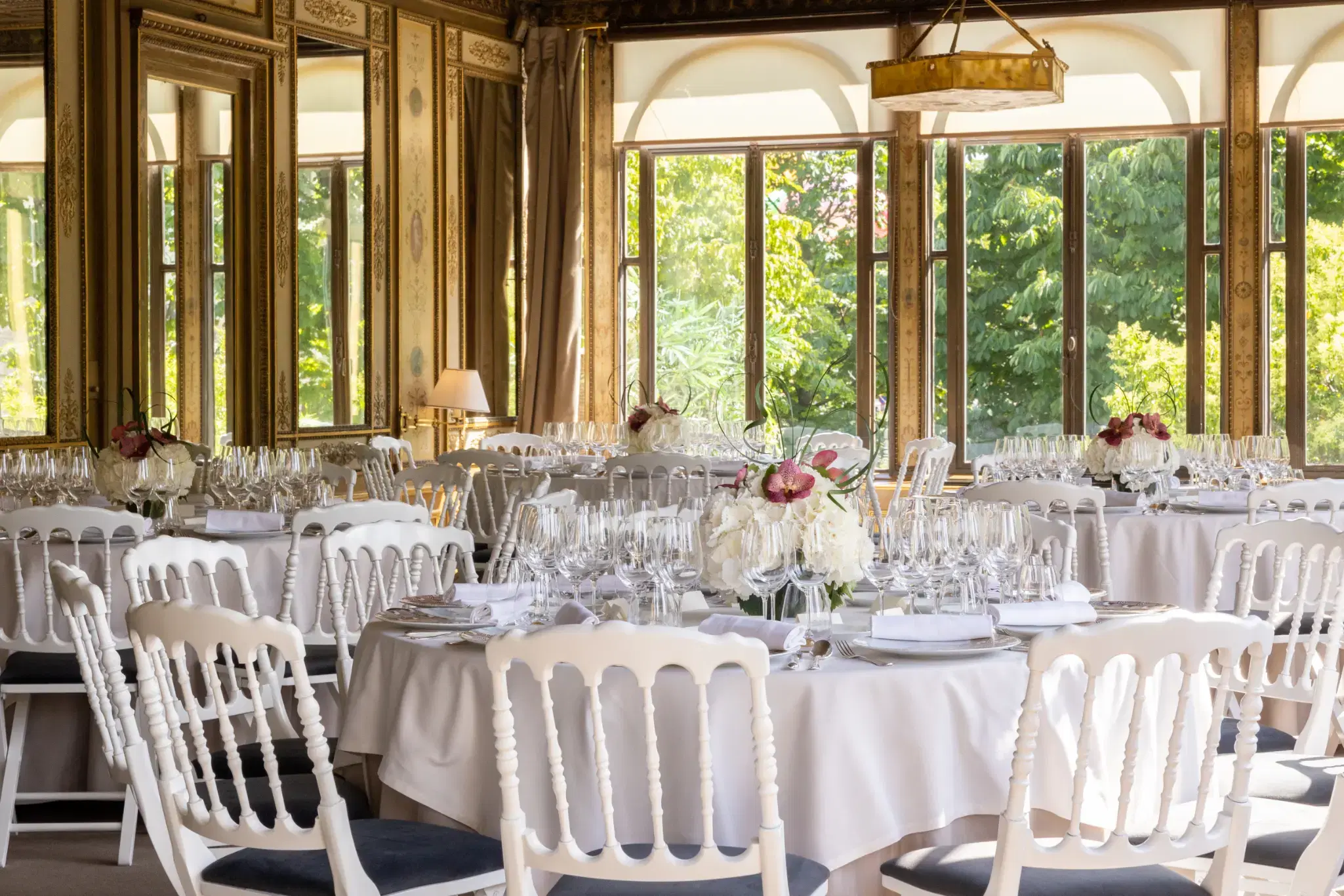
Restaurants in Paris
Browse all →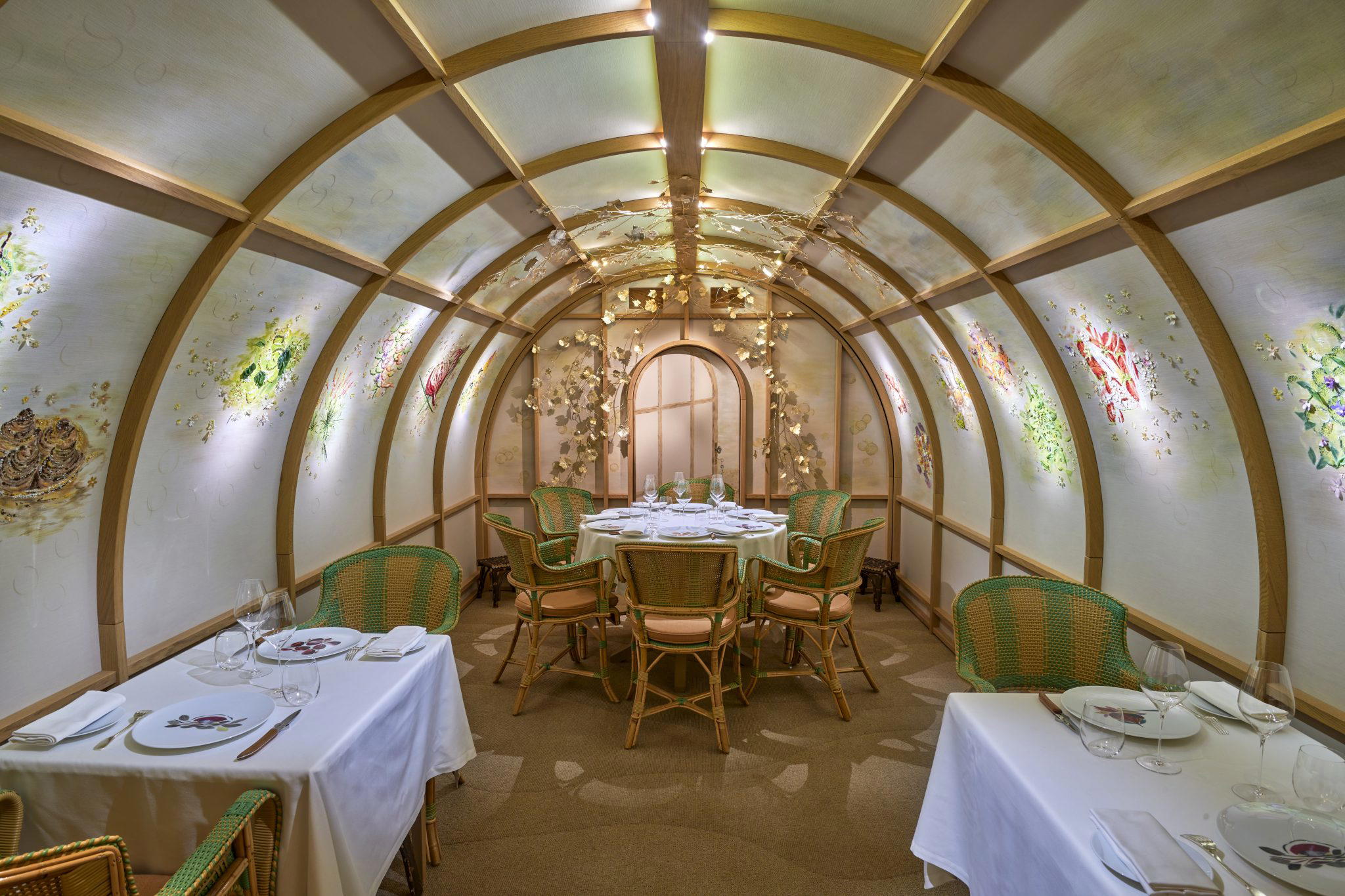
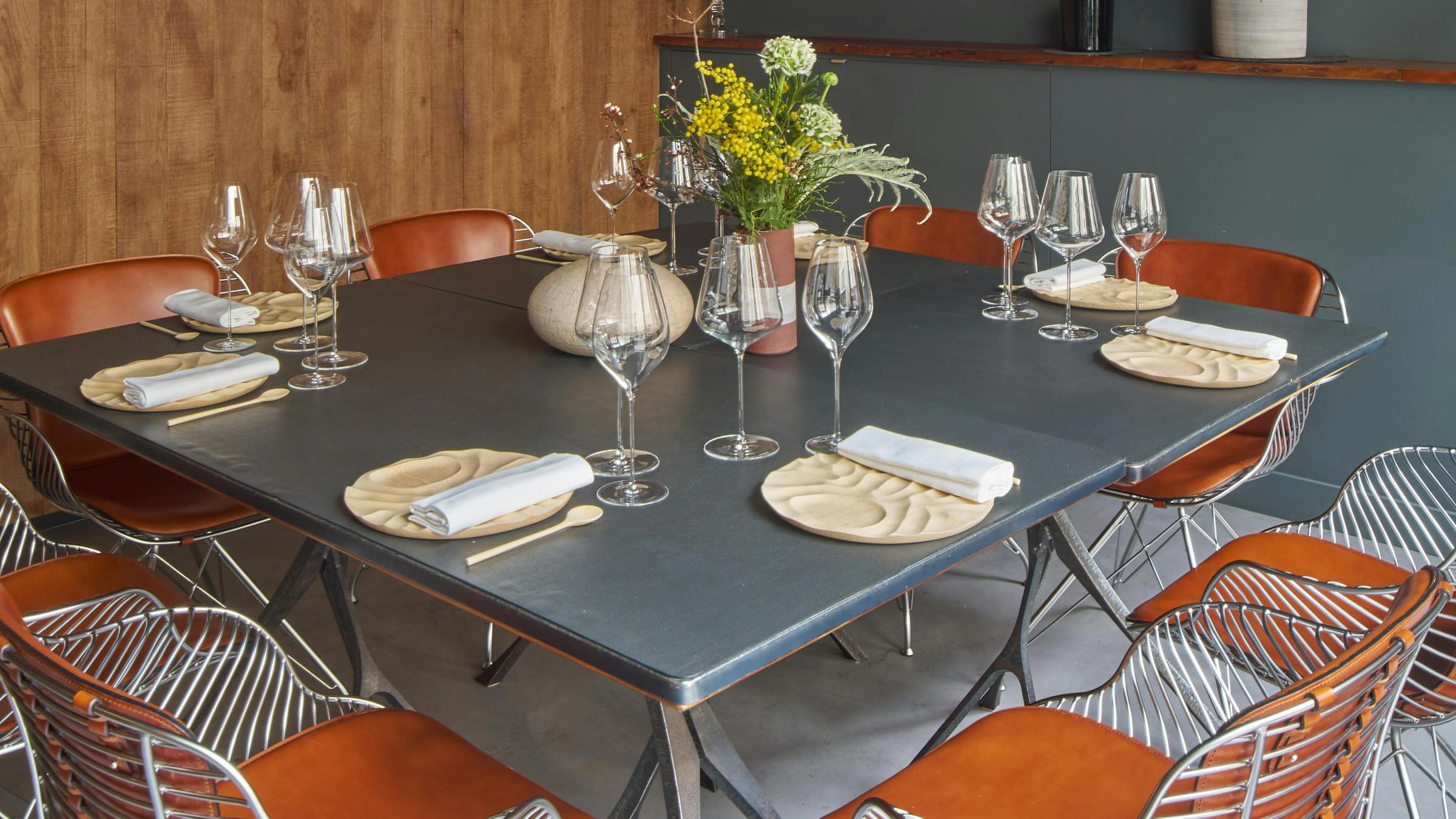
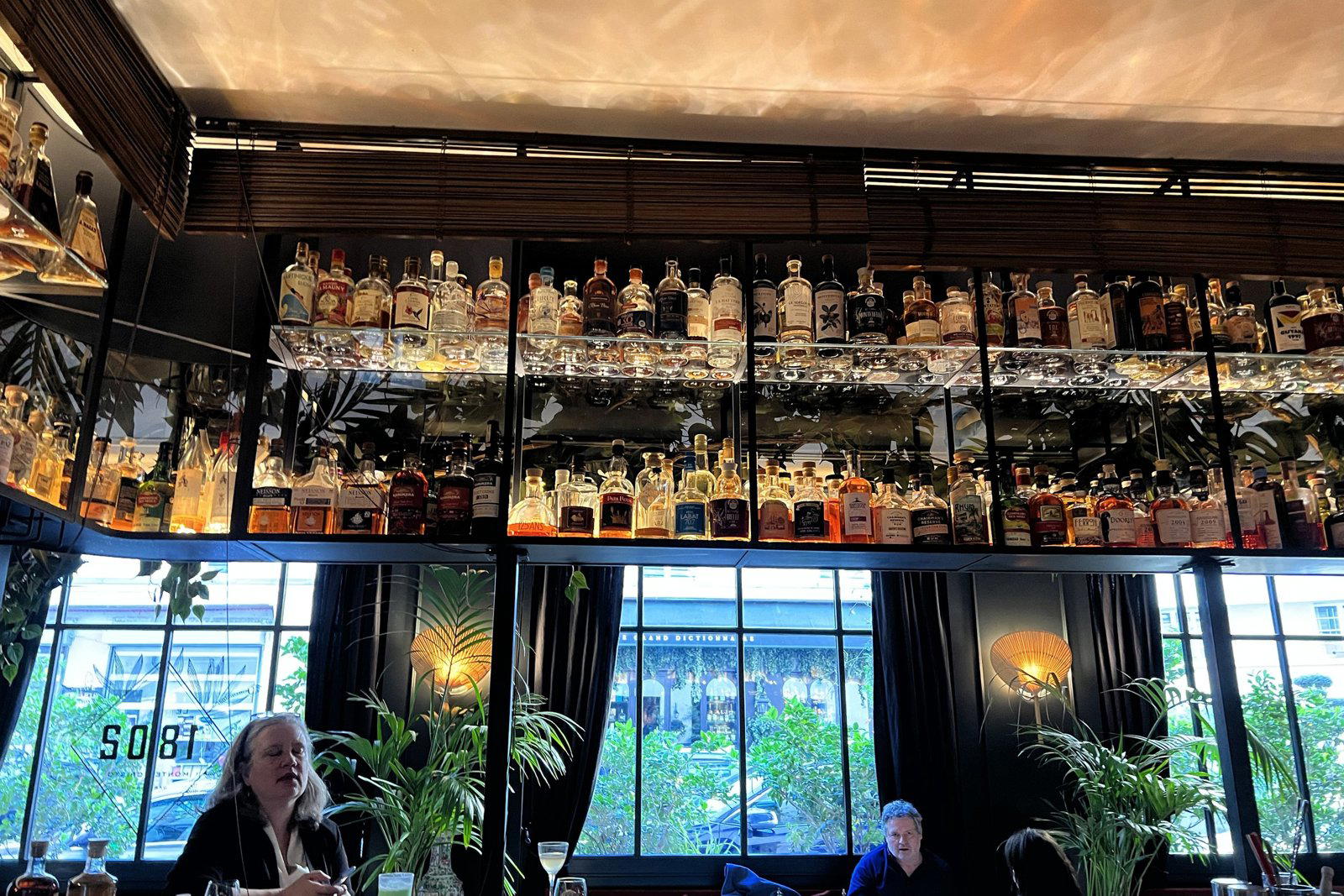
Bars in Paris
Browse all →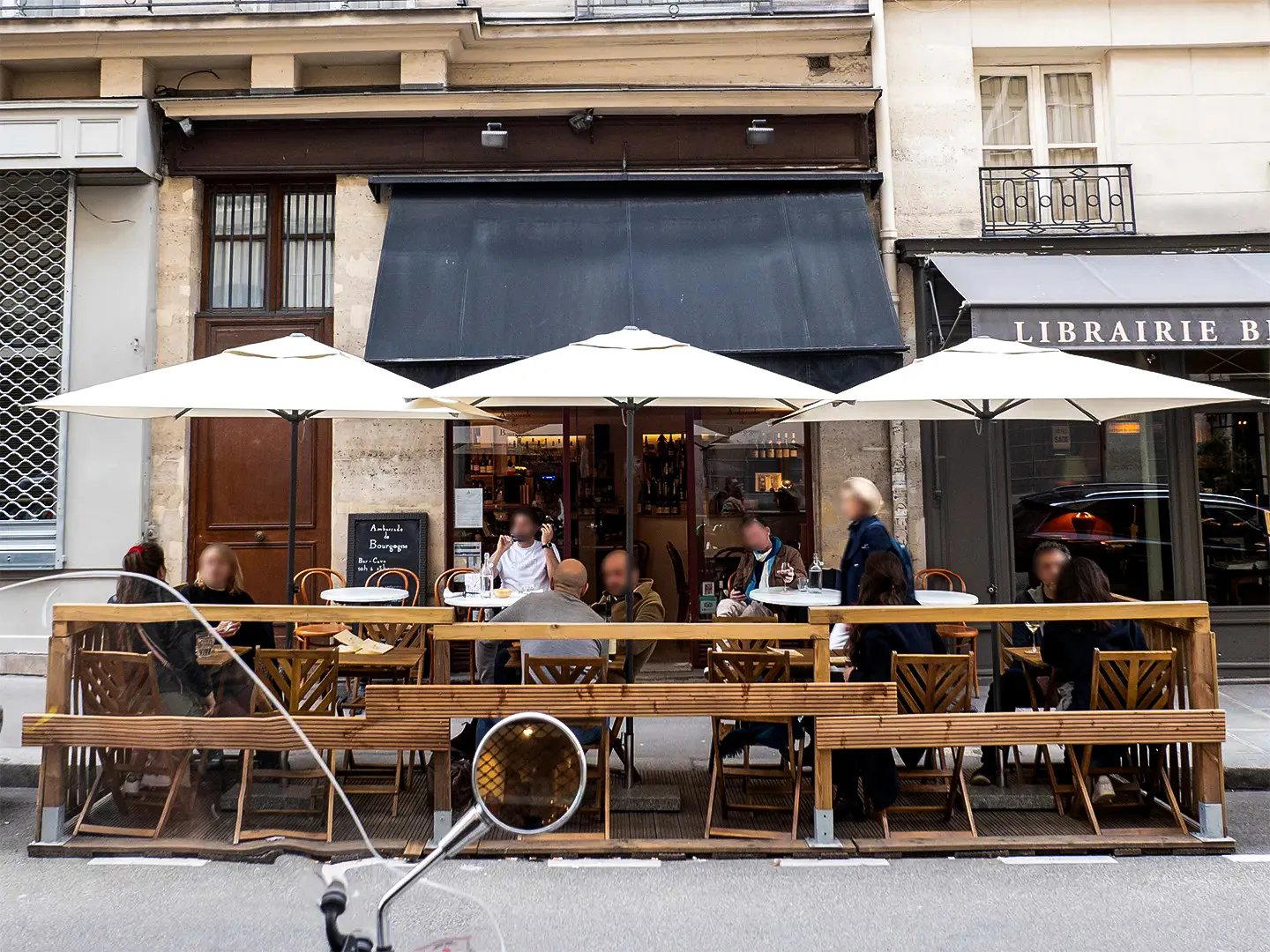
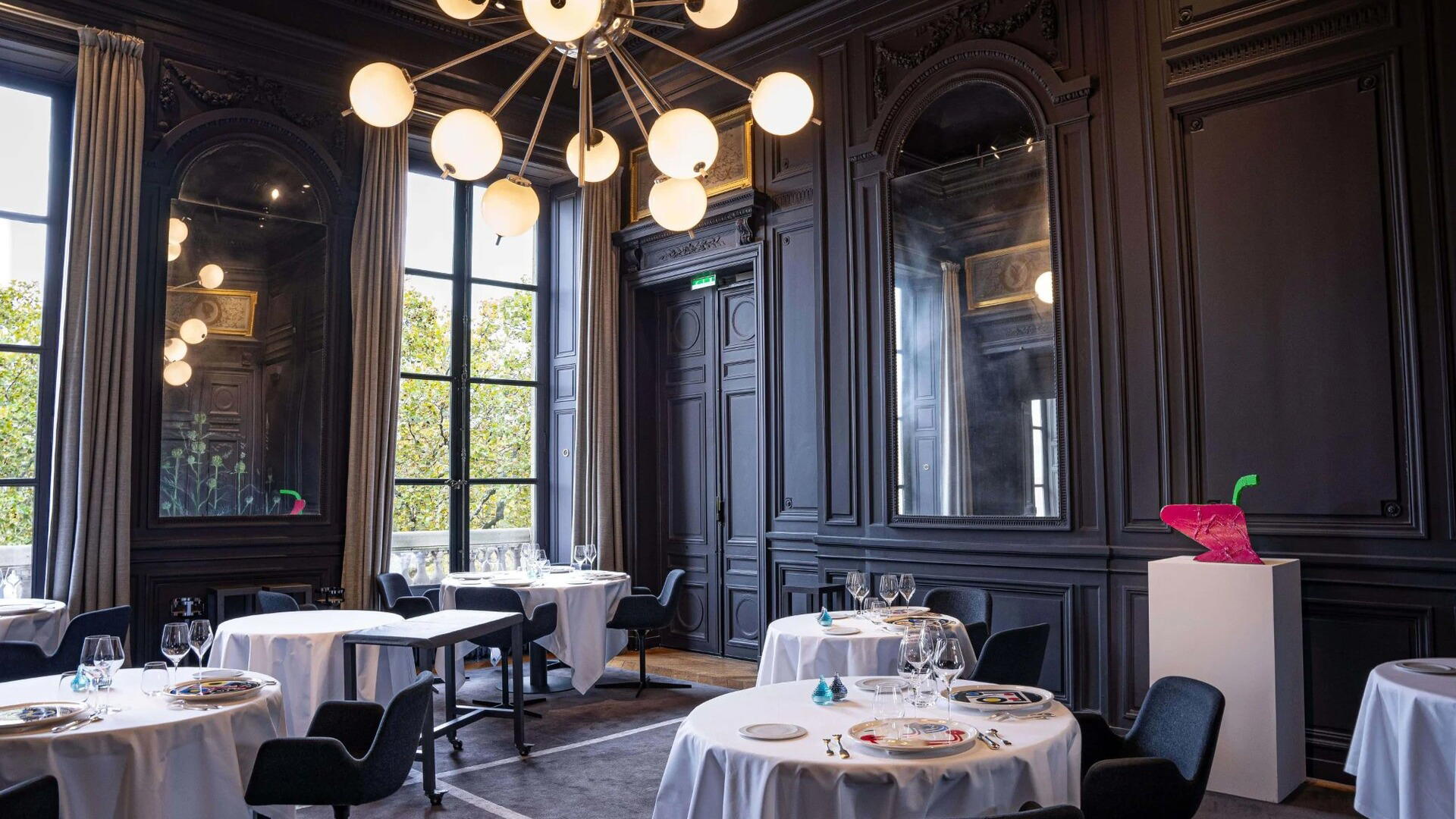
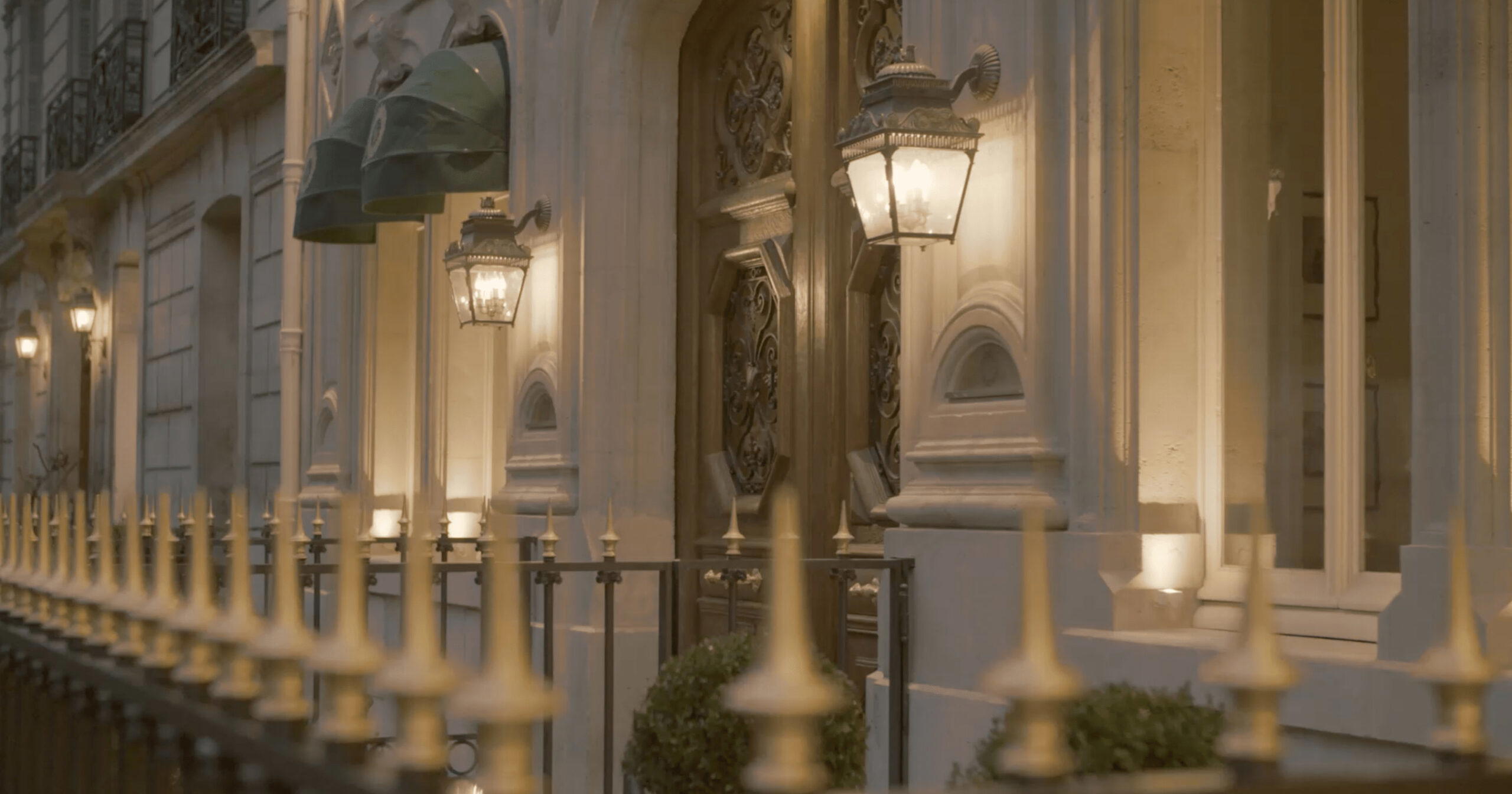
Hotels in Paris
Browse all →



At a Glance
- Classic
- Cozy
- Lively
- Casual Hangout
- After Work
- Family
- Date Night
- Standalone
- Extensive Wine List
- Local Sourcing
Current opening hours
- Monday
- 12–2 PM, 7:30–11 PM
- Tuesday
- 12–2 PM, 7:30–11 PM
- Wednesday
- 12–2 PM, 7:30–11 PM
- Thursday
- 12–2 PM, 7:30–11 PM
- Friday
- 12–2 PM, 7:30–11 PM
- Saturday
- Closed
- Sunday
- Closed
Hours can change for holidays and private events. Last verified .
A pleasant, charming neighborhood bistro atmosphere with a classic French feel and friendly service.