Our verdict
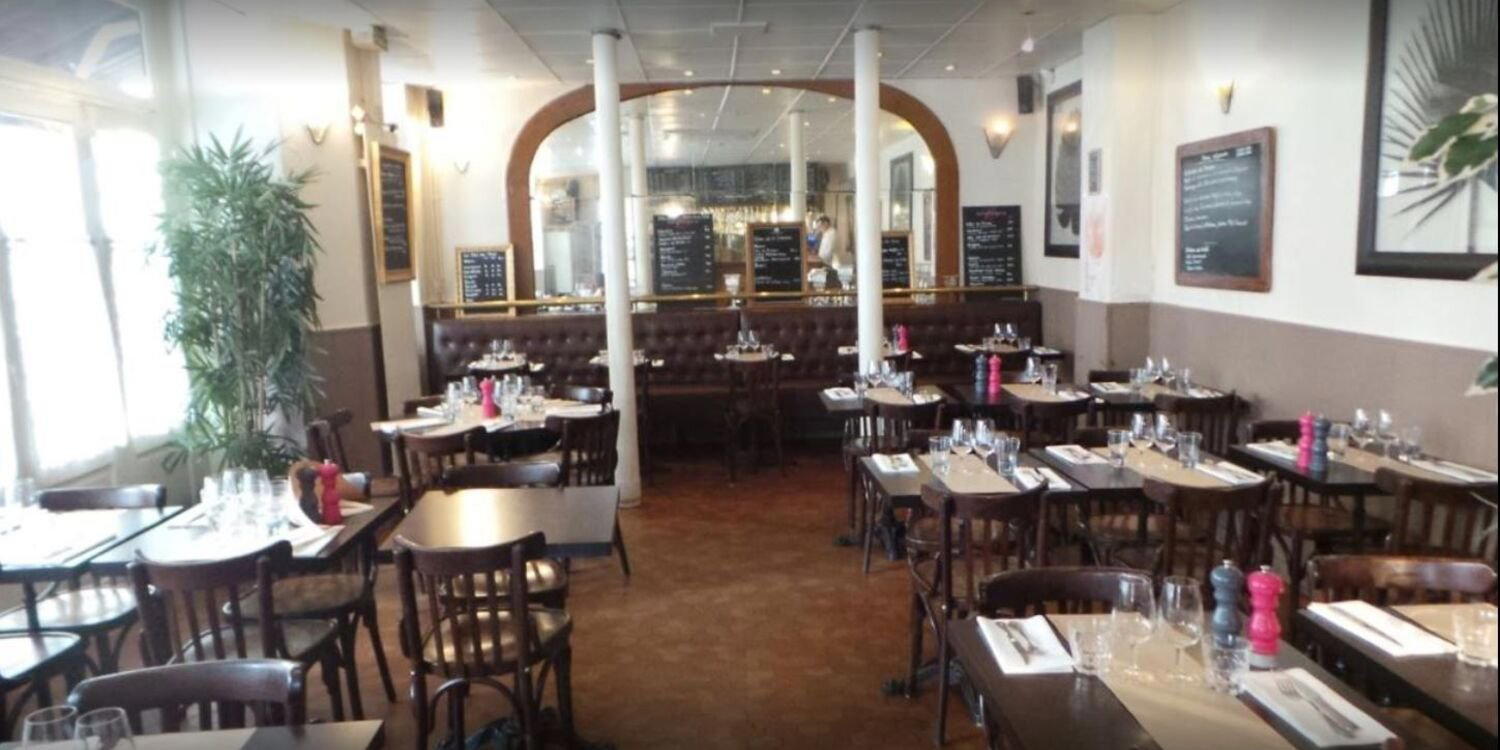
Le P'Tit Musset occupies a quiet address at 132 Rue Cardinet in Paris's 17th arrondissement, a neighbourhood where neighbourhood bistros still do the work that grand restaurants cannot. Set within a local residential block, it represents the kind of Paris dining that earns loyalty through consistency rather than spectacle. Booking details and hours are best confirmed directly with the venue.
- Address
- 132 Rue Cardinet bât 1, 75017 Paris, France
- Phone
- +33142273678
- Website
- leptitmusset.fr
- Directions
- Get directions
The menu
What to order
- Oysters from Utah Beach
- Entrecôte
- Steak Tartare
- Foie Gras
The 17th and the Bistro Tradition It Sustains
Paris's 17th arrondissement does not attract the dining pilgrims that the 1st or 8th do. There are no palace hotels anchoring the restaurant scene here, no three-Michelin-star addresses drawing international reservations months in advance. What the 17th has instead is a denser concentration of neighbourhood restaurants operating for local regulars, professionals from the nearby Batignolles offices, and families who have been eating in the same room for years. Le P'Tit Musset, at 132 Rue Cardinet, sits within that fabric rather than above it.
The bistro format has been under pressure across Paris for two decades. Rising real estate costs, tighter labour markets, and the gravitational pull of the city's marquee dining tier — venues like Alléno Paris au Pavillon Ledoyen, Arpège, and Le Cinq at the Four Seasons George V — have drawn attention, investment, and press coverage upward, leaving the everyday bistro tier to survive on repeat custom and word of mouth. The addresses that have endured in this environment tend to share certain characteristics: a fixed or tightly rotating menu, consistent sourcing, and a format that does not change with seasons of fashion. Le P'Tit Musset's continued presence in the Cardinet corridor is itself a signal worth reading.
What the Cardinet Address Means
Rue Cardinet runs through one of the 17th's quieter residential pockets, between the Batignolles train tracks and the broader spread of Monceau. It is not a dining street in the way that Rue du Faubourg Saint-Antoine or Rue de Bretagne are, there is no critical mass of restaurant terraces, no weekend queue culture. An address here is a deliberate choice, pitched at proximity to residents rather than foot traffic from tourists or office-district lunch crowds. The surrounding blocks are dominated by apartment buildings, small pharmacies, and the kind of boulangeries that still close on Sundays. A restaurant operating at this address is, by definition, operating on trust built over time with a local clientele.
That model contrasts sharply with Paris's destination-dining tier. At L'Ambroisie on the Place des Vosges or Kei in the 1st, the draw is partly the neighbourhood itself, the architecture, the prestige of the address. On Rue Cardinet, the restaurant is the draw, or it is nothing.
French Bistro Cooking and Why It Remains Relevant
The cultural weight of the French bistro is impossible to separate from the history of Parisian daily life. For most of the twentieth century, the bistro was where working Parisians ate lunch: a plat du jour, a carafe of wine, a price that assumed the meal was a daily ritual rather than an occasional event. That model has contracted but not disappeared. A number of observers of the French restaurant scene have argued that the survival of honest neighbourhood bistros matters beyond sentiment, that they sustain a price tier and a cooking approach that the starred-restaurant ecosystem cannot replicate, and should not be expected to.
The French regions have their own versions of this argument. Houses like Auberge de l'Ill in Illhaeusern and Bras in Laguiole built their reputations on rootedness to a specific place and ingredient tradition. At the other end of ambition but within the same cultural conversation, the Parisian bistro operates on a version of the same logic: a kitchen that knows its suppliers, a menu that reflects what is available and what the neighbourhood expects, and a room where the same faces return week after week. Paul Bocuse's Auberge du Pont de Collonges made a different argument about French cooking's capacity for grandeur; the bistro tradition makes the complementary argument about its capacity for daily sustenance.
For a wider view of where Le P'Tit Musset fits within Paris's broader dining spectrum, see our full Paris restaurants guide.
The Neighbourhood Bistro in a City of Grand Addresses
Paris's restaurant press tends to concentrate on movement at the leading: new Michelin stars, chef changes at palace hotels, the trajectory of ambitious young kitchens in the 11th or the 10th. The neighbourhood tier generates less coverage but is not less consequential for how the city actually eats. Internationally recognised addresses such as Mirazur in Menton, Troisgros in Ouches, and Flocons de Sel in Megève represent French fine dining at the level where international visitors plan travel itineraries around a reservation. Le P'Tit Musset operates in a parallel track entirely, its function is local, its competition is the other bistros within walking distance, and its success is measured in how many tables are occupied on a Tuesday in February.
That distinction matters for the reader deciding where Le P'Tit Musset belongs in a Paris itinerary. It is not a venue that competes with the grand kitchens of the 8th or the destination-format restaurants increasingly common in the 9th and 10th. It is a representative of the bistro category as it exists in residential Paris, which is a different kind of quality claim but not a lesser one. For comparison: Assiette Champenoise in Reims, Au Crocodile in Strasbourg, and Auberge du Vieux Puits in Fontjoncouse each anchor their respective cities at the formal dining level. The neighbourhood bistro anchors something different: the daily rhythm of a residential quarter. French cooking's global reputation, evident even in the ambitions of places like Le Bernardin in New York and AM par Alexandre Mazzia in Marseille, rests partly on this base layer of consistent, technically grounded everyday cooking.
Seoul's Atomix demonstrates how deeply French culinary logic has spread internationally; the bistro tradition at home is where that logic originated and where it continues to reproduce itself without fanfare.
Planning Your Visit
Le P'Tit Musset is located at 132 Rue Cardinet, Bâtiment 1, in the 17th arrondissement of Paris. The nearest Metro stations are Villiers (lines 2 and 3) and Malesherbes (line 3), both within comfortable walking distance. As a residential-quarter bistro, the format is likely to suit lunch and dinner services on weekdays and weekends, though confirmation of current hours and reservation requirements should be made directly with the venue, as no booking system or phone number is publicly listed in available data. Dress code expectations at this category of address in Paris typically run to smart casual rather than formal.
Quick reference: 132 Rue Cardinet bât 1, 75017 Paris. Contact and hours to be confirmed directly with the venue.
Frequently asked questions
What's Le P'Tit Musset's location?
Le P'Tit Musset is located at 132 Rue Cardinet bât 1, 75017 Paris, France, Paris.
How does Le P'Tit Musset fit into the broader Paris bistro tradition?
The French bistro format that Le P'Tit Musset represents in Paris's 17th arrondissement has functioned as the city's daily dining infrastructure for over a century, distinct from both the brasserie and the gastronomic restaurant in its scale and informality. Venues anchored to residential addresses like Rue Cardinet survive on the logic of the quartier: proximity, regularity, and a kitchen attuned to what the neighbourhood expects on a Tuesday evening as much as a Saturday.
Is Le P'Tit Musset reservation-only?
No booking policy is confirmed for Le P'Tit Musset at 132 Rue Cardinet. In the residential pockets of the 17th arrondissement, bistros of this type often split their covers between walk-in regulars and same-week phone reservations rather than online booking platforms. Calling ahead is the most reliable approach for a table at peak lunch or dinner hours.
What has Le P'Tit Musset built its reputation on?
Le P'Tit Musset operates in the neighbourhood bistro tier of Paris dining, where standing is measured by consistency with a local clientele rather than by award cycles or press coverage. Its address on Rue Cardinet places it in one of the 17th arrondissement's quieter residential pockets, a context in which repeat custom from the surrounding streets is the primary currency of a kitchen's credibility.
Cost and Credentials
A quick peer reference to anchor this venue in its category.
| Venue | Cuisine | Price | Awards | Notes |
|---|---|---|---|---|
| Le P'Tit MussetThis venue — the venue you are viewing | Traditional French Bistro | $50–100 | Not listed | Not listed |
| Alléno Paris au Pavillon Ledoyen | Modern French Fine Dining | $150–200 | 3 Michelin Stars · World's 50 Best #79 | Creative |
| Kei | Modern French with Japanese Influences | $300–500 | 3 Michelin Stars · World's 50 Best #93 | Contemporary French, Modern Cuisine |
| L'Ambroisie | Classic French Haute Cuisine | $300–500 | 2 Michelin Stars · World's 50 Best #23 | French, Classic Cuisine |
| Le Cinq - Four Seasons Hôtel George V | Modern French Fine Dining | $300–500 | 3 Michelin Stars · World's 50 Best #24 | French, Modern Cuisine |
| Pierre Gagnaire | Avant-Garde French Fine Dining | $200–300 | 3 Michelin Stars · World's 50 Best #17 | French, Creative |
Continue exploring
More in Paris
Restaurants in Paris
Browse all →
Bars in Paris
Browse all →

Hotels in Paris
Browse all →



Details
- Cozy
- Classic
- Intimate
- Elegant
- Business Dinner
- Casual Hangout
- Date Night
- Standalone
- Beer Program
- Local Sourcing
- Street Scene
- A La Carte
- Prix Fixe
- Wine
- Beer
- Vegetarian Friendly
- Gluten Free Options
- Allergy Accommodating