On Place Saint-Ferdinand in the 17th arrondissement, Le Saint Ferdinand occupies one of Paris's quieter residential squares, removed from the tourist circuits that define much of the city's dining map. The address places it firmly in neighbourhood bistro territory, drawing a local clientele rather than a destination crowd. For visitors seeking a less-staged version of Parisian dining, the 17th offers context that the more celebrated arrondissements cannot.
Pearl is the En Primeur Club membership app — saves, bookings, and concierge access live there. Same editors, same standards.
- Address
- 34 Pl. Saint-Ferdinand, 75017 Paris, France
- Phone
- +33145745074
- Website
- le-saint-ferdinand.fr
- Directions
- Get directions
 Saves & bookings on Pearl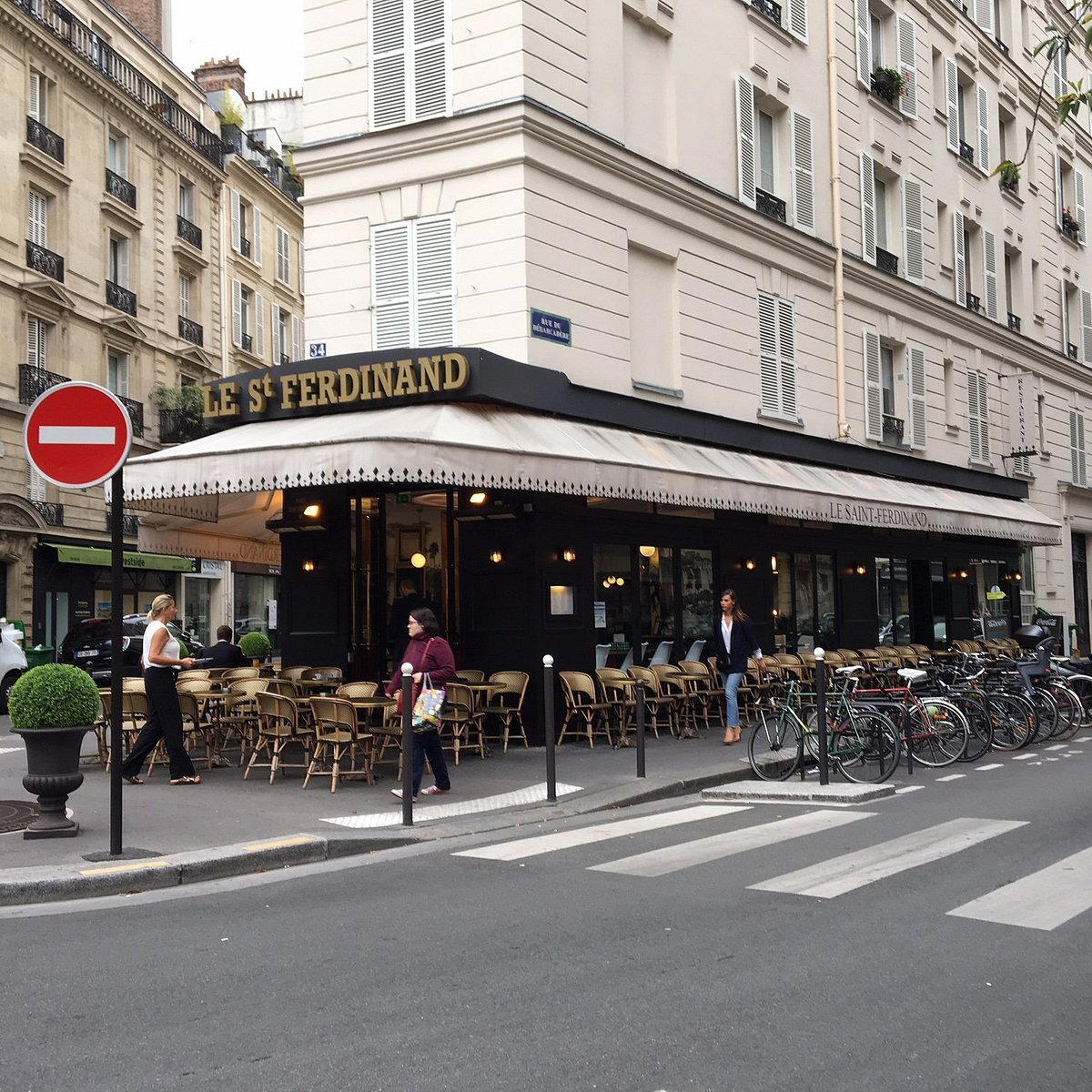
The 17th Arrondissement and Its Dining Register
Paris's dining reputation is built almost entirely on a handful of postcodes: the 8th's grand hotel dining rooms, the 6th's literary brasseries, the 1st's palace-adjacent institutions. The 17th arrondissement rarely enters that conversation, and that absence is precisely what defines its character. Stretching north and west from the Arc de Triomphe, the 17th splits between the wealthy, tree-lined streets of the Plaine Monceau and the more working-class blocks around the Batignolles market. Place Saint-Ferdinand sits within the quieter, residential pocket of this arrondissement, the kind of square where the primary audience is local and the dining rhythm follows the neighbourhood rather than a tourism calendar.
That geographic context matters when reading a restaurant like Le Saint Ferdinand. In a city where addresses carry enormous signalling weight, a restaurant on Place Saint-Ferdinand is making a statement about audience and ambition that differs substantially from one on the Place de la Madeleine or near the Palais-Royal. The 17th's leading addresses tend to draw the Parisian professional class rather than visitors following a guide, and that shifts everything from pacing to noise level to the implicit contract between kitchen and table.
Where the 17th Fits in the Broader Paris Scene
Paris's formal fine dining tier is concentrated. The city's three-Michelin-star addresses, from Alléno Paris au Pavillon Ledoyen on the Champs-Élysées to Arpège on the rue de Varenne, operate in a different register from neighbourhood dining entirely. They are destination restaurants in the strictest sense, drawing international reservations months in advance and pricing accordingly. The same applies to L'Ambroisie on the Place des Vosges and Le Cinq within the Four Seasons George V, addresses where the room itself is part of the offering and where the cost of a table reflects the theatre as much as the food.
Below that tier, Paris runs a deep and varied mid-range that rarely receives comparable international attention. The 17th participates in this register. Contemporary French bistros, wine-forward neighbourhood addresses, and the kind of brasserie that has served the same quartier for decades all coexist here. It is a format that addresses like Kei in the 1st have departed from entirely, pivoting toward a Franco-Japanese fine dining hybrid that positions squarely in the destination category. The 17th's dominant mode is less theatrical and more functional, which for many visitors constitutes its appeal.
The Square as Setting
Place Saint-Ferdinand is a small, largely residential square in the 17th, close to the Porte Maillot end of the arrondissement and within reach of the Palais des Congrès. The area sees a mix of business hotel traffic from the convention district and the day-to-day rhythms of the surrounding residential blocks. That dual audience means a restaurant at this address serves two distinct needs: the convenience meal for someone staying nearby on a business trip, and the regular table for a Parisian resident who has no interest in travelling across the city for dinner.
This is a different dynamic from the one that governs, say, the banks of the Seine or the streets around Saint-Germain-des-Prés, where every table carries some expectation of ceremony. Neighbourhood squares in the outer arrondissements tend to produce a more relaxed dining posture, where the room functions as an extension of the street rather than a stage set. Autumn and winter evenings particularly reward this format: when the tourist footfall drops and the city contracts around its own social life, the neighbourhood bistro in a residential square becomes one of the more honest ways to eat in Paris.
France's Wider Dining Tradition and Where Local Fits In
French fine dining, at its most documented tier, has produced addresses that reach far beyond Paris. Mirazur in Menton and Troisgros in Ouches have built international reputations from regional bases. Auberge de l'Ill in Illhaeusern, Bras in Laguiole, Flocons de Sel in Megève, and Paul Bocuse in Collonges-au-Mont-d'Or represent a tradition of destination dining rooted in place rather than urban proximity. Auberge du Vieux Puits in Fontjoncouse, Assiette Champenoise in Reims, Au Crocodile in Strasbourg, and AM par Alexandre Mazzia in Marseille extend that regional map further. Paris, by contrast, is not France's only serious dining city, and the neighbourhood bistro tradition it maintains in arrondissements like the 17th has its own quiet credibility alongside those destination-tier addresses.
That tradition also travels internationally. French-trained kitchens have shaped tasting menus from Le Bernardin in New York City to Atomix, where classical French technique operates as a shared reference point across radically different culinary traditions. The neighbourhood bistro remains, in some sense, the untranslated form: it does not travel well because it depends on a specific social geography that exists only in the city that produced it.
Planning a Visit
Le Saint Ferdinand is located at 34 Place Saint-Ferdinand, 75017 Paris. The square is accessible from Porte Maillot on line 1 of the Paris Métro, making it direct to reach from central arrondissements. For visitors staying near the Champs-Élysées or in the 8th, the journey is short. The 17th is also within reasonable walking distance of the Arc de Triomphe for those combining dinner with an evening in the western end of the city. Autumn and early winter represent the period when neighbourhood restaurants in outer arrondissements tend to operate at their most characteristic: fewer tourists, a more consistent local clientele, and a room that reflects the area's actual social texture rather than a seasonal visitor peak.
Same-City Peers
Comparable venues nearby, for context on price, style, and recognition.
| Venue | Cuisine | Price | Notes |
|---|---|---|---|
| Le Saint FerdinandThis venue — the venue you are viewing | Traditional French Brasserie | $$$ | Not listed |
| La Table des Ternes | Traditional French Bistro | $$$ | Ternes |
| Le Petit Lutetia | Classic French Brasserie | $$$ | 6th Arrondissement |
| Un jour à Peyrassol | Provençal Truffle Bistro | $$$ | Vivienne |
| Sacrée Fleur Montmartre | Traditional French Steakhouse | $$$ | Montmartre |
| Maison Blanche | Modern French Fine Dining | $$$ | 8th arrondissement |
Continue exploring
More in Paris
Restaurants in Paris
Browse all →

Bars in Paris
Browse all →
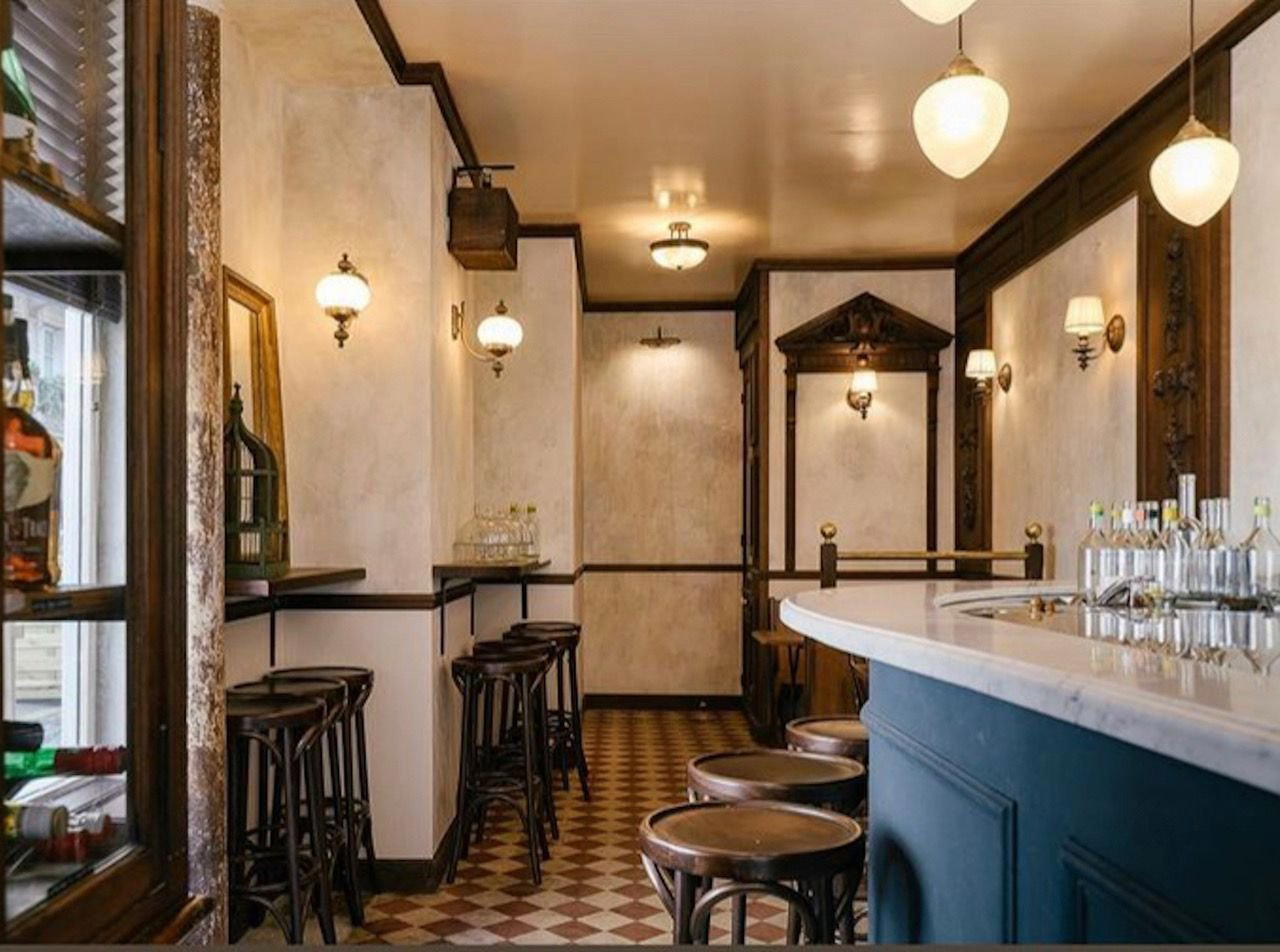
Hotels in Paris
Browse all →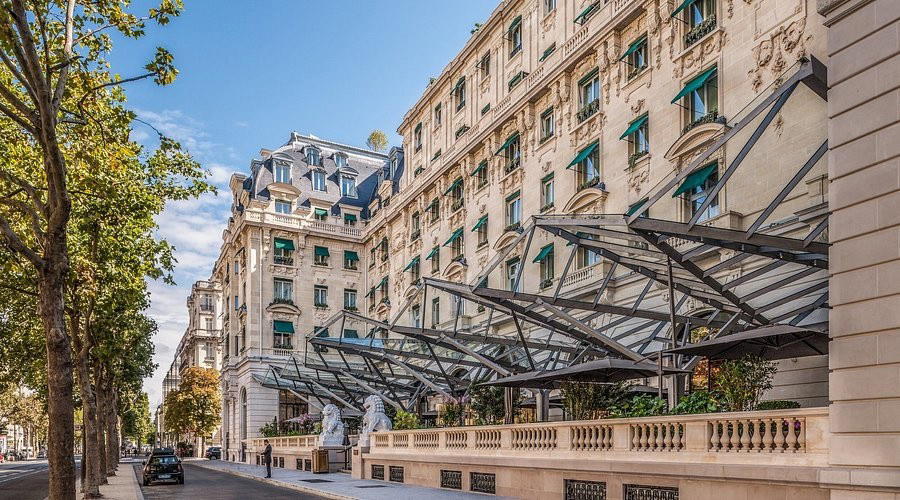
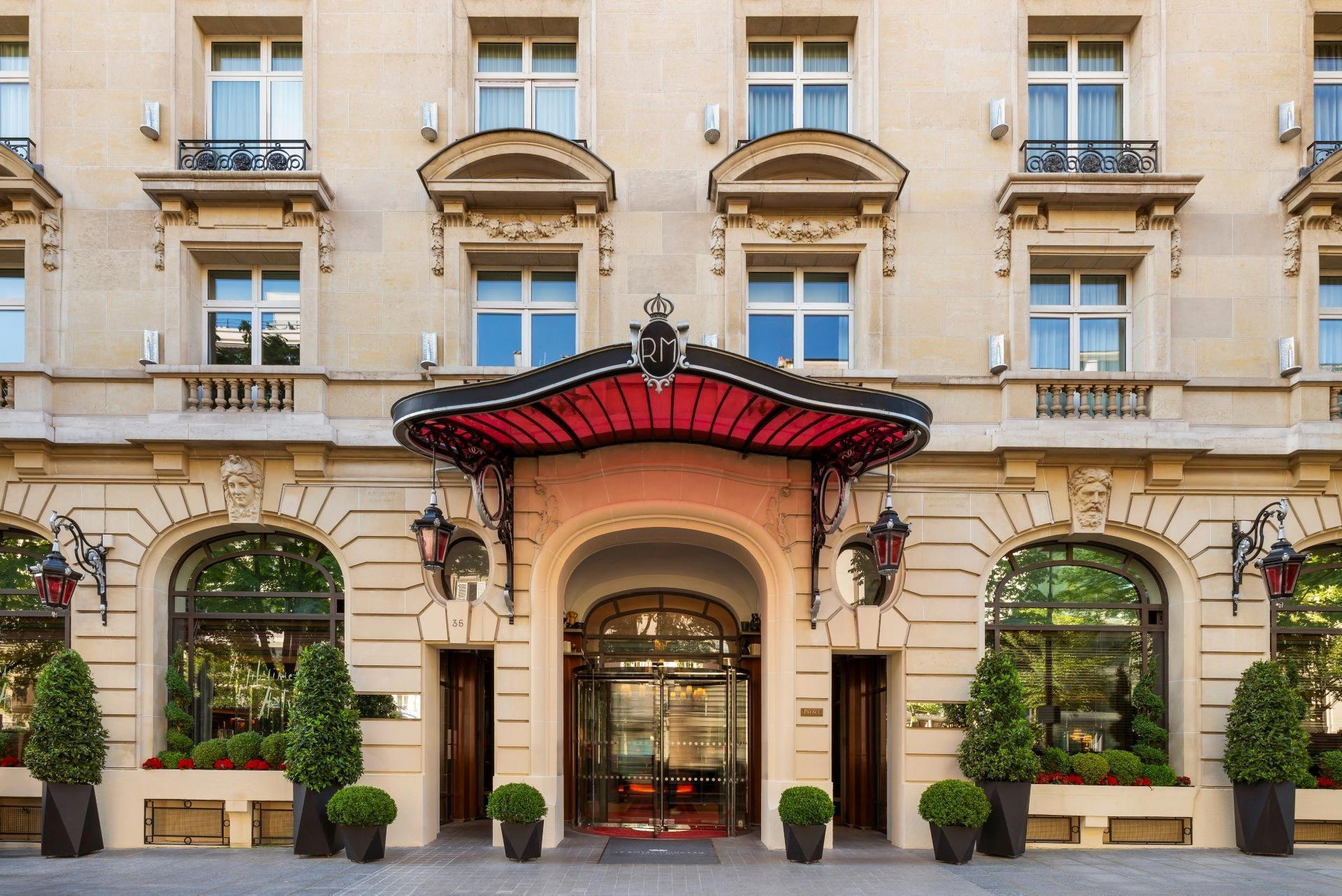
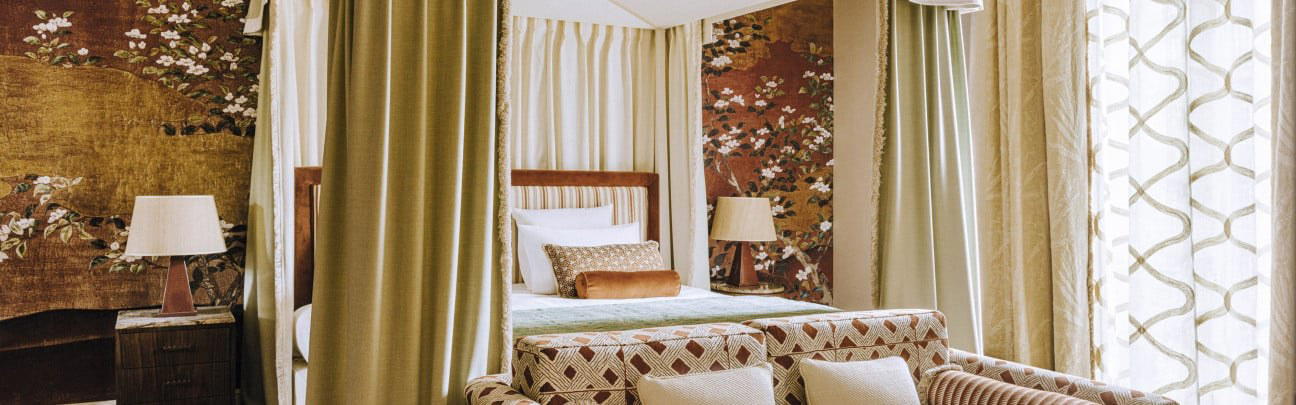



At a Glance
- Cozy
- Classic
- Elegant
- Casual Hangout
- Group Dining
- Special Occasion
- Terrace
- Street Scene
Current opening hours
- Monday
- 8 AM–11 PM
- Tuesday
- 8 AM–11 PM
- Wednesday
- 8 AM–11 PM
- Thursday
- 8 AM–11 PM
- Friday
- 8 AM–11 PM
- Saturday
- Closed
- Sunday
- Closed
Hours can change for holidays and private events. Last verified .