Our verdict
La Table des Ternes occupies a quieter register of the 17th arrondissement's dining scene, a neighbourhood where serious French cooking sits away from the tourist circuits of central Paris. The address at 36 Rue Bayen places it within walking distance of Place des Ternes, a quarter with a local clientele and an appetite for precise, unfussy French technique. For visitors willing to move beyond the well-worn arrondissements, it offers a different texture of the city's restaurant culture.

Pearl is the En Primeur Club membership app, where members save venues, book tables and use the concierge.

The menu
What to order
- Magret de Canard
- Steak Frites
- Baba au Rhum
The 17th Arrondissement and the Case for Eating Off the Map
Paris dining has long operated on a familiar hierarchy: the grand rooms of the 8th, the Left Bank institutions, the Marais's newer wave. The 17th arrondissement sits outside that circuit in the imagination of most visitors, despite holding a population of over 170,000 Parisians who eat out with the same frequency and expectation as anyone in the capital. The neighbourhood around Place des Ternes and Rue Bayen is particularly telling: butchers, fishmongers, and fromageries that supply professional kitchens line the same streets as brasseries that have been feeding the quartier for decades. This is not a destination neighbourhood in the promotional sense. It is simply a neighbourhood where people live, and where restaurants answer to residents rather than to passing foot traffic.
La Table des Ternes, at 36 Rue Bayen, sits inside that ecosystem. The address positions it in the calmer residential grid northwest of the Arc de Triomphe, where the urban texture shifts from grand boulevard to human-scaled street. Approaching along Rue Bayen, the ambient register is different from the charged energy of the 8th's dining corridor: quieter, more settled, the kind of street where you hear the rhythm of the neighbourhood rather than the noise of a tourist draw. That physical context shapes what a restaurant here has to be. It answers to Parisians who return weekly, not to visitors who may come once and not return.
A Sensory Orientation: What This Corner of Paris Sounds and Feels Like
French neighbourhood restaurants in this tier occupy a particular sensory register that distinguishes them sharply from the formal dining rooms of houses like L'Ambroisie or Le Cinq at the Four Seasons George V. There, silence is engineered, service is choreographed, and the room itself communicates hierarchy. In the 17th, the better addresses trade instead on a different atmosphere: the low hum of conversation from tables that arrive without occasion, rooms where the lighting is warm without being theatrical, and kitchens whose ambitions are audible in the quality of what arrives at the table rather than in the formality of what surrounds it.
This contrast is worth holding onto when thinking about where La Table des Ternes sits in the broader Paris restaurant conversation. The city's most discussed addresses, from the creative intensity of Alléno Paris au Pavillon Ledoyen to the Franco-Japanese precision of Kei, operate at a different atmospheric and financial register. The 17th neighbourhood address operates in the space between those destinations and the undifferentiated brasserie. That middle tier is where Paris actually eats most of the time, and it is where a restaurant's relationship with its immediate community becomes the primary trust signal.
French Neighbourhood Dining: The Tradition This Address Belongs To
The bistrot and neighbourhood table tradition in Paris is not a single thing. It encompasses everything from the unchanged zinc-counter brasserie to the newer generation of natural-wine-forward small plates rooms. What connects them is a local clientele that provides the discipline of repetition. A table that serves the same people every Tuesday has to be consistent in a way that a destination address does not. Seasonality matters here not as a marketing point but as a practical reality: the same regulars notice when a dish disappears, when a supplier changes, when the cooking tightens or drifts.
Across France, this tradition produces some of the country's most reliable cooking. The benchmark addresses in other regions demonstrate how deeply the local-table format can perform: Auberge de l'Ill in Illhaeusern, Bras in Laguiole, and Auberge du Vieux Puits in Fontjoncouse all began from a similar premise: cook for the people around you, and the reputation follows. In Paris, that same logic plays out at a compressed, urban scale, where the neighbourhood itself provides the accountability that a remote auberge gets from its geography.
Placing the Address Among Its Peers
The 17th arrondissement holds a range of serious cooking at multiple price points. Visitors comparing options in this part of Paris are often weighing neighbourhood addresses against the draw of destination rooms in adjacent arrondissements. For context, the table below maps La Table des Ternes against a selection of Paris comparators across key logistical dimensions.
| Venue | Arrondissement | Price Tier | Format |
|---|---|---|---|
| La Table des Ternes | 17th | Not confirmed | Neighbourhood table |
| Alléno Paris au Pavillon Ledoyen | 8th | €€€€ | Creative tasting |
| Kei | 1st | €€€€ | Contemporary Franco-Japanese |
| L'Ambroisie | 4th | €€€€ | Classic French formal |
| Le Cinq | 8th | €€€€ | Grand hotel dining |
Beyond Paris, the broader French restaurant conversation draws comparators from across the country. Mirazur in Menton, Flocons de Sel in Megève, Assiette Champenoise in Reims, and Au Crocodile in Strasbourg each represent the regional pole of French serious cooking. The capital's neighbourhood addresses occupy a different position: urban, regular-facing, and embedded in the daily life of the city in a way that destination restaurants, whether in Paris or elsewhere in France, are not by definition.
For travellers whose Paris dining itinerary already includes a reference-level address such as Arpège, the neighbourhood table fills a different evening. It is the meal before or after the event, or the meal that is the event for a different reason. Our full Paris restaurants guide covers the range of formats across the city's arrondissements if you are building a longer itinerary.
Planning Your Visit
La Table des Ternes is located at 36 Rue Bayen, 75017 Paris. The nearest Metro access is via Charles de Gaulle-Étoile or Ternes on lines 1, 2, and 6, both within comfortable walking distance. For visitors staying in the 8th or 17th, the address is reachable on foot.
Frequently Asked Questions
- What should I eat at La Table des Ternes? The cuisine tradition of this corner of Paris, with its access to the Ternes market suppliers, suggests a French menu grounded in seasonal produce. For reference-level dishes in Paris, addresses like Arpège and L'Ambroisie set the benchmark for what the city's kitchens can do with classical and creative French technique respectively.
- Should I book La Table des Ternes in advance? Neighbourhood restaurants in the 17th with a local regular following tend to fill their core sittings on weekday evenings and through the weekend.
- What is the standout thing about La Table des Ternes? Its position in the 17th arrondissement's resident-facing dining scene sets it apart from the destination addresses that dominate most Paris coverage. The neighbourhood context, away from the tourist circuits of the central arrondissements, means the restaurant answers to a local clientele with high expectations and long memories. That accountability to regulars is a different kind of credential from the awards recognition that marks addresses like Alléno Paris or Kei.
- What if I have allergies at La Table des Ternes? If you have dietary restrictions or allergies, contacting the venue directly before your reservation is the appropriate step for any Paris restaurant. The city's serious kitchens, including those at this neighbourhood level, are generally experienced with accommodation requests, but confirmation ahead of arrival is always the responsible approach.
- Is La Table des Ternes worth it? Price data for this address is not confirmed, which makes a direct value calculation difficult. What the 17th arrondissement neighbourhood table format typically offers is French cooking at a more accessible price point than the city's grand rooms, with a local atmosphere that destination addresses at the level of Le Cinq or L'Ambroisie cannot replicate. Whether this specific address delivers on that promise is a question leading answered by current reviews and direct inquiry.
- How does La Table des Ternes fit into a broader Paris dining itinerary? For visitors planning several meals across a Paris stay, a 17th arrondissement neighbourhood address serves a different function than a Michelin-decorated destination. It represents the city as its residents actually use it, rather than as a showcase for international visitors. Pairing it with a higher-profile room, whether a creative reference like Alléno Paris or a classic institution like L'Ambroisie, gives a more complete picture of what Paris dining actually spans. Our full Paris guide maps the city's options across price points and formats to help structure that kind of itinerary.
Frequently asked questions
Where exactly is La Table des Ternes?
La Table des Ternes is located at 36 Rue Bayen, 75017 Paris, France, Paris.
How does La Table des Ternes compare to other restaurants near the Ternes Metro in Paris?
The Ternes area, accessible via lines 2 and 6, has a concentration of traditional French addresses ranging from brasseries to tighter neighbourhood tables. For visitors working out of the 17th or the 8th border, it represents the neighbourhood-table end of the spectrum rather than the formal dining end.
What should I eat at La Table des Ternes?
Specific menu details for La Table des Ternes are not published in advance, which is typical for Paris neighbourhood tables of this kind where dishes follow market availability. The address at 36 Rue Bayen places it squarely within the 17th arrondissement's tradition of market-driven French cooking. Ask the room what arrived that morning, that conversation is part of how these places work.
Should I book La Table des Ternes in advance?
For a neighbourhood address at 36 Rue Bayen in the 17th, booking ahead is advisable, particularly for weekend evenings when local regulars fill the room early. Paris bistrot-tier restaurants in this part of the city rarely hold walk-in tables after 8pm. Contact details are not listed publicly, so arriving in person to reserve is a practical option.
What's the standout thing about La Table des Ternes?
The address itself is the argument: Rue Bayen in the 17th sits away from the tourist circuits that define dining in the 8th or the Marais, meaning the room skews heavily local. That demographic shift changes the pace and pressure of a meal in ways that are difficult to manufacture in higher-profile arrondissements. Paris neighbourhood restaurants at this remove from the centre tend to hold their character longer.
What if I have allergies at La Table des Ternes?
No menu or ingredient information is available publicly for La Table des Ternes, so allergy requirements should be communicated directly when booking or on arrival. French law requires restaurants to provide allergen information on request, and a neighbourhood table of this size in Paris 17 will typically accommodate dietary needs when given advance notice.
Is La Table des Ternes worth it?
That depends on what you're after. If the goal is a room with Michelin hardware or a chef with a public profile, this is not that address. If the goal is eating the way the 17th arrondissement actually eats, at a neighbourhood table removed from the grand-restaurant circuit, then 36 Rue Bayen makes a clear case. Paris has very few arrondissements where that distinction still holds without effort.
Comparable Options
Comparable venues nearby, for context on price, style, and recognition.
| Venue | Cuisine | Price | Notes |
|---|---|---|---|
| La Table des TernesThis venue (the venue you are viewing) | Traditional French Bistro | $30–50 | Not listed |
| Karl et Érick | Modern French Bistro | $50–100 | Plaine de Monceaux |
| L'Evasion | Classic French Bistro | $50–100 | 8e arrondissement (L'Europe) |
| Fitzgerald | Modern French Bistro with Mediterranean Touches | $50–100 | Gros-Caillou |
| Angelina | Classic French Patisserie & Tea Room | $30–50 | 1st arrondissement |
| Le Layon | Modern French Fusion | $50–100 | 14th Arrondissement |
Continue exploring
More in Paris
Restaurants in Paris
All restaurants in Paris →

Bars in Paris
All bars in Paris →

Details
- Cozy
- Classic
- Elegant
- Business Dinner
- Casual Hangout
- Terrace
- Extensive Wine List
- Local Sourcing
- Street Scene
- A La Carte
- Vegetarian Friendly
Current opening hours
- Monday
- Closed
- Tuesday
- 12–2:30 PM, 7:30–10 PM
- Wednesday
- 12–2:30 PM, 7:30–10 PM
- Thursday
- 12–2:30 PM, 7:30–10 PM
- Friday
- 12–2:30 PM, 7:30–10 PM
- Saturday
- 12–2:30 PM, 7:30–10 PM
- Sunday
- Closed
Hours can change for holidays and private events. Hours as of .
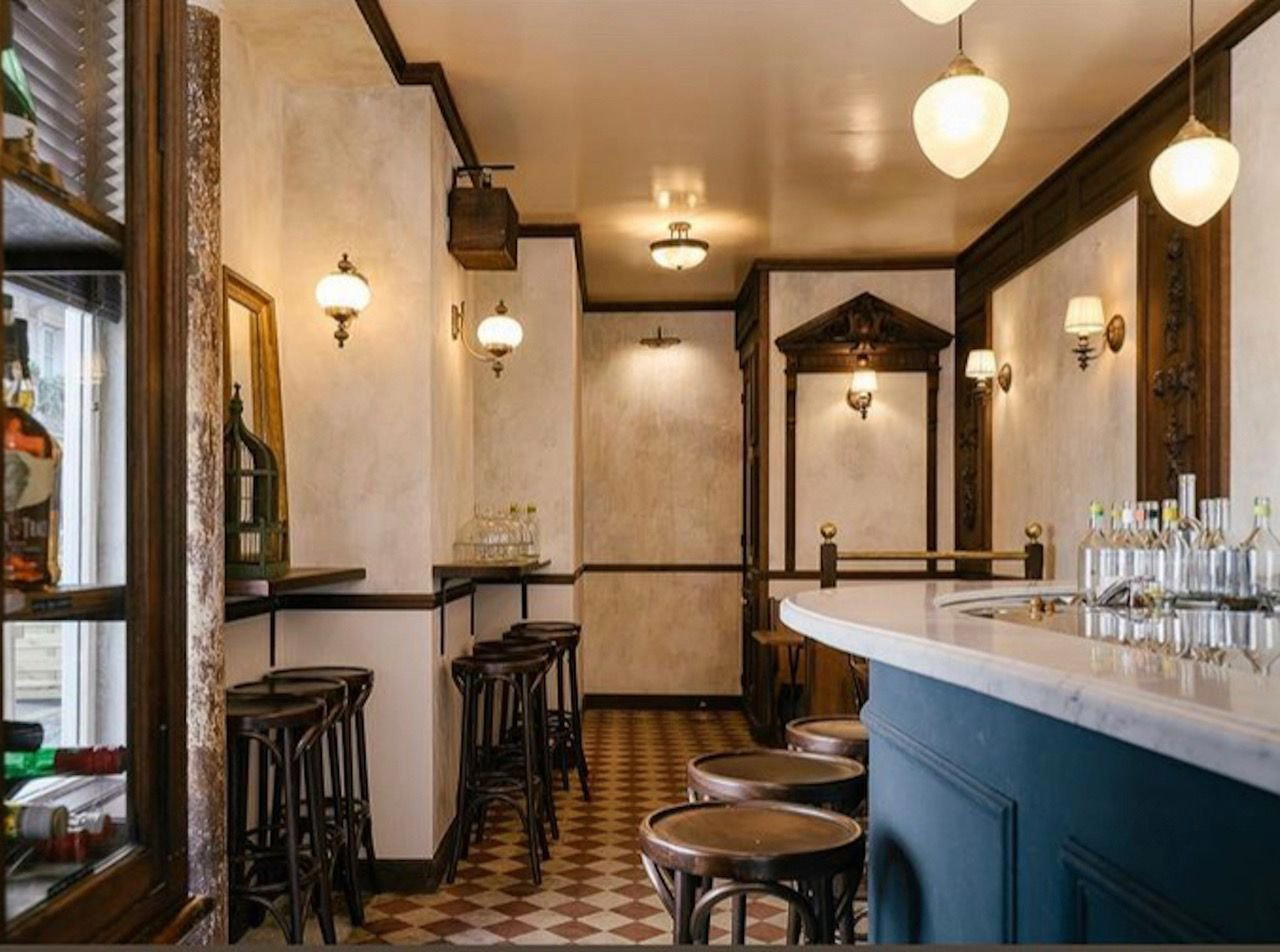
Cozy and authentic decor with warm service, providing a peaceful haven and friendly atmosphere.