Un jour à Peyrassol at 13 Rue Vivienne sits at an intersection Paris rarely pulls off cleanly: an address where a Provençal wine estate's values translate into an urban restaurant. Compared to the grand-table circuit around Ledoyen or Le Cinq, this second-arrondissement address pitches itself as something quieter and more rooted, a wine-led room where provenance, not spectacle, sets the agenda.
Pearl is the En Primeur Club membership app — saves, bookings, and concierge access live there. Same editors, same standards.
- Address
- 13 Rue Vivienne, 75002 Paris, France
- Phone
- +33142601292
- Website
- module.thefork.com
- Directions
- Get directions
 Saves & bookings on Pearl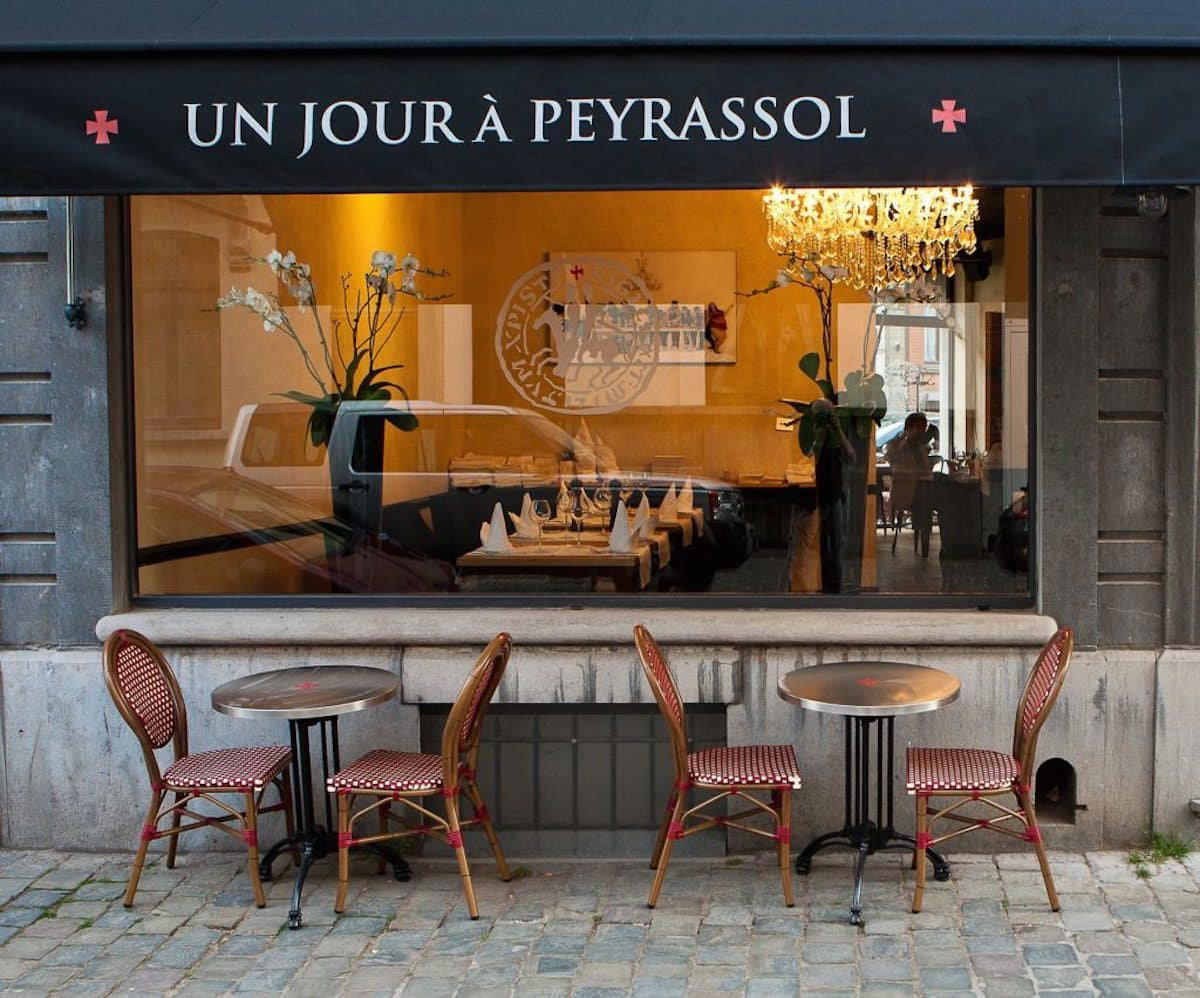
Rue Vivienne and the Question of Provenance
The second arrondissement has always held a particular tension in Paris dining. Galerie Vivienne runs a few steps from number 13, and the covered passage architecture that surrounds the street still carries the logic of nineteenth-century commercial Paris: goods from elsewhere, presented with care, given new context by the city. Un jour à Peyrassol inhabits that tradition literally. The restaurant is the Paris outpost of Commanderie de Peyrassol, a Provençal wine estate in the Var with roots that trace back to the thirteenth century. The address is an argument about what a wine estate can mean in an urban room, and, increasingly, what responsible sourcing looks like when the supply chain runs through your own land.
That argument matters more now than it did a decade ago. Across Paris, the conversation around ethical sourcing has moved from the margins of natural-wine bars to the centre of serious restaurant programming. Estates that grow, produce, and serve their own product occupy a structurally different position from restaurants that curate third-party suppliers, however carefully. The chain of accountability is shorter. The environmental claims are verifiable. Un jour à Peyrassol positions itself inside that logic from the ground up.
What the Wine-Estate Format Means in Practice
Paris has a well-defined upper tier of French fine dining. Alléno Paris au Pavillon Ledoyen operates at the creative extreme of that tier, while L'Ambroisie anchors the classical end. Le Cinq at the Four Seasons George V and Kei fill the contemporary middle. Un jour à Peyrassol does not compete directly with any of them. Its comparable set is the smaller category of wine-forward rooms where the cellar organises the menu rather than the other way around, places where the producer identity of the beverage programme is as deliberate as the cooking.
For France's broader estate-restaurant tradition, the references are instructive. Bras in Laguiole built its identity around the Aubrac plateau it sits within. Auberge de l'Ill in Illhaeusern is inseparable from its Alsatian setting and supply network. Flocons de Sel in Megève draws on Alpine foraging and mountain producers in a way that makes geography a primary ingredient. The restaurant translates a version of that thinking into Paris: the estate is the story, and the restaurant is where that story gets told to an urban audience.
In Provence, Commanderie de Peyrassol's vineyards are certified organic, a designation that carries specific meaning in the Var, where the appellation includes both Côtes de Provence rosé and more structured red production. Bringing that certification into a Paris room means the wine list is not assembled from disparate producers with varying environmental standards but drawn from a single, auditable source. That is a different kind of wine programme from what you find at the grand tables, less encyclopaedic, more coherent.
Sustainability as Structure, Not Marketing
The sustainability story at addresses like this one tends to be most convincing when it is embedded in the operational structure rather than announced on the menu. The estate-to-table model compresses the supply chain in ways that reduce freight, cold-chain dependency, and intermediary handling. When the wine travels from Var vineyards to a Paris cellar under the management of the same ownership group, the carbon arithmetic is different from importing bottles from multiple regions through multiple distributors.
This matters in context. Restaurants at the Mirazur level have made biodynamic and estate-grown sourcing central to their identity with full institutional backing. Closer to Paris, the question is whether a city-centre room can maintain the same coherence without the surrounding landscape to validate it. The Rue Vivienne address answers by making the estate itself the landscape reference: the physical space, the wine list, and the food sourcing all point back to the same Provençal origin.
For comparison, Auberge du Vieux Puits in Fontjoncouse achieves its sourcing coherence through deep local integration in the Corbières. Troisgros in Ouches has spent decades building producer relationships in the Loire. The restaurant's equivalent is vertical integration: the estate owns the source. That is a specific structural choice, not a positioning statement.
The Room and the Rhythm
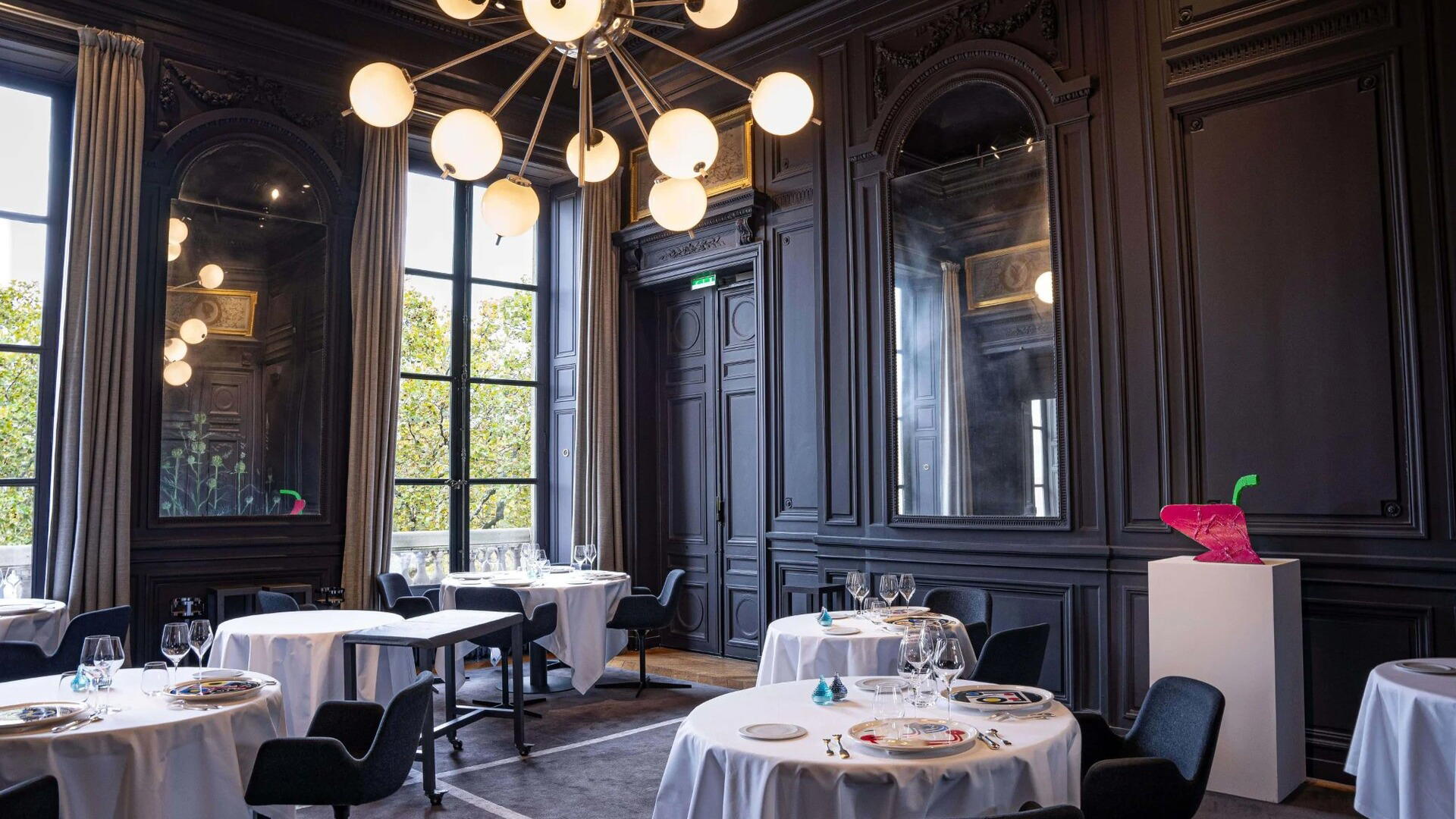
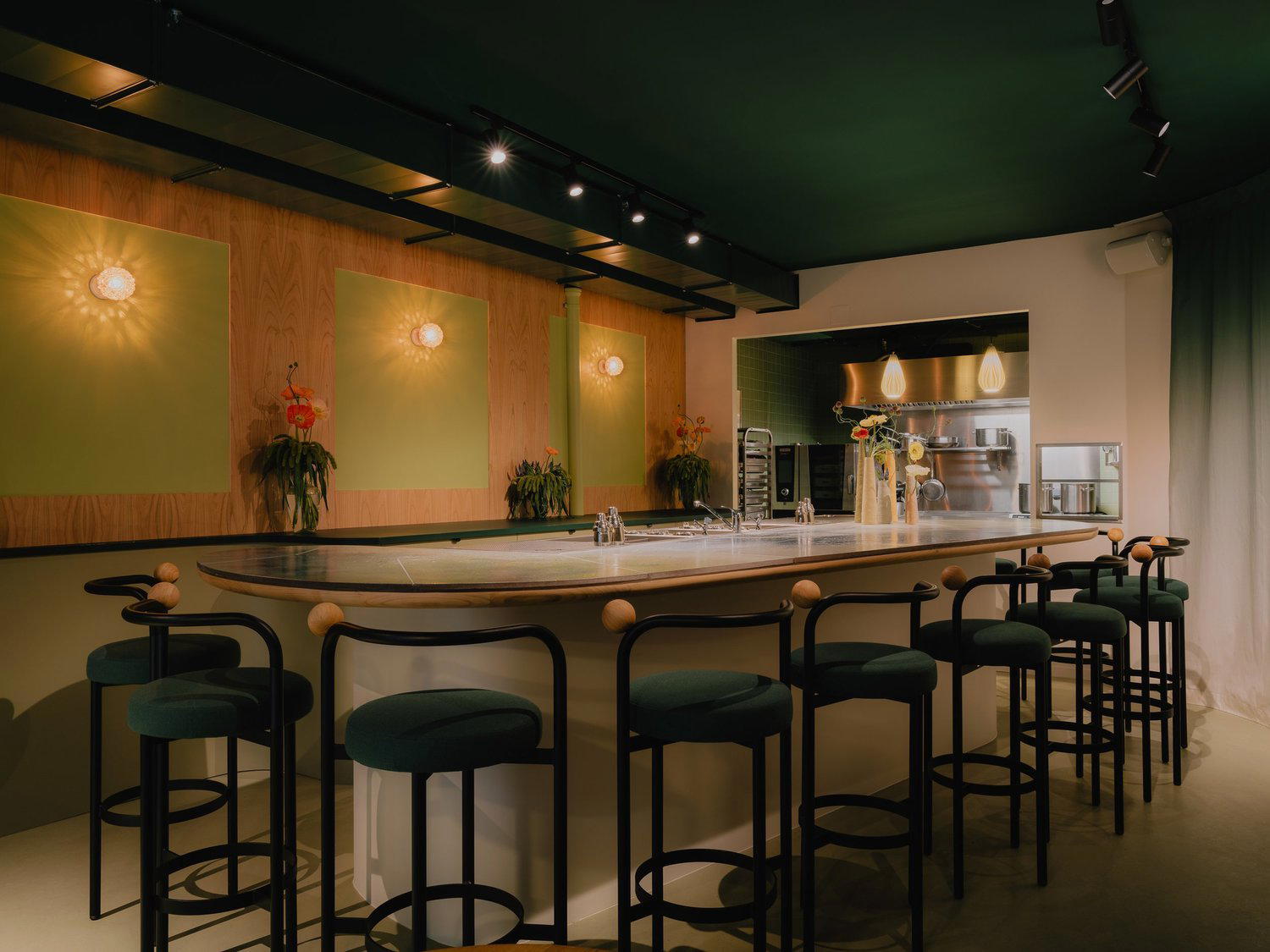
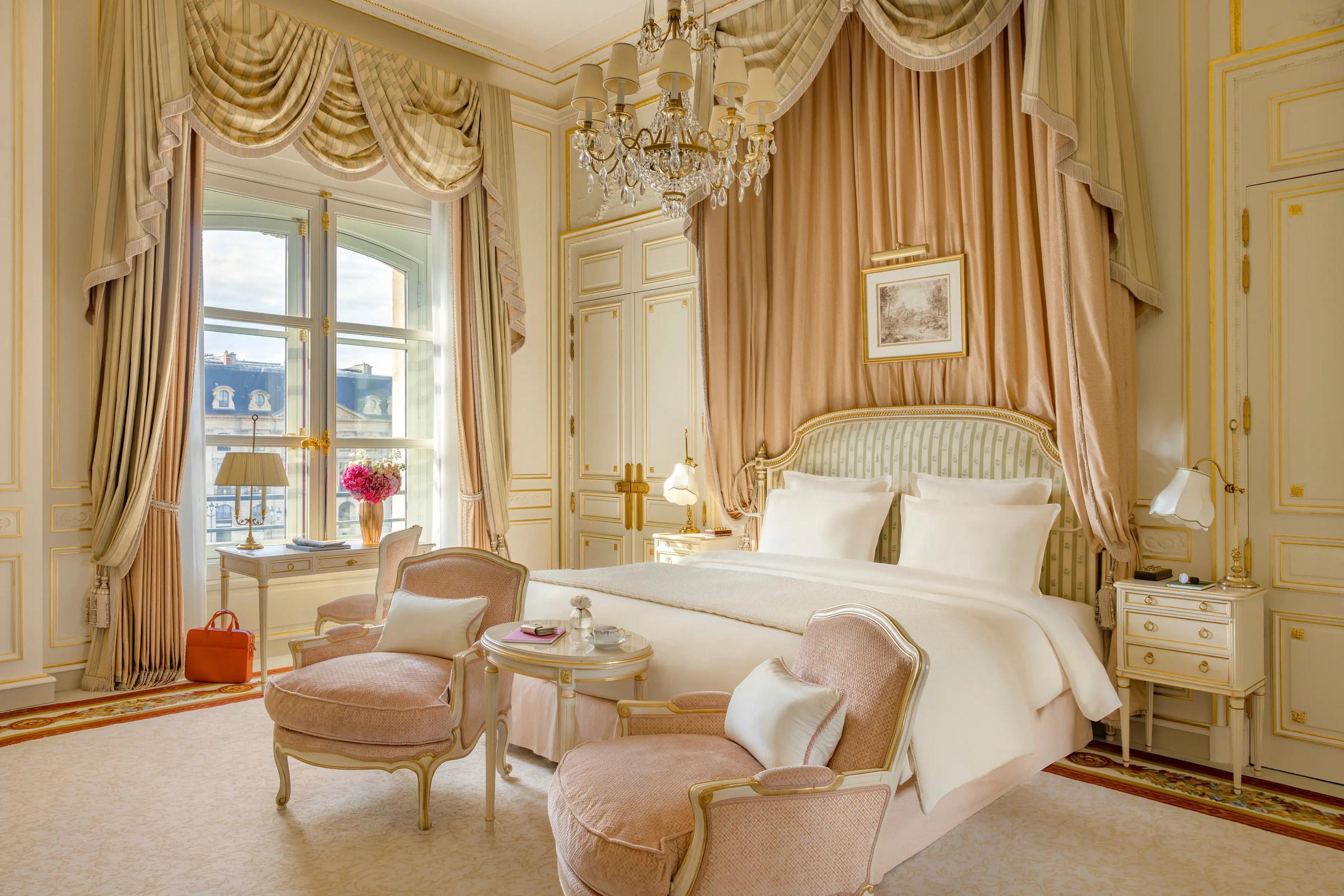
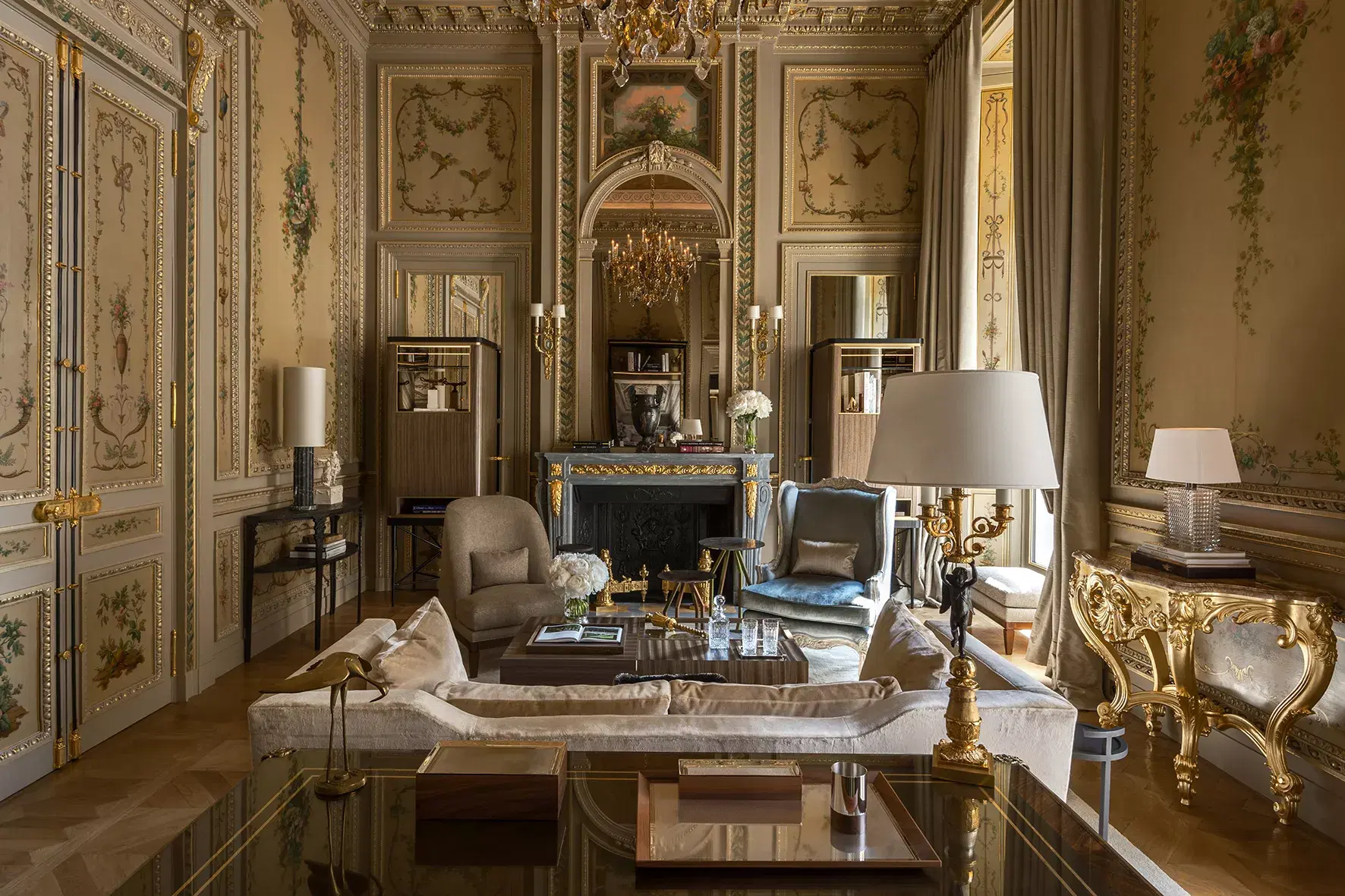
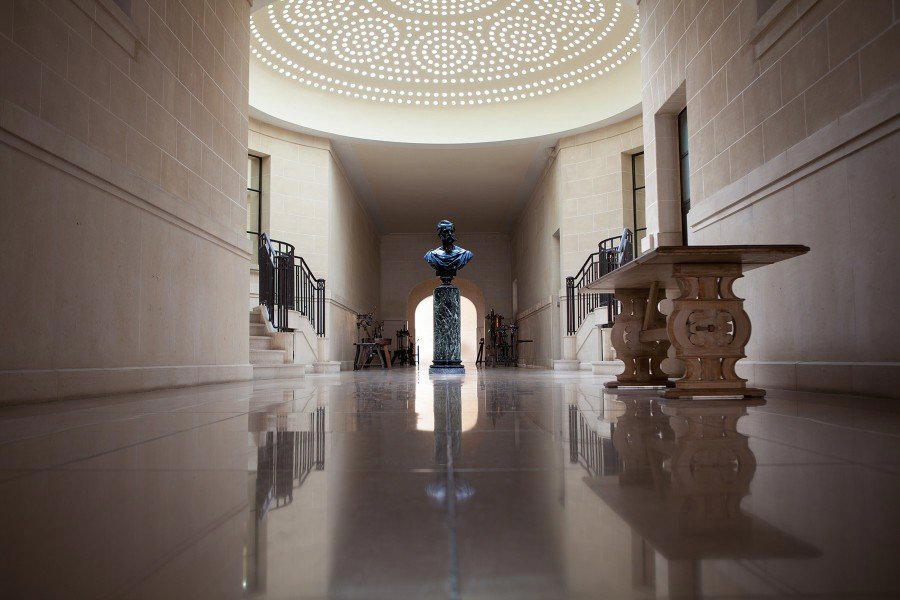
Number 13 Rue Vivienne sits in a stretch of the second arrondissement that mixes financial-district lunch trade with a more considered evening crowd. The Palais-Royal is a short walk west; the Bourse de Commerce, now Pinault's contemporary art space, pulls a culturally attuned audience into the neighbourhood. The room at the restaurant reflects the estate's Provençal aesthetic in its materials and palette rather than trying to read as a conventional Paris brasserie or grand-table dining room. That visual clarity is useful: it signals immediately that the point of reference is Provence, not the city outside.
Compared with AM par Alexandre Mazzia in Marseille, where the south of France expresses itself through highly technical, compressed cooking, or Assiette Champenoise in Reims, where regional identity is filtered through grand-hotel formality, the restaurant occupies a more accessible register. The ambition is legibility: this is what the estate produces, this is how it can be eaten, this is the sourcing logic behind it.
Planning Your Visit
The address is 13 Rue Vivienne, 75002 Paris. The nearest Metro stations are Bourse (line 3) and Palais-Royal–Musée du Louvre (lines 1 and 7).
| Venue | Price Tier | Format | Wine Approach |
|---|---|---|---|
| The restaurant | Moderate–mid | Estate restaurant | Single-estate, organic (Var) |
| Alléno Paris au Pavillon Ledoyen | €€€€ | Grand table, creative | Encyclopaedic cellar |
| L'Ambroisie | €€€€ | Classic French | Classic French cellar |
| Le Cinq, George V | €€€€ | Modern French, hotel | Hotel cellar, broad |
| Kei | €€€€ | Contemporary French | French-focused |
For French fine dining outside the capital, the reference points include Paul Bocuse's Auberge du Pont de Collonges, Au Crocodile in Strasbourg, and, for international comparison, Le Bernardin in New York or Atomix in the same city.
The Minimal Set
Comparable venues nearby, for context on price, style, and recognition.
| Venue | Cuisine | Price | Notes |
|---|---|---|---|
| Un jour à PeyrassolThis venue — the venue you are viewing | Vivienne, Provençal Truffle Bistro | $$$ | Not listed |
| Vaudeville | Not listed | $$$ | 2nd arrondissement, Classic French Brasserie |
| Arboré | Not listed | $$$ | Madeleine, Contemporary French Bistronomy |
| La Belle Maison | Montmartre, Classic French Bistro | $$$ | Not listed |
| L'Alivi | Marais, Traditional Corsican | $$$ | Not listed |
| Le 122 | Palais-Bourbon, Modern French Bistro | $$$ | Not listed |
Continue exploring
More in Paris
Restaurants in Paris
Browse all →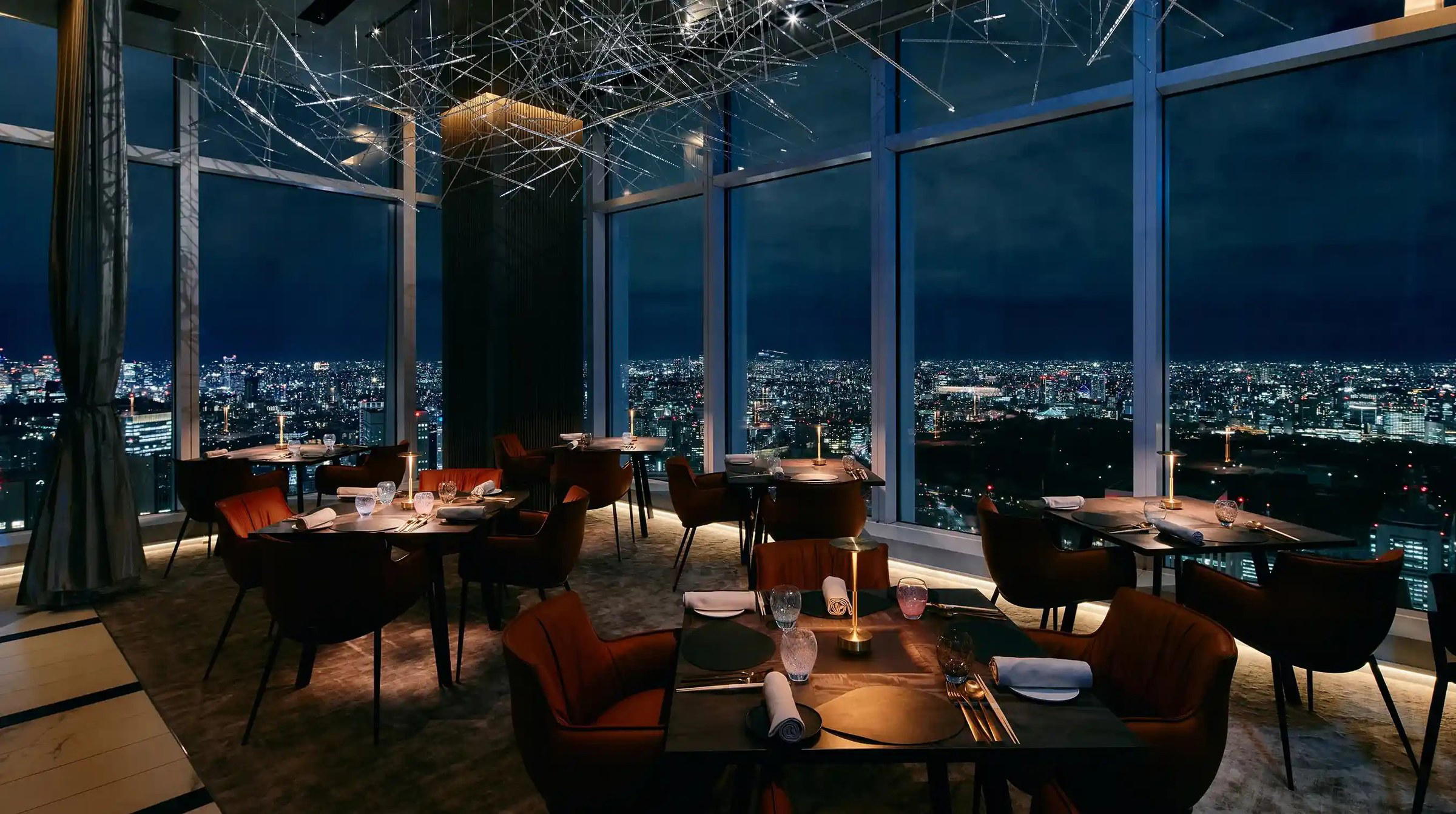
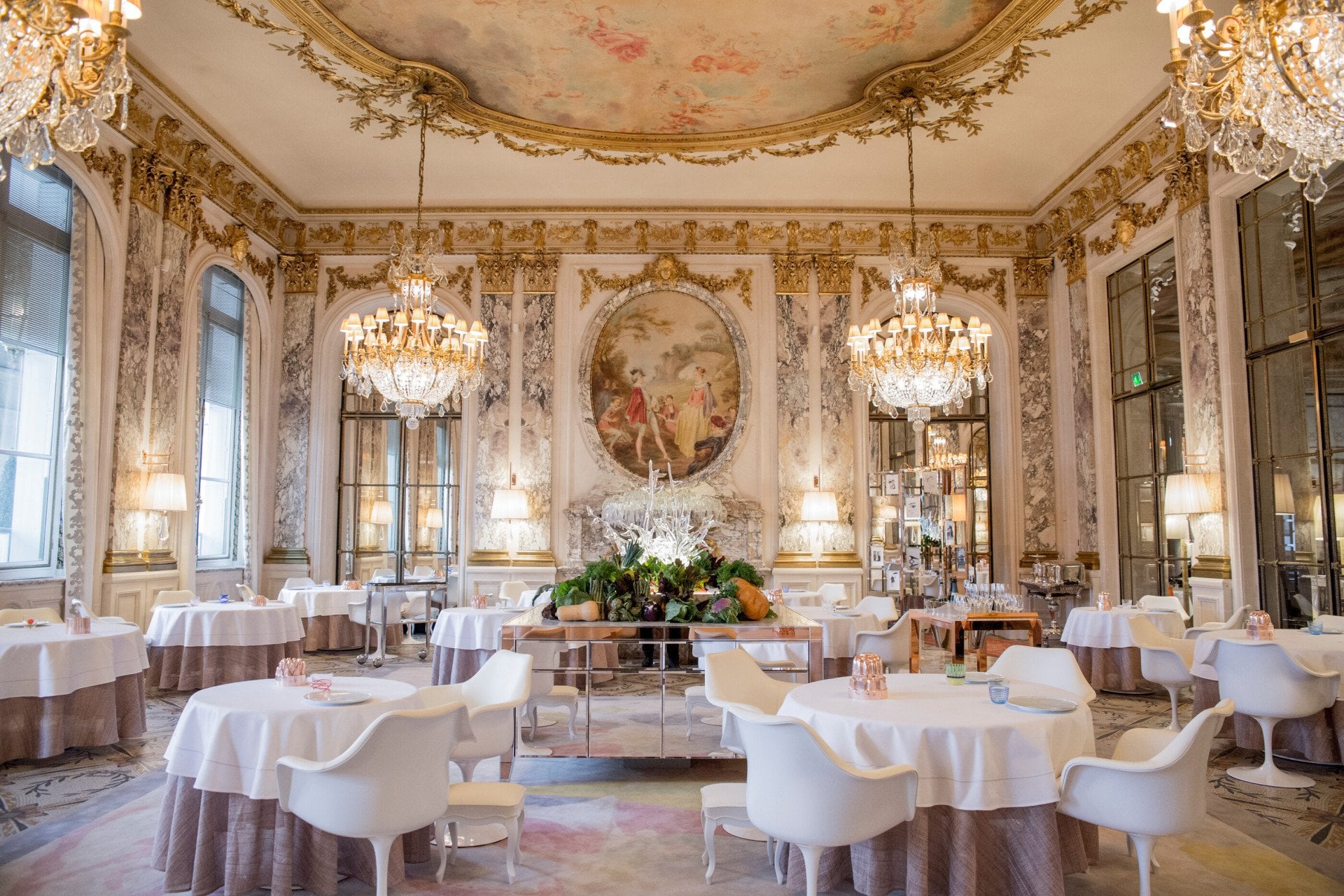
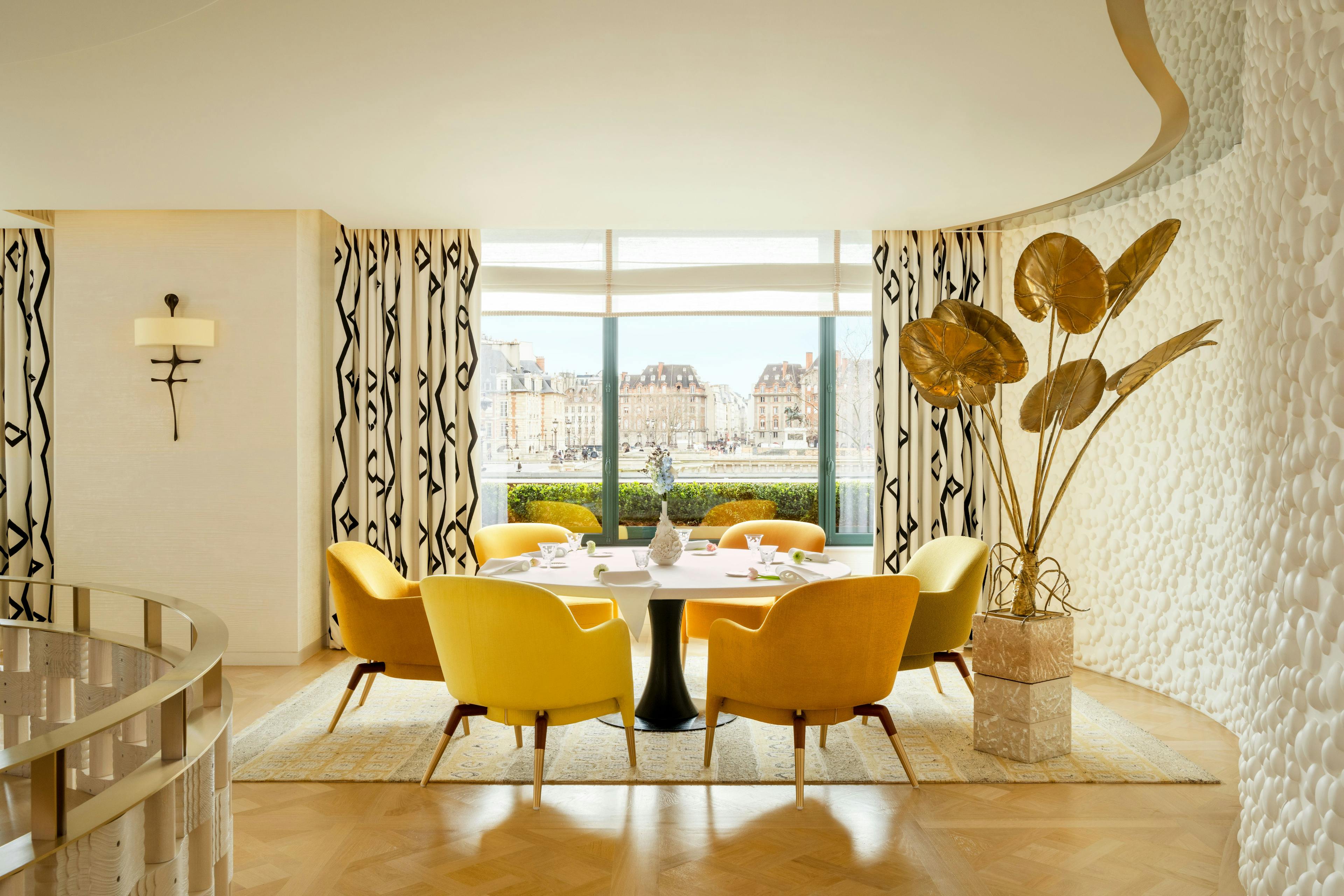
Bars in Paris
Browse all →
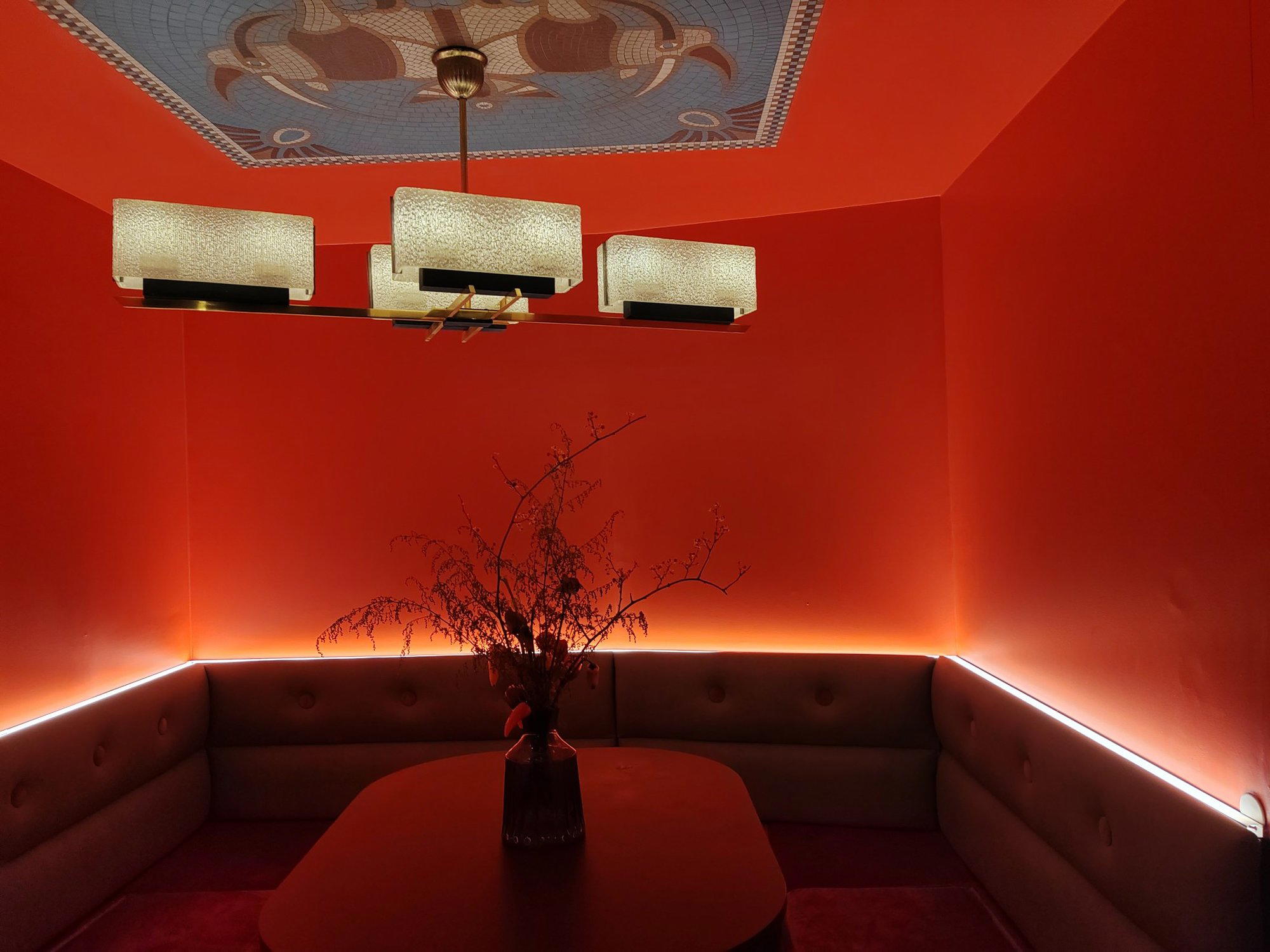
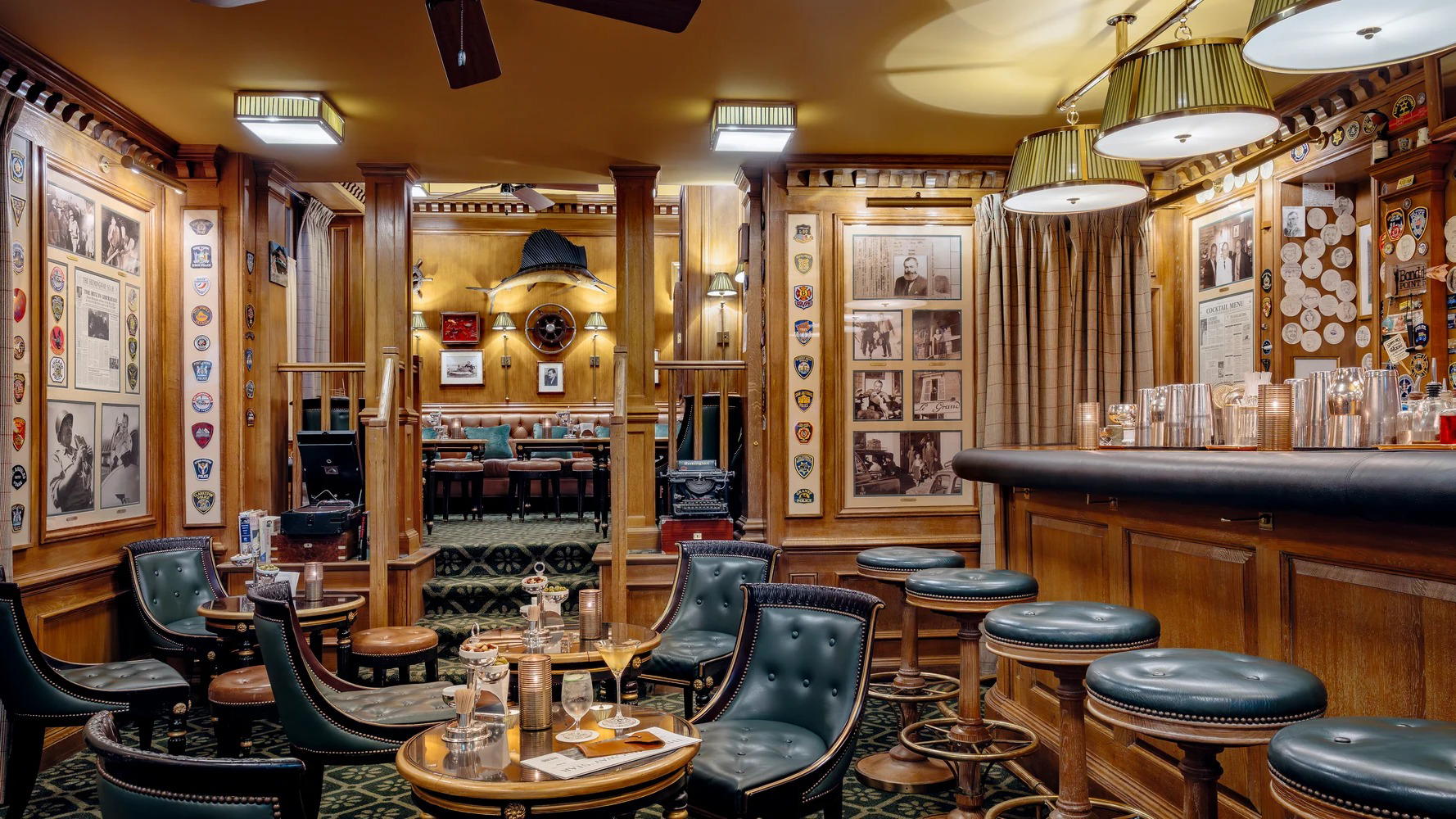
Hotels in Paris
Browse all →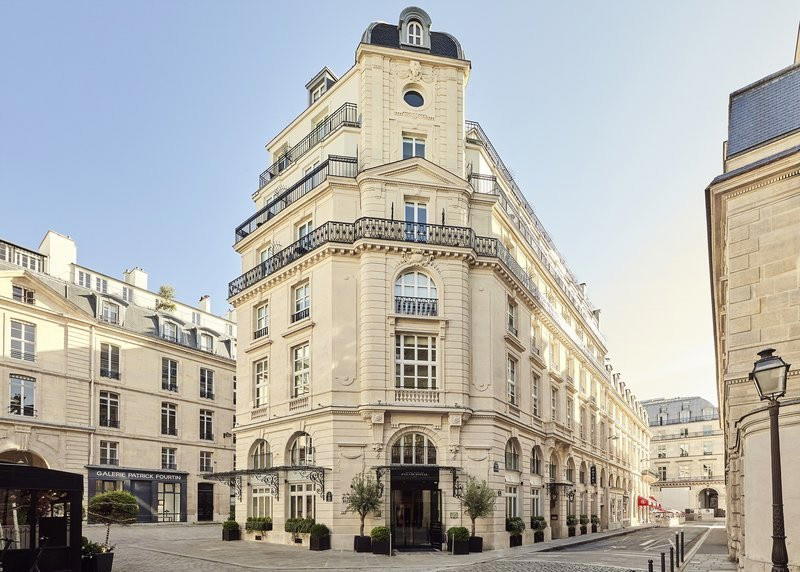



At a Glance
- Elegant
- Sophisticated
- Intimate
- Date Night
- Special Occasion
- Open Kitchen
- Extensive Wine List
- Local Sourcing
Current opening hours
- Monday
- 12:15–1:30 PM, 7:15–9:30 PM
- Tuesday
- 12:15–1:30 PM, 7:15–9:30 PM
- Wednesday
- 12:15–1:30 PM, 7:15–9:30 PM
- Thursday
- 12:15–1:30 PM, 7:15–9:30 PM
- Friday
- 12:15–1:30 PM, 7:15–9:30 PM
- Saturday
- Closed
- Sunday
- Closed
Hours can change for holidays and private events. Last verified .
Elegant atmosphere with bar seating overlooking the chef preparing truffle specialties.