On Rue de Clignancourt at the foot of Montmartre's historic slope, Sacrée Fleur sits in one of Paris's most character-dense neighbourhoods, where the village-within-a-city atmosphere shapes what dining here feels like as much as what arrives on the plate. The address places it squarely in the 18th arrondissement's quieter residential register, distinct from the tourist circuit above and the boulevard noise below.
Pearl is the En Primeur Club membership app — saves, bookings, and concierge access live there. Same editors, same standards.
- Address
- 50 Rue de Clignancourt, 75018 Paris, France
- Phone
- +33142516618
- Website
- sacreefleur.fr
- Directions
- Get directions
 Saves & bookings on Pearl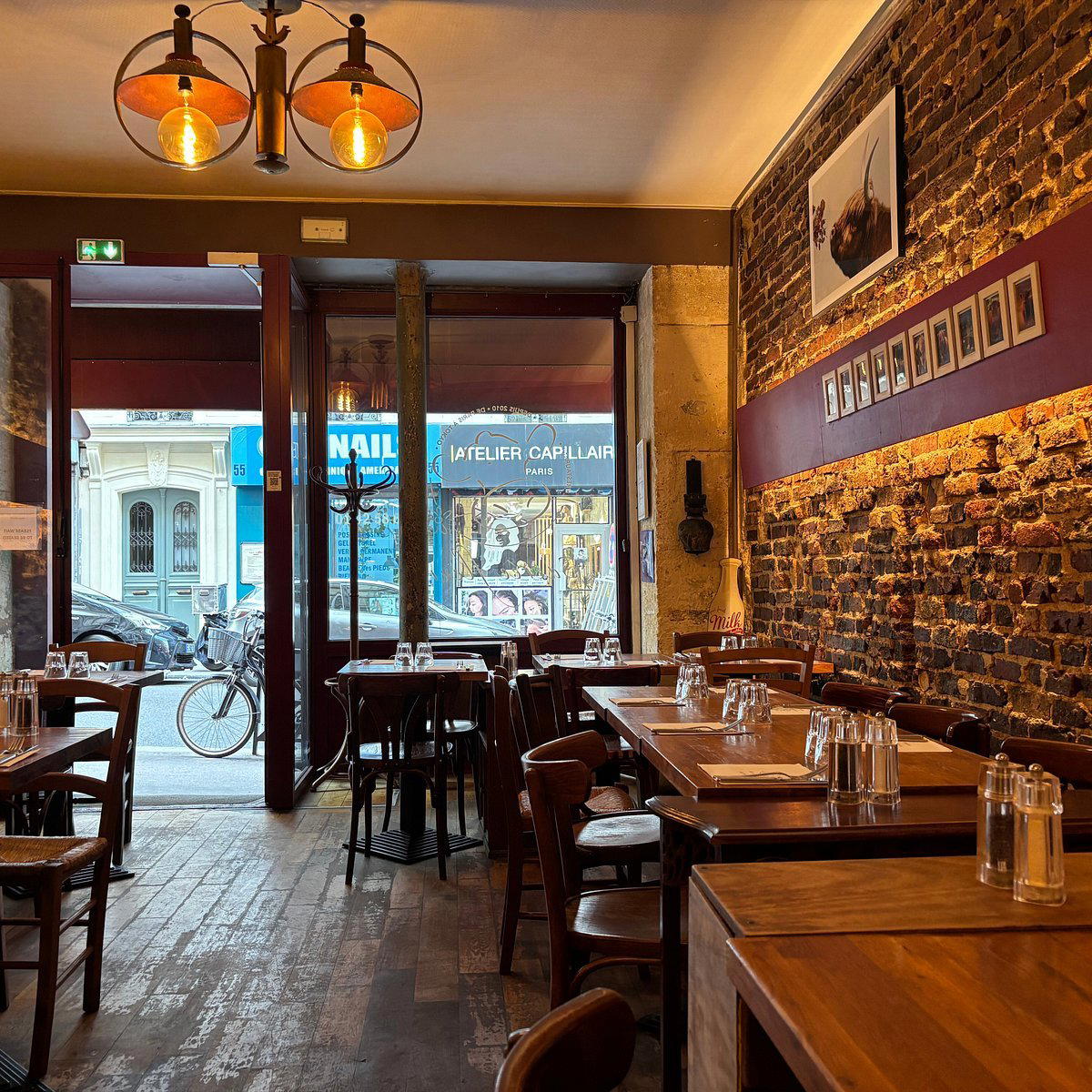
Montmartre's Dining Address and What It Signals
Sacrée Fleur Montmartre is a Traditional French Steakhouse in Paris's 18th arrondissement, at 50 Rue de Clignancourt, 75018 Paris, France,525 reviews and an estimated price of about $50 per person. The neighbourhood draws millions of visitors toward the Sacré-Cœur basilica each year, yet the streets immediately below the butte maintain a residential density and a local-first character that resists the souvenir-shop logic of the upper hill. Rue de Clignancourt, where Sacrée Fleur Montmartre is addressed at number 50, sits in that in-between zone: close enough to the tourist flow to be findable, far enough from the summit to belong to a different social register entirely. In a city where address often predetermines expectation, this placement is a meaningful editorial fact.
Montmartre's dining identity has historically split between two poles: the brasserie-and-crêperie tourist circuit concentrated around Place du Tertre, and the genuinely neighbourhood-rooted restaurants along streets like Rue Lepic, Rue des Abbesses, and the lower Clignancourt corridor. The second group tends to price for regulars rather than one-time visitors, and the room formats reflect that, smaller, less dressed-up, more attentive to repeat customers. Sacrée Fleur's location on Rue de Clignancourt places it within reach of this second tradition, even if the full details of its format and price tier are not yet in the public record.
The 18th Arrondissement in the Context of Paris Dining
To understand where a Montmartre address sits in the broader Paris restaurant conversation, it helps to map the city's culinary geography. The highest concentration of multi-Michelin-starred French cooking runs through the 8th arrondissement and along the Seine's right bank, where addresses like Le Cinq at the Four Seasons Hôtel George V and Alléno Paris au Pavillon Ledoyen anchor a price tier starting well above €200 per person. The left bank has its own register, with Arpège on Rue de Varenne representing the kind of destination-restaurant logic that draws international diners on dedicated trips. L'Ambroisie on Place des Vosges and Kei in the 1st hold down the classic and contemporary French poles in the city's centre.
The 18th operates in a different register from all of these. It is not a neighbourhood where a restaurant opens to compete for the international fine-dining traveller arriving with a Michelin list in hand. It is a neighbourhood where restaurants open for the quartier, and where the measure of success is a full room of regulars on a Tuesday night rather than a two-month waitlist driven by press coverage. That distinction shapes everything from portion size to noise level to how the bill arrives.
France's broader regional restaurant conversation, running from Mirazur in Menton to Flocons de Sel in Megève, from Troisgros in Ouches to Bras in Laguiole and Auberge de l'Ill in Illhaeusern, tends to frame provincial France as the spiritual home of serious French cooking, with Paris as the commercial apex. The 18th complicates this binary. It is Paris, but it functions more like a village than a capital, and the restaurants that work there draw on a neighbourhood intimacy that is harder to manufacture in the 8th.
What a Rue de Clignancourt Address Means in Practice
Arriving at an address on Rue de Clignancourt means arriving via the Lamarck-Caulaincourt or Château Rouge metro stations, depending on direction, or walking up from the Barbès-Rochechouart junction. Neither approach deposits you in a tourist corridor. The street itself connects the lower 18th to the upper reaches of the arrondissement, passing through a residential fabric of tabacs, small grocers, and the kind of unremarkable storefronts that indicate a street built for people who live there. That approach conditions the experience before anything on the plate arrives.
In comparative terms, this is a meaningfully different arrival than walking through the courtyard entrance of Au Crocodile in Strasbourg, or navigating to Auberge du Vieux Puits in Fontjoncouse, or landing at Paul Bocuse in Collonges-au-Mont-d'Or. Those arrivals carry a ceremony calibrated to match their institutional weight. A Montmartre address asks for no ceremony at all, and that lack of ceremony is the point. The neighbourhood's hospitality tradition is built on ease, not occasion.
For visitors placing this address against the broader Paris map, it is worth noting that the Clignancourt stretch is also a short walk from the Marché aux Puces de Saint-Ouen, the vast flea market that draws serious antiquarians and weekend browsers alike on Saturdays and Sundays. The dining rhythm of the neighbourhood on market weekends differs from the mid-week character, and restaurants that know their local audience will price and pace accordingly.
Situating Sacrée Fleur in the Paris Visit Sequence
Paris rewards itinerary architecture. Diners who work through the city's restaurant tiers, from destination addresses like those above to neighbourhood anchors in the 11th or the 18th, leave with a more accurate picture of what contemporary French urban eating actually looks like than those who spend every meal in the historic centre. A table at Sacrée Fleur sits in a different part of that sequence from a reservation at Assiette Champenoise in Reims or a visit to AM par Alexandre Mazzia in Marseille, but it belongs in the same considered reading of French cooking as a living, place-specific practice.
The 18th is underrepresented in most international coverage of Paris dining, which tends to default to the grand addresses. That underrepresentation is itself a signal: the neighbourhood's restaurants survive without that coverage, which says something about the relationship they have built with the people who live there. Internationally reviewed rooms like Le Bernardin in New York or Atomix operate in a visibility economy that Montmartre's leading addresses largely ignore.
Reputation First
Comparable venues nearby, for context on price, style, and recognition.
| Venue | Cuisine | Price | Notes |
|---|---|---|---|
| Sacrée Fleur MontmartreThis venue — the venue you are viewing | Traditional French Steakhouse | $$$ | Not listed |
| Dans le Noir | Modern French Sensory Bistronomic | $$$ | Saint-Merri |
| L'Evasion | Classic French Bistro | $$$ | 8e arrondissement (L'Europe) |
| Lipp | Traditional Alsatian Brasserie | $$$ | Saint-Germain-des-Prés |
| Le Vin de Bellechasse | Classic French Bistro | $$$ | Palais-Bourbon |
| Le Pavillon Des Princes | French Gastronomic | $$$ | Bois de Boulogne |
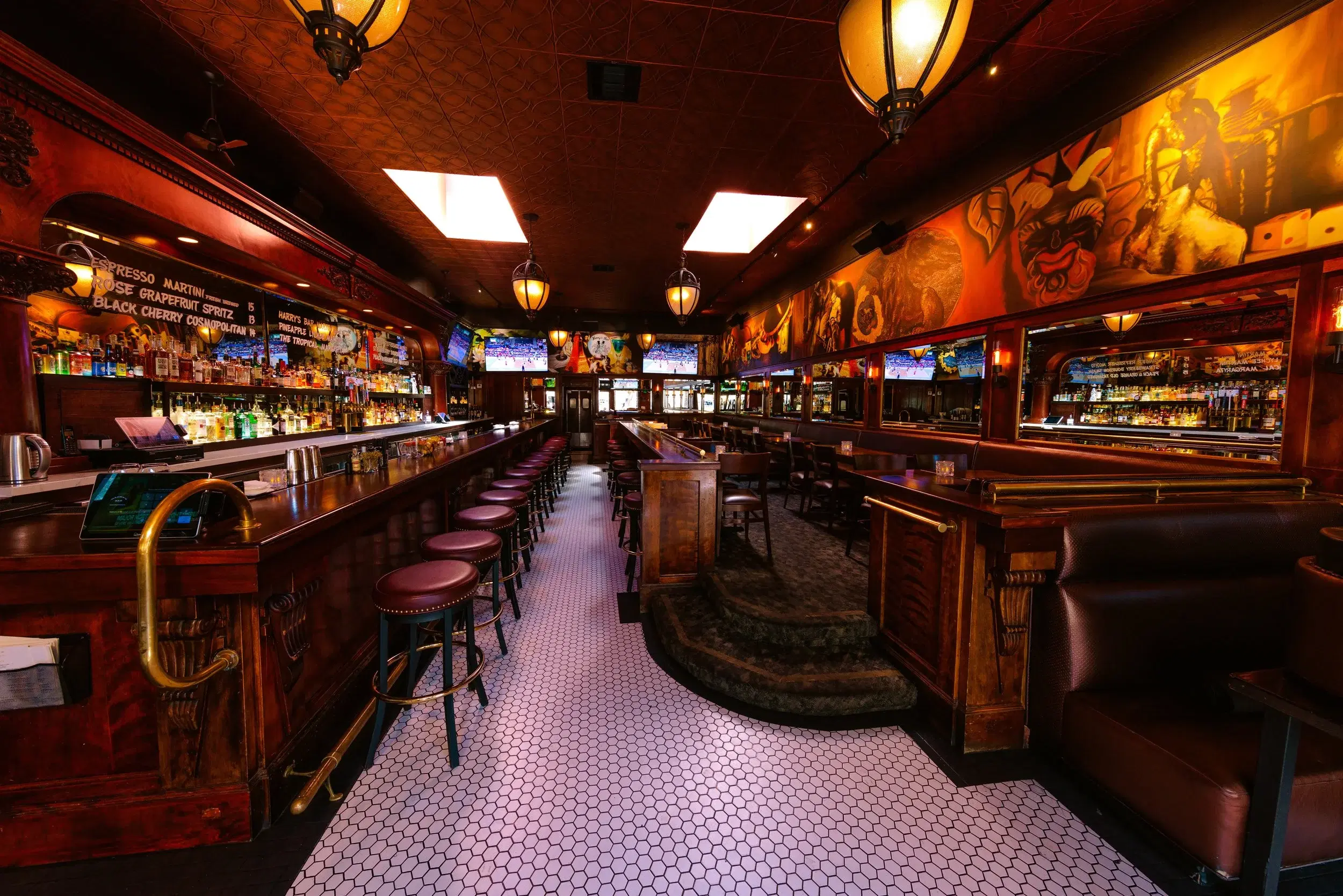
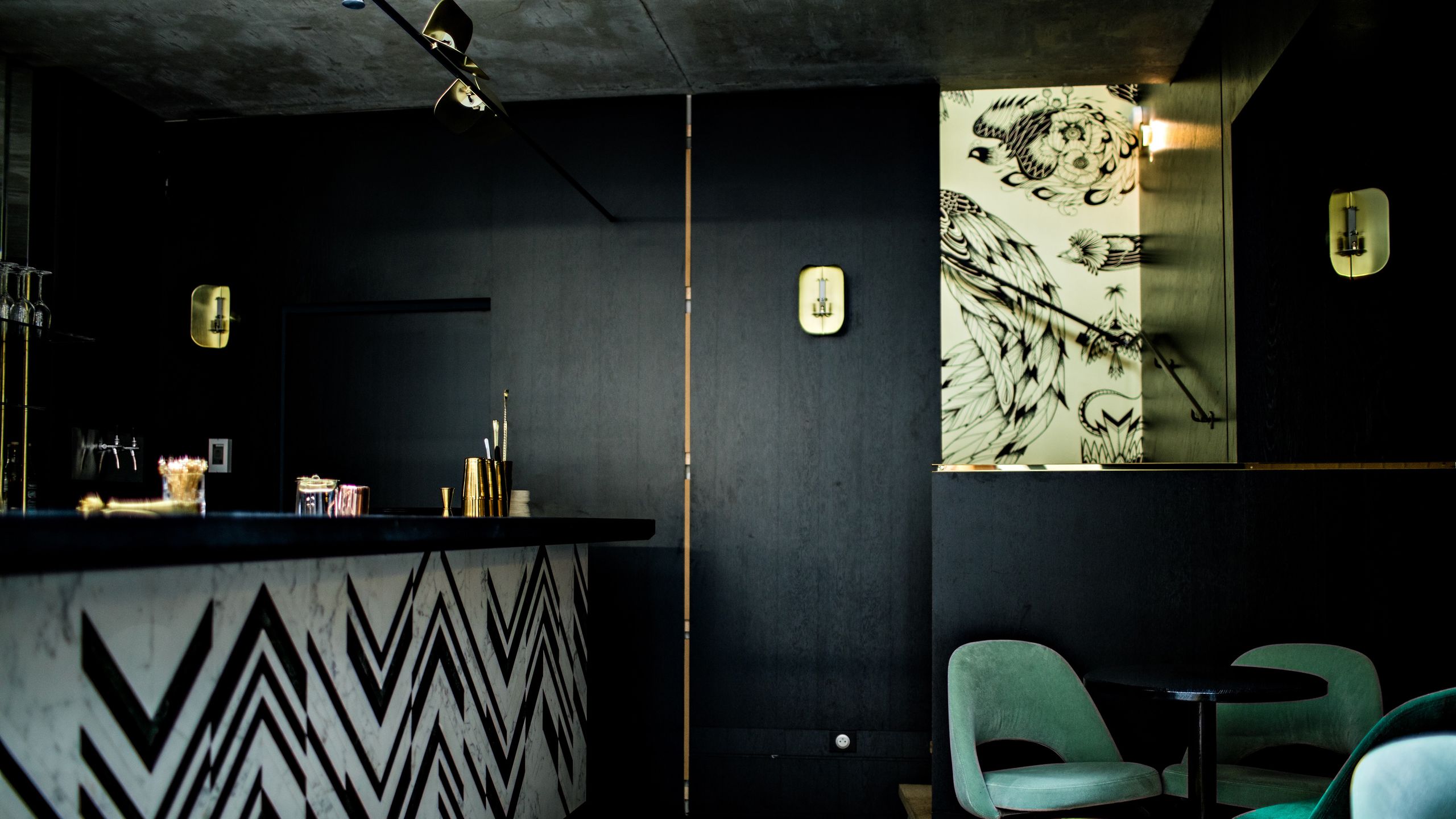
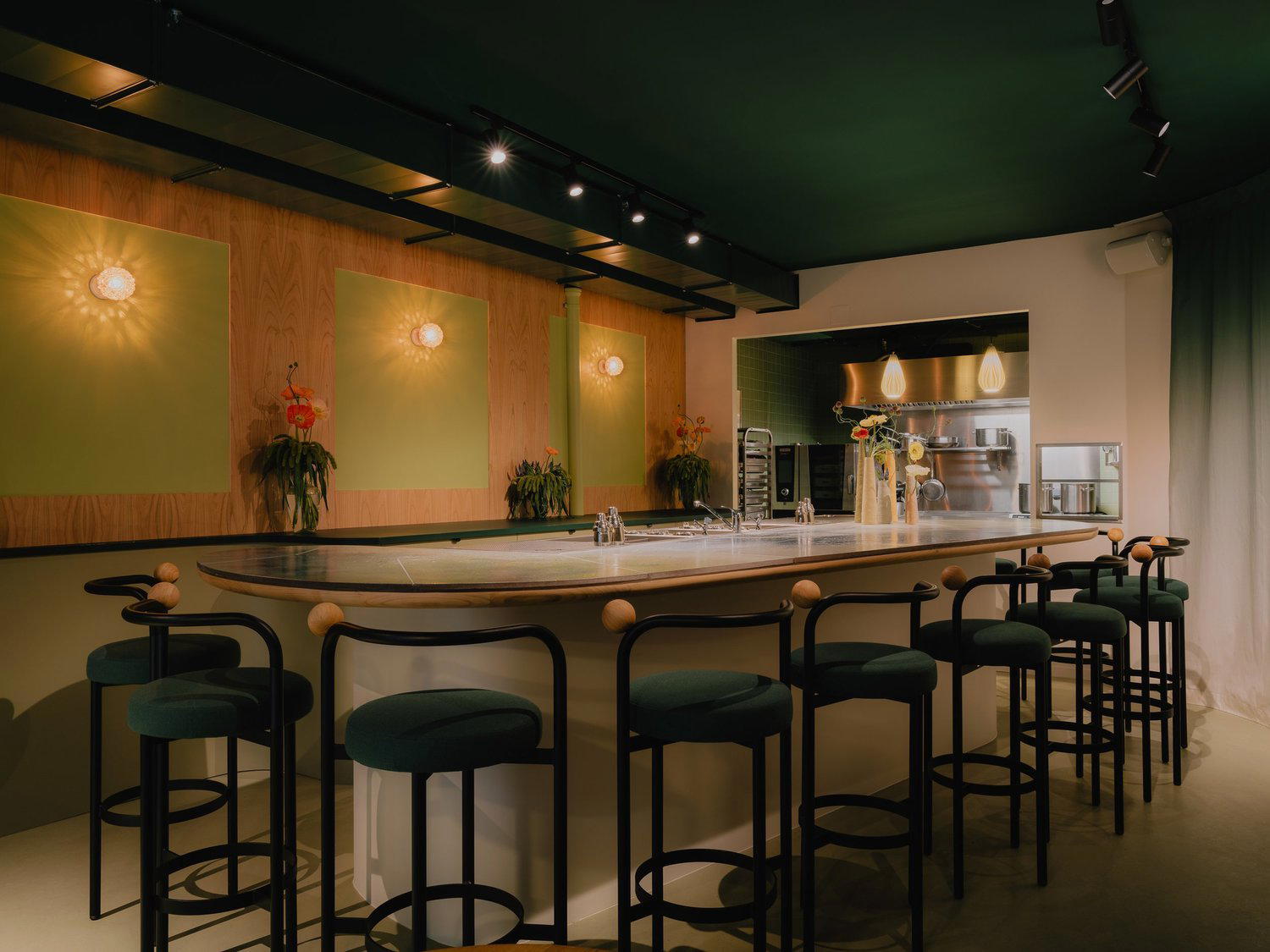
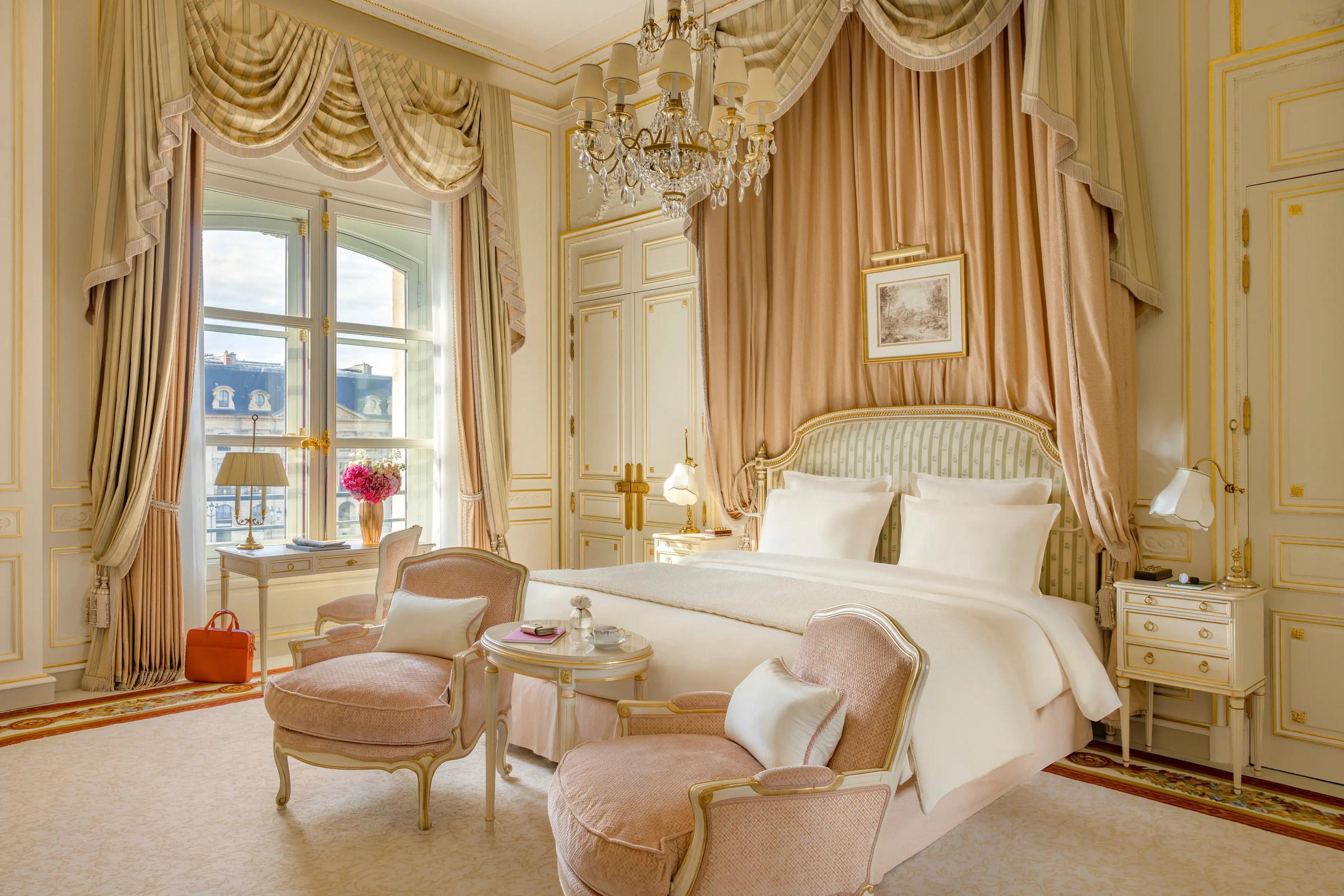
At a Glance
- Cozy
- Classic
- Intimate
- Date Night
- Special Occasion
- Group Dining
- Historic Building
- Extensive Wine List
- Street Scene
Current opening hours
- Monday
- 6–10 PM
- Tuesday
- 6–10 PM
- Wednesday
- 6–10 PM
- Thursday
- 6–10 PM
- Friday
- 6–10 PM
- Saturday
- 6–10 PM
- Sunday
- Closed
Hours can change for holidays and private events. Last verified .
Cozy and inviting atmosphere ideal for relaxed conversations with homemade French classics.