On Rue Berbisey in central Dijon, Le Piano Qui Fume occupies a distinct position in a city whose dining scene runs from Burgundian tradition to contemporary creative cooking. The name alone signals a certain irreverence. For travellers working through Dijon's mid-range and independent restaurant options, it represents one of the more characterful addresses in a neighbourhood dense with eating options.
Pearl is the En Primeur Club membership app — saves, bookings, and concierge access live there. Same editors, same standards.
- Address
- 36 Rue Berbisey, 21000 Dijon, France
- Phone
- +33380303545
- Website
- lepianoquifume.fr
- Directions
- Get directions
 Saves & bookings on Pearl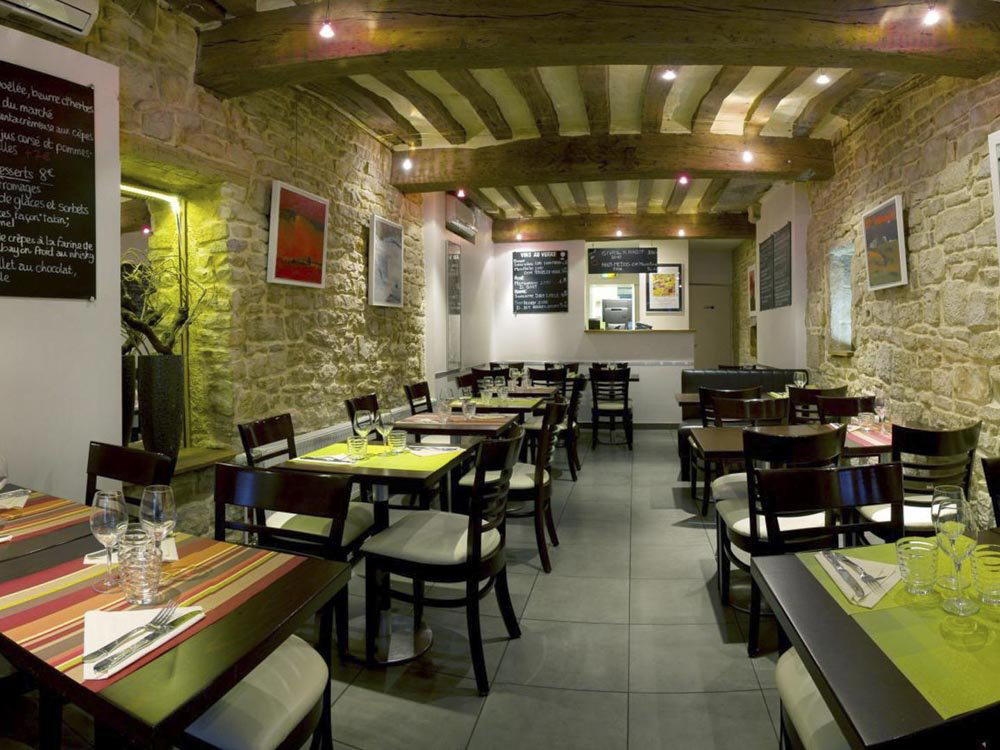
A Street That Sets the Tone
Rue Berbisey cuts through the older residential and commercial fabric of central Dijon, a few minutes on foot from the Place de la République and the covered market at Les Halles. The street has the character of a working neighbourhood rather than a tourist circuit, bakeries, wine shops, small traiteurs, and Le Piano Qui Fume, at number 36, sits within that texture. In a city where formal dining rooms are clustered closer to the Palais des Ducs, this address signals something more relaxed in register, which matters for how you approach the meal and what you expect from the pacing.
Dijon's dining scene can be read through a clear hierarchy before you commit to any single table. At the leading sit tasting-menu houses such as William Frachot, operating at €€€€ with a modern French and creative format, and Origine, also at that price tier with a creative orientation. One step below, L'Aspérule at €€€ and Loiseau des Ducs represent the mid-to-upper bracket of contemporary cooking. The €€ tier, where more neighbourhood-facing restaurants operate, is where the city's everyday dining character tends to live, places with shorter menus, less ceremony, and often a closer relationship to the market cycle. Akatsuki shows how even that tier can carry distinct culinary identity. Le Piano Qui Fume reads as part of this more accessible stratum of the city's offer, and the name, literally, the smoking piano, carries an air of the bohemian bistro rather than the gastronomic institution.
The Ritual of a Burgundian Weekday Lunch
France's dining customs are not uniform across regions, and Burgundy preserves some of the stronger attachment to the structured meal as a social and cultural fixture. Lunch in Dijon, particularly midweek, still carries weight in a way that many French cities have moved away from. A full two-course or three-course lunch at a neighbourhood address is not a performance, it is the default expectation on both sides of the table. The pacing is deliberate: an aperitif or glass of local white to open, a starter that respects the season, a main course that does not rush, and time between courses that is not hurried by a room turning over for the next sitting.
This rhythm is worth understanding before you book. The dining ritual in this part of France is structured around conversation and duration. A table that accepts lunch bookings is implicitly agreeing to hold that space for a real meal, not a quick plate. If you come from a dining culture accustomed to 45-minute turnovers, calibrating your expectations to Burgundy's pace is part of what makes the meal work. The region's proximity to some of France's most significant wine production, the Côte de Nuits runs north from Dijon, and the Côte de Beaune south, means that wine is not an afterthought but an integrated part of the table logic, even at casual price points.
For a broader reference to how French regional dining traditions at the highest level operate, consider the trajectories of houses like Troisgros in Ouches, Auberge de l'Ill in Illhaeusern, or Bras in Laguiole, each deeply embedded in a regional identity while operating at a different scale entirely. The point is that France's strongest restaurant culture tends to be rooted in place, and Dijon is a city that has maintained that rootedness at every tier.
Where It Sits in the City's Offer
Dijon is not a large city, but its restaurant density in the central arrondissement is high relative to population. The competition for a weekday dinner table at the more talked-about addresses is real, particularly during the wine harvest season in autumn and around the international food and wine fair, the Foire Gastronomique, which typically runs in early November. Outside those windows, the city is more navigable, and the neighbourhood restaurants on streets like Rue Berbisey tend to be more accessible than the higher-profile tasting menus.
The broader French dining context is useful here. At the national level, the conversation about where French cuisine is heading has been animated by houses like Alléno Paris au Pavillon Ledoyen, Mirazur in Menton, and AM par Alexandre Mazzia in Marseille. Alsace's Au Crocodile in Strasbourg and Champagne's Assiette Champenoise in Reims anchor their respective regions at the formal end. Paul Bocuse's Auberge du Pont de Collonges and Flocons de Sel in Megève represent a different kind of regional commitment. Further afield, Le Bernardin in New York and Atomix illustrate how French technique has travelled and been reinterpreted. Le Piano Qui Fume operates nowhere near that scale of ambition or recognition, and that is precisely the point. Not every good table needs to be in that conversation. Particularly consistent eating in France happens in rooms that have no interest in awards or press, and Rue Berbisey has that character.
For anyone planning a broader Dijon itinerary, the EP Club Dijon restaurants guide maps the full range of options across price tiers, cuisine styles, and neighbourhood locations.
Planning Your Visit
The restaurant is located at 36 Rue Berbisey, 21000 Dijon. The address is walkable from the central train station, which is served by TGV connections from Paris Gare de Lyon, the journey runs under two hours, making Dijon a plausible day trip from the capital, though an overnight stay allows for a more considered engagement with the city's wine bars and evening options. The restaurant recommends reservations and operates on a smart casual dress code, with lunch service Monday, Tuesday, Thursday, Friday, and Saturday, and dinner on Thursday, Friday, and Saturday.
Cuisine-First Comparison
Comparable venues nearby, for context on price, style, and recognition.
| Venue | Cuisine | Price | Notes |
|---|---|---|---|
| Le Piano Qui FumeThis venue — the venue you are viewing | Traditional French Bistro | $$$ | Not listed |
| L'AbenFant | Modern French Locavore Bistro | $$$ | old Dijon |
| Le Pré aux Clercs | Traditional French Burgundian Brasserie | $$$ | Place de la Libération |
| Chez Léon | Traditional Burgundian Bistro | $$ | Historic Centre of Dijon, near Halles |
| Dr Wine | Burgundian Wine Bar with Small Plates | $$$ | city centre |
| Masami | Authentic Japanese Sushi | $$$ | Centre-ville |
Continue exploring
More in Dijon
Restaurants in Dijon
Browse all →
Bars in Dijon
Browse all →
Hotels in Dijon
Browse all →
At a Glance
- Cozy
- Classic
- Intimate
- Elegant
- Date Night
- Special Occasion
- Terrace
- Extensive Wine List
- Local Sourcing
Current opening hours
- Monday
- 12–1:30 PM
- Tuesday
- 12–1:30 PM
- Wednesday
- Closed
- Thursday
- 12–1:30 PM, 7–9:30 PM
- Friday
- 12–1:30 PM, 7–9:30 PM
- Saturday
- 12–1:30 PM, 7–9:30 PM
- Sunday
- Closed
Hours can change for holidays and private events. Last verified .
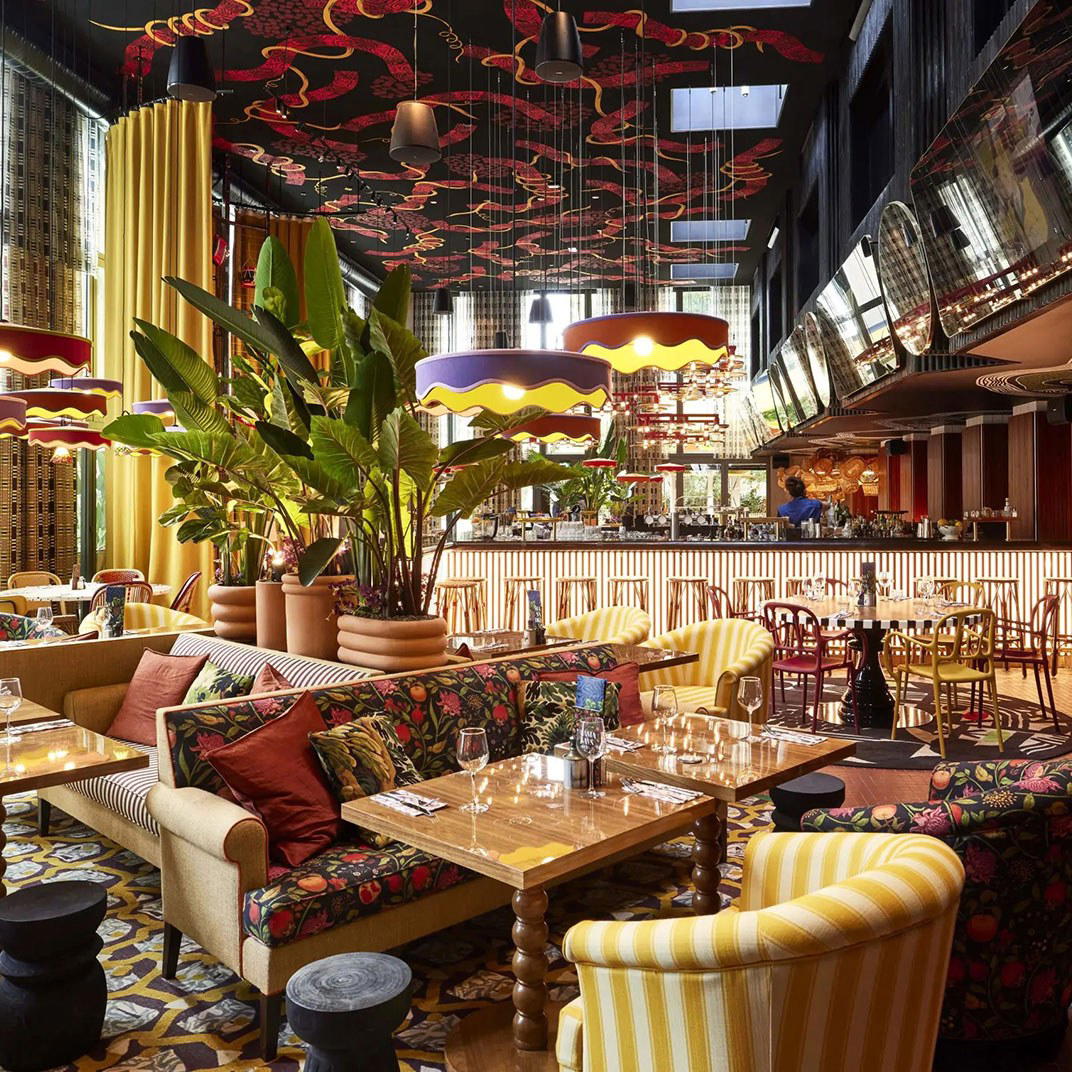
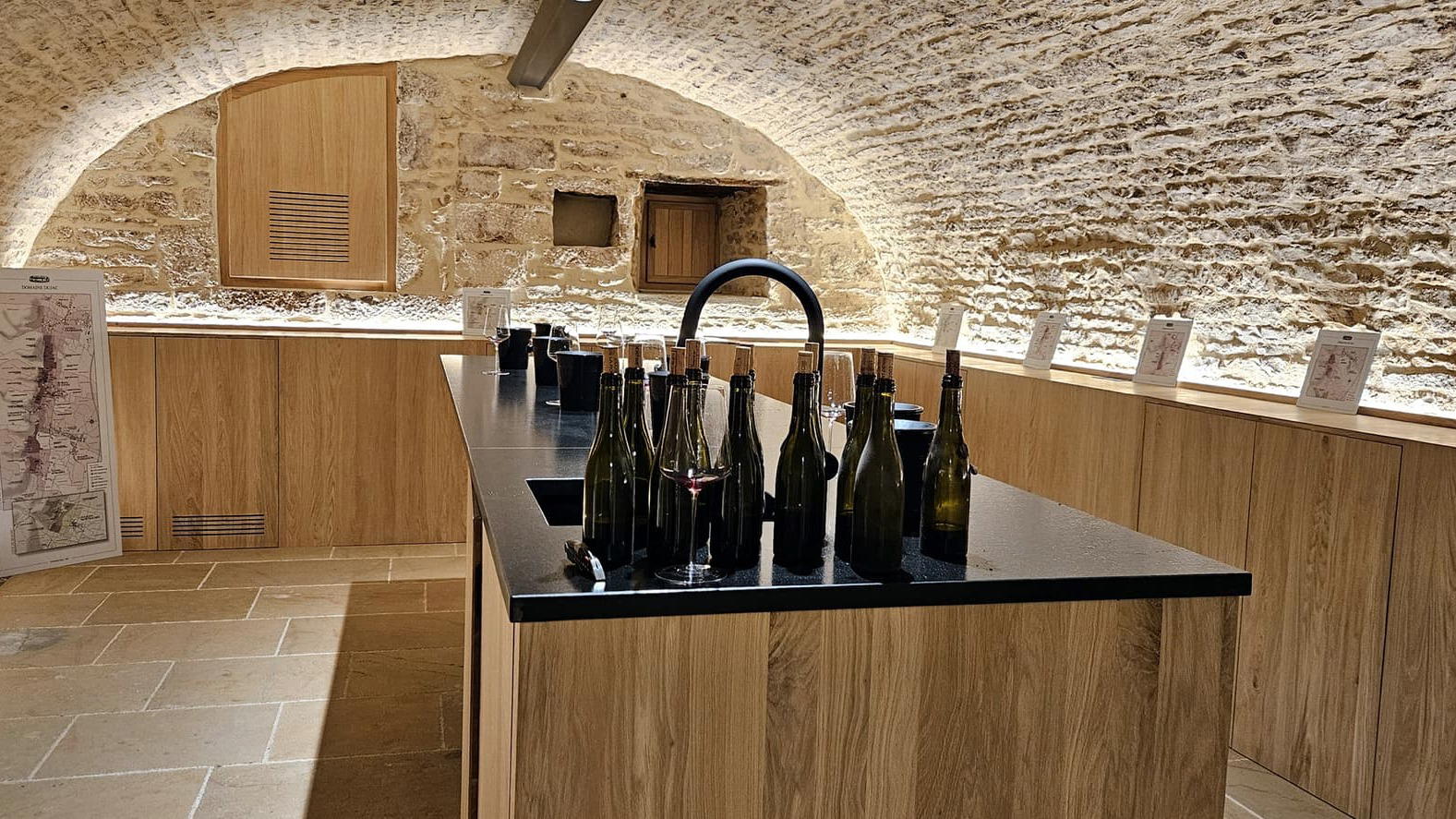
Warm, authentic, and cozy atmosphere in a historic center location with air conditioning and a small back terrace.