Le Pelican
Positioned on the Tabarja stretch of the Keserwan coast, Le Pelican is a seafront address where the sourcing logic of Lebanon's Mediterranean larder shapes what arrives at the table. The restaurant sits within a dining corridor that draws Beirut residents north along the coastal highway, placing it in the company of venues where proximity to fishing communities and mountain farms carries real menu consequences.
Pearl is the En Primeur Club membership app — saves, bookings, and concierge access live there. Same editors, same standards.
- Address
- King Bargis, Tabarja, Lebanon
- Phone
- +96171220202
- Website
- instagram.com
- Directions
- Get directions
 Saves & bookings on Pearl
Where the Keserwan Coast Sets the Table
The drive north from Beirut along the coastal highway passes through a succession of shoreline towns where fishing boats moor close enough to restaurant kitchens that the catch question becomes almost redundant. Tabarja, where Le Pelican sits on King Bargis, is part of that corridor. Le Pelican is a restaurant in Tabarja, Lebanon, serving fresh seafood and recommended for reservations. The Mediterranean is not decorative here. It is the operating logic of what the kitchen can reasonably offer on any given day, and it positions Le Pelican within a category of Lebanese coastal dining where provenance is not a marketing concept but a geographic fact.
That fact matters more than it might at a Beirut restaurant working with suppliers several removes from the water. Along this stretch of the Keserwan coast, the relationship between fishing community and dining room is compressed. Seasonal availability, catch size, and water temperature all exert pressure on menus in ways that don't apply further inland or in urban settings. For the diner, this means the menu's logic shifts toward what is actually available rather than what a fixed format demands. It is the same supply-chain argument that makes Lakkis Farm in Baalbek or Shams Restaurant in Aanjar compelling in their respective regions: proximity to primary production changes how a kitchen thinks.
The Sourcing Frame: Lebanon's Mediterranean Larder
Lebanon's coastline runs roughly 220 kilometres, but the usable fishing grounds are concentrated, and the fish markets at towns like Tabarja have supplied coastal kitchens for generations. The species available to a restaurant at this latitude, red mullet, sea bass, dentex, octopus, and the smaller schooling fish that form the backbone of meze platters, are the same ones that appear in the older Lebanese coastal tradition, before hotel restaurants standardised the offering. A restaurant that works within this tradition is making a different set of decisions than one sourcing from international distributors.
The mountain sits directly behind the coast in this part of Keserwan, and that vertical compression is part of why Lebanese coastal cooking can draw simultaneously from the sea and from highland produce: citrus, herbs, olive oil, and vegetables that arrive from farms at altitude rather than from the Bekaa Valley plains. This dual sourcing geography gives Keserwan kitchens a particular range that coastal restaurants in flatter countries don't have access to in the same concentrated way. Comparing the supply logic here to, say, the structured sourcing programs behind Le Bernardin in New York City or Lazy Bear in San Francisco shows how different operating contexts shape ingredient origin.
Le Pelican in the Keserwan Dining Corridor
The Keserwan District has developed a layered dining scene that positions it as more than a weekend escape route from Beirut. BRUT by Youssef Akiki represents the more technically ambitious end of the district's offer, where wine-pairing discipline and ingredient precision are the central variables. The restaurant occupies a different register in that mix: a seafront address in Tabarja that speaks to the older, less self-conscious tradition of eating well by the water rather than performing a tasting-menu format for its own sake.
Within the broader Lebanese dining picture, coastal restaurants at this price tier and location sit below formal Beirut addresses like Em Sherif in Beirut but above purely functional roadside stops. They are the addresses that regulars from Beirut's professional class drive forty minutes to reach on a Friday afternoon, arriving with no reservation strategy and an assumption that the fish will be good because the sea is right there. That assumption is not always correct, but geography provides at least a structural argument for it.
Feniqia in Byblos and Jammal in Batroun District sit in a similar coastal tradition. What distinguishes Tabarja's position in this set is the shorter distance from Beirut, which makes it the first serious coastal stop on the northward drive rather than a destination that requires a longer commitment.
Planning a Visit to Tabarja
Tabarja is most easily reached by car from Beirut, with the coastal highway placing it roughly 25 kilometres north of the city centre. The drive can extend significantly during Friday afternoon and Saturday morning traffic, when the coastal road fills with Beirut residents heading to Keserwan's beaches and restaurants. Arriving before noon on a weekend or choosing a weekday visit sidesteps the worst of it. The restaurant is open daily from 12 to 11 PM.
For context on Lebanon's broader dining character and what to expect from regional restaurants operating outside Beirut's more formalised scene, comparisons with addresses like Kitchen Garage in Aley District, Onno Bistro in Matn, or Al Halabi Restaurant in Matn District help calibrate expectations. Regional Lebanese restaurants outside Beirut often operate with more flexibility around format and timing than their urban counterparts. For dairy-forward stops en route, Laiterie Massabki in Chtoura represents the kind of regional producer-to-table logic that applies in different form along the coast. And for a sense of Beirut's street-level food culture before or after the drive, Falafel Sahyoun remains the reference point for what the city does with fried chickpeas at its most direct.
At-a-Glance Comparison
Comparable venues nearby, for context on price, style, and recognition.
| Venue | Cuisine | Price | Notes |
|---|---|---|---|
| Le PelicanThis venue — the venue you are viewing | Fresh Seafood | $$$ | Not listed |
| BRUT by Youssef Akiki | Levantine Farm-to-Table Fine Dining | $$$ | Hrajel |
| Café D'Orient | Oriental Middle Eastern | $$ | Ashrafieh |
| Jammal | Mediterranean Seafood | $$$ | Batroun District |
| Burgundy | Modern French Fine Dining | $$$$ | Saifi Village |
| Falafel Sahyoun | Lebanese Falafel | $ | Ras El-Nabeh |
Continue exploring
More in Keserwan District
Restaurants in Keserwan District
Browse all →
Bars in Keserwan District
Browse all →
Hotels in Keserwan District
Browse all →

At a Glance
- Elegant
- Date Night
- Casual Hangout
- Waterfront
- Terrace
- Waterfront
Current opening hours
- Monday
- 12–11 PM
- Tuesday
- 12–11 PM
- Wednesday
- 12–11 PM
- Thursday
- 12–11 PM
- Friday
- 12–11 PM
- Saturday
- 12–11 PM
- Sunday
- 12–11 PM
Hours can change for holidays and private events. Last verified .
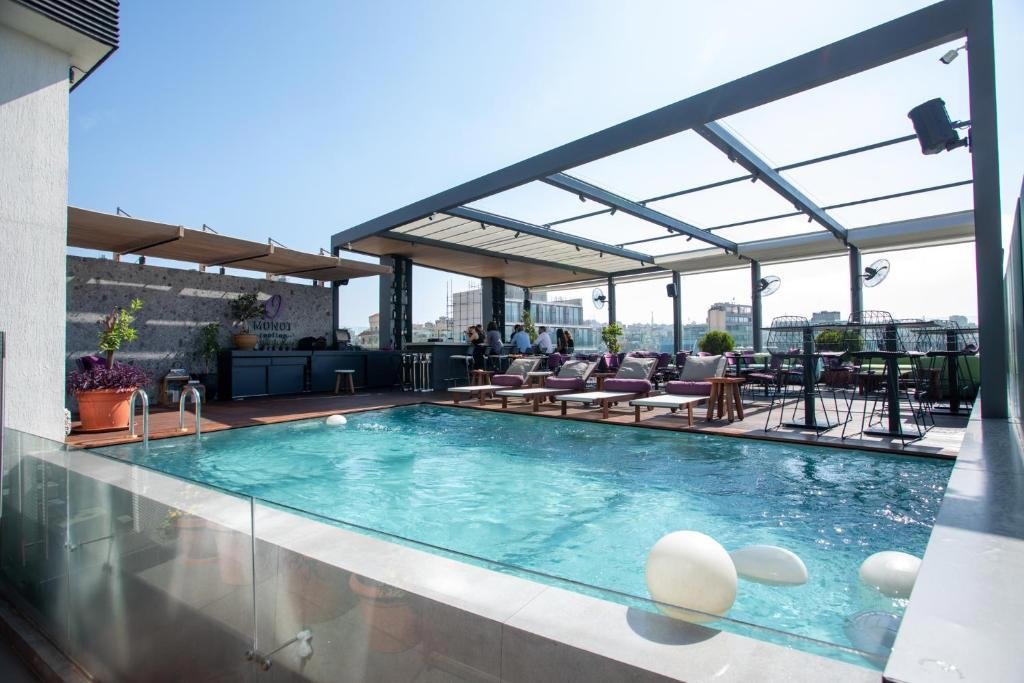
Relaxed yet refined atmosphere with marina views, well-suited for casual lunches to sunset dinners.