Our verdict
On Rue du Pont in central Liège, Le Paris-Brest takes its name from one of the great set pieces of French pastry tradition. The address places it within walking distance of the Meuse and the city's older restaurant quarter, where French technique and Belgian appetite for serious dining intersect. Details on format, pricing, and current chef remain subject to direct confirmation with the venue.

Pearl is the En Primeur Club membership app, where members save venues, book tables and use the concierge.
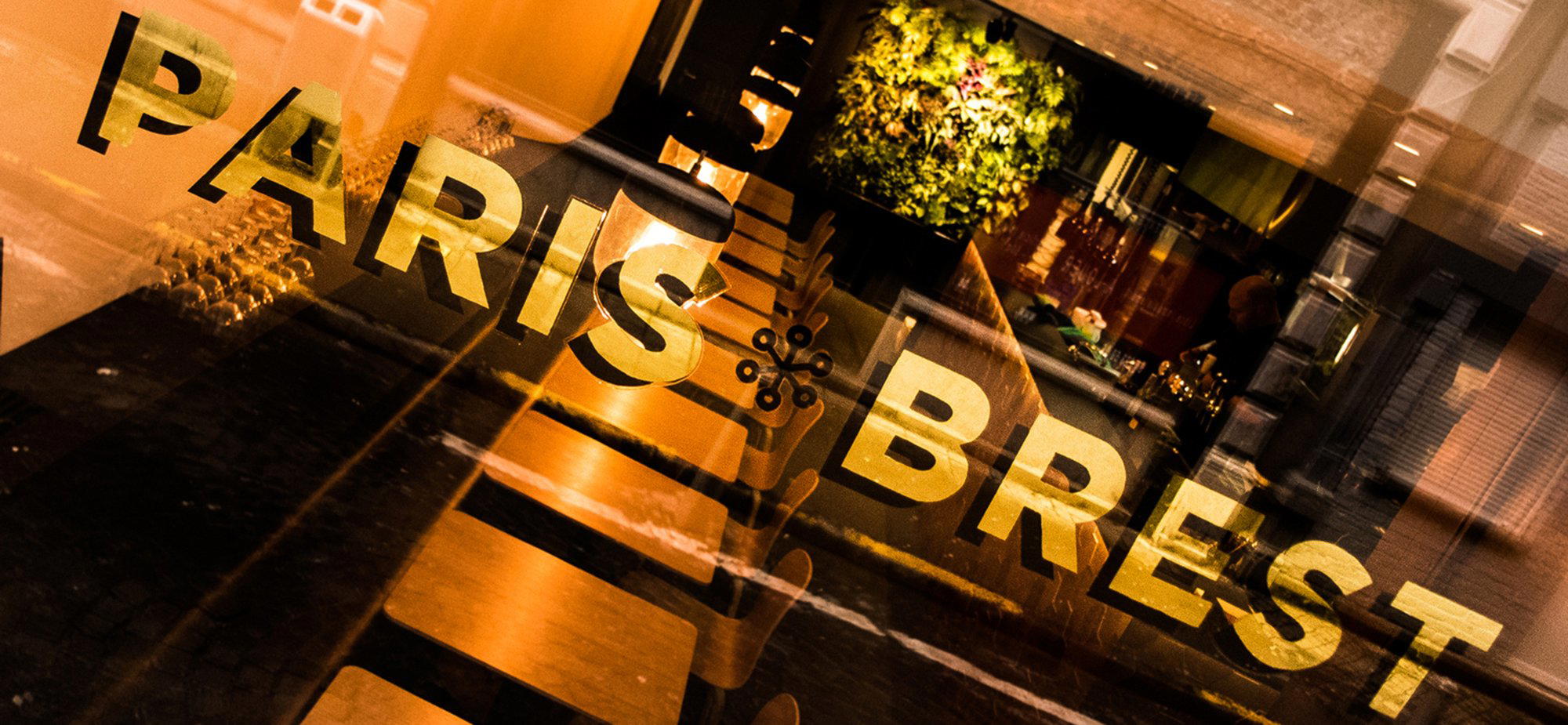
French Pastry Tradition in a Belgian City That Takes It Seriously
The Paris-Brest, the choux pastry ring filled with praline cream that commemorates the Paris-to-Brest cycling race, is one of those preparations that separates kitchens with genuine technique from those borrowing the vocabulary. A restaurant in Liège choosing that name as its identity is making a clear statement about its culinary allegiance. Liège sits at the crossroads of French and Belgian food culture, a city where the Walloon tradition of substantial, technique-grounded cooking meets a population with high expectations for what lands on the table. That context matters when reading any restaurant address here.
Rue du Pont 16 places Le Paris-Brest in the older, denser part of central Liège, close to the Meuse and within the network of streets that constitute the city's established restaurant quarter. Liège is not a city that positions itself aggressively for international food tourism the way Antwerp or Brussels do, which means its better addresses tend to operate for a local and regional audience first. That dynamic often produces restaurants with more discipline and less performance: the room doesn't need to photograph well for visitors who will never return, it needs to satisfy regulars who will be back in six weeks.
Where Liège Sits in Belgium's Dining Conversation
Belgium punches significantly above its population weight in European fine dining. The country holds a dense concentration of Michelin-starred addresses relative to its size, and Flemish kitchens in particular have driven international recognition, with restaurants like Hof van Cleve - Floris Van Der Veken in Kruishoutem, Boury in Roeselare, and Zilte in Antwerp drawing from well beyond the national borders. The Walloon south, with Liège as its largest city, has historically received less global attention, but that imbalance reflects media geography more than kitchen quality. Addresses like L'air du temps in Liernu and d'Eugénie à Emilie in Baudour demonstrate that the Walloon region has its own serious operators. In Brussels, Bozar Restaurant anchors French-inflected fine dining in the capital. Liège's equivalent tier is smaller and less mapped for outsiders, which is precisely what makes an address like Le Paris-Brest worth tracing.
Within the city itself, the dining scene splits across a few distinct modes. The Liégeois brasserie tradition, running from simple preparations of boudin and salade liégeoise through to more ambitious kitchen work, forms the backbone. Creative and modern addresses occupy a smaller, more competitive bracket. Héliport Brasserie, with its creative French positioning at the €€€ tier, and ¡Toma! at the €€€€ level represent the upper end of the contemporary offer. Italian cooking also has genuine representation in Liège, with Al Piccolo Mondo, Altro Maccheroni, and Antipasti di Sophie each holding ground in that category.
The Cultural Weight of a Name
In French culinary tradition, the Paris-Brest belongs to the canon of classical pâtisserie that any serious kitchen must understand before it can credibly move beyond it. It was created in 1910 by pastry chef Louis Durand to honour the eponymous cycling race, and the wheel shape references the bicycle tyre directly. The fact that a Liège restaurant chose this as its nameplate signals an orientation toward French classical tradition rather than the contemporary Flemish or Nordic-inflected modernism that dominates so much current European fine dining coverage. That is a deliberate positioning choice. At a time when many restaurants signal ambition through innovation, choosing the vocabulary of classical French technique implies confidence that the fundamentals are compelling enough without conceptual scaffolding.
Liège has its own culinary vocabulary worth noting separately. The salade liégeoise, the gaufre de Liège with its caramelised pearl sugar, the boulets à la sauce lapin, the peket gin produced locally: these are preparations with genuine regional identity, not generic Belgian heritage. A restaurant on Rue du Pont operates within that context, and how it relates to or departs from local tradition is a meaningful editorial question, even if the specific answer requires a visit to determine.
What the Address Implies About Positioning
European cities at Liège's scale, roughly 200,000 people with a wider metropolitan area and a university population that skews the dining base younger, tend to sustain a mid-range restaurant sector that can be considerably more serious than equivalent addresses in larger capitals. The overhead economics are different, competition for regulars is direct, and a kitchen that coasts does not retain its neighbourhood audience. That structural reality tends to produce better value than comparable ambition in Paris or London, and it rewards visitors who approach the city's restaurant addresses with the same seriousness they would apply to a larger destination.
For comparison outside Belgium, French technique-led kitchens at the serious end of the market, think of the rigour visible at Le Bernardin in New York City or the precision-driven work at Atomix, operate on assumptions of both technical mastery and specific culinary identity. A smaller city address applying French classical framing is working within a different economic register but not necessarily a lesser one. The credibility of the name is the opening statement; what happens in the kitchen is the editorial substance.
Visitors planning a Liège restaurant itinerary should consult the full Liège restaurants guide for current recommendations across price tiers. For coastal Belgian fine dining, Bartholomeus in Heist and Willem Hiele in Oudenburg are the reference addresses. In East Flanders, Castor in Beveren and De Jonkman in Sint-Kruis round out a picture of serious Belgian dining beyond the capital.
Planning a Visit
Le Paris-Brest is located at Rue du Pont 16, 4000 Liège, in a walkable section of the city centre. Current hours, pricing, booking availability, and reservation policy should be confirmed directly with the venue before planning around it. Liège is accessible by Thalys and Intercity from Brussels in under an hour, and from Amsterdam and Paris in under two, which makes it a plausible day-trip or short-stay destination from several larger European cities. The Rue du Pont address sits close to the Meuse waterfront and within a short walk of the broader restaurant quarter.
Frequently asked questions
Where is Le Paris-Brest located?
Le Paris-Brest is located at Rue du Pont 16, 4000 Liège, Belgium, Liège.
How does Le Paris-Brest reflect Liège's position within Belgian dining culture?
Belgium holds one of the densest concentrations of Michelin-starred addresses in Europe relative to its population, and Liège, as the principal city of the French-speaking Walloon region, anchors that credibility on the eastern side of the country. A venue at Rue du Pont 16 drawing on French classical pâtisserie tradition places itself within a dining culture that has historically looked to Lyon and Paris for its technical benchmarks rather than to Flemish or Dutch culinary models. That positioning carries weight in a city of roughly 200,000 people where the restaurant scene skews toward considered, technique-led cooking.
What's the signature dish at Le Paris-Brest?
The venue's name points directly to its reference point: the Paris-Brest, a choux pastry ring filled with praline-flavoured cream, originally created to honour the Paris-to-Brest cycling race. In French classical pâtisserie, it sits alongside the éclair and the Saint-Honoré as a foundational preparation that serious kitchens use to establish technical credibility. The choice of this name in Liège, a city within the French-speaking Walloon region with a dining culture that draws heavily from French classical cooking, signals a clear commitment to that tradition.
Do they take walk-ins at Le Paris-Brest?
At Rue du Pont 16 in Liège's walkable city centre, the practical advice is to check the venue's official channels before arriving, particularly on weekends or during the academic calendar periods when the city's large university population fills mid-to-upper dining rooms.
Price and Positioning
Comparable venues nearby, for context on price, style, and recognition.
| Venue | Cuisine | Price | Notes |
|---|---|---|---|
| Le Paris-BrestThis venue (the venue you are viewing) | Modern French Bistro | $30–50 | Not listed |
| Kiosq | Seasonal French Bistro | $20–30 | Centre, Seasonal French Bistro |
| OGGI Bistroteca | Contemporary Italian Bistroteca | $30–50 | Centre-Ville, Contemporary Italian Bistroteca |
| Restaurant Les Saveurs de Bulgarie | Authentic Bulgarian | $30–50 | Centre, Authentic Bulgarian |
| Sodylow | Rocourt | Not listed | Not listed |
| Antipasti di Sophie | Italian Antipasti & Pasta | $30–50 | City Centre, Italian Antipasti & Pasta |
Continue exploring
More in Liège
Restaurants in Liège
All restaurants in Liège →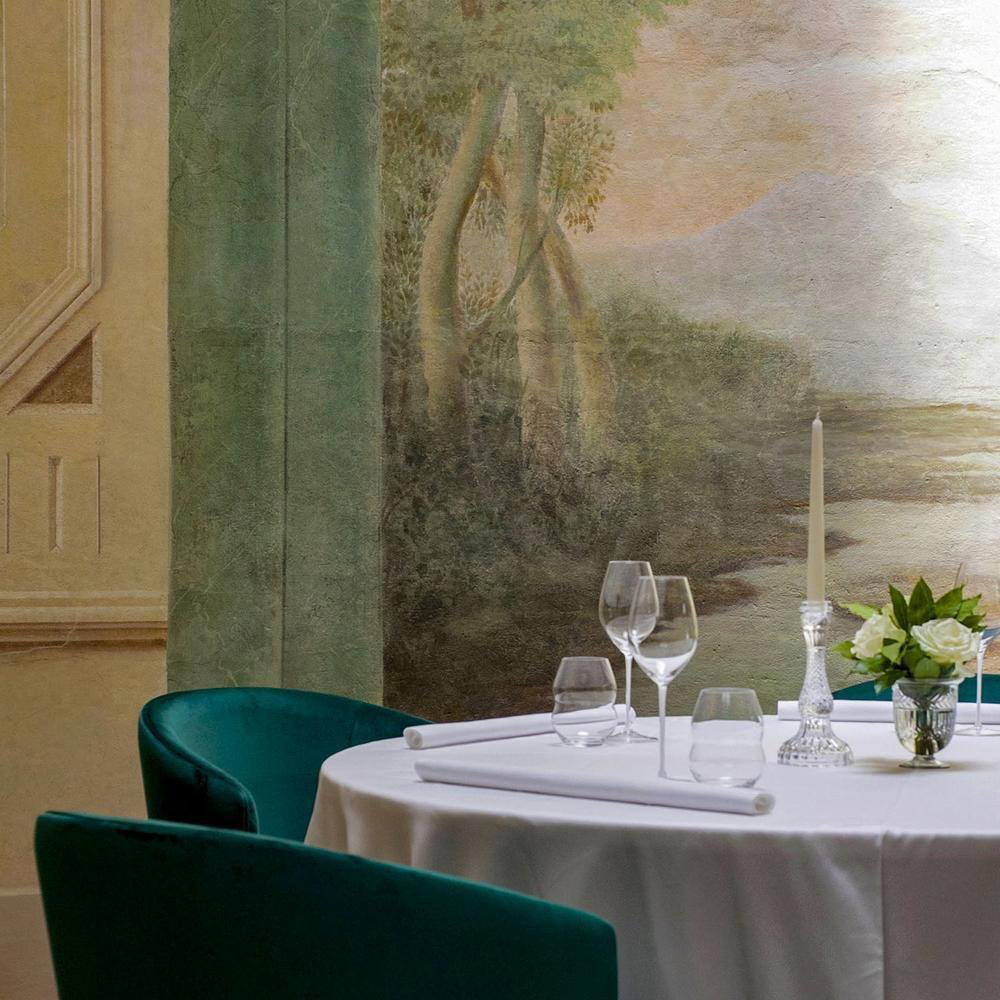
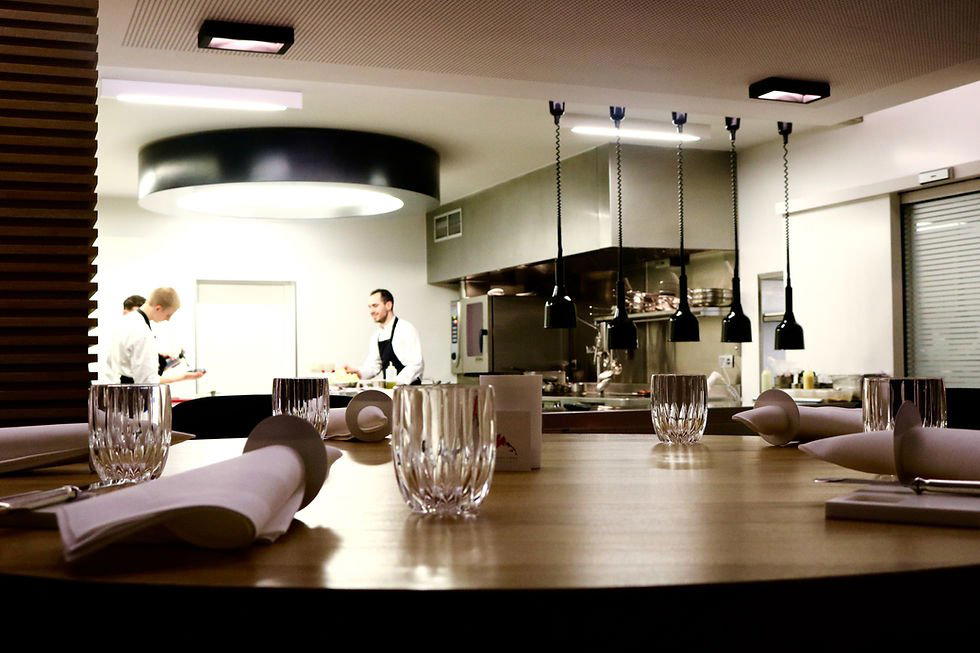
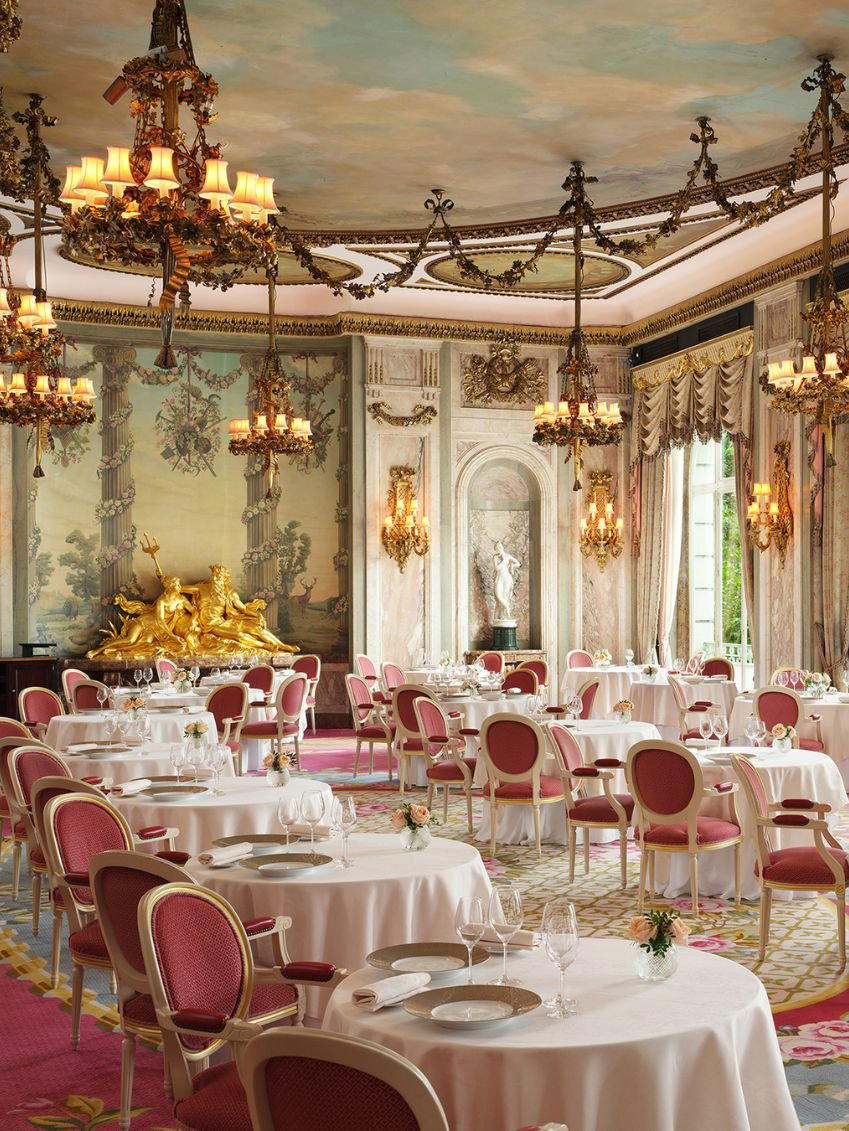
Bars in Liège
Browse all →

Details
- Cozy
- Classic
- Elegant
- Date Night
- Business Dinner
- Open Kitchen
- A La Carte
Current opening hours
- Monday
- Closed
- Tuesday
- Closed
- Wednesday
- 12:30–1:30 PM, 6:30–8:45 PM
- Thursday
- 12:30–1:30 PM, 6:30–8:45 PM
- Friday
- 12:30–1:30 PM, 6:30–8:45 PM
- Saturday
- 12–1:30 PM, 6:30–8:45 PM
- Sunday
- 12–1:30 PM
Hours can change for holidays and private events. Hours as of .
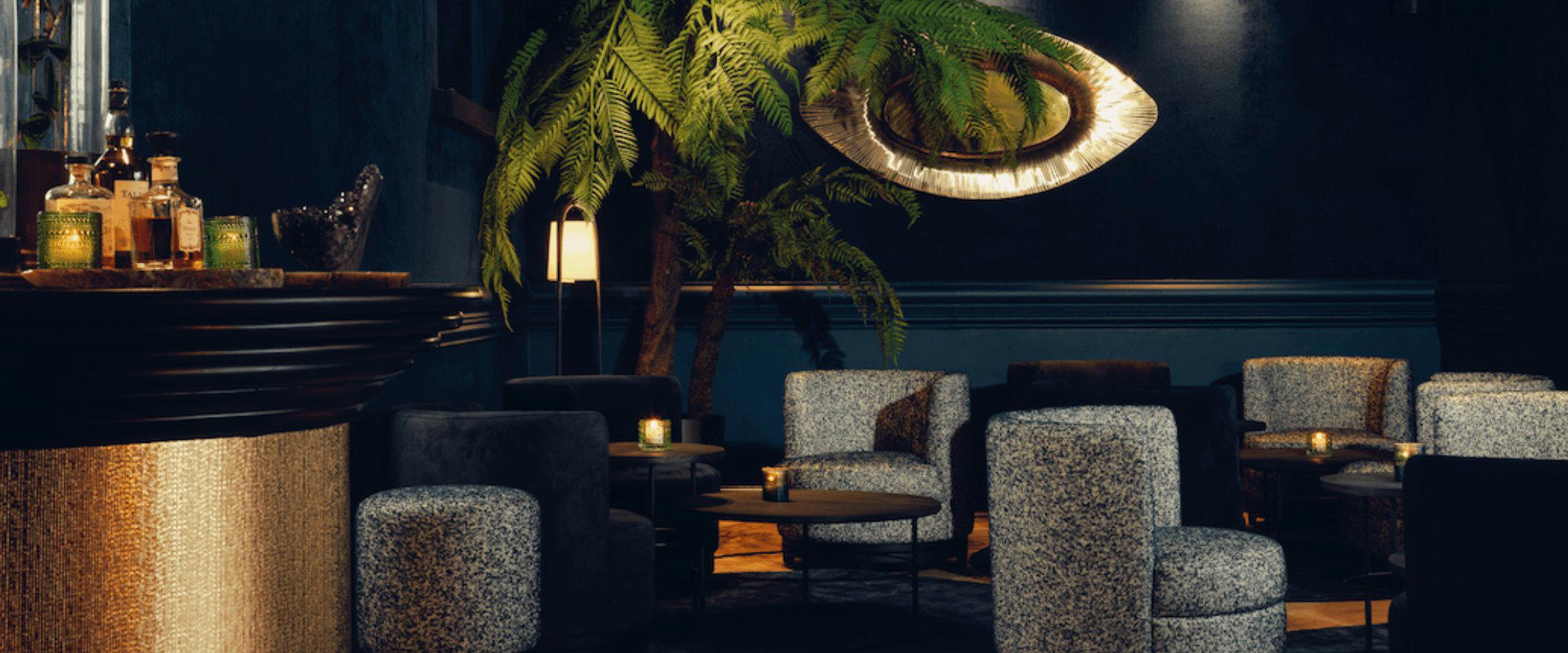
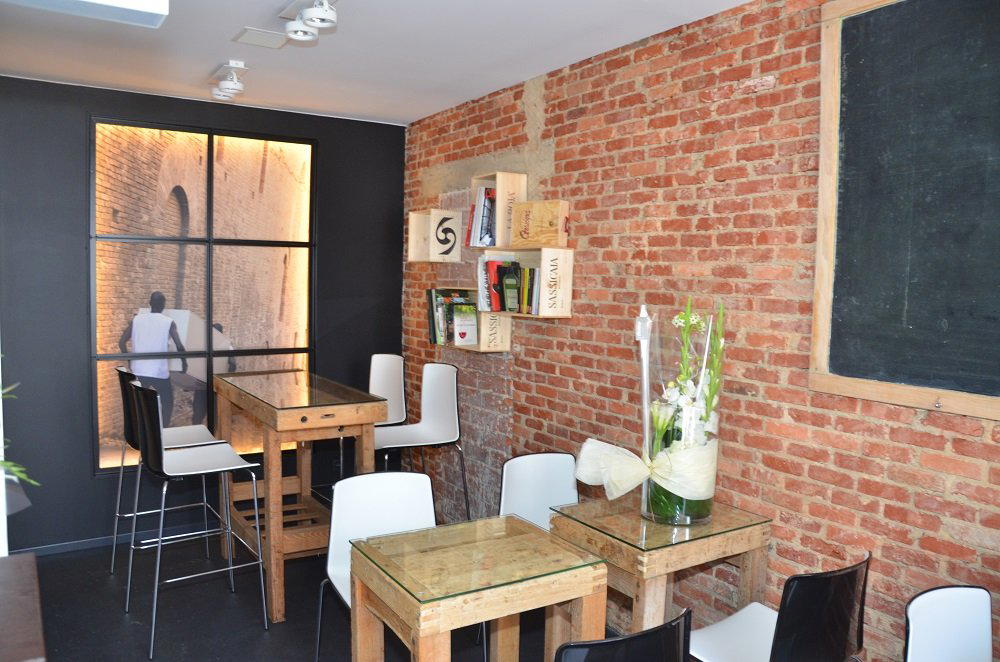
Warm and relaxed atmosphere with wooden bar, open kitchen views, and attentive discreet service.