Le Paris 16 occupies a quiet address on Rue des Belles Feuilles in the 16th arrondissement, one of Paris's most residential and undervisited dining quarters. The restaurant operates in a neighbourhood defined by old-money discretion rather than tourist footfall, placing it in a comparable set that rewards deliberate research over passing discovery. For those tracing the city's formal French dining tradition outside the grand hotel circuit, it represents a specific and purposeful stop.
Pearl is the En Primeur Club membership app — saves, bookings, and concierge access live there. Same editors, same standards.
- Address
- 18 Rue des Belles Feuilles, 75116 Paris, France
- Phone
- +33147045633
- Website
- paris16-restaurant.com
- Directions
- Get directions
 Saves & bookings on Pearl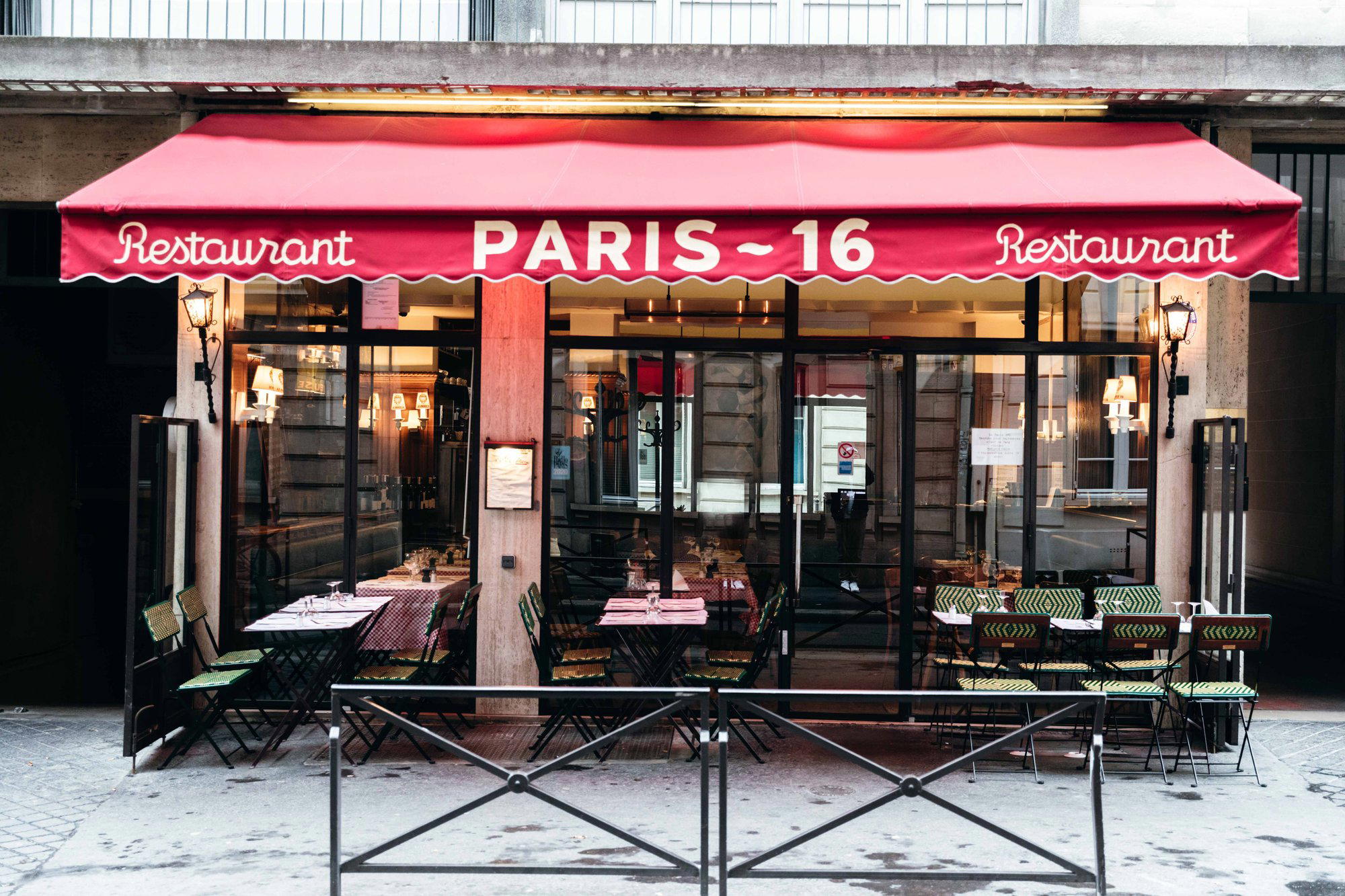
The 16th Arrondissement and the Art of the Formal French Meal
Paris's 16th arrondissement does not perform for visitors. The wide Haussmann boulevards between Trocadéro and the Bois de Boulogne are home to a resident class that has always eaten well and quietly, and the dining culture here reflects that disposition. Where the 8th arrondissement clusters its prestige around grand hotel addresses like Le Cinq at the Four Seasons George V and the marble formality of Alléno Paris au Pavillon Ledoyen, the 16th operates on a different register: less theatrical, more habitual. Restaurants here are used, not visited as destinations. That distinction shapes everything from pacing to service posture.
Le Paris 16, at 18 Rue des Belles Feuilles, sits within this tradition. The address is residential rather than commercial, and the approach on foot carries the particular quality of 16th-arrondissement streets in the late afternoon: quiet, ordered, faintly Parisian in the way that guidebooks never quite capture. What you encounter is a neighbourhood restaurant calibrated for serious eating rather than occasion theatre.
The Ritual of the French Dining Room
The formal French meal has a grammar that goes largely unremarked in cities with younger fine-dining cultures. In Paris's established houses, the ritual is architectural: arrival and reception set the register, the handoff from entry to table signals the evening's pace, and the menu presentation is its own negotiation. You are not ordering food so much as entering a sequence. At restaurants of this type in the 16th, that sequence tends to be unhurried and unambiguous. The staff understands that the point is the meal itself, not the performance around it.
This is the dining culture that produced the classical French service traditions now exported and adapted at restaurants from Le Bernardin in New York to Kei in Paris's 1st, where Japanese technique is applied within the same formal French structure. The grammar does not change much; what varies is the inflection. In the 16th, the inflection is domestic and authoritative in equal measure.
Across France's serious regional houses, from Auberge de l'Ill in Illhaeusern to Troisgros in Ouches, the pacing of the meal carries institutional knowledge accumulated over decades. Paris's residential dining rooms inherit the same logic in an urban key: tables turn slowly, courses are not rushed, and the wine conversation is considered part of the meal rather than a commercial transaction bolted onto it.
Where Le Paris 16 Sits in the Paris Fine-Dining Map
Paris's €€€-tier restaurants now form two reasonably distinct camps. The first is built around destination gravity: Michelin stars, published tasting menus, and a booking infrastructure oriented toward international visitors. L'Ambroisie on Place des Vosges sits at the apex of this camp, along with the creative end of the market represented by Arpège. The second camp serves a local constituency first, absorbs visitors when they find their way in, and measures itself against the satisfaction of repeat clientele rather than aggregated review scores.
Le Paris 16 occupies the latter position by geography and character. The Rue des Belles Feuilles address draws from the surrounding quartier's professional and residential base, and the dining room is not configured for the kind of spectacle that travels well on social media. This is a considered choice in the current environment, not an oversight. France's most durable provincial houses, including Bras in Laguiole and Auberge du Vieux Puits in Fontjoncouse, have built multigenerational relevance on exactly this model: serve the meal well, serve it consistently, and let the reputation travel by word of mouth rather than algorithm.
For comparison, Paris restaurants operating in the creative and high-concept tier, such as AM par Alexandre Mazzia in Marseille or Atomix in New York, build their identities around the authored tasting menu as primary artifact. The restaurant's residential register suggests a different contract with the guest: the kitchen is present but not dominant. The meal serves the evening rather than the reverse.
Seasonal Context and Timing
The 16th arrondissement's dining rooms are at their most characteristic in autumn and early winter, when the neighbourhood's resident population returns from summer dispersal and the rhythm of the Parisian year reasserts itself. From October through March, bookings at established addresses in this quarter operate on local demand cycles rather than tourist seasonality, which means the dining room is more reliably populated by regulars. This shifts the atmosphere in measurable ways: the room has the ease of familiarity, and service attends to known preferences rather than orienting each table to the house style from scratch.
Spring and early summer remain viable seasons, with longer evenings allowing for later seatings that suit the French dining habit of arriving after eight. The light on the Rue des Belles Feuilles at dusk in May carries a specific quality that the neighbourhood's architecture, broad and pale, handles well. France's mountain three-star houses like Flocons de Sel in Megève are governed by alpine seasons; Paris's 16th operates on a civic calendar that rewards visits timed to the city's working rhythms rather than its tourist peaks.
Regional France's comparable calibre of table can also be traced through established addresses including Assiette Champenoise in Reims, Au Crocodile in Strasbourg, Paul Bocuse's Auberge du Pont de Collonges, and Mirazur in Menton.
Planning Your Visit
The restaurant is located at 18 Rue des Belles Feuilles, 75116 Paris, in the southern section of the 16th, within walking distance of the Trocadéro and Victor Hugo metro stations. Getting there: Line 2 (Victor Hugo) and Lines 6 and 9 (Trocadéro) both place you within a few minutes on foot. Reservations are recommended. Dress: Smart casual at minimum; the neighbourhood dining culture tends toward understated formality. Budget: about $50 per person.
Comparable Spots
Comparable venues nearby, for context on price, style, and recognition.
| Venue | Cuisine | Price | Notes |
|---|---|---|---|
| Le Paris 16This venue — the venue you are viewing | Parisian Bistro | $$$ | Not listed |
| Bistrot Flaubert | Modern French Bistro | $$$ | Plaine de Monceaux |
| La Véraison | Modern French Bistronomic | $$$ | 15th arrondissement (Necker) |
| Café Max | Classic French Bistro | $$$ | Gros-Caillou |
| Oh Vin Dieu | Traditional French Bistro | $$$ | 8th Arr. |
| Nonos & comestibles | Modern French Brasserie & Grill | $$$ | 8th arrondissement |
Continue exploring
More in Paris
Restaurants in Paris
Browse all →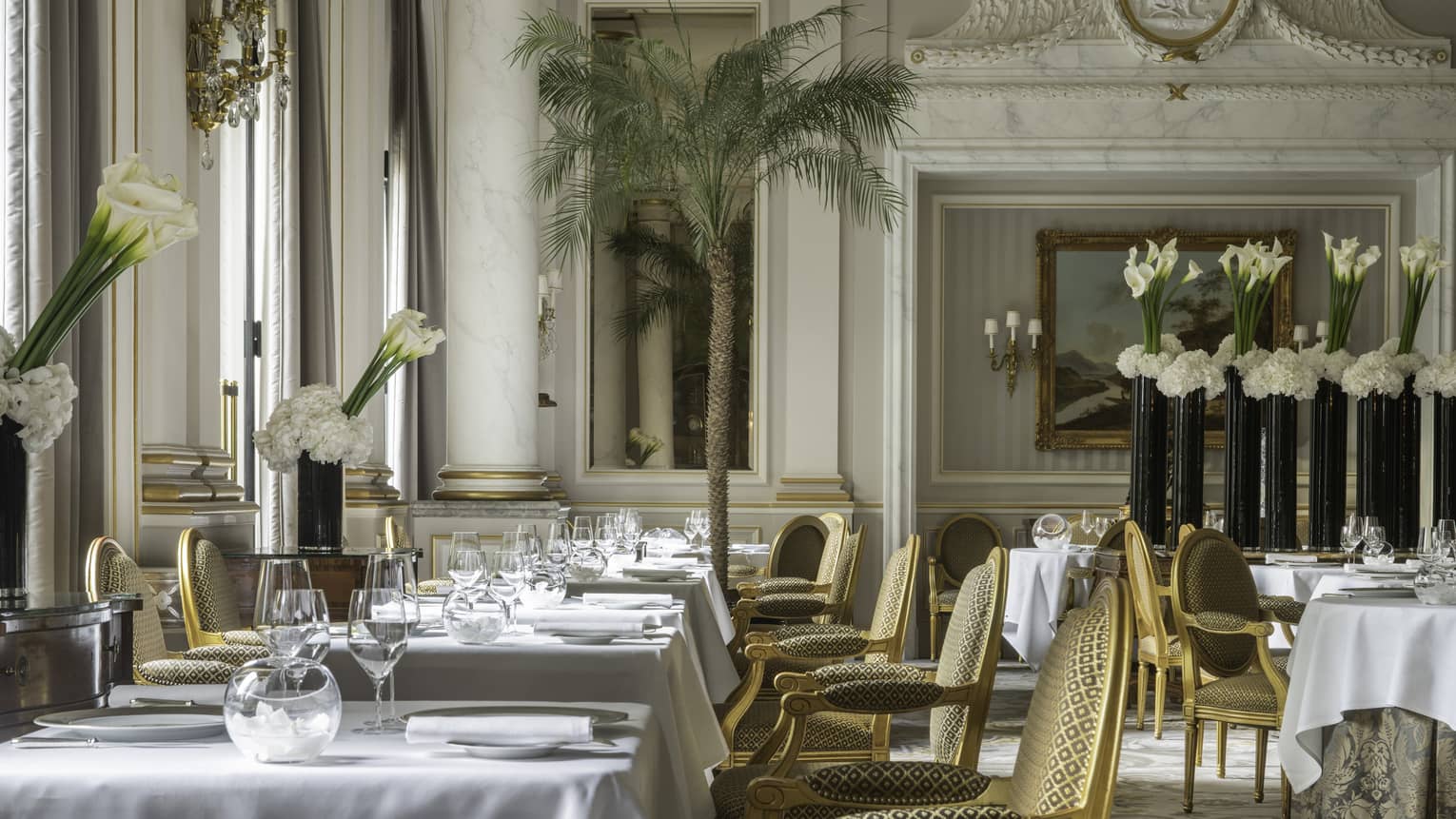

Bars in Paris
Browse all →
Hotels in Paris
Browse all →



At a Glance
- Classic
- Cozy
- Elegant
- Date Night
- Casual Hangout
- Business Dinner
- Terrace
- Extensive Wine List
- Street Scene
Current opening hours
- Monday
- 12–2:15 PM, 7:30–10:15 PM
- Tuesday
- 12–2:15 PM, 7:30–10:15 PM
- Wednesday
- 12–2:15 PM, 7:30–10:15 PM
- Thursday
- 12–2:15 PM, 7:30–10:15 PM
- Friday
- 12–2:15 PM, 7:30–10:15 PM
- Saturday
- Closed
- Sunday
- Closed
Hours can change for holidays and private events. Last verified .
Cozy bistro with wood-paneled walls, neon ceiling lights, and a quiet terrace.