On a quiet stretch of the 15th arrondissement, La Véraison occupies the kind of address that rewards those who look past the well-trodden tourist circuits. The name, borrowed from the moment grapes change colour on the vine, signals an alignment with seasonal rhythm and natural process that runs through the kitchen's approach. This is neighbourhood dining with a considered environmental conscience, sitting well outside the Michelin-gilded avenues of the 8th.
Pearl is the En Primeur Club membership app — saves, bookings, and concierge access live there. Same editors, same standards.
- Address
- 64 Rue de la Croix Nivert, 75015 Paris, France
- Phone
- +33145323939
- Website
- laveraison.fr
- Directions
- Get directions
 Saves & bookings on Pearl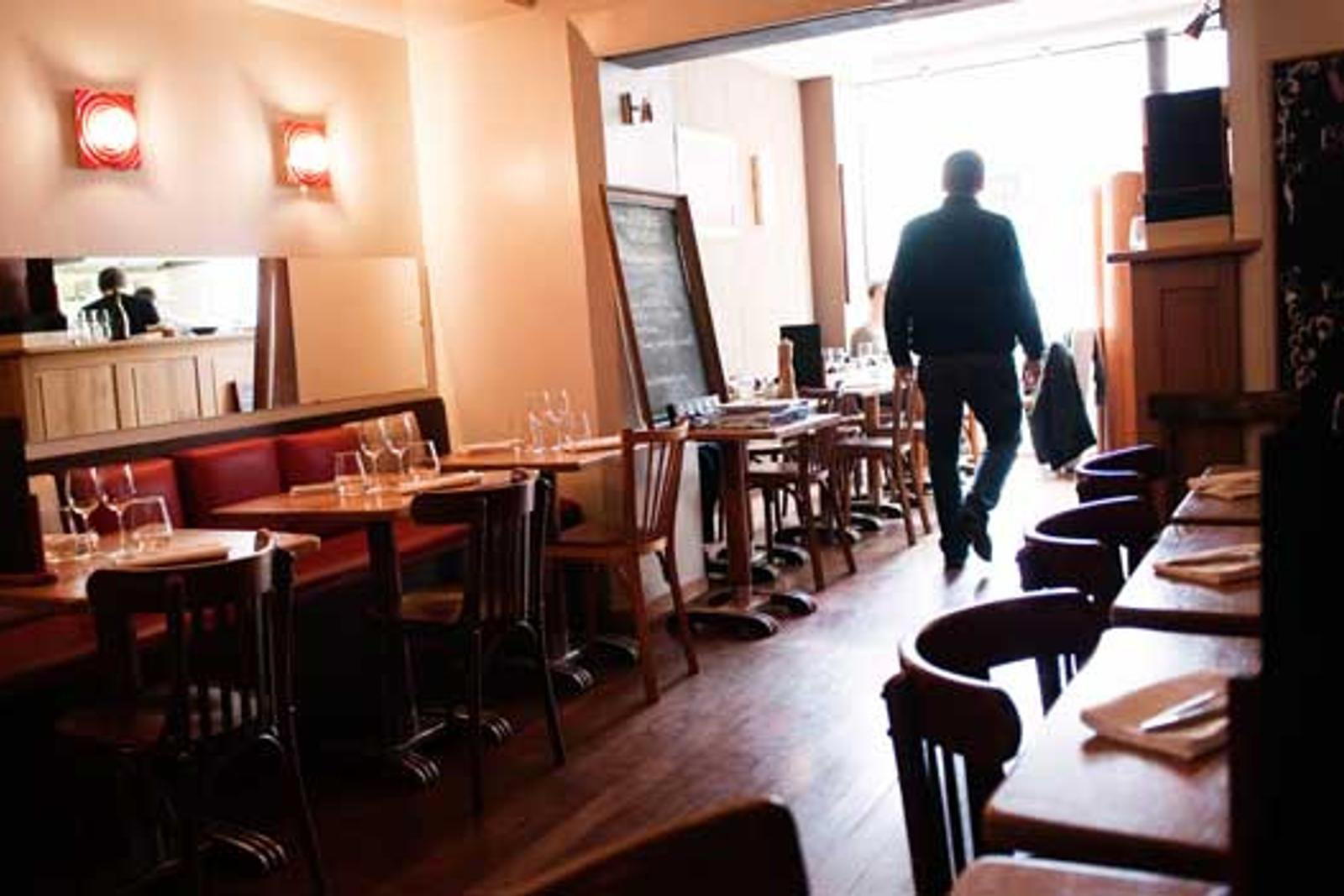
The 15th and the Case for Eating Outside the Circuit
La Véraison is a restaurant in Paris's 15th arrondissement at 64 Rue de la Croix Nivert,175 reviews and an average spend of about $45 per person. Paris has spent the better part of two decades sorting itself into a two-tier dining structure: the grand addresses of the 1st, 8th, and 16th arrondissements, where tables at restaurants like Alléno Paris au Pavillon Ledoyen, L'Ambroisie, and Le Cinq at the Four Seasons George V command four-figure spend for two; and the rest of the city, where serious cooking often happens with considerably less ceremony. The 15th arrondissement has long belonged to the second category. It is the largest arrondissement in Paris by population, dense with long-term residents and a working neighbourhood culture that resists the drift toward performative luxury. Restaurants here answer to regulars, not to a parade of visiting tables chasing recognition.
La Véraison, at 64 Rue de la Croix Nivert, sits within this context. The name itself is a deliberate marker: véraison is the viticultural term for the point in the growing cycle when grapes shift from green to their final colour, a signal of ripening that is entirely dependent on season, terroir, and patience. It is not a word you reach for if your reference points are the conventional Parisian brasserie register. It belongs to the vocabulary of growers, of people who think in annual cycles rather than quarterly menus.
Sustainability as Structure, Not Decoration
Across French fine dining, the conversation around environmental responsibility has split clearly along practical lines. At the summit end of the market, houses like Mirazur in Menton have built biodynamic kitchen gardens into their identity, while Bras in Laguiole has spent decades building relationships with producers across the Aubrac plateau in a way that shapes every element of the menu. These are not gestures toward sustainability, they are structural commitments that determine what appears on the plate and when. The more interesting question, for a neighbourhood restaurant operating without the capital reserves of a destination address, is how that same discipline gets applied at a different scale.
La Véraison's name suggests the answer lies in seasonality enforced rather than seasonality performed. When a kitchen orients itself around a viticultural metaphor for readiness, for the moment something is actually ready, not merely available, it sets a different relationship with suppliers. Short supply chains, produce at genuine peak, and a resistance to substituting imported alternatives when local options are out of season: these are the operational markers of a kitchen that takes the environmental framing seriously. They are also the markers that produce particularly coherent plates, because the ingredient carries its own argument.
This connects the restaurant to a lineage of French cooking that runs through the regions more than through the capital. Flocons de Sel in Megève, Auberge de l'Ill in Illhaeusern, and Auberge du Vieux Puits in Fontjoncouse each built their identities around a specific territory and the produce that territory makes available at specific times. A Paris neighbourhood restaurant cannot replicate that model directly, but it can apply the same underlying logic: menu as document of what is genuinely in season, rather than menu as fixed canvas onto which seasonal touches are applied.
Where the 15th Sits in the Broader Paris Dining Map
For visitors whose Paris dining reference points are concentrated in the grands quartiers, the 15th requires a recalibration of expectations in the right direction. This is not about accepting less, it is about engaging with a different kind of restaurant culture, one closer to how Parisians who are not in the hospitality industry actually eat. The comparable experience internationally would be finding a serious, produce-led restaurant in a residential quarter of Lyon or Bordeaux: the cooking can be as technically accomplished as anything in a more prominent postcode, but the room is quieter, the pacing is different, and the meal doesn't carry the weight of being an occasion.
Within Paris's current neighbourhood dining scene, the restaurant's address on Rue de la Croix Nivert places it within reasonable reach of the Cambronne and Commerce metro stations, making it accessible from across the city without requiring the kind of deliberate expedition that a destination in the outer arrondissements might demand. The 15th's dining culture also benefits from proximity to some of the city's better covered markets, including the Marché Grenelle, which runs twice weekly and represents exactly the kind of local supply infrastructure a produce-first kitchen relies on.
For context on the spectrum of French cooking available across the country, AM par Alexandre Mazzia in Marseille, Assiette Champenoise in Reims, Troisgros in Ouches, and Au Crocodile in Strasbourg each represent the regional tradition at its most committed. The thread connecting all of them, and connecting this corner of the 15th to that tradition, is a kitchen culture that treats the supply relationship as primary, not incidental.
What to Know Before You Go
Address: 64 Rue de la Croix Nivert, 75015 Paris. Reservations are recommended. Budget: About $45 per person. Kei or Arpège, though readers should verify current pricing directly before visiting.
- Five-Course Chef's Dinner
- Spanish Wagyu Bavette
- Duck
- Gnocchi with Snails
- Salmon Tataki
- Roasted Octopus
- Coconut Dessert
Nearby-ish Comparables
Comparable venues nearby, for context on price, style, and recognition.
| Venue | Cuisine | Price | Notes |
|---|---|---|---|
| La VéraisonThis venue — the venue you are viewing | Modern French Bistronomic | $$$ | Not listed |
| Café Max | Classic French Bistro | $$$ | Gros-Caillou |
| La Maison de l'Aubrac | Traditional French Aubrac Steakhouse | $$$ | Champs-Élysées |
| Nonos & comestibles | Modern French Brasserie & Grill | $$$ | 8th arrondissement |
| Le Buci | Traditional French Brasserie | $$$ | Saint-Germain-des-Prés |
| Esens'all | Organic French Fine Dining | $$$ | Batignolles-Monceau |
Continue exploring
More in Paris
Restaurants in Paris
Browse all →
Bars in Paris
Browse all →
Hotels in Paris
Browse all →



At a Glance
- Intimate
- Cozy
- Elegant
- Date Night
- Special Occasion
- Business Dinner
- Open Kitchen
- Private Dining
- Farm To Table
- Local Sourcing
Current opening hours
- Monday
- 12–2 PM, 7–9:30 PM
- Tuesday
- 12–2 PM, 7–9:30 PM
- Wednesday
- 12–2 PM, 7–9:30 PM
- Thursday
- 12–2 PM, 7–9:30 PM
- Friday
- 12–2 PM, 7–9:30 PM
- Saturday
- Closed
- Sunday
- Closed
Hours can change for holidays and private events. Last verified .
Intimate and warm with simple, understated décor that emphasizes the culinary experience; open kitchen provides visual engagement and a sense of authenticity.