Our verdict
Oh Vin Dieu serves Traditional French Bistro cooking at 19 Rue Treilhard, with oeuf mayo, ris de veau, and tête de veau; the extensive wine list suits lunch or dinner.

Pearl is the En Primeur Club membership app, where members save venues, book tables and use the concierge.

A Corner of the 8th Where Wine Does the Talking
The 8th arrondissement has long calibrated itself around formality: the grand brasserie, the Haussmann dining room, the hotel restaurant with a three-figure tasting menu. That context makes Rue Treilhard, a quiet residential street a few blocks from Parc Monceau, an instructive address. Oh Vin Dieu sits here at number 19, and its name alone signals a different register, one where the wine list is not an afterthought appended to the kitchen's ambitions but the organizing principle around which everything else arranges itself.
Across Paris, this format has consolidated into a recognizable category: the cave-à-manger, or its slightly more polished cousin, the wine-bar-that-cooks. The leading examples share a set of priorities. Curation over volume. Producer relationships over appellation prestige. Food that earns its place alongside glass pours rather than competing with them. Oh Vin Dieu operates within that tradition, in a neighborhood that more often defaults to the Michelin-validated formality of tables like Le Cinq at the Four Seasons George V or the austere grandeur of L'Ambroisie.
The Wine-Forward Format and What It Demands
A list framed around curation philosophy rather than cellar size is harder to execute than it sounds. The natural wine movement, which has reshaped how Parisian wine bars source and present bottles over the past fifteen years, has produced both serious operators and a wave of imitators who mistake lo-fi labels for editorial judgment. The credible end of that spectrum requires a buyer who can distinguish between technical fault and intentional reduction, between a grower whose minimal intervention reflects genuine terroir expression and one whose wine is simply underfinished.
Oh Vin Dieu's address in the 8th places it in interesting proximity to the city's more conventional fine-dining wine programs. Restaurants like Alléno Paris au Pavillon Ledoyen and Kei maintain deep classical cellars where Burgundy grand cru and classified Bordeaux anchor the list. The wine-bar format responds to a different demand: the guest who wants a Jura ouillé from a small-production domaine with a plate of charcuterie, not a sommelier-guided €300 pairing with twelve courses. Both are legitimate; they are not in competition so much as in parallel.
French wine culture at this level of specificity extends well beyond Paris. The regional houses that have shaped how France understands its own terroir include properties like Assiette Champenoise in Reims, where Champagne proximity informs the cellar's identity, and destinations such as Auberge de l'Ill in Illhaeusern, where Alsace's wine tradition runs through every service decision. At the opposite end of the country, Auberge du Vieux Puits in Fontjoncouse demonstrates how a kitchen-first destination can still build a list that speaks fluently to its landscape. Oh Vin Dieu's Paris context means the sourcing logic runs differently, drawing on the city's role as an aggregator of France's leading small producers rather than reflecting a single regional identity.
The Eating Side of the Equation
Wine-bar kitchens in Paris have improved materially since the early 2010s, when the format often meant a cheese board and little ambition beyond it. The current generation of operators understands that food has to hold its own. The expectation at a serious cave-à-manger now runs toward well-sourced protein, seasonal vegetables handled with some technique, and a card short enough to indicate genuine buying rather than a walk-in freezer. France's broader culture of ingredient-led cooking, visible in destination kitchens from Bras in Laguiole to Arpège in the 7th, has filtered down into the wine-bar register in useful ways.
What this means in practice: the food at Oh Vin Dieu should be read as designed to extend and complement the glass rather than to carry the meal independently. That is not a limitation so much as a design choice, and it is the right one for the format. Internationally, the same logic applies at restaurants like Le Bernardin in New York, where every element of the plate exists in service of a specific set of flavors, and at Atomix, where the pairing architecture shapes the entire experience.
Rue Treilhard in the Wider 8th Context
The 8th arrondissement is not a neighborhood traditionally associated with the relaxed, producer-driven wine culture that defines the leading cave-à-manger addresses in the 11th or the 10th. That displacement is partly what makes Oh Vin Dieu worth attention. A wine-forward address at this postcode serves a local clientele that skews toward established professional households rather than the younger, more adventurous crowd that populates the eastern arrondissements' natural wine bars. Getting the register right for that demographic, offering genuine depth without tipping into pretension, is a real editorial challenge.
France's most cited destination restaurants tend to operate in isolated or semi-rural contexts: Mirazur in Menton, Flocons de Sel in Megève, Troisgros in Ouches. A Paris wine bar operates in a different economy of attention, competing not with other destination restaurants but with thirty other good addresses within a twenty-minute walk. The advantage is density of footfall and the concentration of serious wine buyers in the city. The disadvantage is that you cannot rely on destination-travel intent to fill seats; the product has to earn return visits on its own terms.
Planning Your Visit
Oh Vin Dieu is located at 19 Rue Treilhard, 75008 Paris. The street sits in a quiet residential pocket of the 8th, accessible from several nearby Metro lines serving the Monceau and Miromesnil stations. Given the limited available data on current hours, booking policy, and pricing, visitors should confirm operational details directly with the venue before traveling. For a broader map of where Oh Vin Dieu sits within Paris's dining geography, the EP Club Paris restaurants guide covers the full range from three-Michelin-star rooms to neighborhood wine bars across every arrondissement.
Additional context from France's wider restaurant scene, including three-star kitchens such as Paul Bocuse's Auberge du Pont de Collonges and the creative end of the spectrum at AM par Alexandre Mazzia in Marseille and Au Crocodile in Strasbourg, is available through EP Club's regional guides.
Quick reference: 19 Rue Treilhard, 75008 Paris.
Frequently asked questions
What should I eat at Oh Vin Dieu?
The kitchen at Oh Vin Dieu operates within the cave-à-manger tradition, where plates are designed to pair with wine rather than to function as standalone centerpiece dishes. Expect a short, seasonally adjusted card with well-sourced ingredients. For context on what the 8th arrondissement's formal end looks like by comparison, see the EP Club coverage of Le Cinq and L'Ambroisie.
How hard is it to get a table at Oh Vin Dieu?
Booking difficulty at Paris wine bars in the 8th varies considerably by day of week and season. What the 8th's dining density does suggest is that weekend evenings at any well-regarded address in the arrondissement tend to fill faster than weekday lunches. Check current availability through the venue's own channels before planning around it.
What's the signature at Oh Vin Dieu?
The format itself is the signature. A wine-forward address on a quiet residential street in the 8th, where the list does the editorial work that a tasting menu might do elsewhere, is a defined point of view. For comparison, the Arpège approach to wine and vegetable-forward cooking in the 7th offers a useful reference point for Paris's ingredient-led registers.
What if I have allergies at Oh Vin Dieu?
In Paris generally, wine-bar kitchens operate with smaller brigades than full-service restaurants, which can mean less flexibility on substitutions at peak service. Communicating requirements in advance is particularly important in this format. For broader Paris planning, the EP Club Paris guide covers venues with confirmed contact details.
Is Oh Vin Dieu worth the price?
Within the Paris cave-à-manger category, pricing typically runs well below the €€€€ tier occupied by the 8th's Michelin-starred rooms such as Alléno Paris and Kei, making the format accessible relative to the neighborhood's formal options. Value in a wine-bar context is largely a function of list curation and glass-pour quality, which we recommend assessing on arrival.
Does Oh Vin Dieu work as a destination for serious wine drinkers visiting Paris specifically for the cellar?
The 8th arrondissement is not the traditional circuit for Paris's natural wine crowd, who tend to concentrate their itineraries in the 11th, 10th, and 18th. But a wine bar at this postcode serves a real function for travelers staying in the western arrondissements who want producer-led pours without crossing the city. The name itself signals a wine-first identity, and the Rue Treilhard address suggests a neighborhood-rooted operation rather than a tourist-facing concept. For serious wine travelers, the EP Club Paris guide maps the full range of wine-focused addresses across the city by arrondissement.
Recognition Snapshot
Comparable venues nearby, for context on price, style, and recognition.
| Venue | Cuisine | Price | Notes |
|---|---|---|---|
| Oh Vin DieuThis venue (the venue you are viewing) | Traditional French Bistro | $50–100 | Not listed |
| Nonos & comestibles | Modern French Brasserie & Grill | $50–100 | 8th arrondissement |
| Le Café des Ternes | Traditional French Brasserie | $50–100 | Ternes |
| Un jour à Peyrassol | Provençal Truffle Bistro | Not listed | Vivienne |
| La Rotonde | Classic French Brasserie | $50–100 | Montparnasse |
| Dans le Noir | Modern French Sensory Bistronomic | $50–100 | Saint-Merri |
Continue exploring
More in Paris
Restaurants in Paris
All restaurants in Paris →

Bars in Paris
All bars in Paris →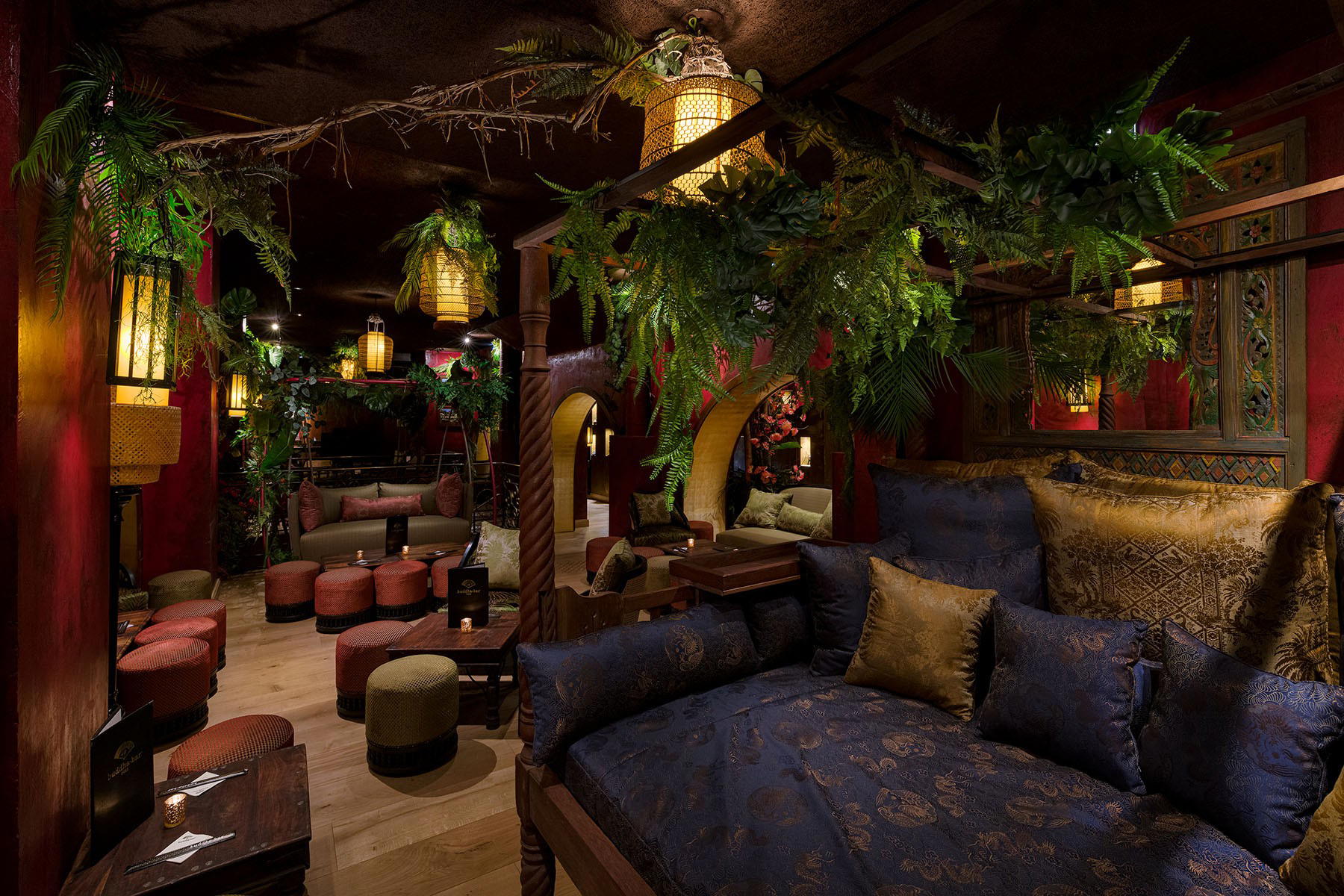
Details
- Classic
- Cozy
- Elegant
- Business Dinner
- Date Night
- Special Occasion
- Standalone
- Extensive Wine List
- A La Carte
- Wine
- Vegetarian Friendly
Current opening hours
- Monday
- 12–2 PM
- Tuesday
- 12–2 PM, 7–10 PM
- Wednesday
- 12–2 PM, 7–10 PM
- Thursday
- 12–2 PM, 7–10 PM
- Friday
- 12–2 PM
- Saturday
- Closed
- Sunday
- Closed
Hours can change for holidays and private events. Hours as of .
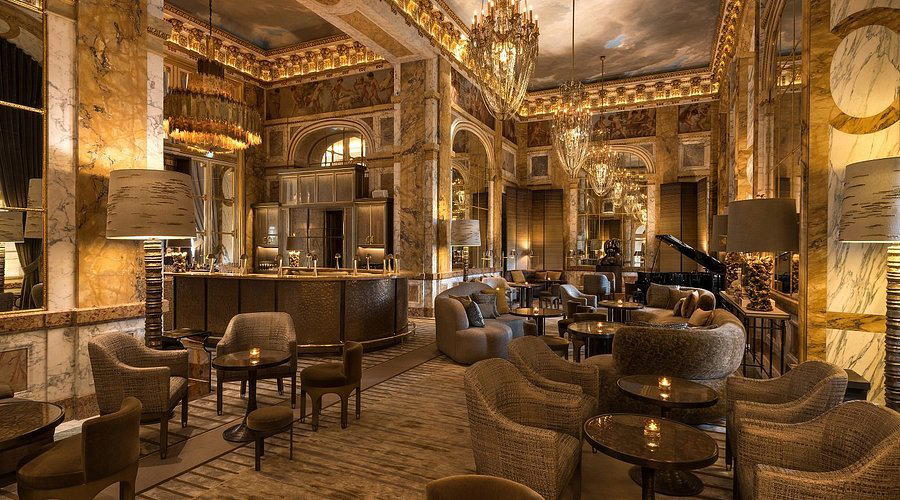
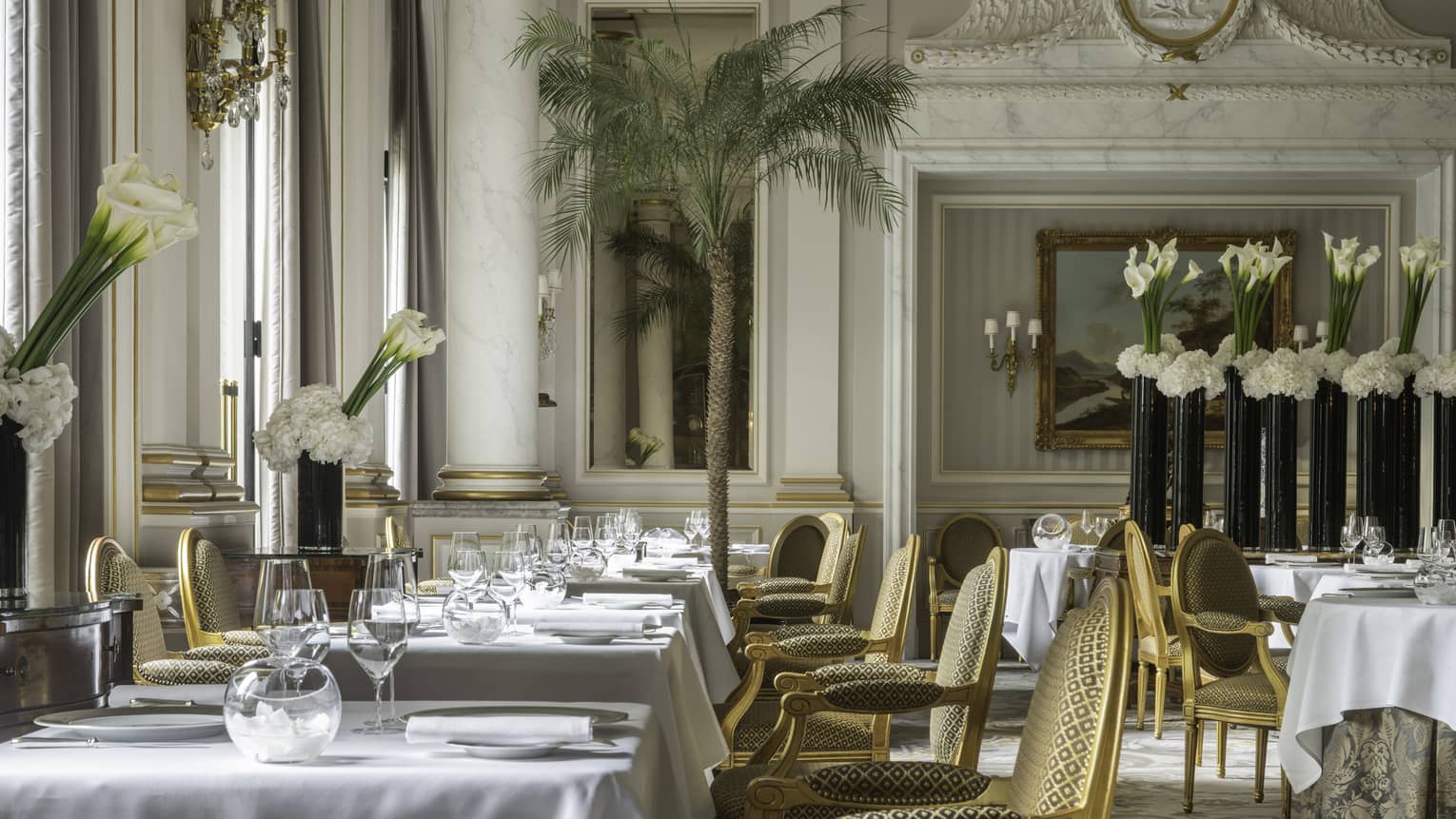
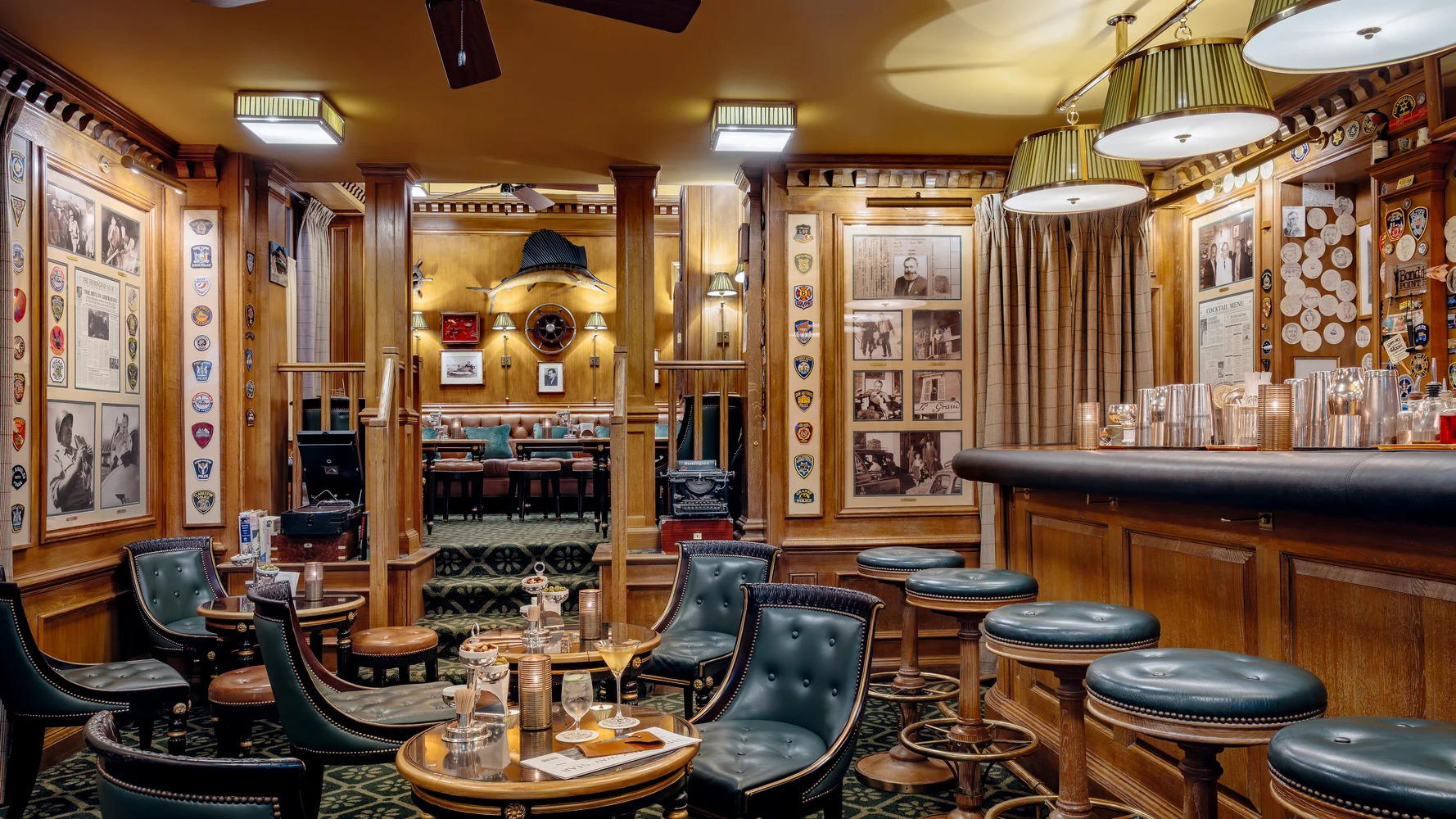
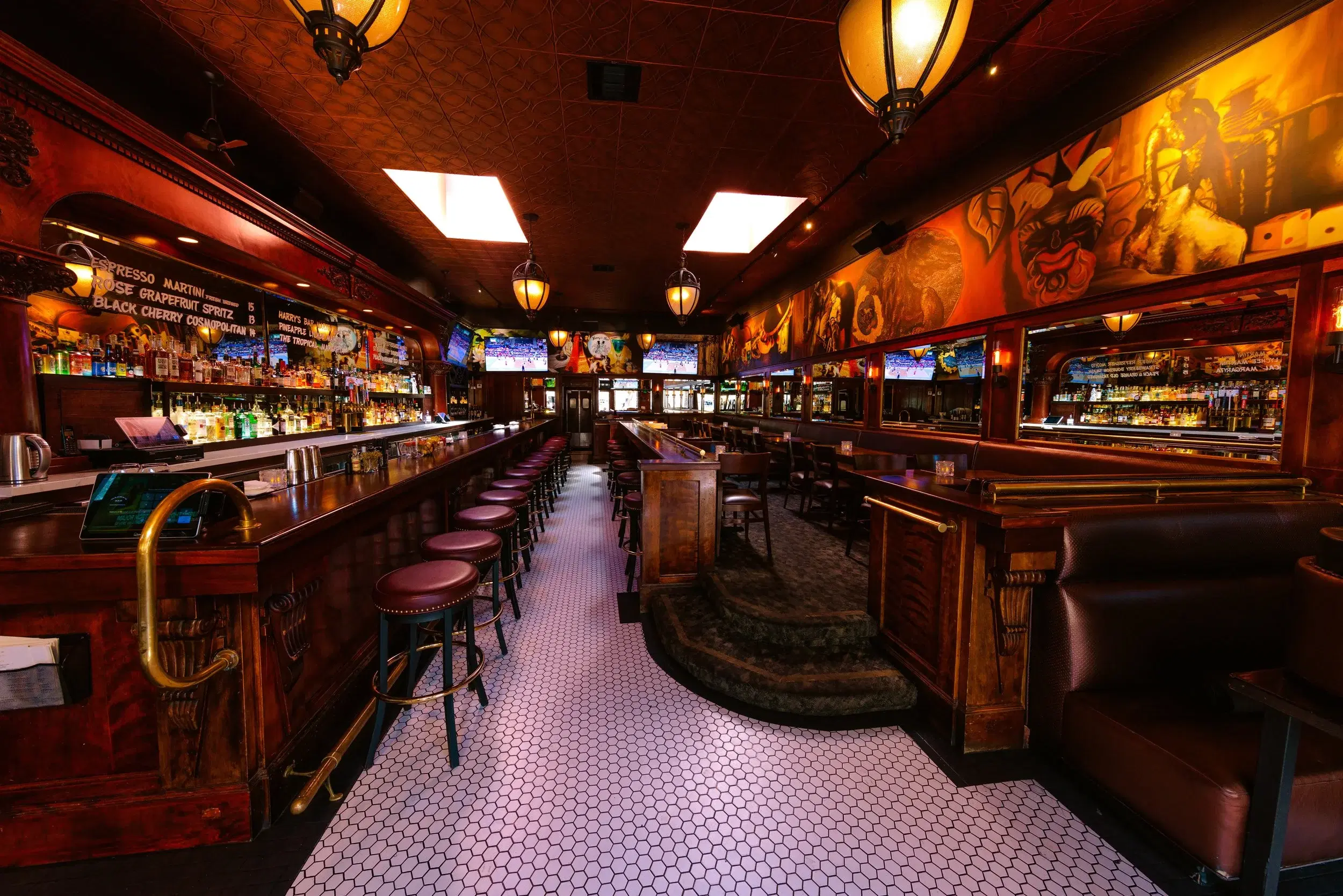
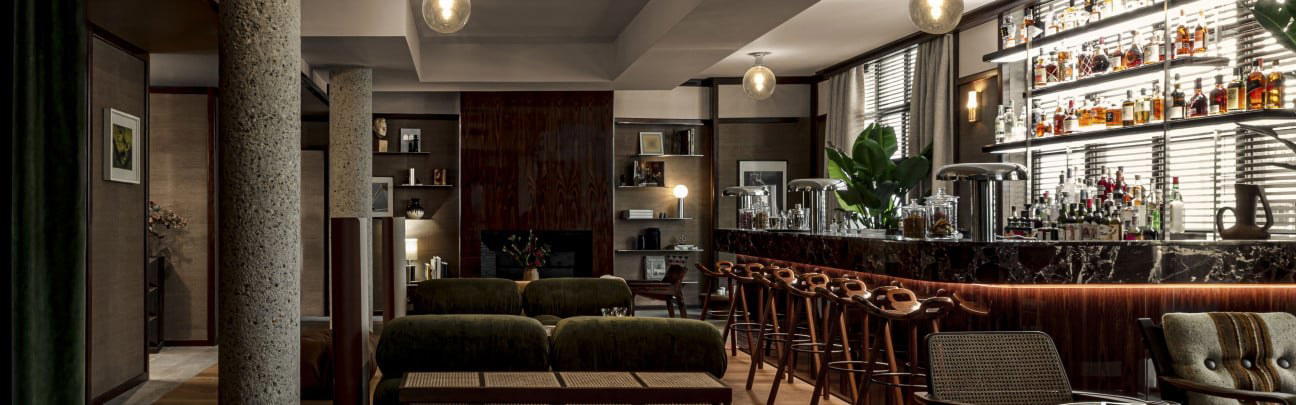
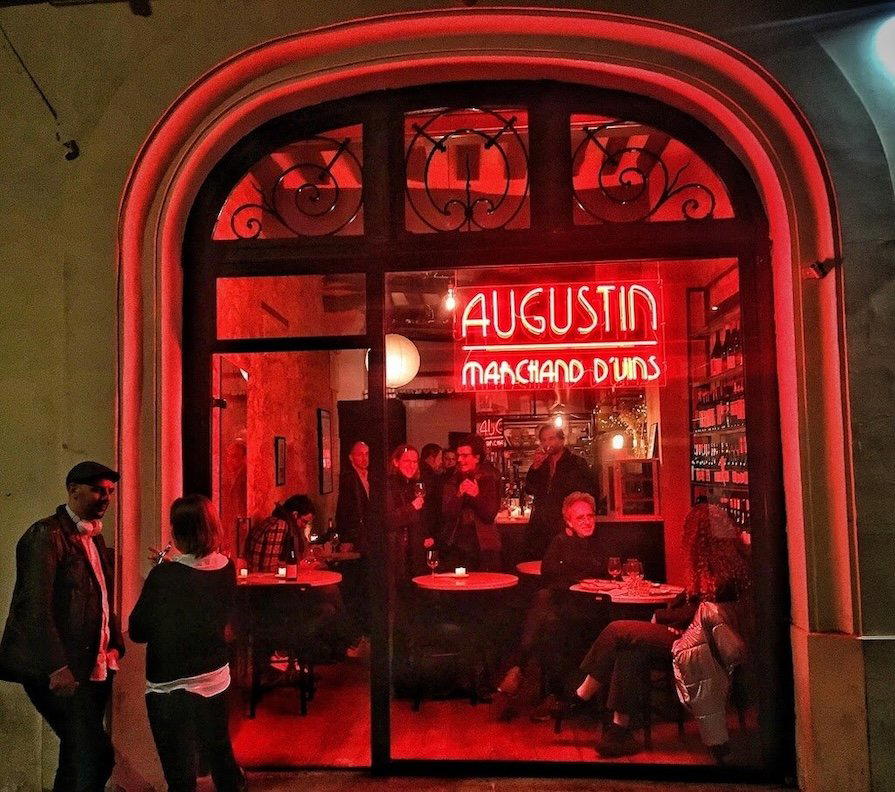
Inviting and warm with a typical bistro atmosphere, refined decor, and a lively buzz from diners.