

On a quiet stretch of Rue Gustave Flaubert in the 17th arrondissement, Bistrot Flaubert represents the kind of neighbourhood dining that Paris does better than almost anywhere: unpretentious in format, serious in execution. The address sits within a cluster of independently owned bistros that have made this pocket of the 17th a reference point for classic French cooking at a register below the city's grand restaurant tier.
Pearl is the En Primeur Club membership app — saves, bookings, and concierge access live there. Same editors, same standards.
- Address
- 10 Rue Gustave Flaubert, 75017 Paris, France
- Phone
- +33142670581
- Website
- bistrotflaubert.com
- Directions
- Get directions
 Saves & bookings on Pearl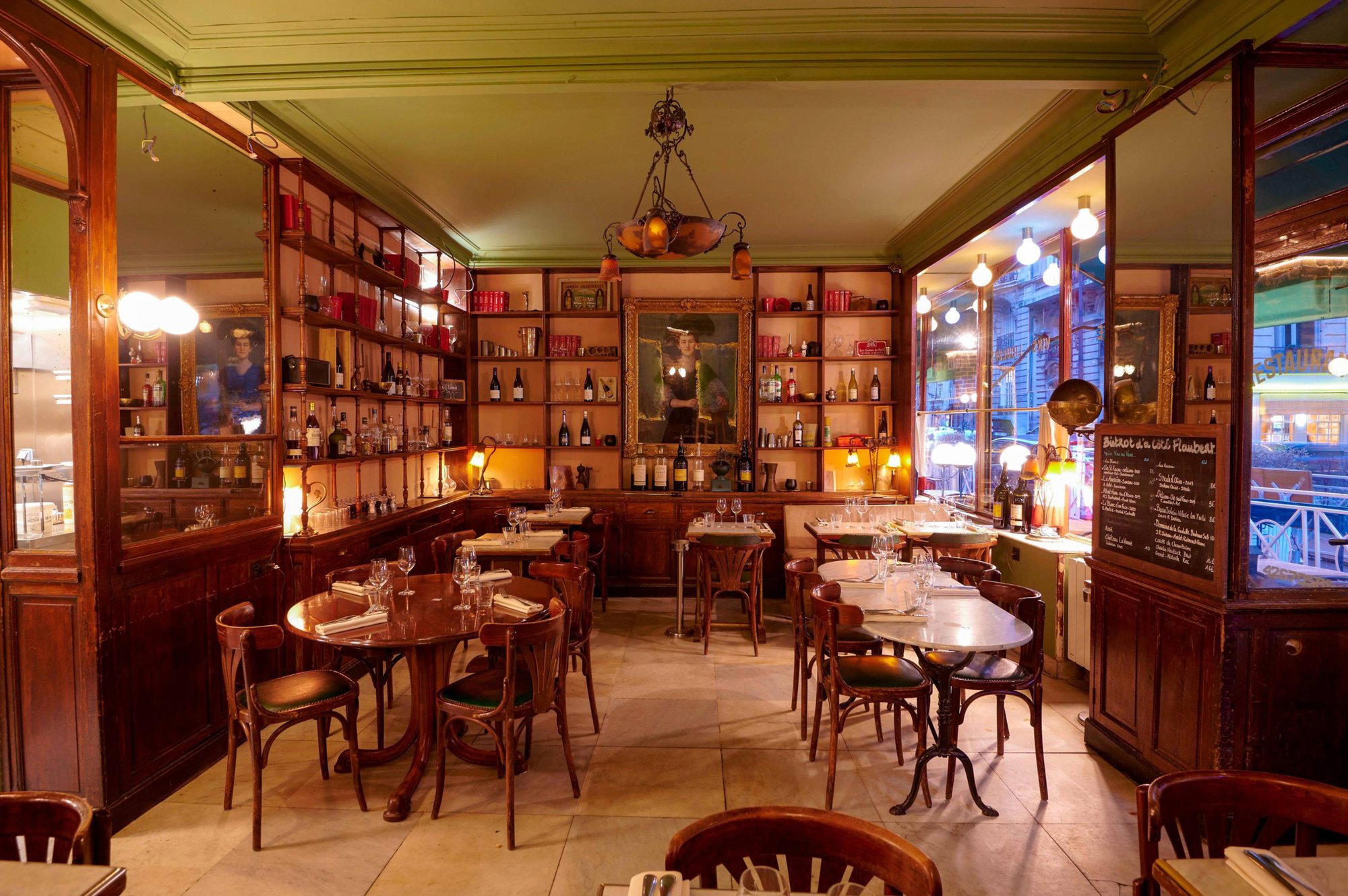
A Room That Earns Its Name
The 17th arrondissement operates at a different register from the trophy-restaurant circuits of the 8th or the self-consciously cool dining rooms of the 11th. Rue Gustave Flaubert, where Bistrot Flaubert sits at number 10, belongs to a pocket of the arrondissement that has attracted a cluster of independently run tables over the past two decades, enough to give the street a quiet identity of its own. This is not the Paris of grand salons and white-glove service. It is the Paris of tightly spaced tables, hand-written specials boards, and the kind of room that looks exactly like a bistro because it was built to be one.
The physical space matters here more than it might in a larger venue. French bistro architecture follows a recognisable grammar: banquette seating along the walls, mirrors that double the apparent depth of a narrow room, zinc or wood bar surfaces near the entrance, lighting warm enough to obscure the ceiling. When a room follows this grammar without affectation, the result is an environment that feels less like a designed experience and more like an accumulated fact. Bistrot Flaubert reads that way: the space communicates its purpose before any food arrives.
That sense of spatial honesty connects to a broader shift in how Paris's mid-tier dining has repositioned itself over the past fifteen years. As the city's leading end moved toward increasingly formal tasting formats at addresses like Alléno Paris au Pavillon Ledoyen, Arpège, and Le Cinq at the Four Seasons George V, the bistro tier found renewed confidence in its own identity. The room is not trying to be somewhere else.
What the 17th Offers That the 8th Doesn't
The 17th arrondissement is one of Paris's more underread dining neighbourhoods at the international level, even though it has sustained a number of serious independent addresses for years. Its residential density means that the audience is largely local, which tends to keep format discipline intact: menus stay seasonal because regulars notice when they don't, and pricing stays honest because the neighbourhood provides no tourist premium to absorb inflated margins.
This is the context in which Bistrot Flaubert operates. The competitive set here is not Kei or L'Ambroisie, those are different conversations for different budgets. The peer group is the neighbourhood bistro of sustained quality: places where the carte changes with the market, the wine list leans toward the Loire and the Rhône rather than prestige Bordeaux, and the measure of a successful evening is a room that fills without a reservation book that stretches three months ahead. France's broader tradition of regional bistro cooking, from the kitchens of Auberge du Vieux Puits in the south to Auberge de l'Ill in Alsace, feeds a shared DNA that Paris's neighbourhood addresses draw on without needing to name.
The Space as Argument
There is a design argument embedded in a well-maintained classic bistro interior that does not get made often enough. The banquette format, which places diners along a wall with chairs opposite, produces a particular social dynamic: you see the room, your companion sees you against the room, and the result is a dining experience that is inherently more theatrical than a table in the centre of a space. Conversation carries differently. The proximity of neighbouring tables is not an accident but a feature, one that sets the social temperature of the room before any food arrives.
French bistro rooms of this type also carry a particular acoustic signature. Hard surfaces, bare floors, and the absence of acoustic panelling produce an ambient noise level that is high enough to feel alive without crossing into the territory where conversation requires effort. This is a calibrated environment even when it looks uncalibrated, a point that becomes clearer when you compare it against the deliberately hushed rooms of L'Ambroisie on Place des Vosges, where silence is itself a form of ceremony.
The bistro format, at its functional core, is about throughput and warmth in the same measure. Tables turn, but not so quickly that the room feels like a machine. The physical container of Bistrot Flaubert is built around that balance, which is why the address works as a neighbourhood anchor rather than a destination pull.
French Cooking at the Bistro Register
Classic French bistro cooking in Paris draws from a different tradition than the haute cuisine that drives the city's international reputation. Addresses like Paul Bocuse's Auberge du Pont de Collonges or Bras in Laguiole operate as monuments to a certain idea of French cooking as high art. The bistro operates from a different premise: that good cooking does not require ceremony to communicate itself, and that the pleasure of a well-made dish is not diminished by an informal room.
That tradition has produced some of France's most enduring cooking. Les Prés d'Eugénie in Eugénie-les-Bains and Georges Blanc in Vonnas represent the point where bistro warmth meets formal ambition, but most of the country's leading everyday cooking happens at a register well below that. The 17th's cluster of neighbourhood addresses, the restaurant among them, sits in that everyday register without apology.
For visitors moving between Paris and the wider French dining circuit, addresses like Flocons de Sel in Megève, Mirazur in Menton, or Troisgros in Ouches represent the country's leading creative tier. Paris's neighbourhood bistros represent something different: the cooking that most French people actually eat, cooked with the discipline that comes from a local audience who will return next week and notice if standards slip.
International comparisons point in a similar direction. Le Bernardin in New York demonstrates what French technical training produces at the highest level in a non-French city; Lazy Bear in San Francisco shows how the communal dining format can be repositioned as a premium experience. The restaurant is neither of those things. It is, in precise sense, a Paris bistro: a specific format with a specific tradition, operating in a specific neighbourhood, for a specific audience.
Planning Your Visit
The address is 10 Rue Gustave Flaubert in the 17th arrondissement. Reservations are recommended. Dress code: smart casual. Price: about $50 per person.
Comparable Venues
Comparable venues nearby, for context on price, style, and recognition.
| Venue | Cuisine | Price | Notes |
|---|---|---|---|
| Bistrot FlaubertThis venue — the venue you are viewing | Modern French Bistro | $$$ | Not listed |
| Beaucour à la folie | French Brasserie | $$$ | Paris 8 |
| Esens'all | Organic French Fine Dining | $$$ | Batignolles-Monceau |
| Nonos & comestibles | Modern French Brasserie & Grill | $$$ | 8th arrondissement |
| Le Moulin de la Galette | Traditional French Bistro | $$$ | Montmartre |
| Bistrot Vivienne | Classic French Bistro | $$$ | 2nd arrondissement |
Recognition history
Dated appearances from independent guides and award organizations, with the underlying list record or original source where available.
Michelin Plate
Michelin
Relais Chateaux Award
Relais Chateaux
Continue exploring
More in Paris
Restaurants in Paris
Browse all →
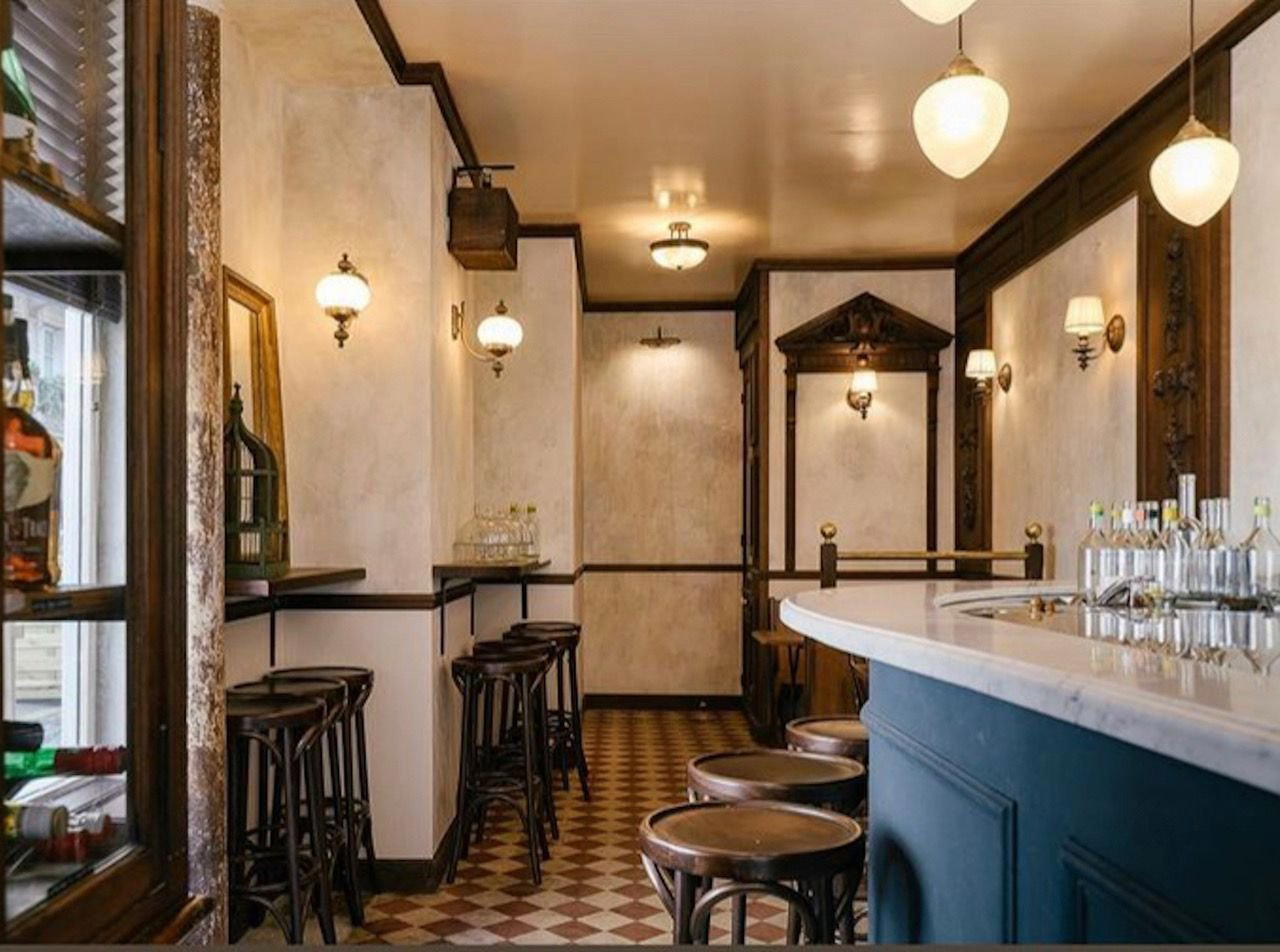
Bars in Paris
Browse all →
Hotels in Paris
Browse all →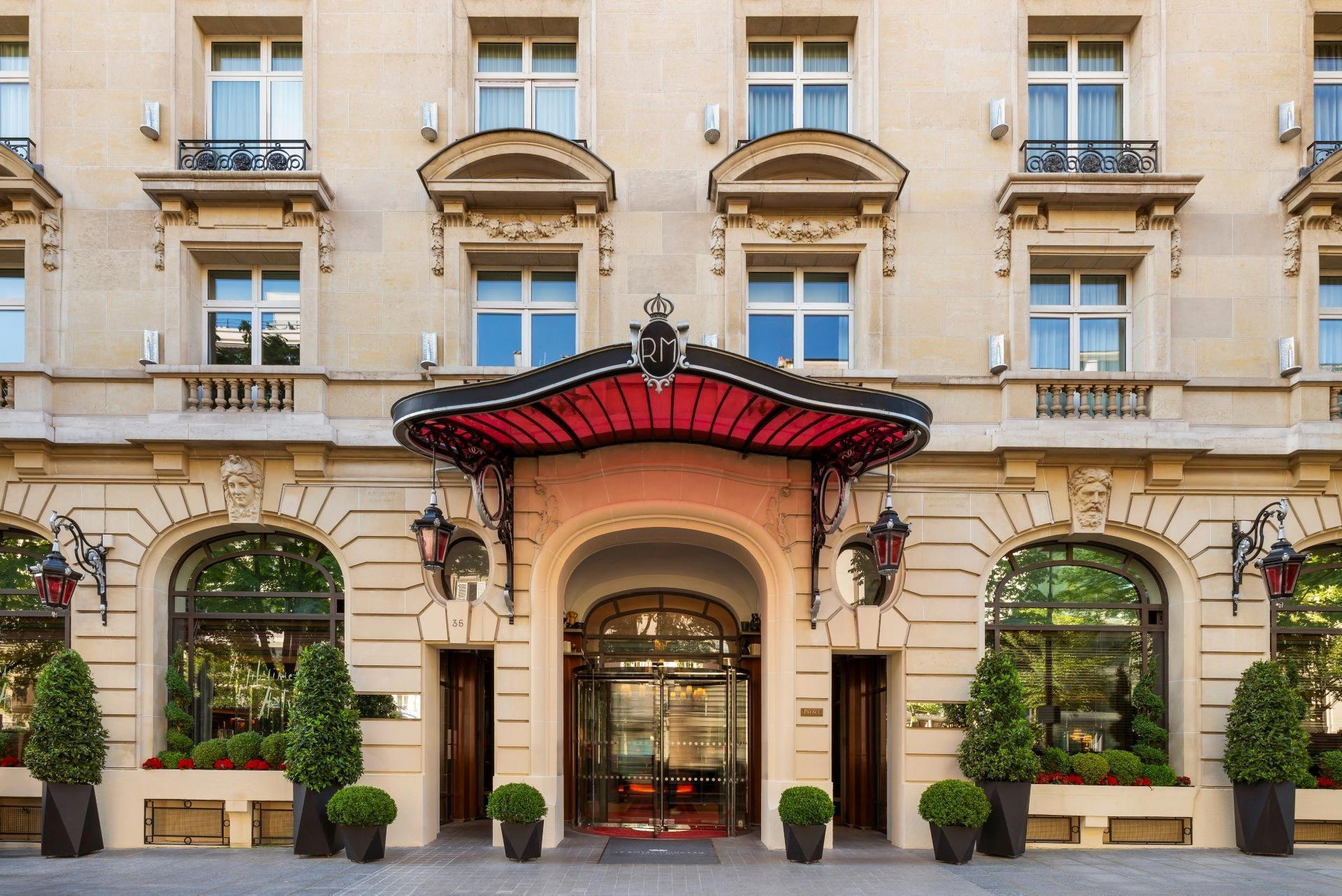



At a Glance
- Cozy
- Classic
- Elegant
- Intimate
- Sophisticated
- Business Dinner
- Date Night
- Special Occasion
- Historic Building
- Extensive Wine List
Current opening hours
- Monday
- 12–1:30 PM, 7–9:30 PM
- Tuesday
- 12–1:30 PM, 7–9:30 PM
- Wednesday
- 12–1:30 PM, 7–9:30 PM
- Thursday
- 12–1:30 PM, 7–9:30 PM
- Friday
- 12–1:30 PM, 7–9:30 PM
- Saturday
- Closed
- Sunday
- Closed
Hours can change for holidays and private events. Last verified .
Charming Art Nouveau setting in a refreshed former épicerie, cozy and nostalgic with wooden shelves of wines and vintage Michelin guides.