
Inari gives Arles a sharper French-Vietnamese register than the city’s bistro-heavy default, with vegetables and Provençal produce carrying much of the argument. Michelin Plate recognition in 2025, Céline Pham’s Paris background, and a concise natural-wine list place it in the city’s more serious contemporary dining tier without turning the room into a formal tasting-menu theatre.
Pearl is the En Primeur Club membership app — saves, bookings, and concierge access live there. Same editors, same standards.
- Address
- 16 Pl. Voltaire, 13200 Arles, France
- Phone
- +33 9 82 27 28 33
- Website
- inari-arles.com
- Directions
- Get directions
 Saves & bookings on Pearl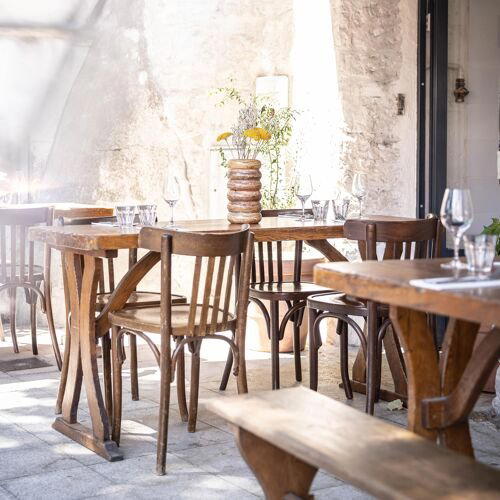
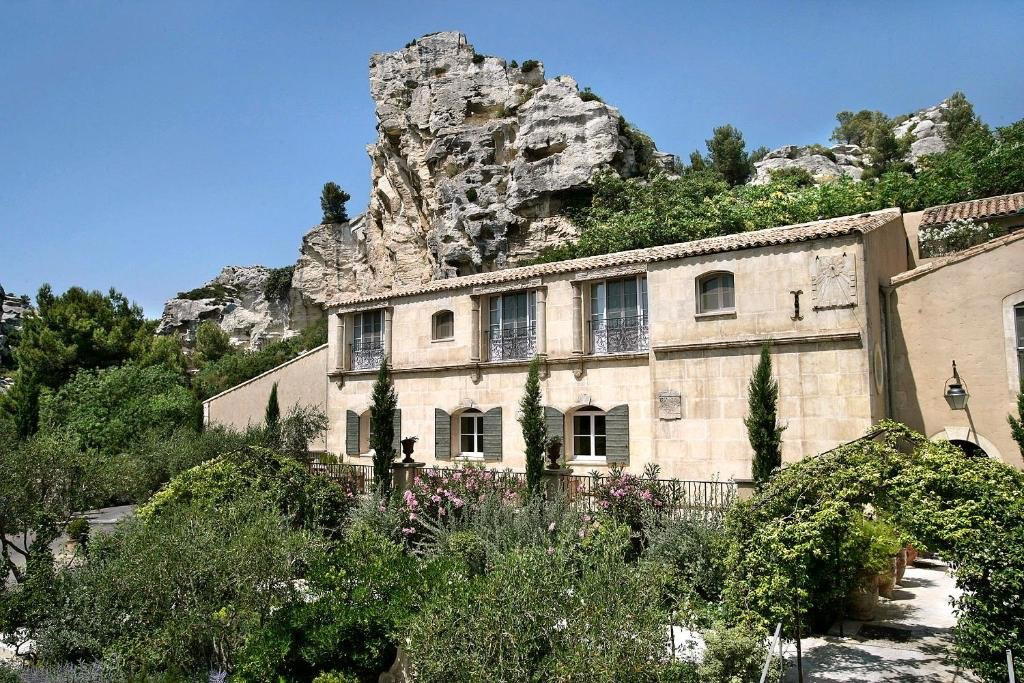
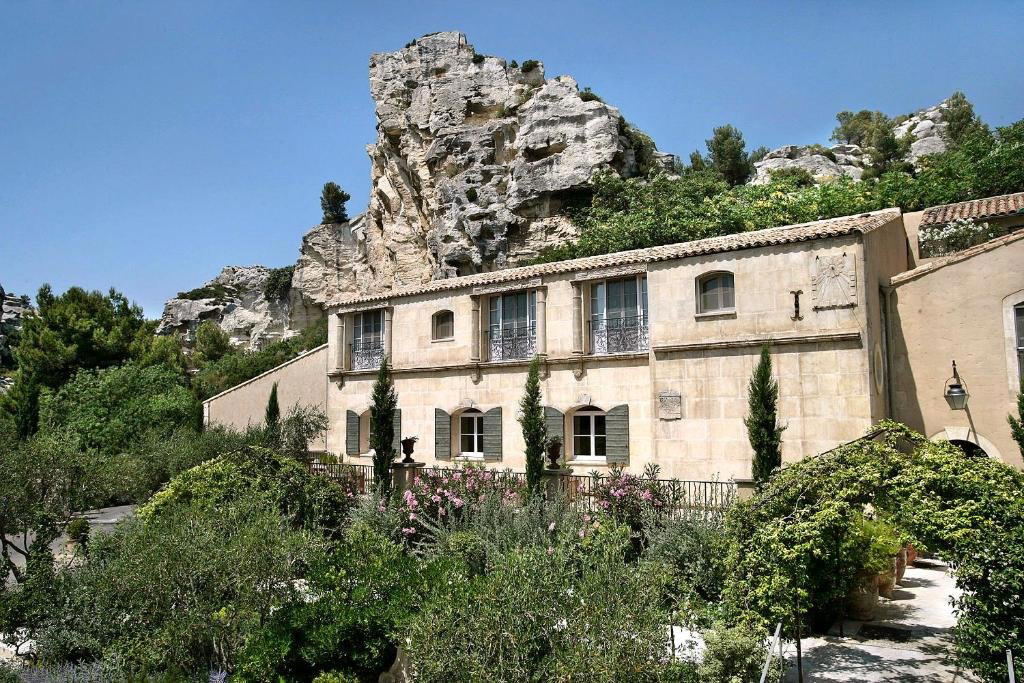
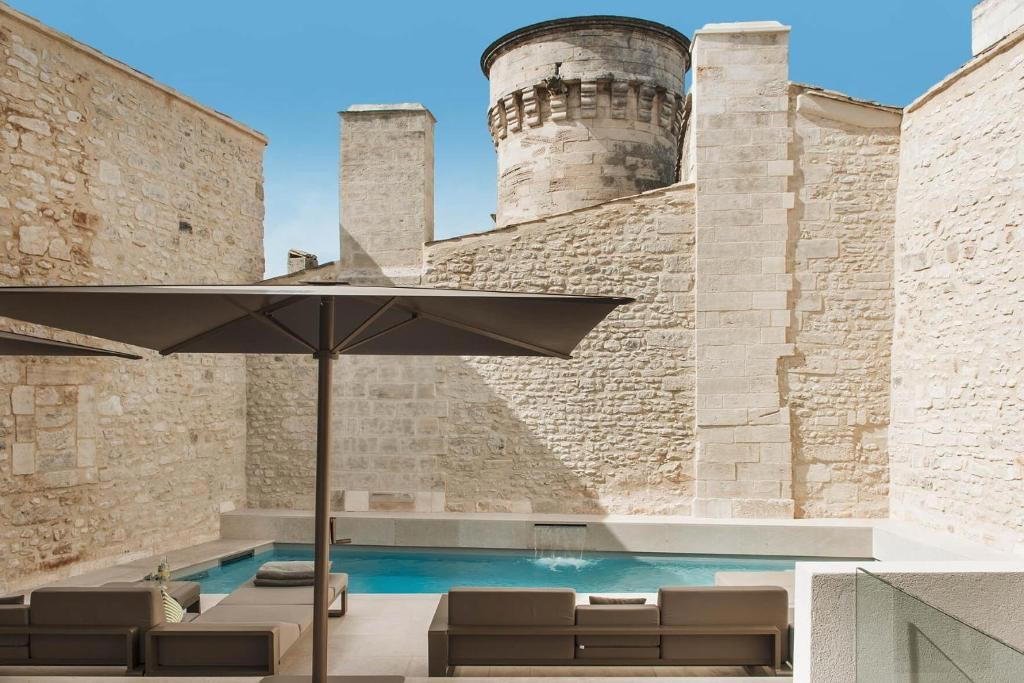
The first cue is architectural, not culinary: a former chapel in Arles, recast with a vintage interior rather than solemn restaurant polish. The room sets up the cooking’s tension. In a city where Provençal habits often lean on market familiarity, Inari uses a different grammar, folding French technique into Vietnamese inflection and treating vegetables as structure, not garnish.
Arles has never needed to imitate Paris to eat well. Its stronger restaurants draw on proximity: local grains, Mediterranean fish, olive oil, garrigue herbs, summer tomatoes, courgettes, and the practical intelligence of southern kitchens. The sharper question is what happens when that produce meets a chef with an emblematic Paris restaurant résumé and pop-up-trained mobility. Inari makes fusion feel less like a label than a sourcing decision: what grows nearby, what can take acidity, and what benefits from broth, herbs, fermentation, or heat.
French-Vietnamese cooking built around Arles produce
Fusion fails when it treats two cuisines as decorative mash-up. The stronger version starts with ingredients and asks which technique clarifies them. Inari sits there. Michelin’s 2025 Plate recognition notes Céline Pham’s background in emblematic Parisian restaurants, but the useful point is not biography alone. That experience helps frame a style of French dining that values vegetables, natural wine, looser service codes, and global seasoning without abandoning technique.
That context explains the cooking. A cited example, red mullet with spelt bread, confit tomato, red-mullet stock with garrigue oil, yellow courgettes, and chrysanthemums, reads as a compact thesis on place. Fish and tomato speak to the South; stock and oil give structure; courgettes and flowers prevent a conventional Mediterranean composition. This is not French food with a Vietnamese garnish, but French-Vietnamese cooking using Provençal materials as its base layer.
Vegetables are central, a meaningful signal in Arles. Regional dining can often anchor plates with animal protein and let market vegetables decorate. Inari’s recognition points to vegetables often taking command, aligning it with contemporary French produce-led cooking that is not presented as vegetarian ideology. The restaurant is best understood through season and supply, not fixed signatures.
The natural-wine list adds another clue. Concision helps when cooking moves between marine stock, garrigue aromatics, herbs, acidity, and spice. A long cellar is not automatically useful here; a shorter list with a clear point of view can better serve food carrying several registers at once.
Where it sits in the Arles dining conversation
Arles dining has several identities: market-town Provence, cultural-visit traffic, hotel dining, and a growing appetite for contemporary rooms that do not feel imported wholesale from the capital. Inari belongs to the last group. It is not competing with traditional addresses on nostalgia or turning dinner into a grand formal occasion. Its place is the modern, ingredient-led restaurant where value lies in point of view, sourcing, and editing.
Within Arles, that puts it beside contemporary and produce-conscious tables rather than purely classic bistros. Readers mapping meals across the city might compare the mood against other Arles dining rooms, from relaxed local addresses to more modern kitchens. The distinction is the French-Vietnamese lens: not minor seasoning, but the kitchen’s organizing logic.
The Michelin Plate signals professional attention without the expectations of starred dining. That is often Arles’s sweet spot: one serious dinner without surrendering the evening to ceremony. The Plate places Inari in a credible national conversation around contemporary French cooking, while the room and ingredients keep it anchored in Arles, not generic metropolitan style.
Compared with permitted Arles peers, the positioning is disciplined. Le Verre à Soie, Cercle Rouge, Couleurs de Shimatani, L’Eixida, and Pocavergonya offer useful context for planning, but these comparisons are less ranking than warning: fusion and contemporary cooking span many moods. Inari narrows the term into something legible: French technique, Vietnamese reference points, southern French ingredients, and natural wine.
How to fold it into an Arles trip
Inari works as the contemporary dinner in an Arles itinerary built on contrast. Keep a more traditional Provençal meal elsewhere, then use this table to see how the city’s produce behaves under different assumptions. That contrast reveals more than booking several restaurants rehearsing the same regional vocabulary.
The setting suits Arles’s rhythm. The city rewards walking, slow looking, and meals that need not shout over the day’s architecture. A former chapel with vintage treatment gives built-in place, but the cooking is not nostalgic. That is the reason to book: the surroundings acknowledge old Arles, while the plate argues for a current, outward-looking southern French dining.
For broader planning, place it alongside our full Arles restaurants guide, then build the rest of the trip with our full Arles hotels guide, full Arles bars guide, full Arles wineries guide, and full Arles experiences guide. Travellers comparing contemporary French or fusion cooking beyond Arles can also look more broadly at unnamed dining rooms with a similar interest in cross-cultural technique, produce-led menus, and concise wine programs.
The editorial read is clear: choose Inari when the point is not simply to eat in Arles, but to understand how Arles ingredients move through a French-Vietnamese kitchen. Its strength is specificity: a chapel room, Michelin Plate recognition, a vegetable-forward register, concise natural-wine list, and a chef whose Paris experience supports the cooking without becoming the story.
Fast Comparison
Comparable venues by cuisine and price in the same metro.
| Venue | Cuisine | Price | Awards | Notes |
|---|---|---|---|---|
| InariThis venue — the venue you are viewing | French-Vietnamese Fusion | $$$$ | Michelin Plate | Not listed |
| Chardon | Modern French Chef-in-Residence Bistro | $$$ | Michelin Plate | Centre Historique |
| Drum Café | Mediterranean Fusion Bistro | $$$ | Michelin Plate | Parc des Ateliers |
| Les Maisons Rabanel | Greenstronomie (Vegetal Fine Dining) | $$$$ | Michelin Plate | vieille ville |
| Gaudina | Provençal Bistro | $$$ | Not listed | Arles City Center |
| Le Seize | Modern French Bistro | $$$ | Michelin Plate | centre historique |
Recognition history
Dated appearances from independent guides and award organizations, with the underlying list record or original source where available.
Michelin Plate
Michelin
Michelin Plate
Michelin
Continue exploring
More in Arles
Restaurants in Arles
Browse all →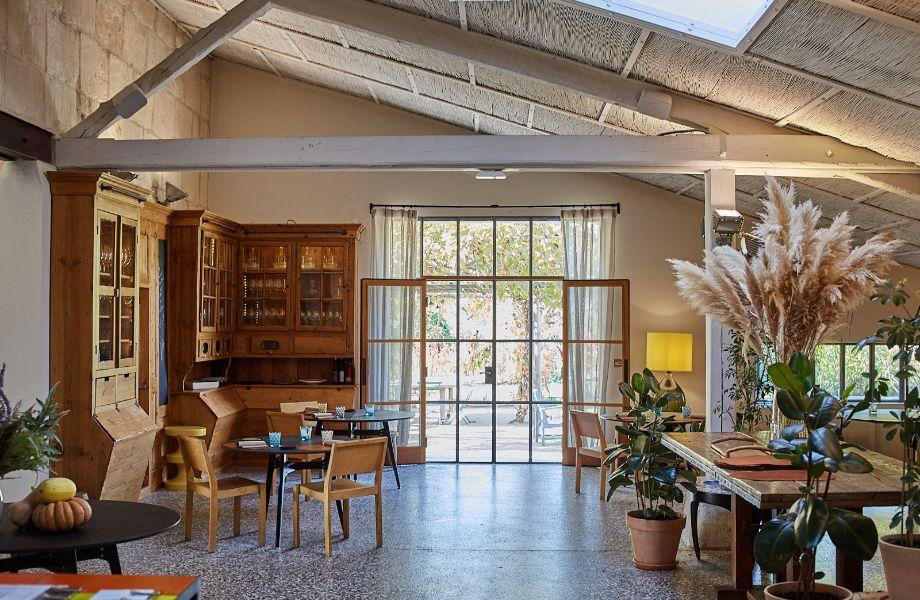
Bars in Arles
Browse all →
Hotels in Arles
Browse all →
At a Glance
- Intimate
- Elegant
- Rustic
- Sophisticated
- Date Night
- Special Occasion
- Historic Building
- Natural Wine
Intimate upstairs setting with beautiful presentation and attentive service in a vintage chapel atmosphere.