Le Moulin à Huile
Set along the Ouvèze river in Vaison-la-Romaine, Le Moulin à Huile occupies a restored oil mill that anchors one of Provence's most historically layered dining addresses. The kitchen draws on the deep larder of the Vaucluse, positioning the restaurant within a regional tradition that values seasonal produce, local olive oil, and the slow rhythms of southern French cooking. Reservations are recommended, particularly during the summer festival season.
Pearl is the En Primeur Club membership app — saves, bookings, and concierge access live there. Same editors, same standards.
- Address
- 1 Quai Maréchal Foch, Rte de Malaucène, 84110 Vaison-la-Romaine, France
- Phone
- +33490360456
- Website
- lemoulinahuile84.fr
- Directions
- Get directions
 Saves & bookings on Pearl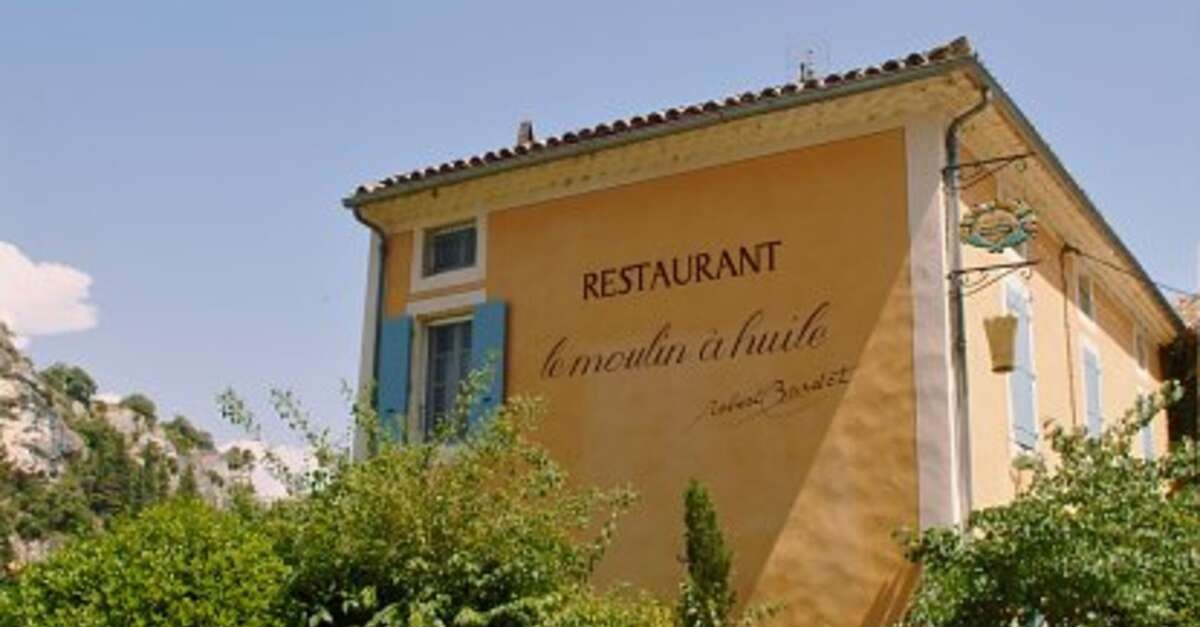
Where Provençal Cooking Meets Stone and Water
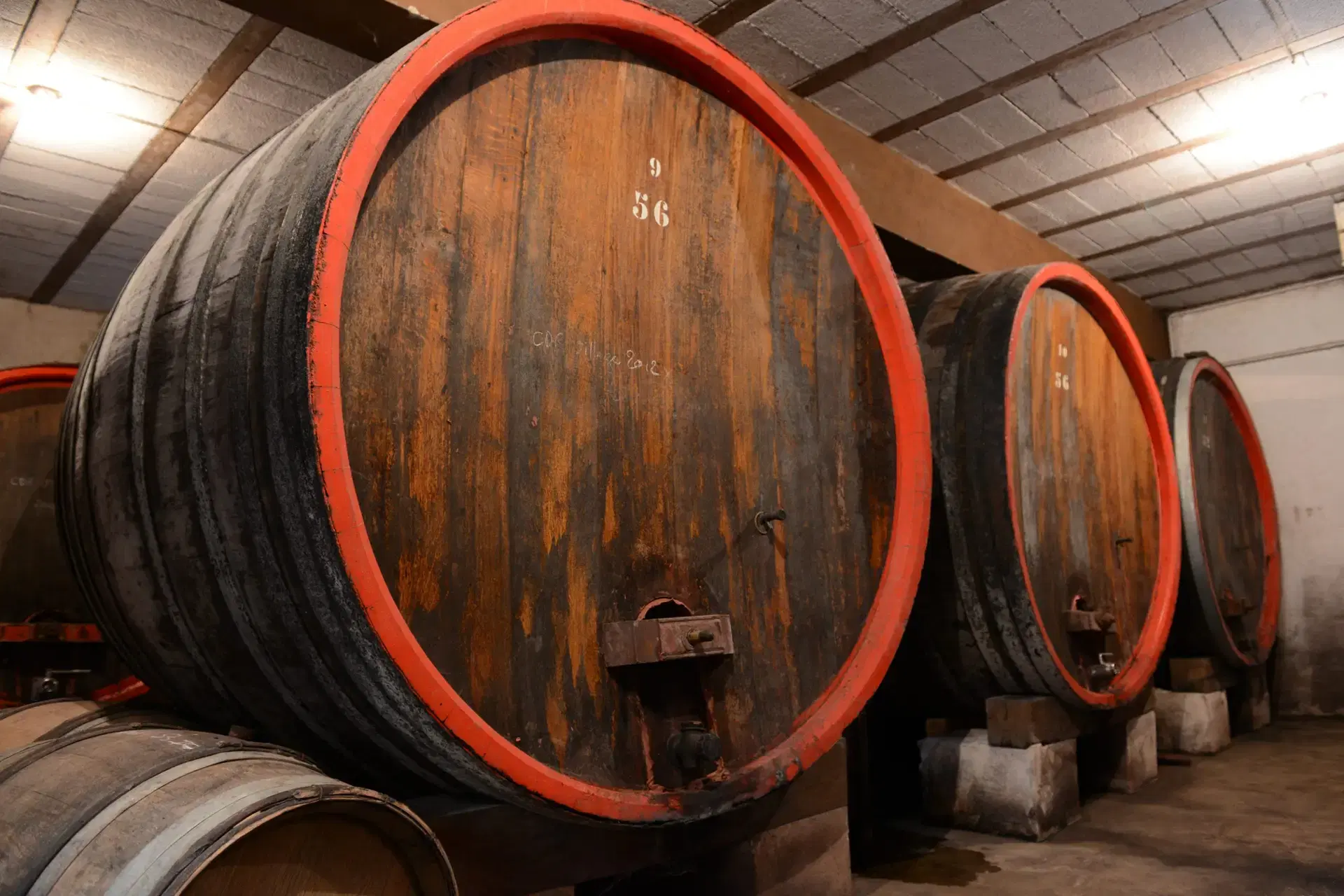
The approach to Le Moulin à Huile sets a particular register before you reach the door. The Ouvèze runs below the quai, the medieval haute ville rises on the opposite bank, and the building itself, a converted oil mill on the Route de Malaucène, carries the physical memory of an industry that shaped this corner of the Vaucluse for centuries. Olive oil production was not incidental to Provençal life; it was structural, determining settlement patterns, trade routes, and the character of local cooking in ways that still read clearly on the plate today. A restaurant housed in that kind of building is making an argument about continuity, and in Vaison-la-Romaine, where Roman ruins sit alongside Romanesque architecture and medieval streets, continuity carries weight.
The Vaucluse as Larder: Understanding the Regional Tradition
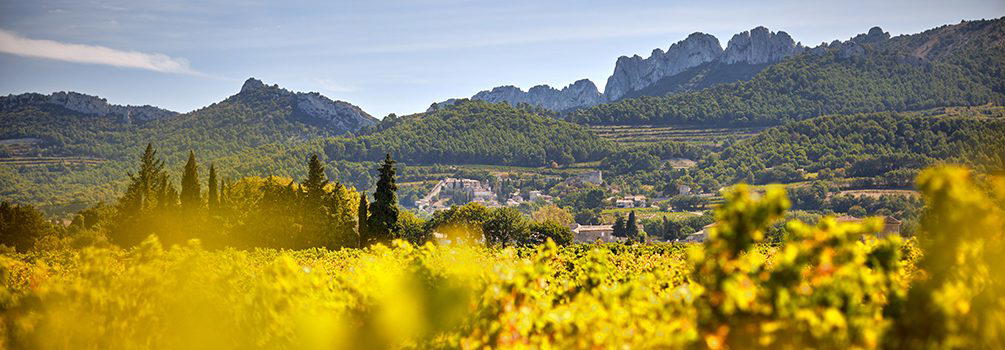
To understand what a kitchen in Vaison-la-Romaine is working with, it helps to map the Vaucluse's produce geography. The department sits at the intersection of multiple micro-climates: the Dentelles de Montmirail to the west, Mont Ventoux to the east, and the wide agricultural plains to the south feeding into the Rhône corridor. This geography produces a notable density of quality ingredients within a compact radius. Truffles from around Carpentras and Richerenches, goat cheeses from the Banon tradition, olives from the mills that once lined river valleys like this one, lamb from the higher plateaux, and vegetables from market gardens that supply particularly celebrated farmers' markets in southern France, Vaison's own Saturday market is among the more referenced in the region.
That larder is the foundation on which Provençal haute cuisine has always built. The tradition differs from the cream-and-butter architecture of northern French cooking not just in ingredients but in philosophy: acidity from capers and olives, depth from slow-cooked aromatics, structure from herbs rather than reduction. Kitchens working seriously within this tradition are not simplifying, they are translating a complex regional grammar into a formal dining register. The work happening at a place like Le Moulin à Huile sits inside that translation effort, in a dining room built on ground that literally processed the oil those dishes depend on. For broader context on how Provence's leading tables connect to this tradition, L'Oustau de Baumanière in Les Baux offers a regional comparison, as does Mirazur in Menton on the Mediterranean end of the spectrum.
Vaison-la-Romaine's Dining Position
Vaison sits in an interesting position within the French dining hierarchy. It is not a major city with a competitive dining cluster, nor is it purely a day-trip village. It holds enough critical mass, a significant Saturday market, a summer festival (the Festival de Vaison-la-Romaine runs each July), a heritage tourism draw from the Roman ruins, to support serious restaurants year-round, while remaining small enough that each address carries outsized local significance. The comparison set for a restaurant here is not the dense Michelin geography of Lyon or the coastal ambition of Marseille, where AM par Alexandre Mazzia operates at a different scale of recognition entirely. Instead, Vaison's restaurants serve a more intimate ecosystem: local regulars, visitors exploring the Dentelles and the Ventoux, wine tourists moving through the Côtes du Rhône appellations, and travellers who have deliberately chosen smaller-town Provence over the more trafficked Luberon circuit.
Within that local ecosystem, an address like Le Moulin à Huile occupies the upper register. The converted mill setting, the quayside position, and the regional sourcing orientation place it alongside La Bartavelle as part of a small cohort of Vaison addresses serious enough to justify a dedicated visit rather than a casual stop. For a fuller picture of how the local dining scene is structured,
The Broader French Table: Where This Fits
French fine dining at this level, regional, produce-led, rooted in a specific landscape, represents a distinct strand within the national tradition. It is different from the grand Parisian address model exemplified by Alléno Paris au Pavillon Ledoyen in Paris, and different again from the mountain-kitchen precision of Flocons de Sel in Megève. It shares more with the terroir-anchored approach of Bras in Laguiole or the deep-roots tradition of Auberge du Vieux Puits in Fontjoncouse, kitchens where the identity of the surrounding land is the primary creative reference rather than a supporting element. Elsewhere in France, that same philosophy animates Auberge de l'Ill in Illhaeusern in Alsace and Georges Blanc in Vonnas in the Bresse. The common thread is that cuisine makes its argument through place, not despite it.
For travellers calibrating expectations against other regional benchmarks, Troisgros - Le Bois sans Feuilles in Ouches, Christopher Coutanceau in La Rochelle, and Au Crocodile in Strasbourg each demonstrate how France's serious regional tables operate outside the capital's gravitational pull. The same logic applies in the other direction: Paul Bocuse - L'Auberge du Pont de Collonges in Collonges-au-Mont-dOr and Assiette Champenoise in Reims anchor their respective regions in ways that a purely urban dining culture cannot replicate.
Planning a Visit
The restaurant sits at 1 Quai Maréchal Foch on the Route de Malaucène, directly on the river in the lower town. The position makes it walkable from Vaison's main square and the Roman ruins site, and easily accessible by car for visitors staying in the surrounding villages of the Dentelles or the Ventoux foothills. The summer months bring the highest visitor density, the July festival in particular fills the town, so advance reservations are advisable from June through August. Shoulder season visits in May or September offer the Vaucluse landscape at its most legible, with local produce at peak quality and the dining room at a more measured pace.
Pricing, Compared
Comparable venues nearby, for context on price, style, and recognition.
| Venue | Cuisine | Price | Awards | Notes |
|---|---|---|---|---|
| Le Moulin à HuileThis venue — the venue you are viewing | Not listed | $$$ | Not listed | Not listed |
| Le Bateleur | Not listed | $$$ | Michelin Plate | centre ville, Modern Provençal Mediterranean |
| Les Maisons Du'O - Le Bistro Panoramique | Vaison-la-Romaine, Modern French Bistro | $$$$ | Bib Gourmand | Not listed |
| La Bartavelle | Not listed | $$ | Not listed | Vaison-la-Romaine, Provençal French Bistro |
| Les Florets | Gigondas, Provençal French Bistro | $$$ | Not listed | Not listed |
| Le Petit Canard | Not listed | $$$ | Not listed | 9th arrondissement, Traditional French Duck Bistro |
Continue exploring
More in Vaison-la-Romaine
Restaurants in Vaison-la-Romaine
Browse all →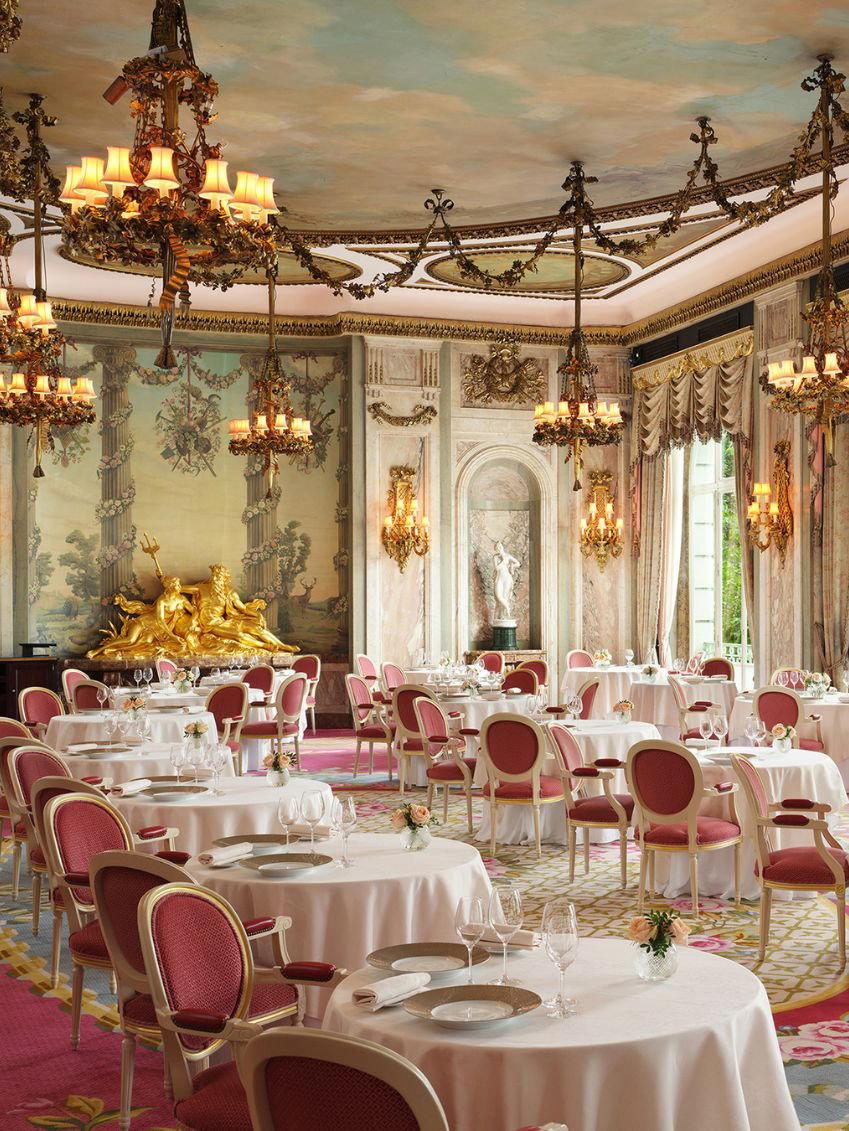
Bars in Vaison-la-Romaine
Browse all →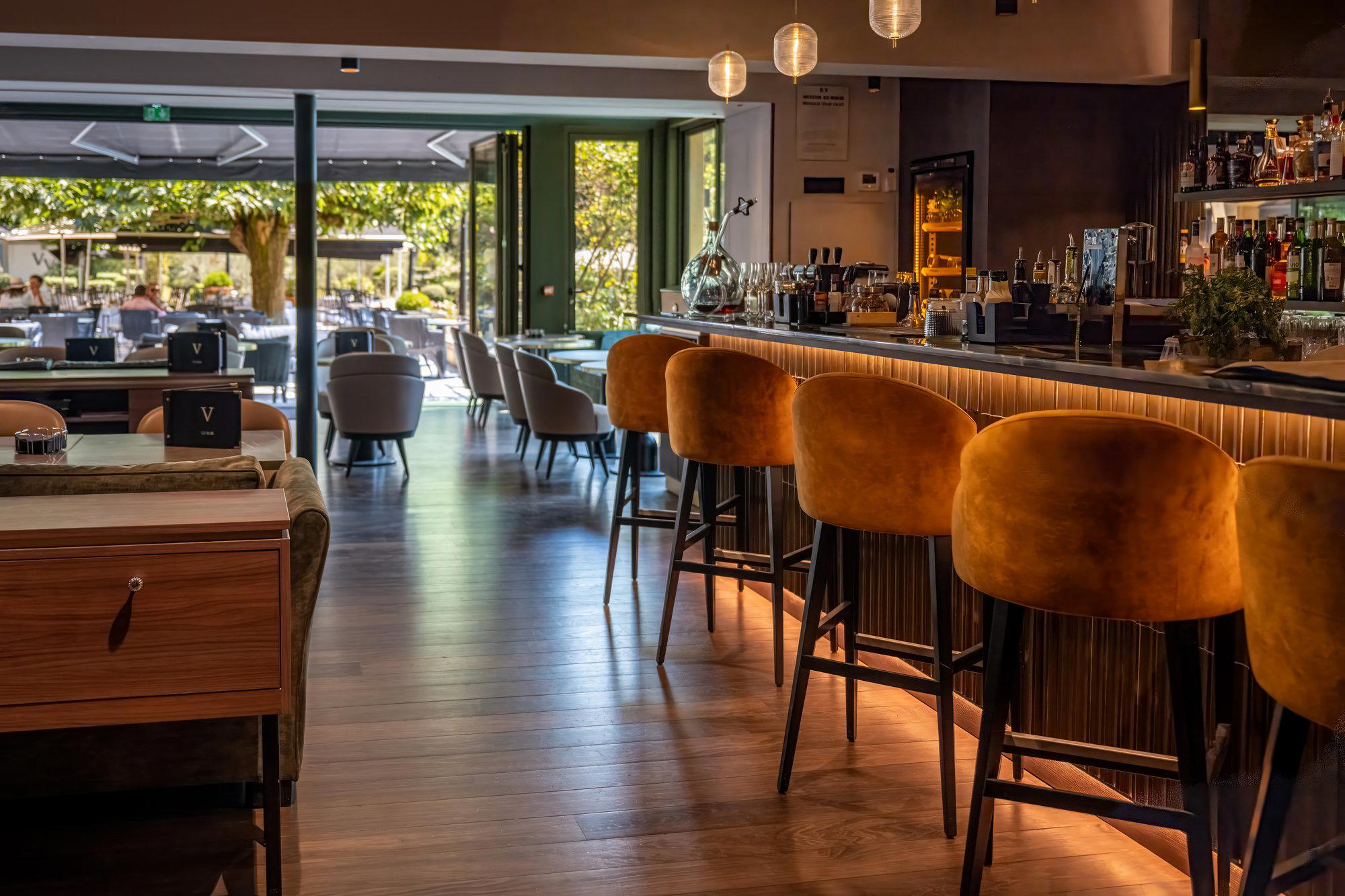
Hotels in Vaison-la-Romaine
Browse all →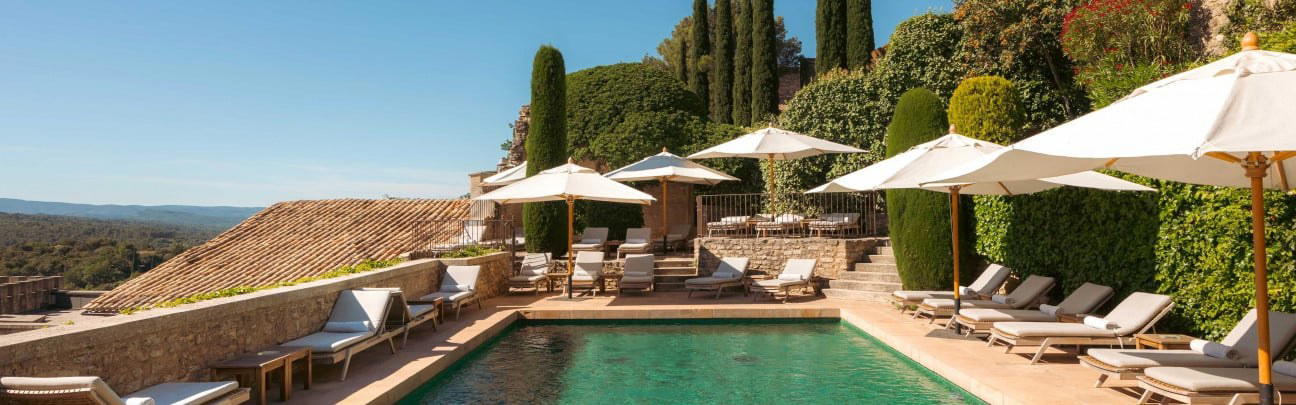
At a Glance
- Romantic
- Classic
- Rustic
- Scenic
- Intimate
- Elegant
- Date Night
- Special Occasion
- Group Dining
- Celebration
- Terrace
- Waterfront
- Historic Building
- Standalone
- Farm To Table
- Local Sourcing
- Organic
- Waterfront
Current opening hours
- Monday
- 12:15–1:15 PM, 7:15–9 PM
- Tuesday
- Closed
- Wednesday
- Closed
- Thursday
- 12:15–1:15 PM, 7:15–9 PM
- Friday
- 12:15–1:15 PM, 7:15–9 PM
- Saturday
- 12:15–1:15 PM, 7:15–9 PM
- Sunday
- 12:15–1:15 PM, 7:15–9 PM
Hours can change for holidays and private events. Last verified .
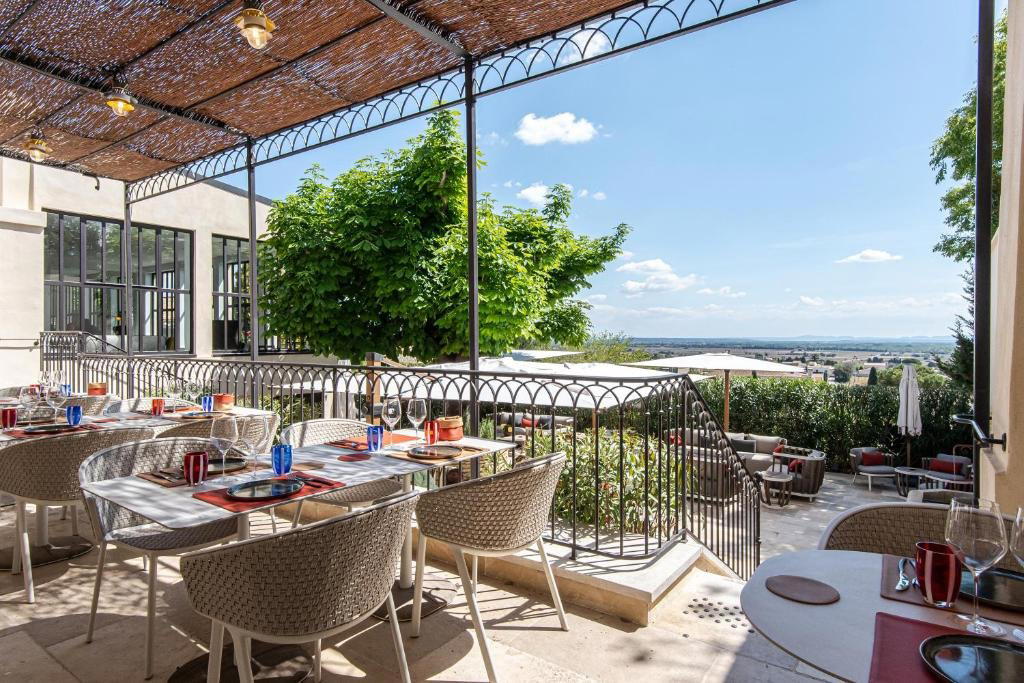
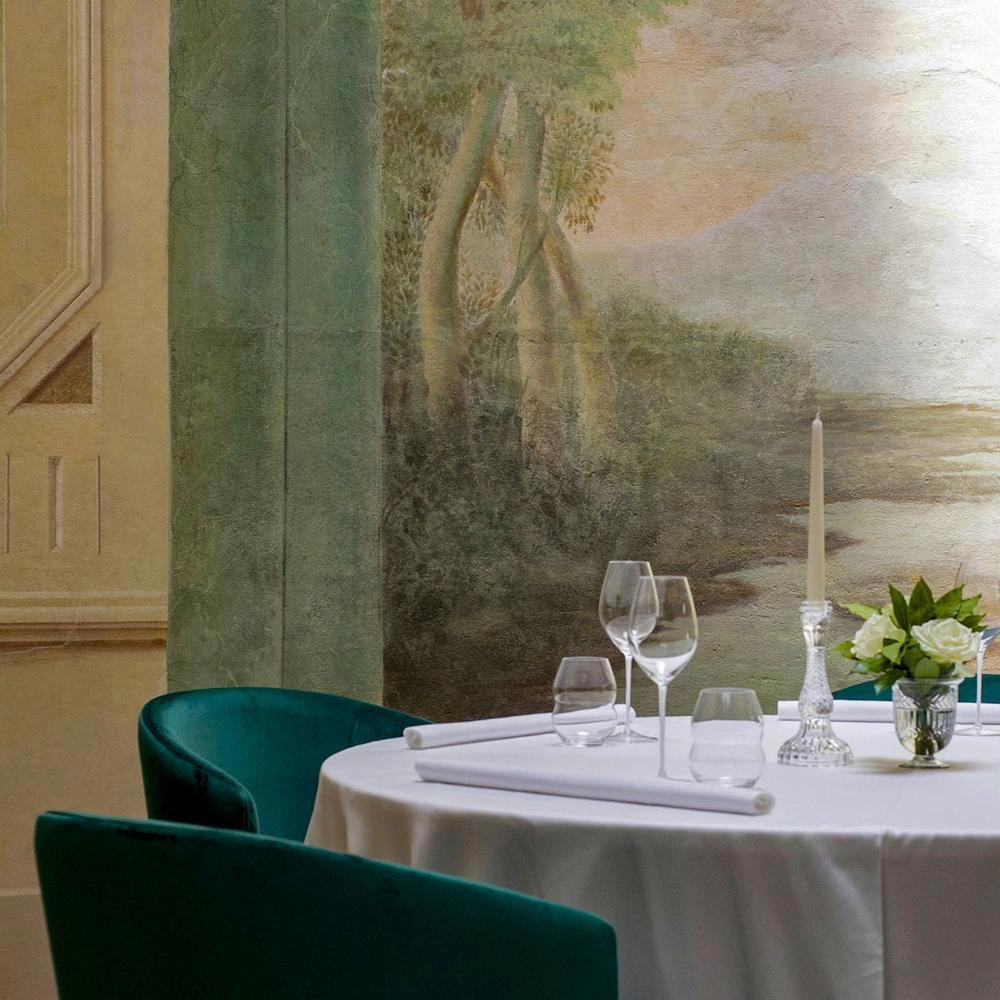
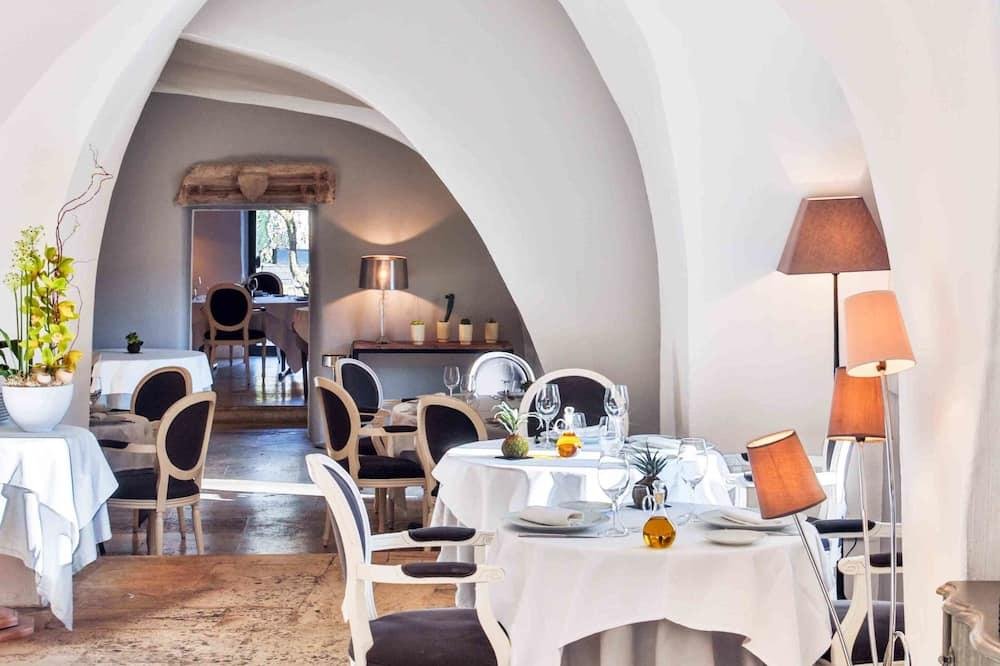
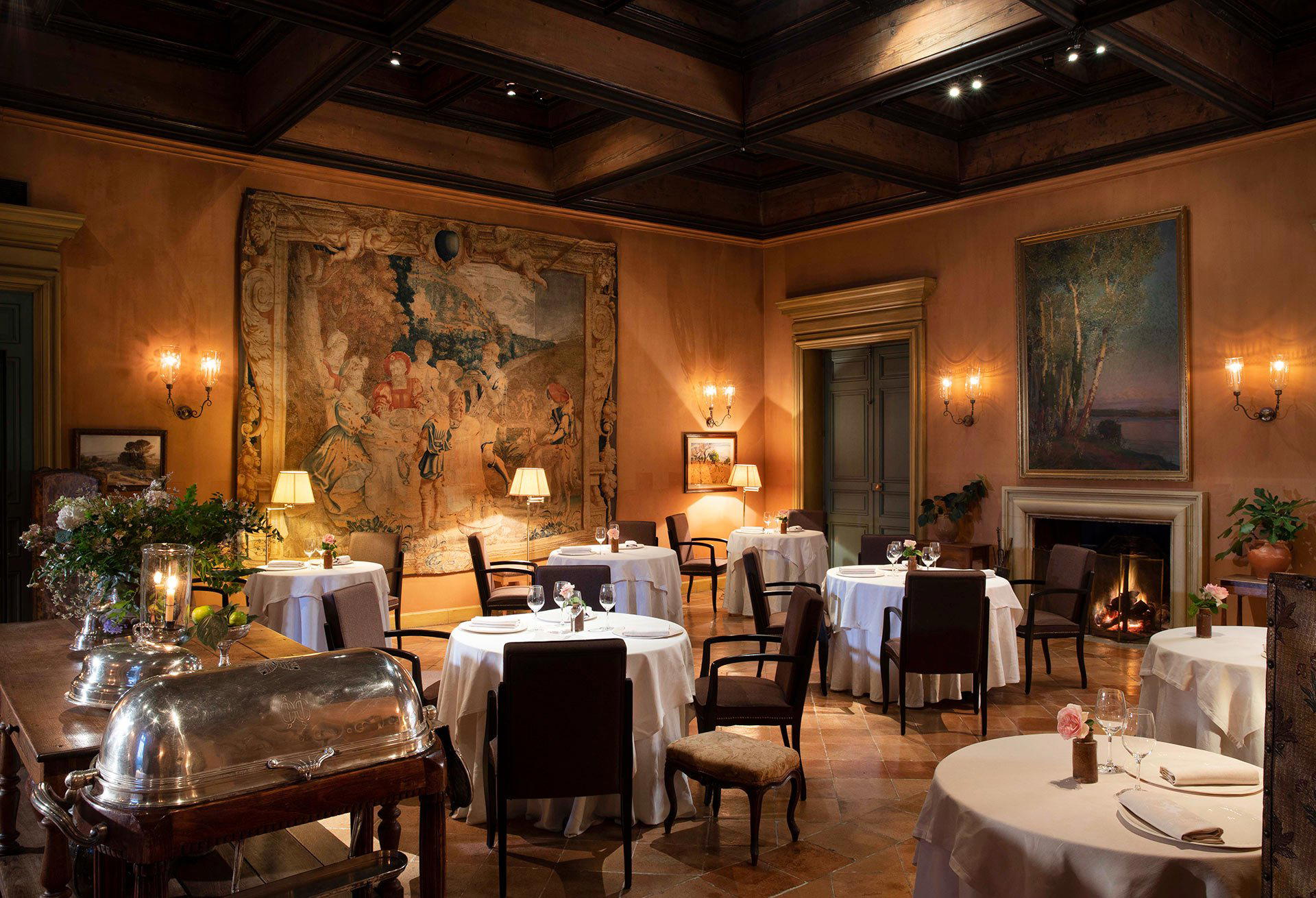
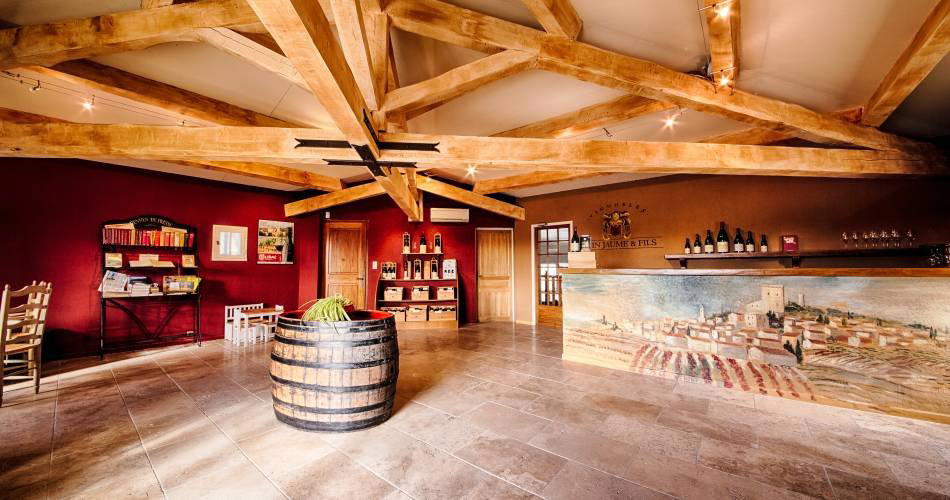
Warm and inviting with rustic charm, featuring a historic vaulted dining room and a beautiful terrace with river views that captures the essence of Provençal countryside.