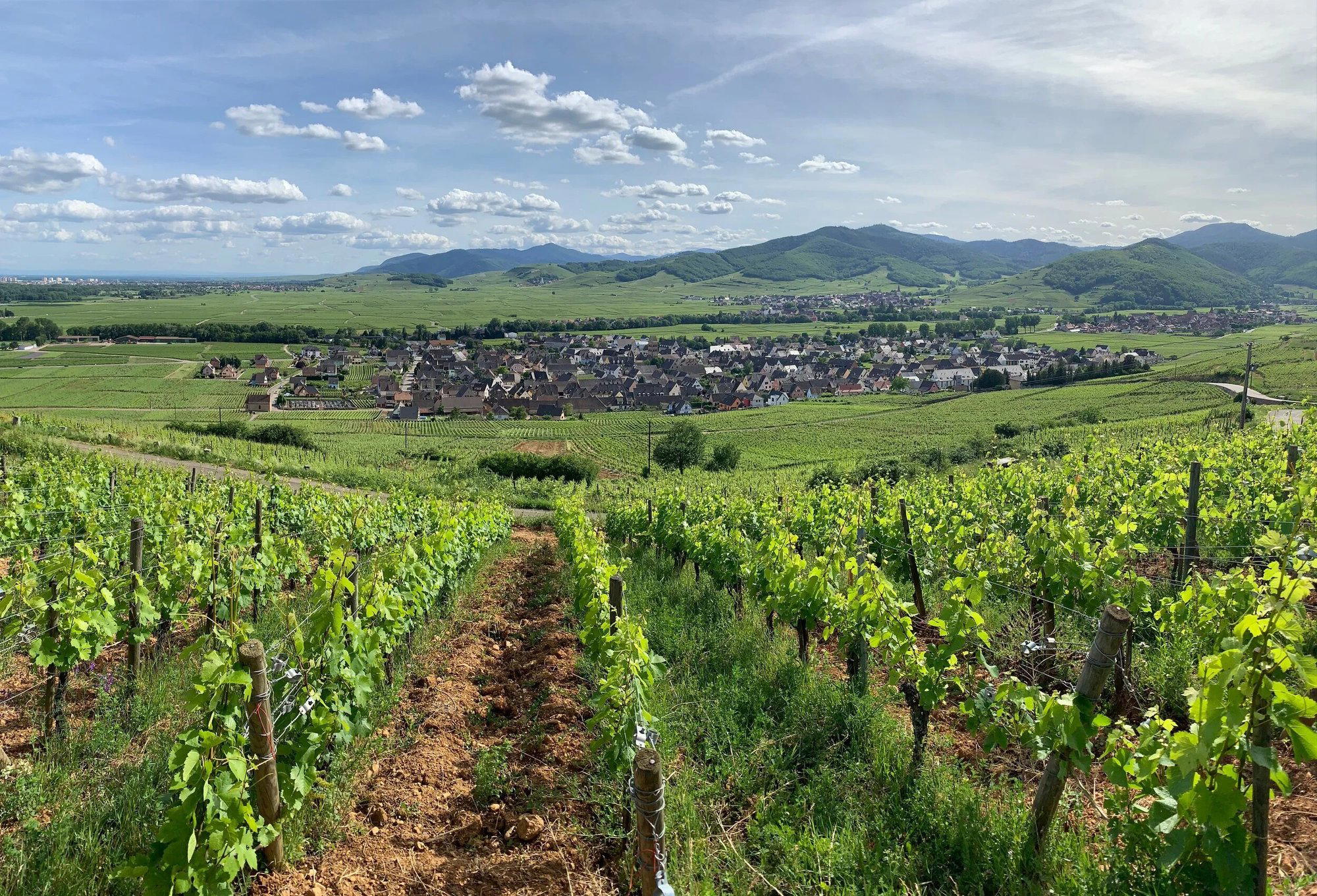
In the Alsatian village of Châtenois, Le Meisenberg sits on Rue Clemenceau at the edge of a wine-growing corridor that connects Sélestat to Barr. The address places it inside a regional dining tradition where sourcing from local farms, vineyards, and forests is less a philosophy than a practical reality. For travellers working through Alsace's restaurant circuit, it represents the village end of that spectrum.
Pearl is the En Primeur Club membership app — saves, bookings, and concierge access live there. Same editors, same standards.
- Address
- 1 Rue Clemenceau, 67730 Châtenois, France
- Phone
- +33388825578
- Website
- aubergelemeisenberg.com
- Directions
- Get directions
 Saves & bookings on Pearl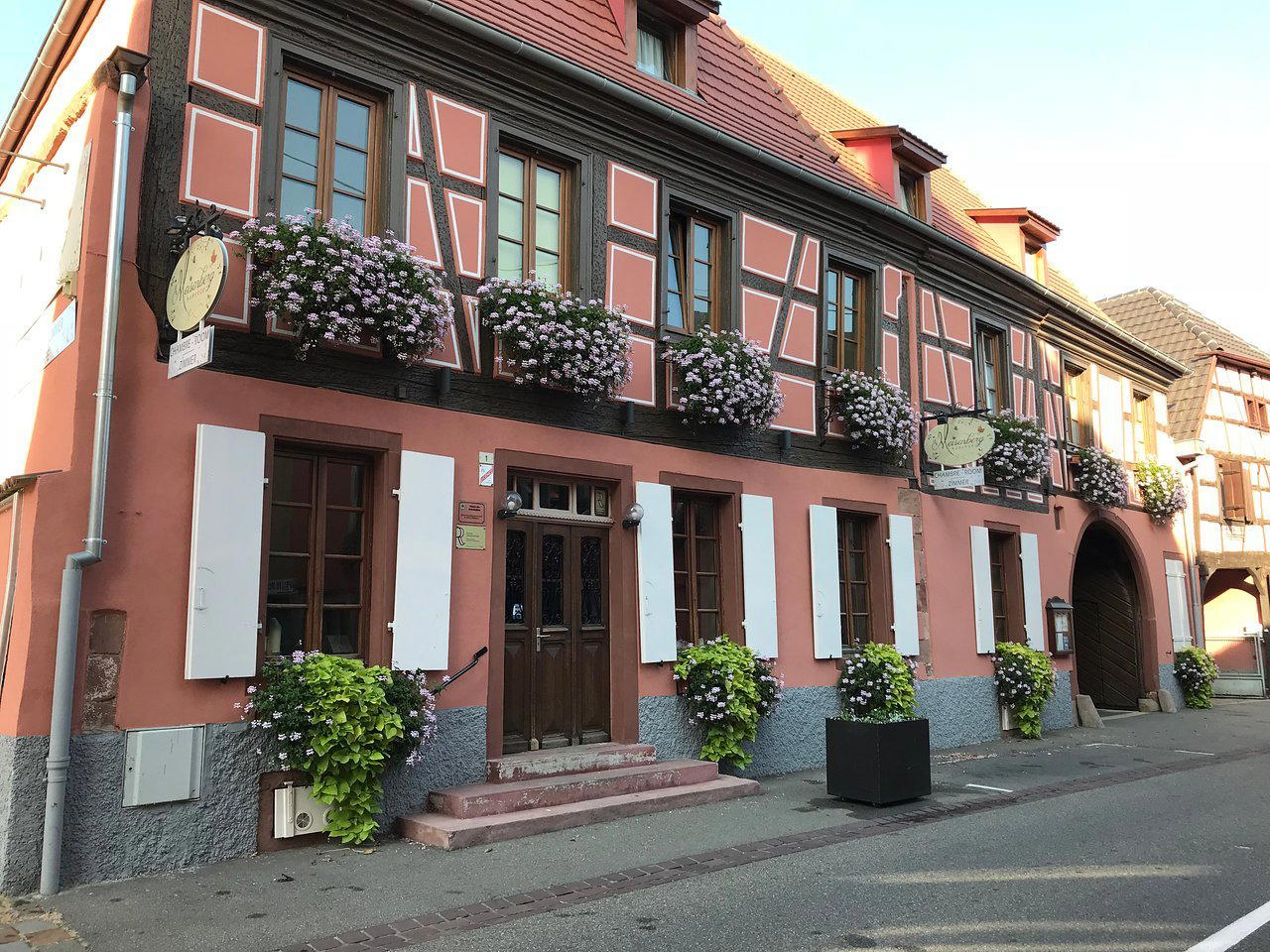
Where the Vosges Foothills Meet the Table
Le Meisenberg is a traditional Alsatian French restaurant at 1 Rue Clemenceau, 67730 Châtenois, France. This is not a dining destination in the sense that Strasbourg or Colmar commands international itineraries. It is, instead, a place where restaurants like Le Meisenberg operate inside the tighter logic of regional supply, where what appears on the plate is often determined by what the land immediately around it can provide, season by season.
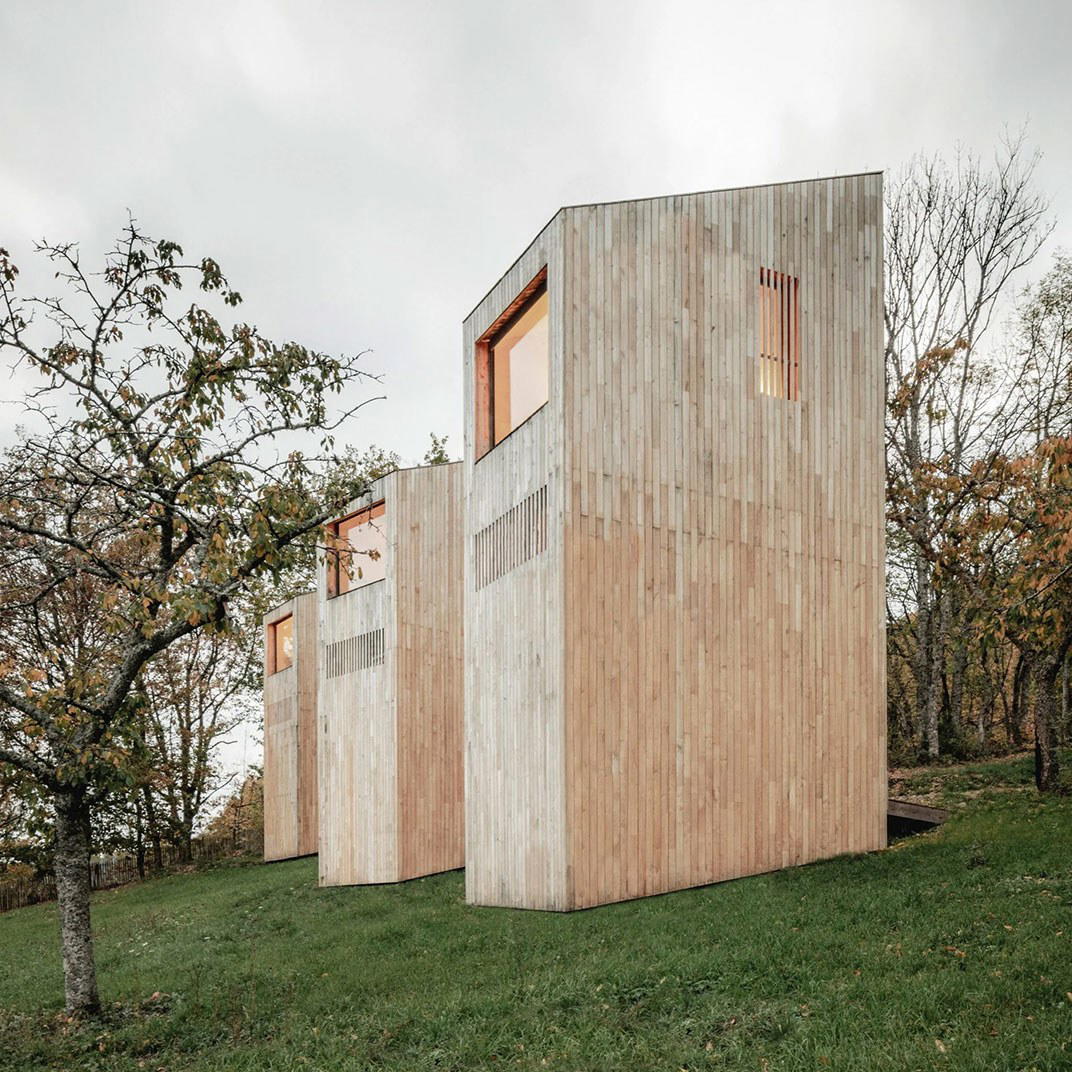
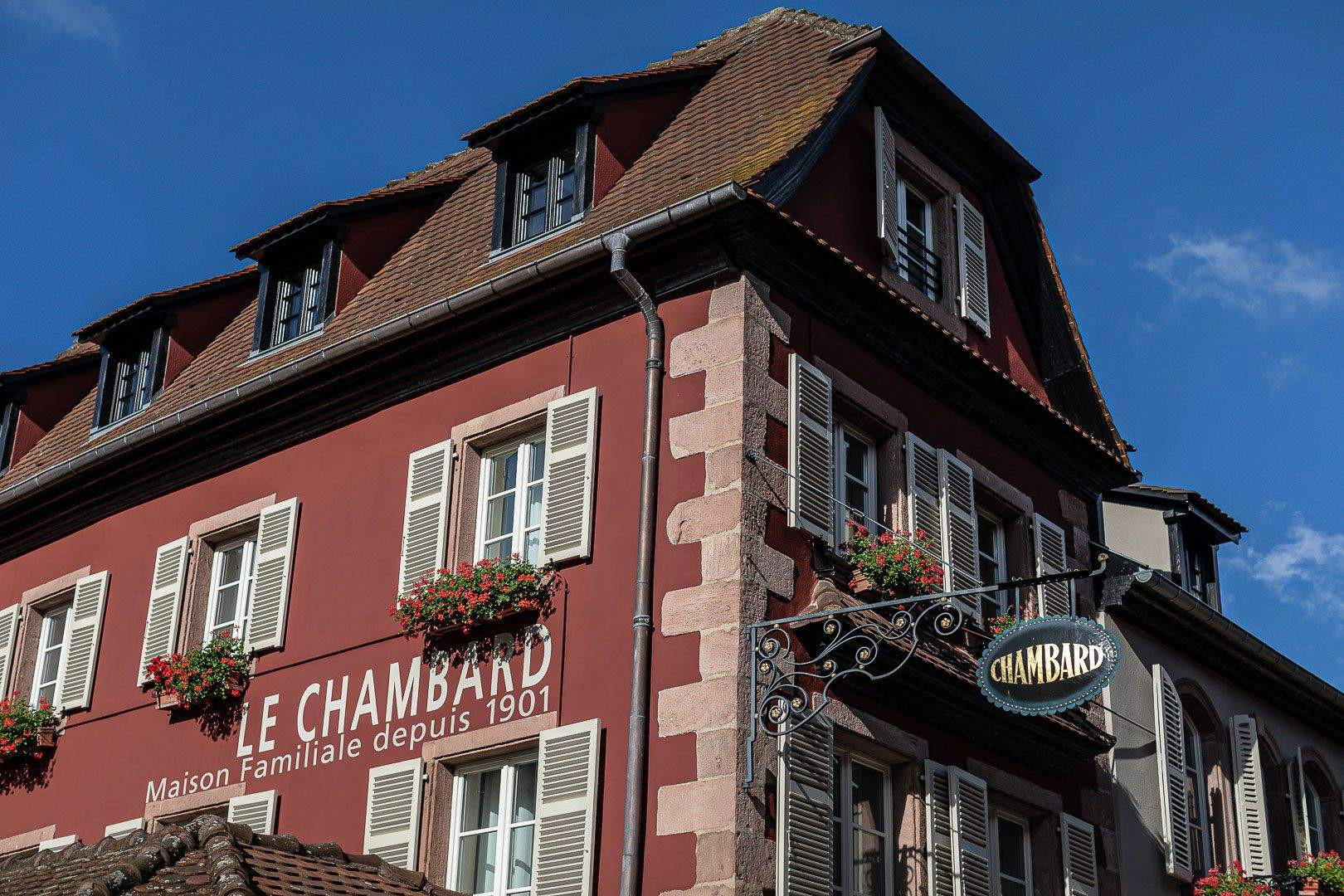
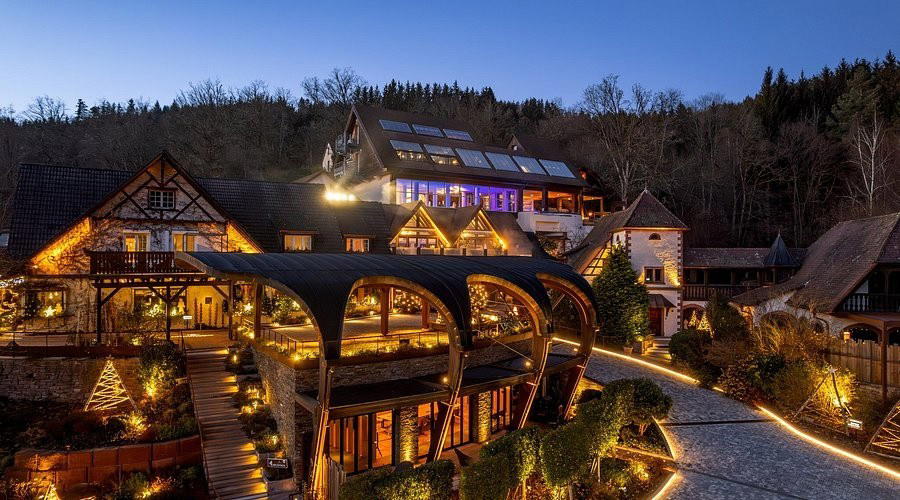
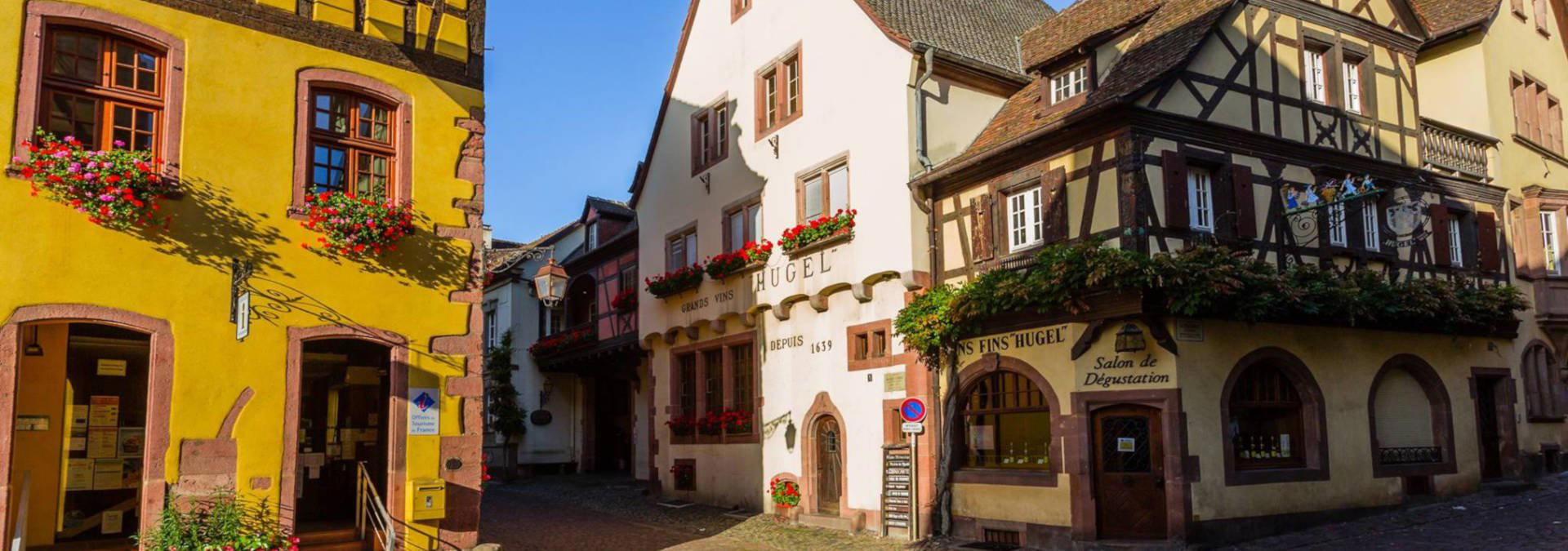
Le Meisenberg is located at 1 Rue Clemenceau, a central address that places it within easy walking distance of the village's historic tower and the surrounding vineyard parcels. The approach is characteristically Alsatian: half-timbered architecture, a compressed village centre, and the particular stillness that accompanies small French communities outside the summer wine-route season.
The Sourcing Logic of the Alsatian Village Restaurant
Alsace has long operated a regional food economy that is unusually self-sufficient by French standards. The Rhine plain to the east delivers market vegetables and river fish. The Vosges to the west supply game, mushrooms, and dairy. The wine corridor running from Marlenheim to Thann provides not only Riesling and Pinot Gris for the glass but the culture of small-producer relationships that shapes how kitchens here buy ingredients. Village restaurants in this corridor tend to work with butchers and farms in a five-to-fifteen kilometre radius in ways that larger urban kitchens, with their wholesale dependencies, cannot replicate as directly.
This is the context in which a restaurant at Le Meisenberg's address operates. The Alsatian kitchen tradition, when practised at the village level, is built on choucroute made from locally grown cabbage, tarte flambée using fromage blanc from nearby farms, and game preparations that shift with the hunting calendar rather than a fixed menu structure. These are not heritage performance pieces. They are the natural output of a sourcing geography that has remained largely intact while much of France's provincial food supply consolidated toward regional distribution centres. For a broader view of how French regional kitchens translate terroir into tasting menus, the Michelin-three-star benchmark set by Auberge de l'Ill in Illhaeusern, just twenty kilometres to the south, shows what the Alsatian tradition looks like at its most formally elaborated.
Châtenois in the Wider French Restaurant Conversation
France's upper-tier restaurant culture concentrates heavily in Paris and a handful of destination addresses: Alléno Paris au Pavillon Ledoyen in the eighth arrondissement, Mirazur in Menton on the Riviera, Troisgros in Ouches, and Flocons de Sel in Megève. These are addresses that attract international travel specifically for the meal. The village restaurant occupies a structurally different role in that ecosystem.
That ordering matters for how you read a place like Le Meisenberg. It is not competing in the same price or format tier as AM par Alexandre Mazzia in Marseille or Assiette Champenoise in Reims. Its comparable set is the competent Alsatian winstub and auberge, where the standard is set by honest execution of regional staples rather than by tasting-menu ambition. In that comparable set, what distinguishes one address from another is sourcing discipline, consistency of technique on traditional dishes, and the quality of the Alsatian wine list, almost certainly drawn from growers within the same wine-route corridor the restaurant sits on.
Comparable villages along the Alsatian wine route have produced restaurants that punch beyond their size. Au Crocodile in Strasbourg represents how Alsatian classical cooking performs at its most recognised urban level. The village register is quieter but not lesser in its own terms. The same sourcing logic that drives Bras in Laguiole toward the Aubrac plateau, or Auberge du Vieux Puits in Fontjoncouse toward the Corbières garrigue, applies here at a more domestic scale: the land outside the window is also the larder.
Planning a Visit
Châtenois is accessible by car along the D35, the principal wine-route road through the Bas-Rhin. The TER rail line connects Sélestat to Strasbourg in under thirty minutes, with Châtenois served by local connections; the village is compact enough that Le Meisenberg's address on Rue Clemenceau is walkable from any arrival point in the centre. The wine-route season runs from spring through the harvest months of September and October, when the surrounding vineyards are most active and the local produce calendar is at its fullest. Winter visits are quieter and may see reduced hours across village restaurants in the area. For those building a longer Alsace itinerary around serious French restaurant dining, the Paul Bocuse address in Collonges-au-Mont-d'Or, Georges Blanc in Vonnas, L'Oustau de Baumanière in Les Baux, La Marine in Noirmoutier, Christopher Coutanceau in La Rochelle, Le Bernardin in New York, and Atomix in New York represent the wider spectrum of formal dining that an EP Club reader is likely to be cross-referencing.
Comparison Snapshot
Comparable venues nearby, for context on price, style, and recognition.
| Venue | Cuisine | Price | Notes |
|---|---|---|---|
| Le MeisenbergThis venue — the venue you are viewing | Traditional Alsatian French | $$ | Not listed |
| La Cocotte de Grand-Mère | Homemade French Bistro | $$ | Place de l'École |
| Au Brasseur | Traditional Alsatian Brasserie | $$ | Centre |
| RESTAURANT STEINKELLER | Traditional Alsatian | $$ | Entzheim |
| Le 1961 | Contemporary French Seasonal Cuisine | $$ | Epfig |
| Auberge Saint Ulrich | Modern French Bistro | $$ | Haut-Clocher |
Continue exploring
More in Chatenois
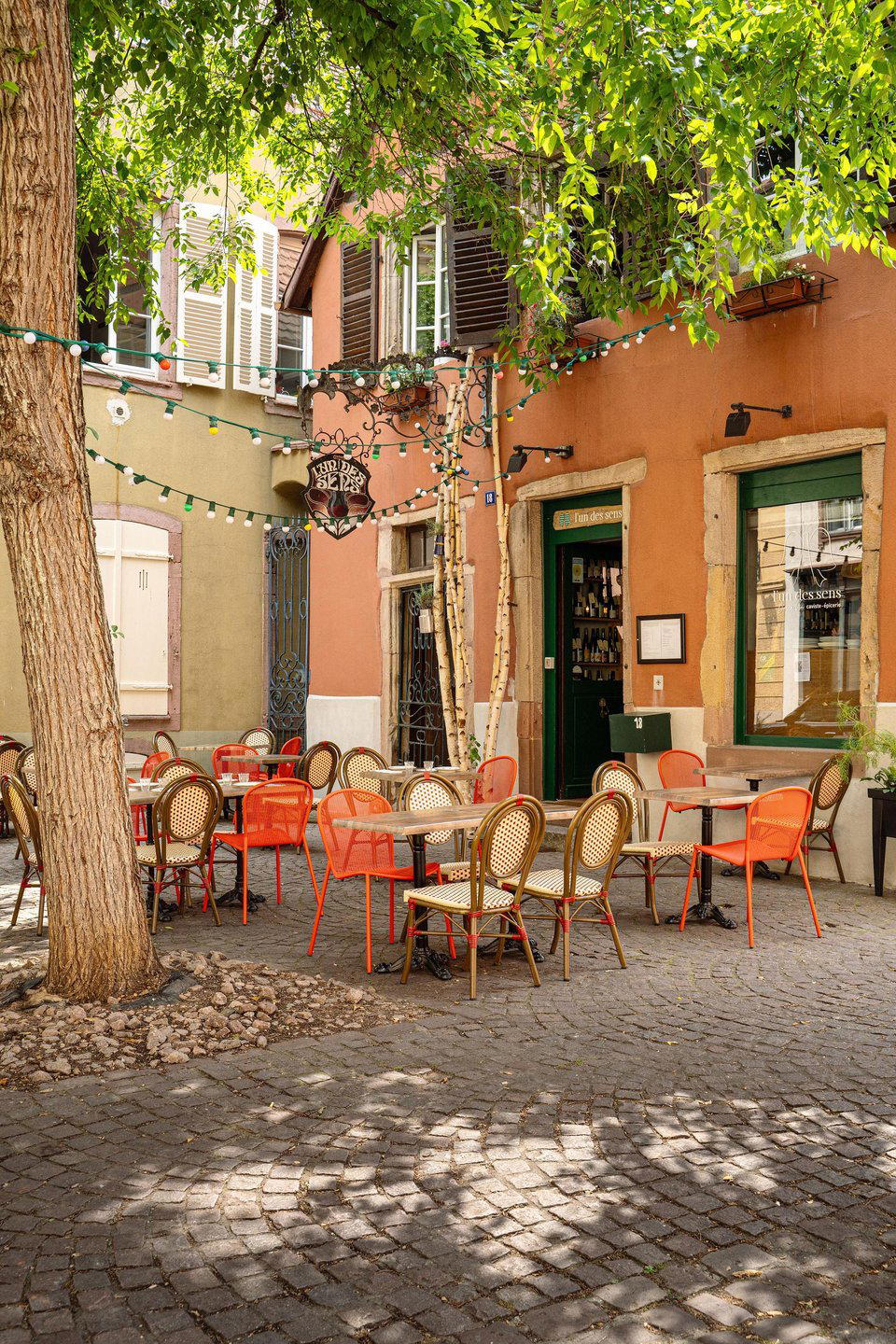
Restaurants in Chatenois
Browse all →
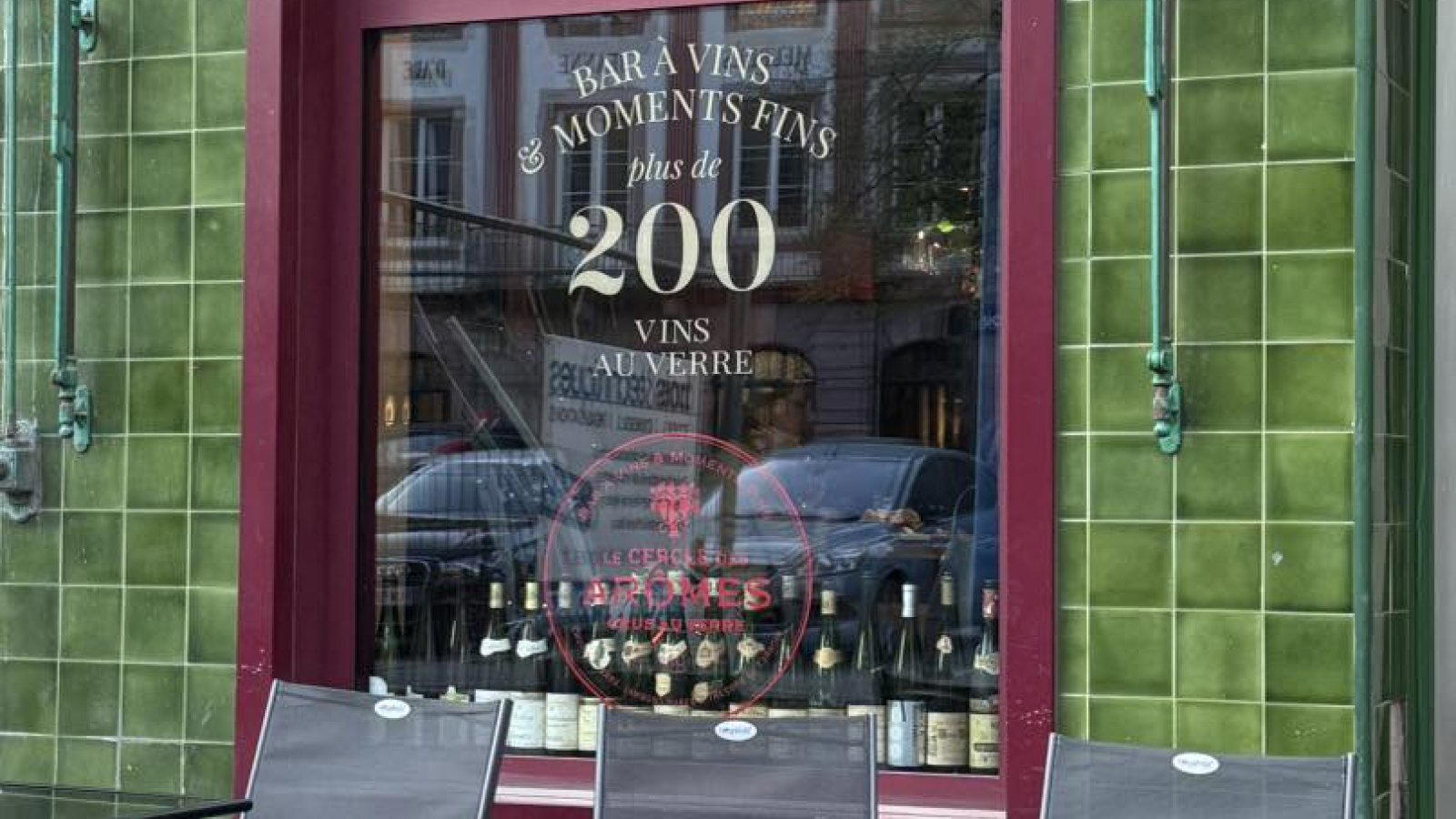
Bars in Chatenois
Browse all →
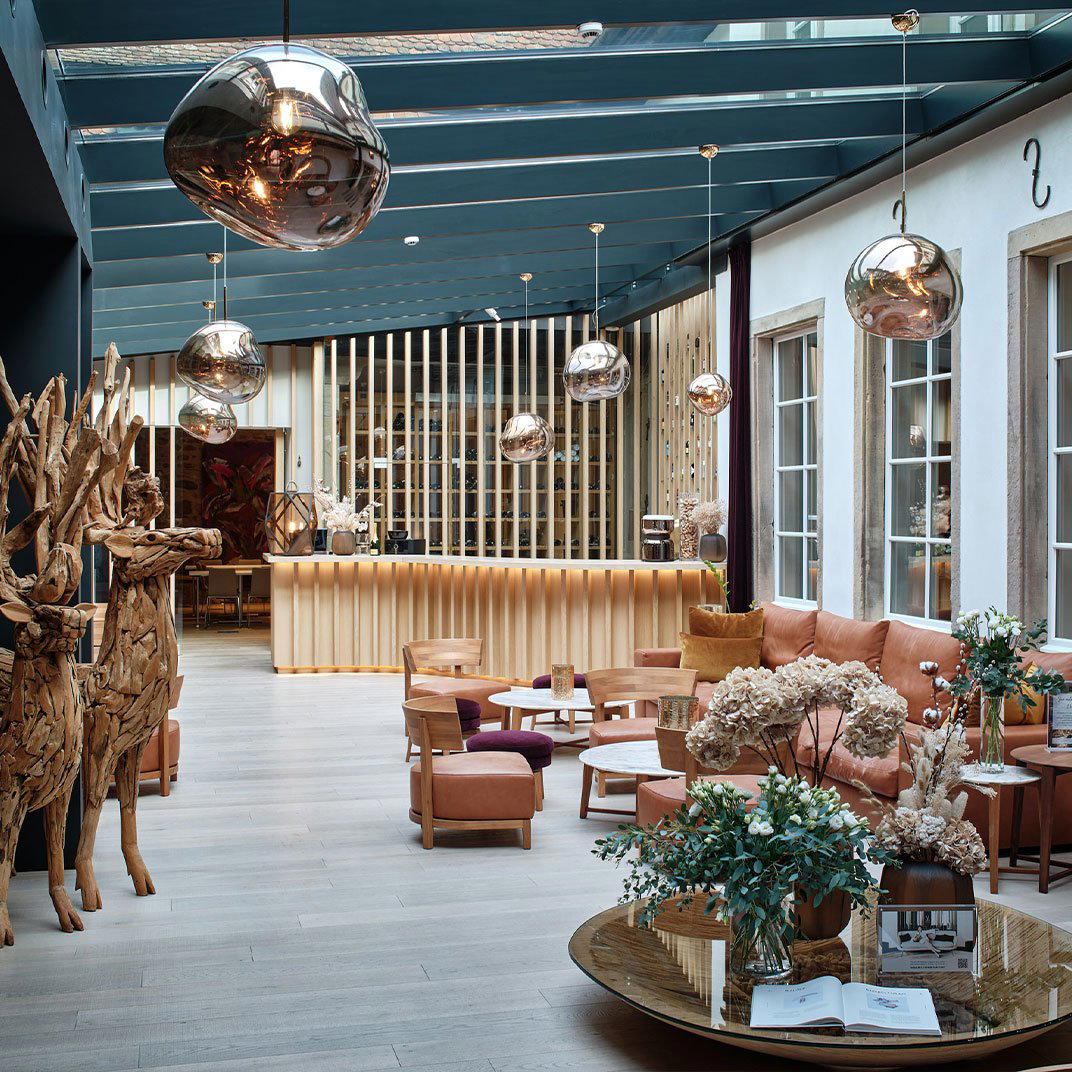
Hotels in Chatenois
Browse all →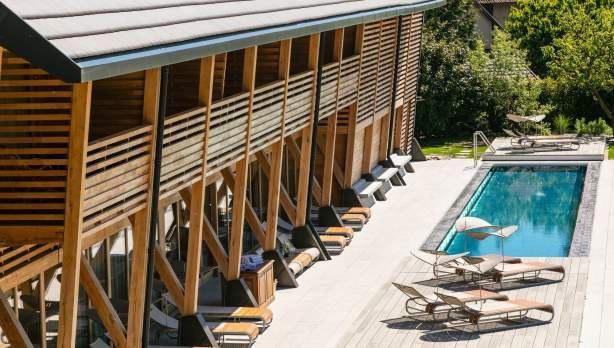
At a Glance
- Cozy
- Rustic
- Classic
- Elegant
- Family
- Casual Hangout
- Terrace
- Courtyard
- Historic Building
- Local Sourcing
Current opening hours
- Monday
- Closed
- Tuesday
- Closed
- Wednesday
- Closed
- Thursday
- Closed
- Friday
- Closed
- Saturday
- Closed
- Sunday
- Closed
Hours can change for holidays and private events. Last verified .
Warm atmosphere with simple, sober, and elegant decor in a typical Alsatian stub, enhanced by a shady inner courtyard terrace.