On Place de l'École in central Colmar, La Cocotte de Grand-Mère occupies the comfort-cooking register that defines a particular strand of Alsatian dining: generous portions, slow-cooked foundations, and the kind of menu that frames grandmother's recipes as a serious editorial statement rather than nostalgic shorthand. It sits in the mid-market tier of a city where the restaurant spread runs from winstubs to Michelin-starred creative kitchens.
Pearl is the En Primeur Club membership app — saves, bookings, and concierge access live there. Same editors, same standards.
- Address
- 14 Pl. de l'École, 68000 Colmar, France
- Phone
- +33389233249
- Website
- la-cocotte-de-grandmere.com
- Directions
- Get directions
 Saves & bookings on Pearl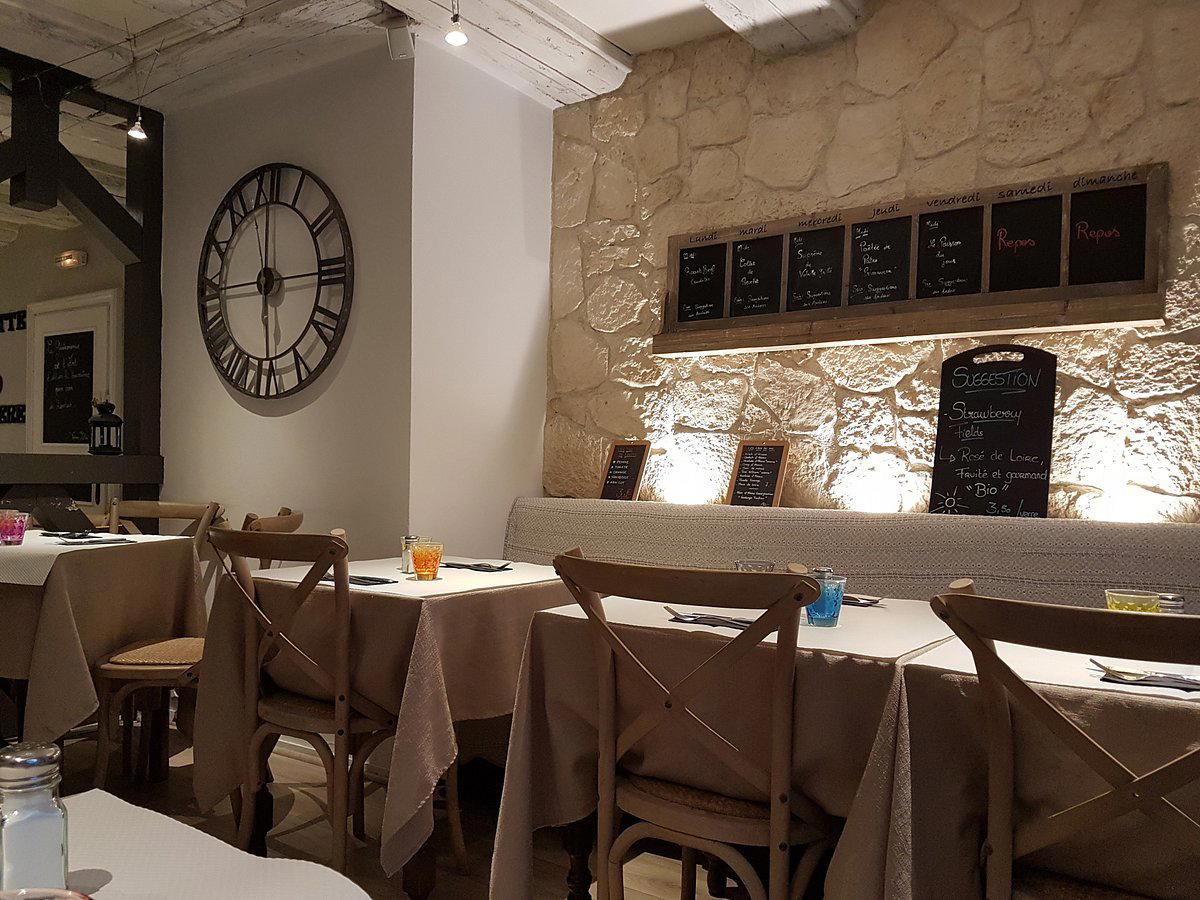
The Register Colmar Does Quietly Well
La Cocotte de Grand-Mère is a homemade French bistro at 14 Pl. It is the kind of address where mid-range restaurants survive on repeat local custom rather than first-visit footfall. La Cocotte de Grand-Mère operates in this context, carrying a name that declares its menu intent before you open the door: this is cooking framed around the slow-cooked, the handed-down, and the deliberately unhurried.
In a city where Alsatian dining ranges from the winstub format, wine-bar-adjacent, deliberately rustic, to the creative tasting menus at addresses like JY'S and L'Atelier du Peintre, the comfort-cooking tier occupies a specific position. It is neither the cheapest option nor especially technically ambitious. What it offers is legibility, with menus that make their intentions clear and deliver on a clear contract with the guest.
What the Name Tells You About the Menu
Restaurant naming in France carries more information than it might appear to. The cocotte, the cast-iron pot used for slow braises, daubes, and one-pot cooking across French regional traditions, announces a specific menu architecture. Dishes in this mode take time to build: fats rendered low and slow, collagen broken down into body, aromatics absorbed rather than imposed. The addition of grand-mère signals not nostalgia precisely, but a set of value judgements: patience over technique-for-its-own-sake, depth over novelty, the accumulated knowledge of domestic cooking over the performance of the professional kitchen.
This is a meaningful distinction in Alsace, where the regional repertoire already leans toward the substantial. Choucroute garnie, fermented cabbage with multiple pork preparations, baeckeoffe, the sealed earthenware casserole of marinated meats and potatoes, and tarte flambée, the thin-crust answer to pizza, form the structural backbone of the regional table. A restaurant named for the grandmother's pot is signalling alignment with these traditions rather than a departure from them. Among Colmar addresses working this register, La Cocotte de Grand-Mère and Au Cygne occupy similar thematic ground, though each arrives at it through different specifics.
Where Comfort Cooking Sits in Colmar's Restaurant Spread
Colmar's dining market has a clearly stratified structure. At the leading, creative fine dining at restaurants such as Restaurant Girardin competes for attention with the broader Alsatian fine-dining corridor that extends toward Auberge de l'Ill in Illhaeusern and connects via Strasbourg to addresses like Au Crocodile. Below that tier, the mid-market is occupied by a mix of traditional French bistros and Alsatian-specific formats. Addresses like Au Soleil Levant serve the same general demographic as the restaurant: visitors who want serious food without the ceremony of a tasting menu, and locals who return when they want something dependable.
For context on where French regional cooking of this calibre sits nationally, the contrast with tasting-menu institutions is instructive. Houses like Troisgros in Ouches, Bras in Laguiole, or Mirazur in Menton represent the end of the spectrum where French regional identity is abstracted into composed, multi-course experiences. Comfort-cooking restaurants occupy the opposite pole: the regional is literal and the format is direct. Neither is a lesser version of the other, they answer different questions about what a meal is for.
The Practical Shape of a Visit
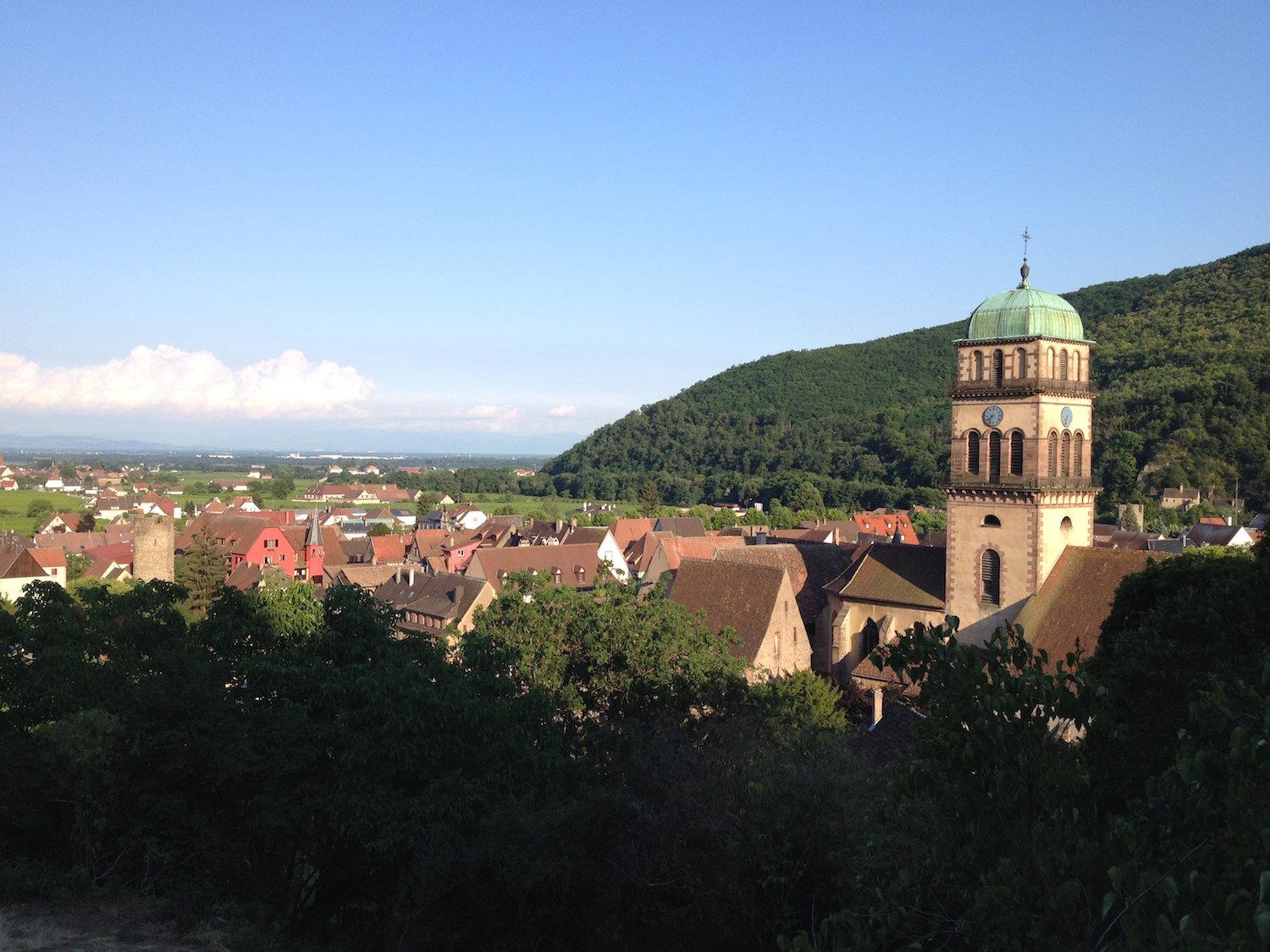
Place de l'École is reachable on foot from most of central Colmar's accommodation, and the address, 14 Place de l'École, places it within the compact historic core that most visitors spend their time in. Colmar's walkable scale means that planning a meal here does not require transport logistics. The mid-market price positioning common to this restaurant tier in Alsace means a full meal with wine sits comfortably below the cost of a fine-dining cover at the creative end of the city's restaurant spread. Reservation is essential, particularly during the summer high season and the Christmas market period in late November and December, when Colmar's visitor numbers increase substantially and mid-range restaurant availability tightens.
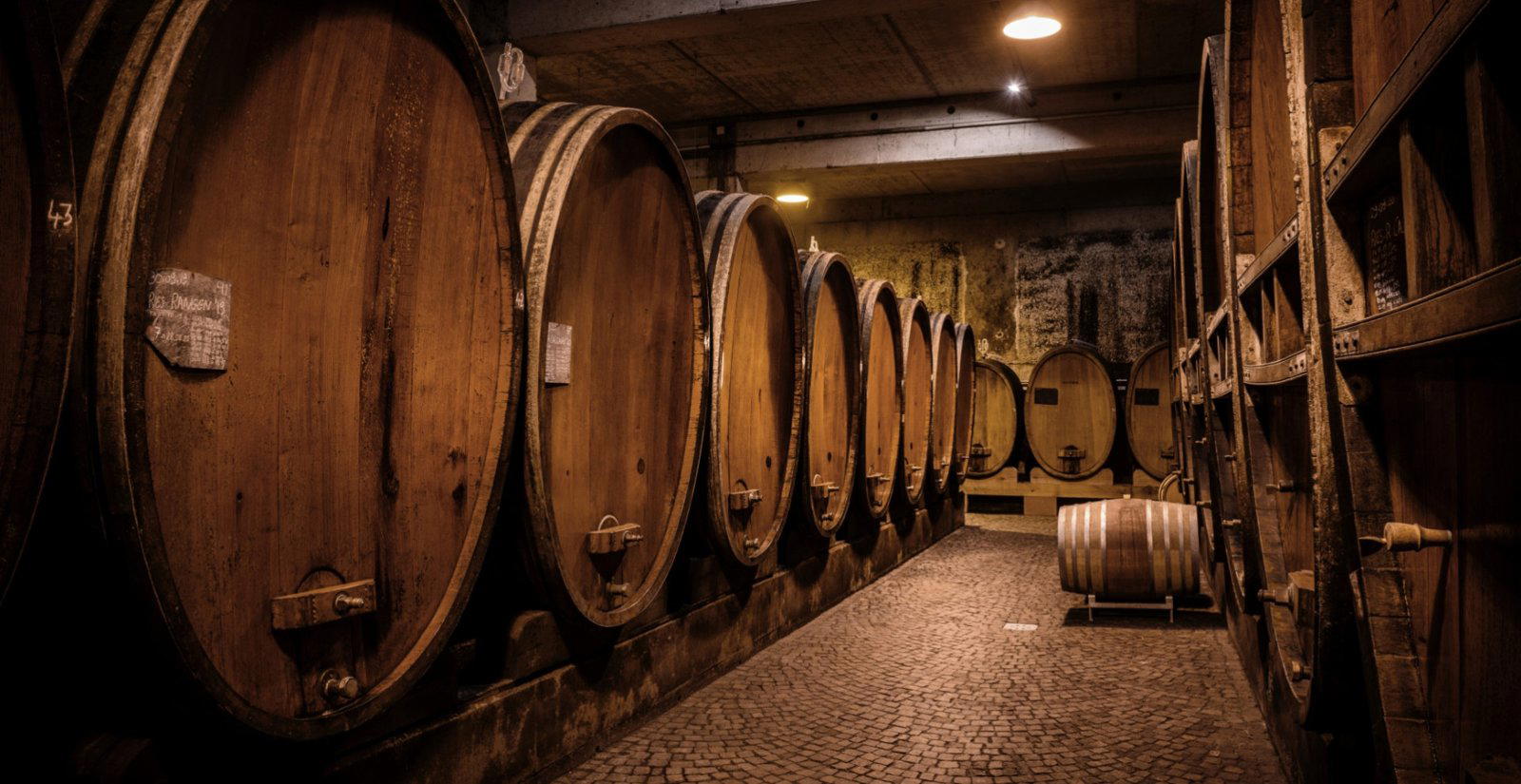
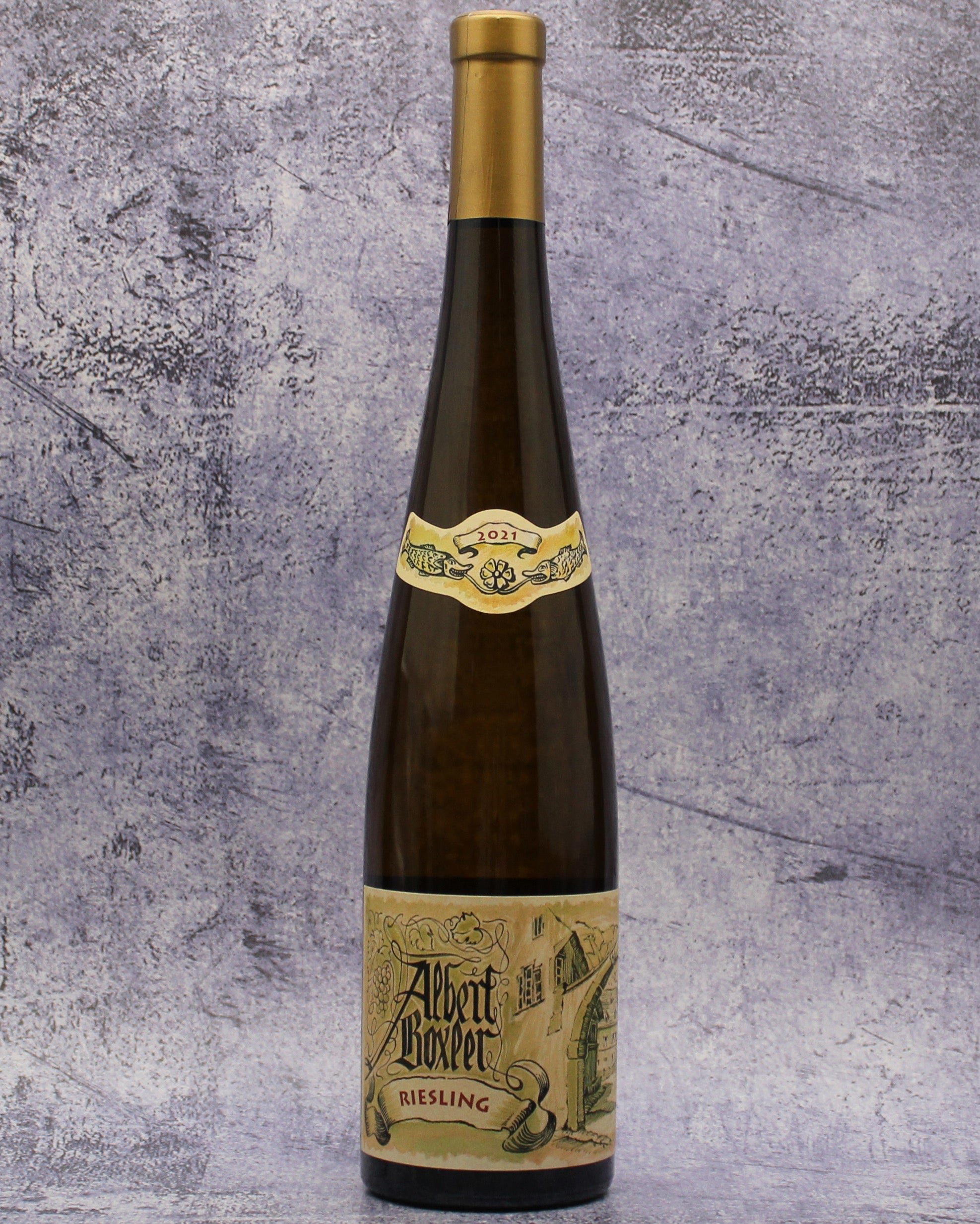
Alsatian wine is the logical pairing register for cooking in this mode. The region's Riesling, Pinot Gris, and Gewurztraminer all have the structure to hold against braised preparations, and local producers at multiple price points are standard on Alsatian restaurant lists of this type. If the wine side of a Colmar trip warrants deeper attention, the Route des Vins runs directly through this part of the Haut-Rhin and provides a broader context for what appears in the glass at restaurants across the city's price tiers.
France Beyond Colmar: Reference Points
Readers plotting a longer French itinerary around serious regional cooking will find useful reference points throughout the EP Club France coverage. For grand-tradition French dining at the haute end, Alléno Paris au Pavillon Ledoyen and Paul Bocuse's Auberge du Pont de Collonges in Collonges-au-Mont-d'Or represent the institutionalised end of French classical cooking. For a different kind of ambition in the south, AM par Alexandre Mazzia in Marseille and the alpine precision of Flocons de Sel in Megève show how French regionality operates at a modern creative register. Further afield, Assiette Champenoise in Reims provides a Champagne-region counterpoint. For international reference, Le Bernardin in New York and Atomix illustrate how French-influenced technique translates across markets.
Credentials Lens
Comparable venues nearby, for context on price, style, and recognition.
| Venue | Cuisine | Price | Notes |
|---|---|---|---|
| La Cocotte de Grand-MèreThis venue — the venue you are viewing | Homemade French Bistro | $$ | Not listed |
| L'Auberge | Traditional Alsatian Brasserie | $$ | Place de la Gare |
| L'Epicurien | Contemporary French Bistro | $$ | Petite Venise |
| Wistub de la Petite Venise | Traditional Alsatian | $$ | Petite Venise |
| L'Essentiel | Modern French Bistro | $$$ | . Colmar center |
| La Soï | Traditional Alsatian Tarte Flambée | $$ | centre-ville |
Continue exploring
More in Colmar
Restaurants in Colmar
Browse all →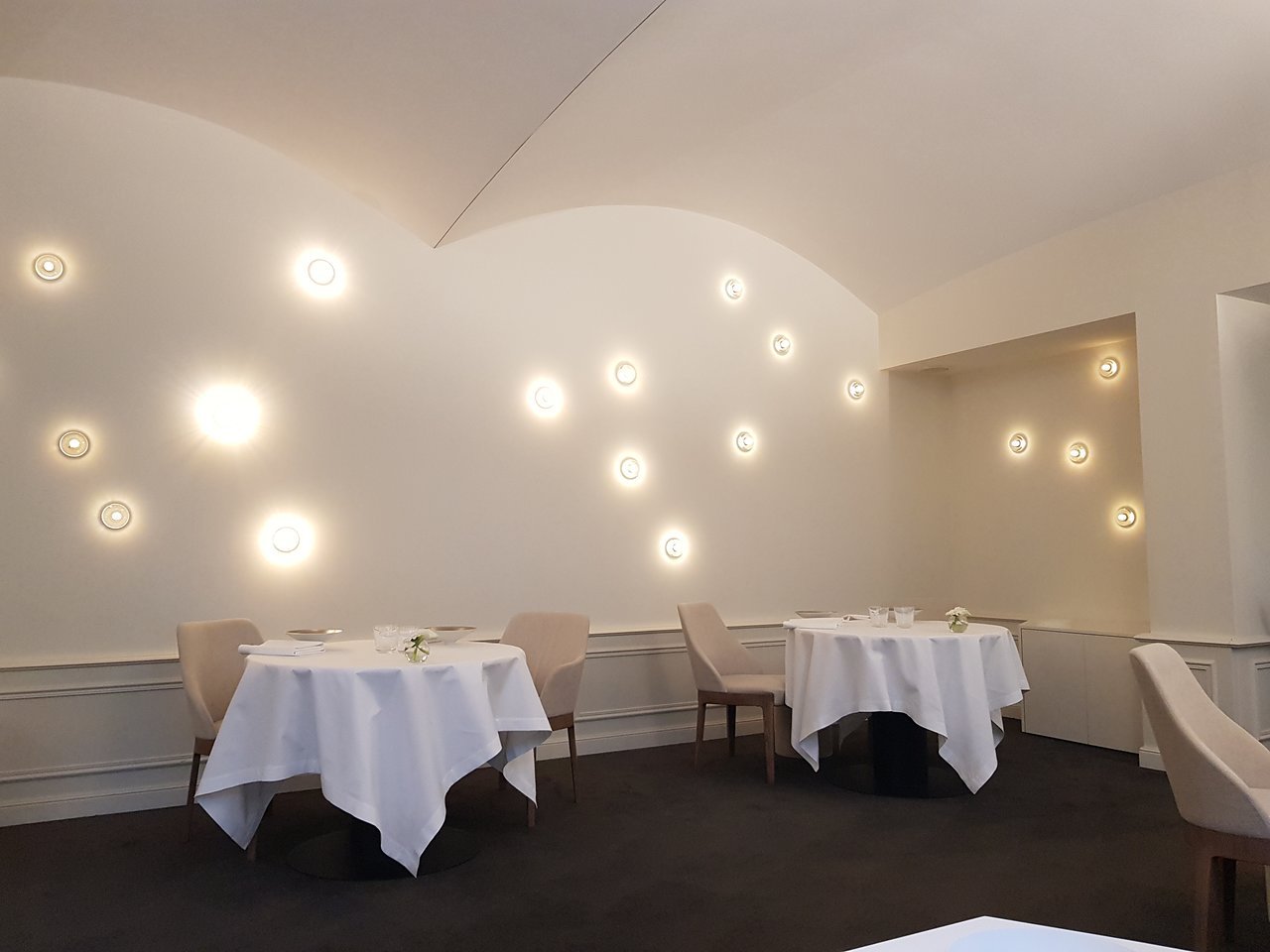
Bars in Colmar
Browse all →
Hotels in Colmar
Browse all →
At a Glance
- Cozy
- Intimate
- Rustic
- Date Night
- Casual Hangout
- Standalone
Current opening hours
- Monday
- 12–1 PM, 7–8:30 PM
- Tuesday
- 12–1 PM, 7–8 PM
- Wednesday
- 12–1 PM, 7–8:15 PM
- Thursday
- 12–1 PM, 7–8:15 PM
- Friday
- 12–1 PM, 7–8:15 PM
- Saturday
- Closed
- Sunday
- Closed
Hours can change for holidays and private events. Last verified .
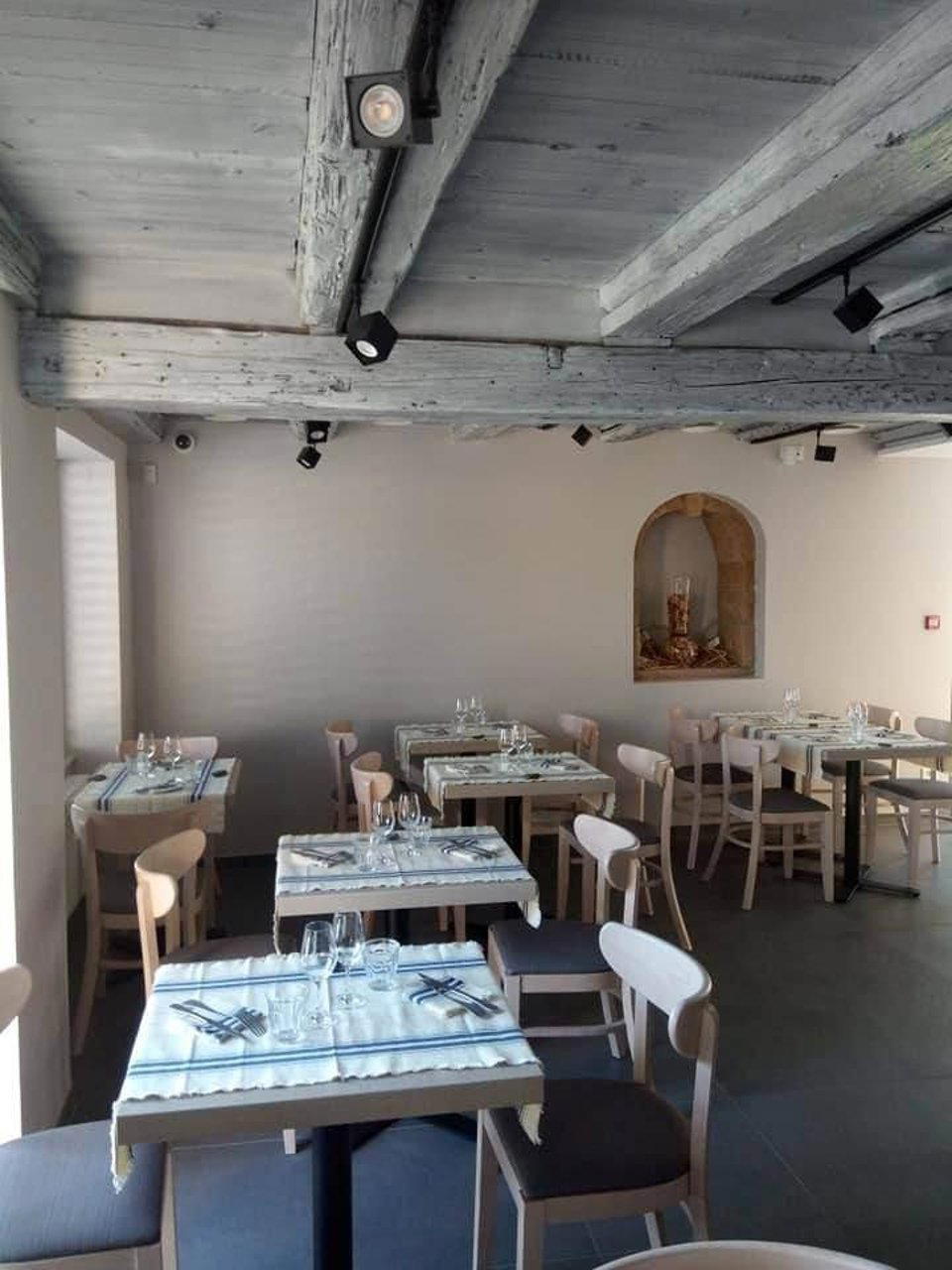
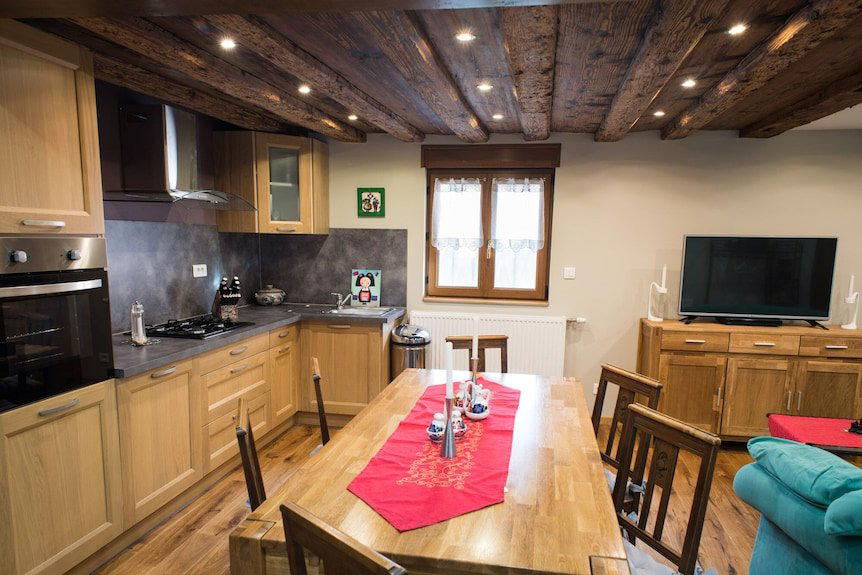
Cozy and warm atmosphere with nicely decorated intimate space evoking a family feel.