



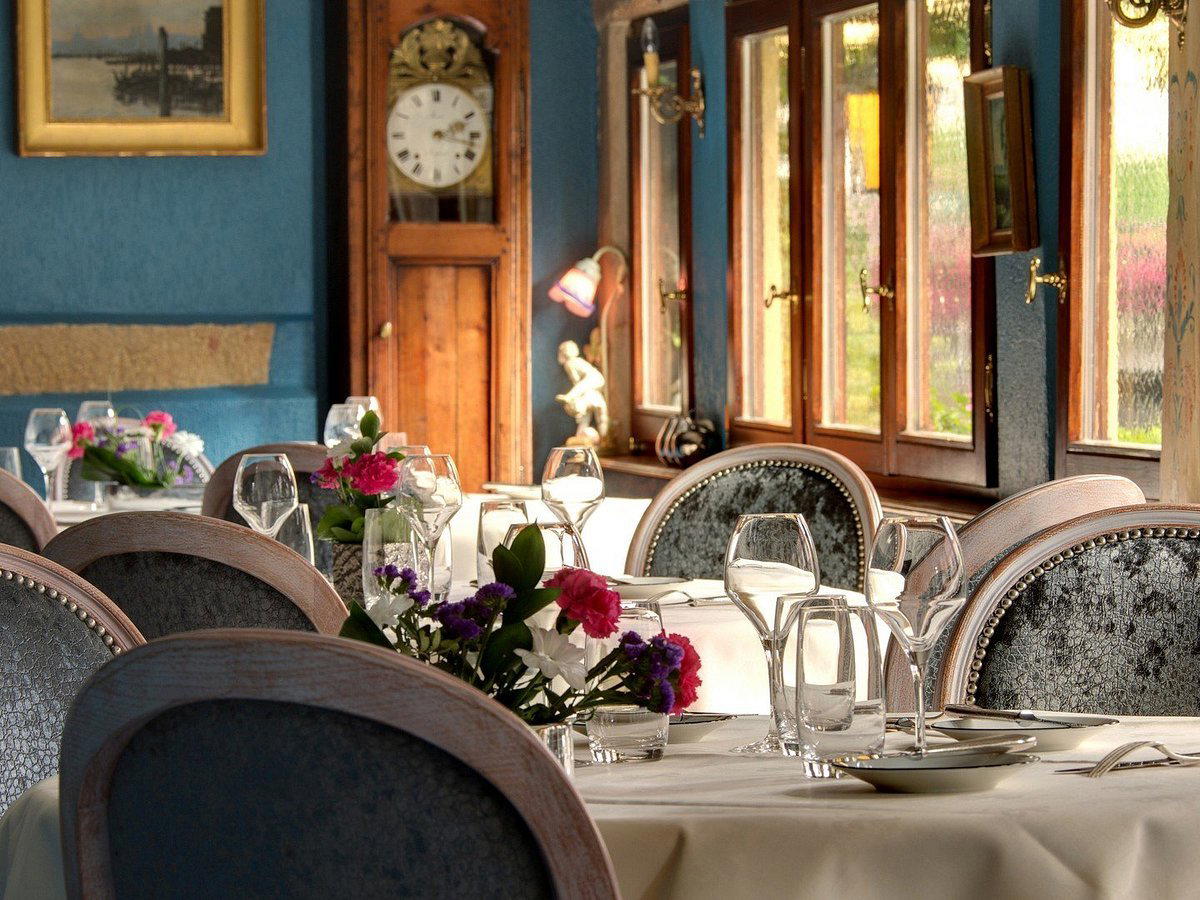
In a 16th-century building at the centre of one of Alsace's most-visited medieval villages, La Table du Gourmet holds a Michelin star under chef Jean-Luc Brendel, whose menus draw from a permaculture garden of some 350 plant varieties. The cooking is rooted in Alsatian produce and seasonality, with a dedicated Alsace wine list and guestrooms on site for those who want to extend the visit.
Pearl is the En Primeur Club membership app — saves, bookings, and concierge access live there. Same editors, same standards.
- Address
- 5 Rue de la 1E Armée, 68340 Riquewihr, France
- Phone
- +33 3 89 49 09 09
- Website
- jlbrendel.com
- Directions
- Get directions
 Saves & bookings on Pearl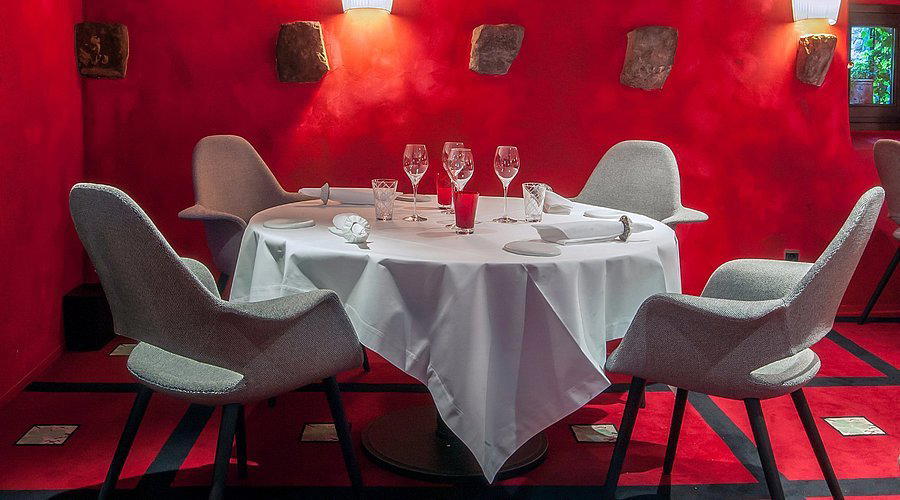
A Medieval Address in a Busy Village
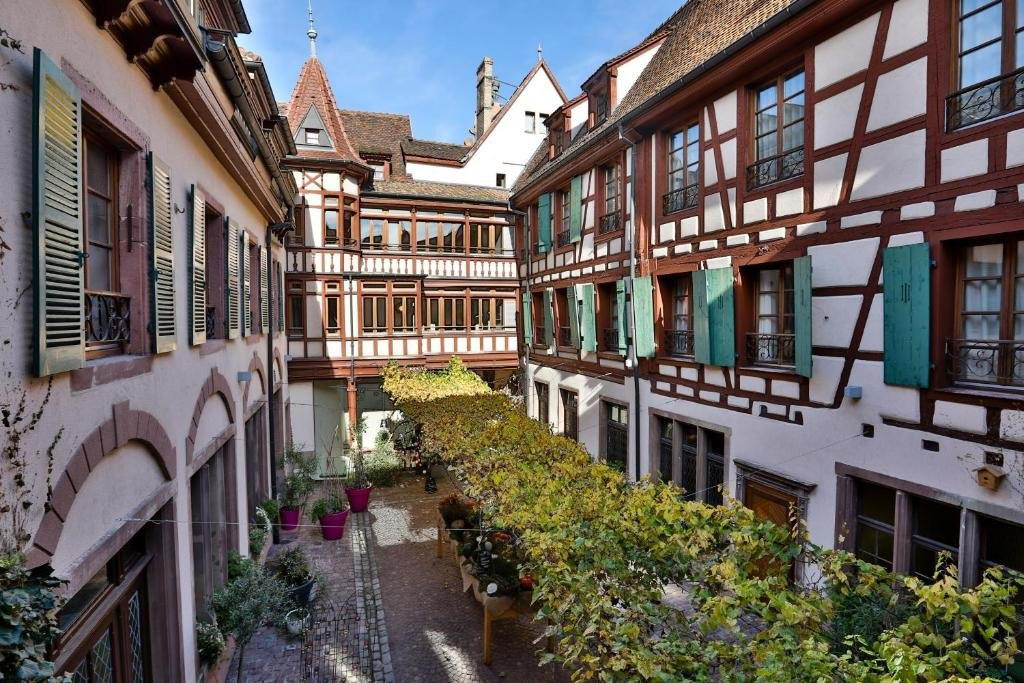
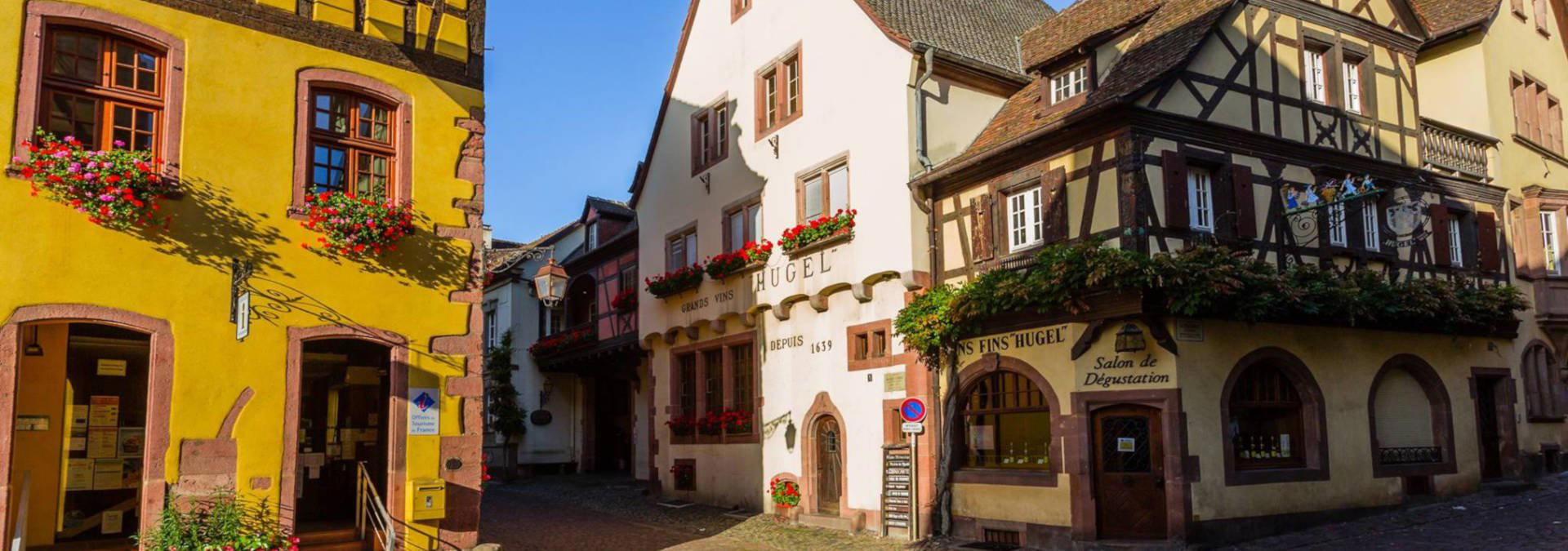
Riquewihr attracts more day-trippers per square metre than almost any village on the Alsace Wine Route. Its half-timbered facades, stone fountains, and rampart walls have made it a set piece of French tourism, which is precisely why many Alsatians avoid it outside of December. The crowd moves fast, photographs, and leaves. The village's dining scene, however, contains at least one reason to stay considerably longer. At 5 Rue de la 1ère Armée, in a building that dates to the 16th century, La Table du Gourmet operates at a different pace from the tourist current flowing outside its door.
The Alsatian Creative Tradition and What It Means Here
Alsace has long occupied an unusual position in French gastronomy. Its cuisine is grounded in Germanic thoroughness, choucroute, baeckeoffe, tarte flambée, but the region's leading kitchens have repeatedly pushed against that heaviness toward something lighter, more botanical, more attentive to the garden. In Riquewihr, Jean-Luc Brendel works within that same tradition. His kitchen draws from a permaculture garden that runs to approximately 350 varieties of plant, herbs, vegetables, edible flowers, and that depth of supply gives the menu a specificity that sourcing from external suppliers simply cannot replicate. Rare varieties like the Petrowski turnip appear on plates alongside humanely-reared veal cooked over embers, a pairing that situates the cooking in both the soil and the flame. The creative register here is not innovation for its own sake; it is the kind of creativity that comes from working with constrained, seasonal, locally grown material and finding what it can do.
French creative kitchens operating at this price point, the restaurant prices at €€€€, consistent with its Michelin-starred peers, tend to position themselves in one of two ways: through technique-led modernism, as seen at Alléno Paris au Pavillon Ledoyen, or through terroir-led seasonality, where the provenance of ingredients carries as much weight as the method of preparation. Brendel's approach belongs clearly to the second category. The use of organic ingredients, the permaculture framework, and the emphasis on regional Alsatian produce all signal a kitchen that is making an argument about where food comes from before it makes any argument about technique.
The Ecosystem Around the Restaurant
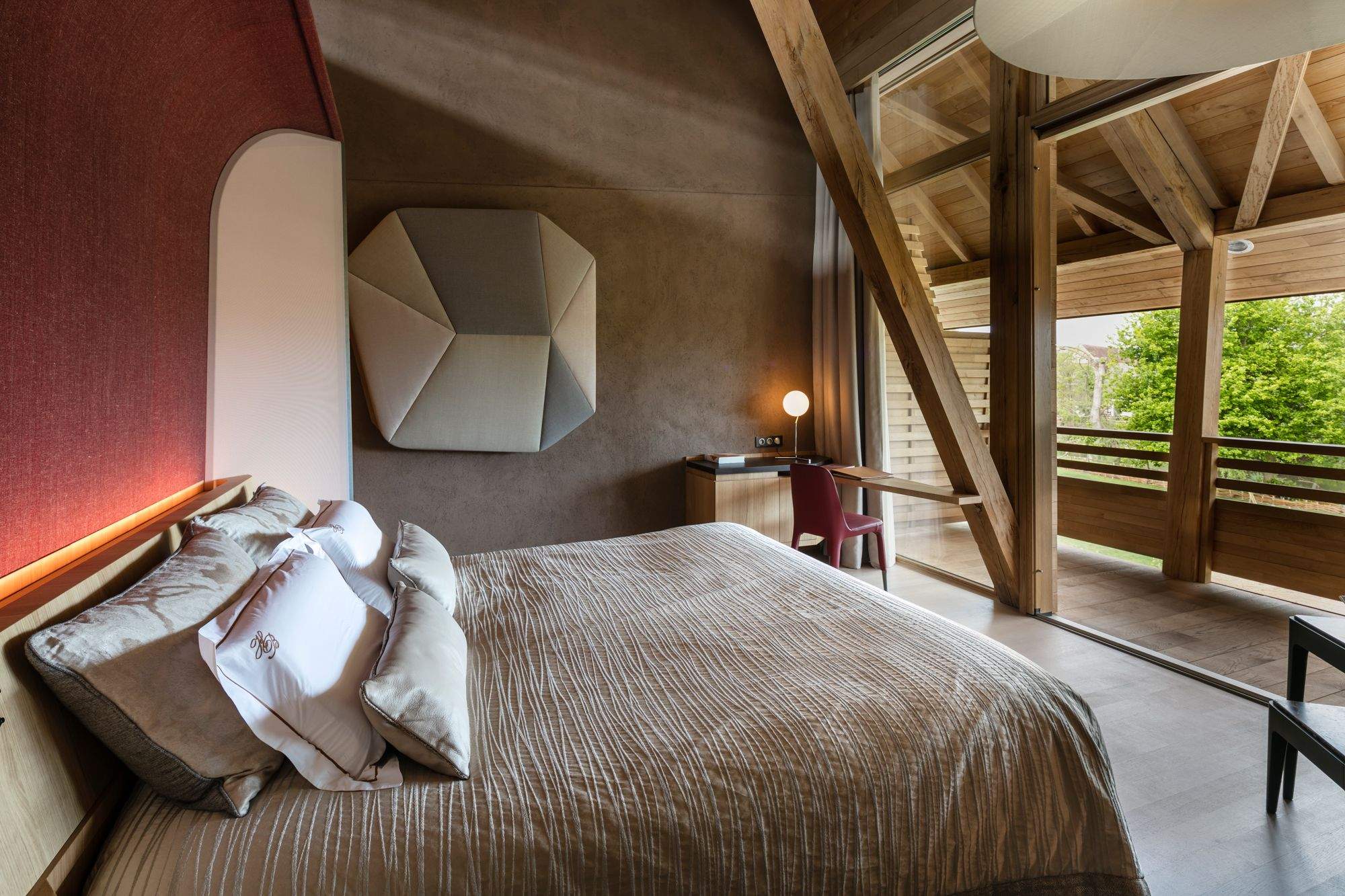
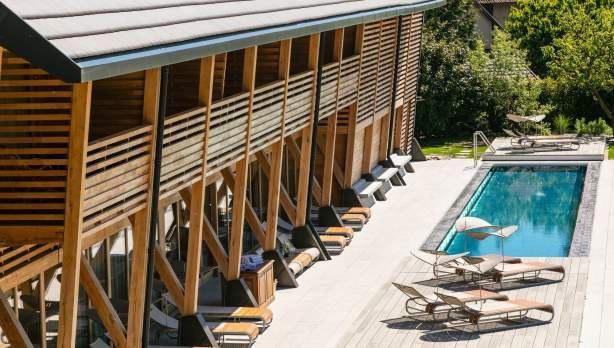
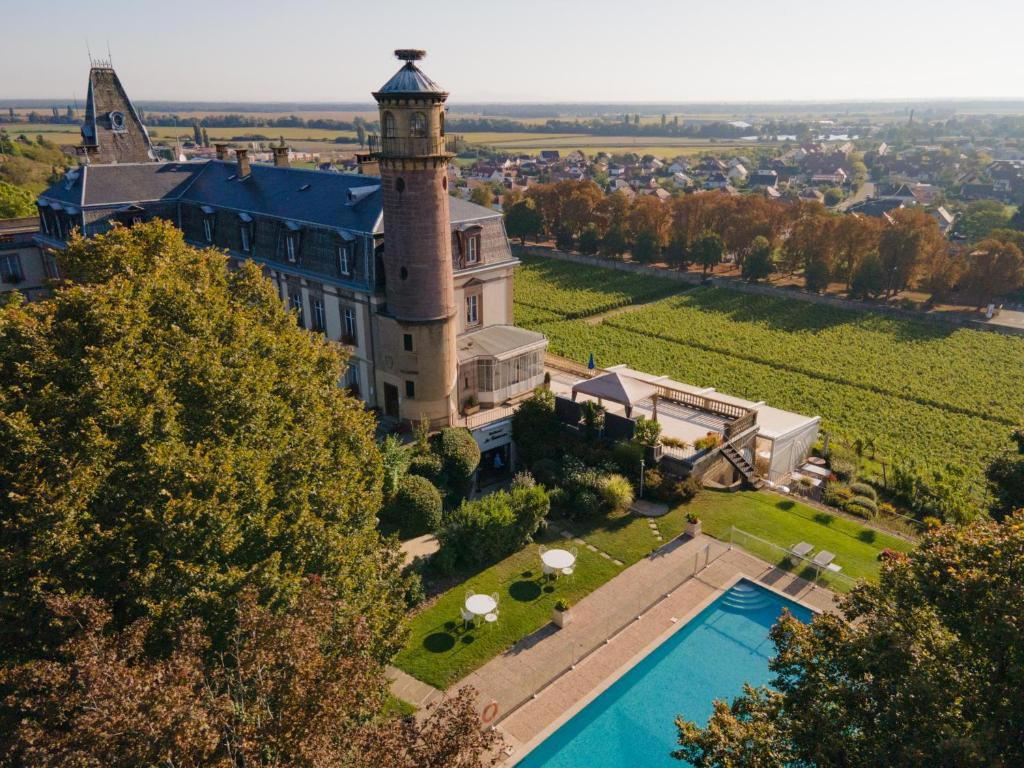
One pattern visible among France's most committed regional kitchens is the construction of what might be called a hospitality ecosystem, a cluster of complementary formats around a central restaurant that allows guests to extend their experience and gives the chef more surfaces on which to express the same philosophy. Flocons de Sel in Megève and Troisgros in Ouches both operate within broader hospitality structures that bind accommodation, dining, and a defined sense of place. La Table du Gourmet follows the same logic at village scale. Alongside the starred restaurant, Brendel runs a modern winstub, the Alsatian equivalent of a wine bistro, typically more relaxed in format and price, and offers guestrooms for overnight stays. The winstub provides access to the kitchen's sensibility at a lower price threshold; the guestrooms mean a visit can extend past the meal itself, which matters in a village whose daytime character is entirely different from its quieter evenings.
The Wine List and Its Context
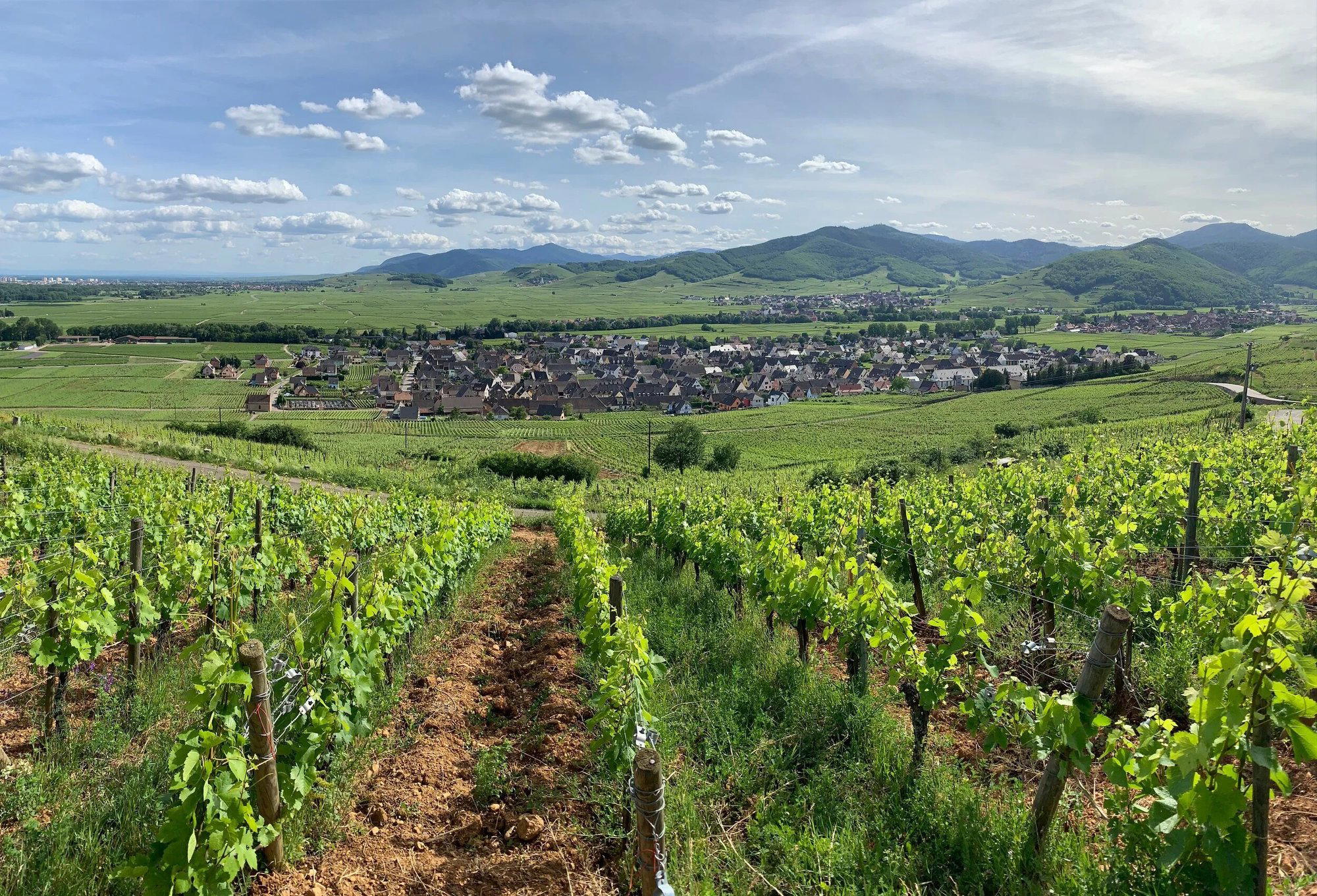
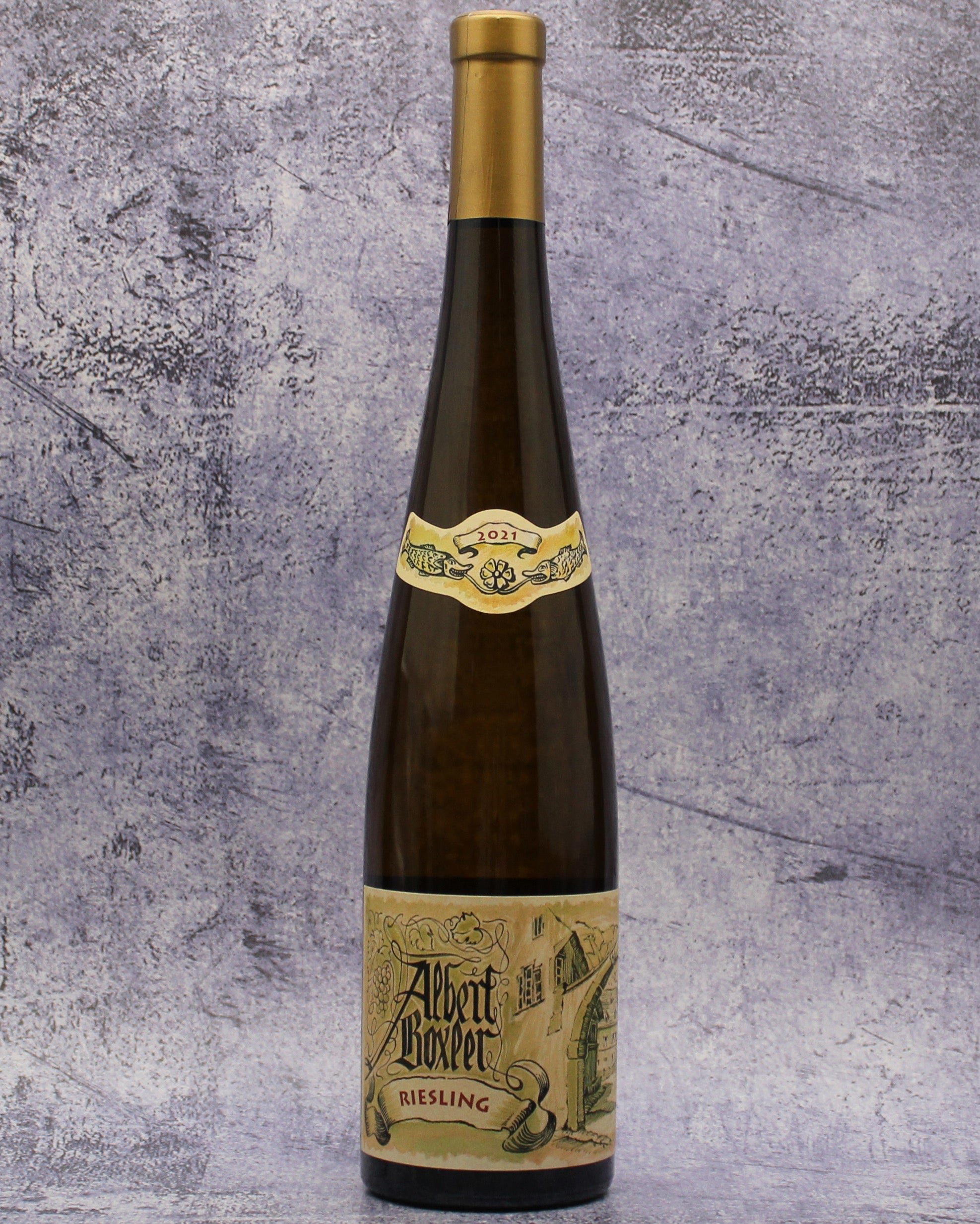
Alsace produces some of France's most individual white wines: Rieslings with pronounced mineral acidity, Gewurztraminers of unusual aromatic intensity, Pinot Gris that sits somewhere between Burgundy and the Rhine in character. These are wines that pair naturally with the kind of vegetable-forward, herb-inflected cooking that Brendel practises, and La Table du Gourmet maintains a dedicated Alsace wine list alongside a second broader list. The existence of two separate lists, one regional, one wider, reflects a kitchen confident enough in its local identity to give Alsatian wines their own space, rather than folding them into a general selection.
Where La Table du Gourmet Sits in the Riquewihr Dining Picture
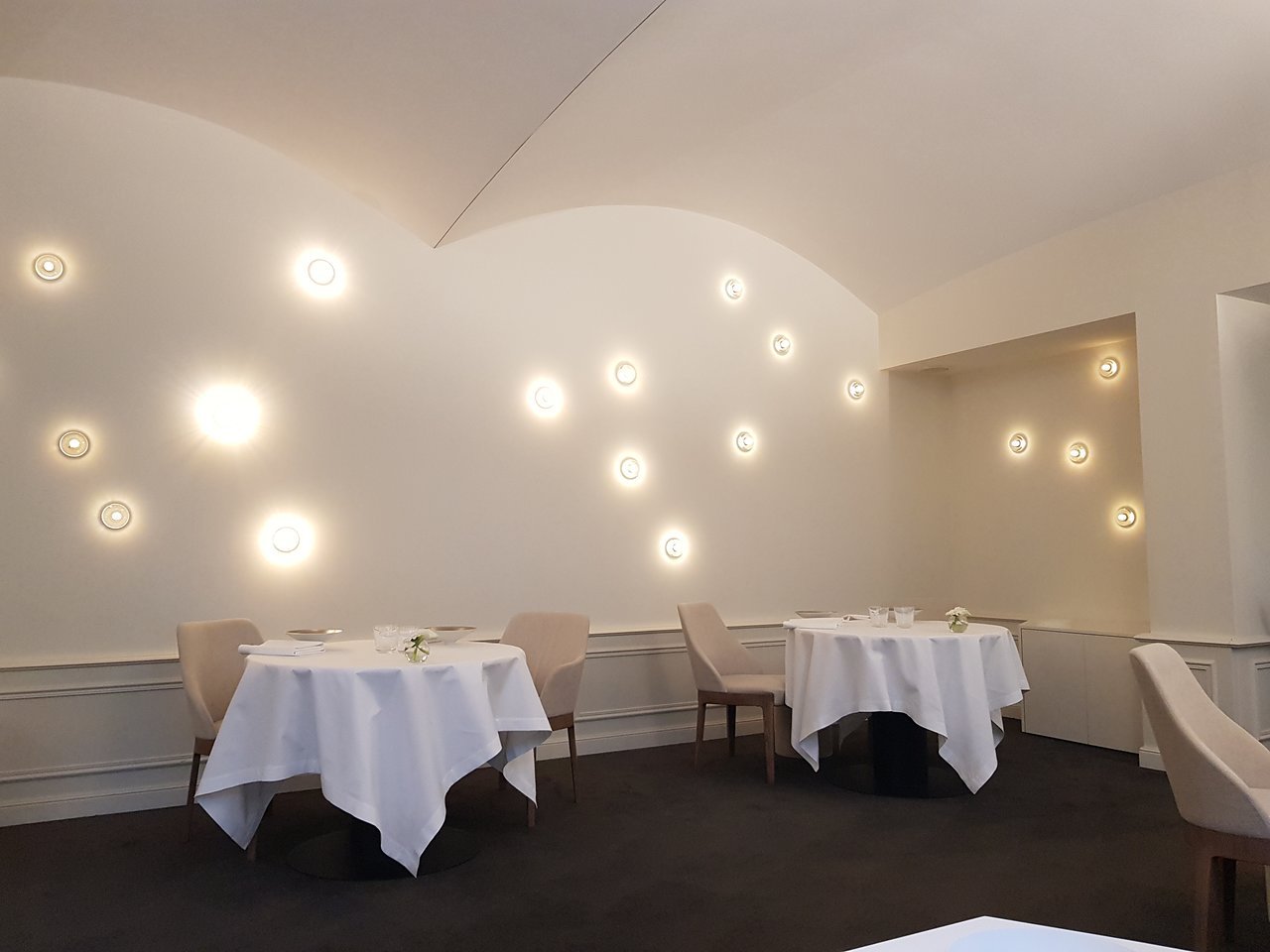
Riquewihr's restaurant offering is, predictably, tourist-weighted: traditional Alsatian dishes, flammekueche at volume, wine-paired menus aimed at visitors moving through on a half-day schedule. The restaurant occupies a different tier from that mainstream. La Grappe d'Or represents the village's traditional cuisine option, while AOR La Table, le Goût et Nous offers another contemporary angle. Outside Riquewihr, the Alsatian fine dining scene extends toward the Rhine plain and the mountain foothills, with the region's starred kitchens drawing on the same agricultural base but applying varying creative pressures to it. Comparative creative restaurant work at the starred level can also be found at AM par Alexandre Mazzia in Marseille, Assiette Champenoise in Reims, Enrico Bartolini in Milan, and JAN in Munich, each operating in a different regional tradition but sharing the same commitment to sourcing specificity that defines Brendel's project.
Planning a Visit
The restaurant is at 5 Rue de la 1ère Armée in the medieval centre of Riquewihr. At €€€€ pricing, it sits at the summit of the village's dining range, and reservations should be made well in advance, particularly for weekend visits during the summer and December market seasons, when Riquewihr draws its heaviest tourist traffic. The existence of guestrooms on site makes an overnight stay a practical option for those travelling from further afield; arriving the evening before and leaving after a late lunch covers both the quieter village atmosphere and a meal without the pressure of onward travel. The winstub provides a lower-commitment entry point to the same kitchen if the full tasting menu is not the plan. For other things to do in and around the village,
Cuisine-First Comparison
Comparable venues nearby, for context on price, style, and recognition.
| Venue | Cuisine | Price | Awards | Notes |
|---|---|---|---|---|
| La Table du GourmetThis venue — the venue you are viewing | Modern French Fine Dining | $$$$ | Michelin 1 Star | Not listed |
| AOR La Table, le Goût et Nous | Modern French Tasting Menu | $$$$ | Michelin Plate | Riquewihr |
| D'Brendelstub | Modern Alsatian Winstub | $$ | Not listed | Riquewihr |
| La Grappe d'Or | Alsatian French Winstub | $$ | Michelin Plate | Riquewihr |
| Auberge Frankenbourg | Creative French Alsatian Fine Dining | $$$$ | Michelin 1 Star | La Vancelle |
| Restaurant Girardin | Modern French Gastronomic | $$$$ | Michelin 1 Star | Colmar Old Town |
Recognition history
Dated appearances from independent guides and award organizations, with the underlying list record or original source where available.
Michelin 1 Star
Michelin
Star Wine List
Star Wine List
Gault & Millau Prestige Restaurant
Gault & Millau
Michelin 1 Star
Michelin
We're Smart World 3 Radishes
We're Smart World
Michelin 1 Star
Michelin
Continue exploring
More in Riquewihr
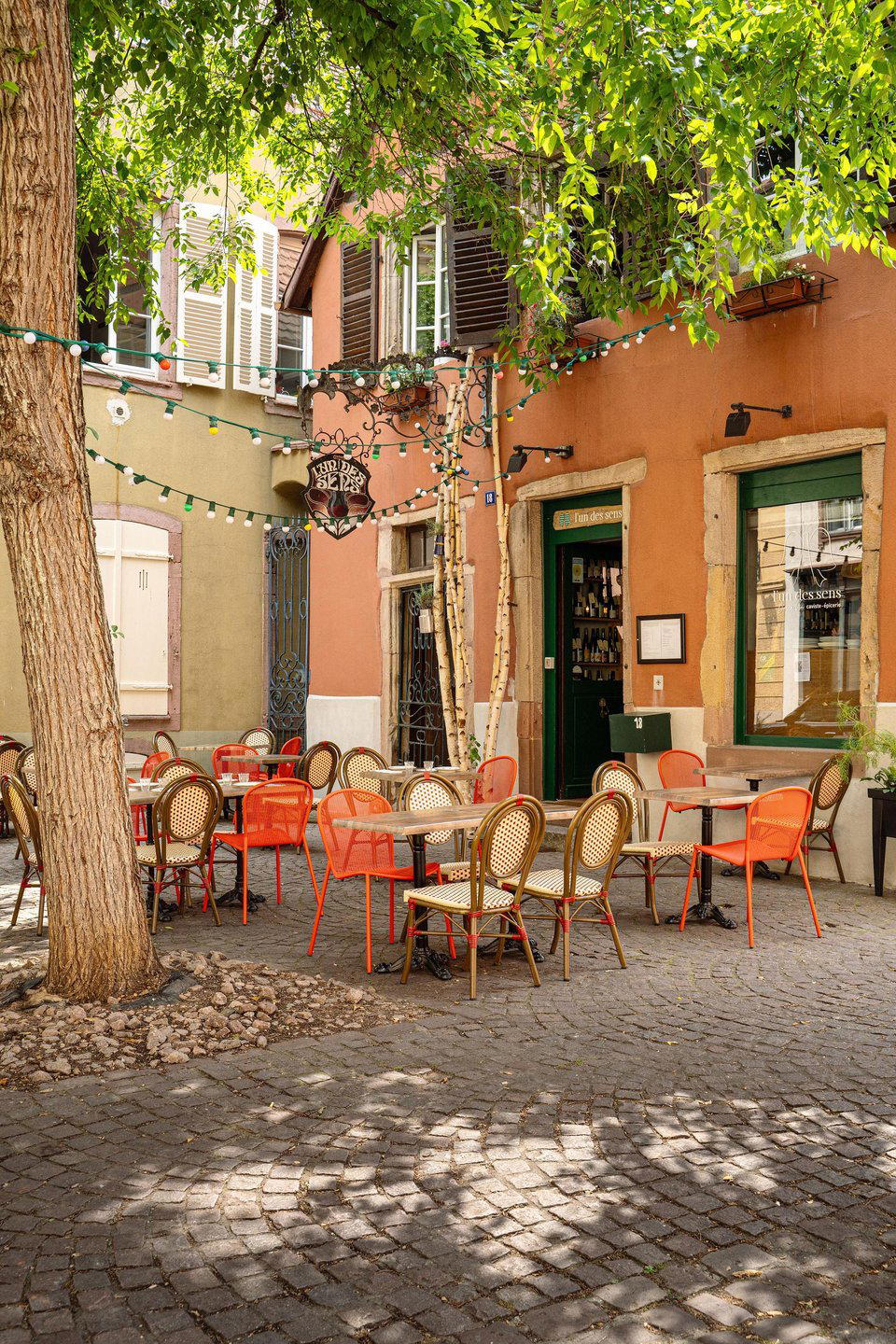
Restaurants in Riquewihr
Browse all →
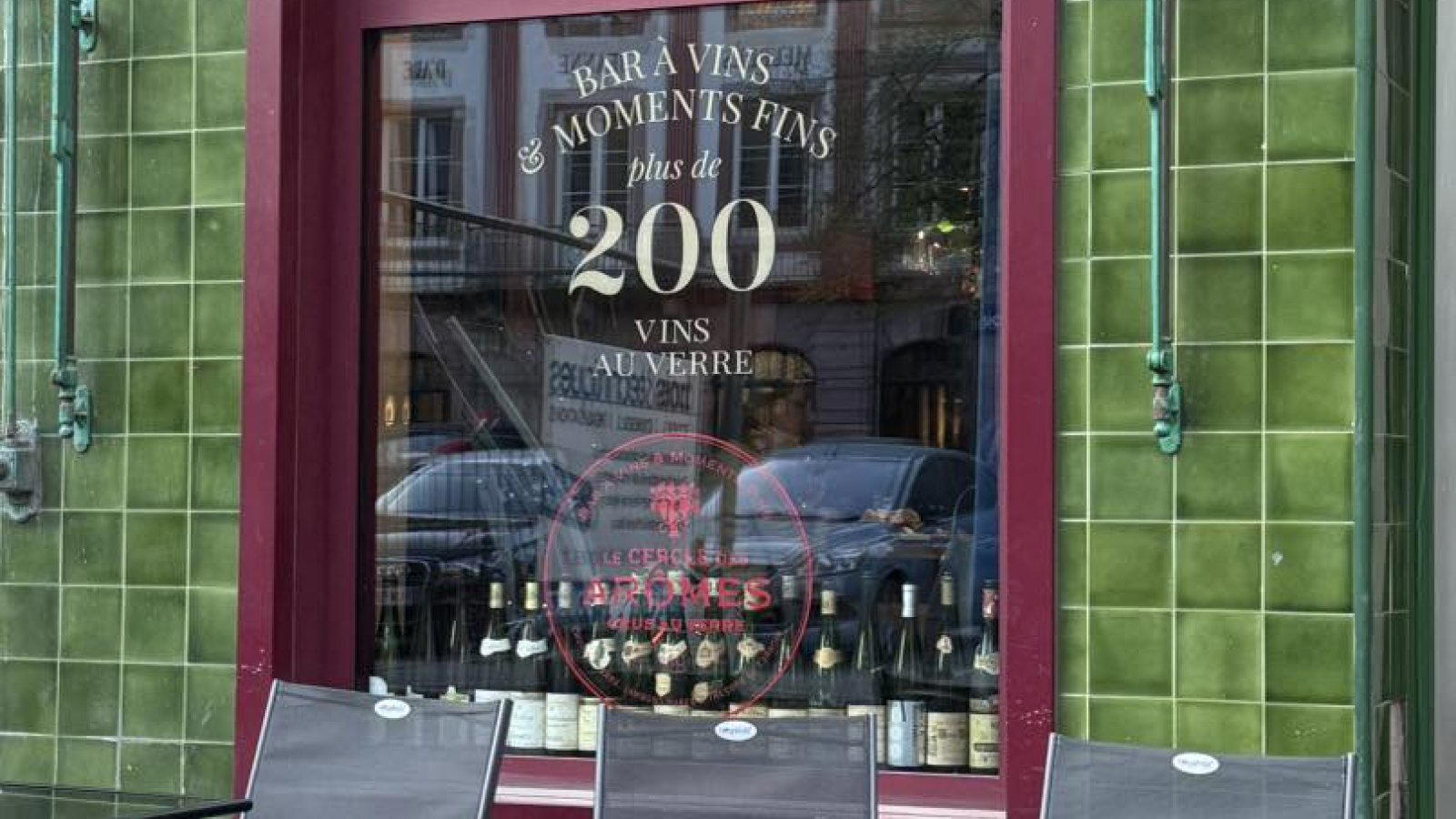
Bars in Riquewihr
Browse all →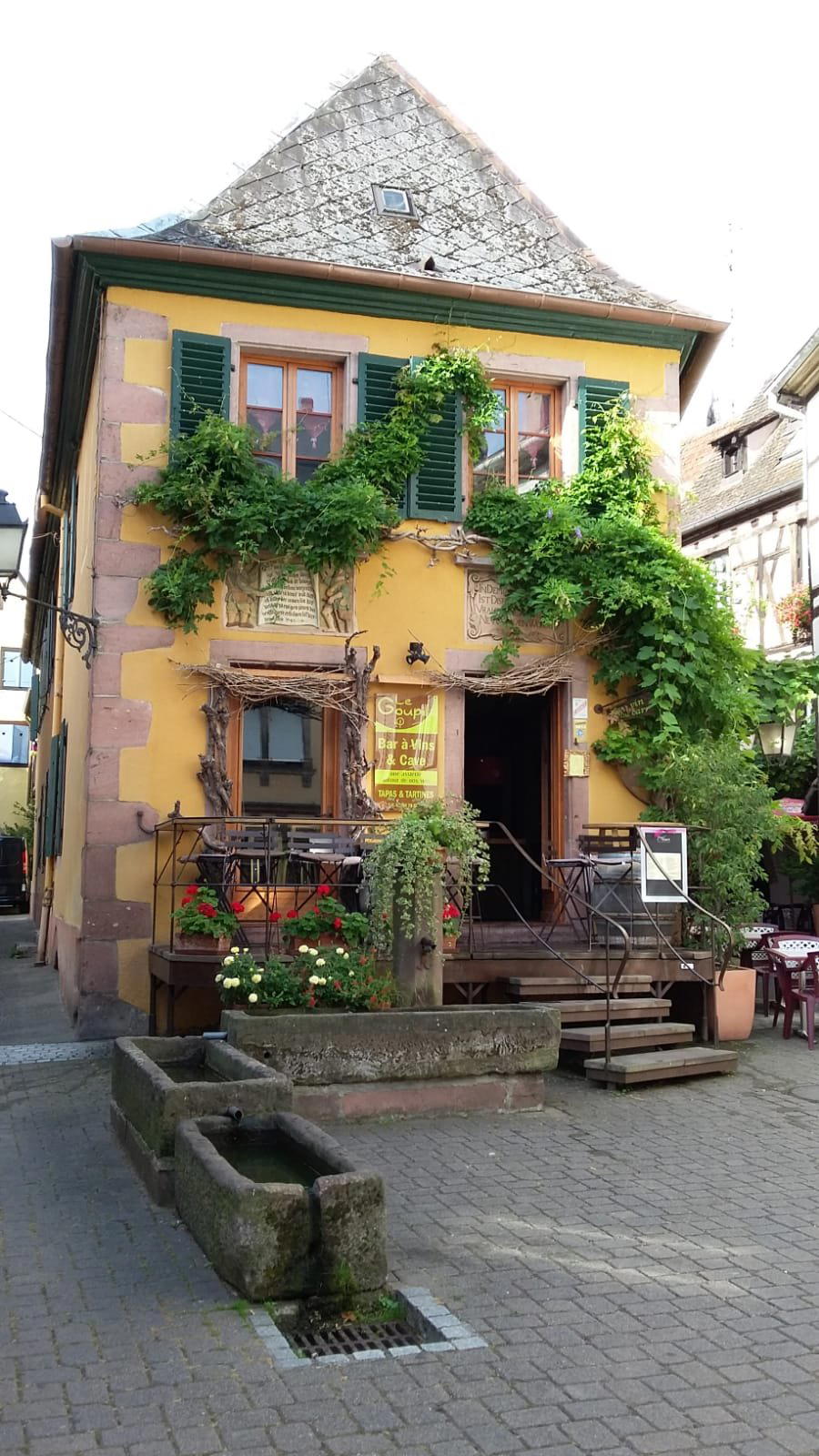
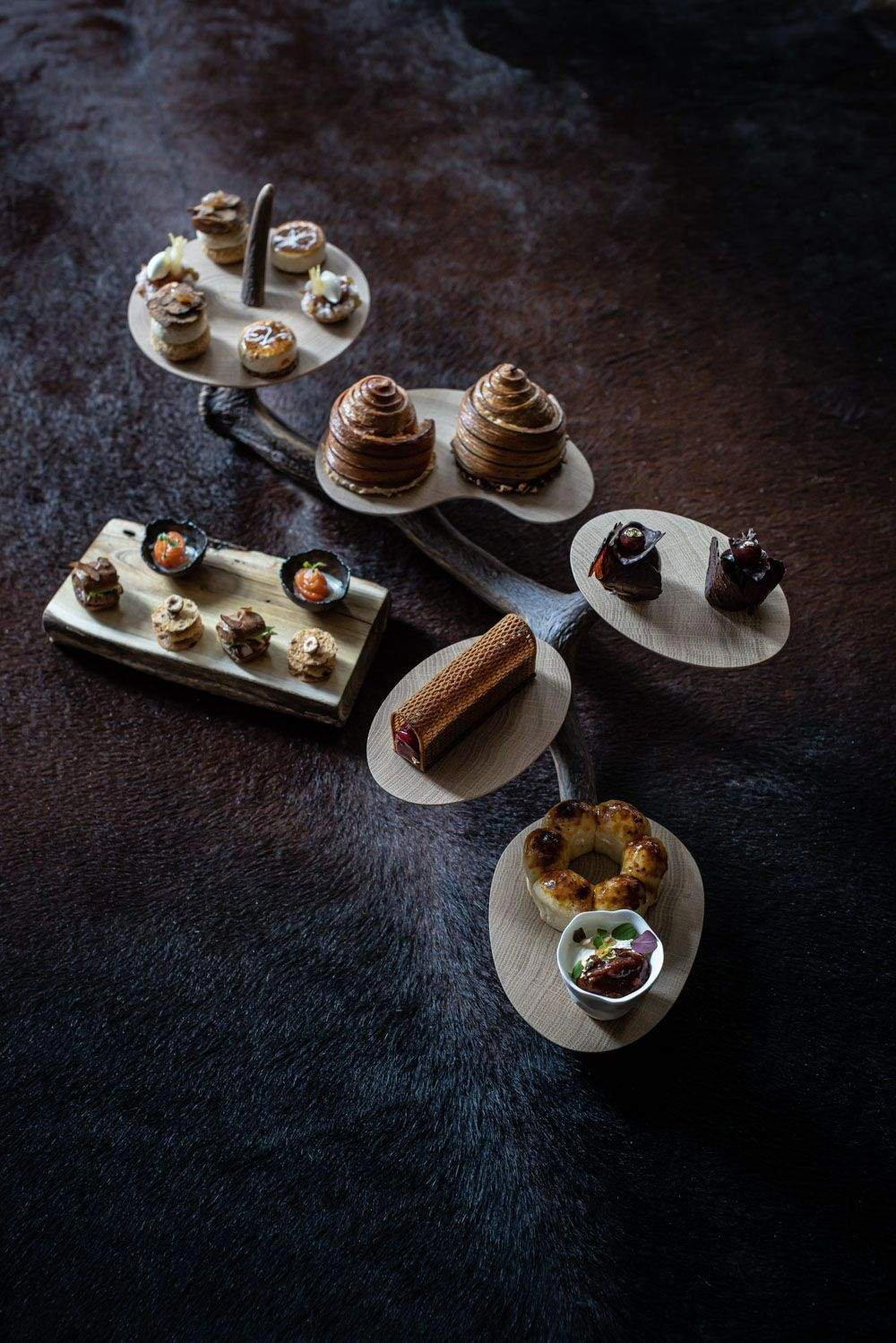
Hotels in Riquewihr
Browse all →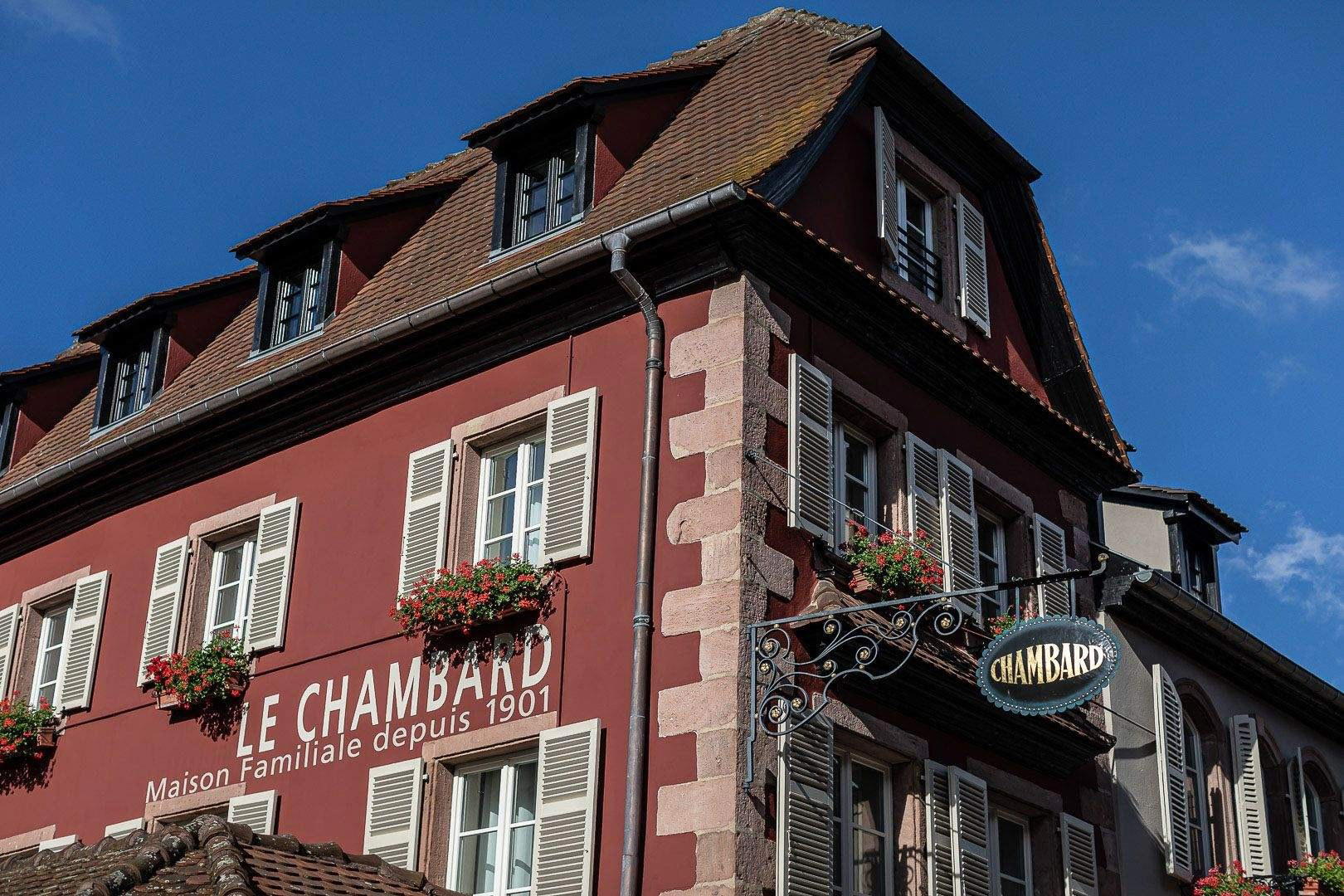
At a Glance
- Elegant
- Intimate
- Sophisticated
- Cozy
- Date Night
- Special Occasion
- Open Kitchen
- Historic Building
- Extensive Wine List
- Sommelier Led
- Farm To Table
- Local Sourcing
Current opening hours
- Monday
- 12:15–1:30 PM, 7:15–8:45 PM
- Tuesday
- Closed
- Wednesday
- Closed
- Thursday
- 7:15–8:45 PM
- Friday
- 12:15–1:30 PM, 7:15–8:45 PM
- Saturday
- 12:15–1:30 PM, 7:15–8:45 PM
- Sunday
- 12:15–1:30 PM, 7:15–8:45 PM
Hours can change for holidays and private events. Last verified .
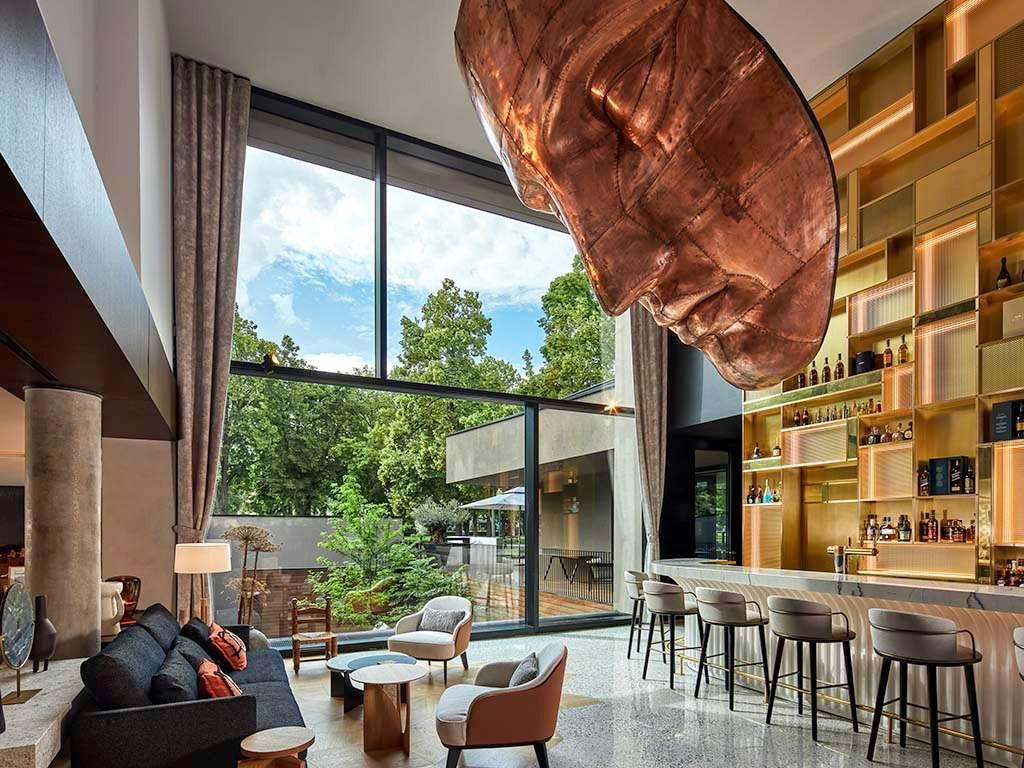
Intimate Renaissance house with passionate red walls, modern design, and warm, sophisticated atmosphere.