
A small address on Rue Berthe Molly that holds its own against Colmar's more celebrated dining rooms, L'Un des Sens draws on classic Alsatian technique while operating at an intimate scale that larger venues in the old town cannot match. The room rewards unhurried visits, and the drink program works harder than most of its neighbours to earn attention on its own terms.
Pearl is the En Primeur Club membership app — saves, bookings, and concierge access live there. Same editors, same standards.
- Address
- 18 Rue Berthe Molly, 68000 Colmar, France
- Phone
- +33 3 89 24 04 37
- Website
- lun-des-sens.alsace
- Directions
- Get directions
 Saves & bookings on Pearl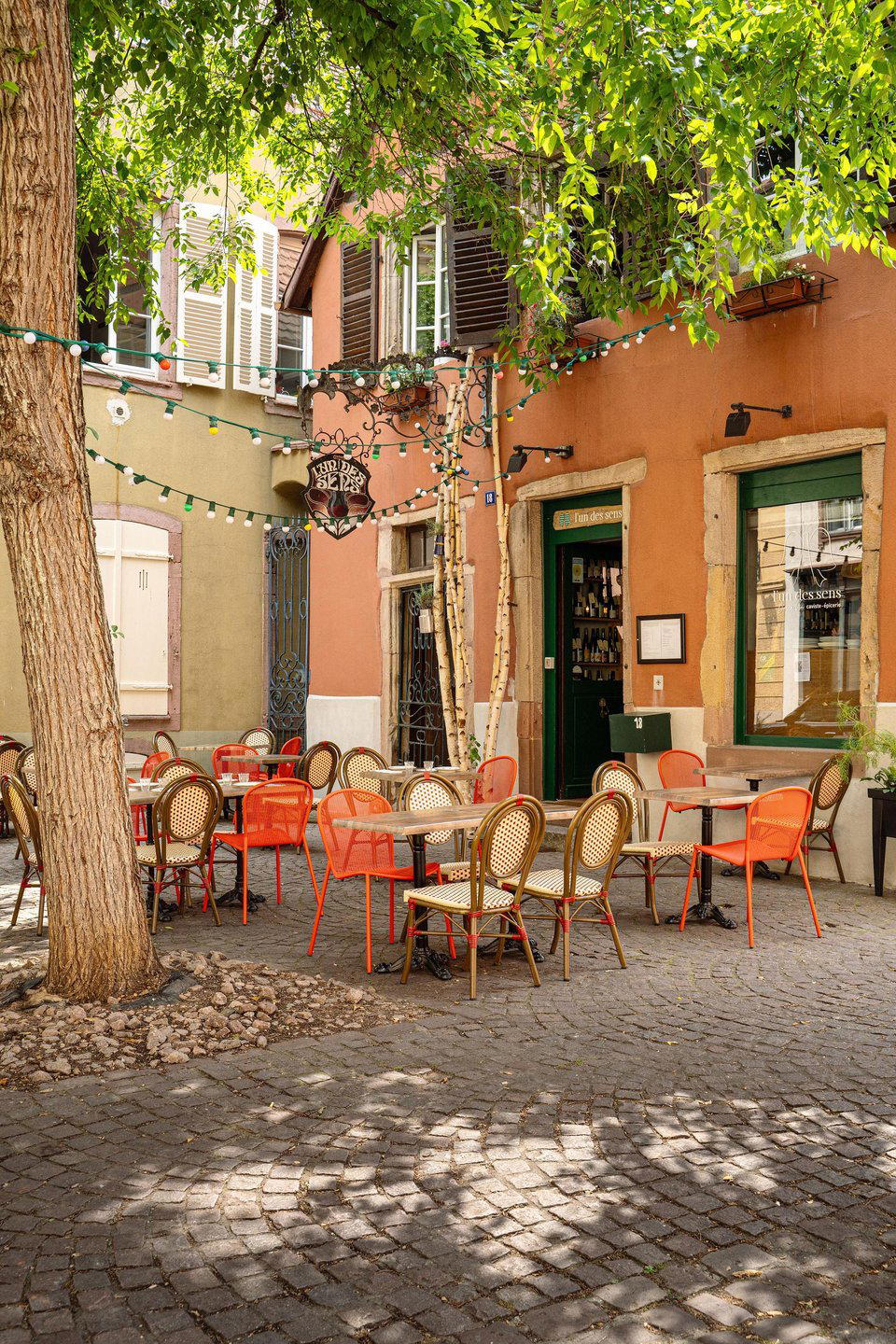
A Street in the Old Town That Earns Its Own Reputation
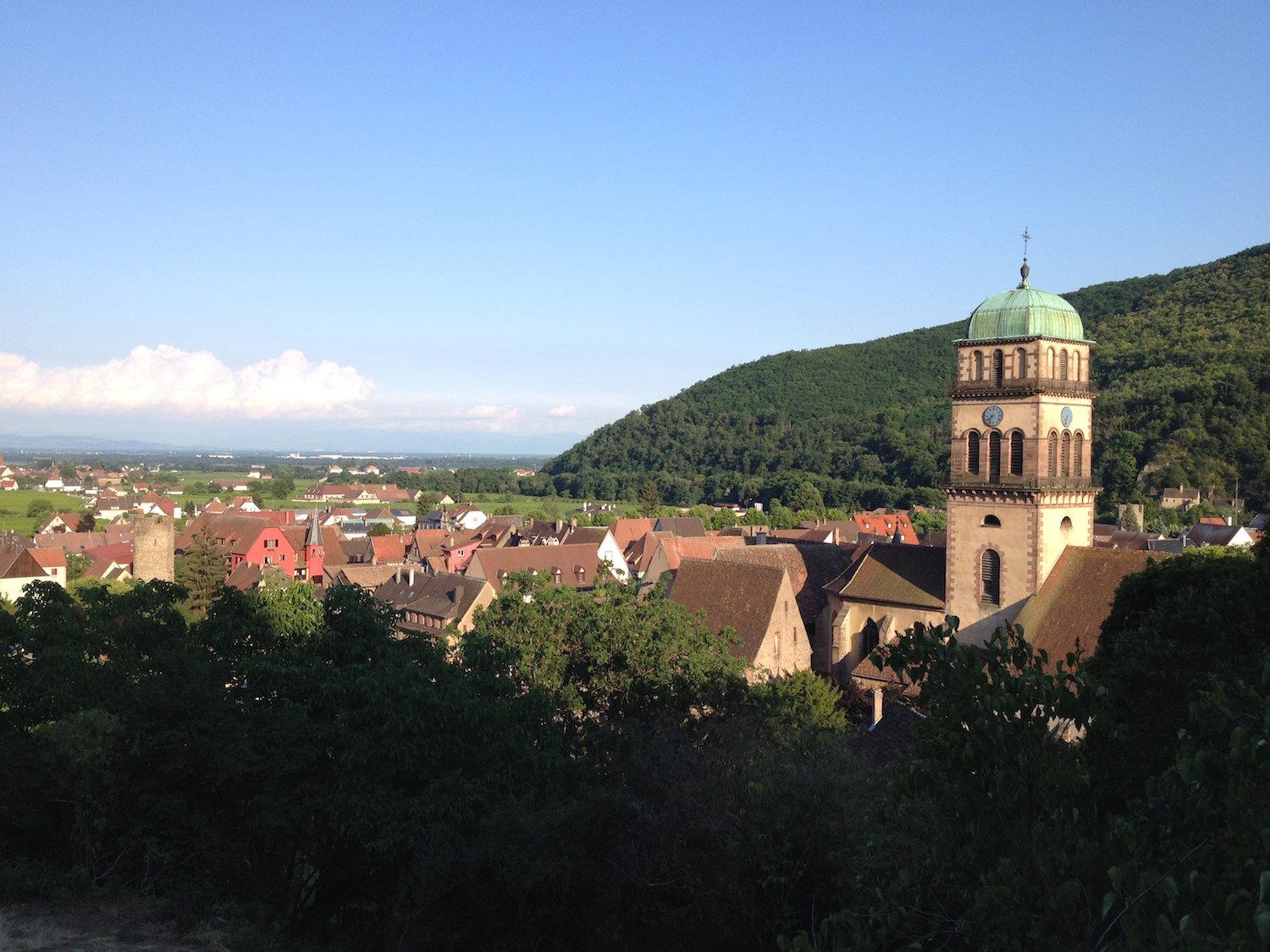
Colmar's dining identity is built on the tension between its heritage and its ambition. The city's medieval half-timbered streets attract visitors who expect Alsatian winstubs and choucroute, and the majority of restaurants on the tourist circuit deliver exactly that. What Rue Berthe Molly represents, in its quieter way, is a different proposition: a cluster of smaller addresses that trade on quality of execution rather than the volume of footfall, and that understand wine and drinks as integral to the meal rather than incidental to it. L'Un des Sens sits at number 18 on that street, and the scale of the place, small by any European dining standard, is part of its positioning rather than a limitation.
Colmar's premium dining segment has, over the past decade, split between formally recognised names and a secondary tier of neighbourhood-focused rooms that operate closer to the traditional Alsatian model but with sharper technical ambition. L'Un des Sens belongs to that second cohort. Its signal to the market is a consistency of approach that has kept it relevant through changes in ownership and kitchen direction. When a restaurant in a city this size retains its identity across transitions, that alone indicates something durable about its format.
The Drink Program as the Room's Defining Argument
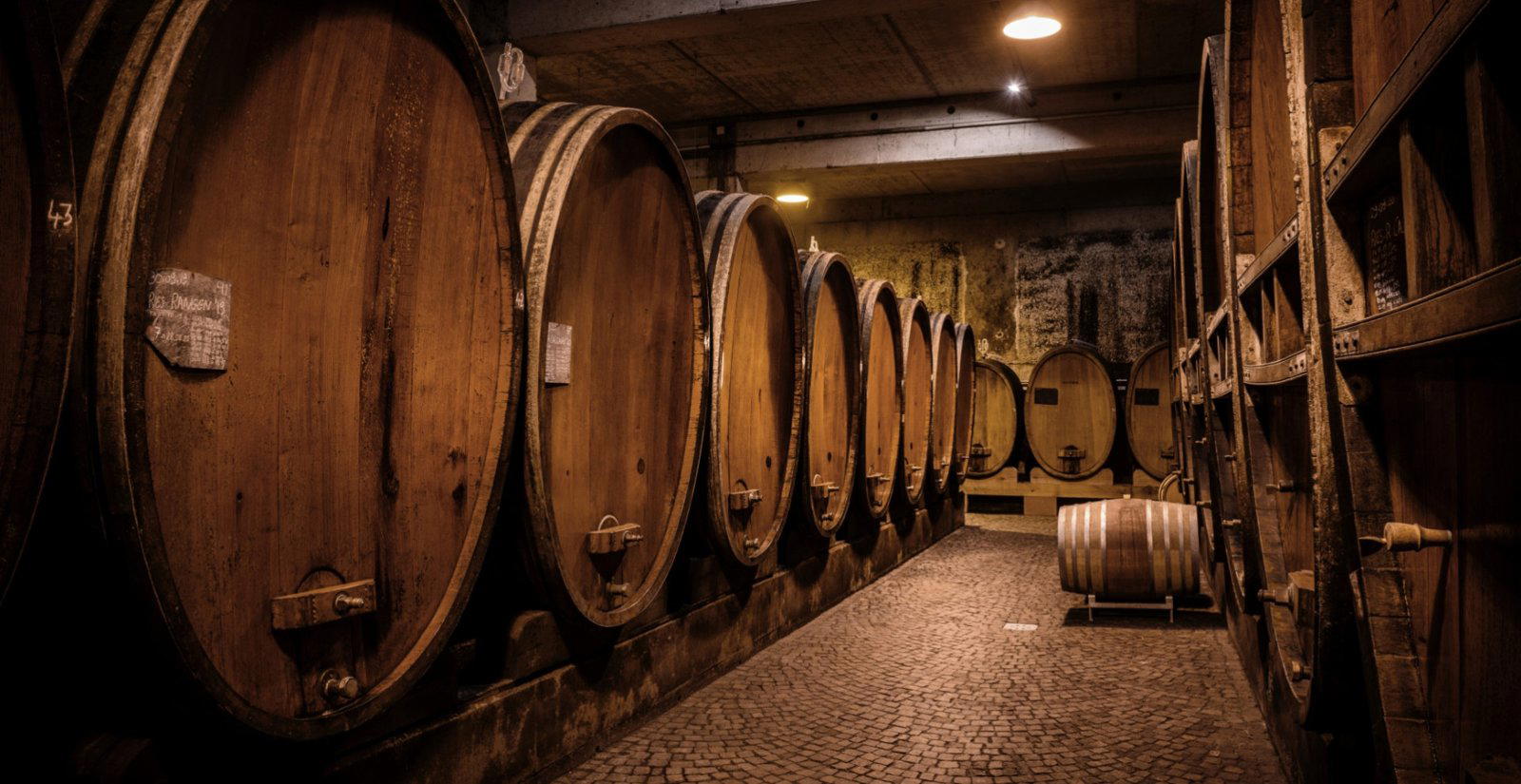
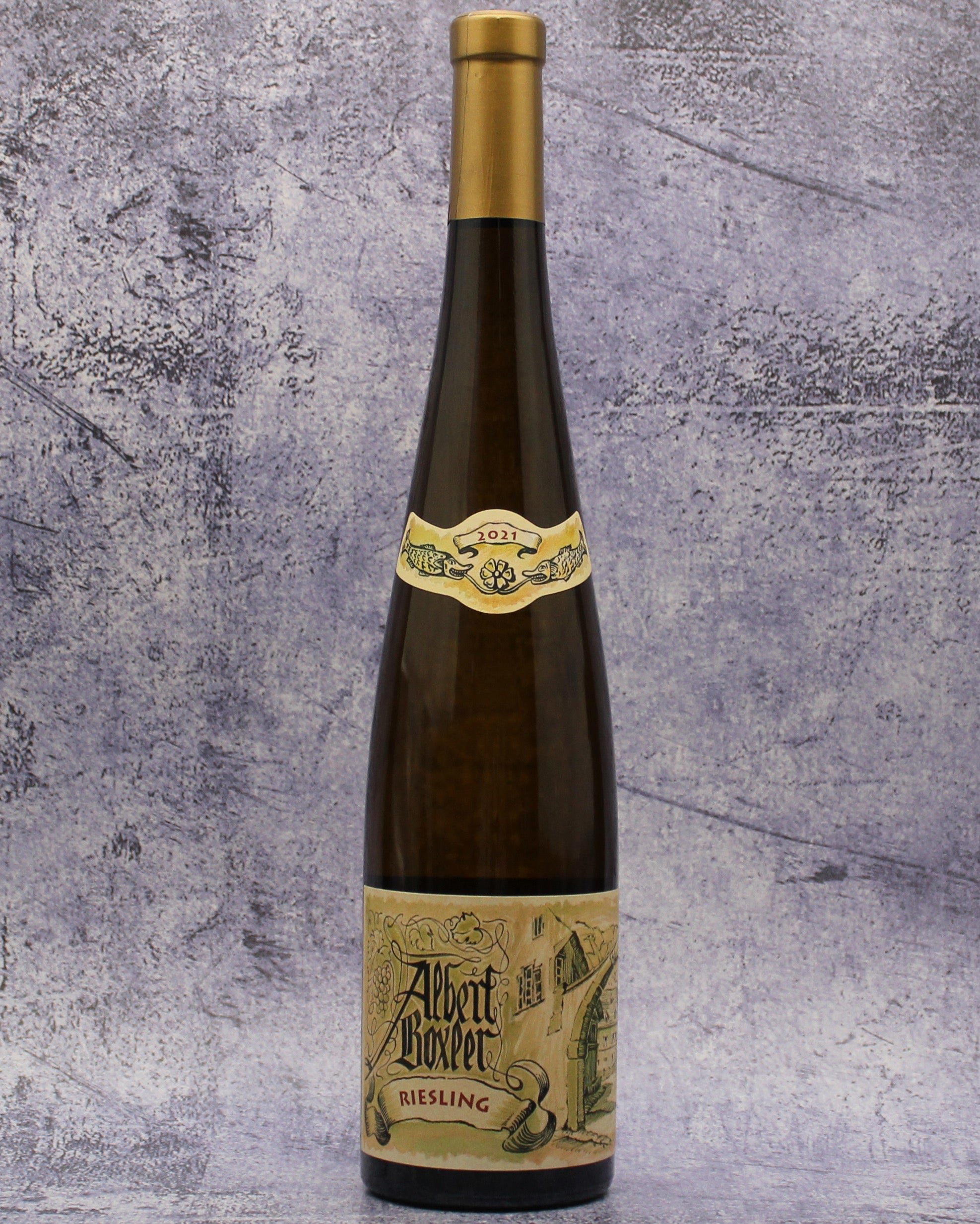
In a city where the wine list is often the afterthought and the Riesling is poured almost reflexively, L'Un des Sens takes a more considered position on what happens in the glass. Alsace is one of France's most coherent wine regions in terms of varietal identity: Gewurztraminer, Pinot Gris, Muscat, and Riesling each carry a distinct aromatic signature, and the region's grands crus system gives serious buyers a framework for vertical and producer comparison that rivals Burgundy in its specificity. A drinks program that engages with that depth, rather than defaulting to the easiest regional pour, tells you something about the seriousness of the kitchen it supports.
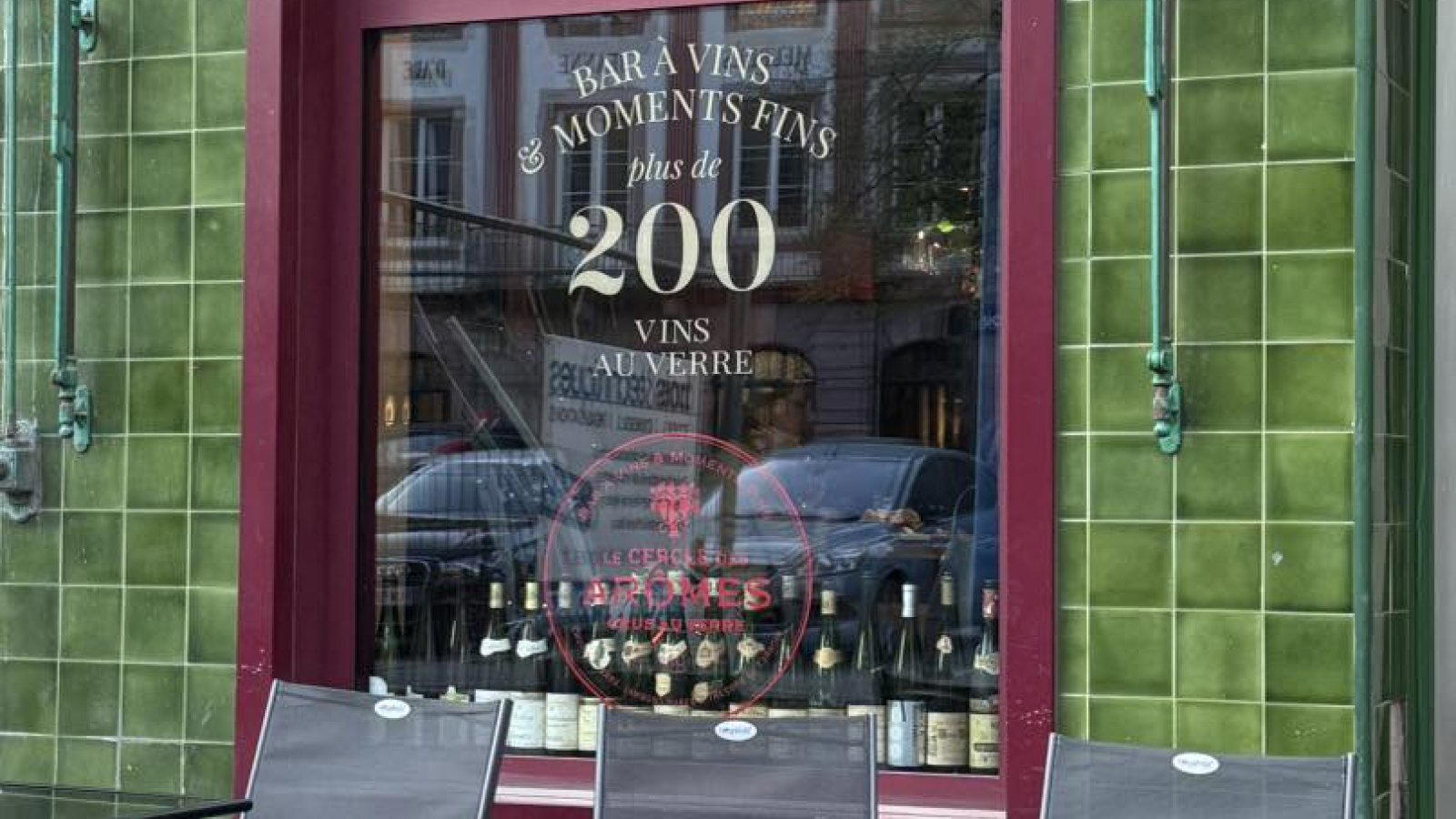
Compared to the bar programs emerging at addresses like Le Cercle des Arômes elsewhere in Colmar, the bar occupies a food-forward position: the drink program exists in conversation with the plate, not as a separate attraction. This is a meaningful distinction in the French provincial context, where cocktail culture has historically lagged the Parisian pace set by venues like Bar Nouveau in Paris, and where regional addresses tend to develop their identities through wine depth rather than spirits technique. The approach is closer in spirit to what you find at focused wine-centric rooms in Lyon, including La Maison M., than to the high-volume cocktail destinations in larger French cities.
Across France's regional bar and drinks culture, particularly interesting addresses are often those that resist the template of the Parisian cocktail bar while finding their own technical language. Papa Doble in Montpellier, Coté vin in Toulouse, and Bar Casa Bordeaux in Bordeaux each demonstrate how regional identity and drinks ambition can coexist without mimicking the capital. The bar makes a quieter version of that argument from within Alsace's particular wine logic.
Kitchen Credentials in Context
The awards data for the bar notes that the current chef, Romain Leichtweis, is trained to a level consistent with the room's positioning. Small Alsatian rooms operating at this price and scale tend to require chefs who can maintain consistency across tight service windows, work with local seasonal produce in ways that feel considered rather than decorative, and execute classic technique without the brigade infrastructure that larger rooms rely on. That is a specific skill set, and it is not universal among chefs trained in French regional kitchens. The room has maintained its identity through ownership transitions.
French provincial fine dining has its own tradition of the patron-cuisinier who is both front and back of house in spirit, and Colmar's intimate rooms often reflect that model more accurately than restaurants in cities where scale separates kitchen from dining room.
The Room and the Visit
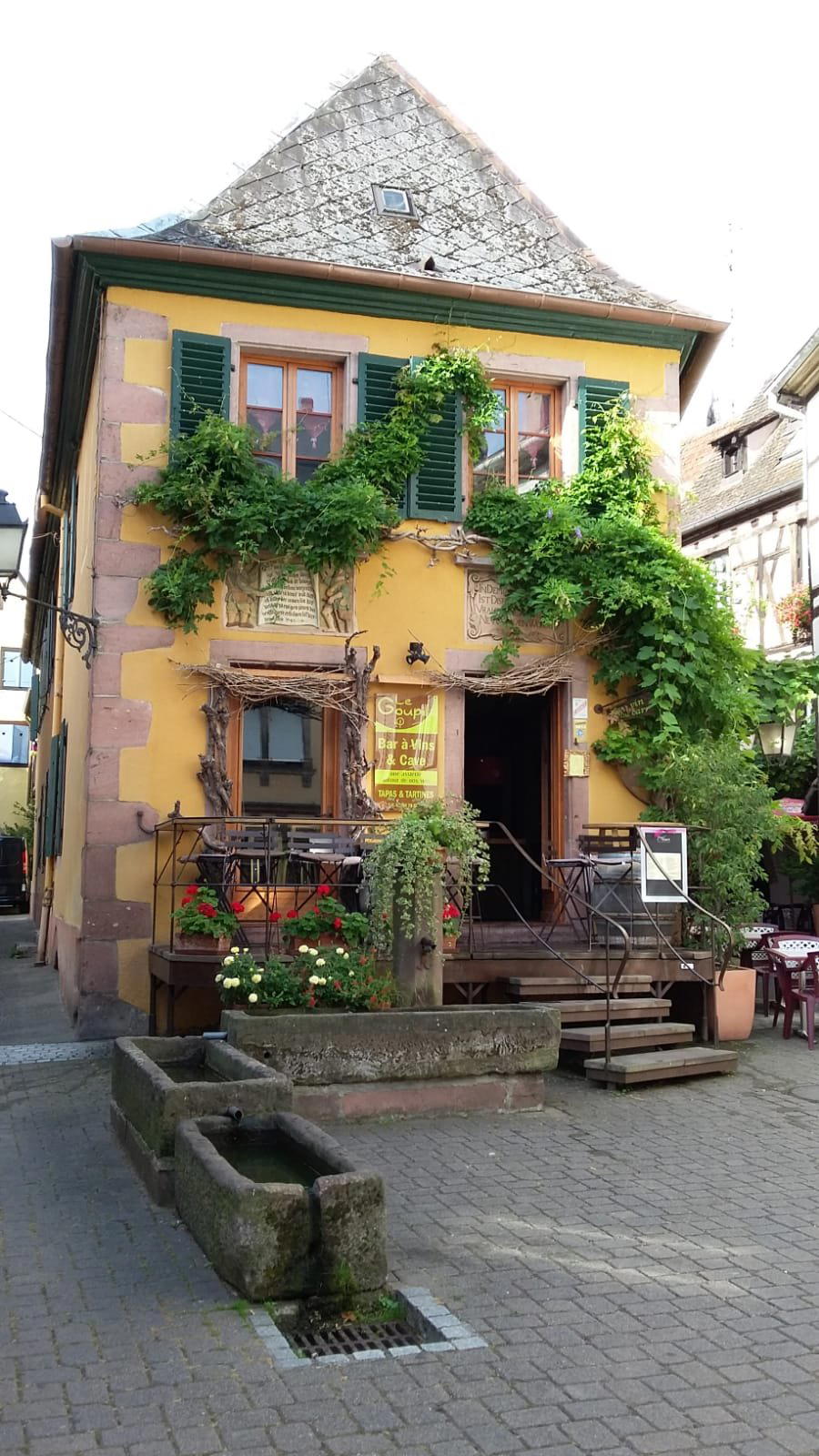
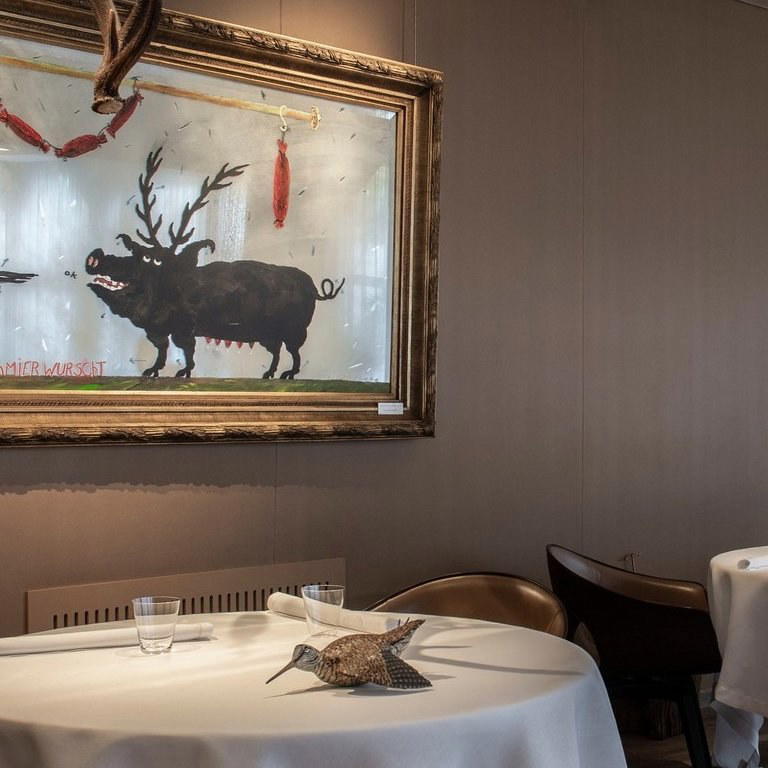
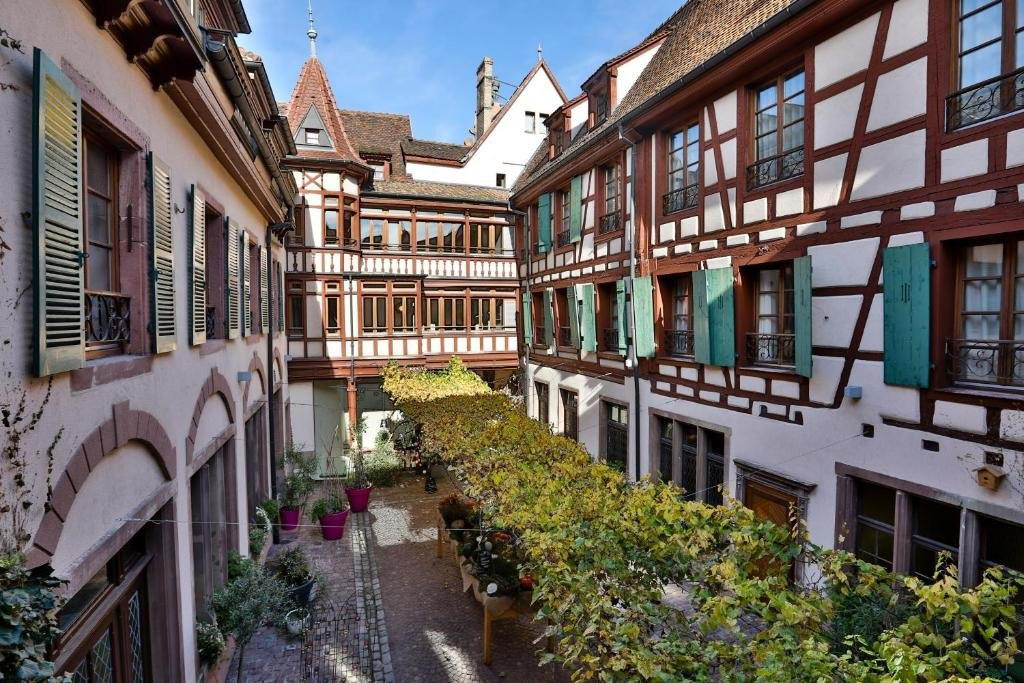
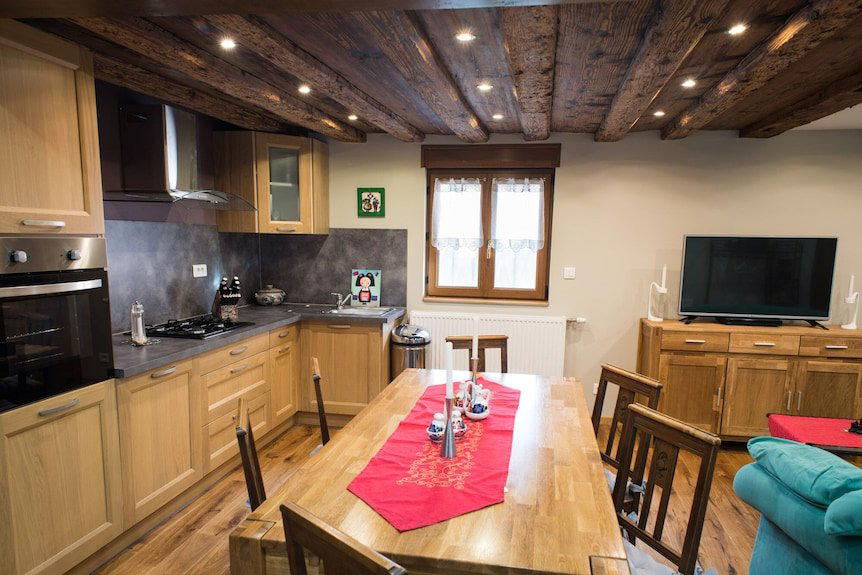
Entering a small room on Rue Berthe Molly in Colmar's old town, the physical context sets the register before a word is spoken. The half-timbered architecture of the quartier creates a visual grammar that most restaurants either lean into heavily or try awkwardly to subvert. A room that holds its own without performing either option has usually been calibrated by someone who understands that the space is already doing considerable work. The intimacy that comes with limited covers is not a marketing claim at the bar; it is a physical fact that shapes the pace and tone of every service.
That intimacy also means booking matters. Small covers in a city that sees significant seasonal tourism, particularly around Colmar's Christmas market period in November and December, fill faster than the room's modest profile might suggest. Visitors planning to eat here during the high-season months should treat booking as non-negotiable rather than preferable. The address at 18 Rue Berthe Molly is reachable on foot from the main old town cluster, placing it close enough to the central attractions that pre- or post-dinner movement through the quartier requires no particular planning.
For those building a broader drinks itinerary across France's regions, the context extends well beyond Alsace.
Planning Your Visit
The bar is located at 18 Rue Berthe Molly, 68000 Colmar. The address sits within Colmar's historic core and is accessible on foot from the main tourist quarter. Given the limited capacity, reservations are advisable at any time of year and close to essential during the Christmas market season when demand across the city's restaurants compresses significantly.
Comparable Spots, Quickly
Comparable venues nearby, for context on price, style, and recognition.
| Venue | Cuisine | Price | Notes |
|---|---|---|---|
| L'Un des SensThis venue — the venue you are viewing | wine_bar | $$$ | Not listed |
| Le Cercle des Arômes | wine_bar | $$$ | historic center |
Recognition history
Dated appearances from independent guides and award organizations, with the underlying list record or original source where available.
Star Wine List
Star Wine List
Continue exploring
More in Colmar
Bars in Colmar
Browse all →
Restaurants in Colmar
Browse all →
Hotels in Colmar
Browse all →
At a Glance
- Intimate
- Cozy
- Elegant
- Date Night
- After Work
- Casual Hangout
- Terrace
- Seated Bar
- Lounge Seating
- Outdoor Terrace
- Natural Wine
- Street Scene
Current opening hours
- Monday
- Closed
- Tuesday
- 5–10 PM
- Wednesday
- 5–10 PM
- Thursday
- 5–10 PM
- Friday
- 5–10 PM
- Saturday
- 5–10 PM
- Sunday
- Closed
Hours can change for holidays and private events. Last verified .
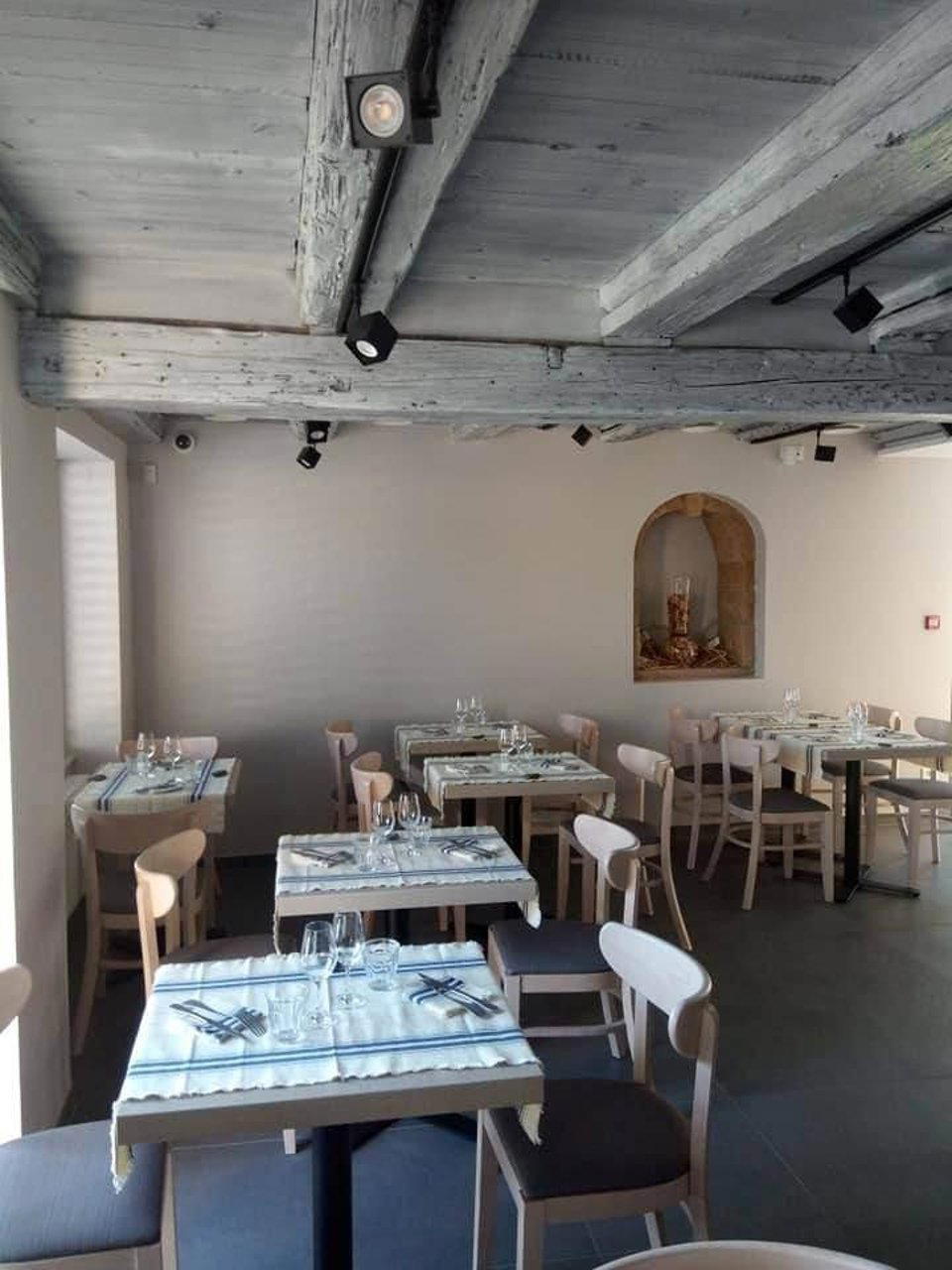
Cozy and welcoming under traditional beams in a typical Alsatian house, with a convivial and intimate atmosphere.