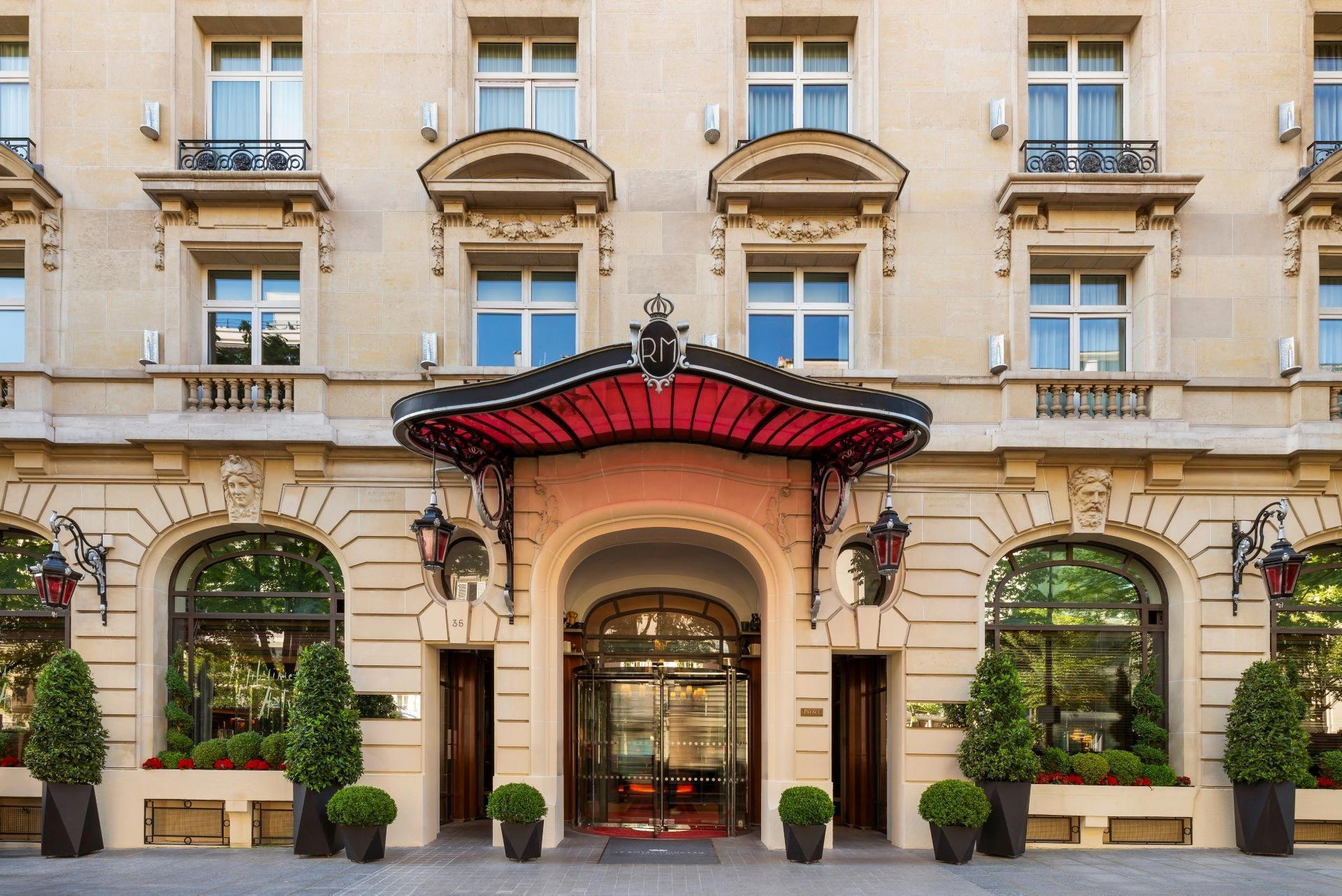
Located on Boulevard Haussmann in Paris's 8th arrondissement, Le Huitième Arrt occupies one of the city's most historically charged dining corridors, where grand café tradition meets contemporary French ambition. The address places it among a concentrated comparable set that includes several of Paris's most decorated tables, making it a reference point for understanding how the Right Bank continues to define the upper register of French cuisine.
Pearl is the En Primeur Club membership app — saves, bookings, and concierge access live there. Same editors, same standards.
- Address
- 128 Bd Haussmann, 75008 Paris, France
- Phone
- +33142665790
- Website
- opentable.fr
- Directions
- Get directions
 Saves & bookings on Pearl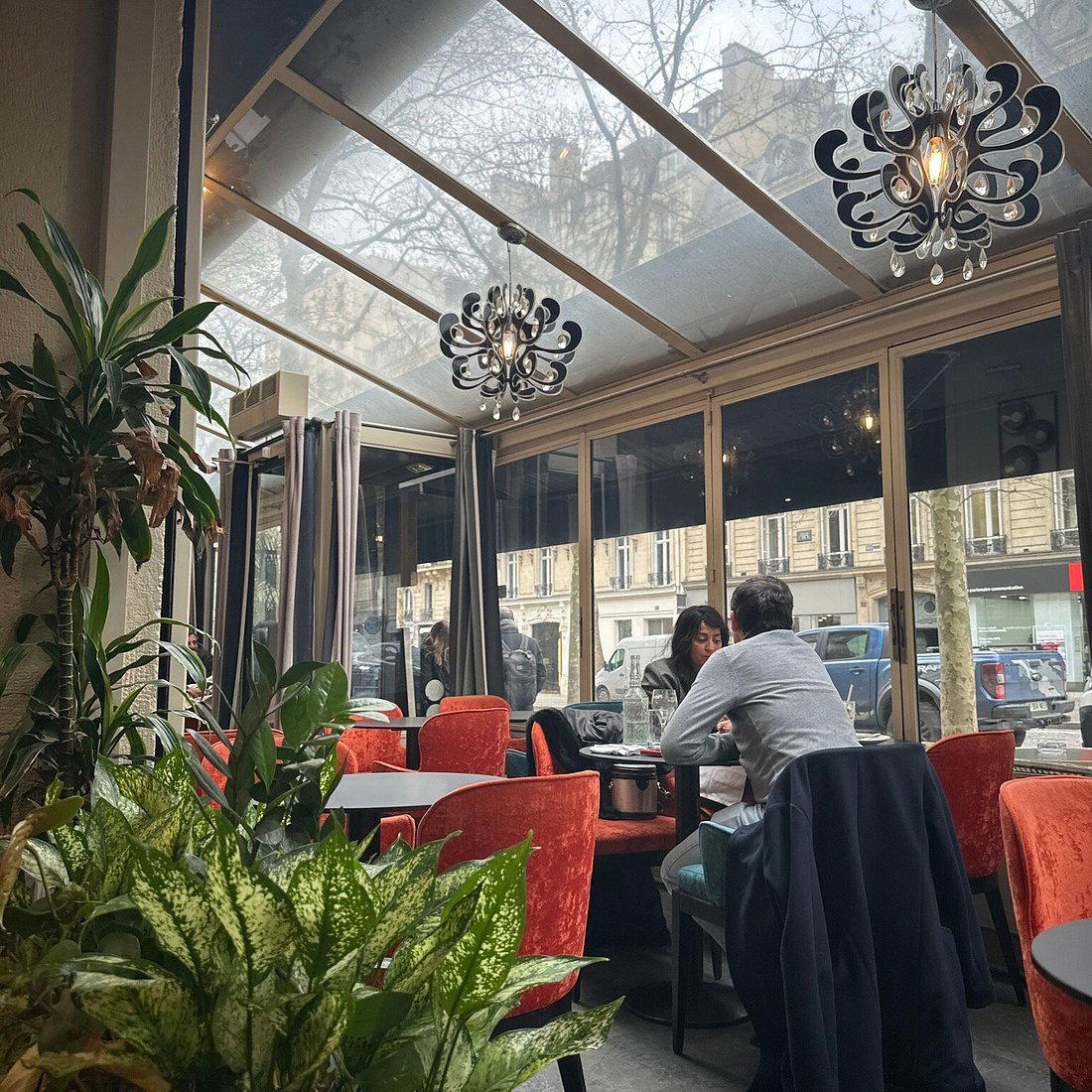
The 8th Arrondissement and What It Demands of a Restaurant
Boulevard Haussmann carries a particular weight in Paris. The broad, Haussmann-era facades, the proximity to the Élysée and the grands magasins, the foot traffic of business lunches and gallery openings: all of it creates a dining context that is harder to read than it first appears. The 8th has always been the arrondissement where French cuisine performs for an audience that expects formality but increasingly wants something more than ceremony. The restaurants that hold their ground here tend to do so not through spectacle but through calibration: of room, of light, of the distance between courses.
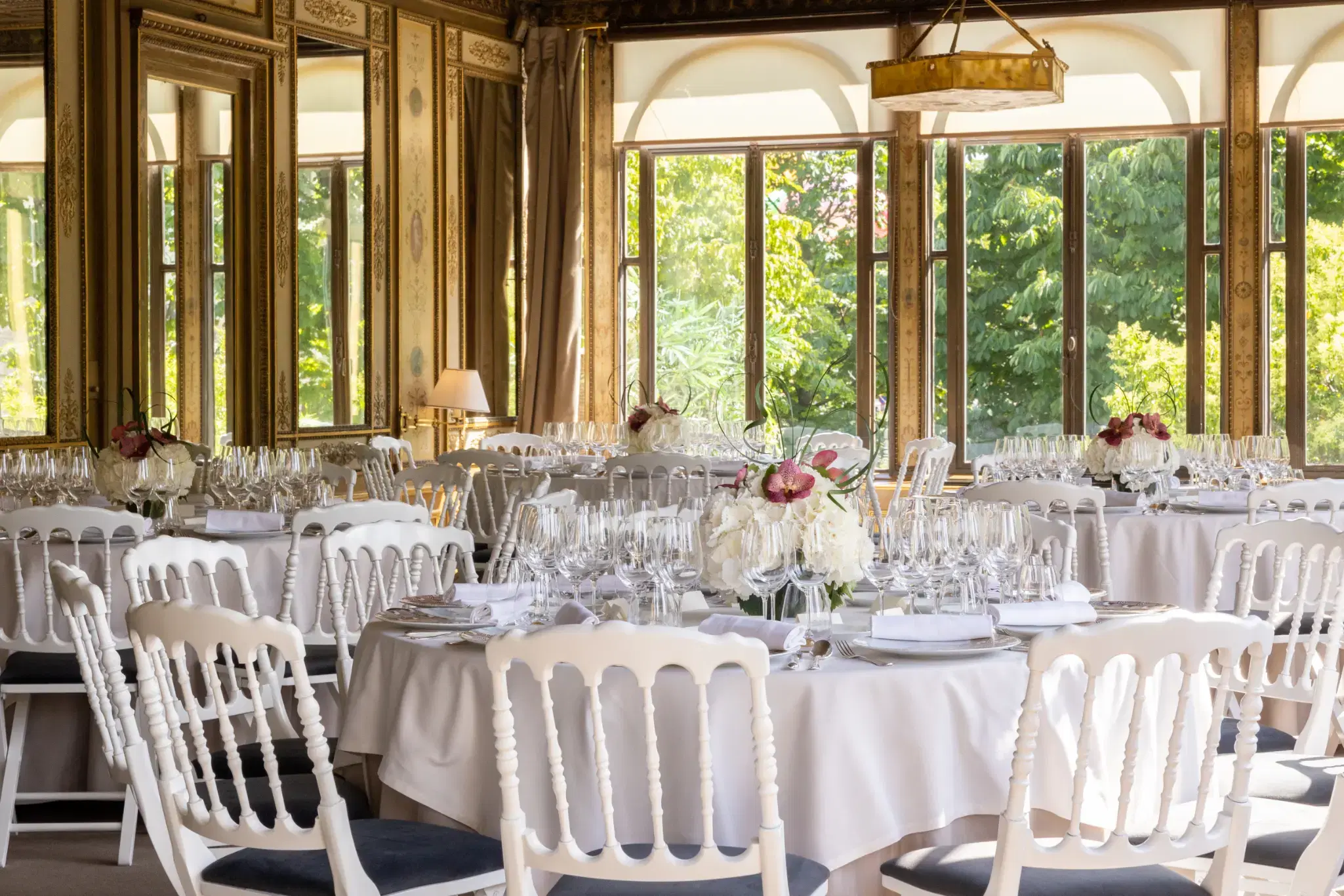
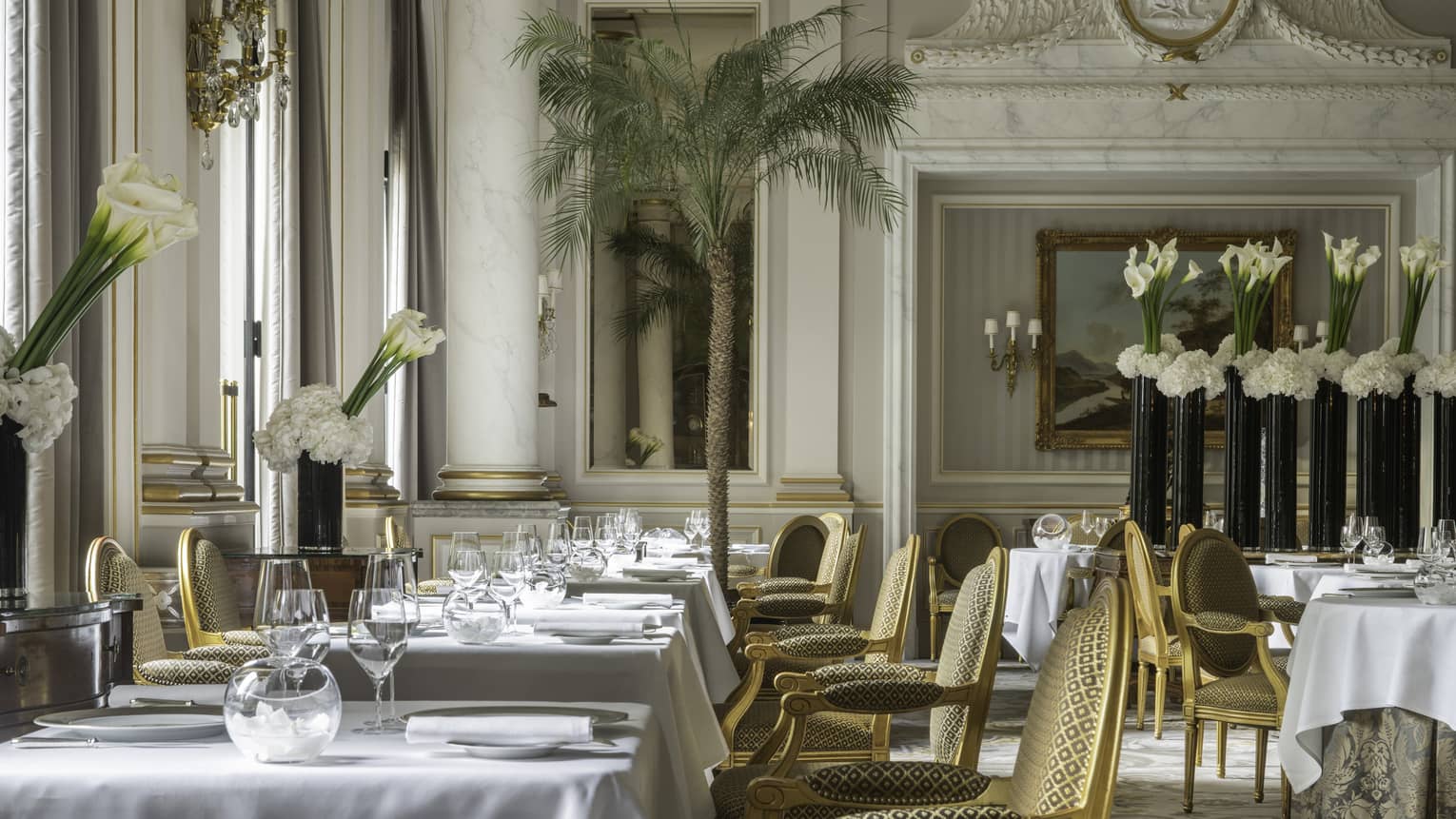
It sits inside that tradition. The address itself signals something. This is not the Left Bank's intellectual informality, nor the Marais's energy. Dining in the 8th, at this price tier, is a transaction between kitchen and guest that the room itself mediates. The quality of the silence between tables, the angle of afternoon light through tall windows, the weight of linen: these are the sensory materials the 8th works with, and any restaurant operating at this level is judged against them.
A Neighbourhood That Shapes Its Kitchens
Le Cinq at the Four Seasons Hôtel George V, a few minutes west on Avenue George V, operates at the formal apex of French hotel dining. Alléno Paris au Pavillon Ledoyen, on the edge of the Champs-Élysées gardens, has pushed French sauce work into a contemporary technical register. These are the reference points against which any serious table in the 8th is implicitly measured: not in terms of mimicry, but in terms of the standard of craft and seriousness they represent.
The Right Bank's top tier has, over the past decade, consolidated around a recognisable set of signals: a commitment to classical French technique as a foundation, wine programmes weighted toward Burgundy and Bordeaux, and a room aesthetic that prioritises restraint over theatre. The 8th is where that consolidation is most visible. Across the arrondissement, you find the structural logic of French haute cuisine playing out in its most concentrated form, long lunches that spill into afternoon, tasting menus built around a single dominant product at its seasonal peak, sommeliers who treat the carte des vins as a negotiation rather than a transaction.
What the Sensory Environment Communicates
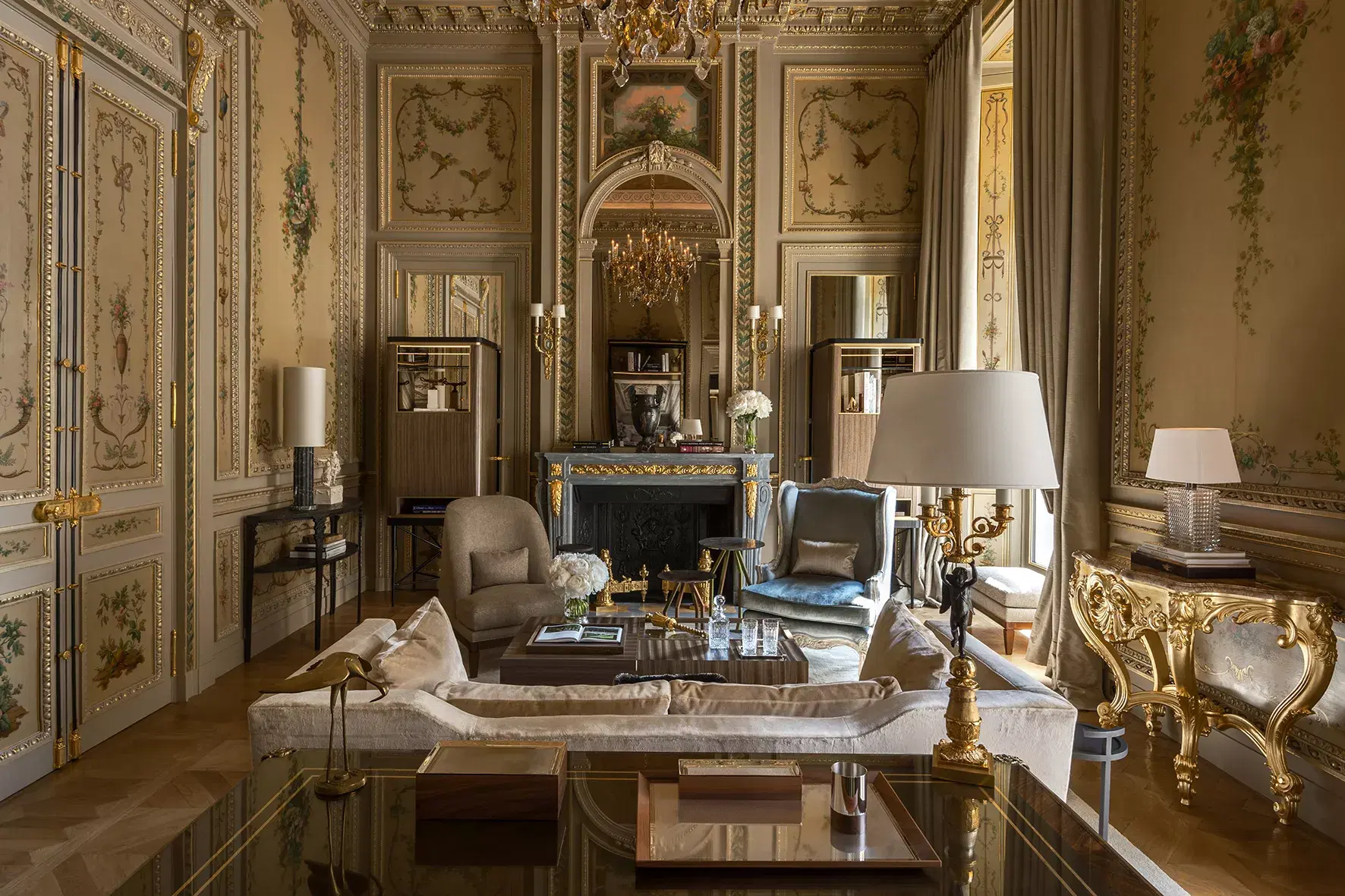
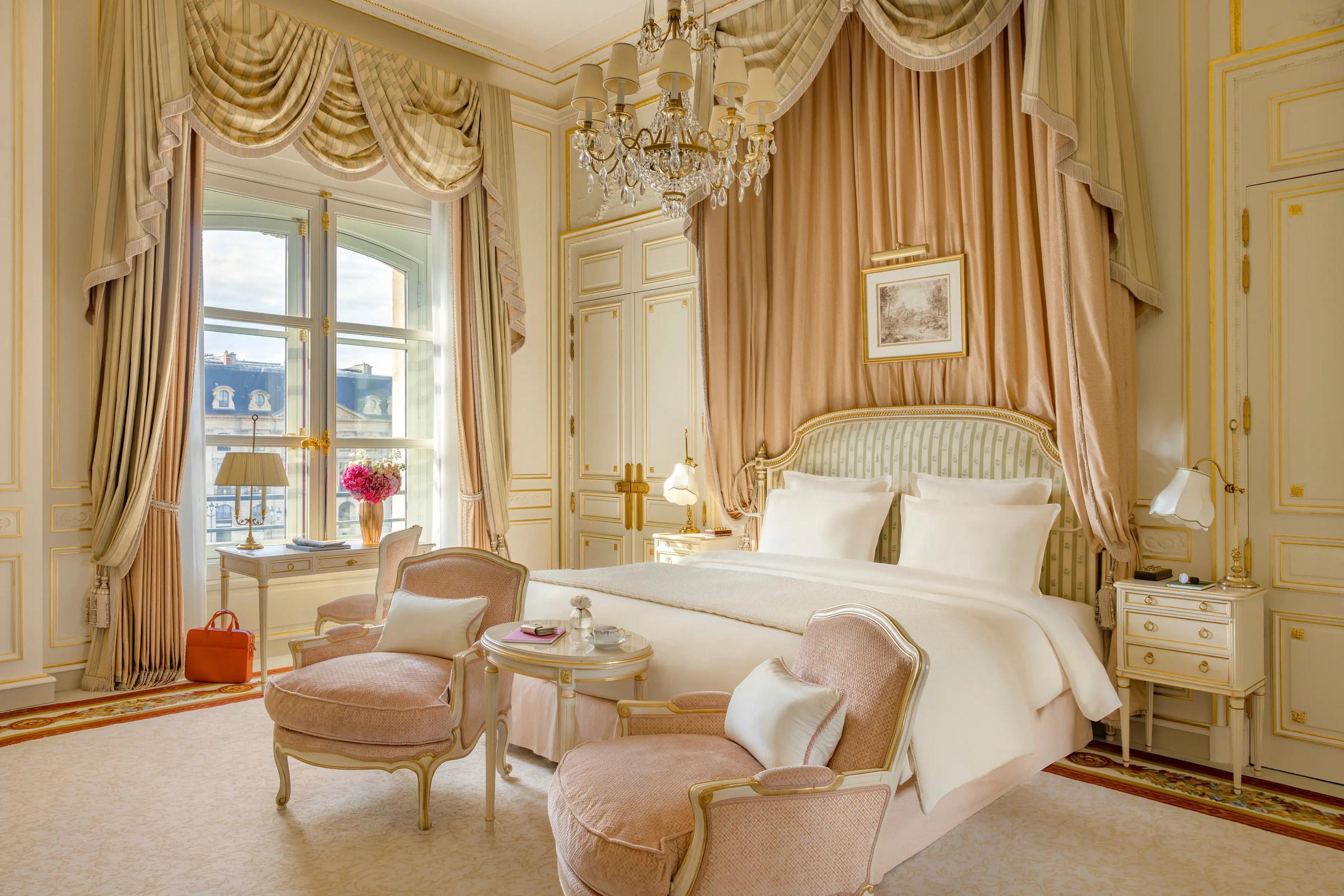
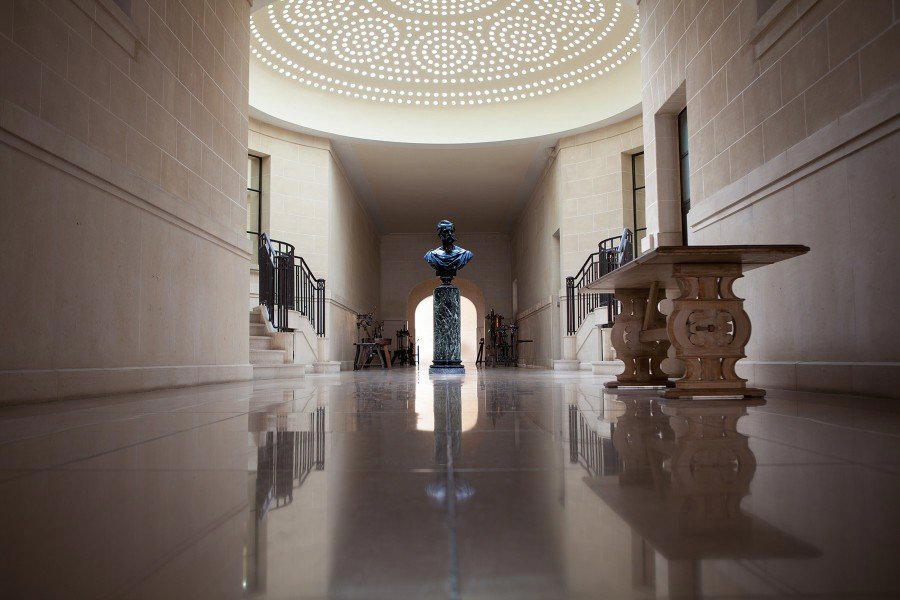
In French fine dining at this level, the room is not background. It is argument. The 8th's grand dining rooms tend toward high ceilings, a subdued palette, and a deliberate reduction of visual noise, the inverse of the maximalist approach you find in comparable New York rooms like Le Bernardin or Atomix, where the design grammar is more assertive. Paris's high-end rooms communicate authority through understatement: the assumption is that the guest knows where they are and why it matters.
Sound is part of this register too. The acoustic discipline of a room operating at the summit of the 8th's market, a controlled murmur, the clink of crystal that does not carry beyond the table, is as deliberate as the plating. Contrast this with the more animated rooms of Kei on the Right Bank or Arpège on the Left, where the energy of the kitchen is more present in the dining room. The 8th's dominant mode is composed containment, and that composure is itself a culinary statement.
French fine dining's sensory identity also runs through smell in ways that are easy to underestimate: the absence of heavy fragrance from other tables (a marker of room quality), the faint trace of brown butter or reduced stock that reaches the table a half-beat before the plate, the mineral quality of a wine poured just past cool. These details are not incidental; they are, at this level of the market, the actual product.
French Haute Cuisine in Its Wider National Context
To understand what a serious table on Boulevard Haussmann is attempting, it helps to hold it against the broader map of French fine dining. The provincial houses, Troisgros in Ouches, Bras in Laguiole, Auberge de l'Ill in Illhaeusern, Auberge du Vieux Puits in Fontjoncouse, operate with direct access to the produce that defines their menus and a rootedness in place that Paris cannot replicate. Flocons de Sel in Megève and Mirazur in Menton have their own environmental specificity. Even the legacy institution Paul Bocuse outside Lyon carries a terroir argument that a Paris address cannot make in quite the same way.
What Paris offers instead, and the 8th in particular, is concentration and competition. The density of serious tables within a few arrondissements means that kitchens are calibrated against each other in real time. A guest who lunches at L'Ambroisie on the Place des Vosges one afternoon and returns to the 8th the following evening is making implicit comparisons that a restaurant in a smaller city never has to contend with. That competitive pressure has historically produced one exacting version of French technique. It also rewards restaurants that find a clear position within it rather than attempting to aggregate all approaches at once.
Regional reference points include AM par Alexandre Mazzia in Marseille, Assiette Champenoise in Reims, and Au Crocodile in Strasbourg, each representing the provincial ambition that Paris's leading tables are always measured against.
Know Before You Go
- Address: 128 Boulevard Haussmann, 75008 Paris, France
- Arrondissement: 8th (8ème), Right Bank
- Nearest Metro: Miromesnil (lines 9 and 13) or Saint-Augustin (line 9)
- Price range: About $30 per person
- Hours: Mon to Fri 9 AM to 2 AM; Sat closed; Sun 6 PM to 1:30 AM
- Dress code: Casual
Comparison Snapshot
Comparable venues nearby, for context on price, style, and recognition.
| Venue | Cuisine | Price | Notes |
|---|---|---|---|
| Le Huitième ArrtThis venue — the venue you are viewing | French Brasserie with Corsican Accents | $$$ | Not listed |
| Comptoir De Vie | Modern French Tasting Counter-Bar | $$$ | 2nd Arrondissement |
| Momen | Modern French Bistronomy | $$$ | Paris 08 |
| La Maison de l'Aubrac | Traditional French Aubrac Steakhouse | $$$ | Champs-Élysées |
| Le V | Mediterranean Fusion French | $$$ | Étoile |
| Les Fables de La Fontaine | Modern French Seafood Fine Dining | $$$ | 7th Arrondissement |
Continue exploring
More in Paris
Restaurants in Paris
Browse all →

Bars in Paris
Browse all →
Hotels in Paris
Browse all →
At a Glance
- Cozy
- Elegant
- Classic
- Date Night
- Group Dining
- Casual Hangout
- Terrace
Current opening hours
- Monday
- 9 AM–2 AM
- Tuesday
- 9 AM–2 AM
- Wednesday
- 9 AM–2 AM
- Thursday
- 9 AM–2 AM
- Friday
- 9 AM–2 AM
- Saturday
- Closed
- Sunday
- 6 PM–1:30 AM
Hours can change for holidays and private events. Last verified .
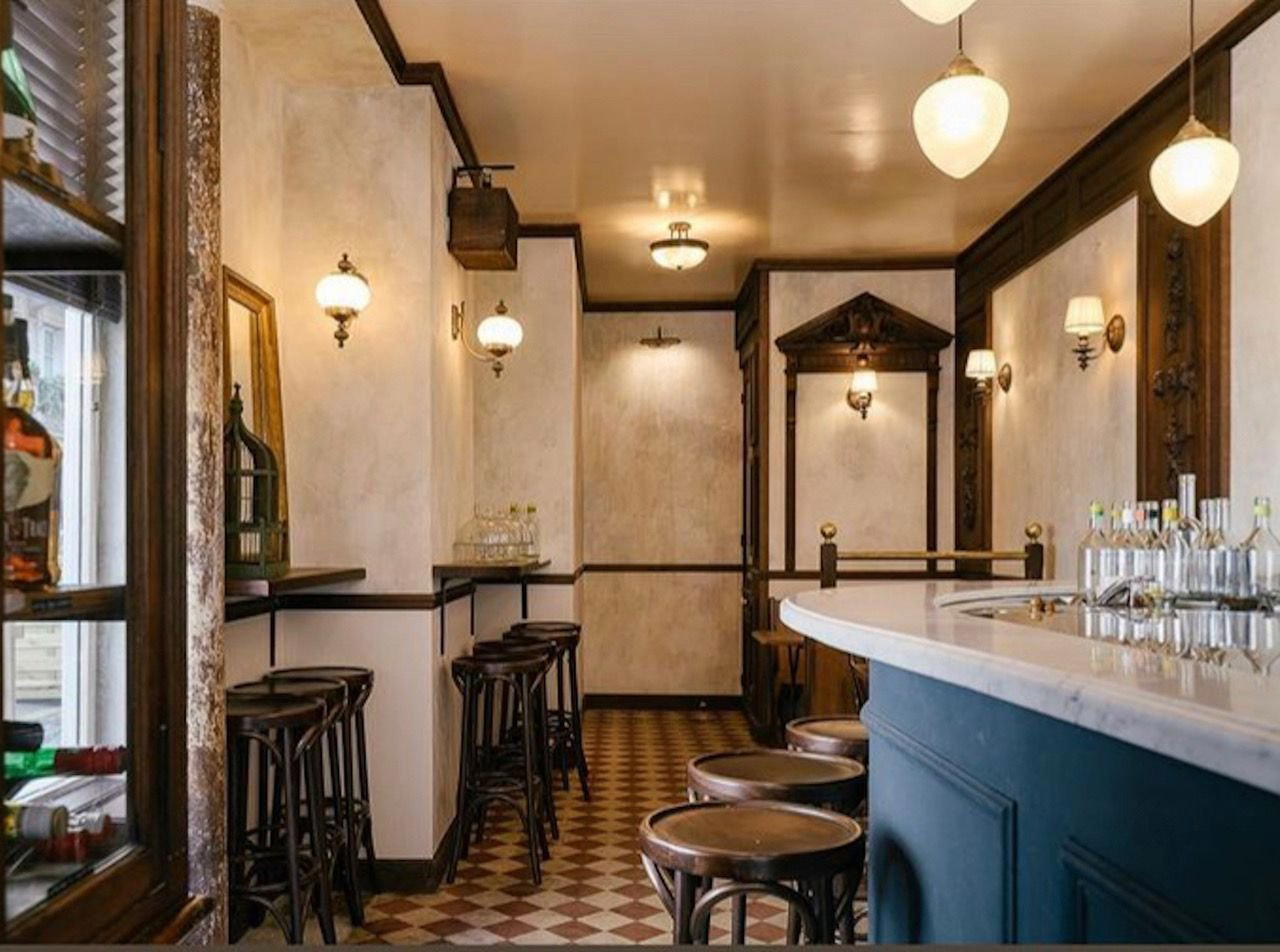
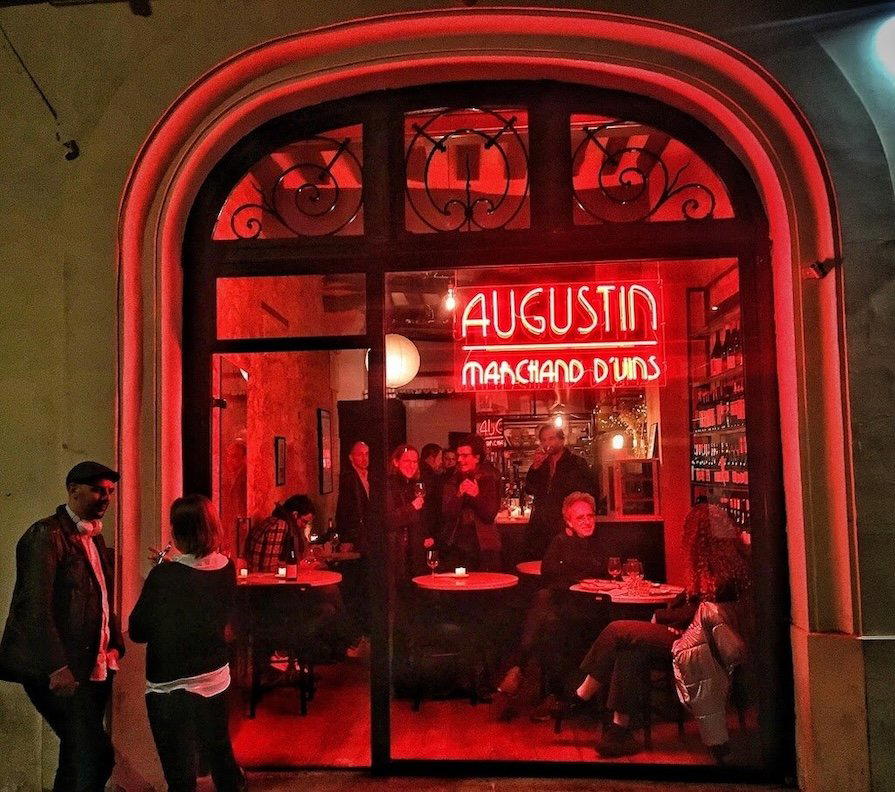
Cozy atmosphere with stone walls, authentic parquet flooring, and a convivial terrace for aperitifs.