Le Gindreau


1 Michelin Star · Gault & Millau Remarkable Restaurant
Our verdict
Le Gindreau Saint-Médard elevates Quercy terroir to Michelin-starred heights in a converted village schoolhouse, where Chef Pascal Bardet's 18 years with Alain Ducasse culminate in truffle-focused cuisine served beneath chestnut trees overlooking the Lot countryside.

Pearl is the En Primeur Club membership app — saves, bookings, and concierge access live there. Same editors, same standards.
- Address
- 146 Rue du Gindreau, 46150 Saint-Médard, France
- Phone
- +33 5 65 36 22 27
- Website
- legindreau.com
- Directions
- Get directions
- Booking
- Book on TheFork
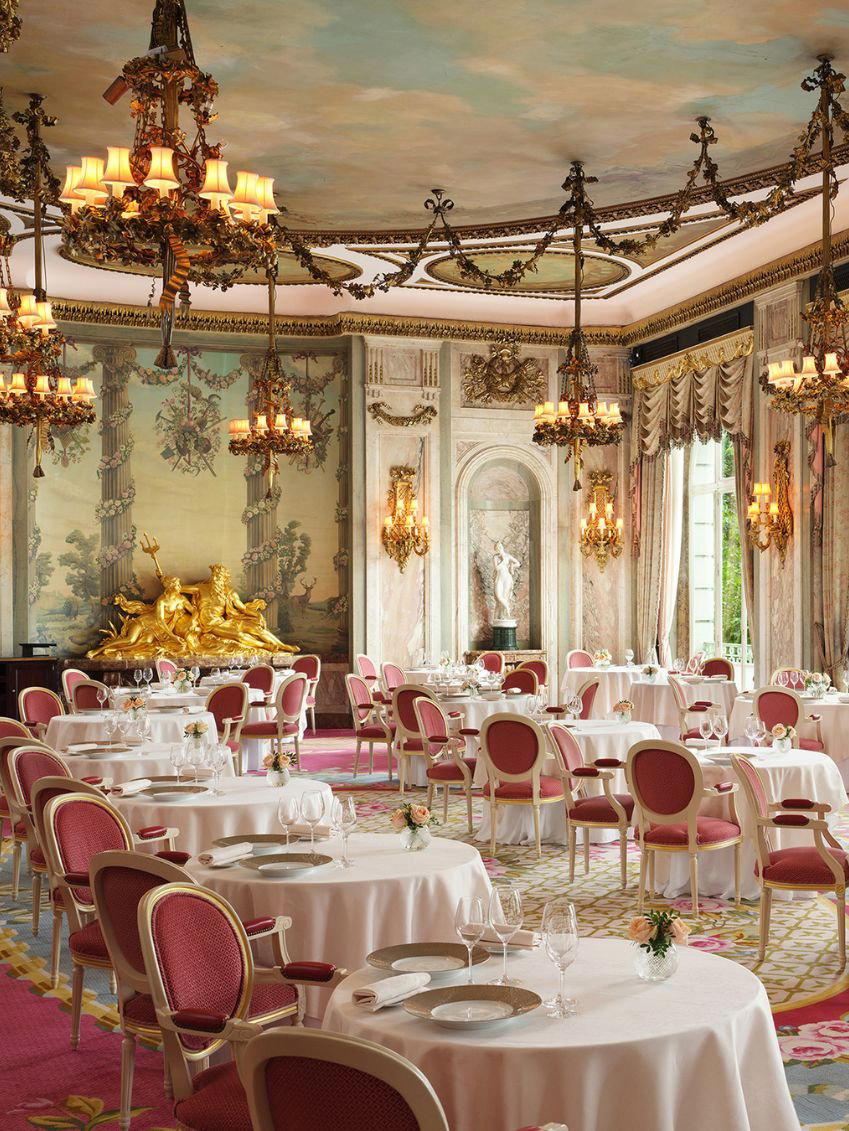
A Former Schoolhouse in the Quercy Hills
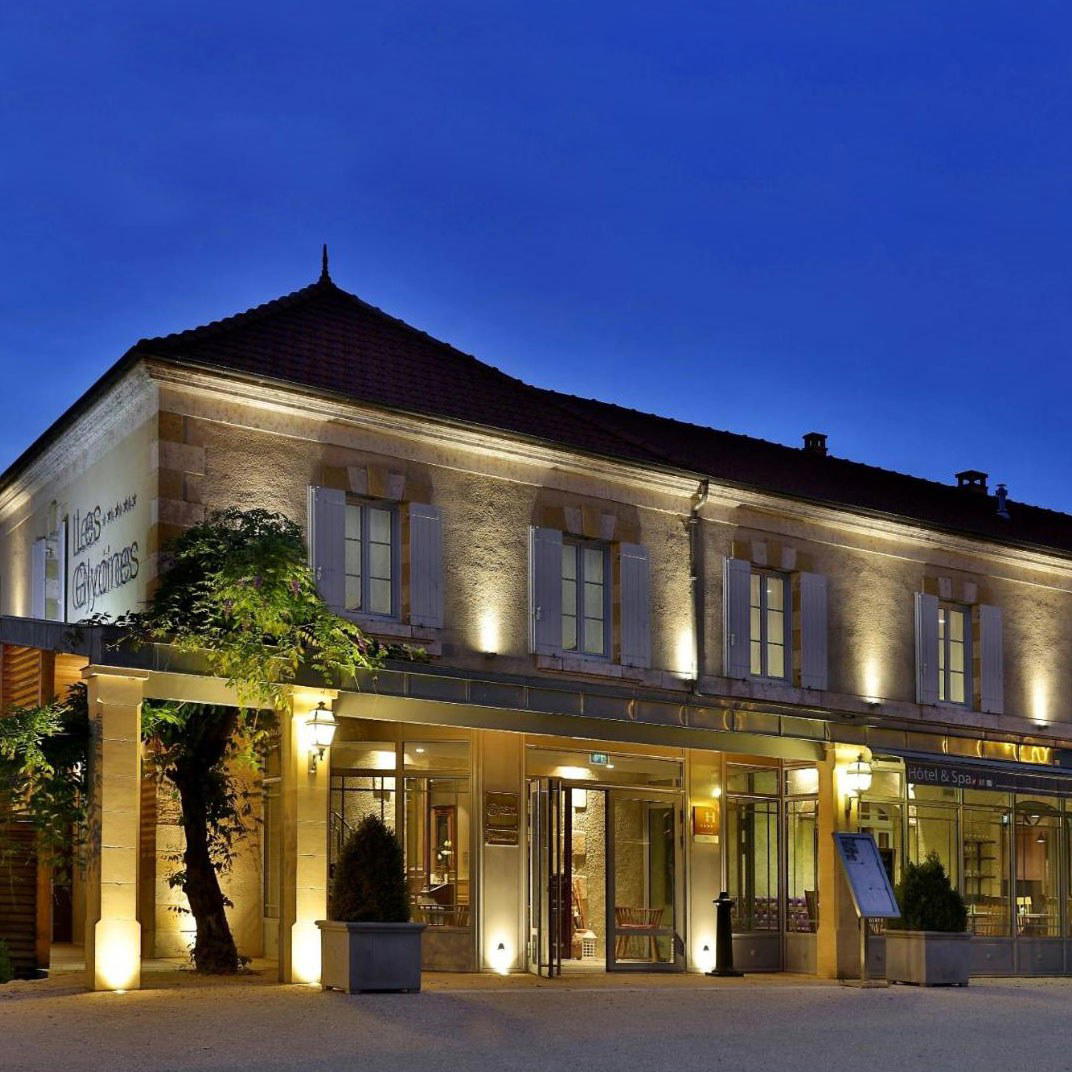
The approach to Saint-Médard already sets expectations: the road climbs through the limestone-ribbed countryside of the Lot, past walnut orchards and patches of oak woodland where truffles grow in the chalky soil. The village itself is small enough that you notice the old schoolhouse before you notice much else. That building, at 146 Rue du Gindreau, now houses one of the Quercy region's most closely watched dining addresses. The conversion from classroom to restaurant is not merely a design detail; it is a frame for understanding what Le Gindreau represents within the broader tradition of French fine dining outside the major cities.
Rural one-star addresses in France occupy a particular niche. Unlike their urban counterparts, where kitchen reputation competes with location convenience, they ask the diner to commit before the meal begins: a detour, a booking made well in advance, a willingness to arrive with a clear afternoon or evening ahead. The Michelin designation places it in the company of France's destination country restaurants, a cohort that includes Bras in Laguiole and Flocons de Sel in Megève, restaurants where geography is not a handicap but a defining ingredient.
Where the Food Comes From
The Lot is among France's most ingredient-dense departments. Black Périgord truffles arrive from the surrounding oak forests; Quercy lamb carries a protected designation; walnuts, saffron grown in the Quercy Blanc, and river fish from the Célé and the Lot itself form a pantry that city kitchens routinely pay premiums to access. In Saint-Médard, that same produce arrives with a short supply chain that shapes the logic of the kitchen. Creative cooking in this context does not mean importing global technique and overlaying it onto neutral ingredients; it means working with materials that carry their own argumentative force and finding a register that amplifies rather than obscures them.
The Michelin record specifically cites truffles as an area of particular command at Le Gindreau, and that citation carries weight in a region where truffle tourism and gastronomy are already tightly linked. Quercy black truffles, harvested from December through March, rank with those of the Périgord and Tricastin as benchmarks of the French truffle trade. A kitchen in the Lot with demonstrated mastery of that ingredient is not simply offering a local colour: it is engaging one of the most technically demanding and culinarily significant products in French gastronomy. For comparison, the Paris restaurants in Le Gindreau's price tier, including Alléno Paris au Pavillon Ledoyen, source Périgord and Quercy truffles at considerable cost and with longer intermediary chains. The provenance advantage here is structural, not incidental.
Chef Pascal Bardet trained under Alain Ducasse over eighteen years, including time at Louis XV in Monaco, a kitchen where the philosophy of anchoring haute cuisine in Mediterranean and regional produce was codified into a working method. That formation is relevant less as biography and more as methodology: the Louis XV approach, which prioritises the integrity of exceptional primary ingredients over transformative technique, is legible in a restaurant that chooses to operate in the Lot rather than Paris. The Michelin Remarkable designation reinforces this reading, describing a kitchen free from rigid formulas, fluent with regional produce, and situated in a setting, under chestnut trees, with views across the Quercy hillsides, that cannot be replicated in an urban dining room.
The Format and the Setting
Creative French cooking at the €€€€ price tier operates across a wide spectrum in France, from the conceptually ambitious tasting menus at Mirazur in Menton and AM par Alexandre Mazzia in Marseille to the more classically grounded houses like Auberge de l'Ill in Illhaeusern and Paul Bocuse in Collonges-au-Mont-d'Or. Le Gindreau's positioning within that range is shaped by its ingredient sourcing philosophy and its rural context. It is not a kitchen chasing formal innovation as a primary signal; the signal is precision applied to materials that speak clearly for themselves.
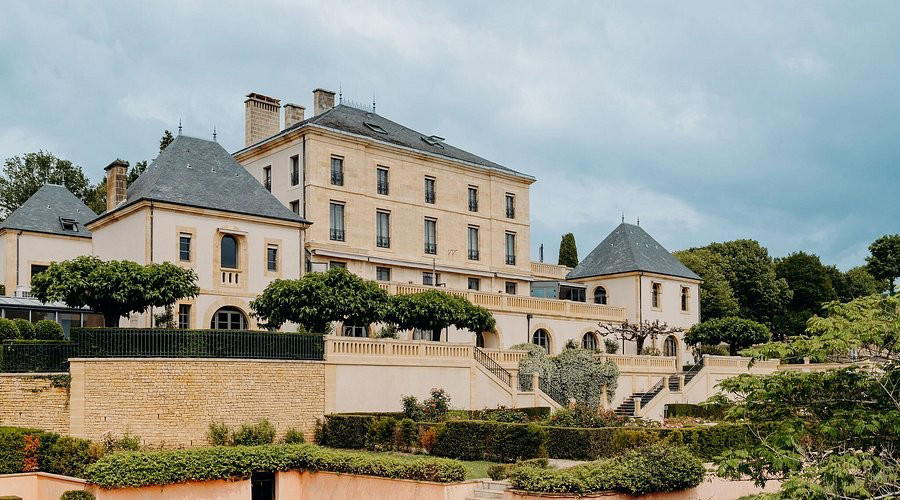
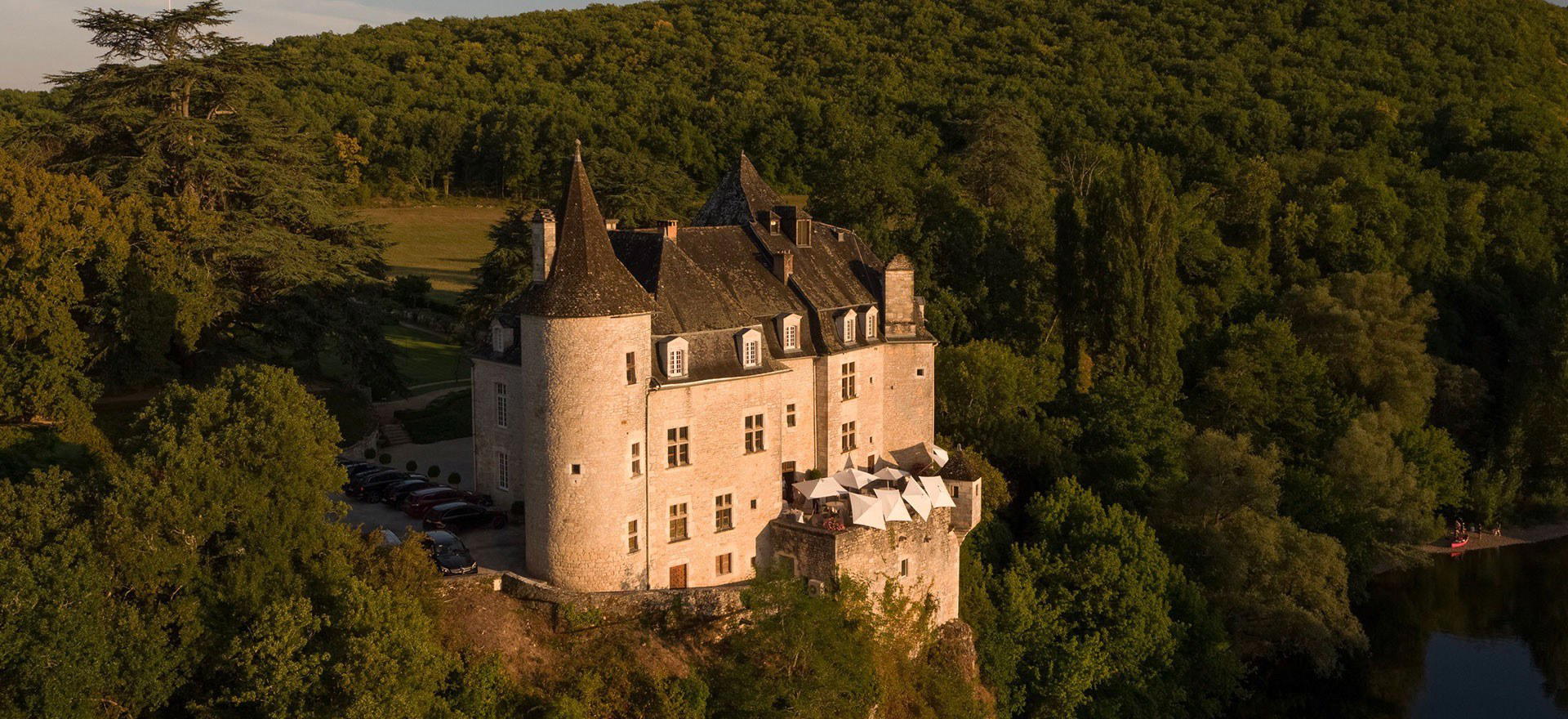
The physical setting reinforces this. Terrace seating beneath chestnut trees, facing the hillside panorama of the Quercy, positions the meal in its landscape in a way that indoor fine dining cannot replicate. This is not window dressing. Several of the country's most respected destination addresses, including Troisgros - Le Bois sans Feuilles in Ouches, have made a similar argument: that the environment beyond the plate is part of the dining proposition, not a backdrop. At Le Gindreau, a lunch in the Quercy sunshine, watching light shift across limestone hillsides, is part of the experience being priced and planned for.
Lunch service runs Wednesday through Sunday, with last entry at 1:15 PM. Dinner service is available Thursday through Saturday, with last entry at 9 PM. The restaurant is closed Monday and Tuesday. This schedule is narrow relative to city peers, and it concentrates the week's service into a pattern that rewards advance planning. For visitors also exploring the broader dining scene, L'Episode (Modern French) offers a complementary option within Saint-Médard itself. Those building a wider regional itinerary can consult our full Saint-Médard restaurants guide, alongside resources for hotels, bars, wineries, and experiences in the area.
How Le Gindreau Compares in the French Creative Tier
France's creative fine dining circuit at the €€€€ level spans formats from urban tasting-menu institutions to rural auberge-style destinations. Le Gindreau belongs squarely to the latter category, alongside addresses such as Assiette Champenoise in Reims and Au Crocodile in Strasbourg, restaurants where the setting and regional identity carry as much weight as the kitchen's technical credentials. The creative category designation marks a willingness to depart from classical French structure, but at Le Gindreau the departure is grounded in terroir rather than abstraction. For comparison, internationally positioned creative restaurants such as Enrico Bartolini in Milan and JAN in Munich work with a different set of local anchors, but the underlying logic of the category, specificity of place rendered through precise technique, runs consistently through all of them.
Within France, a one-star designation in a village of this scale represents a clear editorial commitment by Michelin: the inspectors decided that the distance is worth covering. The 4.8 average across nearly five hundred public reviews corroborates that judgment with a wider data set, suggesting that the kitchen's quality holds across different diner profiles and expectations.
Planning a Visit
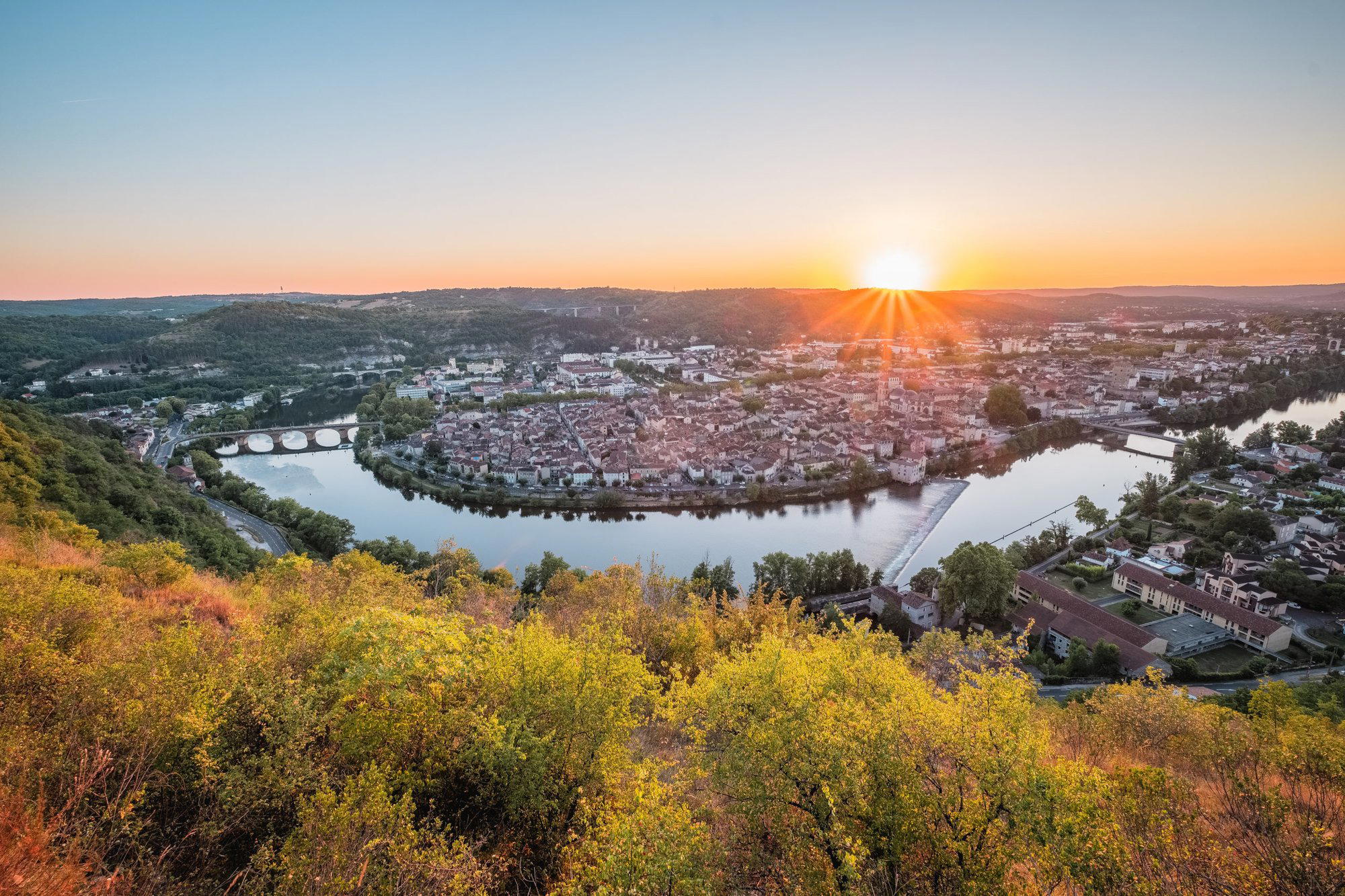
Saint-Médard sits in the Lot department of southwest France, accessible from Cahors (roughly thirty kilometres to the north-east) or from Figeac, making it a natural stop within a circuit of Lot Valley destinations. The narrow service window, with lunch sittings ending at 1:15 PM and the restaurant dark on Monday and Tuesday, makes timing the central planning variable. For a truffle-focused visit, the December-to-March harvest window aligns the kitchen's signature ingredient with peak season availability. The price range (€€€€) places this among France's premium country dining experiences, and visitors should plan the meal as the centrepiece of a half-day or full-day trip rather than a quick lunch stop.
Frequently asked questions
What's the pricing like at Le Gindreau?
Pricing at Le Gindreau is listed as €€€€.
What days is Le Gindreau closed?
Hours at Le Gindreau: Monday closed Tuesday closed Wednesday 12 PM-1:15 PM Thursday 12 PM-1:15 PM 7:30 PM-9 PM Friday 12 PM-1:15 PM 7:30 PM-9 PM Saturday 12 PM-1:15 PM 7:30 PM-9 PM Sunday 12 PM-1:15 PM.
A Pricing-First Comparison
| Venue | Cuisine | Price | Awards |
|---|---|---|---|
| Le GindreauThis venue — the venue you are viewing | Modern French Fine Dining | $100–150 | 1 Michelin Star · Gault & Millau Remarkable Restaurant |
| Alléno Paris au Pavillon Ledoyen | Creative | Not listed | Michelin 3 Star |
| Kei | Contemporary French, Modern Cuisine | Not listed | Michelin 3 Star |
| L'Ambroisie | French, Classic Cuisine | Not listed | Michelin 3 Star |
| Le Cinq - Four Seasons Hôtel George V | French, Modern Cuisine | Not listed | Michelin 3 Star |
| Plénitude | Contemporary French | Not listed | Michelin 3 Star |
Recognition history
Dated appearances from independent guides and award organizations, with the underlying list record or original source where available.
Michelin 1 Star
Michelin
Gault & Millau Remarkable Restaurant
Gault & Millau
Full recognition history (4 entries)
Michelin 1 Star
Michelin
Michelin 1 Star
Michelin
Continue exploring
More in Saint-Médard
Restaurants in Saint-Médard
Browse all →
Bars in Saint-Médard
Browse all →
Hotels in Saint-Médard
Browse all →

Details
- Elegant
- Rustic
- Cozy
- Intimate
- Scenic
- Special Occasion
- Terrace
- Extensive Wine List
- Local Sourcing
- Tasting Menu
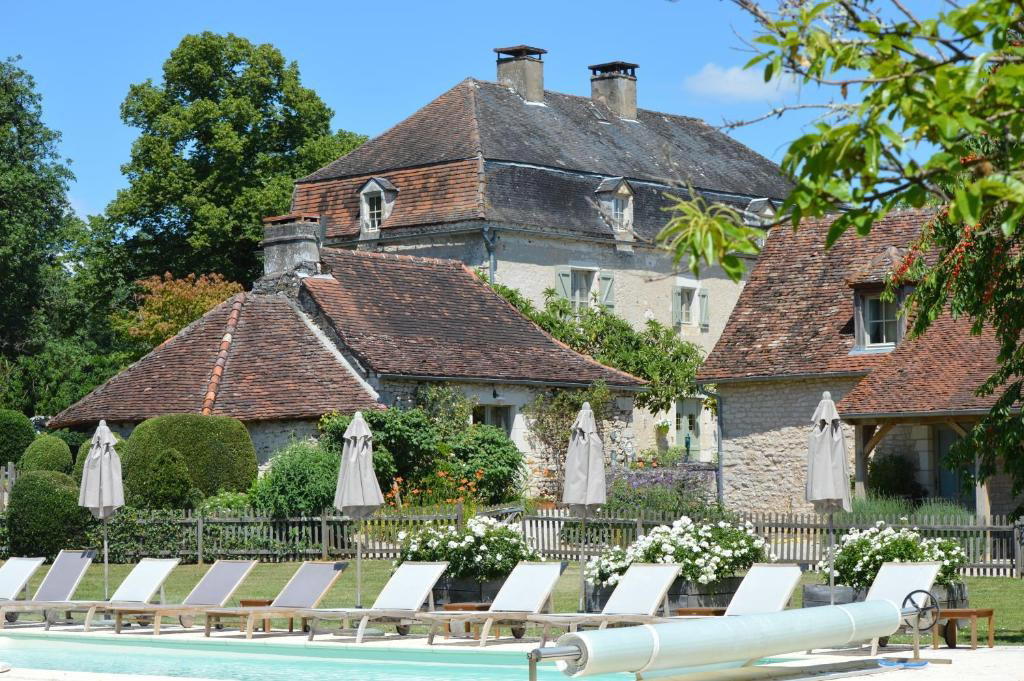
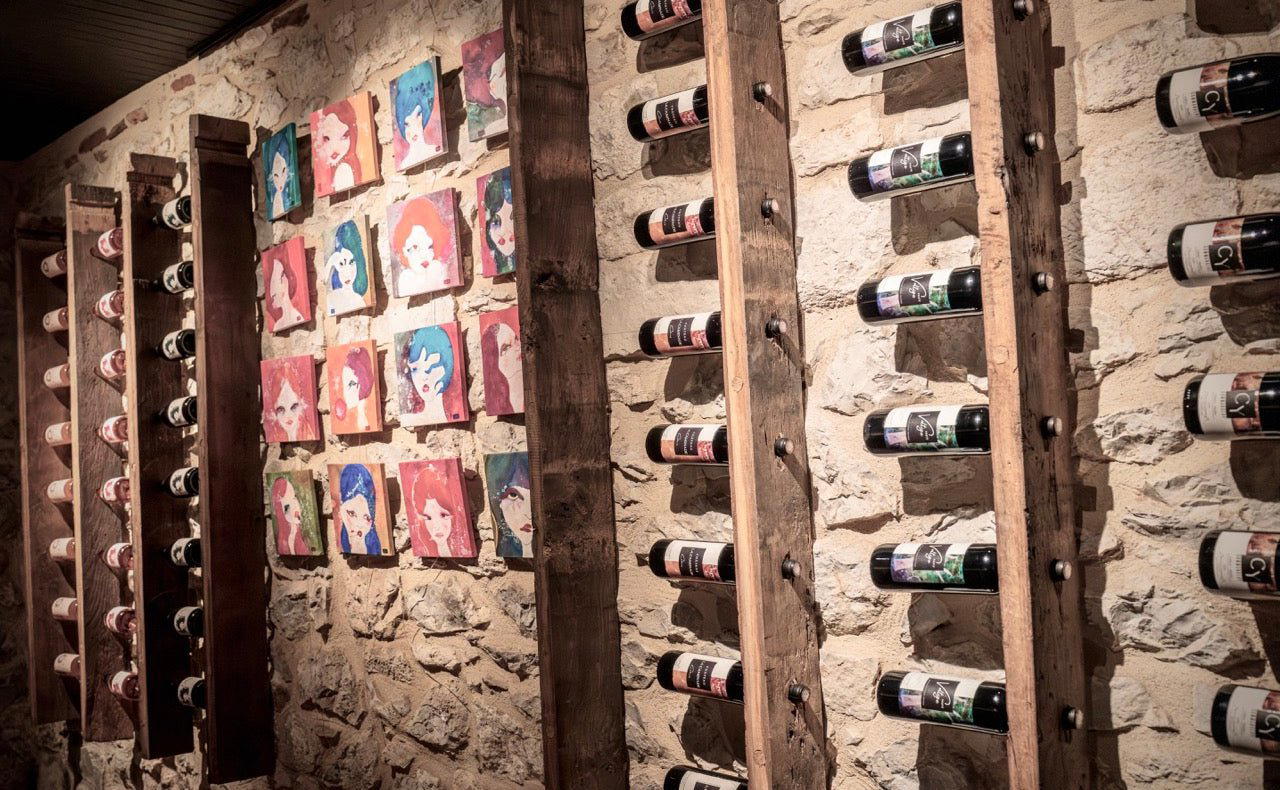
Shaded terrace under chestnut trees in summer; cozy interior with fireplaces in winter, offering an elegant and serene atmosphere.