On Rue Pharaon in Toulouse's Saint-Étienne quarter, Chez Rosa occupies a stretch of the city where neighbourhood bars hold their ground against the tourist pull of Place du Capitole. The address signals a local orientation rather than a destination play, placing it alongside Toulouse's emerging bar scene rather than apart from it. What draws visitors is the atmosphere: unhurried, grounded in the city's brick-and-terracotta vernacular.
Pearl is the En Primeur Club membership app — saves, bookings, and concierge access live there. Same editors, same standards.
- Address
- 48 Rue Pharaon, 31000 Toulouse, France
- Phone
- +33 5 61 55 05 12
- Website
- google.com
- Directions
- Get directions
 Saves & bookings on Pearl
The Quarter That Sets the Tone
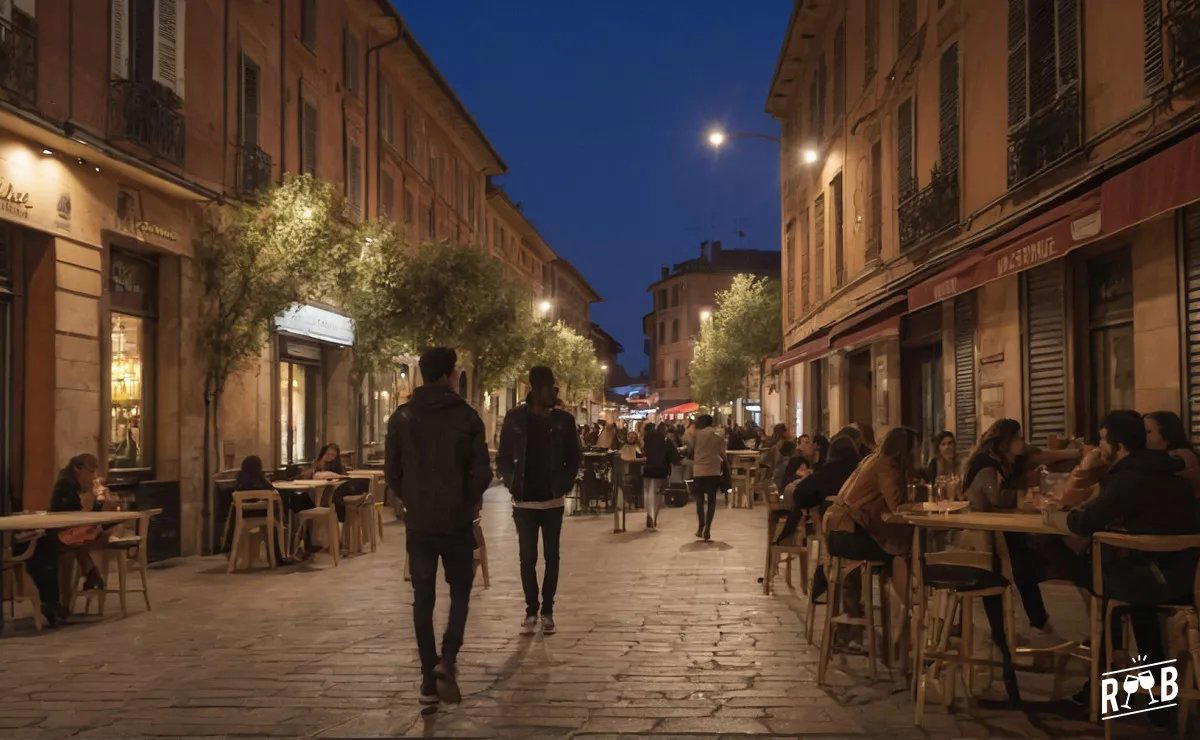
Rue Pharaon runs through the Saint-Étienne neighbourhood in central Toulouse, a few blocks south of the cathedral and well clear of the foot traffic that clusters around Place du Capitole. This is a part of the city where the streets stay residential in character even as the bars and small restaurants multiply: the buildings hold their pink-brick facades, the pavement narrows, and the rhythm slows down noticeably from the commercial centre. A bar at number 48 on that street inherits that context by default. The room it occupies, whatever the internal decoration, arrives pre-loaded with the particular mood of a Toulousain side street in the early evening, when the light off the brick turns amber and the terrasse crowd shifts from coffee to wine.
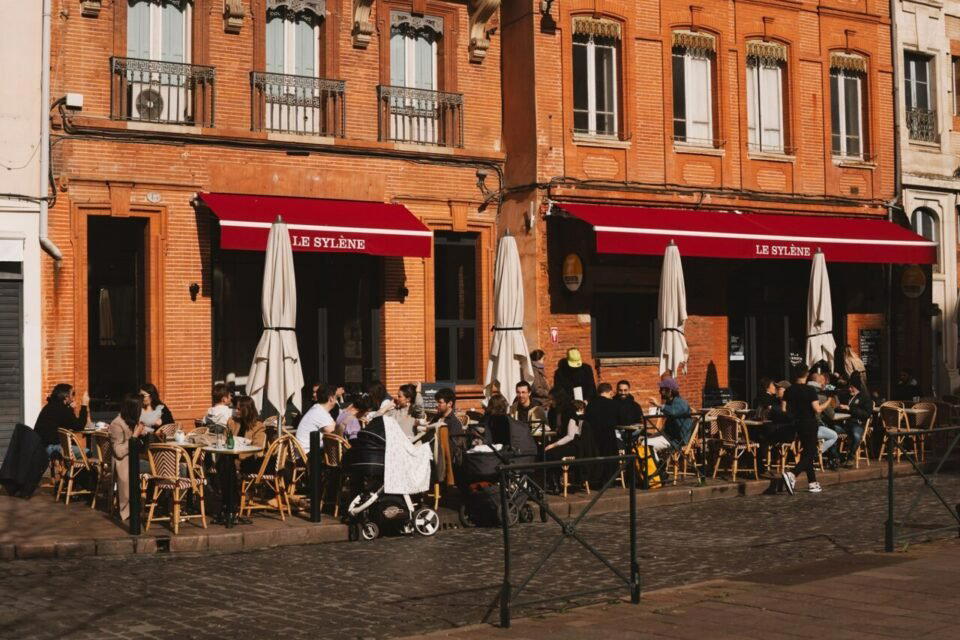
Toulouse's bar scene has been reshaping itself over the past decade, moving away from the largely undifferentiated café model toward addresses with clearer identities. That shift is visible across several neighbourhoods. 5 Wine Bar and Coté vin represent the wine-led corner of that evolution, while Le Sylène and Café La Fiancée sit closer to the all-day café-bar format that the city's younger professional crowd has adopted. Chez Rosa, at its Rue Pharaon address, sits within that broader movement without being reducible to any single category it represents.
What the Room Does
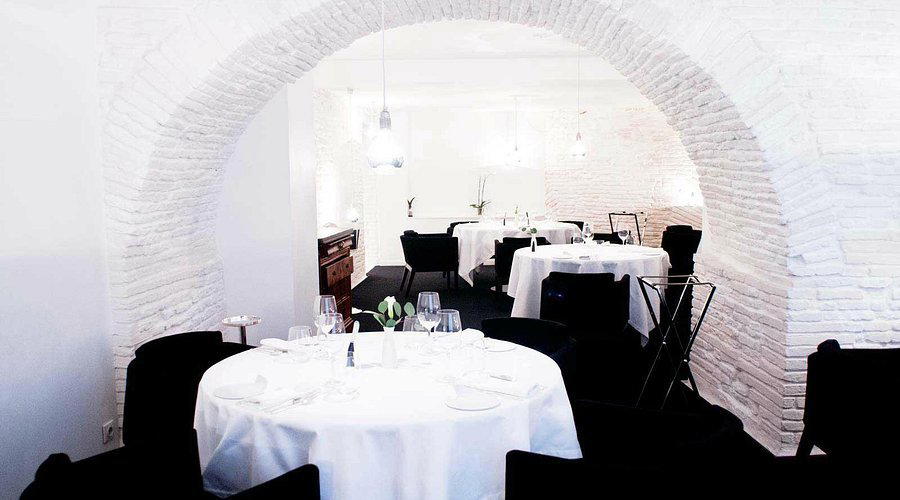
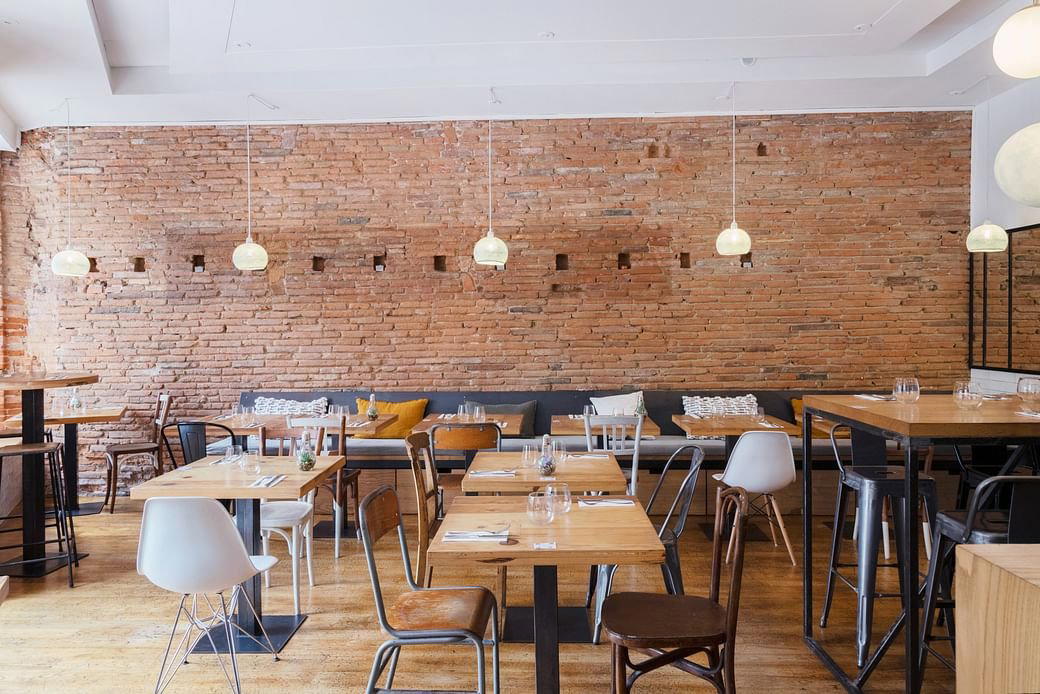
The question worth asking of any bar that relies on neighbourhood positioning is what the physical space contributes beyond its postcode. In Toulouse's tighter residential streets, the spatial grammar tends toward the compact: low ceilings or vaulted stonework, seating that foregrounds proximity over privacy, lighting calibrated for conversation rather than spectacle. These are rooms that work by creating conditions rather than statements, where the architecture serves the gathering rather than performing for it. That register is common to the stronger neighbourhood bars across southern France, from Bar Casa Bordeaux in the Chartrons district to Le Café de la Fontaine in La Turbie, where the room's relationship with its surroundings does as much work as the interior itself.
The atmosphere a bar generates at street level in a neighbourhood like Saint-Étienne depends substantially on the terrasse, if one exists, and on how the interior reads from the outside. The visual connection between street and room matters in cities where walking is the primary mode of moving between addresses. A bar that closes itself off from the street loses a significant atmospheric tool in this context; one that opens onto it, even partially, participates in the public life of the quarter and positions itself as somewhere for the neighbourhood rather than somewhere the neighbourhood merely tolerates.
Placing It in the Wider Bar Conversation
Toulouse doesn't have the cocktail-forward bar culture of Paris, where addresses like Bar Nouveau operate with a programme discipline that reads closer to a kitchen than a bar. Nor does it have the deep natural wine infrastructure of Lyon, where La Maison M. has built its reputation on producer relationships developed over years. What Toulouse has instead is a bar scene that values duration: long evenings, tables that don't turn, and a relationship with wine and food that treats them as companions to conversation rather than the point of the exercise. That preference shapes what works here and what doesn't.
Bars in the cities of the Occitanie region, including Montpellier where Papa Doble has carved a distinct cocktail identity, and further north in Strasbourg where Au Brasseur anchors the brasserie tradition, reflect how different French cities build their bar cultures around different social rituals. Toulouse's version of that ritual is fundamentally tied to the terrasse and the aperitif hour, which in practice extends from six in the evening to well past nine. A bar on Rue Pharaon inherits that rhythm whether it intends to or not.
Planning a Visit
Chez Rosa sits at 48 Rue Pharaon, 31000 Toulouse, in the Saint-Étienne quarter, walkable from the cathedral and from the city's main metro lines. For visitors building a broader evening in the neighbourhood, the street connects easily to the parallel network of bars and restaurants that fill this part of central Toulouse. Current booking contact details and hours are best confirmed directly, as operating schedules in this part of the city can shift seasonally. For a fuller picture of what Toulouse's eating and drinking scene looks like across neighbourhoods and price points, the EP Club Toulouse guide maps the city's key addresses with editorial context. For those comparing the neighbourhood bar format internationally, Bar Leather Apron in Honolulu offers an instructive contrast: a city with a very different social tempo producing a bar with a similarly local-first orientation, but through an entirely different architectural and programmatic logic.
Where It Fits
| Venue | Cuisine |
|---|---|
| Chez RosaThis venue — the venue you are viewing | This venue |
Continue exploring
More in Toulouse
Bars in Toulouse
Browse all →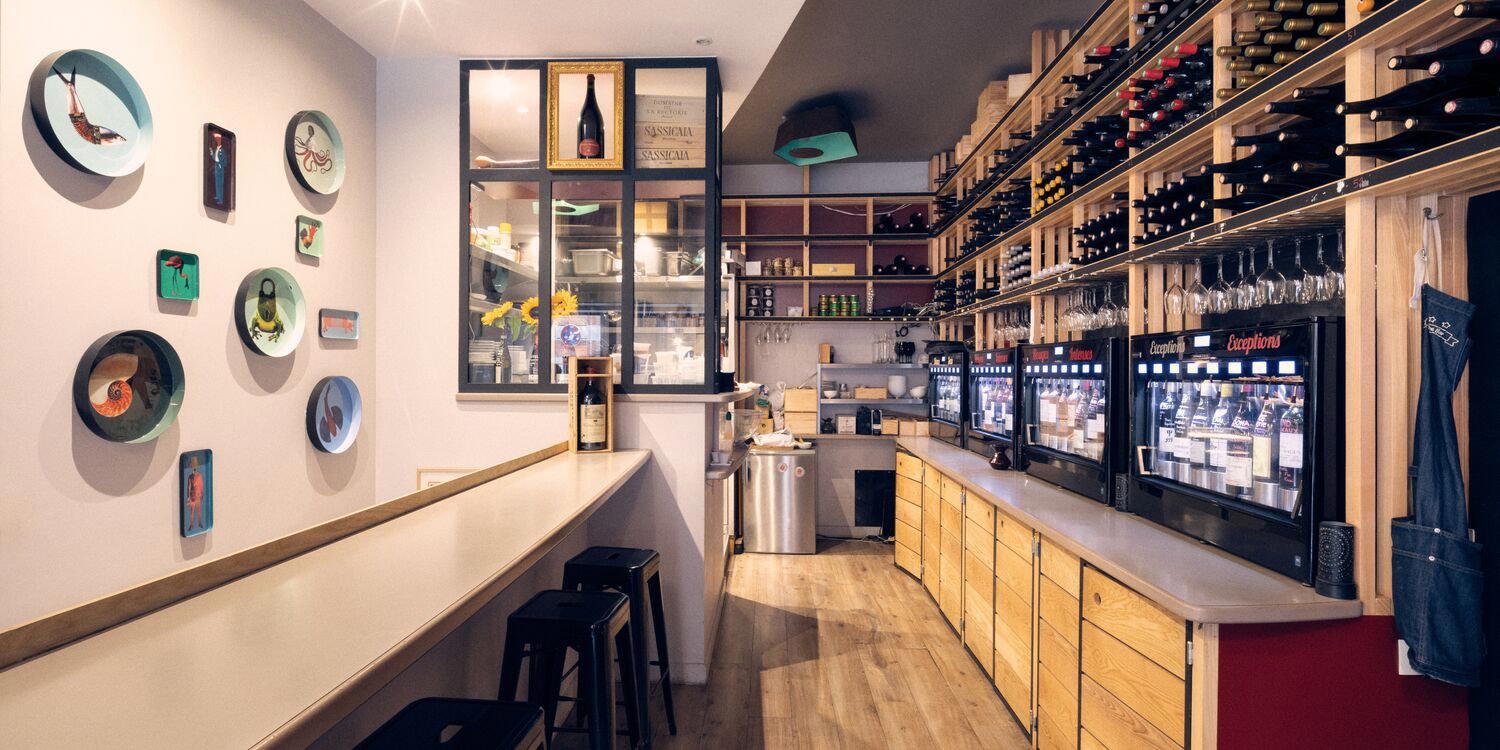
Restaurants in Toulouse
Browse all →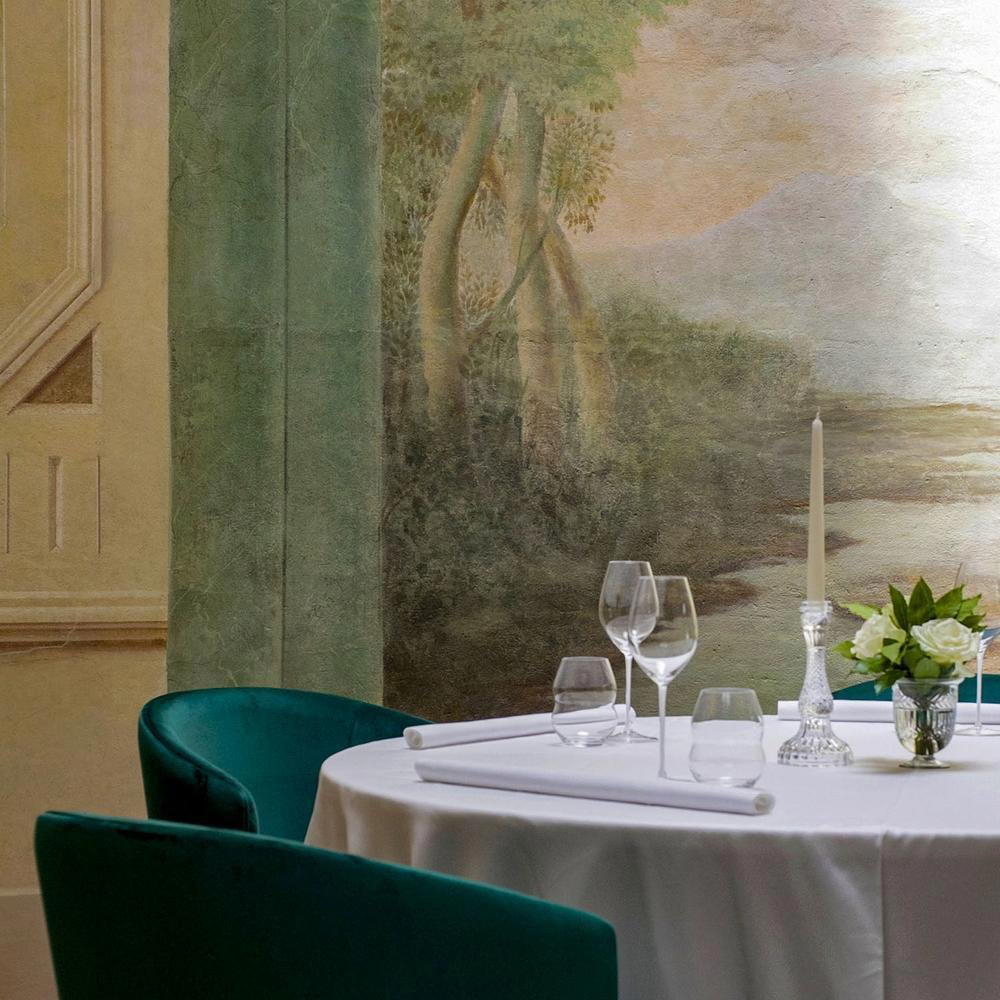
Hotels in Toulouse
Browse all →
Wineries in Toulouse
Browse all →

At a Glance
- Lively
- Cozy
- Trendy
- Casual Hangout
- Late Night
- Standalone
- Seated Bar
- Classic Cocktails
- Zero Proof
Current opening hours
- Monday
- 7:30–11:30 PM
- Tuesday
- 7–11:30 PM
- Wednesday
- 7–11:30 PM
- Thursday
- 7–11:30 PM
- Friday
- 7–11:30 PM
- Saturday
- 7–11:30 PM
- Sunday
- Closed
Hours can change for holidays and private events. Last verified .
Lively and fun atmosphere with Spanish and Cuban music.