


1 Michelin Star · Relais Chateaux Award · Gault & Millau Remarkable Restaurant
Our verdict
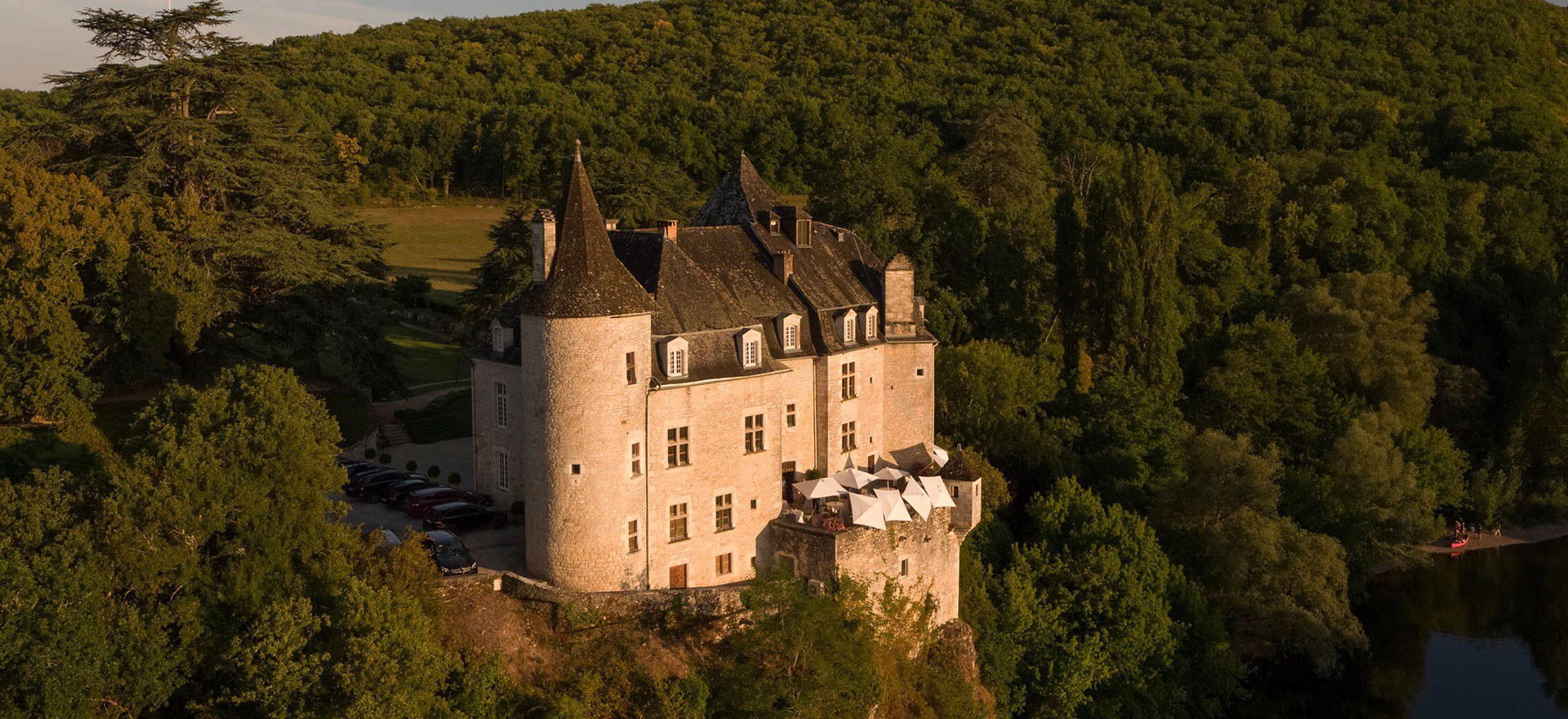
A one-Michelin-star château hotel on the banks of the Dordogne, Château de la Treyne places classic Quercy cooking inside a setting of formal gardens, coffered ceilings, and river panoramas. Chef Stéphane Andrieux has led the kitchen for nearly 25 years, grounding the menu in regional produce while house pastry chef Marc Jean, present since 1995, anchors the dessert programme with equal continuity.

Pearl is the En Primeur Club membership app, where members save venues, book tables and use the concierge.
The menu
What to order
- Roast Quercy lamb
- Foie gras terrine
- Lobster with coral butter
A Château on the Dordogne, and What It Means for Dining in the Lot
The Dordogne valley has long attracted a particular kind of traveller: one drawn as much by the medieval architecture pressing down from limestone cliffs as by the produce that defines the Quercy table. Walnuts, black truffles, Rocamadour cheese, lamb raised on the causses, this is cooking that predates the modern restaurant by centuries, and the handful of serious kitchens working this corridor understand that their job is partly to reflect geography, not just demonstrate technique. Château de la Treyne, set above the river at Lacave in the Lot département, holds a Michelin star for 2025 and carries Michelin's Expression of the Terroir designation, a recognition that ties it to the ingredient tradition rather than to abstract innovation.
That lineage runs through Bras in Laguiole, the closest significant point of comparison geographically, and further back through the grandes maisons de province that built France's restaurant culture well before Paris claimed it: Auberge de l'Ill in Illhaeusern, Paul Bocuse at Collonges-au-Mont-d'Or. Within Lacave itself, Le Pont de l'Ouysse represents the alternative address, offering modern cuisine at the same price tier. The two kitchens serve different versions of the same underlying argument: that this corner of southwest France is worth eating seriously in.
The Physical Environment as a Dining Condition
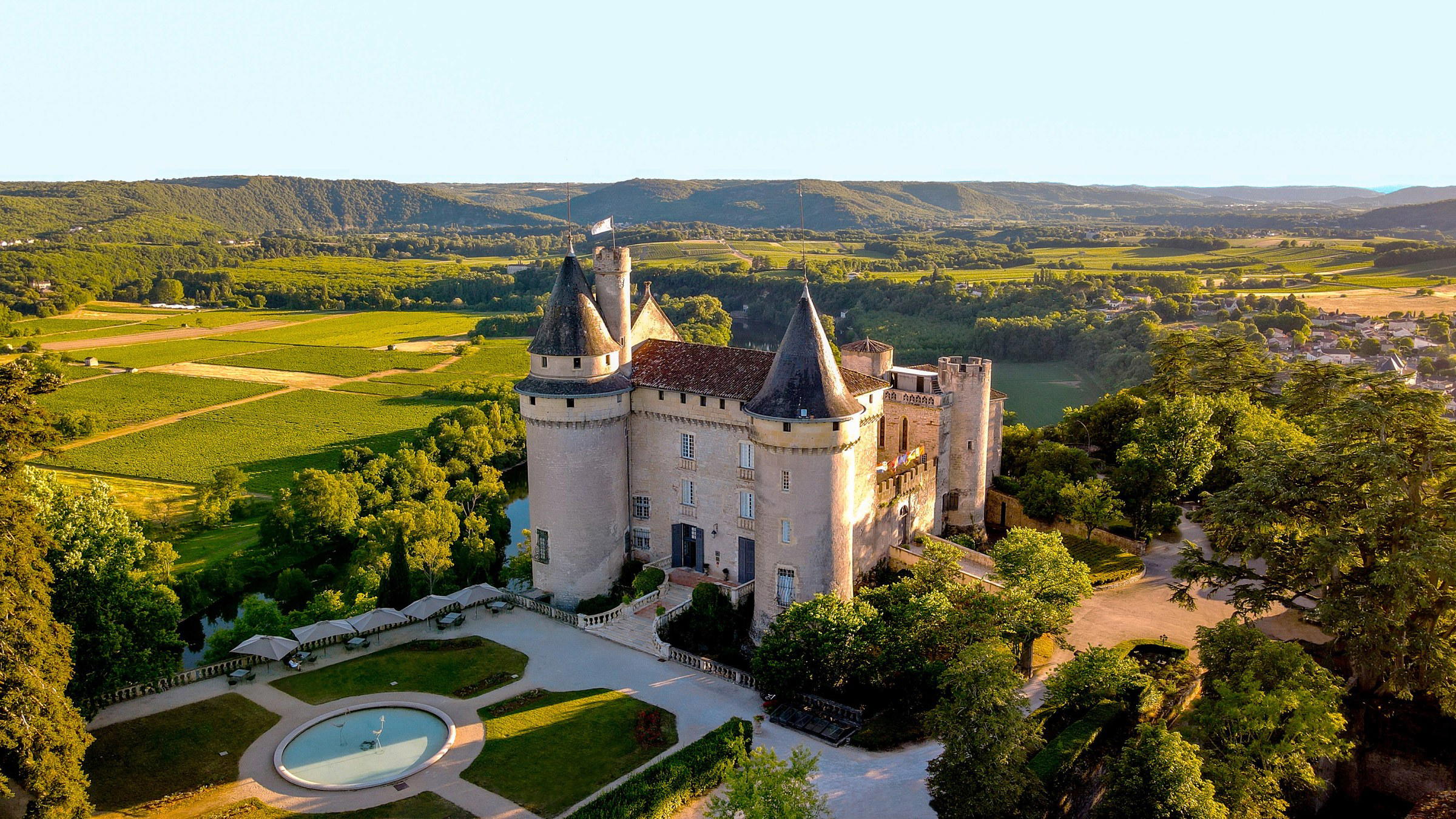
Arriving at Château de la Treyne from the river road, you are first aware of the formal garden before the building resolves into detail. The château itself dates to the fourteenth century and sits above a bend in the Dordogne, the formal parterres giving way to a terrace from which the river is the entire view.
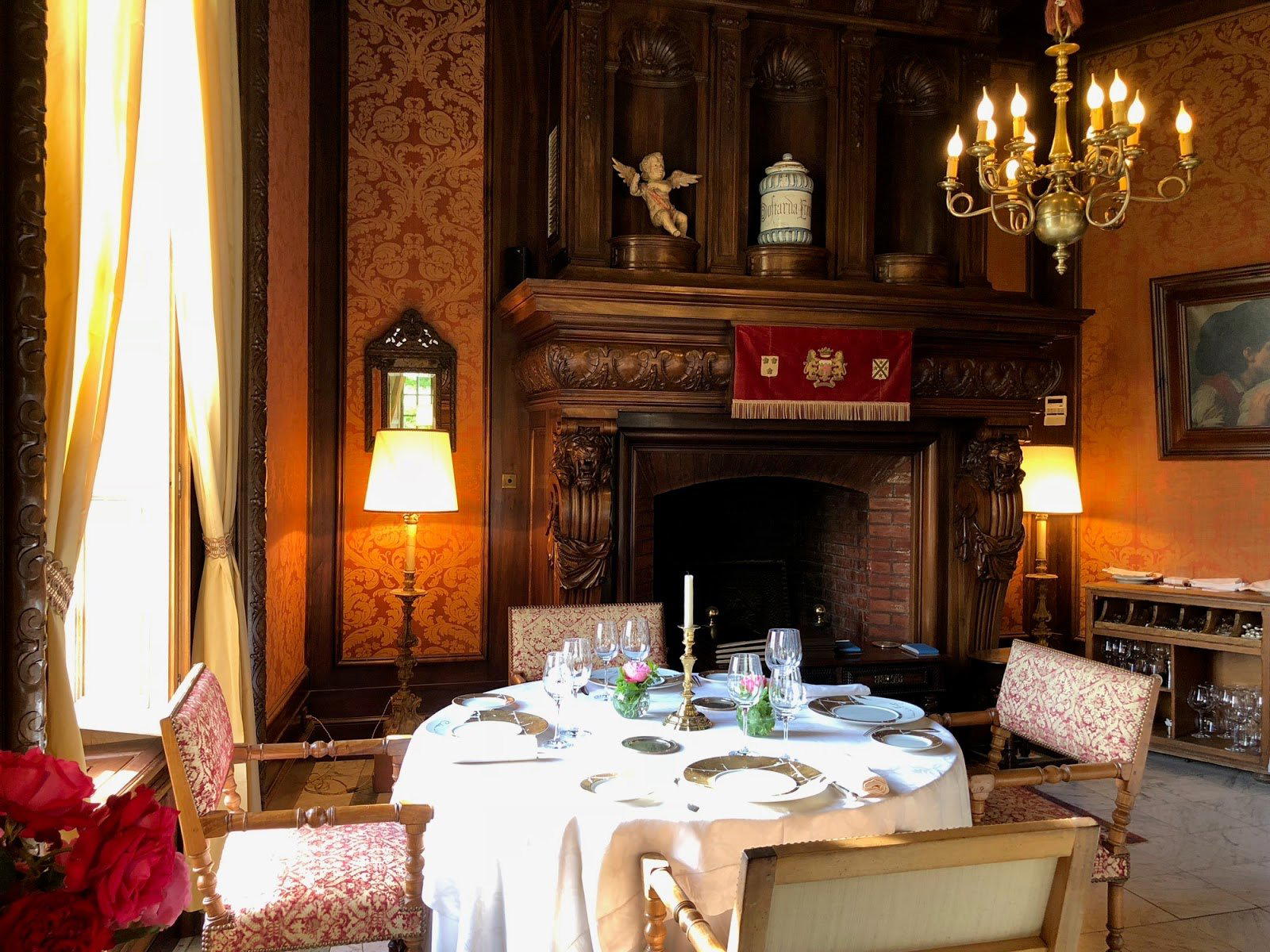
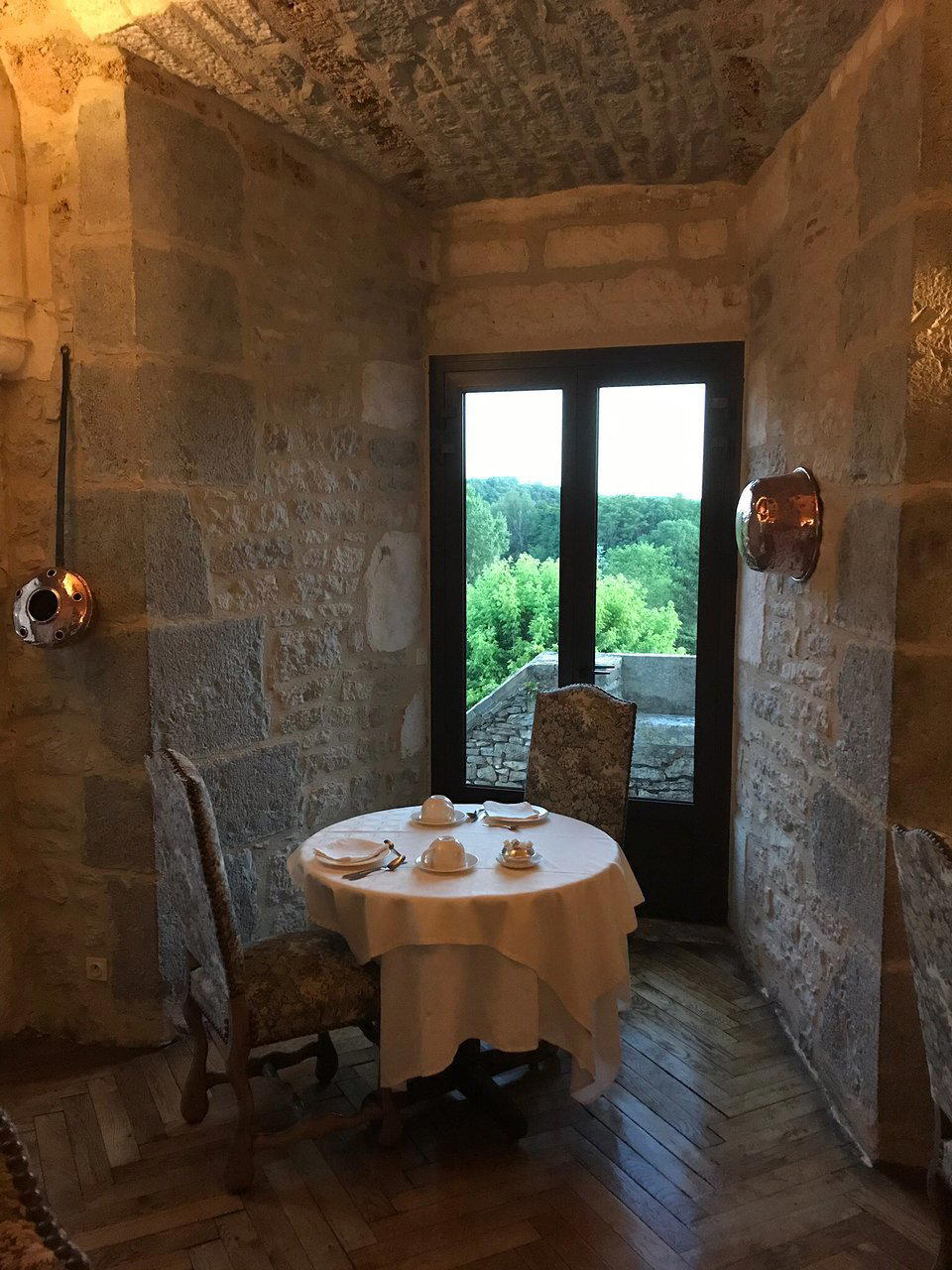
Inside, the dining room operates in a register that few purpose-built restaurant interiors can replicate: marble floors, tapestried walls, a coffered ceiling, and a carved wooden fireplace that functions as the room's spatial anchor. These are not decorative choices made by an interior designer; they are the accumulated material history of an occupied castle. The effect is that Classic Cuisine, cooking that already draws on long-established French technique, appears in a setting that literally embodies the same temporal depth. That alignment between room and plate is rare and, in this region, largely unrepeatable.
Stéphane Andrieux and the Value of Institutional Memory
In the broader conversation about what makes provincial French kitchens cohere over time, continuity of leadership is the variable that separates the durable from the transient. Stéphane Andrieux has run the kitchen at Château de la Treyne for close to 25 years, a tenure that, at any address, produces a different kind of cooking than the rotating-chef model common to urban hotel restaurants. The menu that emerges from that duration is not static, but it is settled: a kitchen that knows exactly what it wants to say about Quercy lamb, about the walnut-and-river character of this part of the Lot, about the relationship between a classic French technique vocabulary and regional raw material.
The Michelin Expression of the Terroir designation is the formal recognition of that position. It does not appear on the same restaurants as three-star technical ambition; it appears on kitchens that have made a different, quieter choice. Within the French starred tier, that choice is increasingly visible as a distinct strand: Flocons de Sel in Megève, Troisgros in Ouches, and the classic anchors like Maison Rostang in Paris each represent kitchens where the argument is about depth rather than novelty.
Marc Jean, the house pastry chef, has held his position since 1995, a tenure that extends even beyond Andrieux's own. The continuity of a pastry programme across three decades at a single address produces an internal coherence that is difficult to replicate by other means. Desserts at this level of tenure tend to carry accumulated refinement rather than the restlessness that comes with frequent personnel change. Whether the kitchen is compared against other one-star destinations in southwest France or against the broader canon of French destination dining, kitchens like Assiette Champenoise in Reims, AM par Alexandre Mazzia in Marseille, or Au Crocodile in Strasbourg, the depth of institutional memory at Lacave is a real differentiator.
The Menu: Quercy Produce Through a Classic Lens
The Michelin record for Château de la Treyne cites roast Quercy lamb, fillet and rack, accompanied by carrot tortellini with soy seasoning as a representative main course, and a strawberry and meadowsweet shortbread from Marc Jean as an example from the dessert side. These two dishes illustrate the range of the kitchen's register: the lamb course draws on the most recognisable product of the local causses plateau, treated through classical roasting and preparation, with a pasta element that signals technique while keeping produce at the centre. The meadowsweet in the pastry is a botanical detail that points to a kitchen paying attention to the ingredients available in the surrounding countryside rather than importing flavour from outside the region.
Classic Cuisine, as a formal category within French gastronomy, does not mean unchanged or inflexible. It means that the structural logic, mother sauces, classical preparations, protein at the centre of a composed plate, provides the grammar, and regional produce provides the vocabulary. At this address, that grammar is applied to Lot ingredients: lamb from the causses, produce from the Dordogne valley, a pastry programme with its own distinct character. The result is a kitchen that reads as confident rather than conservative, because the choices being made have been made with purpose over a long period.
Planning a Visit: What the Context Requires
Château de la Treyne operates as a hotel and restaurant, with the dining room carrying a €€€€ price designation that places it at the upper end of the Lot's hospitality market. The property closes annually from 12 November to 23 December 2025, which defines the operating window for that winter period; outside those dates, the season runs through the warmer months when the Dordogne terrace is in full use.
Lacave sits in the Lot, roughly equidistant between Souillac to the west and Rocamadour to the northeast, making it accessible by road from Brive-la-Gaillarde or from the A20 motorway corridor. For those building a broader itinerary in the region, EP Club's full Lacave restaurants guide covers the local dining scene in detail, and the Lacave hotels guide maps accommodation options across the area. For completeness across categories: Lacave bars, Lacave wineries, and Lacave experiences are also covered in full.
Classic Cuisine at this level, in a setting like this, also demands a comparison with the broader offer from other French addresses working with a similar technical vocabulary, including KOMU in Munich, which applies classic French form in a very different geographical register. The discipline of Classic Cuisine travels; what Château de la Treyne does that cannot travel is place the cooking inside a fourteenth-century château above the Dordogne, and that remains the argument for making the journey to Lacave specifically.
Questions Visitors Ask
- What do regulars order at Château de la Treyne?
- The Michelin listing specifically cites roast Quercy lamb, prepared as both fillet and rack, as a representative dish, which signals that it functions as a menu anchor rather than a seasonal special. Quercy lamb is the defining protein of the causses plateau immediately surrounding Lacave, and a kitchen carrying both a Michelin star and the Expression of the Terroir designation will logically treat it as the centrepiece of the savoury programme. On the pastry side, Marc Jean's desserts, he has held the role since 1995, carry enough institutional weight that the dessert course should be treated as a serious part of the meal rather than a formality.
- Do I need a reservation for Château de la Treyne?
- The combination of hotel guests with guaranteed dining access and destination visitors competing for the same covers means that reservations are essential, particularly during the summer months when the terrace is in use and demand across the Dordogne valley peaks. The annual closure from 12 November to 23 December 2025 further concentrates the available season. Plan and book accordingly.
Frequently asked questions
Where exactly is Château de la Treyne?
Château de la Treyne is located at La Treyne, 46200 Lacave, France, Lacave.
Who is the chef connected to Château de la Treyne?
The chef associated with Château de la Treyne is Stéphane Andrieux.
Do I need a reservation for Château de la Treyne?
At a €€€€-rated, one-Michelin-Star château with a dining room of this profile in rural Lacave, booking ahead is the only practical approach, walk-ins are not a realistic option, particularly during high season in the Dordogne valley. Note that the property closes annually from 12 November to 23 December 2025 for both hotel and restaurant, so confirm dates before planning your visit.
Fast Comparison
| Venue | Cuisine | Price | Awards | Notes |
|---|---|---|---|---|
| Château de la TreyneThis venue (the venue you are viewing) | Modern French Fine Dining | $150–200 | 1 Michelin Star · Relais Chateaux Award | Not listed |
| Alléno Paris au Pavillon Ledoyen | Modern French Fine Dining | $150–200 | 3 Michelin Stars · World's 50 Best #79 | Creative |
| Kei | Contemporary French, Modern Cuisine | Not listed | Michelin 3 Star | Not listed |
| L'Ambroisie | Classic French Haute Cuisine | $300–500 | 2 Michelin Stars · World's 50 Best #23 | French, Classic Cuisine |
| Le Cinq - Four Seasons Hôtel George V | Modern French Fine Dining | $300–500 | 3 Michelin Stars · World's 50 Best #24 | French, Modern Cuisine |
| Plénitude | Modern French Sauce-Led Fine Dining | $300–500 | 3 Michelin Stars · World's 50 Best #14 | Contemporary French |
Recognition history
Dated appearances from independent guides and award organizations, with the underlying list record or original source where available.
Michelin 1 Star
Michelin
Relais Chateaux Award
Relais Chateaux
Gault & Millau Remarkable Restaurant
Gault & Millau
Full recognition history (6 entries)
Michelin 1 Star
Michelin
Relais Chateaux Award
Relais Chateaux
Michelin 1 Star
Michelin
Continue exploring
More in Lacave
Restaurants in Lacave
All restaurants in Lacave →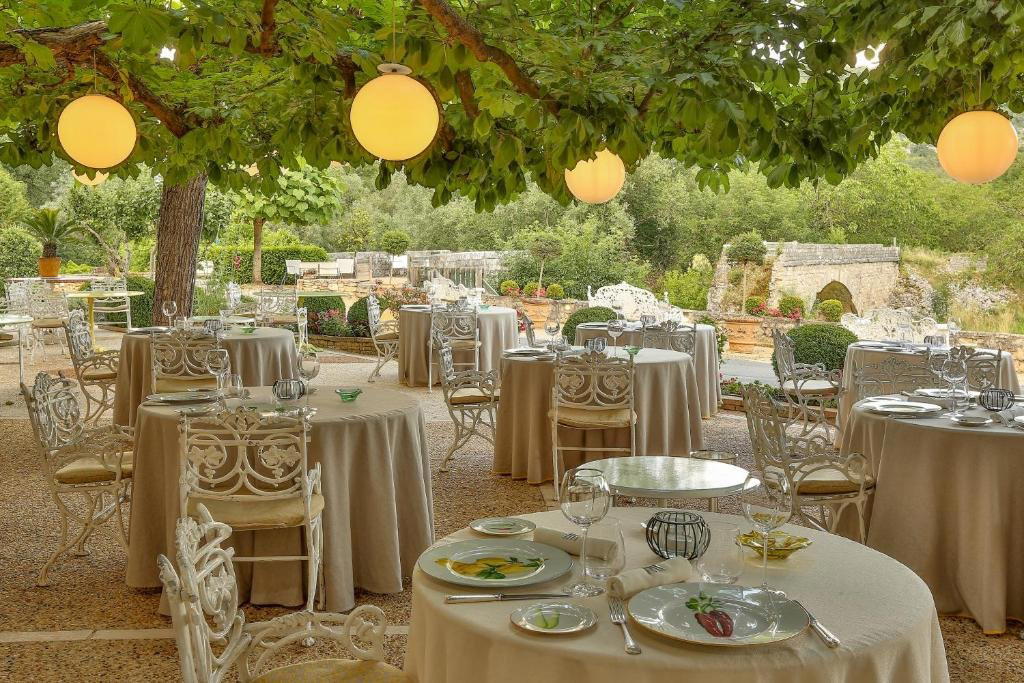


Château de la Treyne
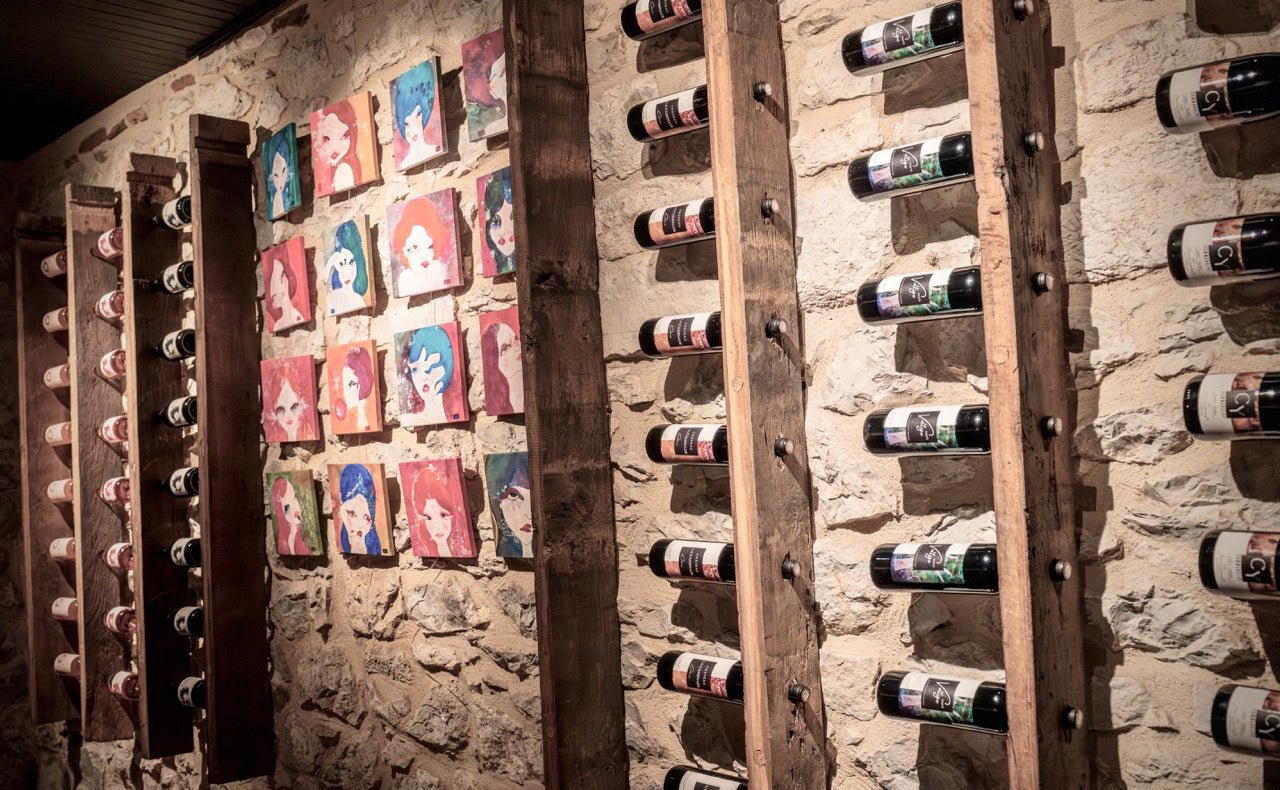
The wine
- Wine program
- Deep wine list
- Extensive wine list
Details
- Romantic
- Elegant
- Scenic
- Intimate
- Sophisticated
- Ornate
- Date Night
- Special Occasion
- Historic Building
- Terrace
- Panoramic View
- Hotel Restaurant
- Extensive Wine List
- Local Sourcing
- Waterfront
- Garden
- A La Carte
- Tasting Menu
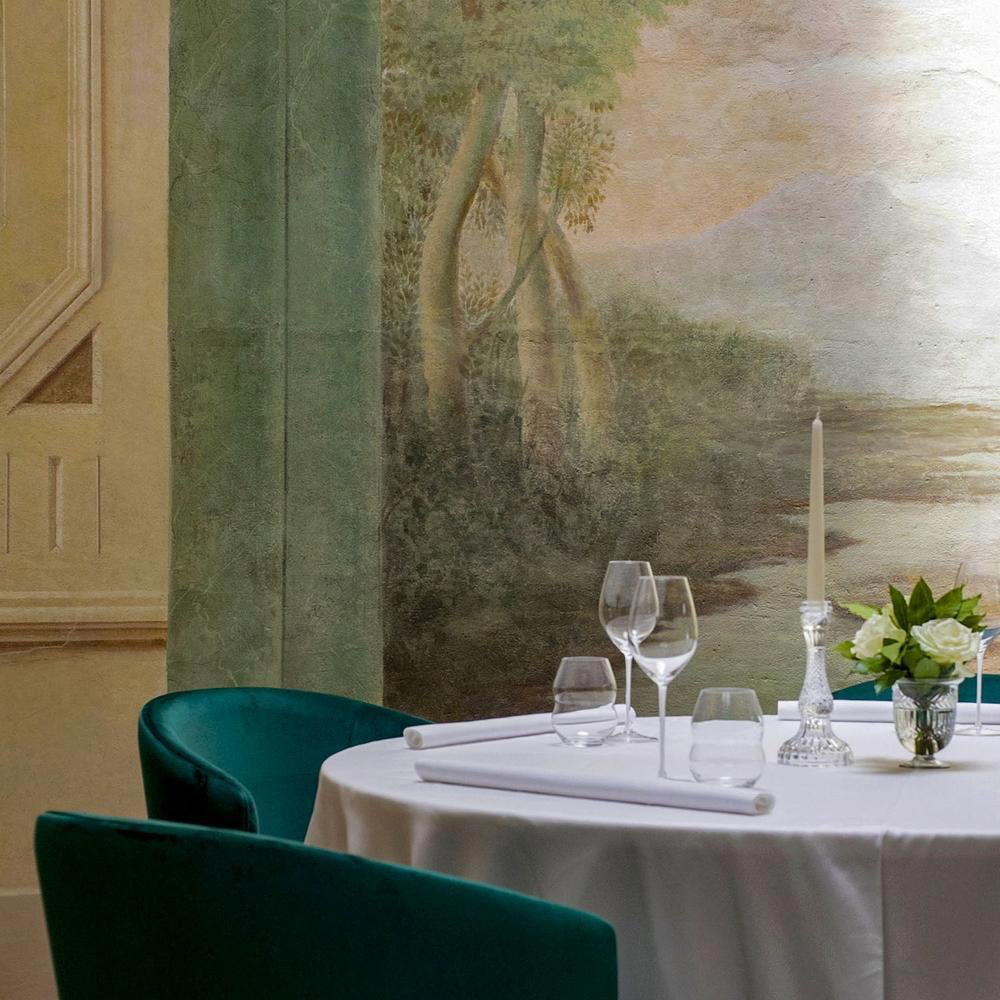
Elegant dining rooms feature marble floors, wall hangings, coffered ceilings, and carved wooden fireplaces, creating a refined, cozy, and intimate atmosphere under candlelight.