

1 Michelin Star · Gault & Millau Remarkable Restaurant
Our verdict
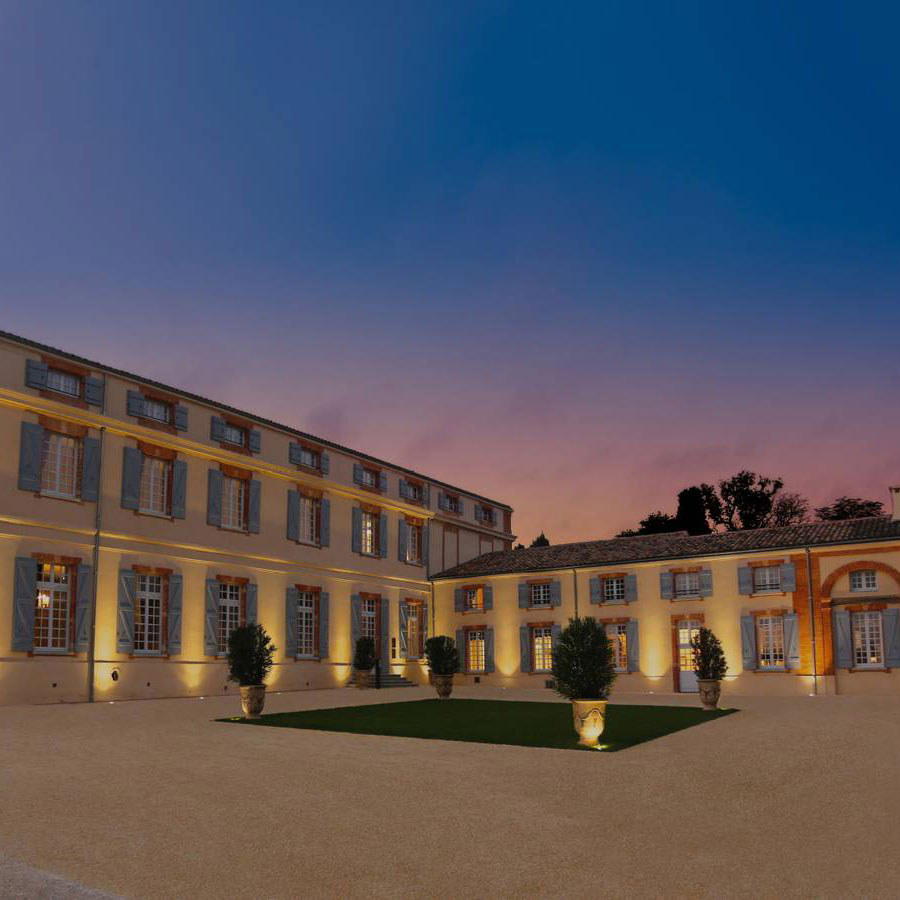
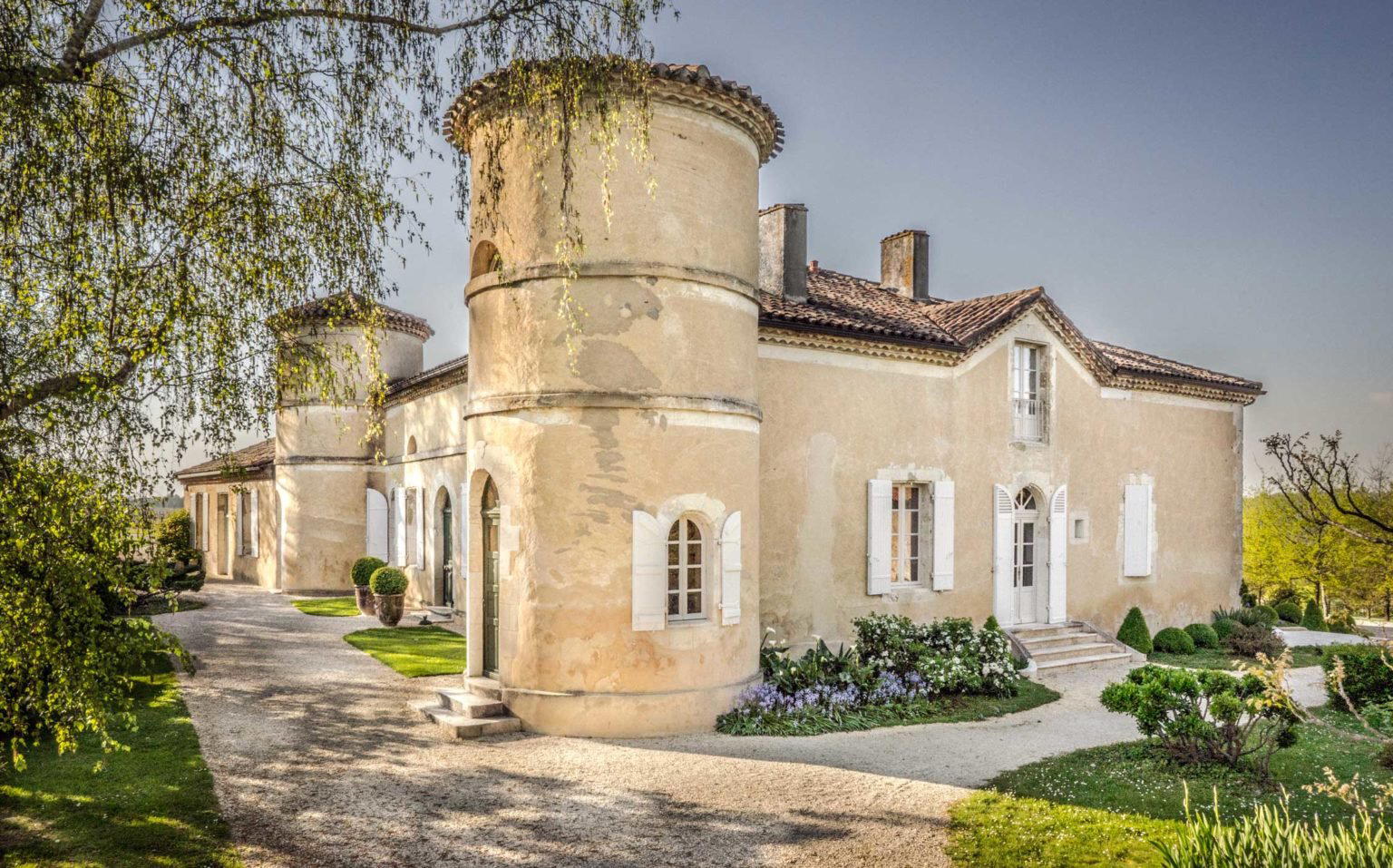
In the village of Moirax, midway between Bordeaux and Toulouse, Auberge Le Prieuré occupies a centuries-old stone house directly opposite an 11th-century Clunisian priory. Chef Benjamin Toursel, trained under Michel Trama at Puymirol, delivers a creative menu that folds bold botanical and acidic notes into classical French technique.

Pearl is the En Primeur Club membership app — saves, bookings, and concierge access live there. Same editors, same standards.
- Address
- Le Bourg, 47310 Moirax, France
- Phone
- +33 5 53 47 59 55
- Hours
- Mon–Tue ClosedWed–Sun 12:30–1:30 PM, 8–9:15 PM
- Website
- aubergeleprieure.fr
- Directions
- Get directions
Stone, Plane Trees, and a Priory Across the Lane
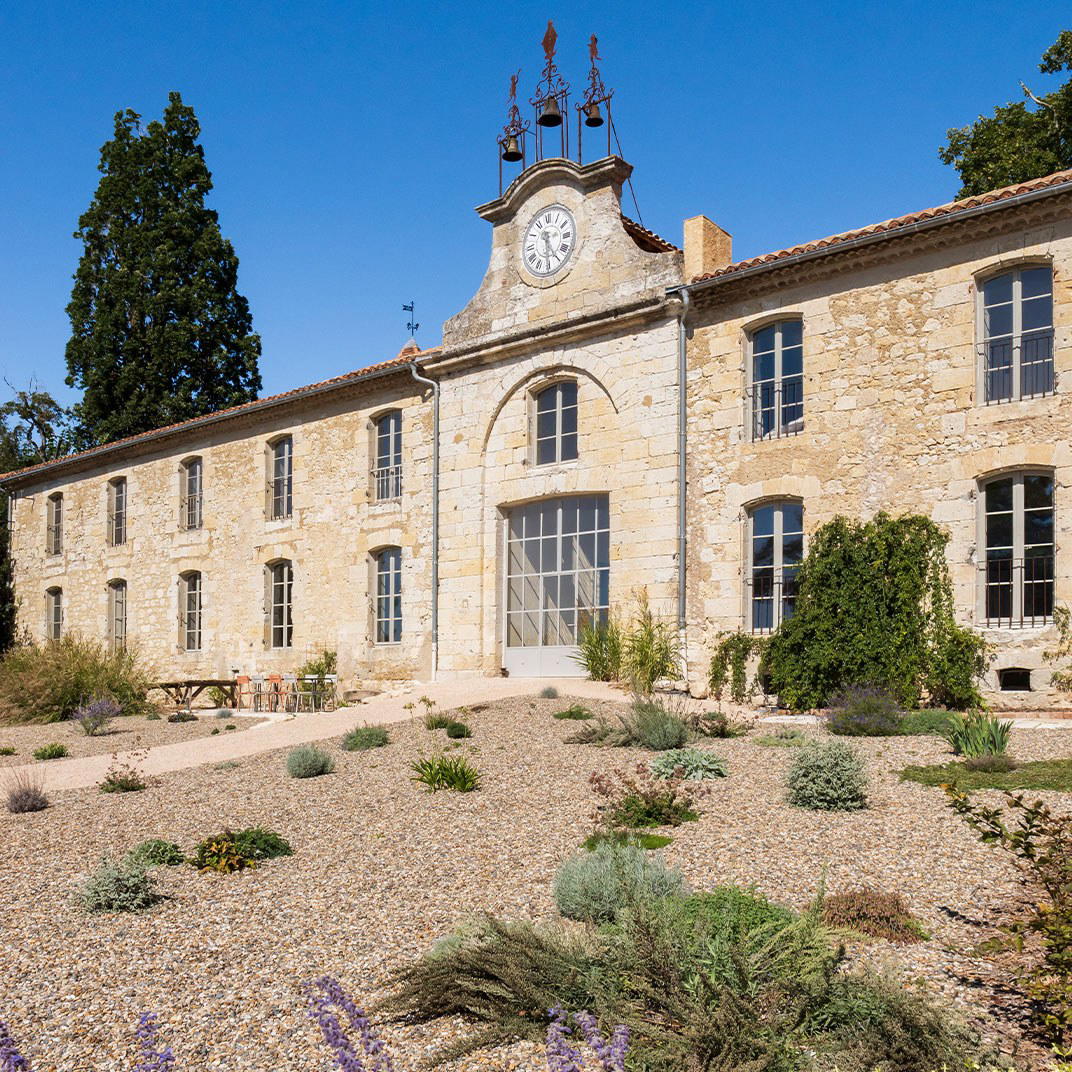
The road between Bordeaux and Toulouse passes through a succession of small Gascon villages that most drivers cross without slowing. Moirax is one of them, and that indifference is partly what makes Auberge Le Prieuré work as a dining destination. The stone house that holds the restaurant faces a Clunisian priory founded in the 11th century, and the terrace — shaded by ancient plane trees — arranges the scene so that the medieval facade becomes a backdrop to lunch or dinner rather than a monument you visit separately. Arriving here, the setting does considerable framing work before a single plate appears.
This part of Lot-et-Garonne sits in the productive corridor that connects Aquitaine and Occitanie. Agen, renowned for its prunes and its position as a market hub for the Garonne valley, is a few kilometres away. The surrounding countryside produces stone fruit, foie gras, and the full larder of southwest France, which means any serious kitchen in the area has access to high-quality raw material without the premium logistics that weigh on urban addresses. That agricultural proximity shows in what comes to the table at Auberge Le Prieuré, even when the preparations veer deliberately away from regional convention.
The Training Line Behind the Menu
In French fine dining, tracing a chef's formation is less a biographical exercise than a way to understand the grammar of a kitchen. The tradition of apprenticeship and lineage means that the cooking at any serious address carries the imprint of wherever its chef learned to work. At Auberge Le Prieuré, Chef Benjamin Toursel spent formative time with Michel Trama at Auberge de Trama in Puymirol, one of the region's long-standing two-Michelin-star addresses. Trama's kitchen belongs to the generation that absorbed nouvelle cuisine's freedoms while retaining a French structural foundation, and that inheritance is visible in Toursel's approach: classical frameworks opened up by unexpected flavour combinations and botanical ingredients that classical technique alone would not produce.
The move from prestigious apprenticeship to independent command is a well-worn arc in French gastronomy, visible in kitchens from Alsace to the Languedoc. What distinguishes the chefs who land well is the ability to absorb a mentor's rigour without reproducing their repertoire. Toursel's position at Auberge Le Prieuré, running a kitchen in a village auberge rather than a city address, reflects a different ambition than the one that draws chefs toward urban recognition. The setting imposes its own constraints and offers its own freedoms, and the menu reads as something shaped by both. For broader regional context on what creative cooking in the French southwest can look like at different price tiers and scales, our full Moirax restaurants guide maps the options.
A Creative Register in a Country Auberge Format
Creative French cooking as a category covers a wide spectrum, from the three-Michelin-star ambition of addresses like Alléno Paris au Pavillon Ledoyen at the €€€€ tier to neighbourhood restaurants that use the label loosely. Auberge Le Prieuré sits at the €€€ level and holds Michelin's Remarkable designation, which positions it in the tier below star-rated addresses but above the undifferentiated mass of French countryside restaurants. That bracket, in practice, describes kitchens where technical ambition and ingredient quality are genuine but where the format remains accessible rather than ceremonial.
The dishes Michelin documents here are instructive about the register. Red tuna with a wasabi prepared from roses, rhubarb, and rose geranium combines a protein that arrives from well outside the local larder with aromatic substitutions that replace the expected Japanese condiment with something made from garden and hedgerow ingredients. Rack of veal with raw and cooked carrots and a nasturtium-flavoured béarnaise rewires a classical French sauce through a botanical substitution, keeping the emulsion structure intact while shifting the aromatic profile. Both dishes demonstrate the pattern: a recognisable classical or international frame, then a specific creative intervention that arrives as a surprise rather than a conceptual statement. It is cooking that assumes its audience knows what a béarnaise is supposed to taste like, which is a reasonable assumption for the clientele a Michelin-recognised auberge between Bordeaux and Toulouse tends to attract.
This approach connects Auberge Le Prieuré to a wider shift in French regional cooking, where the most interesting addresses are no longer those that replicate classical benchmarks most faithfully but those that use regional raw material as a starting point for something more personal. Bras in Laguiole made that argument definitively in the Aveyron, and Auberge du Vieux Puits in Fontjoncouse demonstrates the same logic in the Corbières. Moirax operates at a different scale but within the same broader movement.
Context Among Remarkable Tables
Michelin's Remarkable category, introduced to acknowledge restaurants below star level that still warrant attention, has become the most useful tier for travellers whose itineraries include smaller cities and rural stops that do not anchor a journey but can define a day within one. In southwest France, this category captures a set of kitchens that are serious without being intimidating, and where the dining experience is shaped more by the chef's point of view than by the trappings of luxury service.
For comparison, the starred tier of French creative cooking, Mirazur in Menton, Flocons de Sel in Megève, or Troisgros in Ouches, operates with longer booking windows, higher price points, and a more formalised service structure. The Remarkable tier trades some of that ceremony for immediacy. The Auberge de l'Ill in Illhaeusern shows how the auberge format can sustain the very highest recognition over decades; Auberge Le Prieuré operates at an earlier point on that arc, with Michelin recognition in place and a culinary direction that has demonstrable consistency. Other reference points in the creative French register include Arpège in Paris and AM par Alexandre Mazzia in Marseille, both of which show how botanical and vegetable-driven thinking has reshaped French fine dining across price tiers in recent years.
Planning Your Visit
The service schedule at Auberge Le Prieuré follows the pattern of a kitchen that prioritises quality over covers: lunch sittings run from 12:30 to 1:30 PM and dinner from 8 to 9 PM, Wednesday through Sunday, with Monday and Tuesday closed. Those tight service windows are common at serious French country tables and reflect a kitchen operating without the staffing depth of a larger urban address. Planning around them is direct if you account for travel time from Agen or from the A62 motorway corridor. For accommodation in the area, our Moirax hotels guide covers the local options. If you are extending time in the region, our guides to Moirax bars, Moirax wineries, and Moirax experiences provide further context.
Frequently asked questions
Is Auberge Le Prieuré suitable for children?
The €€€ price range and a creative menu built around botanical preparations — rose-based wasabi, nasturtium-flavoured béarnaise — place this firmly in adult-dining territory. The formal rhythm of a kitchen running tightly bounded 90-minute lunch and dinner sittings also suits guests prepared to engage with the food rather than those who need flexibility. Families with older, curious teenagers who eat adventurously may find it workable.
What is the atmosphere like at Auberge Le Prieuré?
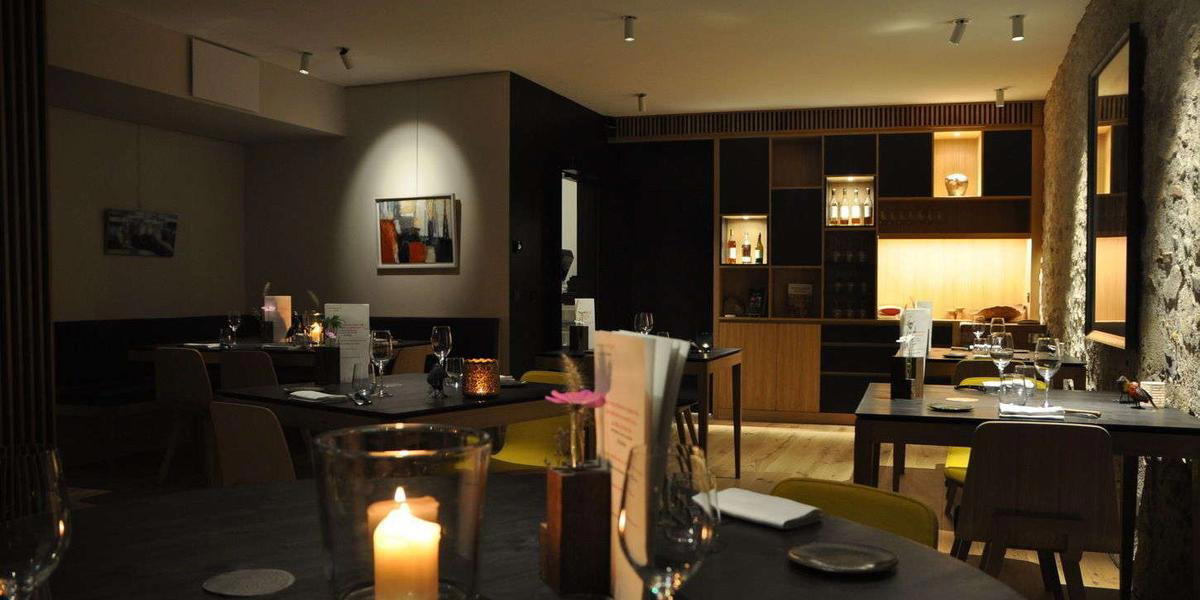
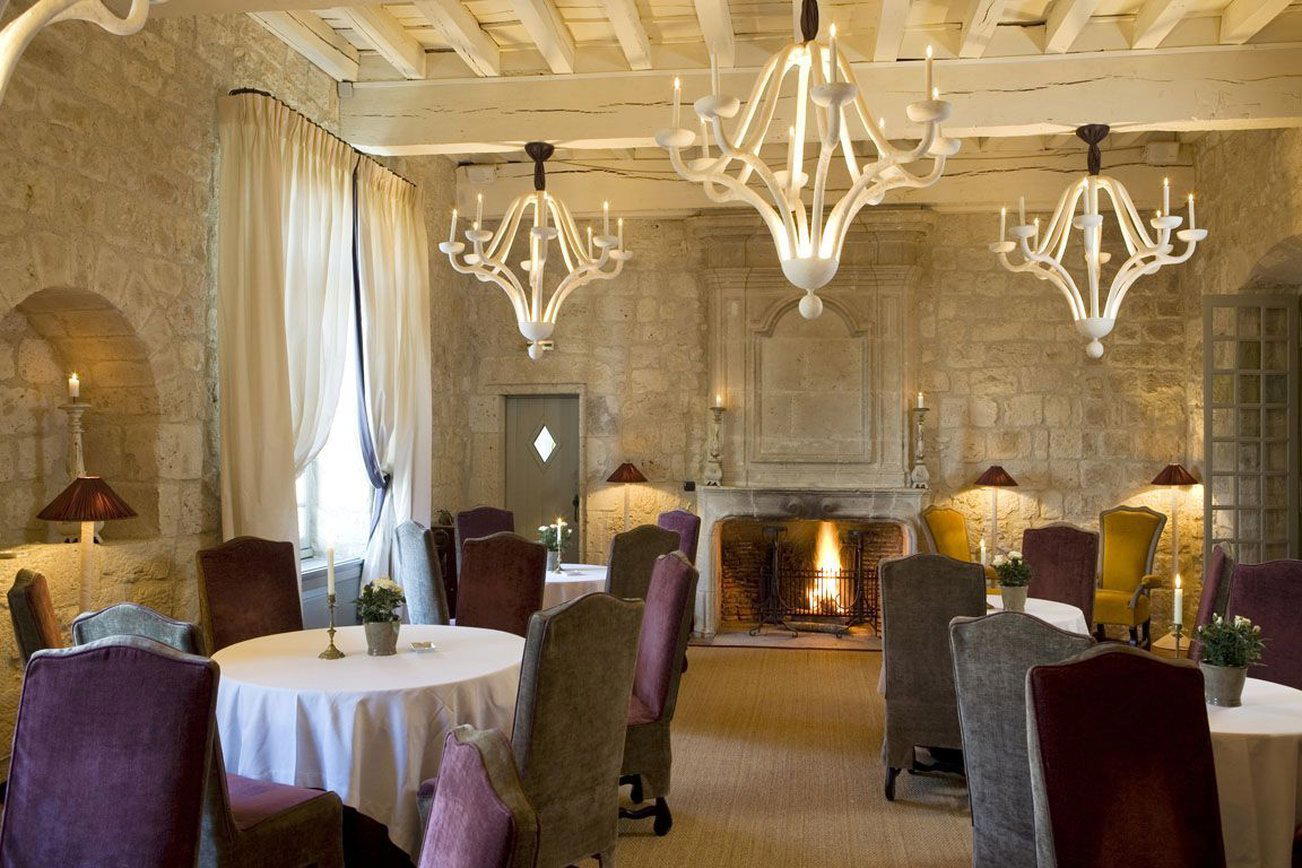
The setting is a centuries-old stone house in the village of Moirax, with a terrace shaded by ancient plane trees directly facing an 11th-century Clunisian priory. The format is a country auberge rather than a formal city restaurant: quieter, more intimate, and anchored in its Gascon surroundings. Michelin's Remarkable designation signals cooking that warrants a detour, and the room matches that register — considered without being stiff.
What kind of recognition has Auberge Le Prieuré received?
Auberge Le Prieuré has received recognition including: Category: Remarkable; On the road between Bordeaux and Toulouse, in the heart of a tiny picturesque village near Agen, this country inn occupies a centuries-old stone house, whose terrace, shaded by ancient plane trees, faces a Clunisian pr….
What's the best thing to order at Auberge Le Prieuré?
Michelin has documented two dishes that capture chef Benjamin Toursel's approach: red tuna with a wasabi made from roses, rhubarb, and rose geranium, and rack of veal with raw and cooked carrots and a nasturtium-flavoured béarnaise. Both show his habit of applying botanical preparations to classical frames — familiar structures with unexpected aromatics. Those dishes, or anything in that register on the current menu, are the clearest expression of what this kitchen does.
At-a-Glance Comparison
| Venue | Cuisine | Price | Awards |
|---|---|---|---|
| Auberge Le PrieuréThis venue — the venue you are viewing | Modern Creative French Fine Dining | $100–150 | 1 Michelin Star · Gault & Millau Remarkable Restaurant |
| Alléno Paris au Pavillon Ledoyen | Creative | Not listed | Michelin 3 Star |
| Kei | Contemporary French, Modern Cuisine | Not listed | Michelin 3 Star |
| L'Ambroisie | French, Classic Cuisine | Not listed | Michelin 3 Star |
| Le Cinq - Four Seasons Hôtel George V | French, Modern Cuisine | Not listed | Michelin 3 Star |
| Plénitude | Contemporary French | Not listed | Michelin 3 Star |
Recognition history
Dated appearances from independent guides and award organizations, with the underlying list record or original source where available.
Michelin 1 Star
Michelin
Gault & Millau Remarkable Restaurant
Gault & Millau
Full recognition history (4 entries)
Michelin 1 Star
Michelin
Michelin 1 Star
Michelin

Details
- Romantic
- Elegant
- Rustic
- Intimate
- Cozy
- Date Night
- Special Occasion
- Celebration
- Terrace
- Garden
- Historic Building
- Extensive Wine List
- Local Sourcing
- Garden
- Street Scene
- Tasting Menu
- Prix Fixe
- Vegetarian Friendly
Current opening hours
- Monday
- Closed
- Tuesday
- Closed
- Wednesday
- 12:30–1:30 PM, 8–9:15 PM
- Thursday
- 12:30–1:30 PM, 8–9:15 PM
- Friday
- 12:30–1:30 PM, 8–9:15 PM
- Saturday
- 12:30–1:30 PM, 8–9:15 PM
- Sunday
- 12:30–1:30 PM, 8–9:15 PM
Hours can change for holidays and private events. Last verified .
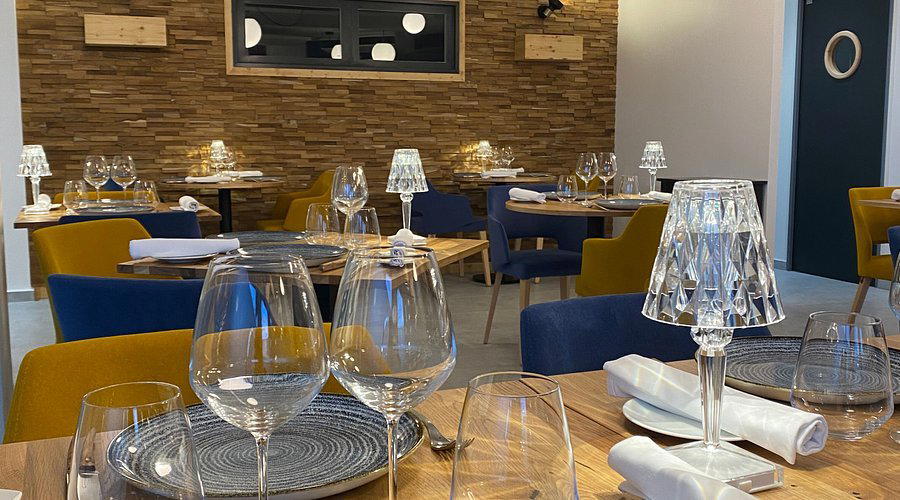
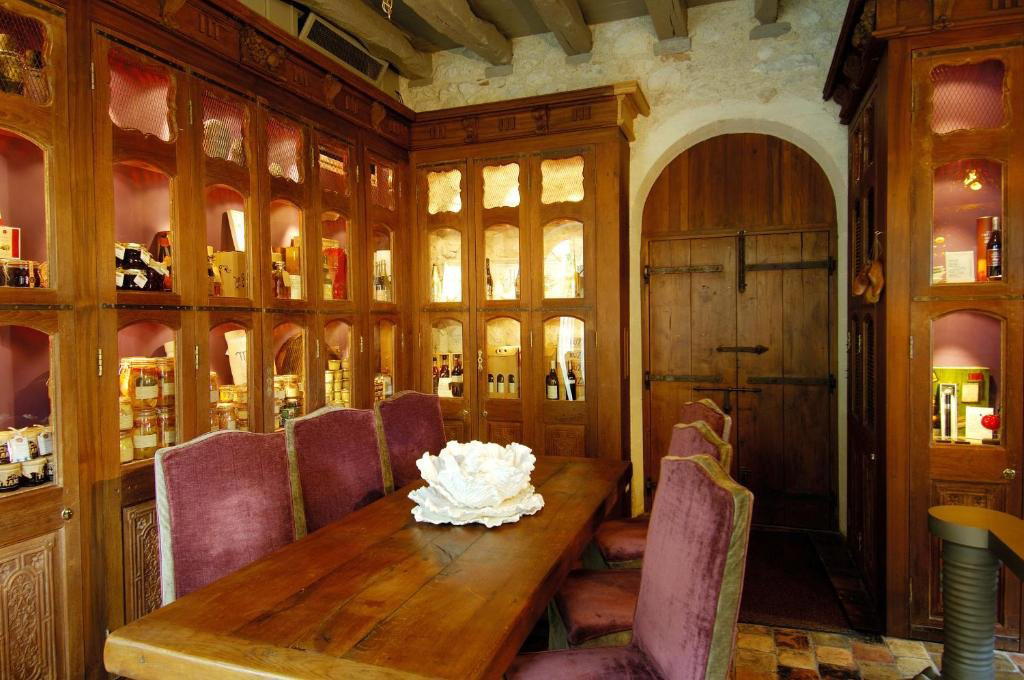
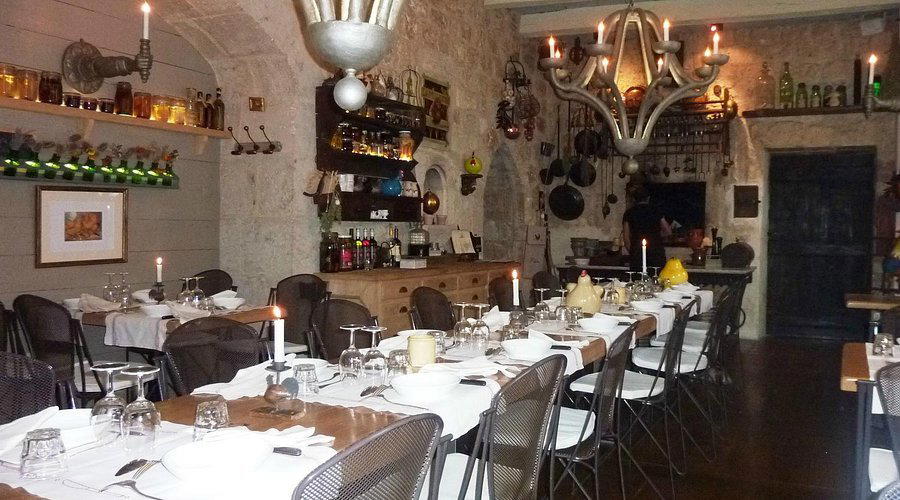
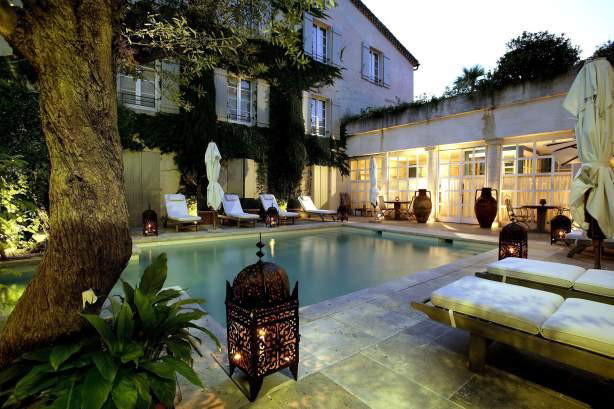
Charming rustic interior with a cozy, elegant atmosphere; shaded terrace under ancient plane trees offering a peaceful, picturesque village setting.