Le Coin Français
On Huguenot Street in the heart of Franschhoek, Le Coin Français occupies a position that the village's French-heritage dining scene makes immediately legible: a French-inflected address in a valley settled by Huguenot refugees three centuries ago. The restaurant sits within a dining corridor where sourcing from surrounding Cape Winelands farms and estates shapes the kitchen's agenda as much as any menu philosophy.
Pearl is the En Primeur Club membership app — saves, bookings, and concierge access live there. Same editors, same standards.
- Address
- 17 Huguenot St, Franschhoek, 7690, South Africa
- Phone
- +27741260022
- Website
- lecoinfrancais.co.za
- Directions
- Get directions
 Saves & bookings on Pearl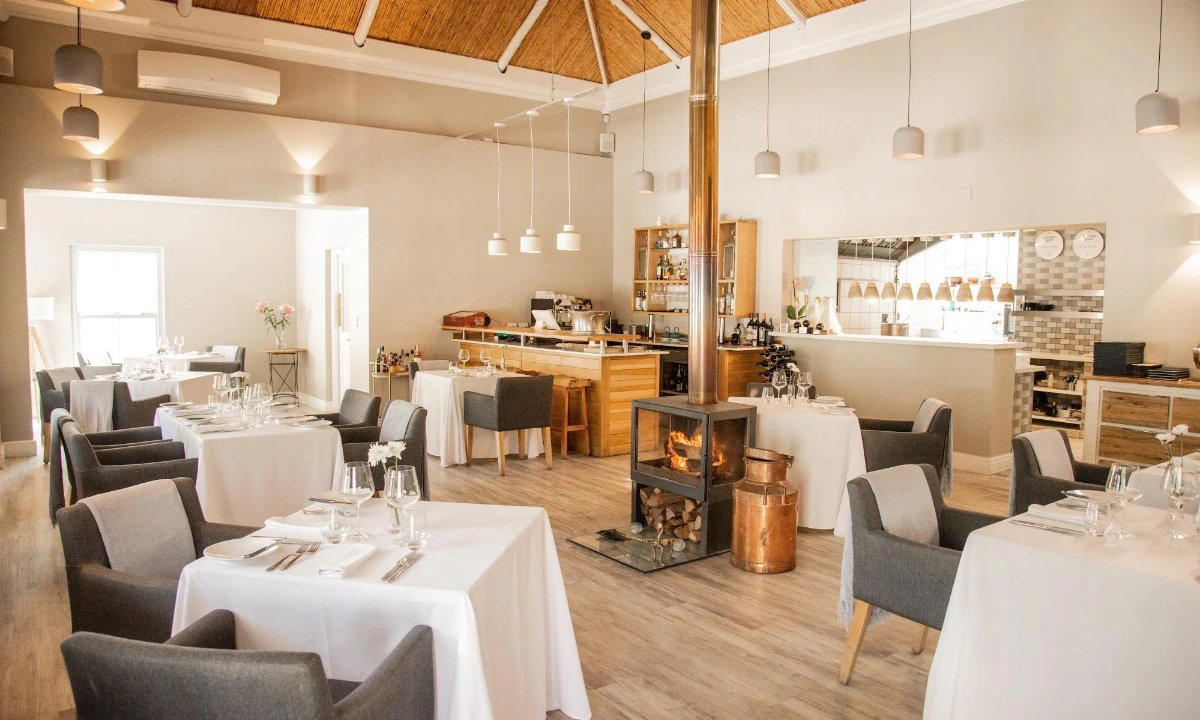
Where the Valley Sets the Table
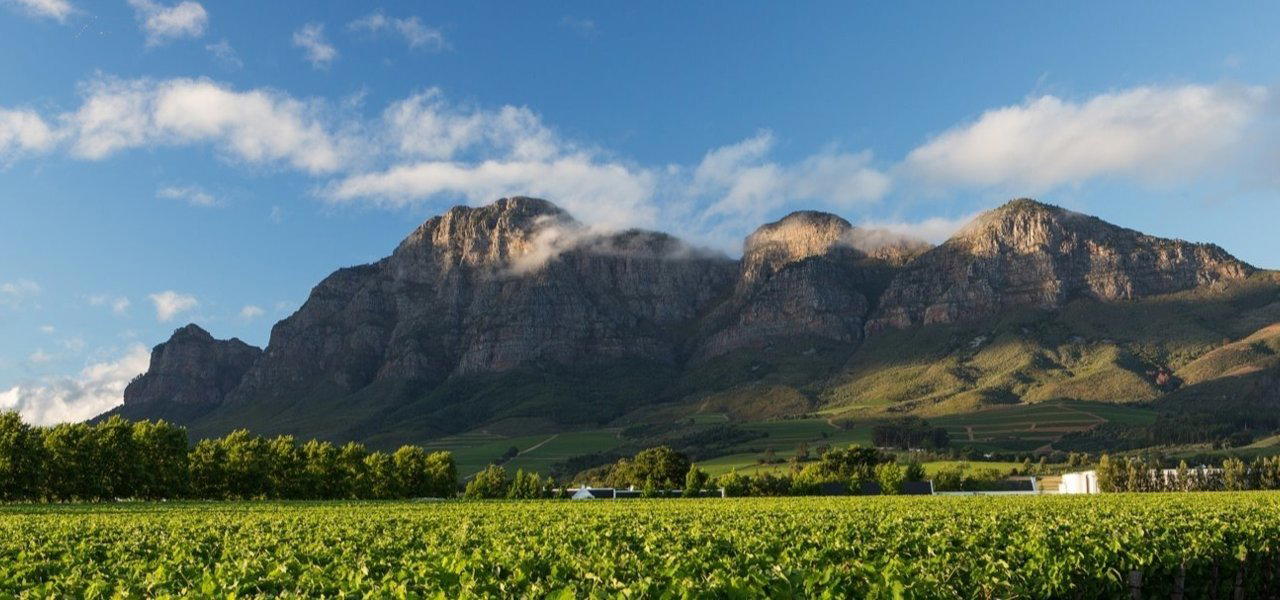
Franschhoek's main street does something that few South African towns manage: it makes French provenance feel earned rather than decorative. The valley was settled by Huguenot refugees in the late seventeenth century, and three hundred years of vine-growing, French place names, and wine estate architecture have produced a food-and-wine culture with genuine historical grounding. Arriving on Huguenot Street, the address of Le Coin Français at number 17, you are walking a strip that concentrates notable dining per kilometre in the Western Cape. The restaurants here do not operate in isolation; they exist in conversation with the surrounding farms, the estates pressing wine a few kilometres in either direction, and a visitor economy that has made Franschhoek the closest thing South Africa has to a dedicated gastronomic village.
That context matters when thinking about what a French-named address here signifies. In Franschhoek, French culinary identity is the baseline, not a flourish. Competitors like Le Quartier Français have spent decades cementing that reference point, while places like La Petite Colombe and Epice show how South African kitchens have begun routing that French inheritance through local ingredients and contemporary technique. Le Coin Français sits within that lineage on the village's central artery, a position that carries both the advantages of foot traffic and the pressure of a well-travelled, comparison-making clientele.
Sourcing in a Valley Built for It
Few dining regions in southern Africa offer a kitchen the raw material density that the Franschhoek Valley does. Within a short radius of Huguenot Street, producers supply stone fruit, olives, heritage vegetables, artisan charcuterie, and farm-raised meat alongside the estate wines for which the valley is better known internationally. The Winelands food economy has matured significantly over the past two decades: what was once a supplementary cottage-industry of farm stalls has developed into a supply chain that serious kitchens across Cape Town and the Winelands actively compete for.
The ingredient sourcing question is, in many ways, one important editorial lens through which to read any Franschhoek restaurant. A kitchen that draws from the valley's farms and estates is making a fundamentally different argument about its food than one shipping commodity produce from the Cape Town wholesale markets. Across the Winelands, the restaurants that have attracted sustained critical attention, from Bread & Wine Vineyard Restaurant in Stellenbosch to Wolfgat in Paternoster, have made proximity to source a structural feature of their identity, not a marketing note. The same ambition is legible across Franschhoek's stronger addresses, where the menu changes as the farms around them do.
South Africa's broader fine-dining conversation has been shaped in recent years by kitchens that take foraging, indigenous ingredient recovery, and hyper-local sourcing seriously. Fyn in Cape Town represents one model of that sensibility at the summit of the market; Klein Jan in Moshaweng Nu takes it to a more remote and research-intensive extreme. Franschhoek's version of the same conversation is more approachable in register, but the underlying question, of where the food actually comes from, remains the correct one to ask.
The Franschhoek Dining Tier
To understand Le Coin Français's competitive position, it helps to map the village's dining spectrum. At the upper register, tasting-menu formats with wine-pairing programmes and extended service, addresses like Chefs Warehouse at Maison Estate, draw visitors who have budgeted Franschhoek as a destination dining experience in its own right. Below that tier, the village supports a range of bistro-style and café-adjacent addresses that serve the wine-tourist traffic moving along the valley on weekends and during the harvest season, roughly February through April, when the restaurants are at their busiest.
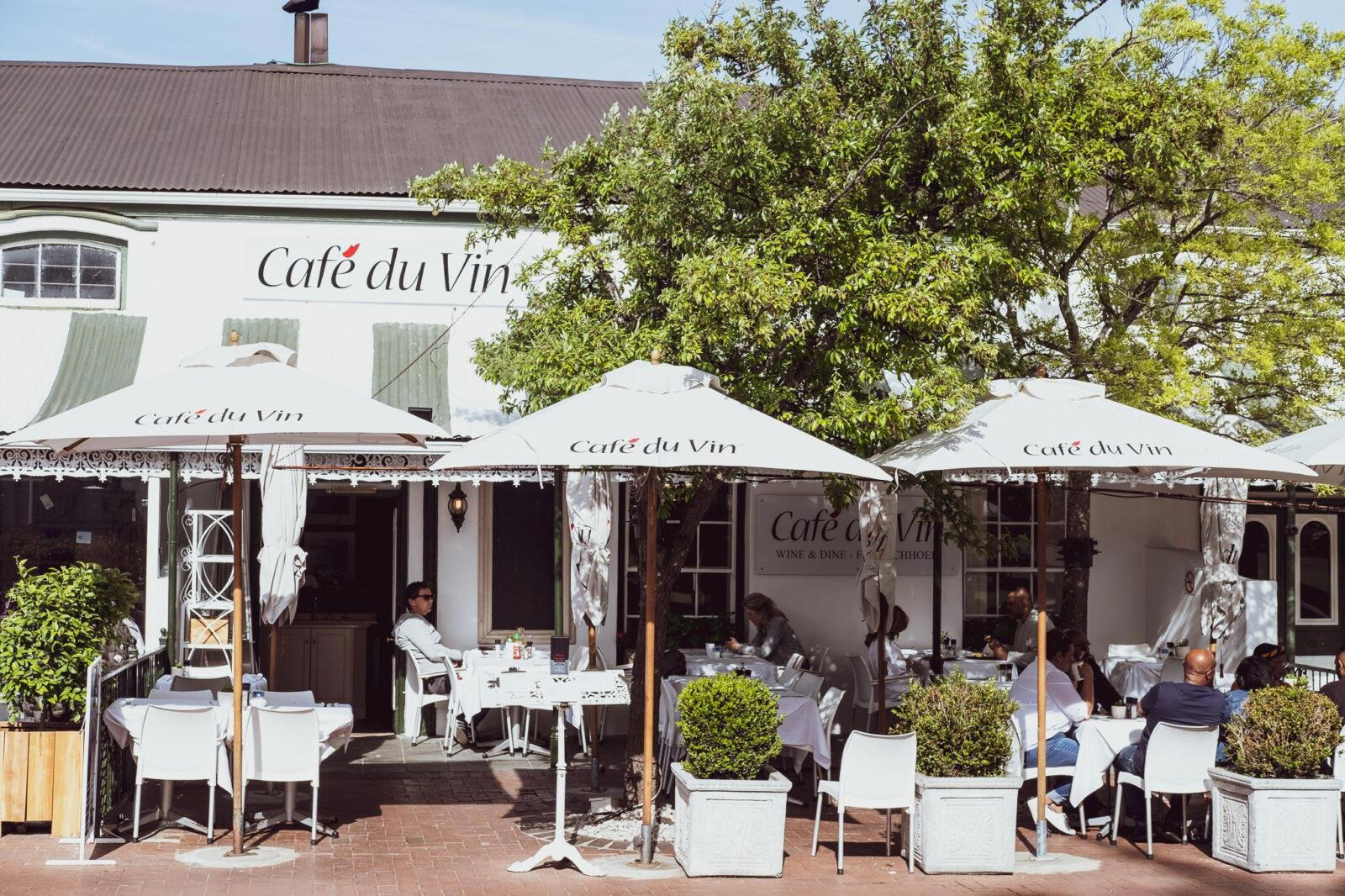
Café du Vin represents the more relaxed end of that spectrum, while a place like Le Coin Français, positioned on the main street with a name that signals French-register cooking, occupies a mid-market zone where the expectations around produce quality and kitchen care are higher than a casual café but the format is less ceremonial than a full tasting-menu house. That positioning has its own logic in a village where many visitors want a serious lunch without committing to a three-hour dinner, and where the wine list is often as much the draw as the plate.
For a broader orientation to how Franschhoek's restaurants distribute across style, price, and culinary identity, the EP Club full Franschhoek restaurants guide maps the village's dining options with the comparative detail that a single-venue page cannot provide.
Planning a Visit
Huguenot Street in Franschhoek is compact enough that restaurant at number 17 is walkable from most of the village's accommodation. Franschhoek operates as a day-trip destination from Cape Town, roughly an hour by road through Stellenbosch or the Franschhoek Pass, but the village rewards an overnight stay, particularly if the plan includes more than one serious meal. Weekend lunch service on Huguenot Street gets pressured from mid-morning, and the harvest-season months see the valley at its most visited; arriving early or booking ahead is the practical approach rather than the exception. Specific hours and reservation details are best confirmed directly with the restaurant, as seasonal adjustments are common across Franschhoek's dining calendar.
Visitors working through a wider South African dining itinerary might cross-reference with Cape Town's more experimental addresses, Fyn being one relevant reference point at the serious end, or look at the coastal registers offered by Wolfgat in Saldanha Bay for a different expression of southern African sourcing instincts. Further afield, international reference points like Le Bernardin in New York City or Atomix in New York City illustrate how differently French and contemporary fine-dining codes play out when the ingredient geography changes entirely.
Comparable Spots, Quickly
Comparable venues nearby, for context on price, style, and recognition.
| Venue | Cuisine | Price | Notes |
|---|---|---|---|
| Le Coin FrançaisThis venue — the venue you are viewing | Modern French Fine Dining | $$$$ | Not listed |
| Protégé | Modern Fusion Fine Dining | $$$$ | Franschhoek |
| Foliage | Dining | Not listed | Franschhoek |
| Bread and Wine | Dining | Not listed | Franschhoek |
| Epice | Global Spice-Driven Fine Dining | $$$$ | Heritage Square |
| Chefs Warehouse - Maison Estate | Global Tapas-Inspired Fine Dining | $$$$ | Franschhoek |
Recognition history
Dated appearances from independent guides and award organizations, with the underlying list record or original source where available.
World Culinary Awards Africa's Best French Cuisine Restaurant 2025 #1
World Culinary Awards
Continue exploring
More in Franschhoek
Restaurants in Franschhoek
Browse all →
Bars in Franschhoek
Browse all →
Hotels in Franschhoek
Browse all →
At a Glance
- Romantic
- Intimate
- Sophisticated
- Elegant
- Classic
- Date Night
- Special Occasion
- Celebration
- Standalone
- Private Dining
- Extensive Wine List
- Sommelier Led
- Local Sourcing
Current opening hours
- Monday
- 6–11 PM
- Tuesday
- 6–11 PM
- Wednesday
- 6–11 PM
- Thursday
- 6–11 PM
- Friday
- 12–3 PM, 6–11 PM
- Saturday
- 12–3 PM, 6–11 PM
- Sunday
- 12–3 PM, 6–11 PM
Hours can change for holidays and private events. Last verified .
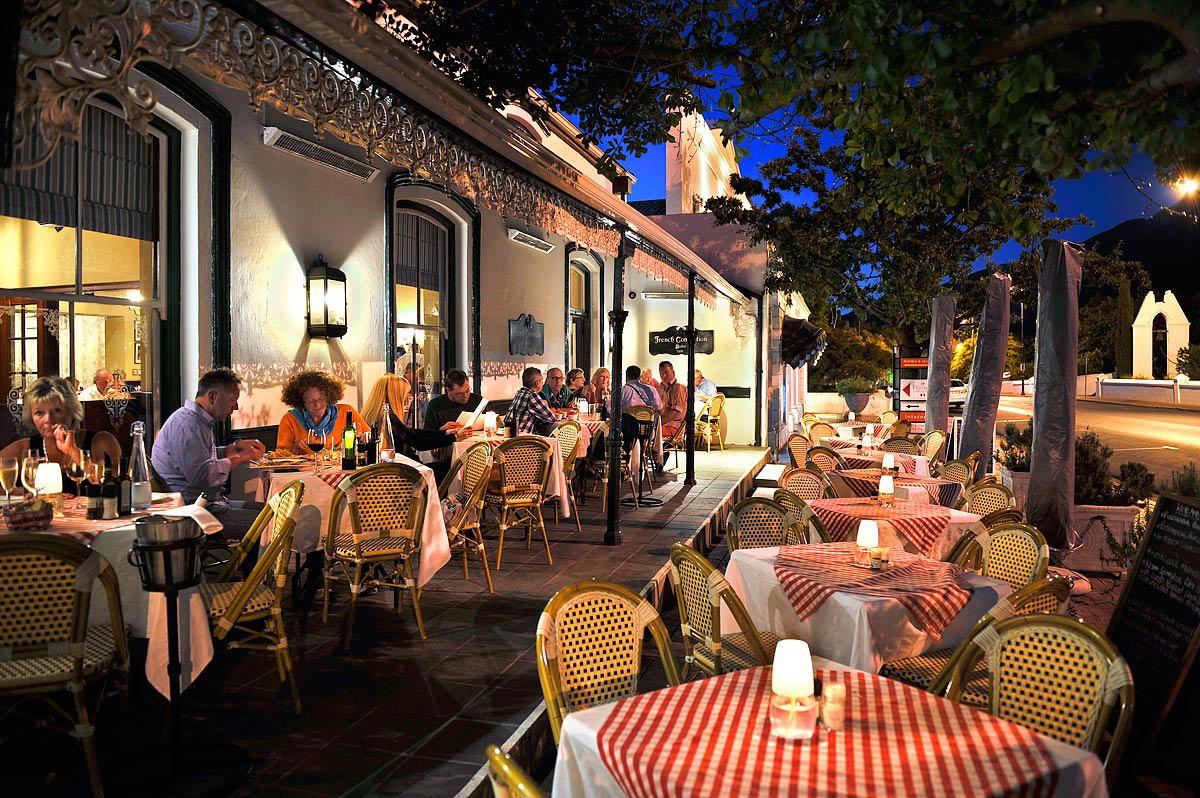
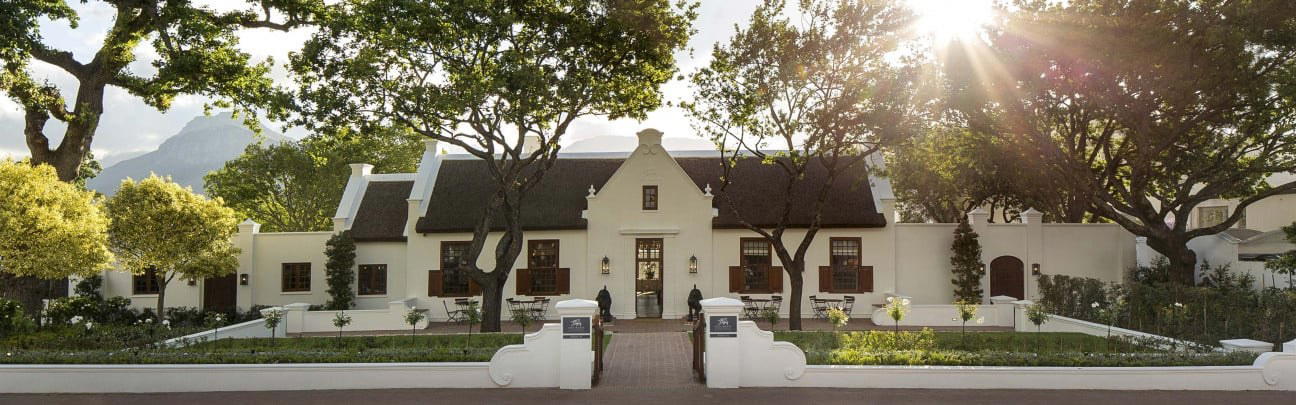
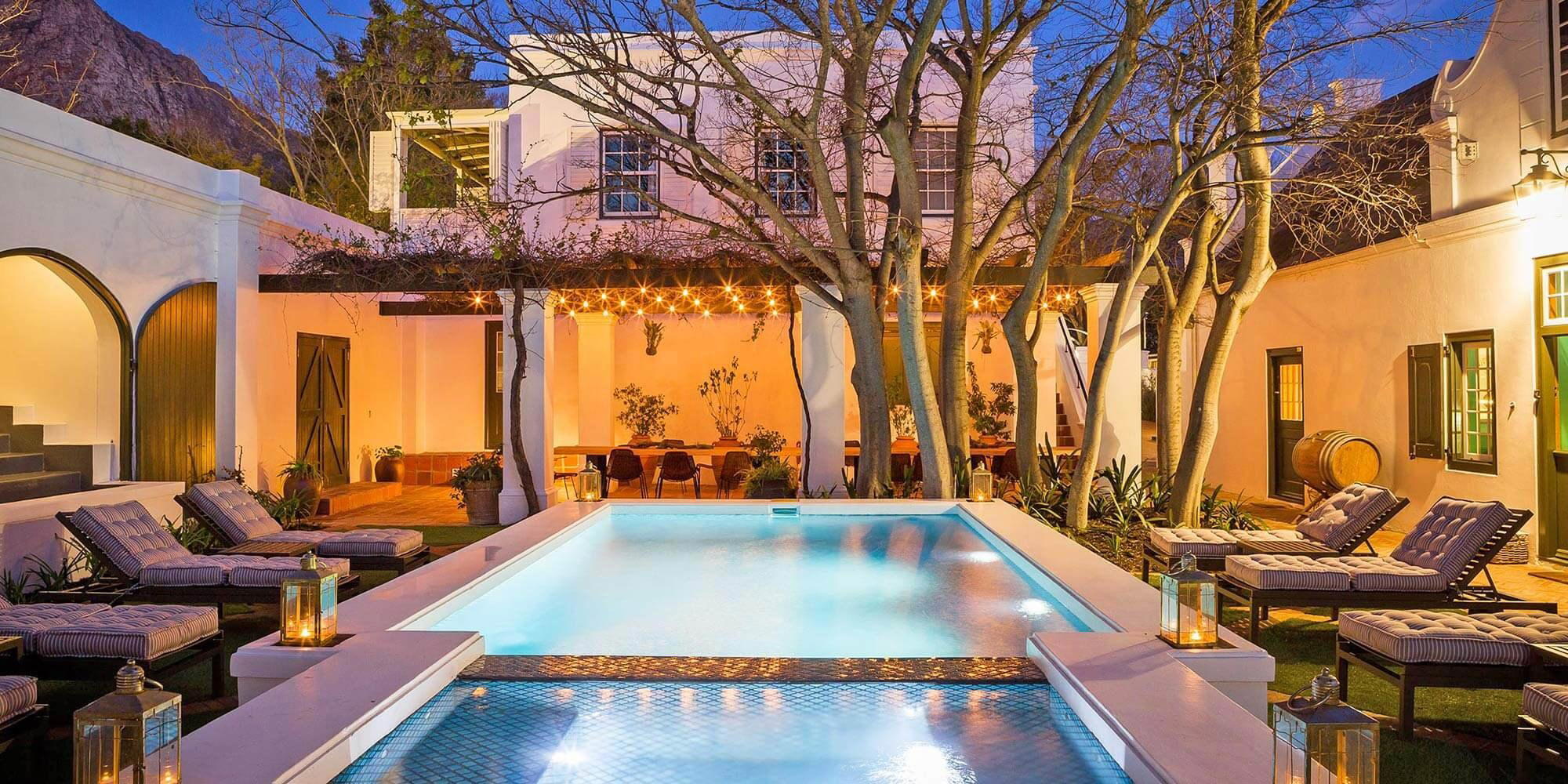
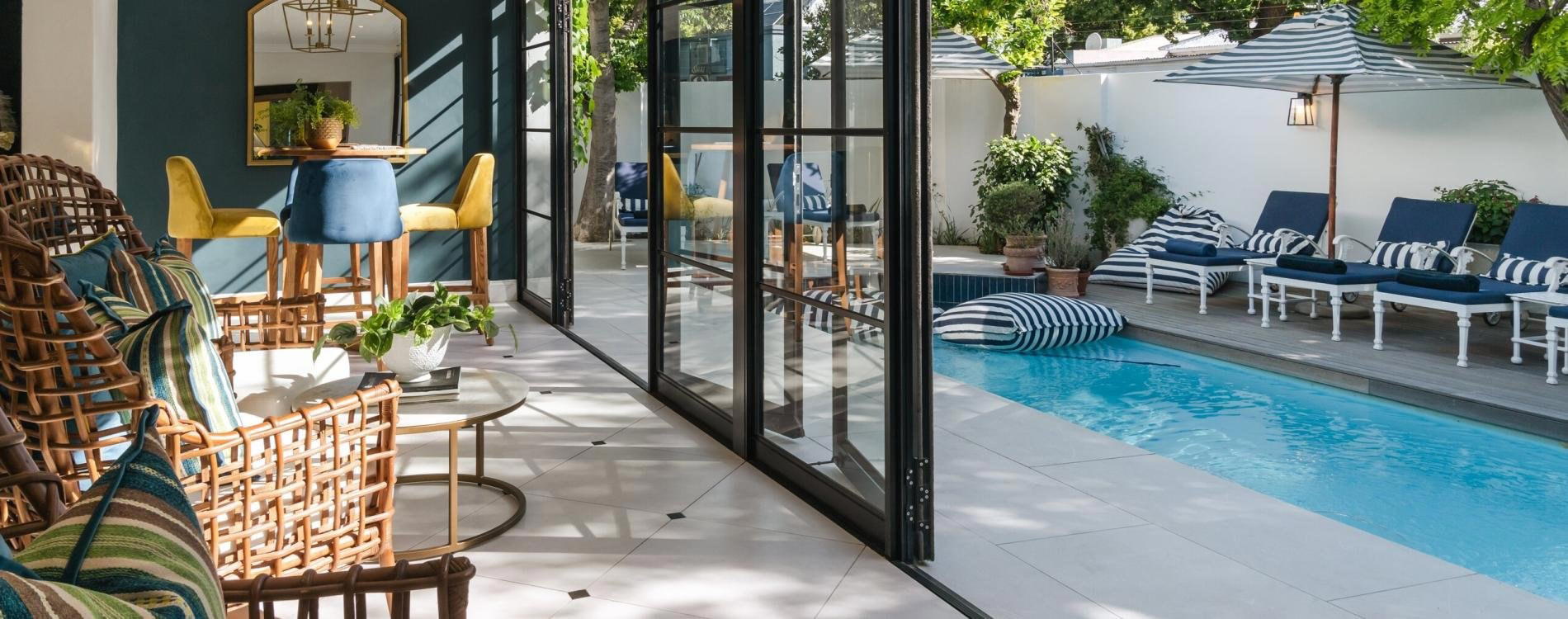
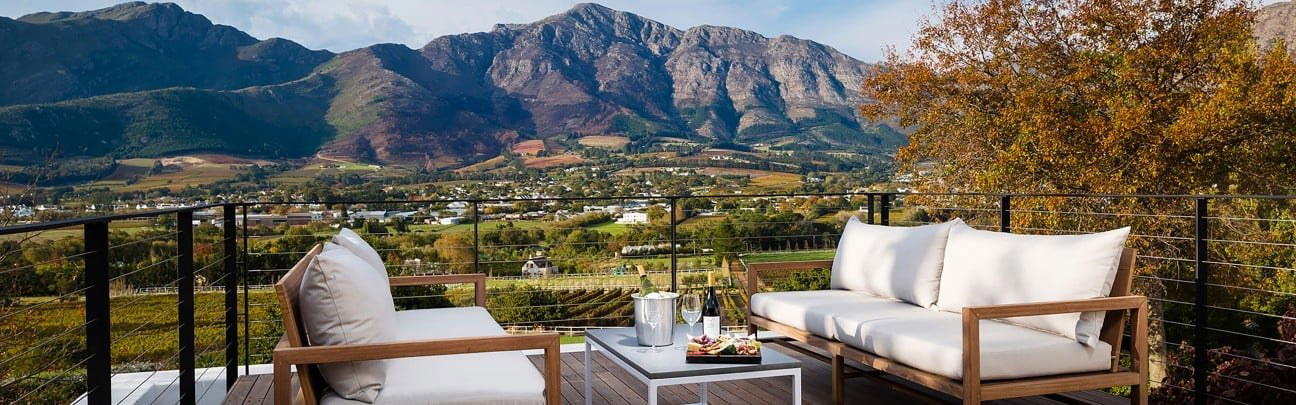
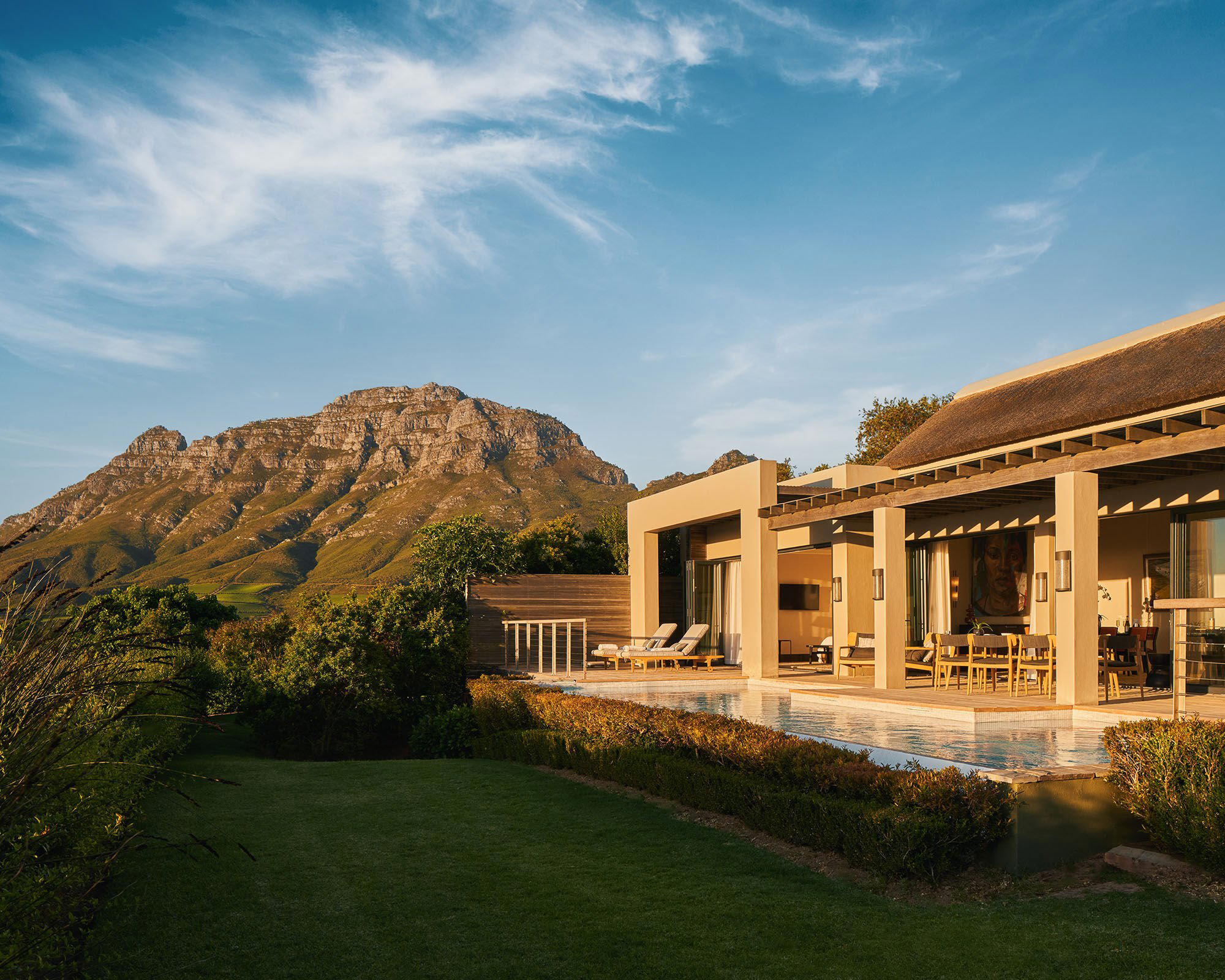
Sophisticated and intimate with high ceilings, pendant lighting, a feature spiral staircase, roaring fire in winter, verandah seating in summer, and French music creating an almost Parisian café feel.