Epice

Epice at Le Quartier Français occupies a specific position in Franschhoek's tightly competitive dining tier: a South African kitchen led by Charné Sampson, recognized in La Liste's global rankings in both 2025 and 2026. The cooking draws on local produce and Cape culinary tradition while placing firmly within a generation of chefs reshaping what modern South African fine dining looks like beyond the Winelands' tourist-facing mainstream.
Pearl is the En Primeur Club membership app — saves, bookings, and concierge access live there. Same editors, same standards.
- Address
- Le Quartier Français Hotel, Huguenot St, Franschhoek, 7690, South Africa
- Phone
- +27 21 492 4044
- Website
- lacolombe.restaurant
- Directions
- Get directions
 Saves & bookings on Pearl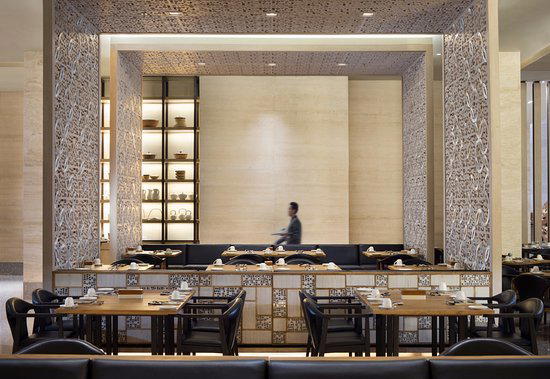
Where Franschhoek's Fine Dining Conversation Gets Interesting
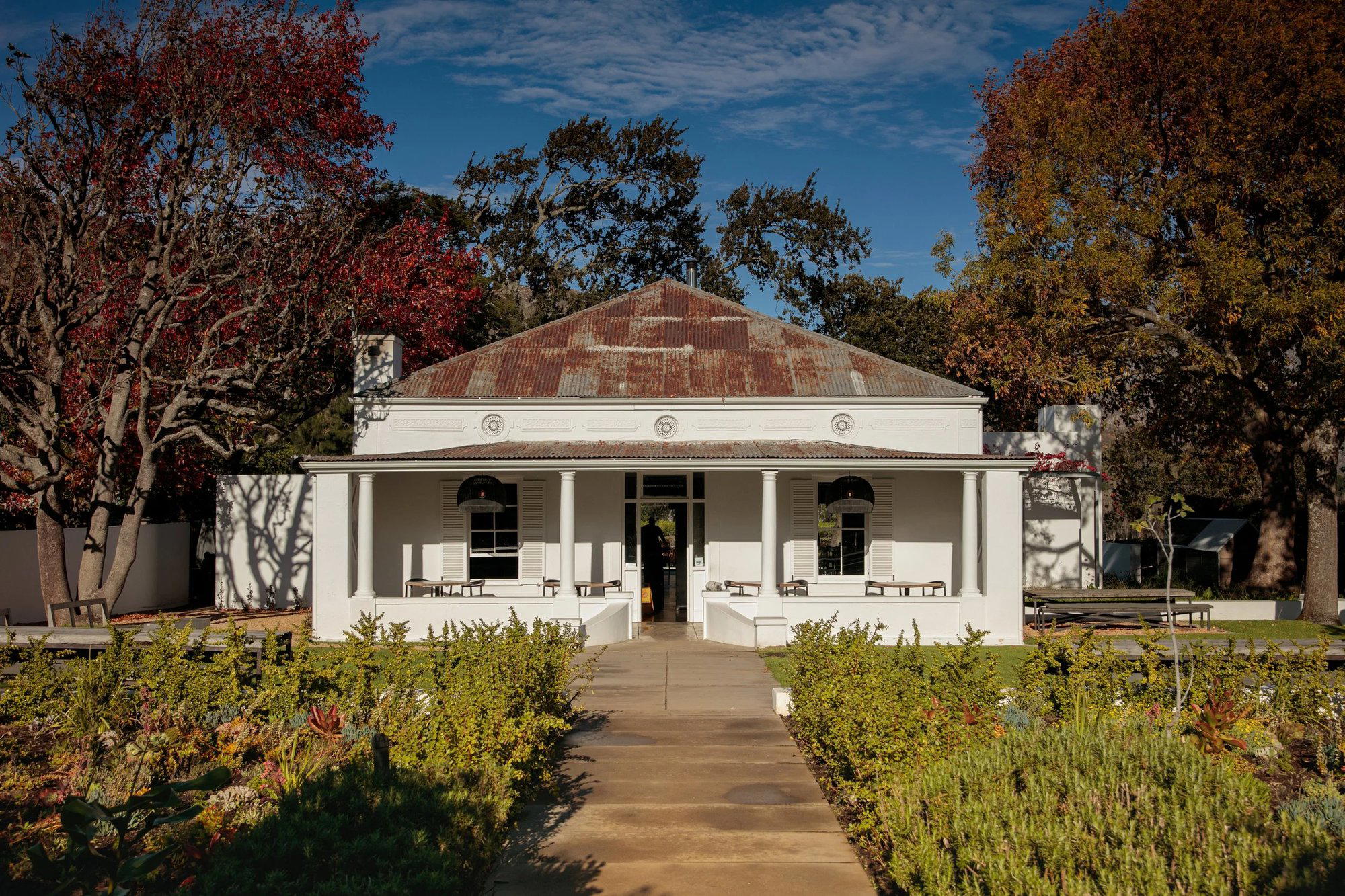
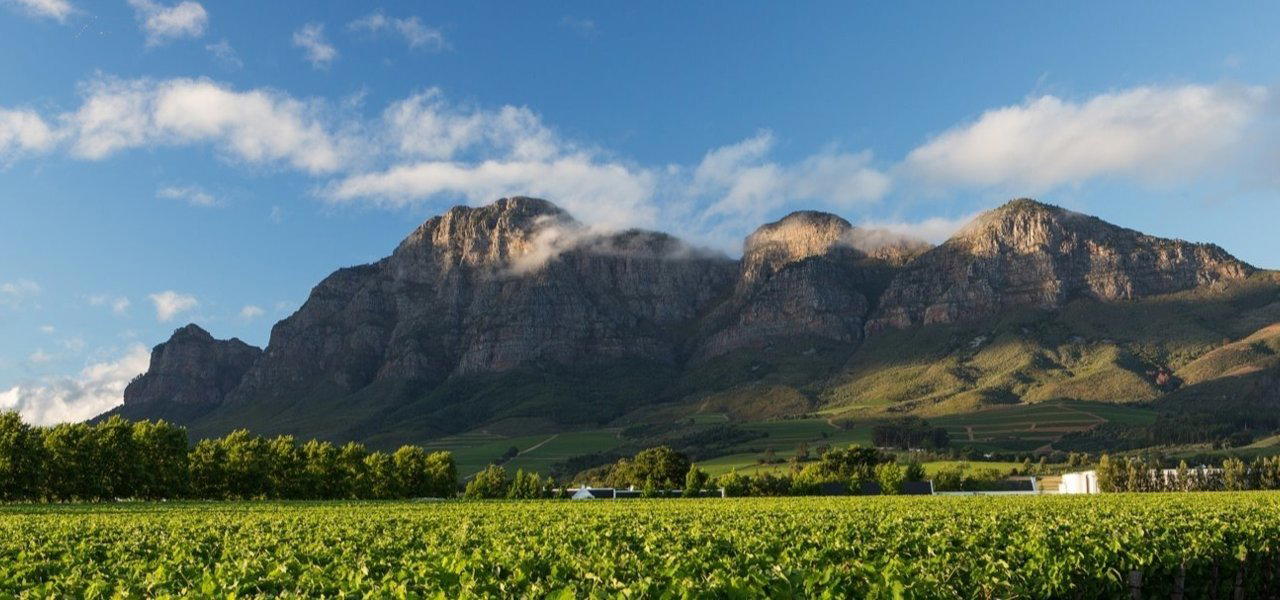
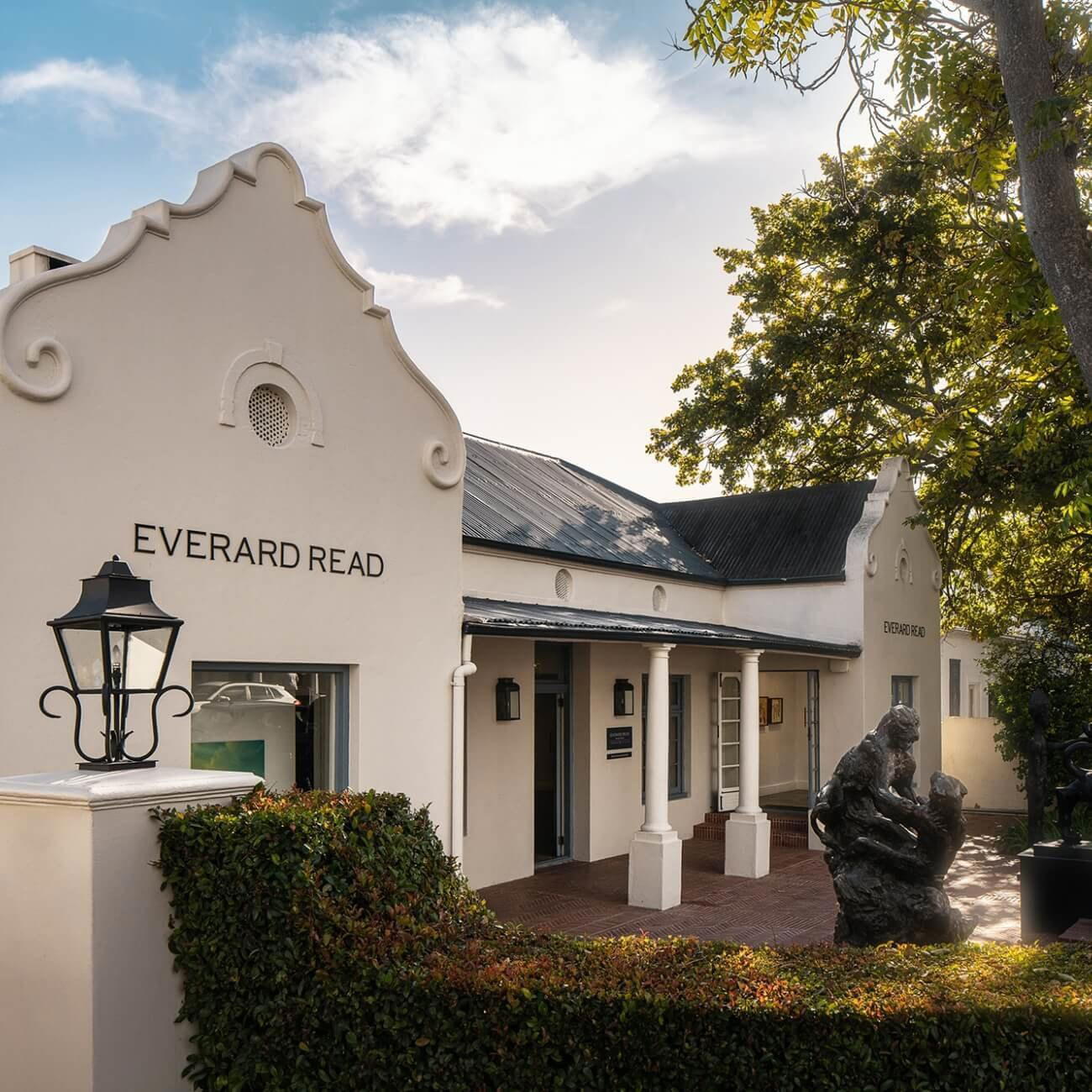
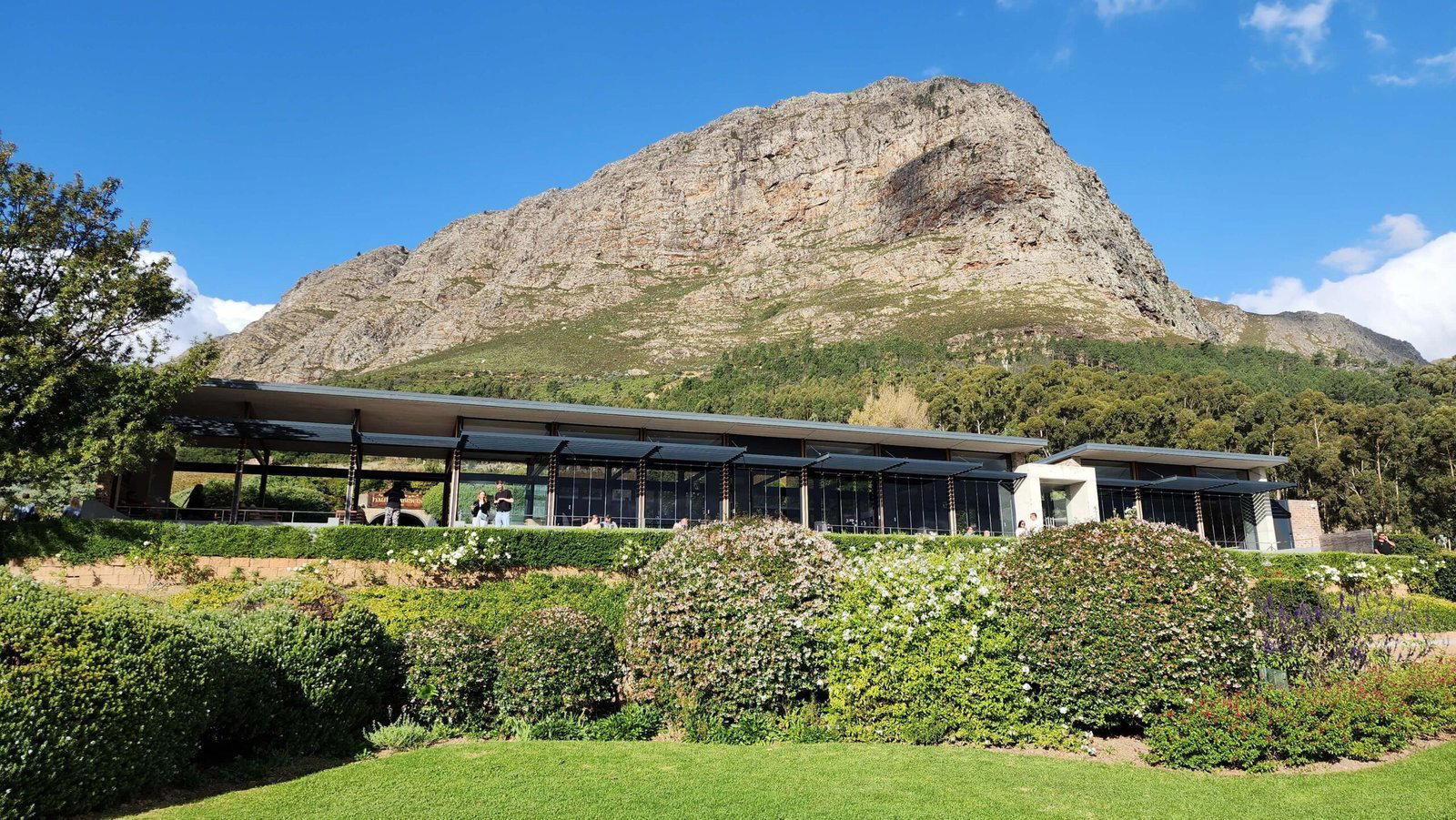
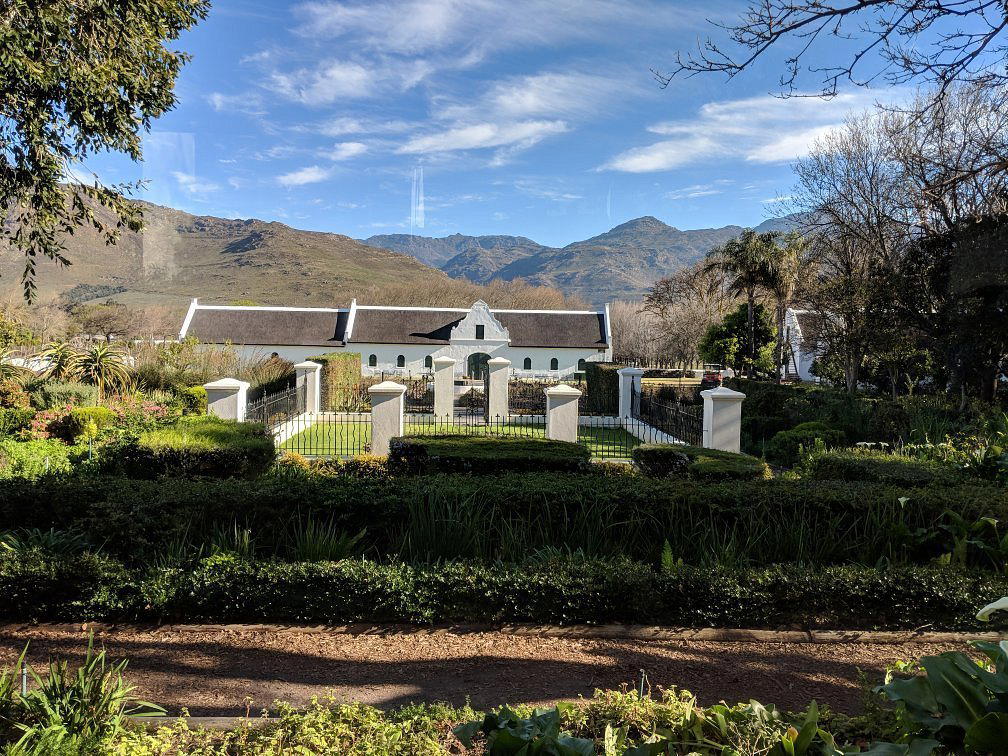
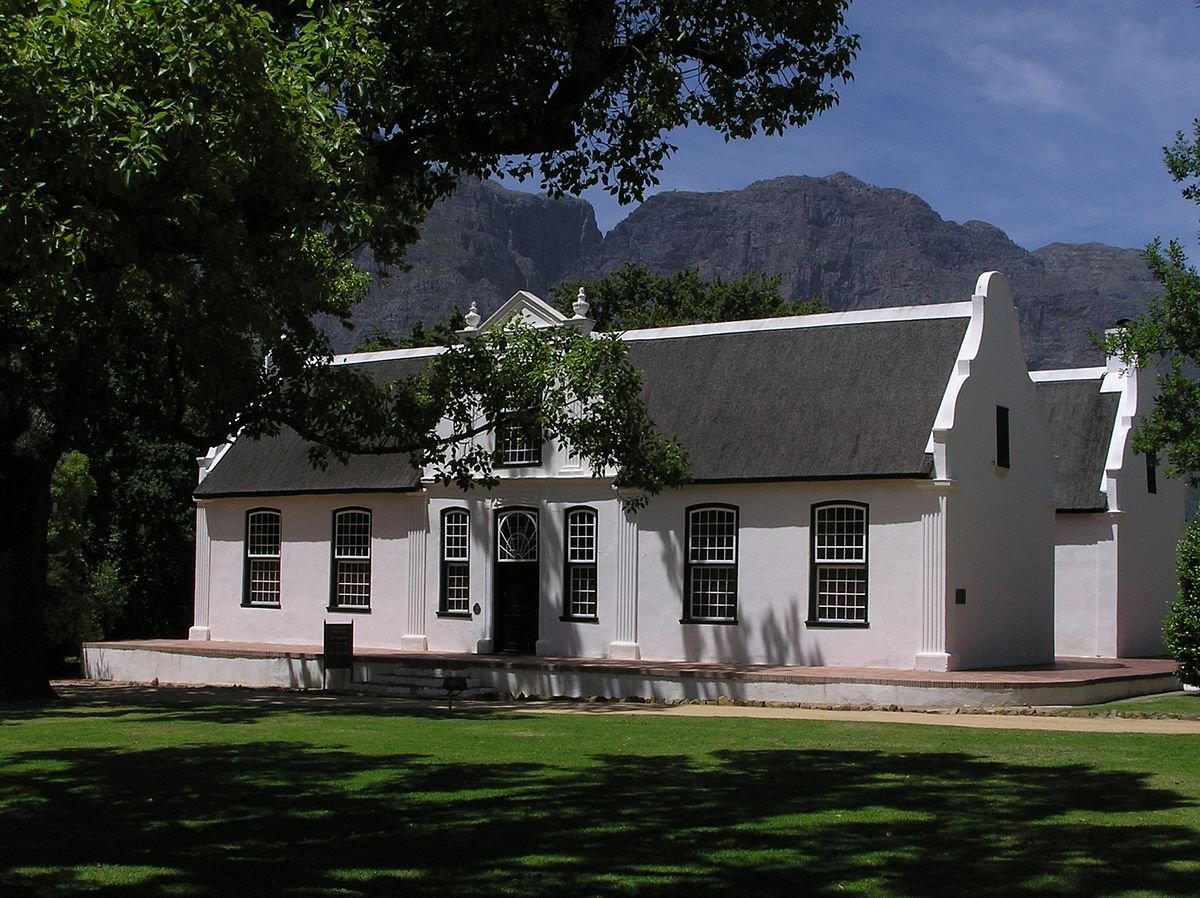
Huguenot Street in Franschhoek has a particular quality in the early evening: the mountain light shifts fast, the tourist foot traffic thins, and the restaurants that remain worth walking into tend to be the ones with something to say beyond the valley's well-rehearsed wine-country pageant. Epice sits inside the Le Quartier Français hotel on that same street, which means arriving through the kind of historic Cape architecture that signals you are somewhere with layers to it rather than somewhere built for the moment.
The hotel address matters here for more than logistical reasons. Le Quartier Français has long been one of Franschhoek's reference properties, and the kitchen has historically carried prestige that other Winelands hotel restaurants aspire to. Epice inherits that positioning but operates as its own statement: a South African menu with genuine intent, rather than a comfort-driven hotel restaurant coasting on real estate.
A Kitchen Shaped by Local Specificity
South African fine dining has fractured productively over the past decade. The generation of chefs who came up through European-adjacent formal training and applied it to local ingredients has largely given way to a second wave more interested in what Cape Malay spice traditions, indigenous foraged ingredients, and the textures of Southern African cuisine can do at a high technical level. Charné Sampson at Epice belongs to that second current.
The editorial angle here is not the chef's biography but what her kitchen represents within a broader shift. Across the Western Cape, a cluster of restaurants has been systematically reframing South African cooking away from its former inferiority complex relative to European fine dining templates. Fyn in Cape Town does it through a Japanese-fusion lens; La Colombe and Salsify at the Roundhouse through their own interpretations of South African produce and identity. Epice in Franschhoek operates from a specific local vantage point: a valley town with direct access to some of the Cape's most serious wine producers, a French Huguenot heritage that persists in place names and architecture, and a produce culture tied to the Winelands' farming infrastructure.
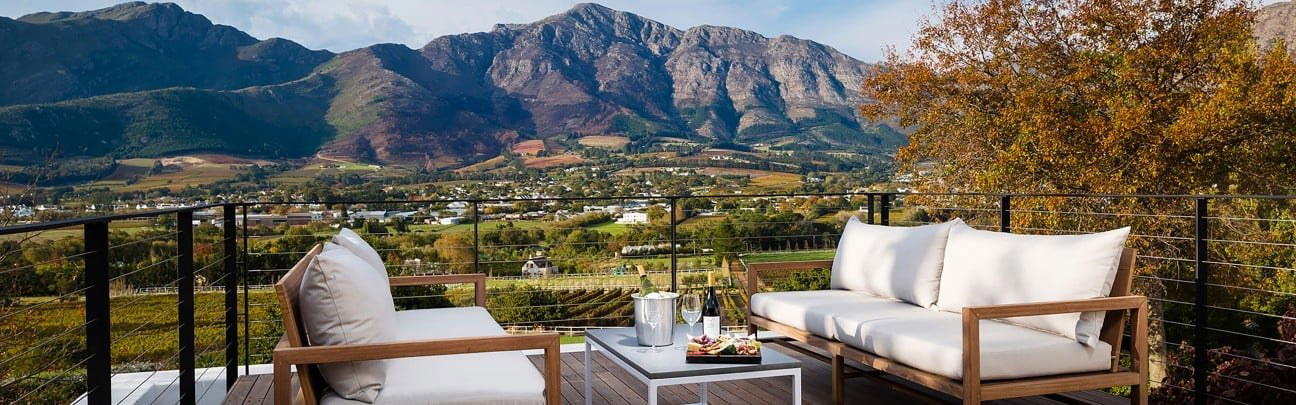
That geography does real work in a kitchen that chooses to use it. The Franschhoek Valley is a narrow, fertile corridor, stone fruit, figs, trout, lamb from surrounding farms, and foraged mountain herbs are all within reach in a way that shapes what honest seasonal cooking looks like here. Epice's cuisine type is classified as South African, which is a broad category, but the specificity sits in how a kitchen in this particular valley interprets that label.
How It Ranks Against Peers
La Liste, the Paris-based global restaurant ranking that aggregates international and local critic scores, placed Epice at 80.5 points in 2025 and 77 points in 2026. The slight movement between years is less significant than what the sustained inclusion signals: Epice holds its own in a ranking system that weighs it against both South African peers and international reference points. For Franschhoek specifically, La Liste recognition in consecutive years positions it within the upper tier of the valley's serious dining options, alongside La Petite Colombe at the other end of the prestige scale.
8 across 312 reviews adds a different kind of signal: consistent execution across a broad and varied diner base, not just the occasion-driven visitors who skew ratings upward at event-style restaurants. That combination of trade recognition and consistent public scores is a reasonable proxy for a kitchen that delivers across different service conditions rather than peaking for inspectors.
Within the wider South African fine dining context, Epice belongs to a comparable set that includes Wolfgat in Paternoster, which anchors the farthest, most ingredient-led end of the foraged South African spectrum, and Delaire Graff across the Helshoogte Pass, which operates from a different luxury register entirely. Further afield, Dusk in Stellenbosch and Klein Jan in the Kalahari extend the conversation about what South African fine dining is doing at different scales and in different landscapes.
The Franschhoek Positioning
Franschhoek is a small town with a disproportionate concentration of serious restaurants relative to its population. It survives on domestic and international wine tourism, which creates a particular pressure on kitchens: cater to the visitor mainstream with Winelands clichés, or aim at the summit of the market and accept a narrower, more demanding audience. Epice sits in the latter camp, which is both a commercial choice and a culinary one.
For dinner contexts that go beyond the Winelands, Ellerman House in Bantry Bay, Gigi in Johannesburg, Esiweni Luxury Safari Lodge, and Jabulani Safari in Hoedspruit each represent distinct facets of what South African hospitality dining looks like at different geographic and experiential registers.
Epice is on Huguenot Street within the Le Quartier Français property. Given the hotel setting and the valley's concentration of accommodation options, it functions both as a destination dinner for visitors based elsewhere in Franschhoek and as an in-house option for hotel guests. Reservations are essential. Hours: Mon to Thu 6 to 8 PM; Fri to Sun 12 to 2 PM and 6 to 8 PM.
What the Kitchen Signals
The sustained La Liste placement, combined with Sampson's leadership of a kitchen in one of South Africa's most scrutinized fine dining towns, places Epice at a specific convergence point: a hotel restaurant that has separated itself from the safety-first instincts that characterize most hotel dining, in a valley that rewards serious cooking with a serious audience. That is a narrow position to occupy consistently, and the back-to-back rankings suggest it is being occupied well.
Comparison Snapshot
Comparable venues nearby, for context on price, style, and recognition.
| Venue | Cuisine | Price | Notes |
|---|---|---|---|
| EpiceThis venue — the venue you are viewing | Global Spice-Driven Fine Dining | $$$$ | Not listed |
| Protégé | Modern Fusion Fine Dining | $$$$ | Franschhoek |
| Café du Vin | European Bistro | $$$ | Franschhoek Village |
| Chefs Warehouse - Maison Estate | Global Tapas-Inspired Fine Dining | $$$$ | Franschhoek |
| La Petite Colombe | Modern French Fine Dining | $$$$ | Franschhoek |
| Ryans Kitchen | Dining | Not listed | Franschhoek |
Recognition history
Dated appearances from independent guides and award organizations, with the underlying list record or original source where available.
La Liste Top Restaurants
La Liste
La Liste Top Restaurants
La Liste
Continue exploring
More in Franschhoek
Restaurants in Franschhoek
Browse all →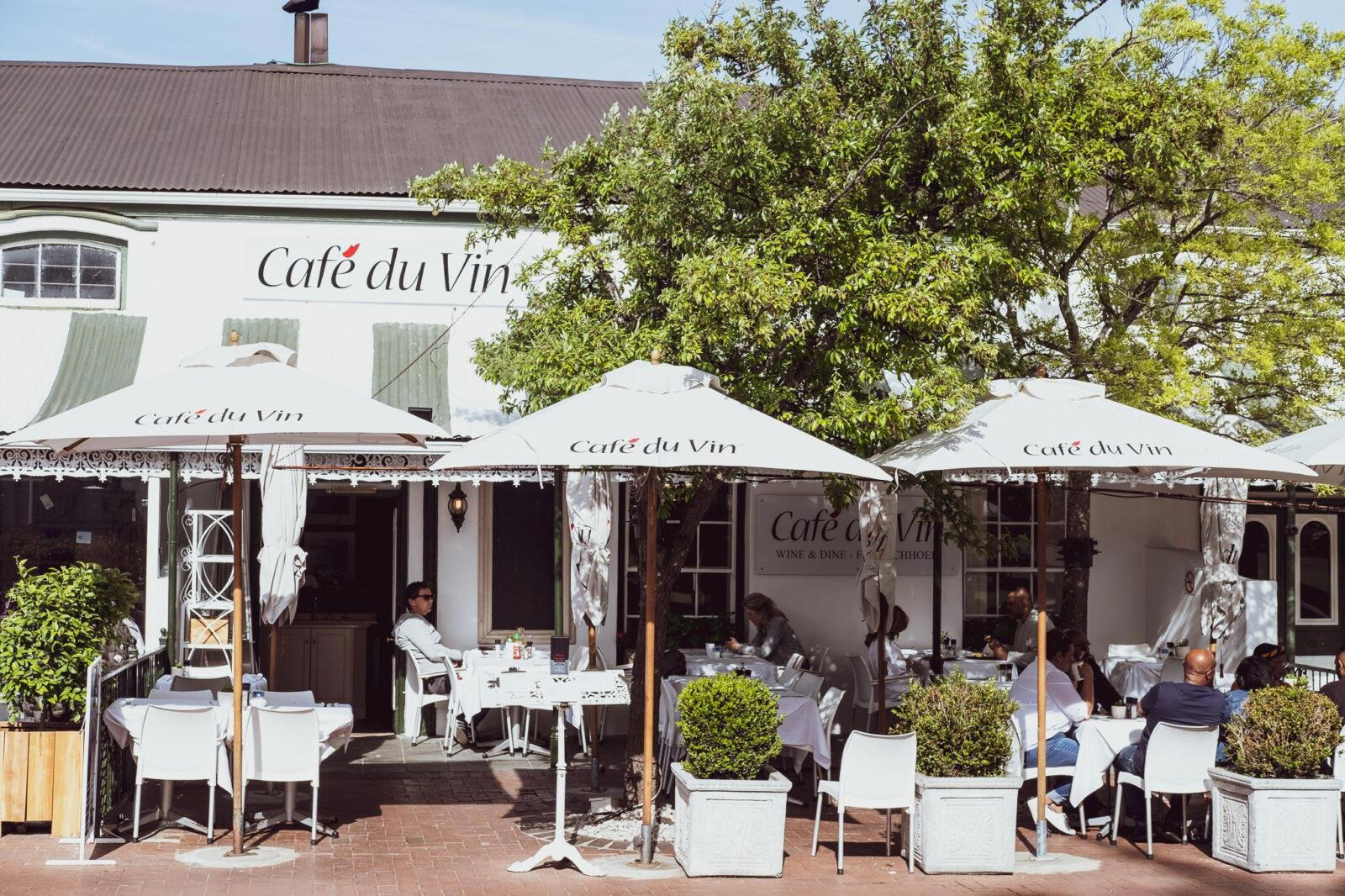
Bars in Franschhoek
Browse all →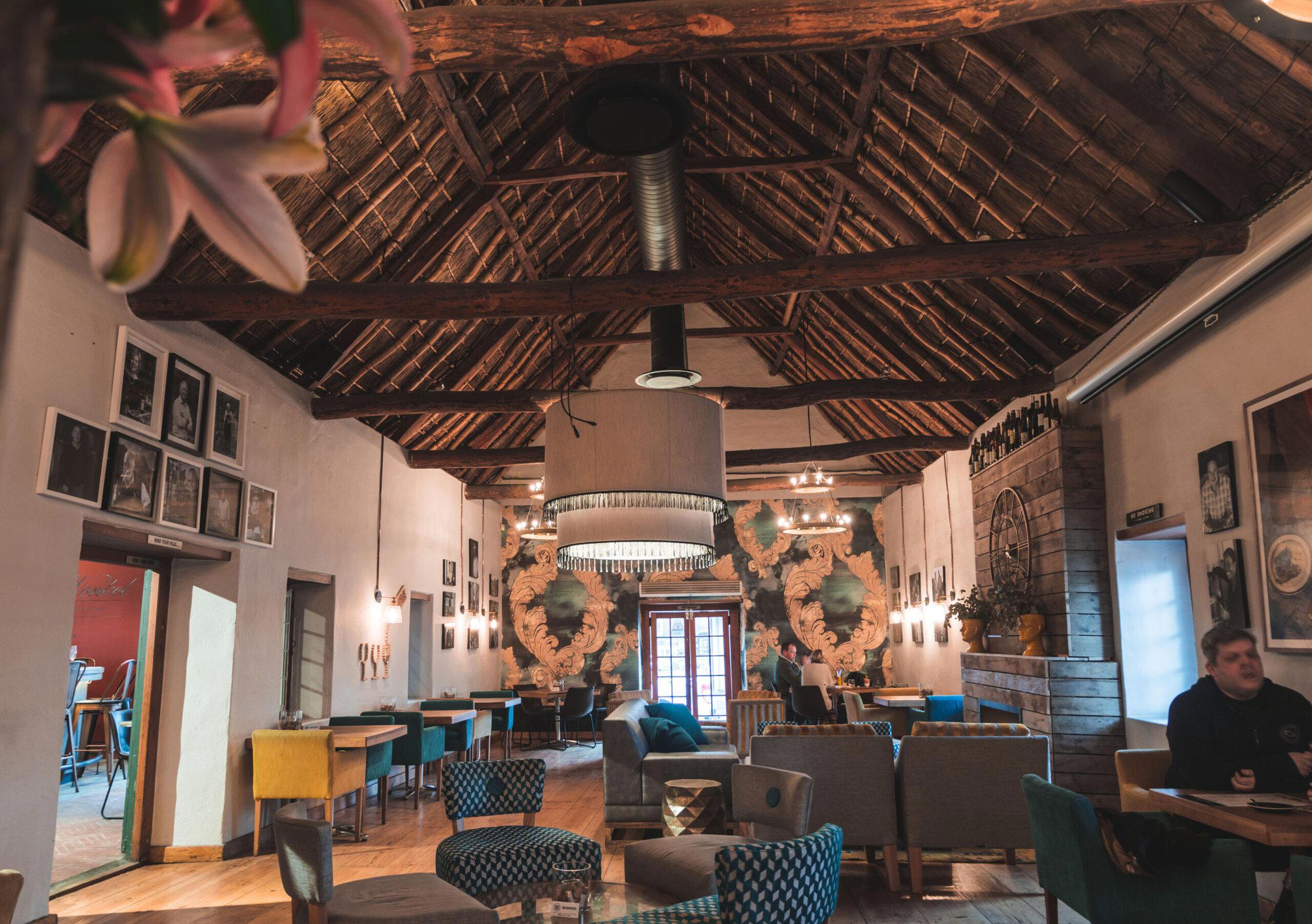
Hotels in Franschhoek
Browse all →
At a Glance
- Intimate
- Elegant
- Sophisticated
- Date Night
- Special Occasion
- Celebration
- Open Kitchen
- Private Dining
- Extensive Wine List
- Sommelier Led
- Local Sourcing
Current opening hours
- Monday
- 6–8 PM
- Tuesday
- 6–8 PM
- Wednesday
- 6–8 PM
- Thursday
- 6–8 PM
- Friday
- 12–2 PM, 6–8 PM
- Saturday
- 12–2 PM, 6–8 PM
- Sunday
- 12–2 PM, 6–8 PM
Hours can change for holidays and private events. Last verified .
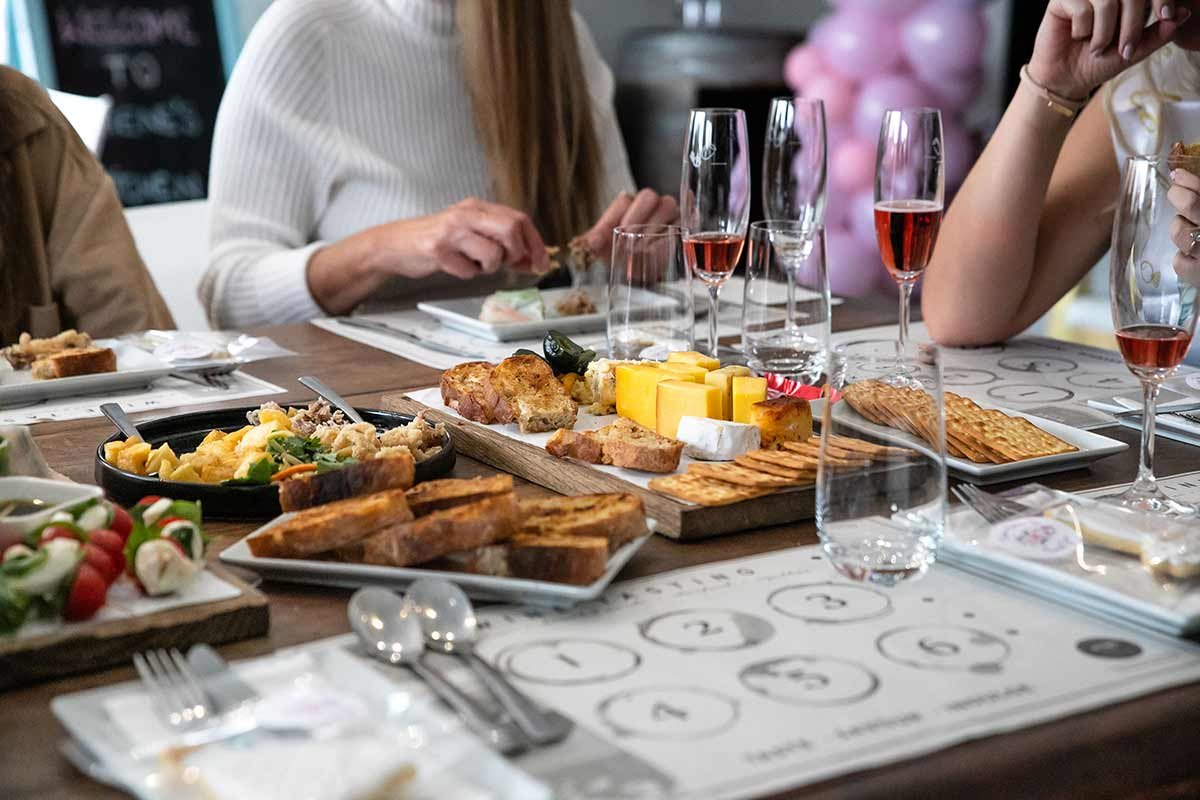
Intimate, upscale yet welcoming fine dining setting with elegant decor and warm, professional service that creates a memorable theatrical dining experience.