Protégé

A newcomer on Huguenot Street, Protégé brings a produce-forward, vegetable-conscious approach to Franschhoek's demanding dining circuit. Chef Carmeon Smith's kitchen works with colourful, flavour-forward plates that read as refined without tipping into the austere. In a village where the competition includes some of the Western Cape's most decorated tables, this is a restaurant that earns attention through ingredient honesty rather than ceremony.
Pearl is the En Primeur Club membership app — saves, bookings, and concierge access live there. Same editors, same standards.
- Address
- 18 Huguenot St, Franschhoek, 7690, South Africa
- Phone
- +27 21 492 4048
- Website
- lacolombe.restaurant
- Directions
- Get directions
 Saves & bookings on Pearl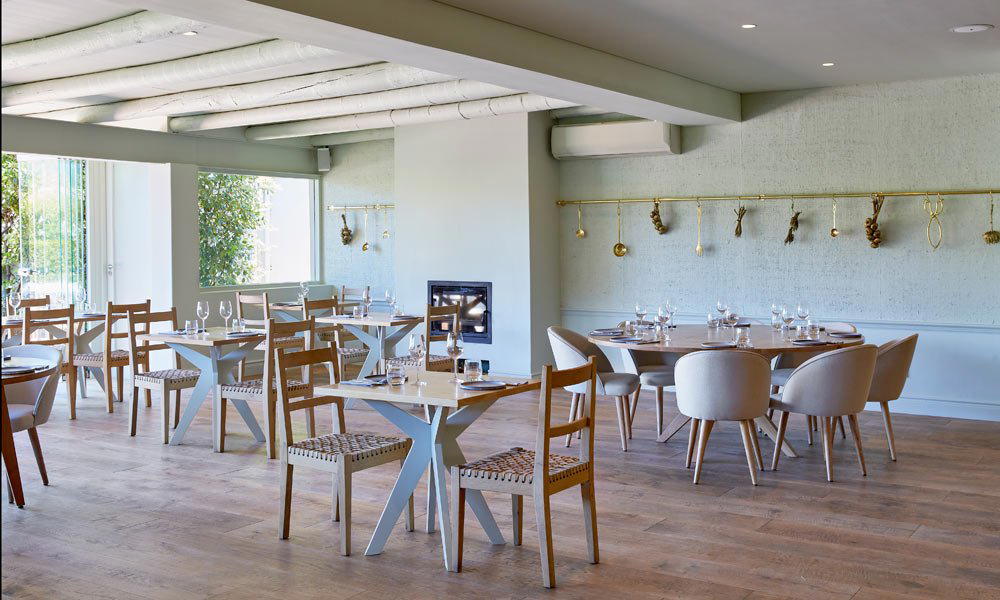
A New Arrival on Huguenot Street
Franschhoek's main thoroughfare, Huguenot Street, carries more dining weight per metre than almost anywhere else in South Africa. The village has long operated as a kind of pressure test for ambitious kitchens: the visitors are well-travelled, the wine list comparisons are constant, and the proximity of established names like La Petite Colombe and Le Quartier Français means a new restaurant must find a clear position quickly. Protégé, at number 18, is a restaurant with a distinctly produce-led identity: colourful plates, exuberant flavours, and a kitchen philosophy that treats vegetables as a primary rather than peripheral concern.
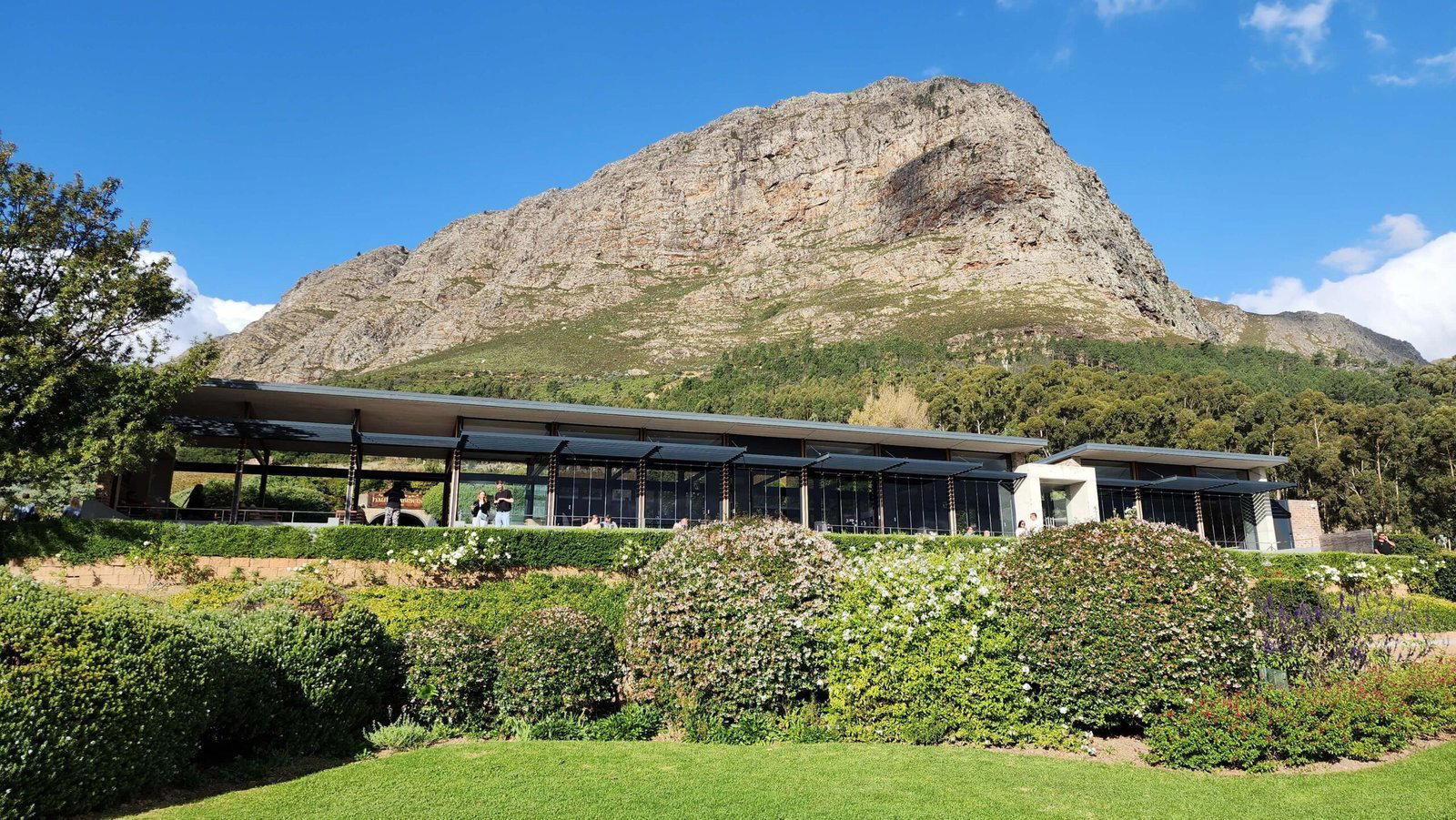
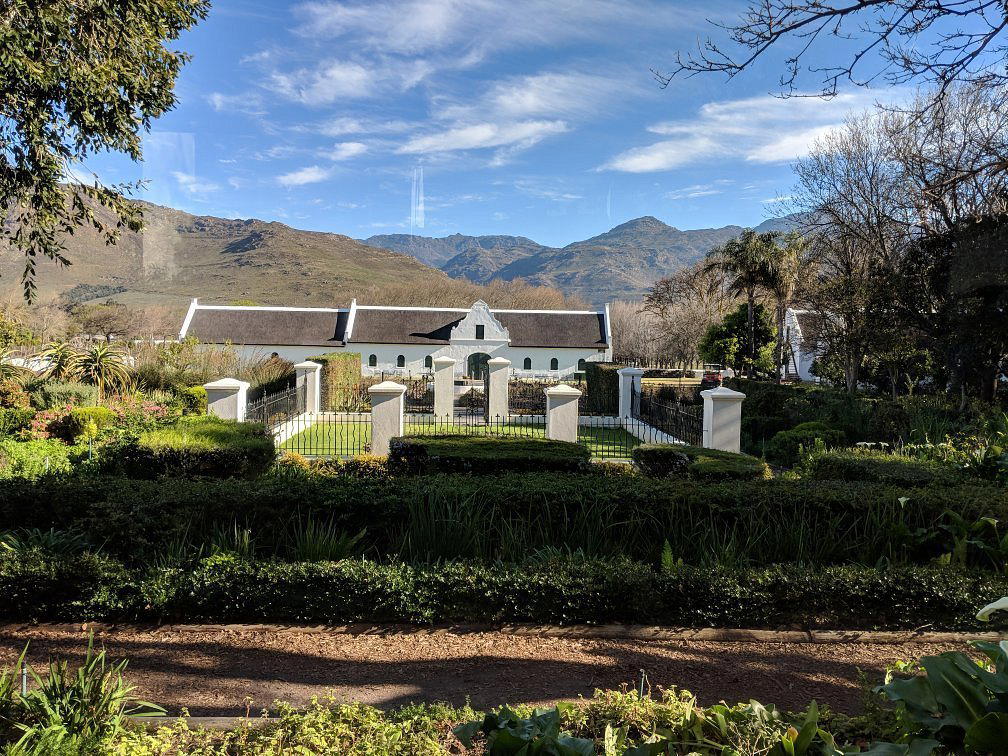
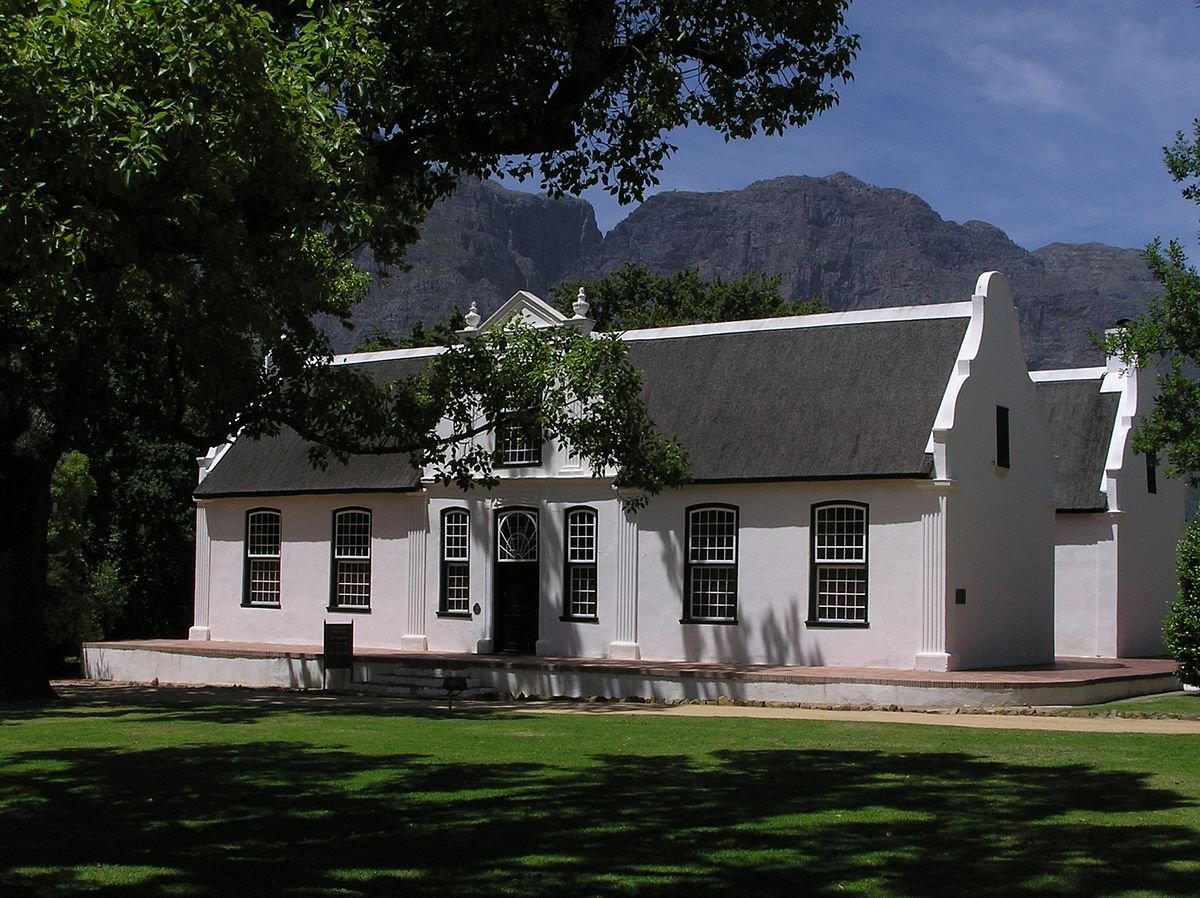
That positioning matters more than it might seem. Franschhoek's better-known tables tend toward the classical or the architectural. The wine valley setting encourages a certain formality, a sense that the meal should match the mountain backdrop and the cellar beneath it. Protégé reads differently: the aesthetic is refined but not stiff, and the cooking carries the kind of visual energy that signals a kitchen interested in the plate as an experience in itself rather than as a delivery mechanism for protein.
How the Meal Is Structured
The vocabulary of fine dining in the Western Cape has shifted considerably over the past decade. Kitchens that once leaned heavily on French technique and South African ingredient provenance as a novelty have had to reckon with a more sophisticated diner, one who has eaten at Fyn in Cape Town or made the drive to Wolfgat in Paternoster and understands what genuinely local, season-driven cooking looks like at its most committed. Protégé enters this conversation from the vegetable end of the spectrum, which in the current climate is less a dietary concession and more a statement of culinary intent.
Chef Carmeon Smith, described as a young talent with a specific appreciation for vegetables and fresh local produce, represents a cohort of South African cooks who have come through in the post-pandemic period with a clearer sense of what they want to cook and why. The gastronomic format here is not about length for its own sake. It is about pacing: courses that build on each other, flavour progressions that reward attention, and an aesthetic that makes the sequence feel deliberate rather than procedural.
In practice, that means the meal at Protégé asks something of the diner. This is not a restaurant where the menu operates as background to a business conversation. The colourful, produce-forward plates are designed to be looked at as well as eaten, and the vegetable focus means the kitchen's technical decisions become visible in a way they sometimes do not when a cut of protein is carrying the weight. Compare this with the approach at Epice, where South African ingredients are filtered through a different set of culinary references, and the difference in emphasis becomes clear.
Where Protégé Sits in the Franschhoek Dining Tier
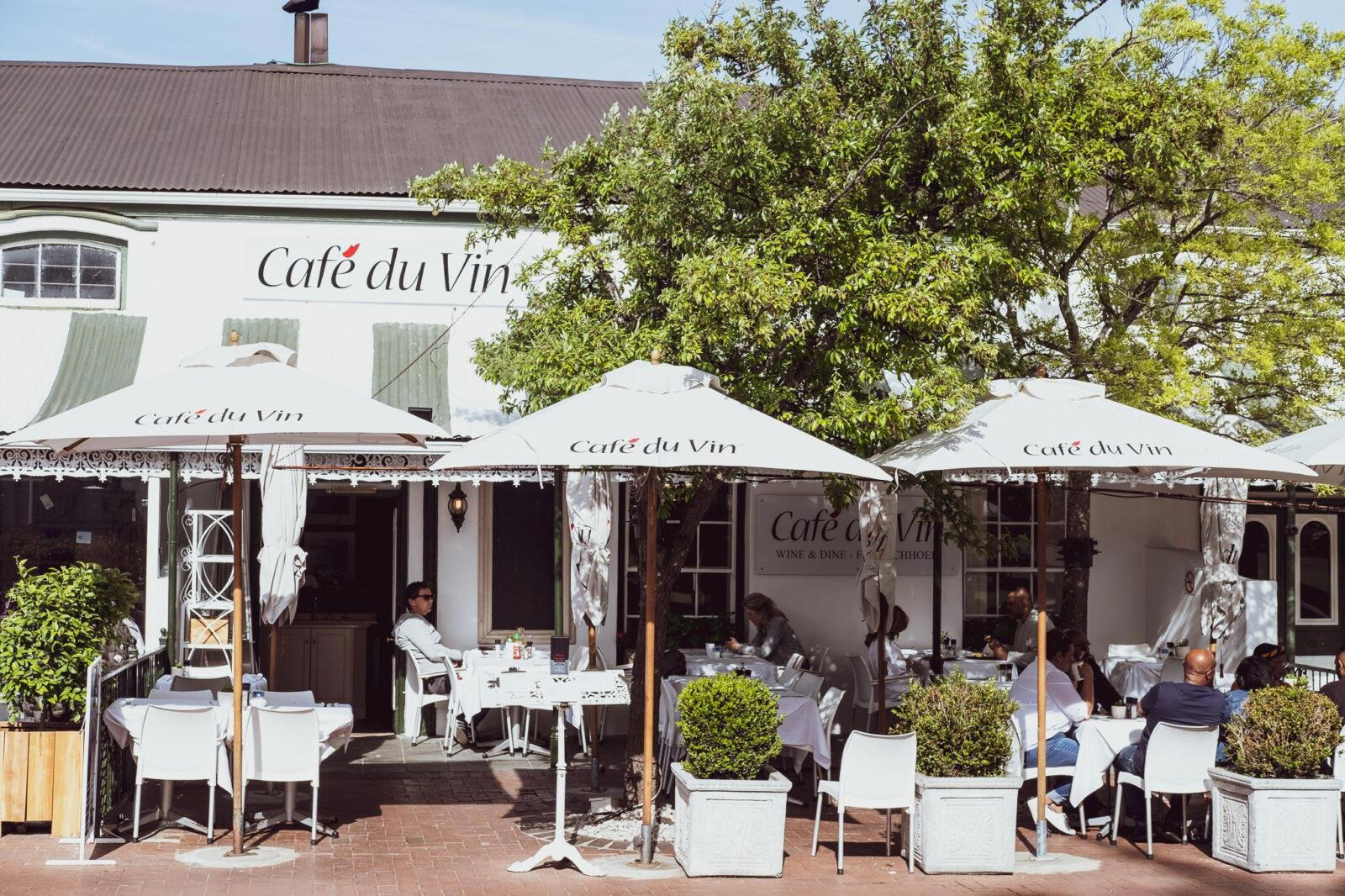
Franschhoek's restaurant scene operates across a fairly compressed range of price points at the serious end. The gastronomic tier here is not dominated by a single format: Chefs Warehouse at Maison Estate runs its sharing-plates model against the more conventional tasting menus elsewhere; Café du Vin occupies a more relaxed register. Protégé's arrival adds a kitchen that is new enough to lack the decades of institutional reputation but positioned formally enough to compete at the level where reservations, not walk-ins, govern the experience.
That newness carries some uncertainty. What the restaurant brings instead is clarity of purpose: a specific ingredient philosophy, a visual style, and a chef whose commitment to fresh, local produce aligns with the direction that considered South African fine dining has been moving for some years. For context, kitchens like Dusk in Stellenbosch and Delaire Graff on the Helshoogte Pass have been working in a similar register of refined local produce with a strong sense of place. Protégé enters the same conversation from its Huguenot Street address.
The comparison set for Protégé internationally is instructive. At one end sits a kitchen like Le Bernardin in New York City, where a single-ingredient philosophy has been sustained over decades into something near-canonical. At the other is the kind of chef-led newcomer that opens with a strong point of view and builds recognition through repetition and refinement. Protégé is at the start of that arc, which makes it either a risk or an opportunity depending on when you visit.
Planning a Visit
The restaurant is located at 18 Huguenot Street, Franschhoek. For those building a wider Franschhoek trip, the hotels guide and wineries guide cover the full range of the valley's options, and the complete Franschhoek restaurants guide maps the broader dining picture. Reservations are recommended. For evening programming around a meal here, the Franschhoek bars guide and experiences guide fill in the surrounding hours.
Category Peers
Comparable venues nearby, for context on price, style, and recognition.
| Venue | Cuisine | Price | Notes |
|---|---|---|---|
| ProtégéThis venue — the venue you are viewing | Modern Fusion Fine Dining | $$$$ | Not listed |
| Epice | Global Spice-Driven Fine Dining | $$$$ | Heritage Square |
| Foliage | Dining | Not listed | Franschhoek |
| Bread and Wine | Dining | Not listed | Franschhoek |
| Chefs Warehouse - Maison Estate | Global Tapas-Inspired Fine Dining | $$$$ | Franschhoek |
| Le Coin Français | Modern French Fine Dining | $$$$ | Franschhoek |
Recognition history
Dated appearances from independent guides and award organizations, with the underlying list record or original source where available.
We're Smart World 1 Radish
We're Smart World
Continue exploring
More in Franschhoek
Restaurants in Franschhoek
Browse all →
Bars in Franschhoek
Browse all →
Hotels in Franschhoek
Browse all →
At a Glance
- Relaxed
- Elegant
- Modern
- Cozy
- Sophisticated
- Date Night
- Special Occasion
- Open Kitchen
- Extensive Wine List
- Sommelier Led
- Local Sourcing
- Garden
Current opening hours
- Monday
- 12–2:30 PM, 5:30–8 PM
- Tuesday
- 12–2:30 PM, 5:30–8 PM
- Wednesday
- 12–2:30 PM, 5:30–8 PM
- Thursday
- 12–2:30 PM, 5:30–8 PM
- Friday
- 12–2:30 PM, 5:30–8 PM
- Saturday
- 12–2:30 PM, 5:30–8 PM
- Sunday
- 12–2:30 PM, 5:30–8 PM
Hours can change for holidays and private events. Last verified .
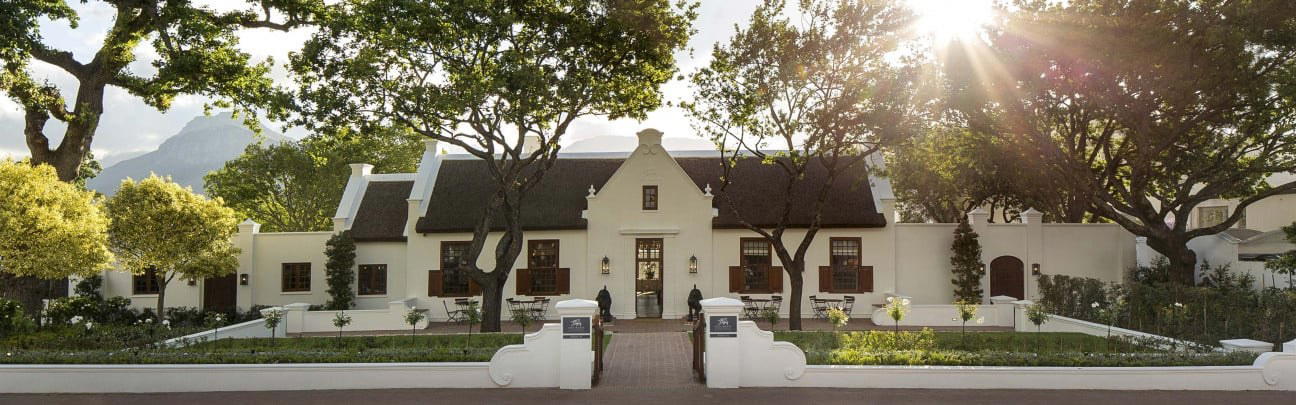
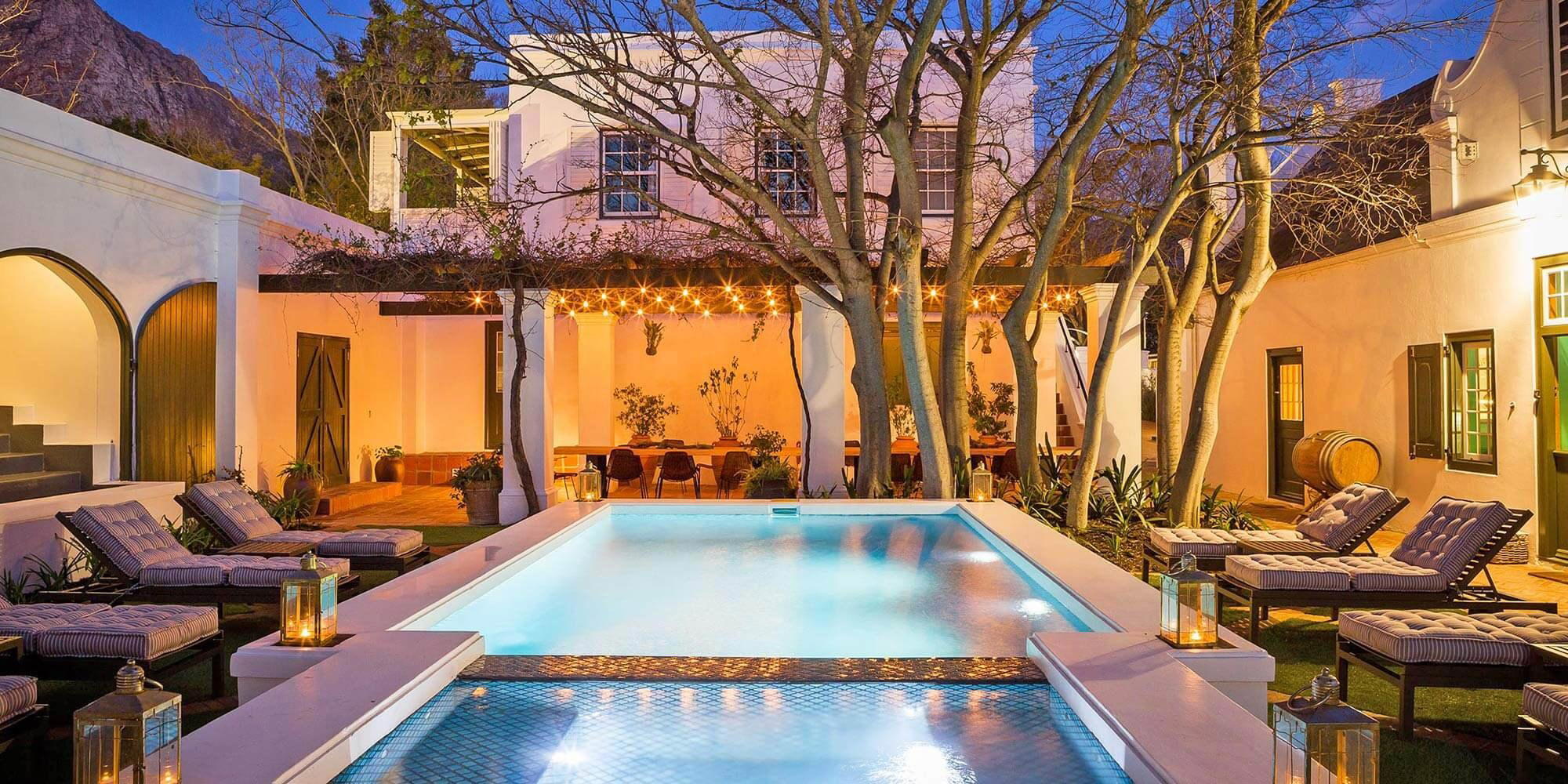
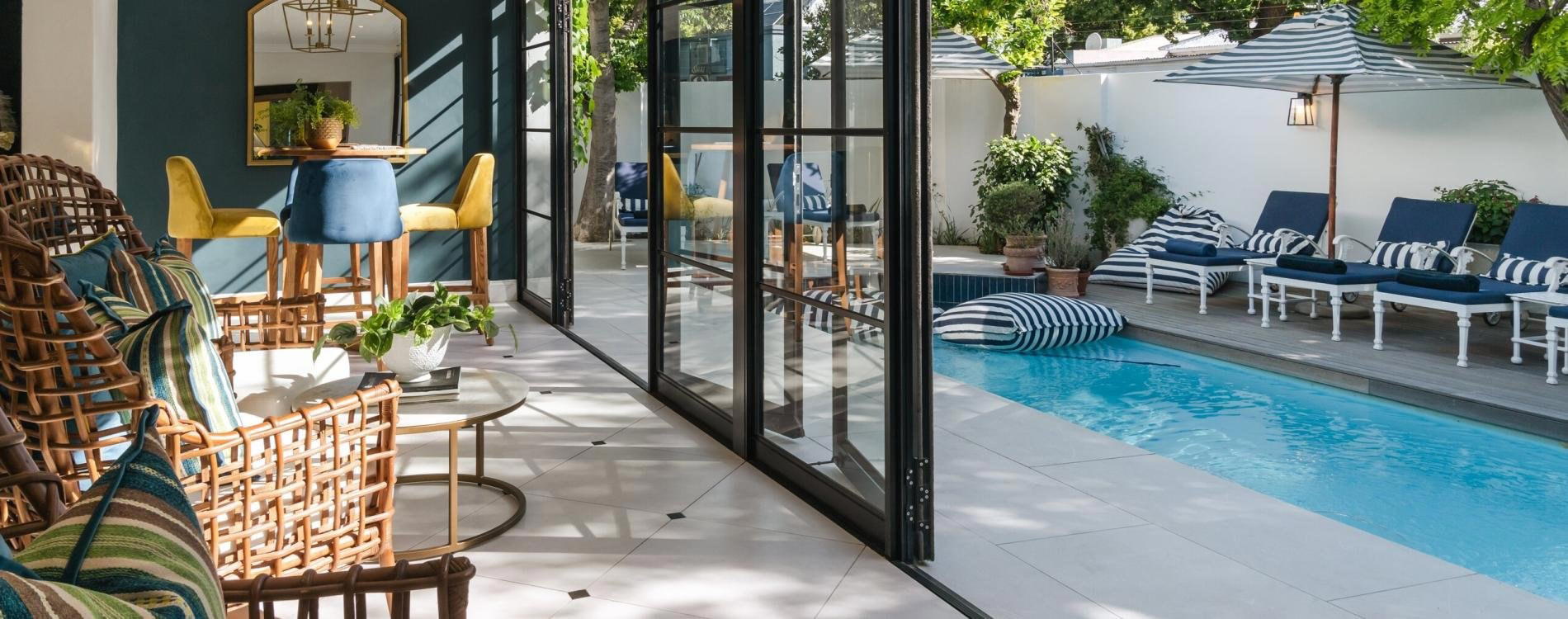
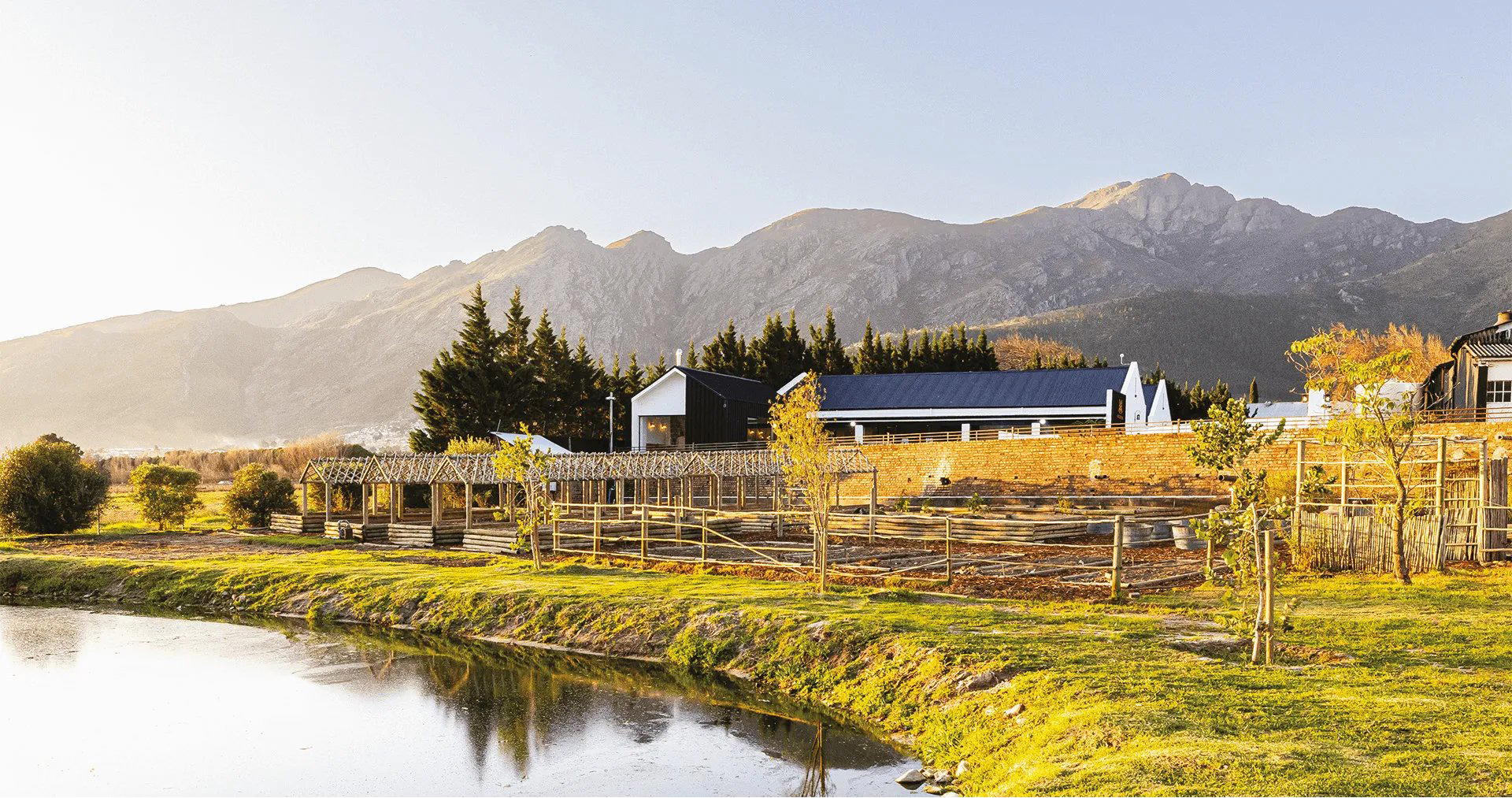
Modern yet cozy atmosphere with an open kitchen, relaxed vibe, and elegant touches without white tablecloths.