Akademie Street Boutique Hotel and Guest House

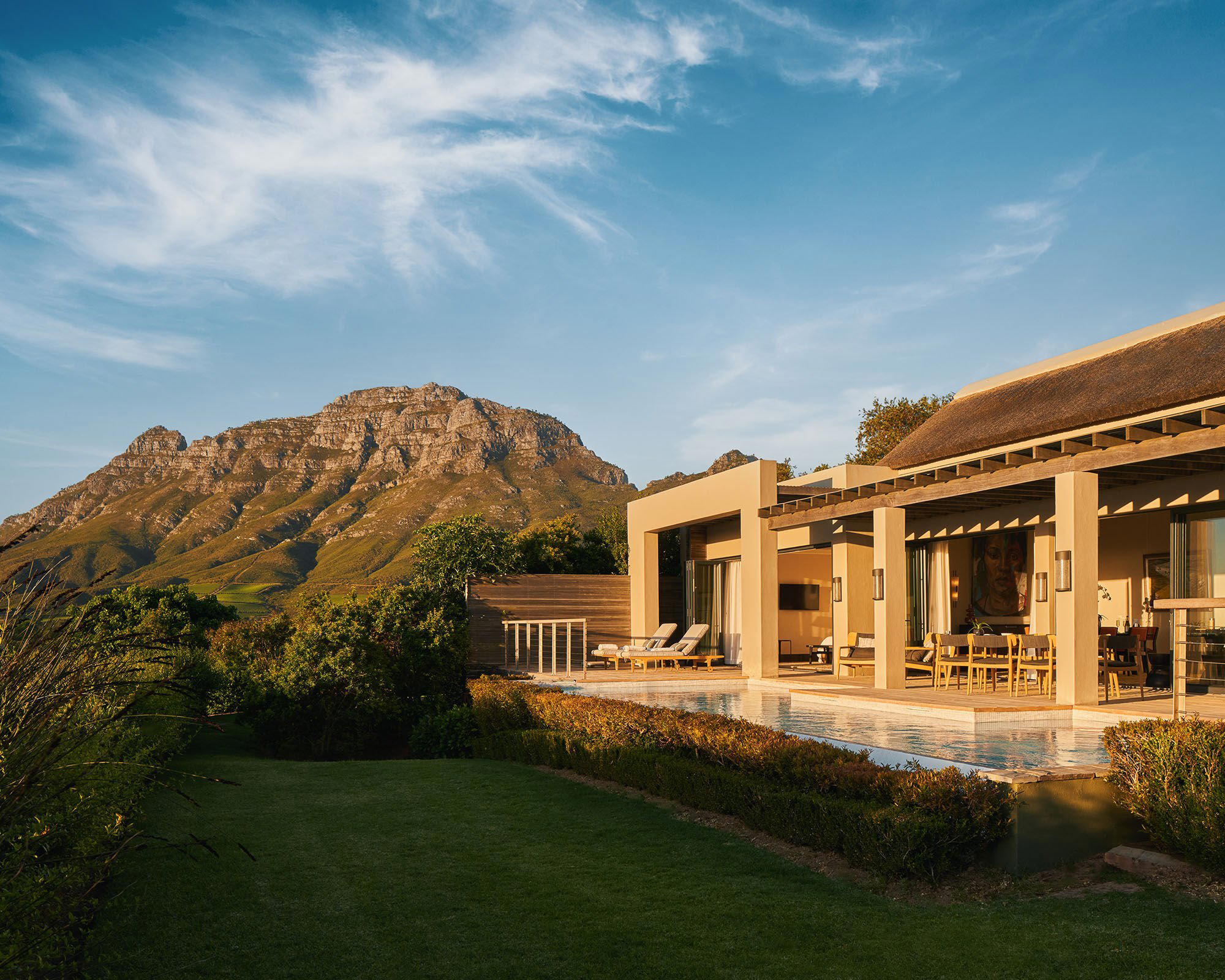
Akademie Street Boutique Hotel and Guest House occupies a mid-19th-century Cape Dutch building at the quieter end of Franschhoek's main corridor, with six rooms split between manor suites and private cottages. Four-poster beds, plunge-pool terraces, and a library bar make it a considered base for exploring one of South Africa's most concentrated wine valleys. Breakfast is included, which matters when the day ahead involves serious tasting.
Pearl is the En Primeur Club membership app — saves, bookings, and concierge access live there. Same editors, same standards.
- Address
- 5 Akademie St, Franschhoek, 7690
- Phone
- +27 82 517 0405
- Website
- aka.co.za
- Directions
- Get directions
 Saves & bookings on Pearl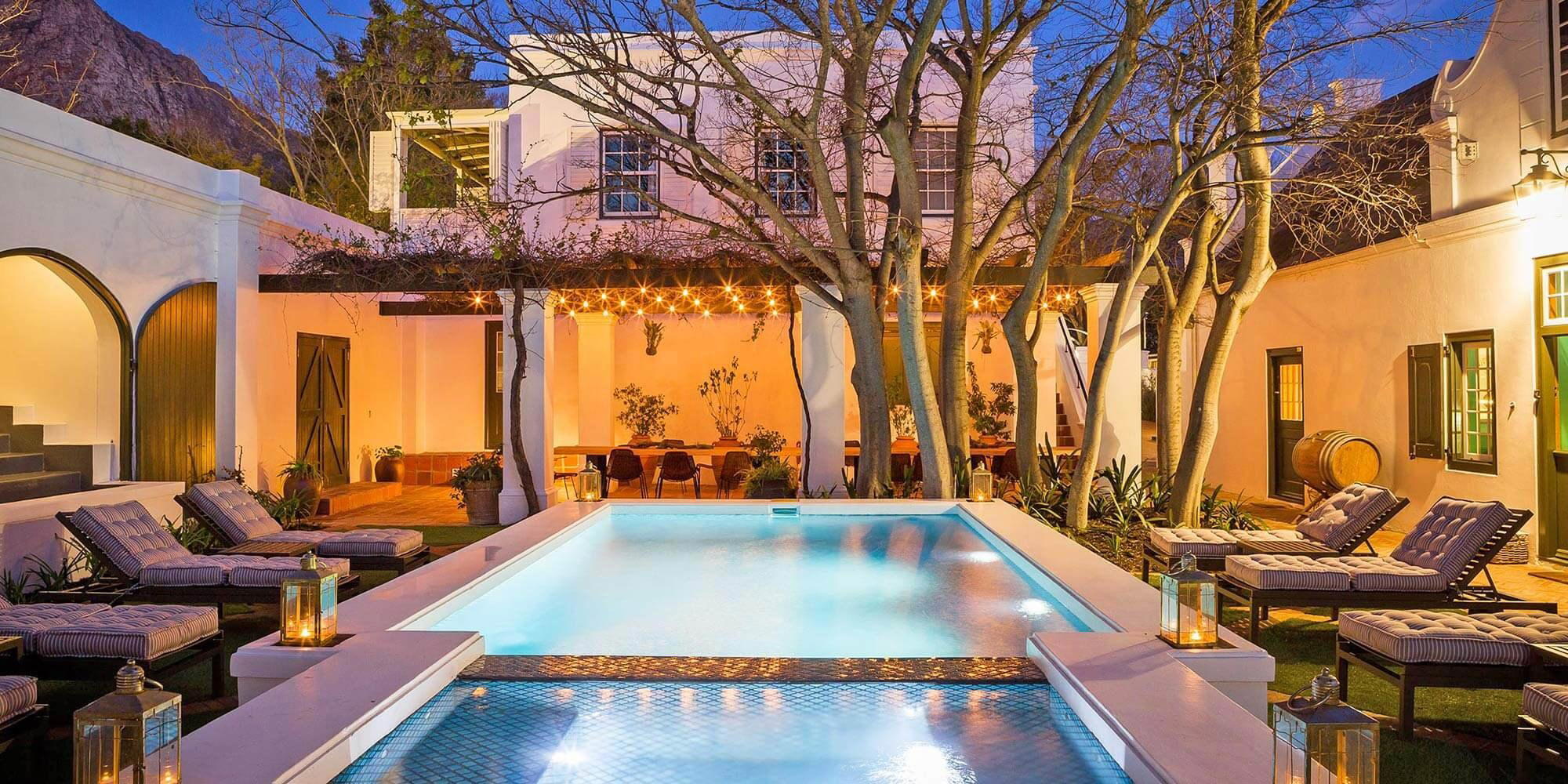
Where Franschhoek's Architecture Meets Its Wine Valley Identity
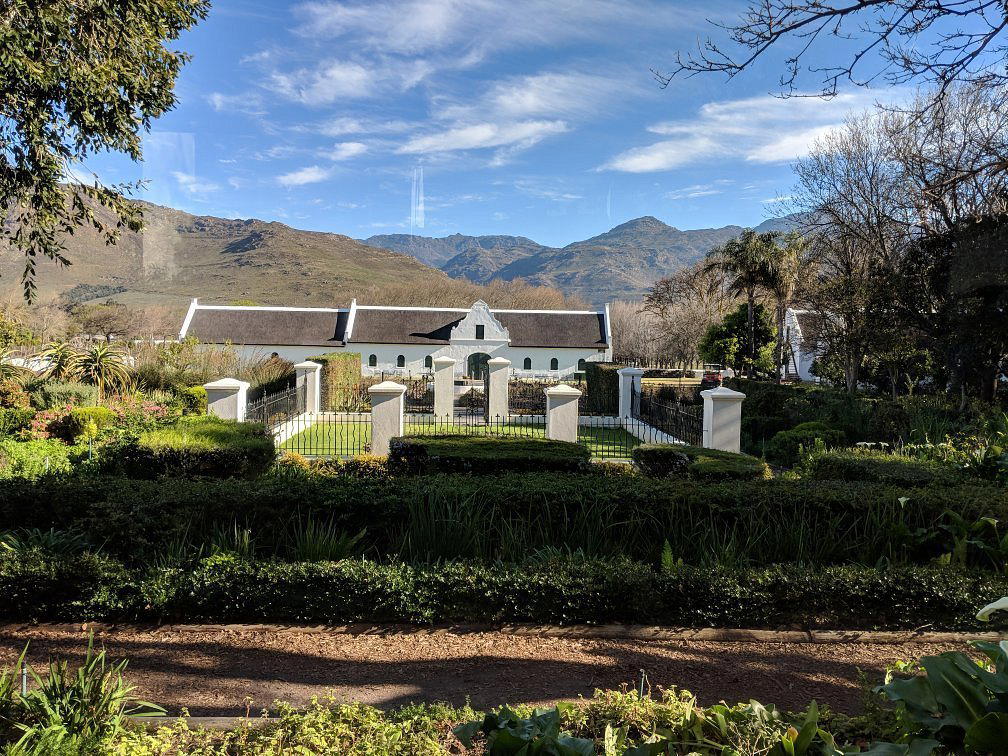
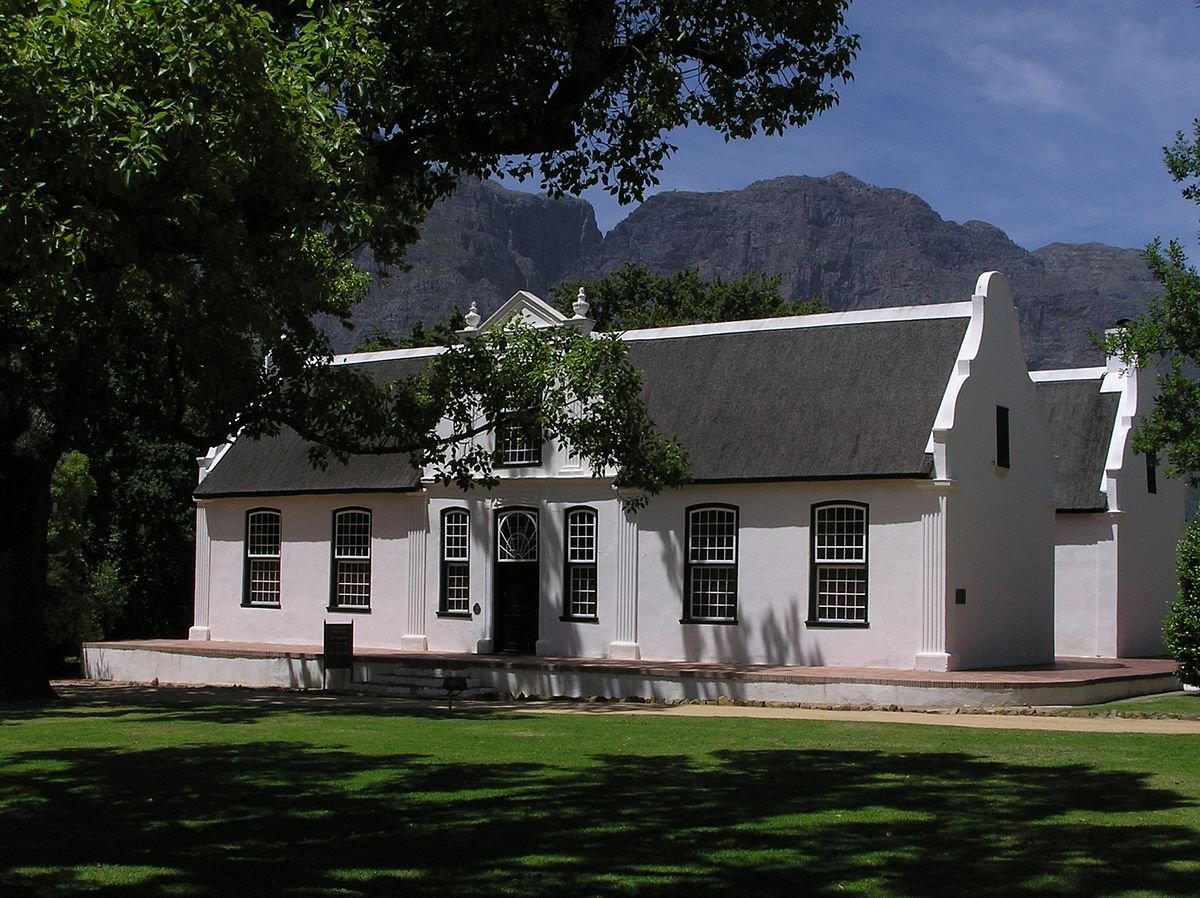
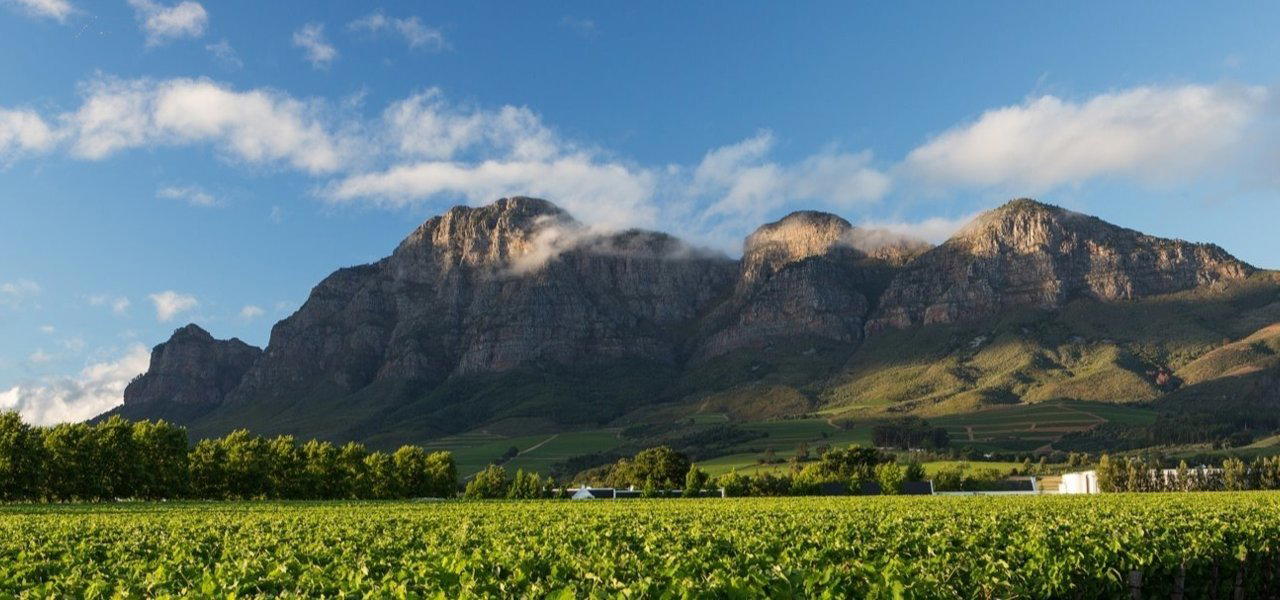
Franschhoek occupies a peculiar position in South Africa's Western Cape. The valley was settled by French Huguenot refugees in the late 17th century, and the Cape Dutch architectural vocabulary they helped establish, whitewashed gables, thick walls designed to regulate heat, symmetrical facades that read as both formal and domestic, still defines the streetscape today. What separates Franschhoek from other historic wine towns is the density of that architectural inheritance sitting alongside a food and hospitality scene that now draws serious international attention.
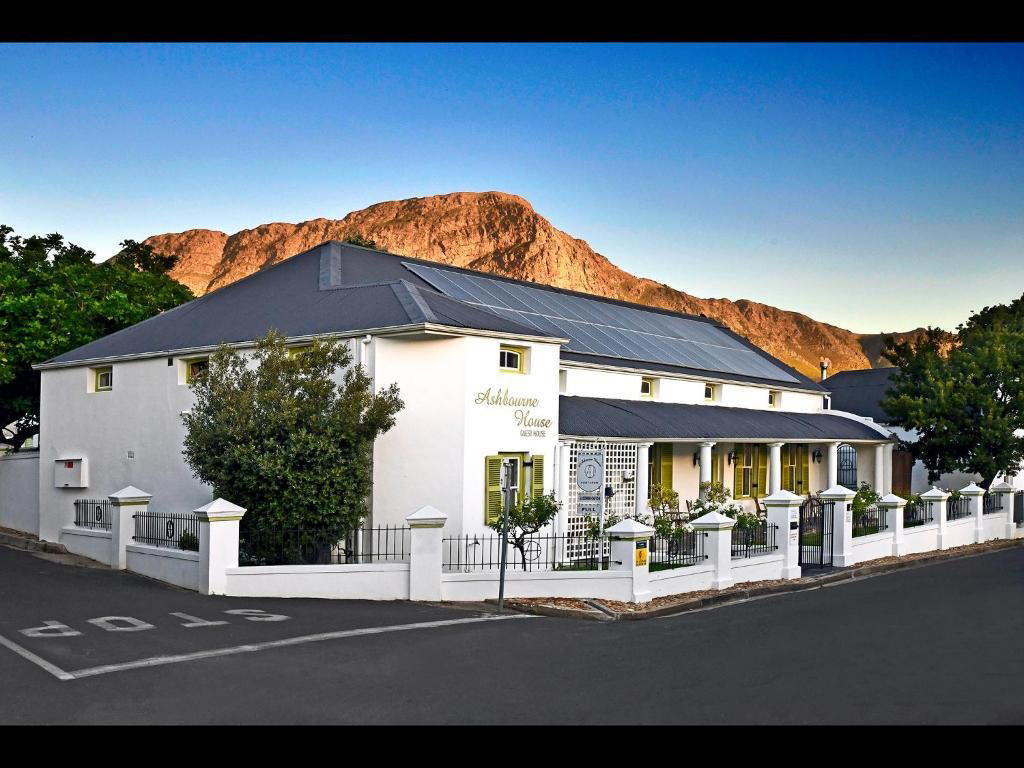
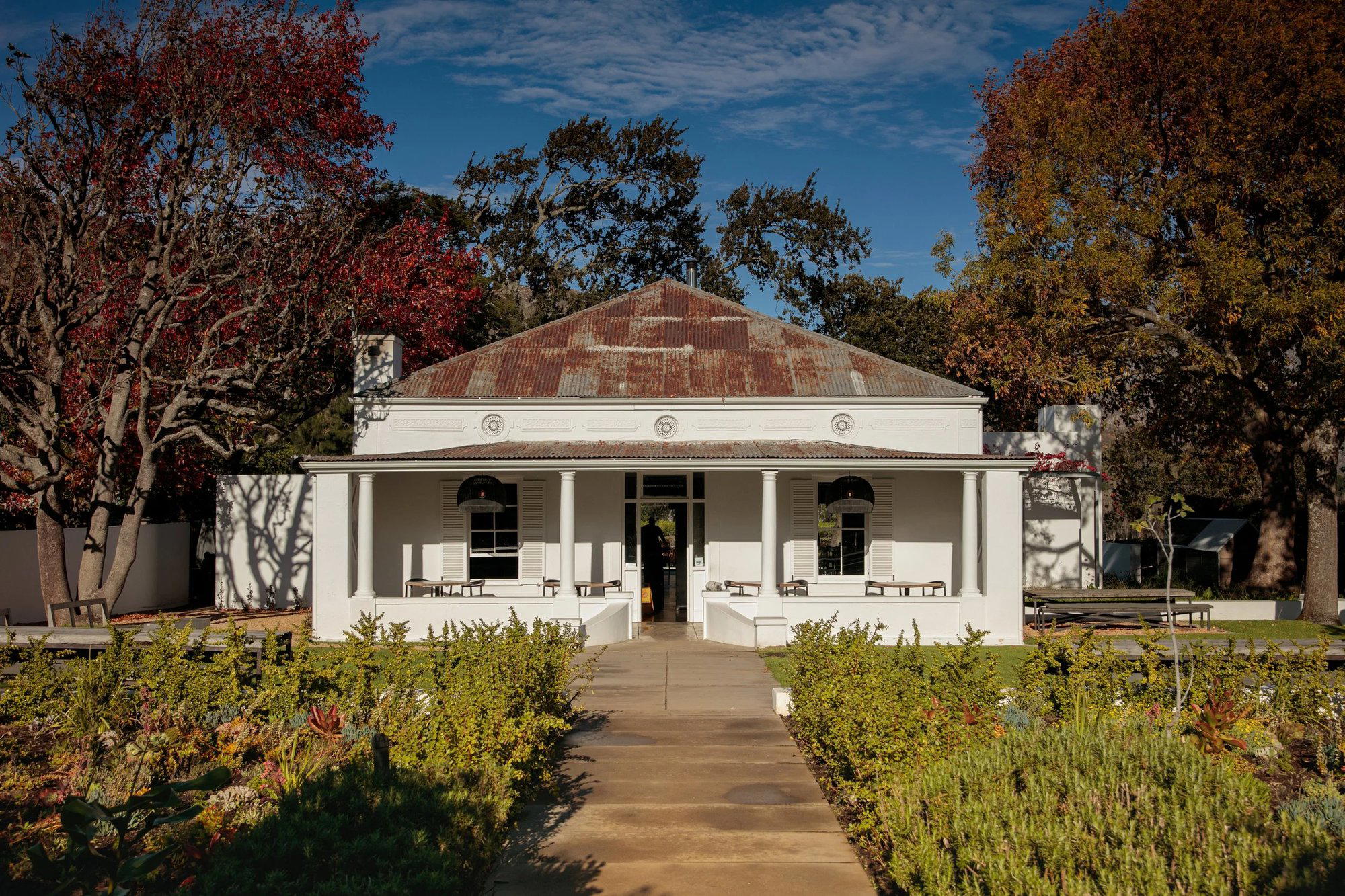
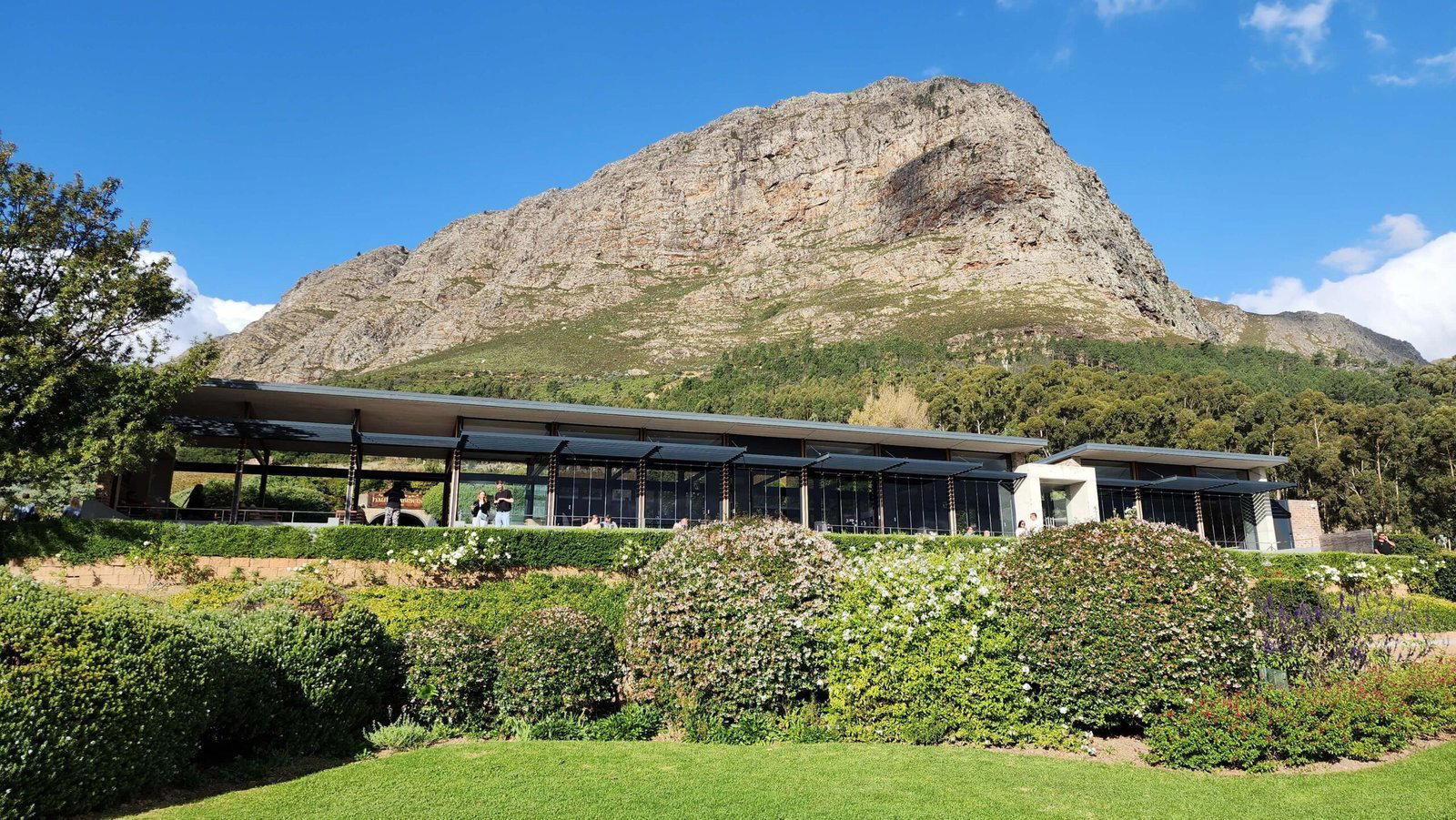
Akademie Street, which runs parallel to the main Huguenot Road, sits a step removed from the peak tourist corridor. The property at number five is a mid-19th-century building. That layering, Huguenot-era land use, Victorian-period building, contemporary hospitality program, is part of what makes the Cape Dutch architectural tradition so legible here. The bones of the building carry the form language of the region: thick masonry, shaded outdoor spaces, and a relationship with landscaped gardens that functions as part of the guest experience rather than mere decoration.
Six Rooms, Two Formats, One Coherent Design Register
Boutique accommodation in the Franschhoek Wine Valley comes in two broad formats. The first is the large wine estate model, where a hotel functions as part of a working farm operation, properties like Leeu Estates and Mont Rochelle fall into this category. The second is the village guesthouse model, where a historic town property operates at intimate scale with a closer relationship to the restaurants, tasting rooms, and galleries that define Franschhoek's walkable centre. Akademie Street belongs to the second format, with six rooms total and a footprint that keeps the property human in scale.
Those six rooms divide between the manor house and a set of private cottages. The manor suites carry the period aesthetic most directly: four-poster beds, free-standing bathtubs, and a combination of antiques and contemporary colour that places the property somewhere between heritage house and edited design hotel. The cottages push toward a more independent format, with wood-burning fireplaces and private terraces equipped with plunge pools. At this room count, the property sits closer to Leeu House in spirit than to the larger estate operations, though its town-centre address and period architecture give it a distinct character within that peer group.
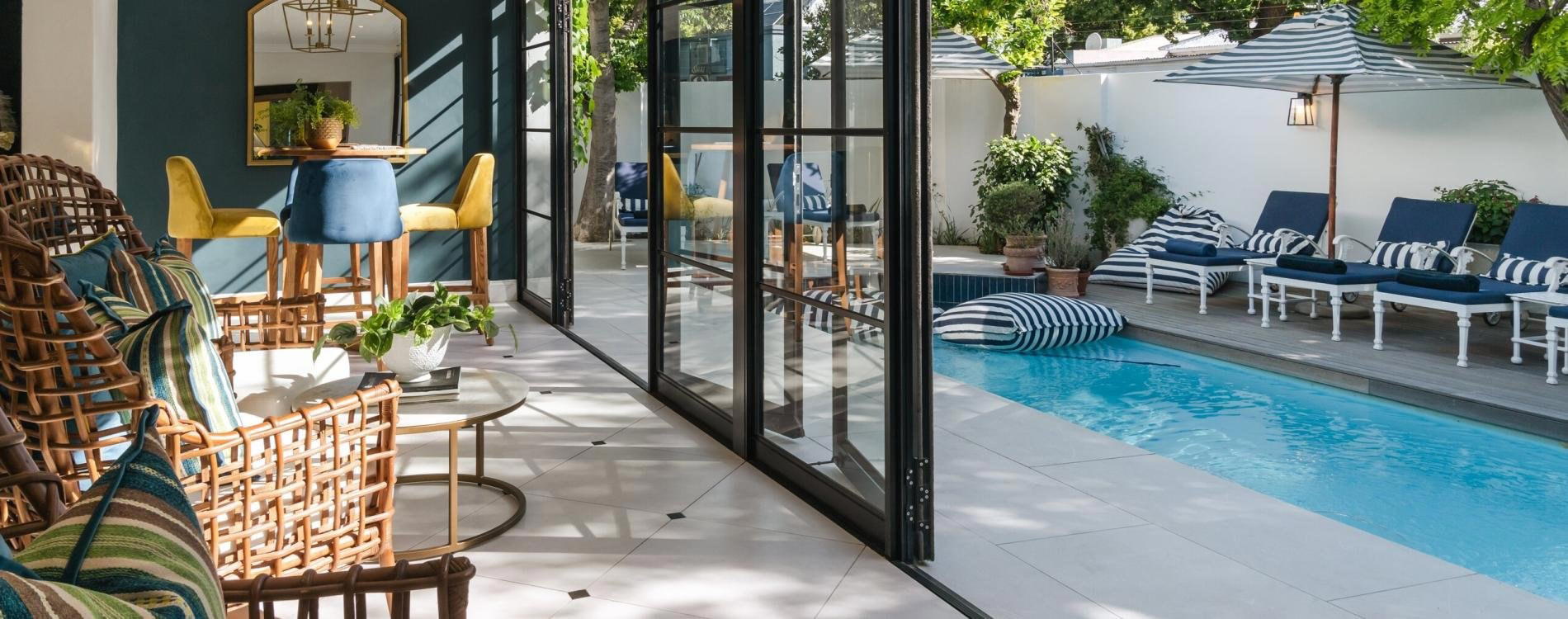
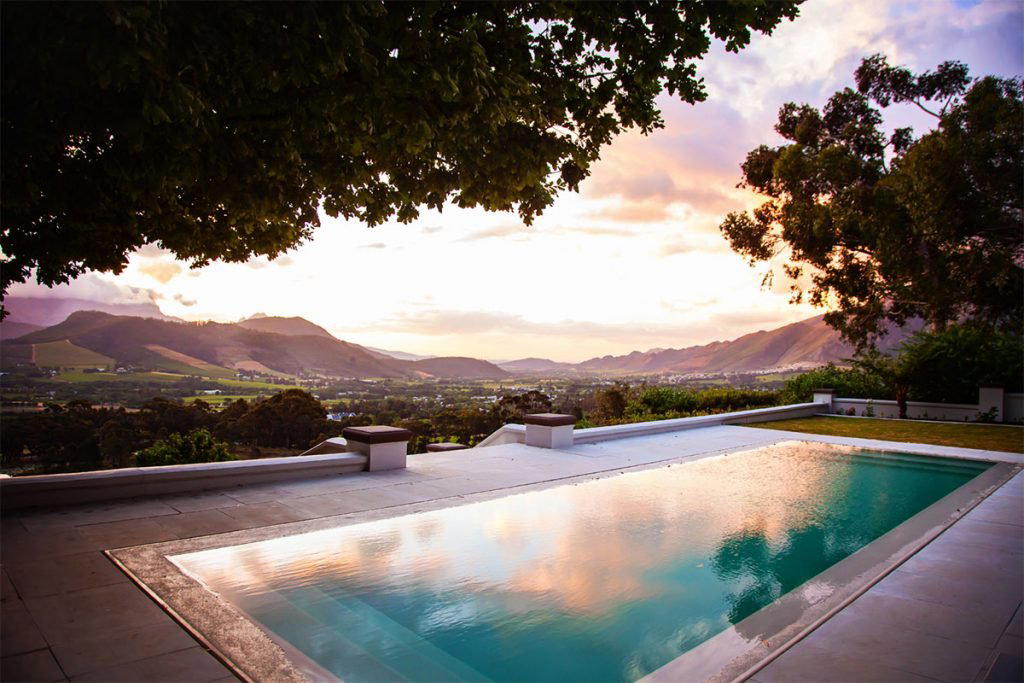
Shared facilities include a heated pool, a Jacuzzi, a courtyard, and a library with a bar. These are not decorative amenities. At a six-room property in a wine-producing valley, the library bar functions as the social anchoring point that a larger hotel would address with a restaurant or lounge. The courtyard, sized for aperitif-pace lingering rather than resort-style programming, reflects the property's understanding of how guests actually use a Franschhoek base: arrive, settle, drink something, head out to the valley, return and do it again.
The Cape Dutch Tradition and What It Demands of a Building
Cape Dutch architecture is not merely a visual style. It emerged as a practical response to the Western Cape's climate and the available materials of early colonial settlement, lime-washed walls that reflected heat, thatched roofs that insulated against cold nights, and stoep verandas that created transitional outdoor-indoor space. The gabled facades that have become the region's architectural signature were partly ornamental but also structural, managing roof loads on buildings that needed to span wider as farm operations grew.
A property built in the mid-19th century in Franschhoek would have absorbed this vocabulary without necessarily reproducing it exactly, since by that period the tradition had already evolved through two centuries of local adaptation. What the building at Akademie Street retains is the site logic: the relationship between the built structure and the garden, the shaded courtyard as a functional space, and the low-rise massing that keeps the property in scale with its neighbours. In a valley where new hospitality development sometimes prioritises dramatic views over architectural coherence, that restraint is worth noting.
Franschhoek's other design-led properties approach the heritage question differently. La Residence leans into theatrical interiors that sit lightly against the architectural tradition, while Le Quartier Francais has pursued a more contemporary edit of village accommodation. Akademie Street's position, genuinely historic building, six rooms, period furnishings alongside modern colour, occupies a different register from either. For travellers whose interest in Franschhoek is partly architectural, the property is a more direct engagement with the valley's built history than most alternatives.
What to Know Before Arriving
An elegant English breakfast is included each morning. For guests planning day trips through the Franschhoek Wine Valley, that is an important inclusion. Tasting schedules at the valley's serious producers frequently begin mid-morning, and some operate by appointment. Guests should confirm winery visits in advance, particularly during peak summer season.
Akademie Street's town-centre position means that the main strip of restaurants, consistently among the more concentrated dining corridors in South Africa, is walkable. For guests who want to extend beyond the valley, Stellenbosch is roughly 30 kilometres away, and Clouds Estate in Stellenbosch represents a useful reference point for the kind of wine-estate accommodation available in that adjacent appellation. Cape Town, around 75 kilometres from Franschhoek, is accessible for day trips, with properties like Mount Nelson, A Belmond Hotel anchoring the city's luxury accommodation tier if an urban night is warranted.
Singita in the Kruger National Park or Makanyane Safari Lodge in Thabazimbi represent the kind of conservation-focused lodge properties that complete the standard Western Cape plus bush itinerary. For context across the Franschhoek accommodation and dining scene, including comparisons with La Petite Ferme, Sterrekopje Healing Farm, and The Last Word Franschhoek.
How It Stacks Up
Comparable venues nearby, for context on price, style, and recognition.
| Venue | Cuisine | Price | Awards | Notes |
|---|---|---|---|---|
| Akademie Street Boutique Hotel and Guest HouseThis venue — the venue you are viewing | Luxury Cape Dutch manor with five distinctive buildings set on a single property, blending historic architecture with contemporary comfort and bespoke design. | $$$$ | Michelin 1 Key | Not listed |
| Leeu Estates | Contemporary restoration of a 19th-century Cape Dutch manor house on a working wine farm with freestanding cottages. | $$$$ | Michelin 1 Key | Franschhoek |
| Leeu House | Contemporary Cape Dutch boutique with art-filled gardens | $$$$ | Michelin 1 Key | Franschhoek village |
| The Last Word Franschhoek | historic Cape Huguenot residence with modern comforts | $$$$ | Michelin 1 Key | Franschhoek village |
| Le Quartier Francais | Romantic boutique auberge with luxurious attention to detail and winelands base. | $$$$ | Michelin 1 Key | Franschhoek |
| La Residence | Cape château on a private vineyard estate | $$$$ | 5-Star | Franschhoek |
Recognition history
Dated appearances from independent guides and award organizations, with the underlying list record or original source where available.
Michelin 1 Key
Michelin
Continue exploring
More in Franschhoek
Hotels in Franschhoek
Browse all →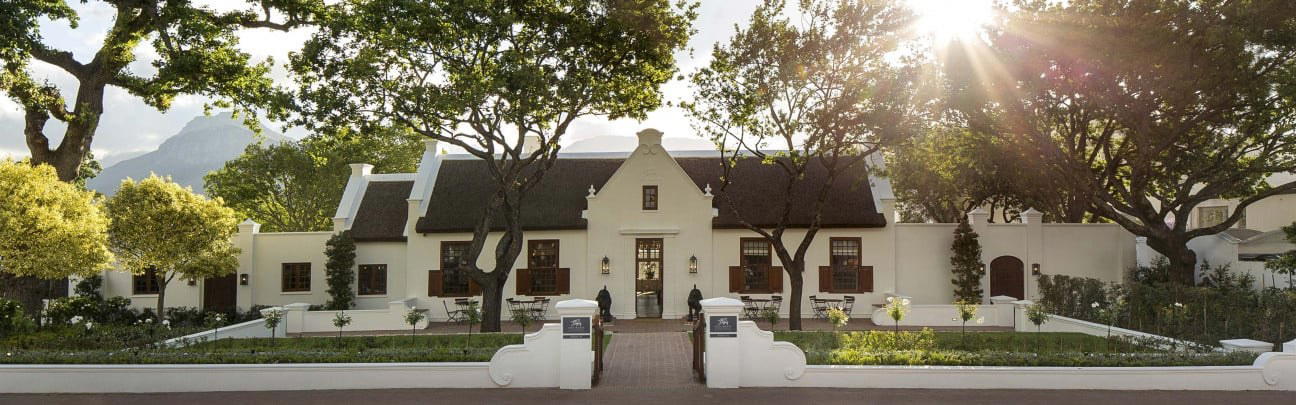
Bars in Franschhoek
Browse all →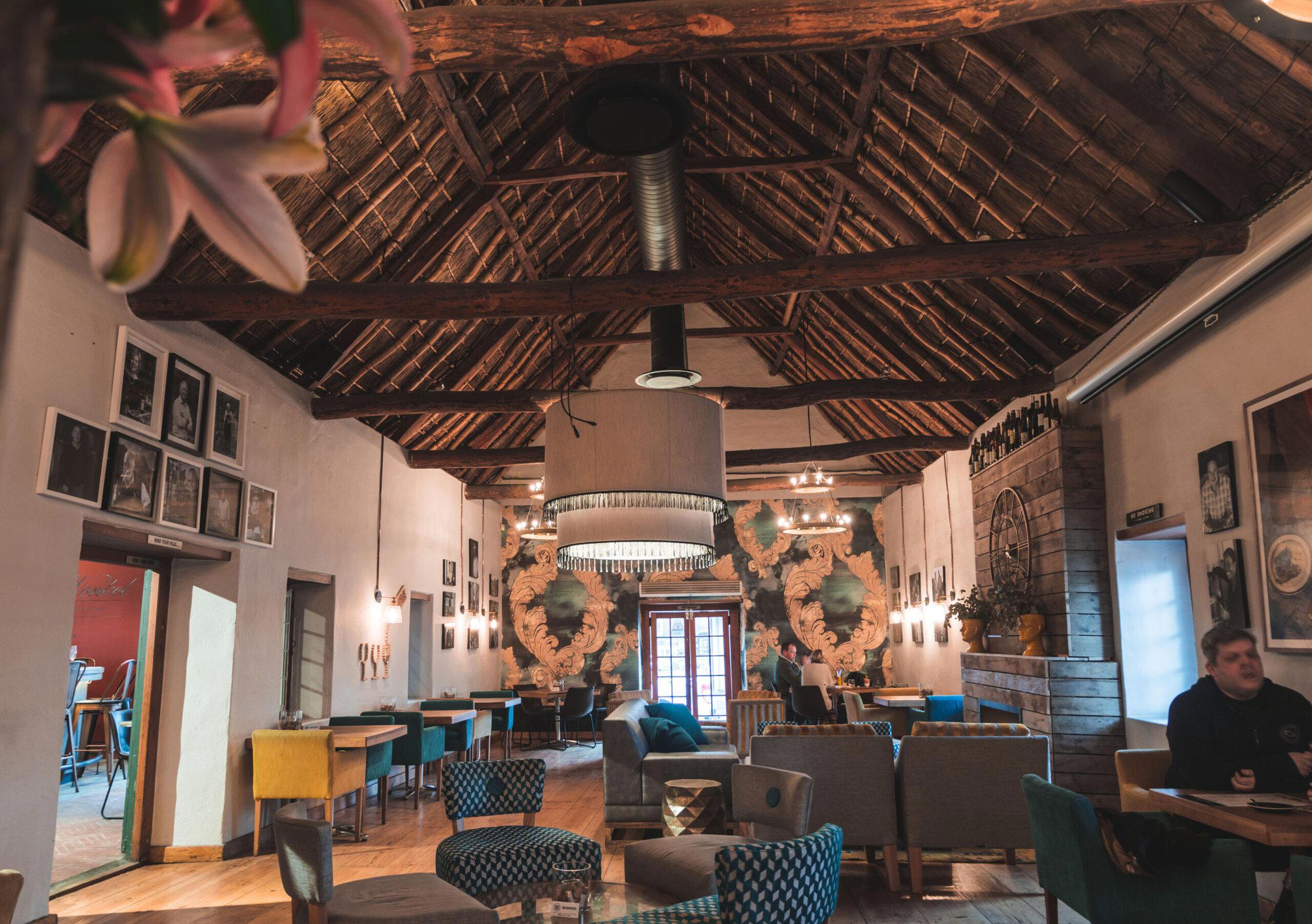
Restaurants in Franschhoek
Browse all →
At a Glance
- Romantic
- Elegant
- Intimate
- Scenic
- Sophisticated
- Quiet
- Honeymoon
- Romantic Getaway
- Anniversary
- Weekend Escape
- Private Villa
- Garden
- Terrace
- Historic Building
- Design Destination
- Panoramic View
- Private Dining
- Wi Fi
- Pool
- Hot Tub
- Concierge
- Room Service
- Massage
- Mountain
- Garden
- Vineyard
- Wi Fi
- Pool
- Hot Tub
- Concierge
- Room Service
- Massage
Warm, intimate, and luxurious with candlelit fireplaces, lush gardens, and an elegant orangery filled with plants where guests enjoy breakfast and evening drinks accompanied by piano music on select evenings.