Klein Jan
Klein Jan sits inside the Tswalu Kalahari Reserve in the Northern Cape, where the menu is built almost entirely from what the surrounding semi-arid landscape produces. The restaurant operates as a destination within a destination, accessible only to those staying at or visiting Tswalu, and its sourcing discipline places it in a distinct tier of South African fine dining where geography is both the ingredient list and the argument.
 Discover on Pearl
Pearl is the En Primeur Club membership app — saves, bookings, and concierge access live there. Same editors, same standards.
- Address
- Farm Korranaberg 296 Tswalu Kalahari Reserve Van Zylsrus, 8467, South Africa
- Phone
- +27537819441
- Website
- janonline.com
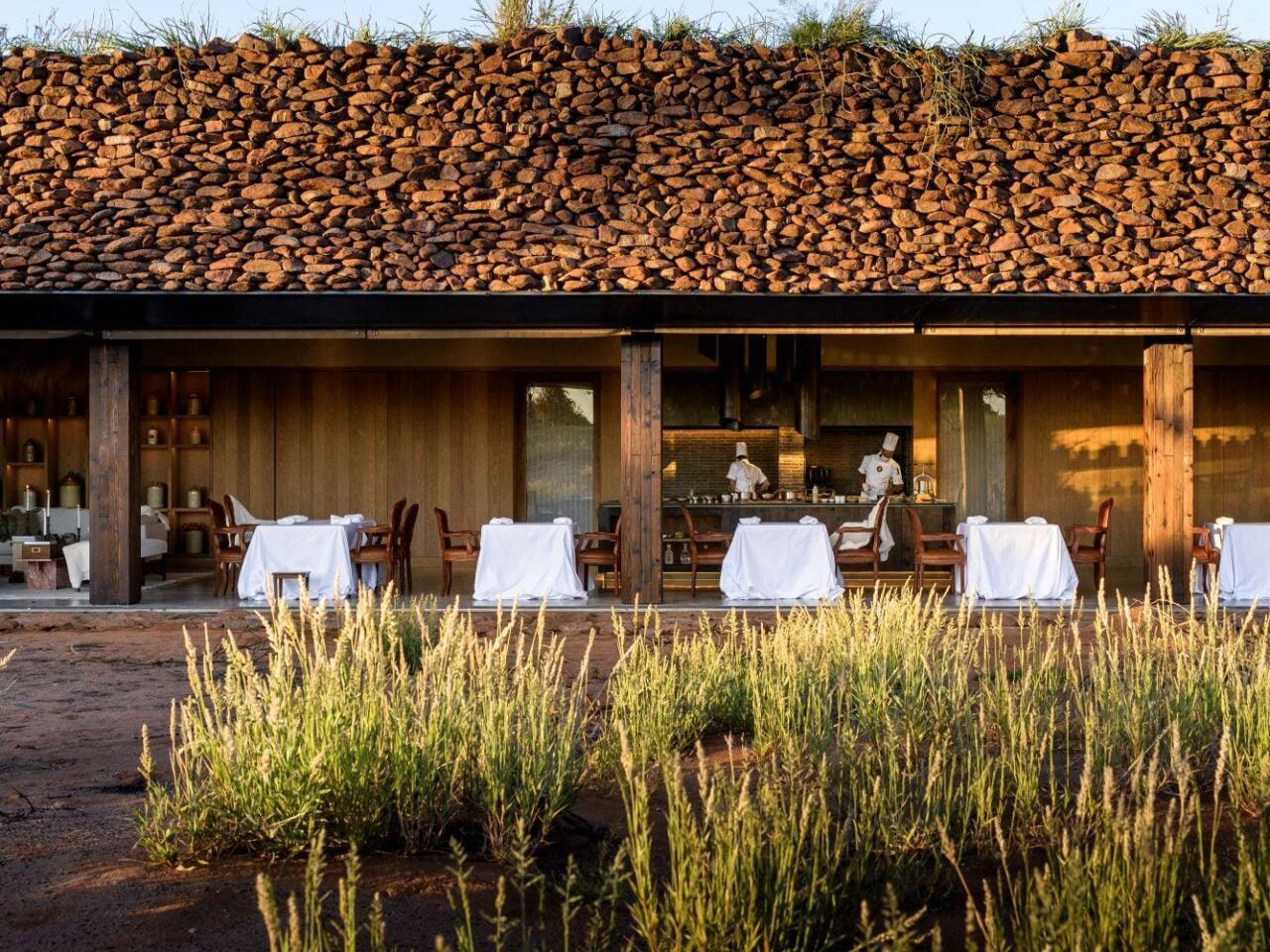
Where the Kalahari Becomes the Kitchen
Klein Jan is a restaurant in the Tswalu Kalahari Reserve near Van Zylsrus in the Northern Cape, South Africa. Klein Jan, set within the Tswalu Kalahari Reserve near Van Zylsrus in the Northern Cape, belongs firmly to the second category. Its setting shapes the menu. The red dunes, the veld grasses, the forager's path through Korranaberg terrain, these are not backdrop. They are sourcing infrastructure.
Arriving at Klein Jan means arriving at Tswalu first. The reserve's remoteness is a feature rather than a friction point: the distance from Johannesburg or Cape Town (most guests fly in by light aircraft to the reserve's private airstrip) means that by the time you sit down, you are already inside the ingredient map. That geographic commitment sets Klein Jan apart from urban fine dining in Cape Town or Franschhoek.
Sourcing as Argument
South African fine dining has, over the past decade, moved toward a more explicit reckoning with indigenous ingredients and hyperlocal sourcing. Wolfgat in Paternoster made this argument from the West Coast, built around beachside foraging and coastal fynbos. Klein Jan makes a parallel case from the interior, where the ingredient vocabulary shifts to desert plants, semi-arid herbs, and proteins native to the Kalahari ecosystem. These are not pantries that overlap.
That distinction matters because it illustrates how South Africa's most serious kitchens are increasingly defined by biome rather than technique. The Western Cape wine-country model, represented by restaurants like Bread & Wine Vineyard Restaurant in Stellenbosch, draws from a temperate, vineyard-adjacent larder. Klein Jan draws from one of the country's harshest and most biodiverse semi-arid zones, where seasonal availability is governed by rainfall patterns and veld ecology rather than planting calendars. The kitchen's sourcing discipline is therefore not a stylistic choice so much as a geographic constraint that becomes an identity.
Foraging in the Kalahari is not the romantic, soft-focus variety found in Nordic tasting menus. It operates under real ecological pressure, with the reserve's conservation mandate shaping what can be harvested, at what volume, and when. This means the menu at Klein Jan functions as a kind of seasonal audit of the reserve, what the land is producing, what is sustainable to take, and what technique can do with ingredients that have no equivalent in a conventional supply chain.
The Restaurant Within the Reserve
Access to Klein Jan is tied to Tswalu Kalahari, which operates as a private, conservation-focused reserve with a limited number of guests on the property at any given time. This is not a restaurant you can book independently from a city, drive to, and leave after dinner. The experience is embedded in a multi-day stay, which means the table count is effectively capped by the lodge's own capacity. That structural constraint places Klein Jan in the same bracket as a handful of ultra-remote dining destinations globally, places where the scarcity is ecological and logistical before it is commercial.
The comparison set internationally would include restaurants inside private reserves or wilderness lodges where the kitchen's program is inseparable from the accommodation's conservation ethic. Closer to home, the model has more in common with the philosophy behind Wolfgat in Saldanha Bay than with the urban-destination format of Johannesburg venues like Foundry in Sandton or EAT YOUR HEART OUT in Hillbrow.
For context, the broader South African fine dining scene has continued to produce kitchens with international reach. Orangerie Restaurant in Stellenbosch and La Sosta Restaurant in Swellendam represent the Cape's more accessible end of serious cooking. Klein Jan operates at the opposite extreme of the access spectrum, which is itself an editorial position: scarcity and remoteness are part of what the kitchen is saying about where South African food can come from.
How to Plan Your Visit
Reaching Tswalu Kalahari requires a flight into Johannesburg or Cape Town, followed by a charter or scheduled light aircraft service to the reserve's private airstrip near Van Zylsrus in the John Taolo Gaetsewe District of the Northern Cape. The reserve address is Farm Korranaberg 296, Van Zylsrus, 8467. Because Klein Jan is accessible only through a Tswalu stay, planning should begin with the lodge booking rather than the restaurant reservation, the two are effectively one transaction. Given Tswalu's limited capacity and the reserve's reputation as one of South Africa's foremost private conservation properties, advance planning is essential.
For a different register of remote South African cooking, Cairo Kitchen in Kungwini Part 2 offers a contrasting point of entry into the country's more informal culinary range, while visitors moving through the country's fast-casual tier will find useful reference points at venues like Pedros Grobler Street in Polokwane, Nando's in Kempton Park, Nando's in Bloemfontein, Milky Lane in East London, and Fishaways Matlosana Mall in Matlosana. Internationally, those curious about how ingredient-sourcing discipline functions at the highest level in completely different geographies can look at Le Bernardin in New York City for the seafood sourcing model, or Atomix in New York City for how a kitchen builds a tasting format around a single culinary tradition's depth.
Comparable Venues
Comparable venues nearby, for context on price, style, and recognition.
| Venue | Cuisine | Price | Awards | Notes |
|---|---|---|---|---|
| Klein JanThis venue — the venue you are viewing | Modern South African Desert Tasting | $$$$ | , | |
| Klein Jan | Modern South African Kalahari Fine Dining | $$$$ | Tswalu Kalahari Reserve | |
| Greenhouse Restaurant Constantia | Modern African Fine Dining | $$$$ | , | Constantia |
| Nando's | Afro-Portuguese PERi-PERi Grilled Chicken | $ | , | Tongaat |
| Tomson | South Cantonese Street Food | $$$ | , | Cape Town Central |
| Curate | Modern South African Fine Dining | $$$$ | , | Bantry Bay |
Continue exploring
More in Moshaweng Nu
Restaurants in Moshaweng Nu
Browse all →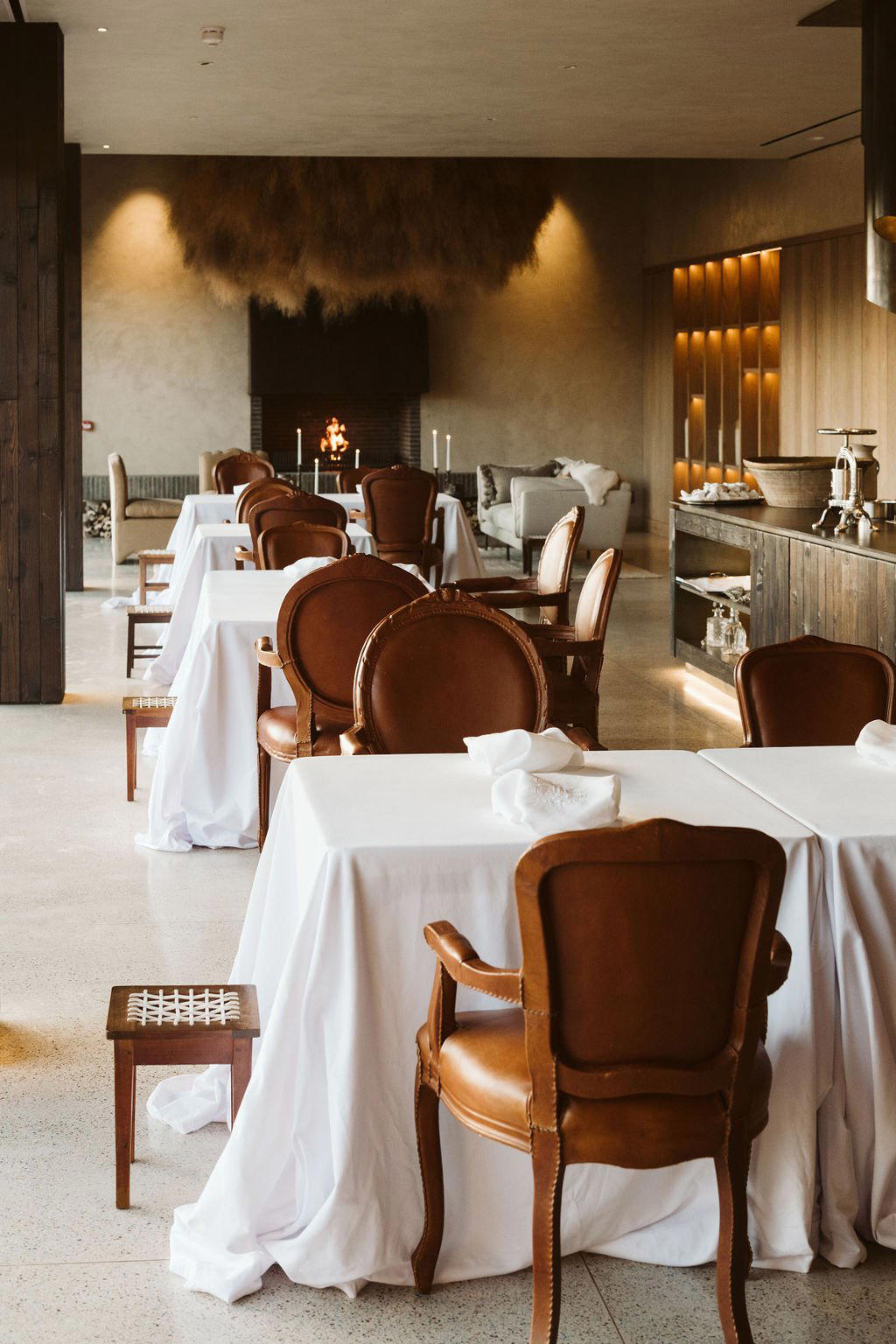
Hotels in Moshaweng Nu
Browse all →
At a Glance
- Rustic
- Scenic
- Intimate
- Elegant
- Special Occasion
- Standalone
- Zero Waste
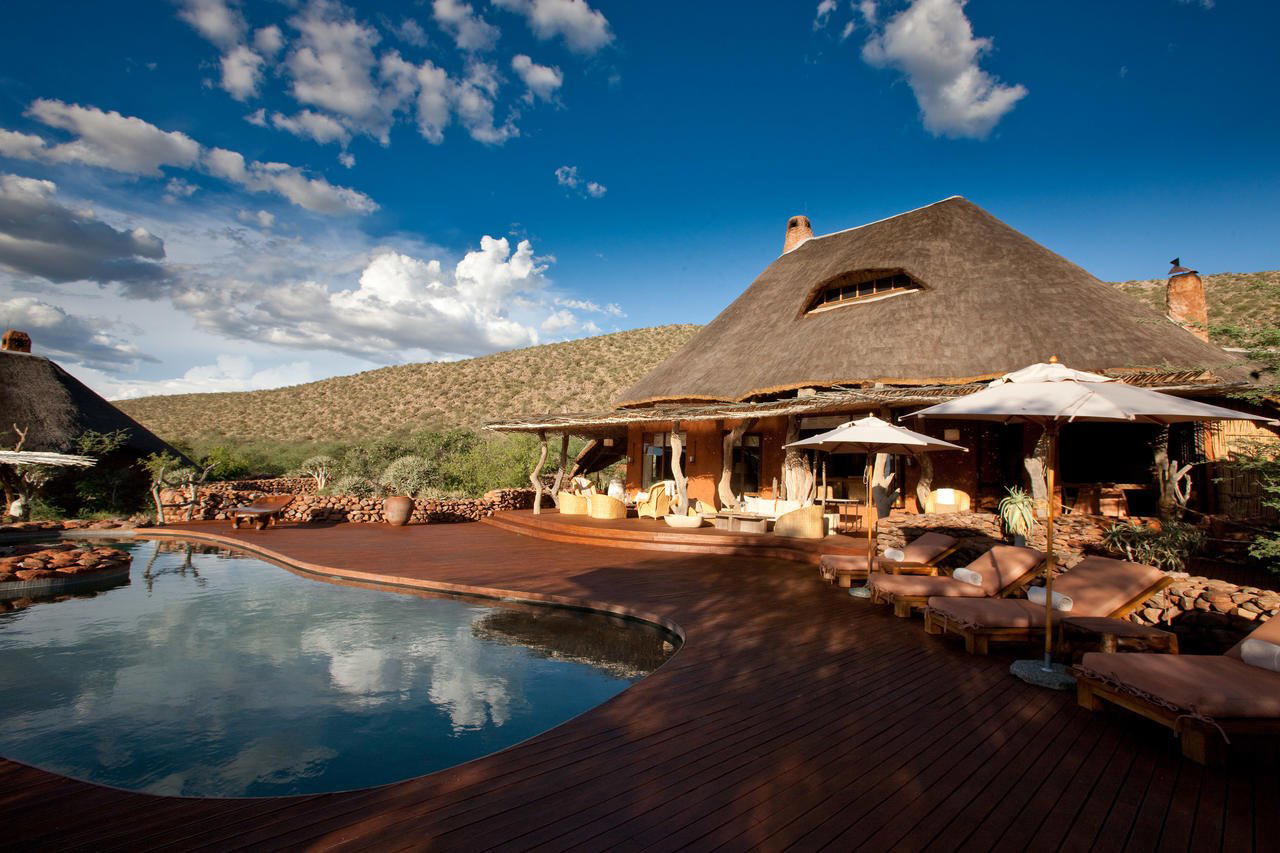
Warm, rustic atmosphere in a historic Karoo farmhouse cottage on windwashed desert plains.