La Petite Colombe



La Petite Colombe sits within Leeu Estates in Franschhoek, operating as part of the same group behind La Colombe, Foxcroft, and Protégé. Rated 93 points by La Liste in both 2025 and 2026, the restaurant runs a ten-course vegetarian menu that draws on local produce, fermentation, and global technique. Reservations are advisable well ahead, particularly for weekend sittings during the Cape Winelands high season.
Pearl is the En Primeur Club membership app — saves, bookings, and concierge access live there. Same editors, same standards.
- Address
- Leeu Estates, Dassenberg Rd, Franschhoek, South Africa
- Phone
- +27 21 202 3395
- Website
- lacolombe.restaurant
- Directions
- Get directions
 Saves & bookings on Pearl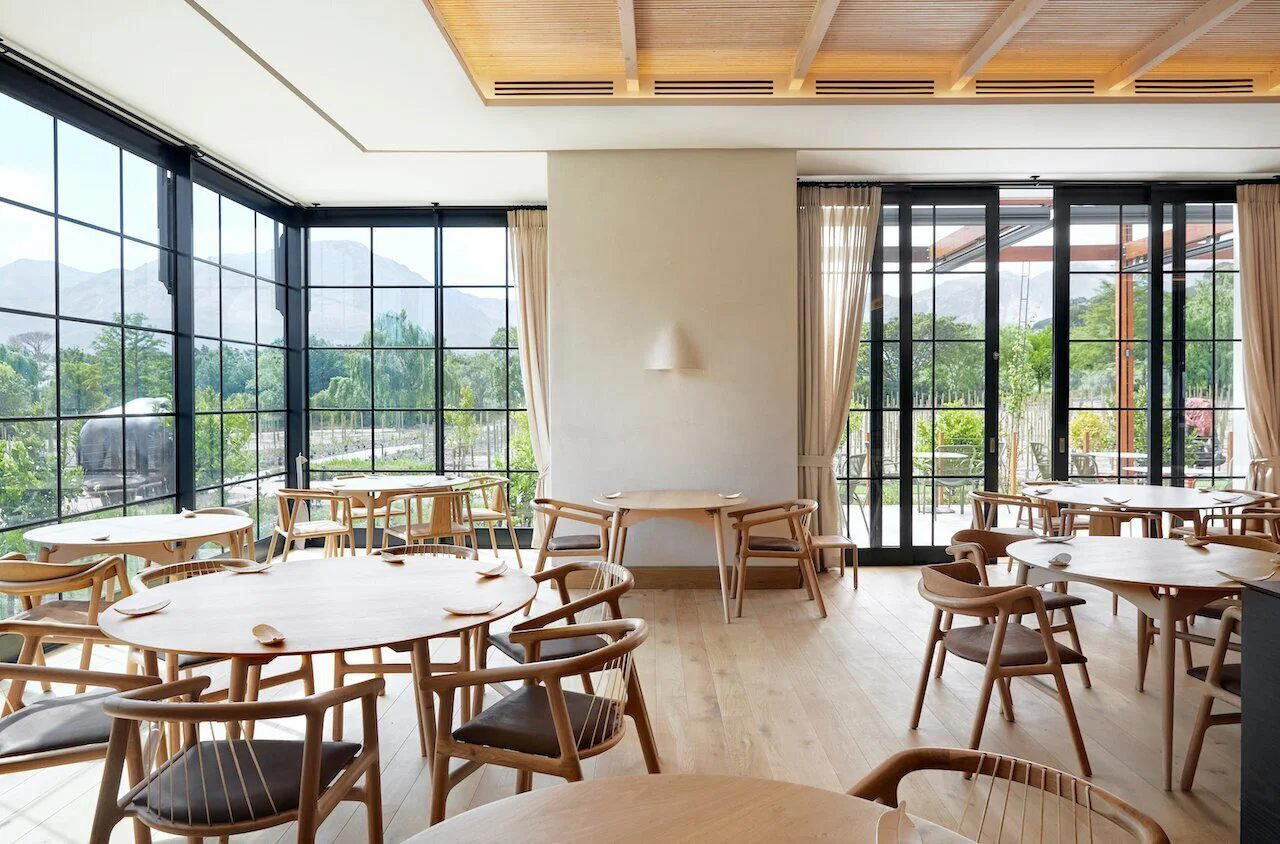
Where the Franschhoek Valley Sets the Table
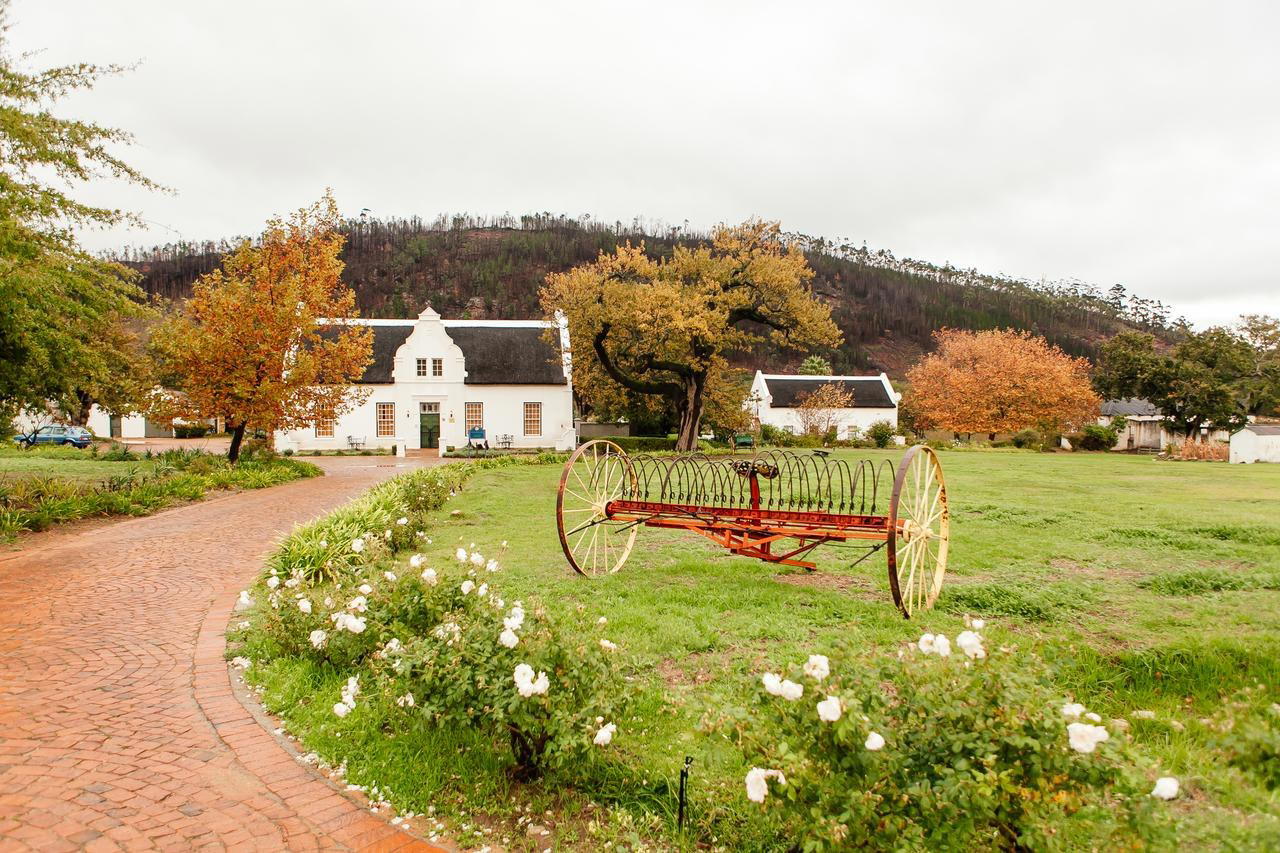
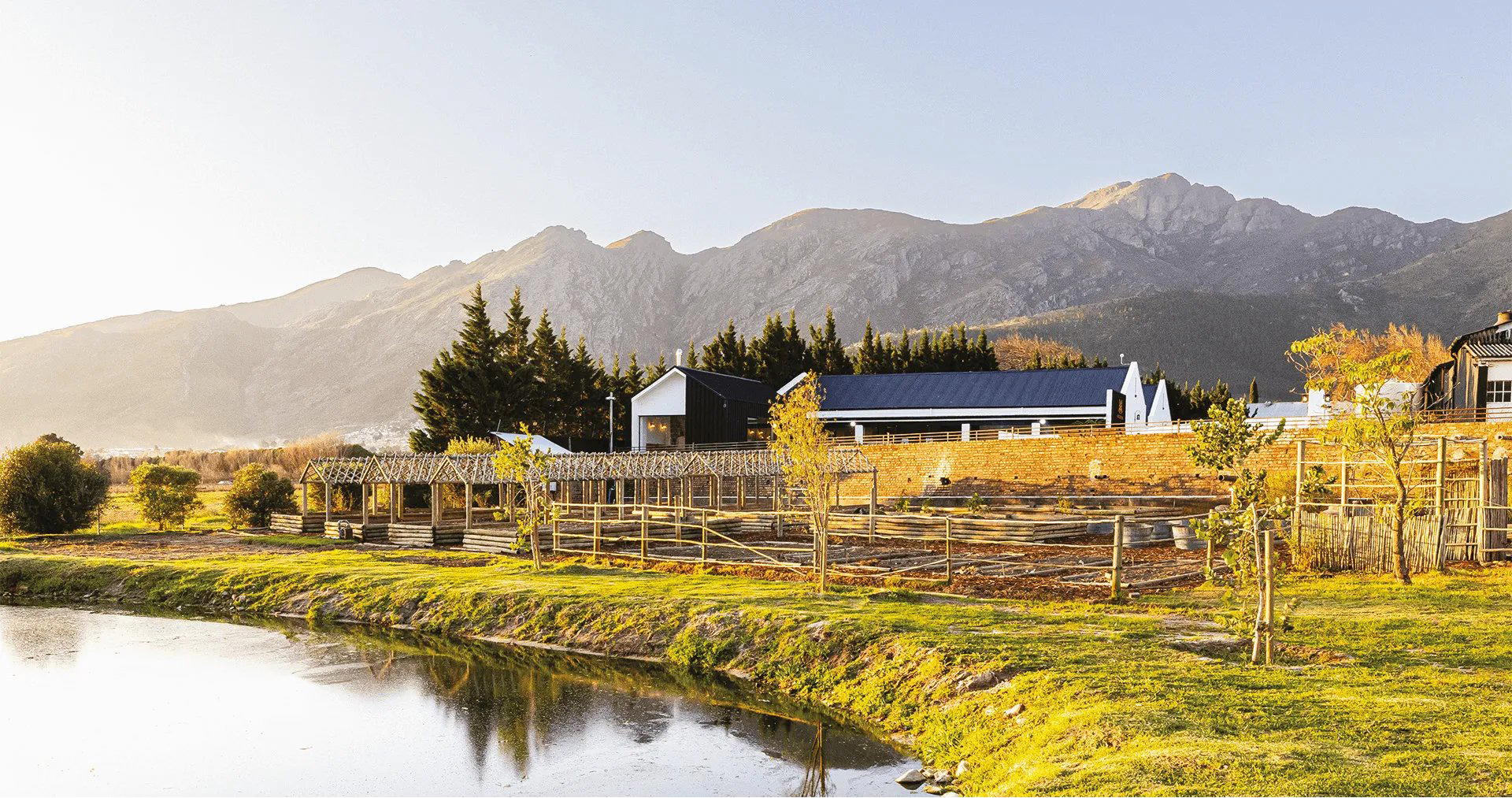
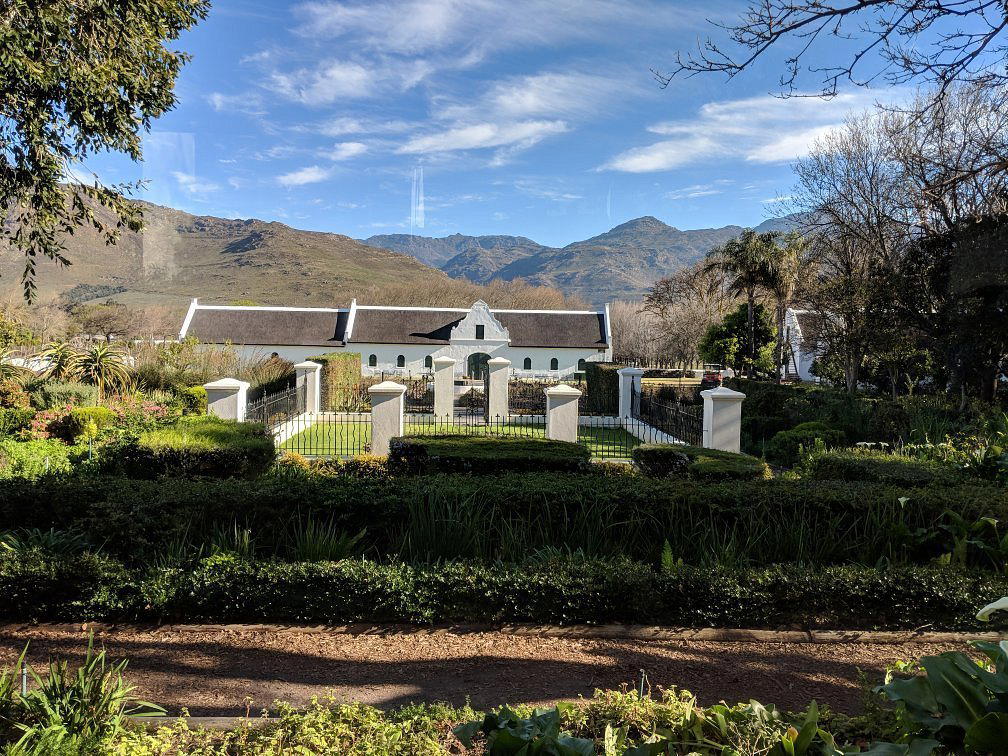
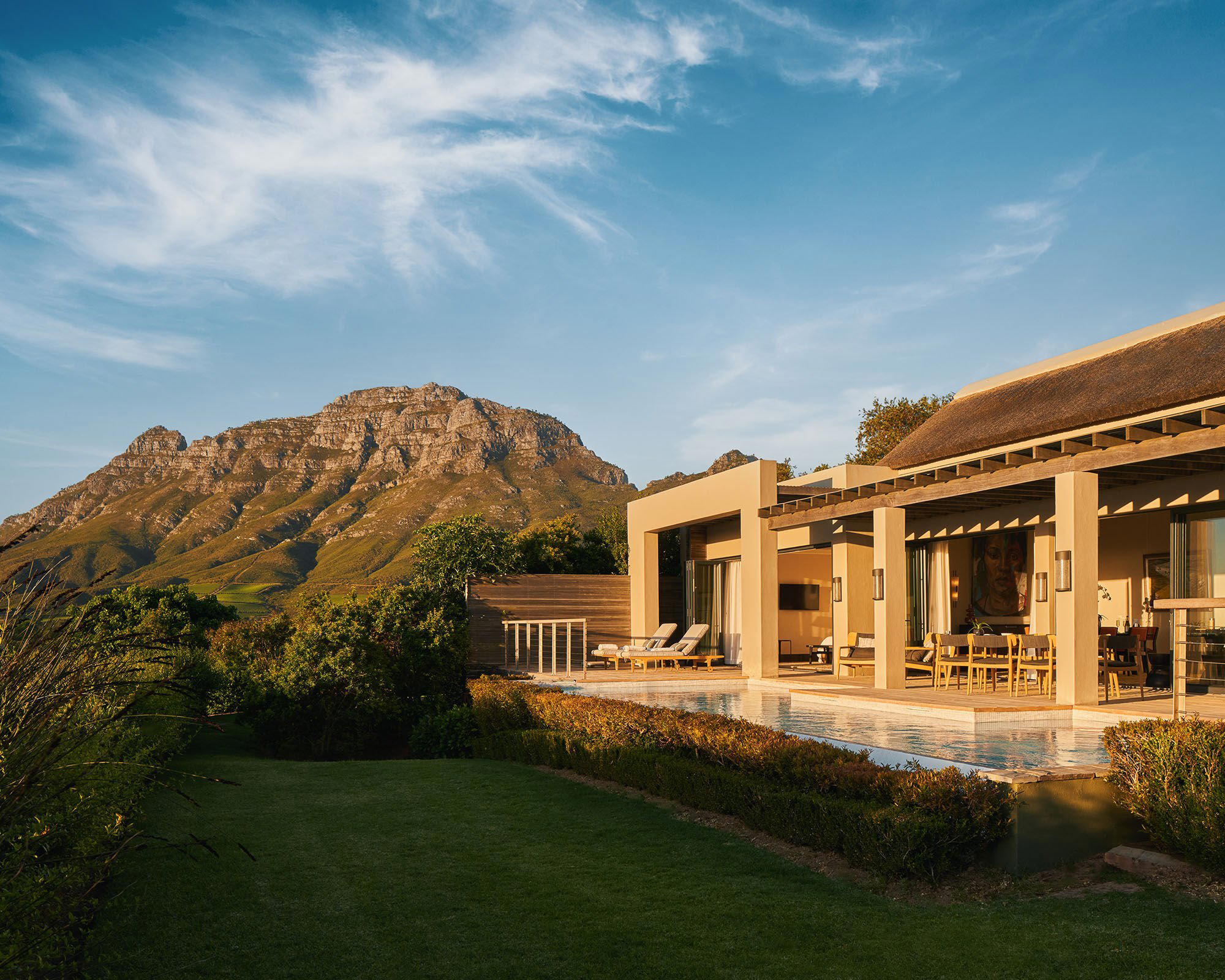
The approach to Leeu Estates on Dassenberg Road gives you the clearest possible read on what Franschhoek has become as a dining destination. Vineyard rows run toward the Franschhoek Mountains, the road is quiet, and by the time you reach the estate entrance the valley's logic is self-evident: this is a place where the land is the primary argument. La Petite Colombe is a restaurant at Leeu Estates in Franschhoek, South Africa, known for modern French fine dining at about $150 per person. Its menu treats that geographic fact seriously. The kitchen here is not decorating plates with local produce as a gesture toward terroir. The sourcing is the structure.
Franschhoek occupies a specific tier within the Cape Winelands dining scene. It sits above the broadly accessible wine-route lunch format and below the kind of destination-restaurant pilgrimage that takes you somewhere remote for a single meal. What distinguishes it from Stellenbosch to the west is a higher concentration of multi-course, technique-forward restaurants operating within walking or short-drive distance of each other. La Petite Colombe, alongside venues like Epice and Le Quartier Français, makes Franschhoek the valley most likely to anchor a dedicated dining itinerary rather than a day-trip wine route. For a fuller picture of what the town offers, our full Franschhoek restaurants guide maps the competitive set in detail.
The Group Logic Behind the Menu
To understand what La Petite Colombe is, it helps to understand the ecosystem it belongs to. La Colombe, the parent operation perched on Constantia Uitsig above Cape Town, holds one of South Africa's most consistent fine-dining track records. The group also runs Foxcroft and Protégé, each positioned at a different price point and register. La Petite Colombe is the Franschhoek expression of that network, which means it inherits both the kitchen discipline and the produce relationships built across the group's collective sourcing reach. La Colombe in Cape Town and Salsify at the Roundhouse offer useful comparison points for understanding what the group's sensibility looks like at different addresses.
The La Liste ratings tell the same story two years running: 93.5 points in 2025, 93 points in 2026. That consistency across consecutive assessments indicates a kitchen that is not chasing novelty for its own sake. Chef Peter Duncan runs the kitchen at the restaurant with particular focus on the vegetable program, and the ten-course vegetarian menu that results is structured rather than incidental. Dishes like miso eggplant with egg noodles and gochujang, or pumpkin and harissa risotto with herb mousse, soubise, and hazelnut dukkah, are not concessions to dietary preference. They are the main event.
Sourcing as Architecture
South Africa's fine-dining scene has moved decisively toward produce-led cooking over the past decade, partly driven by the same logic that reshaped Australian and Scandinavian kitchens: a recognition that local supply chains, when cultivated carefully, can generate more interesting ingredients than global import networks. At the restaurant, the vegetable focus sharpens this instinct. Vegetables require more precise sourcing discipline than proteins because their quality variance is higher and their seasonality tighter. A kitchen built around celeriac, wild garlic, eggplant, and pumpkin is a kitchen committed to working with what the season provides, not against it.
The Franschhoek Valley itself contributes to this. The valley floor's alluvial soils and moderate summer temperatures produce ingredient quality that drives menus at this level without needing to reach far. The fermentation references in the menu, miso, gochujang, the kind of preserved and transformed flavors that extend seasonal ingredients beyond their fresh window, reflect a kitchen that thinks about the full arc of a vegetable's useful life, not just its peak-season version. This is a different kind of local sourcing than the farm-to-table shorthand implies.
For comparison, Wolfgat in Paternoster applies similar sourcing discipline to a coastal foraging framework, and The Test Kitchen in Cape Town works within a more globally referential idiom. The restaurant sits between those registers: more technically precise than pure forage-and-serve, more regionally anchored than purely cosmopolitan.
The Franschhoek Context
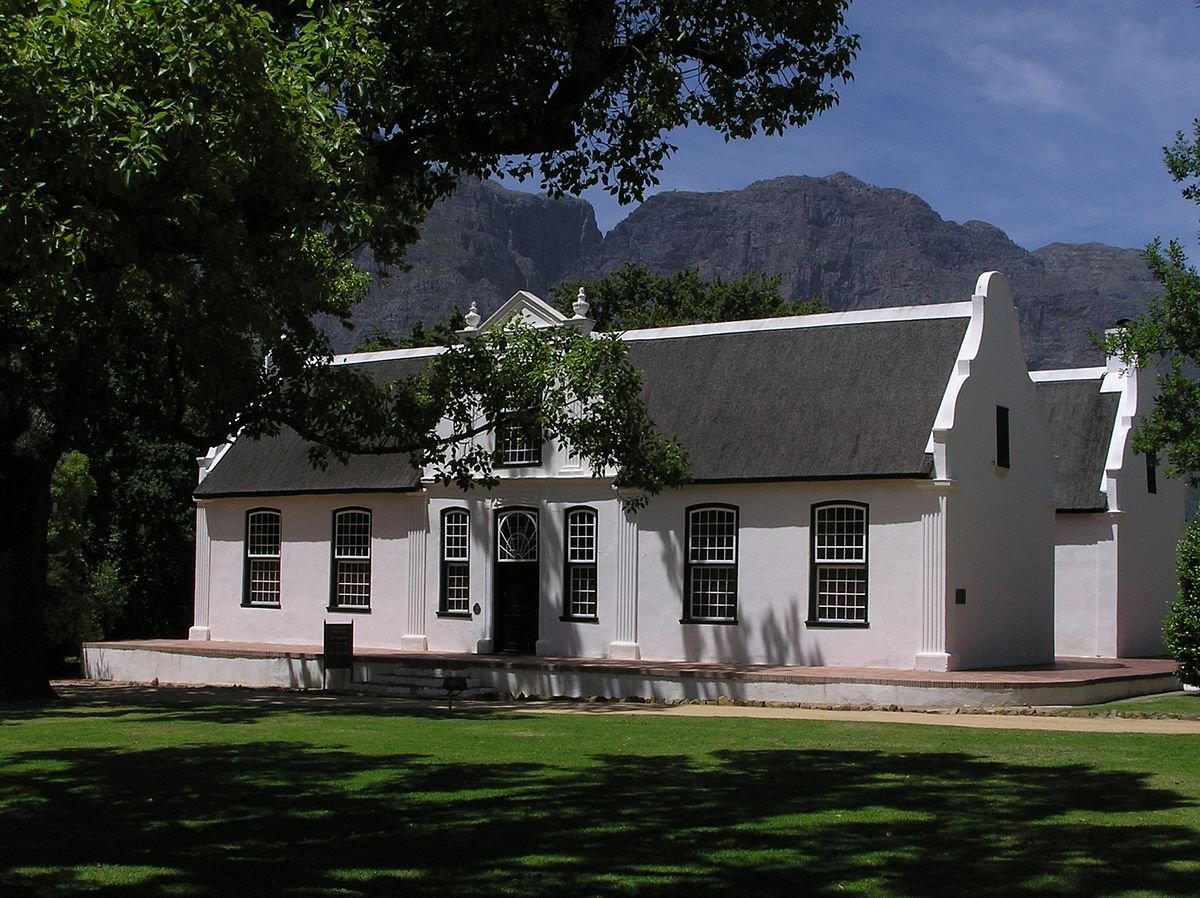
Visitors arriving at the restaurant via Leeu Estates are experiencing Franschhoek hospitality at the estate-hotel end of the spectrum. The winelands hotel model, where a working wine farm or luxury estate provides the physical setting for multiple experiences including dining, accommodation, and wine, creates a specific kind of atmosphere that differs from a standalone restaurant. The meal does not begin at the table. It begins at the gates, in the vineyards, in the transition from the valley road to the estate grounds.
This matters for how you plan around a booking here. A standalone lunch or dinner is possible, but the surrounding infrastructure of Leeu Estates, and Franschhoek more broadly, rewards longer stays. Our full Franschhoek hotels guide covers accommodation options across price tiers. If you are extending into the Winelands more broadly, Dusk in Stellenbosch and Ellerman House in Bantry Bay anchor a circuit of serious kitchens within an hour's drive. Franschhoek's bars and wineries add further layers to any extended visit, covered in our full Franschhoek bars guide and our full Franschhoek wineries guide. The Franschhoek experiences guide maps cultural and activity programming across the valley.
For travelers building a broader South African itinerary around serious dining, the country's fine-dining map has grown substantially beyond Cape Town. Klein Jan in the Kalahari, Jabulani Safari in Hoedspruit, Londolozi in Kruger, Esiweni in Memorial Gate, and Gigi in Johannesburg represent the range of serious food experiences now distributed across the country's geography.
Planning a Visit
Franschhoek operates on seasonal rhythms tied to the Cape summer. The December through February window is high season, when the valley fills with both international visitors and Capetonians escaping the city. Bookings during this period require meaningful lead time. Planning four to eight weeks ahead is reasonable for shoulder season; the summer peak warrants more. The autumn harvest period from March through April is the Winelands' quietest argument for a visit: cooler temperatures, residual summer light, and fewer competing reservations. The ten-course format demands several hours, so arriving with the intention of making an afternoon or evening of it reflects the actual pace of the menu.
Cost and Credentials
Comparable venues nearby, for context on price, style, and recognition.
| Venue | Cuisine | Price | Notes |
|---|---|---|---|
| La Petite ColombeThis venue — the venue you are viewing | Franschhoek, Modern French Fine Dining | $$$$ | Not listed |
| Le Coin Français | Franschhoek, Modern French Fine Dining | $$$$ | Not listed |
| Chefs Warehouse - Maison Estate | Not listed | $$$$ | Franschhoek, Global Tapas-Inspired Fine Dining |
| Epice | Not listed | $$$$ | Heritage Square, Global Spice-Driven Fine Dining |
| Protégé | Franschhoek, Modern Fusion Fine Dining | $$$$ | Not listed |
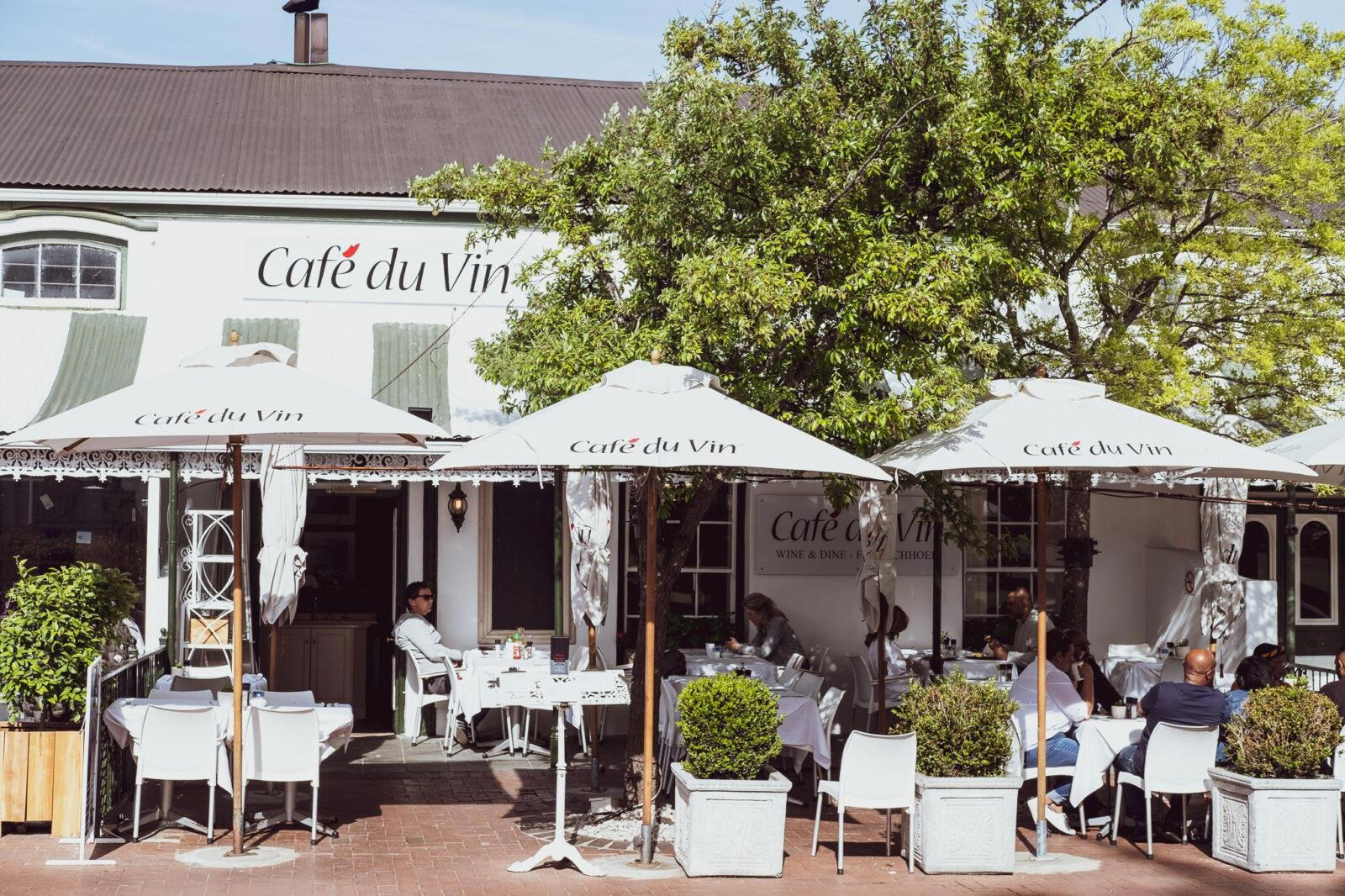
| Café du Vin | Franschhoek Village, European Bistro | $$$ | Not listed |
Recognition history
Dated appearances from independent guides and award organizations, with the underlying list record or original source where available.
La Liste Top Restaurants
La Liste
La Liste Top Restaurants
La Liste
The Best Chef Two Knives
The Best Chef
We're Smart World 4 Radishes
We're Smart World
Continue exploring
More in Franschhoek
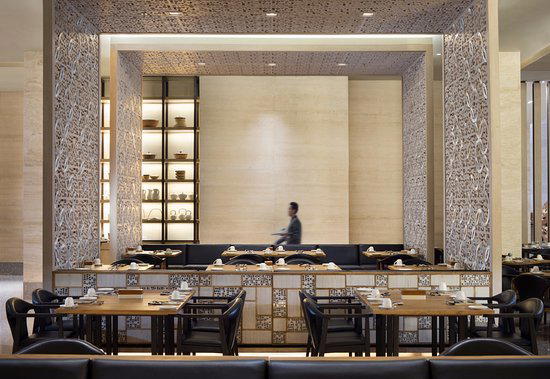
Restaurants in Franschhoek
Browse all →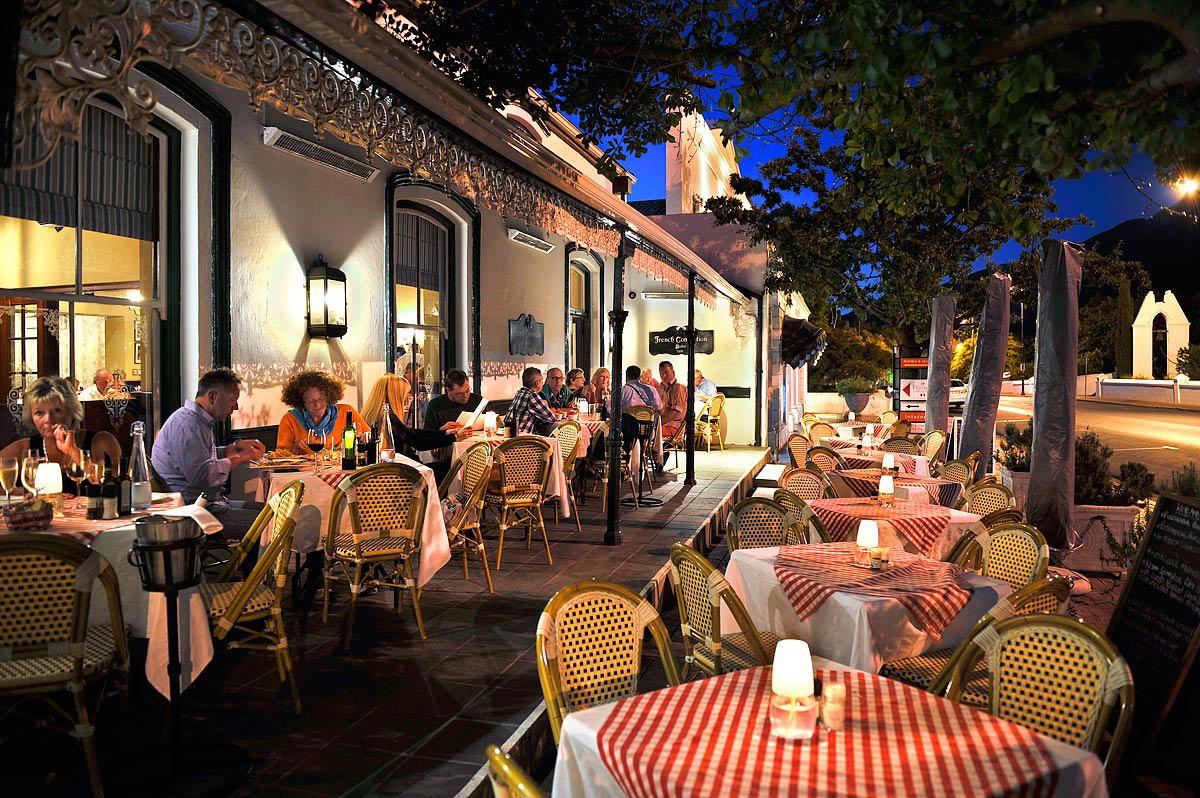
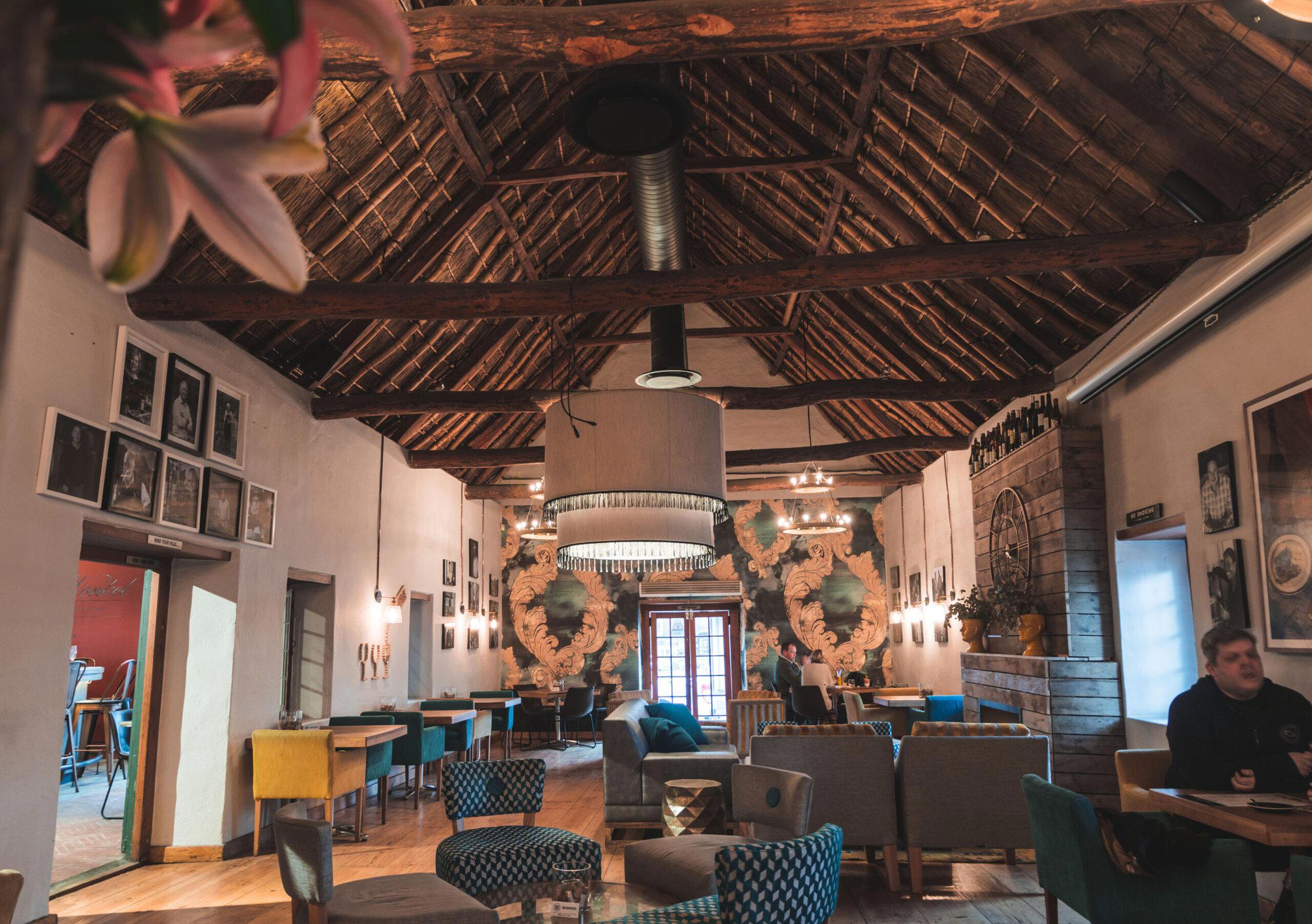
Bars in Franschhoek
Browse all →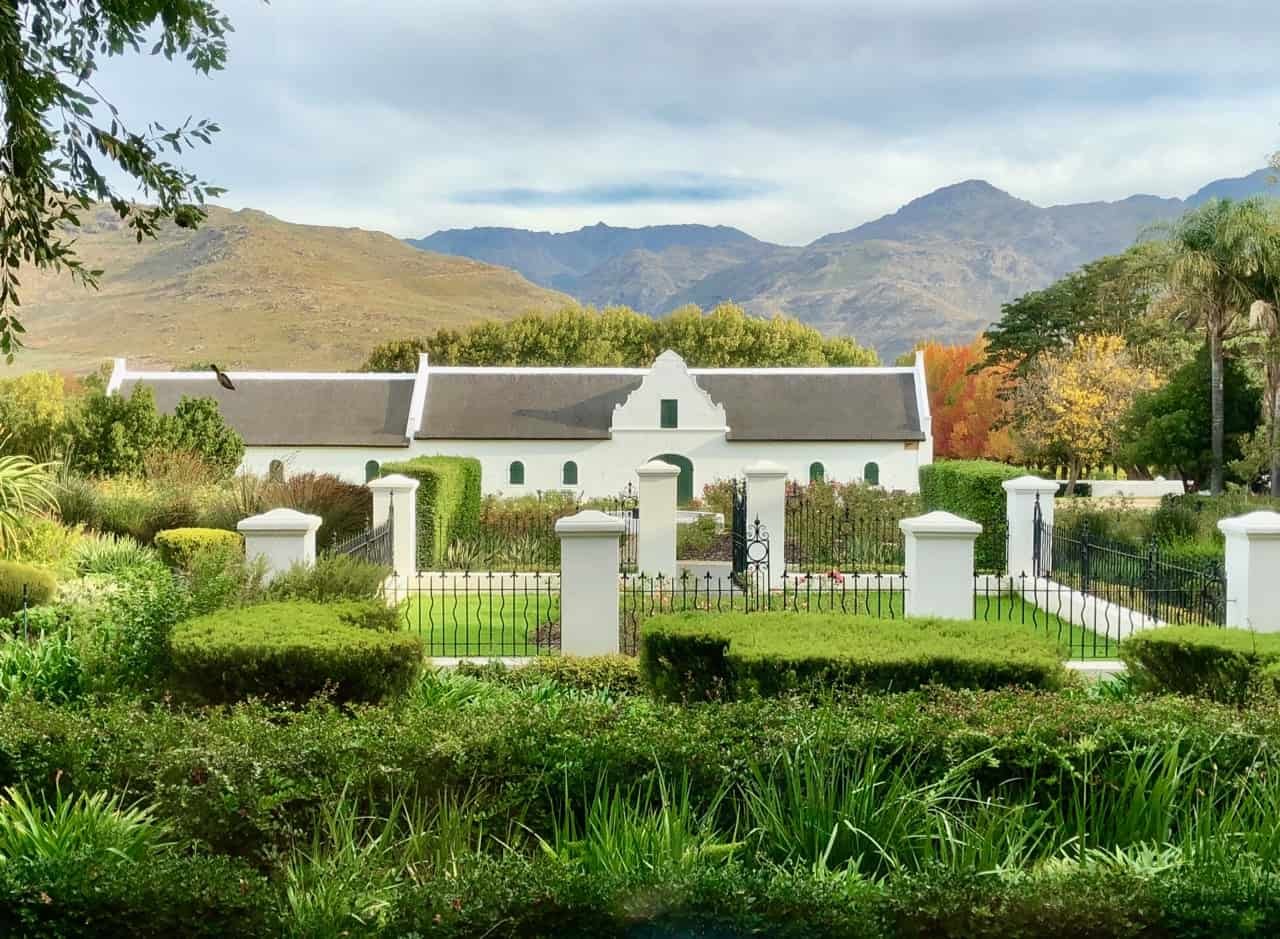
Hotels in Franschhoek
Browse all →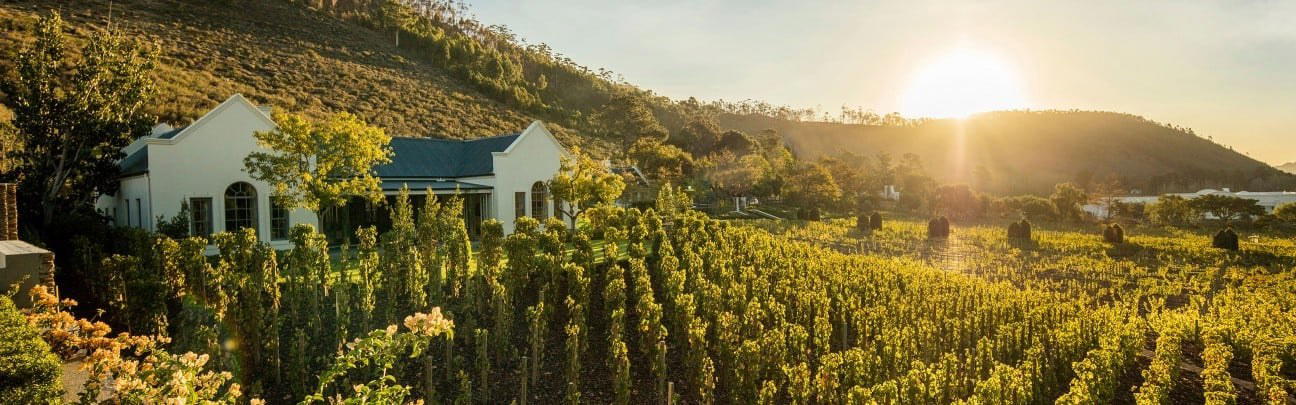
At a Glance
- Elegant
- Sophisticated
- Modern
- Intimate
- Date Night
- Special Occasion
- Celebration
- Open Kitchen
- Garden
- Standalone
- Extensive Wine List
- Sommelier Led
- Mountain
- Garden
Current opening hours
- Monday
- 12–10 PM
- Tuesday
- 12–10 PM
- Wednesday
- 12–10 PM
- Thursday
- 12–10 PM
- Friday
- 12–10 PM
- Saturday
- 12–10 PM
- Sunday
- 12–10 PM
Hours can change for holidays and private events. Last verified .
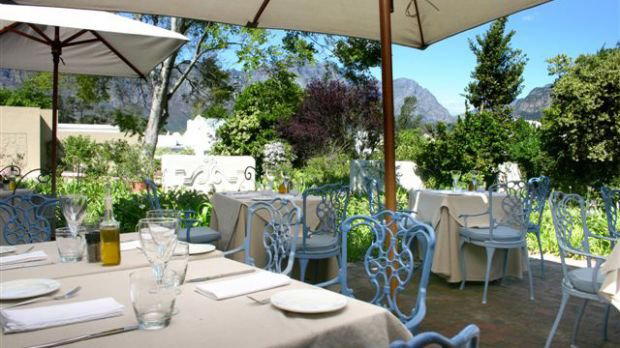
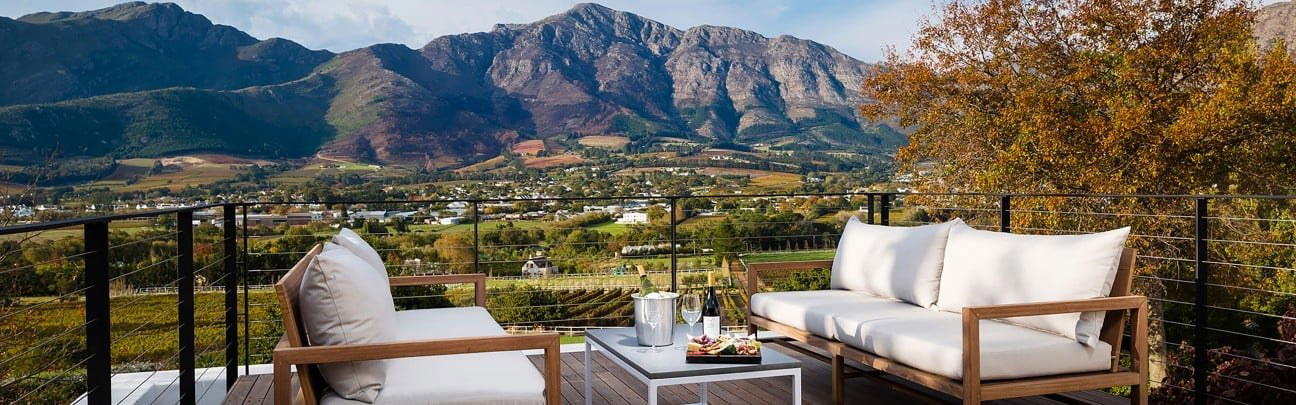
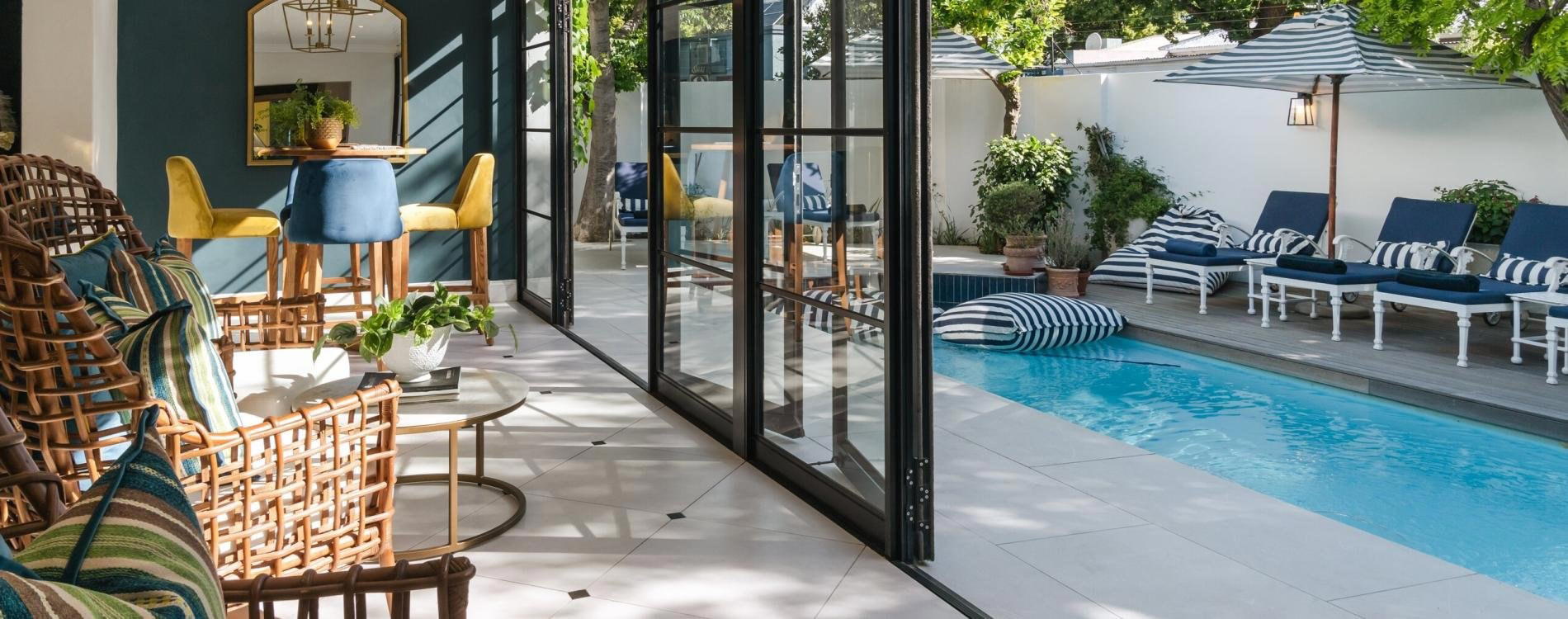
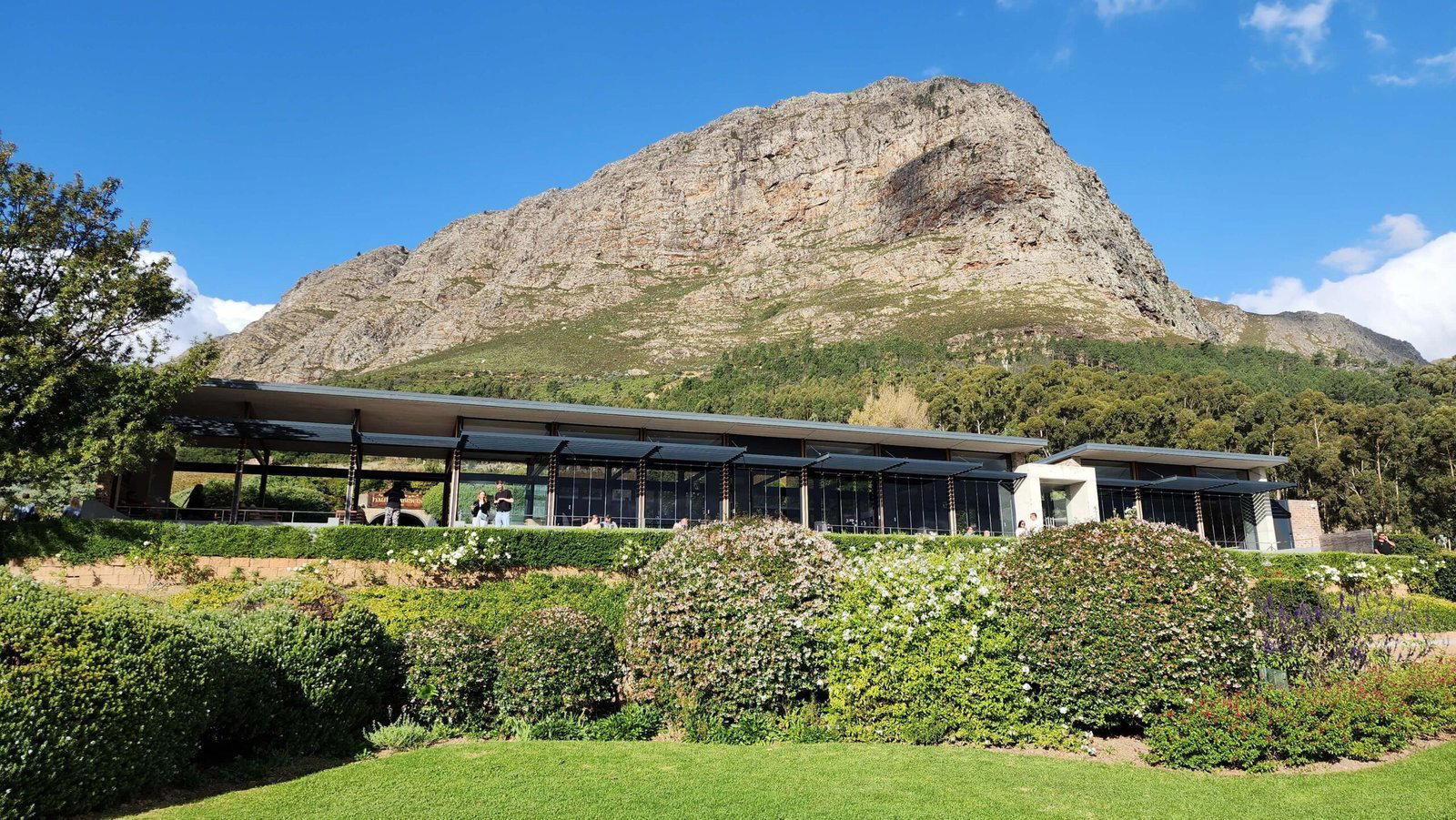
Modern and elegant with clean lines, natural light, mountain views, and a welcoming down-to-earth atmosphere.