Tucked into Place Barbe in central Dijon, Le Coin Caché occupies the kind of address that rewards those who look past the obvious. As a city whose culinary identity is built on Burgundy's agricultural depth, mustard, escargot, Époisses, Pinot Noir from the Côte de Nuits, Dijon's smaller, less-publicised tables often do honest work. Le Coin Caché sits in that category: a neighbourhood address worth tracking down.
Pearl is the En Primeur Club membership app — saves, bookings, and concierge access live there. Same editors, same standards.
- Address
- 2 Pl. Barbe, 21000 Dijon, France
- Phone
- +33380553555
- Website
- facebook.com
- Directions
- Get directions
 Saves & bookings on Pearl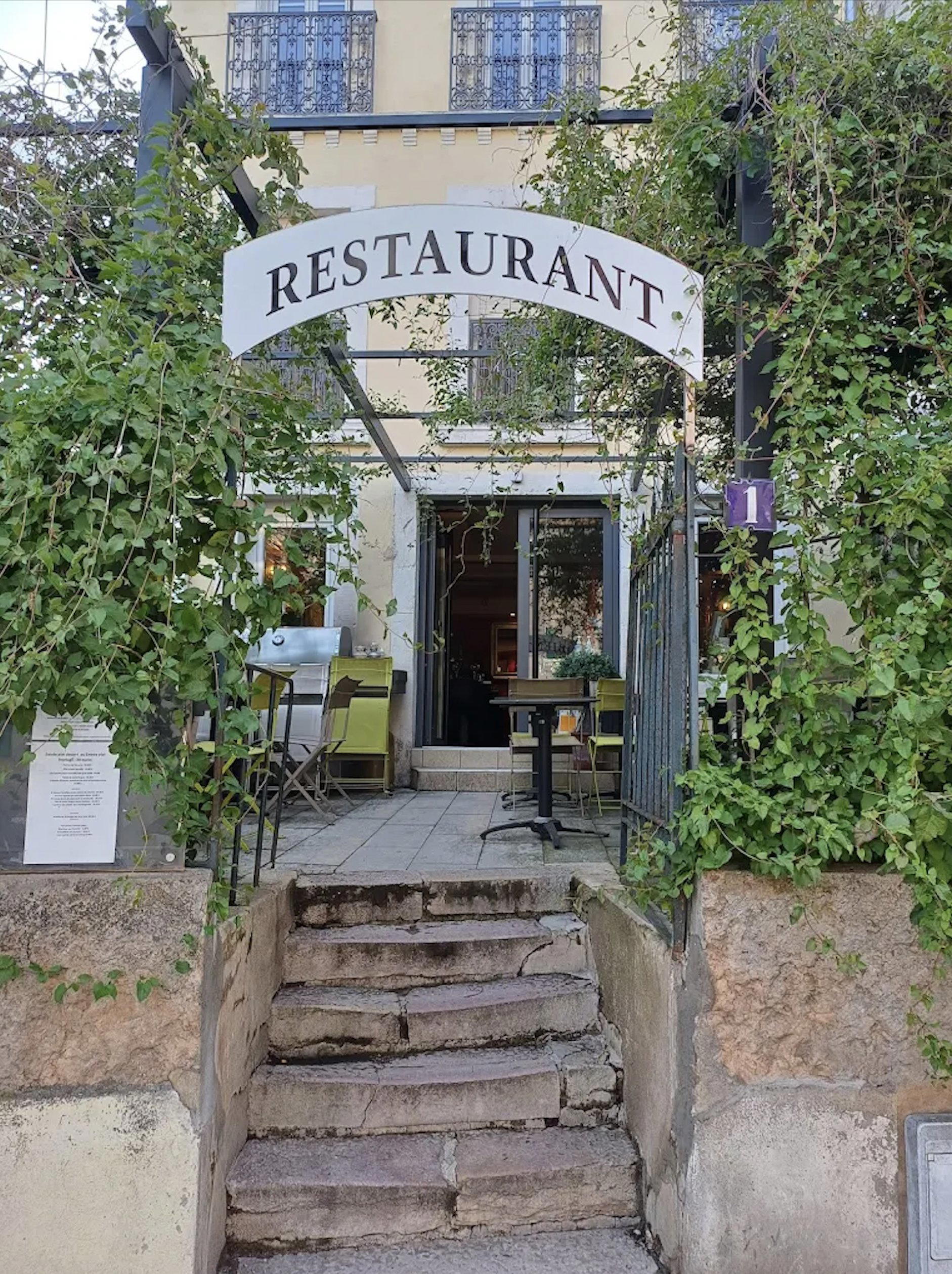
Place Barbe and the Dijon Tables That Don't Announce Themselves
There is a category of French dining room that makes no effort to be found. No awning with a chef's name in italic script, no queue extending onto the pavement, no publicist. Place Barbe, a compact square in central Dijon, has that quality. Le Coin Caché sits at number 2, and the address functions almost as a statement of intent. In a city where the headlining tables are William Frachot and Loiseau des Ducs, this kind of address occupies a different register entirely: smaller, quieter, and operating without the institutional weight those rooms carry.
That distinction matters in Dijon more than it might in Paris or Lyon. The city's food culture is layered, a Michelin-starred top tier, a mid-range of technically careful modern rooms like L'Aspérule and Origine, and then a stratum of neighbourhood places where the sourcing decisions are as considered as anywhere above them. Le Coin Caché belongs to that last group, or at least, that is the expectation its name and location set up.
Burgundy's Larder and Why It Defines Everything Here
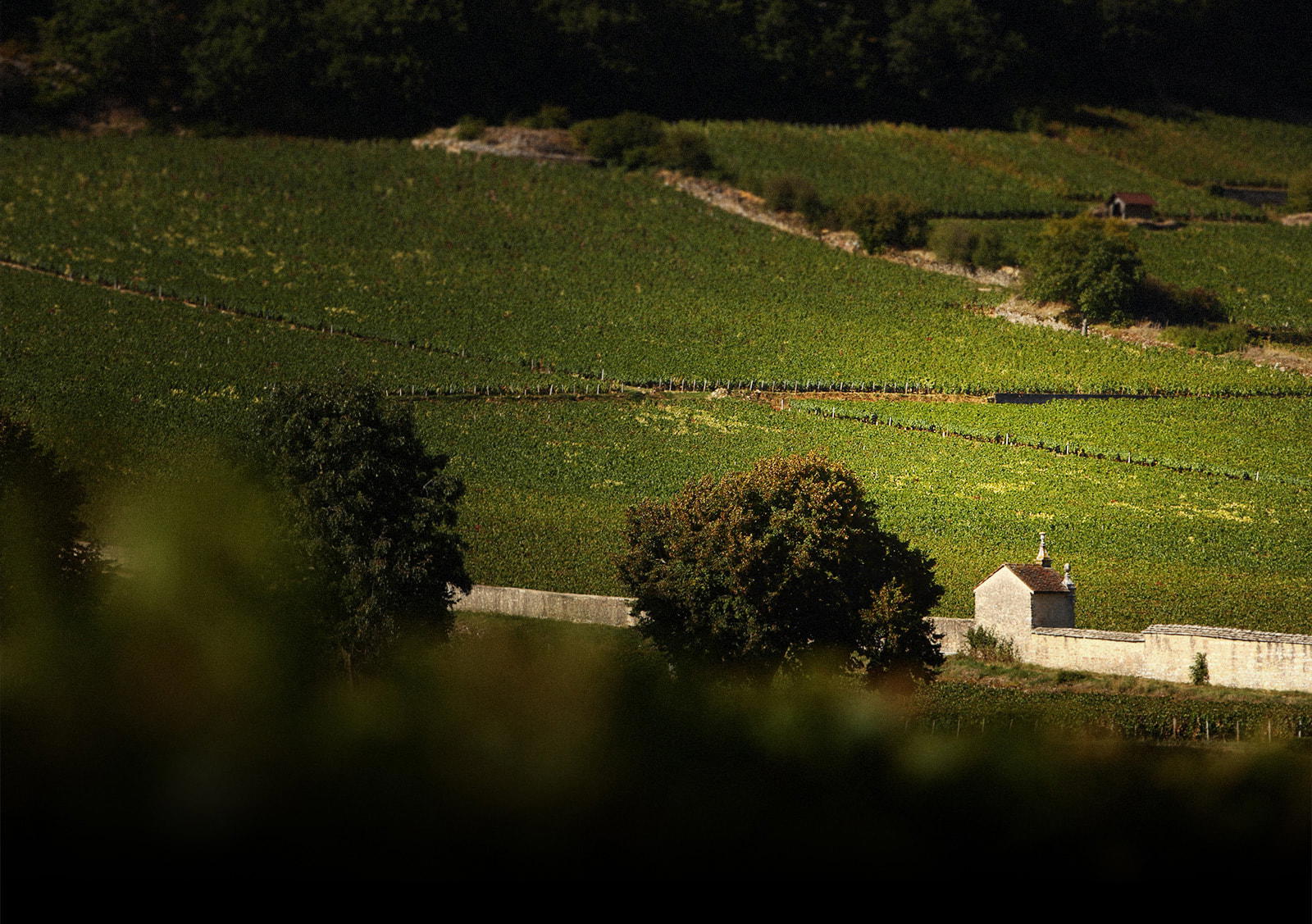
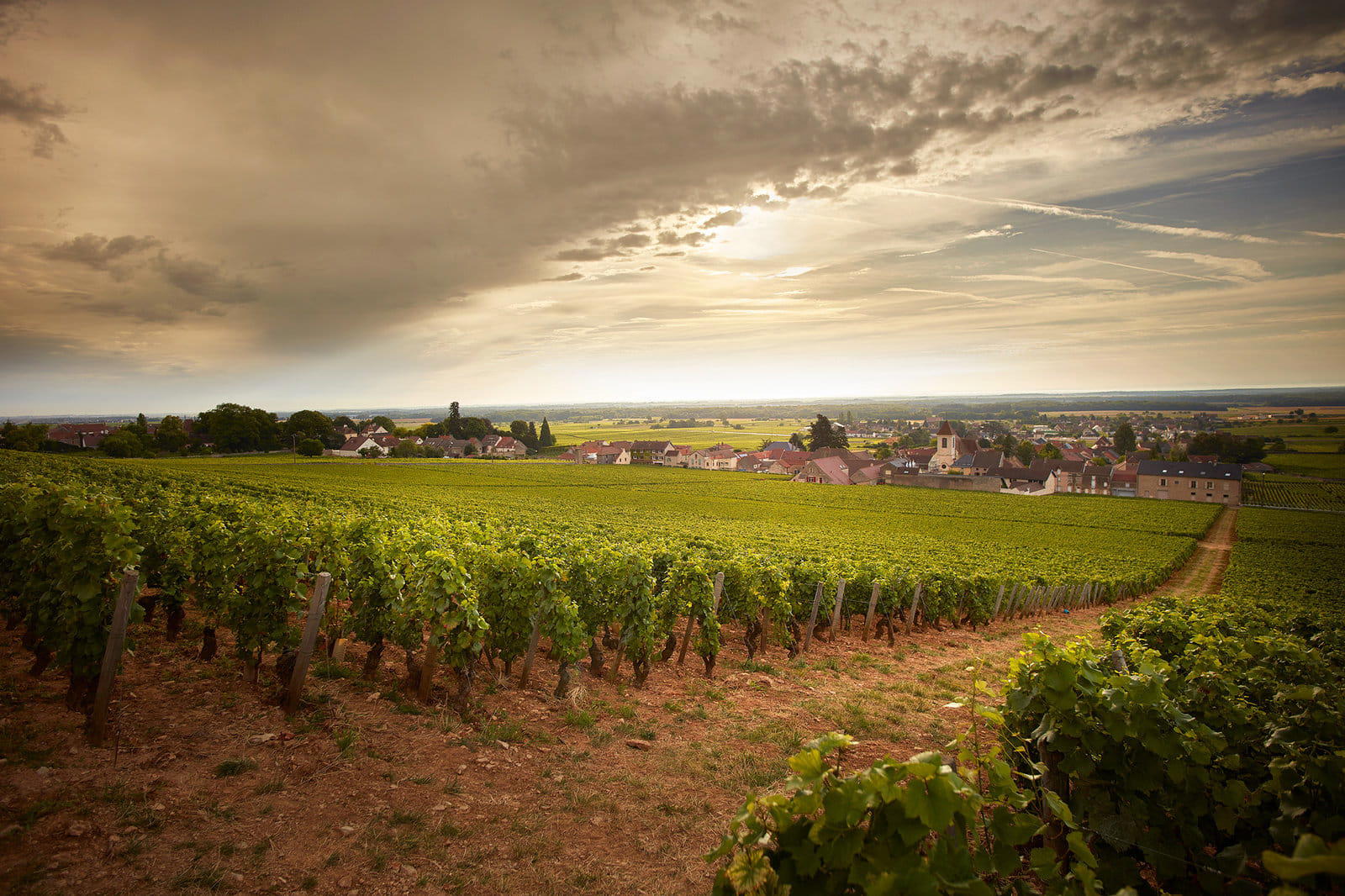
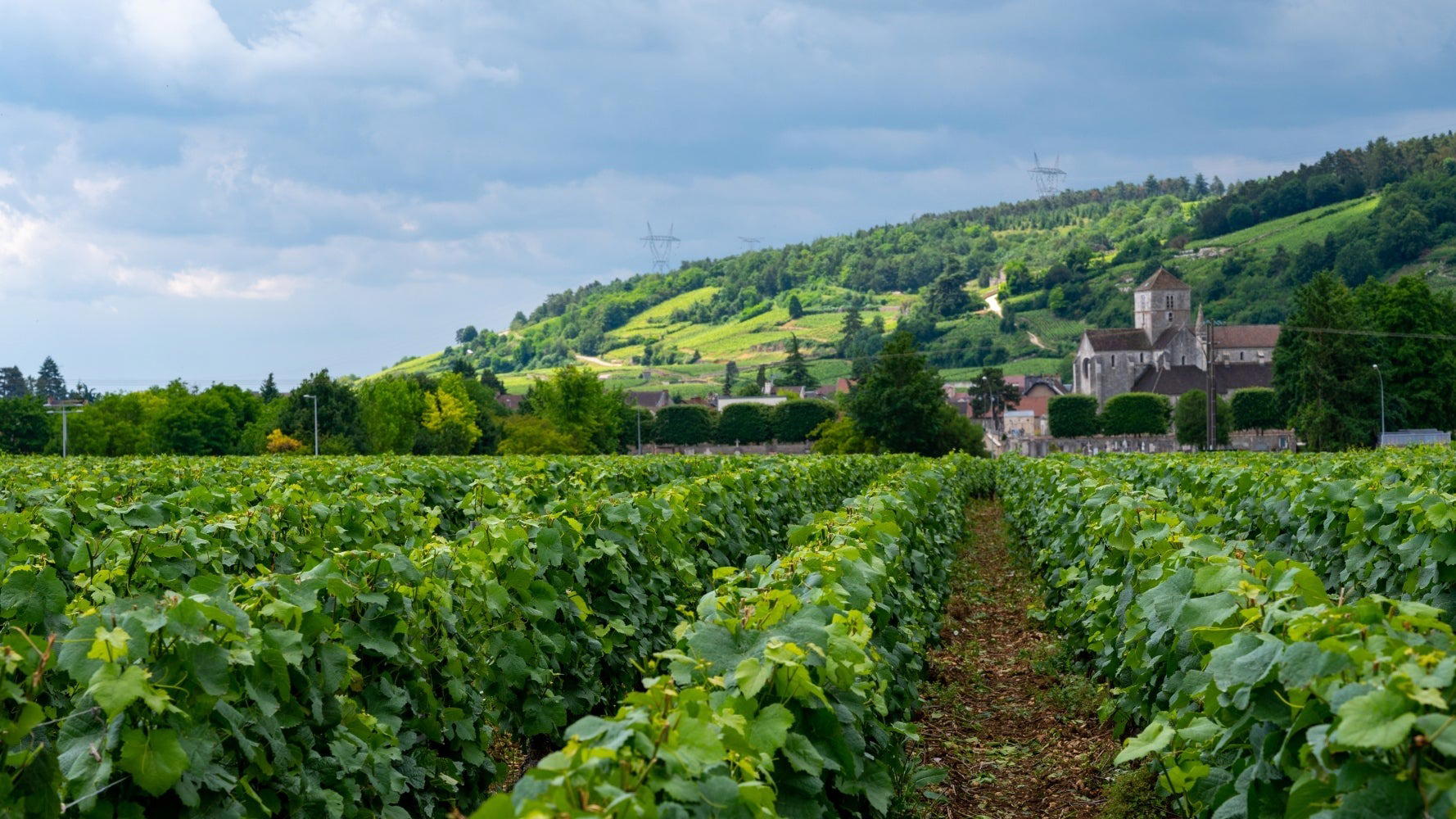
To understand any serious table in Dijon, you have to start with geography. The city sits at the northern edge of one of France's most productive agricultural corridors. Within an hour's drive: the vineyards of the Côte de Nuits producing Gevrey-Chambertin and Nuits-Saint-Georges; the mustard fields that supply Maille and a dozen smaller producers; dairies in the Auxois making Époisses and Soumaintrain; cattle from the Charolais and Morvan regions; and the rivers and forests that yield the crayfish, frogs, and game that define Burgundian cookery at its most classical. A kitchen in Dijon that does not draw on this geography is working against its own location.
The leading rooms in Burgundy treat this supply chain as both constraint and privilege. Constraint because the seasons are real here, there is no pretending that something is available when the region has not produced it yet. Privilege because the depth of what Burgundy offers, across protein, dairy, fungi, and wine, is among the more complete of any single French region. Houses like Bras in Laguiole and Auberge de l'Ill in Illhaeusern have long demonstrated how rooting a menu in regional agriculture produces cooking that could not exist anywhere else. Dijon's better neighbourhood tables operate on a smaller version of that same logic.
The Neighbourhood Table in French Culinary Life
France has a long tradition of the bistrot du quartier that takes its food seriously without performing seriousness. These are not the self-consciously casual neo-bistros of Paris's 10th arrondissement, nor the Michelin-adjacent rooms that adopt bistro vocabulary while charging fine-dining prices. The genuine article is rarer: a room where the menu changes to reflect what the market offered that morning, where the wine list skews local and the staff know the regulars by name. Dijon has several candidates in this category alongside Akatsuki, which approaches the neighbourhood format from a different culinary tradition.
The French provinces have consistently produced this format more faithfully than Paris, in part because the supply chains are shorter and the cultural pressure to be cosmopolitan is lower. A kitchen at Place Barbe has immediate access to Burgundy's markets in a way that a room in the 8th arrondissement simply does not, regardless of what that room's logistics department arranges. That proximity is an editorial advantage for any chef willing to use it, and it is the primary reason why Dijon's mid-tier and neighbourhood tables often outperform their equivalents in larger cities on the specificity of what arrives on the plate.
Where Le Coin Caché Sits in Dijon's Dining Tier
Dijon's restaurant spread is more stratified than casual visitors tend to expect. At the leading, rooms with Michelin recognition and multi-course tasting formats compete with peers across France, Assiette Champenoise in Reims and Au Crocodile in Strasbourg occupy a comparable tier in their respective cities. Below that sits a growing cohort of prix-fixe or à la carte rooms in the €€-€€€ band, doing careful, market-led cooking without the ceremony of a tasting menu. The restaurant, based on its address and positioning, belongs in or adjacent to this second tier, closer in spirit to the neighbourhood end of that range than to the destination-dining end.
For context, Dijon's highest-end bracket includes William Frachot and Origine at €€€€, while L'Aspérule operates in the €€€ band. The restaurant sits outside that pricing structure, which positions it as the kind of table you return to mid-week rather than reserve three months ahead for a special occasion. That is not a lesser role, it is simply a different one, and often a more useful one for the traveller spending more than a single night in the city.
Planning a Visit
The restaurant is at 2 Place Barbe, 21000 Dijon, central enough to reach on foot from the Palais des Ducs, the city's main architectural anchor. Dijon itself is well-positioned for rail travel: TGV services from Paris Gare de Lyon cover the journey in around 1 hour 40 minutes, making the city a plausible day trip, though the serious visitor will stay at least two nights to cover both the old city's tables and a drive south along the Côte de Nuits.
Those using Dijon as a base for broader Burgundy exploration will find the regional restaurant scene extends well beyond the city itself. France's most ambitious cooking, at rooms like Mirazur in Menton, Flocons de Sel in Megève, and Troisgros in Ouches, sets a benchmark against which Dijon's own offer should be measured. On the ingredient-sourcing dimension specifically, the Burgundy supply chain gives even a modest address at Place Barbe raw material advantages that most rooms at comparable price points outside France cannot replicate.
At-a-Glance Comparison
Comparable venues nearby, for context on price, style, and recognition.
| Venue | Cuisine | Price | Awards | Notes |
|---|---|---|---|---|
| Le Coin CachéThis venue — the venue you are viewing | French Bistronomique | $$$ | Not listed | Not listed |
| The Garden of the bells | Modern French Bourgogne | $$$ | Not listed | Place Darcy |
| L'AbenFant | Modern French Locavore Bistro | $$$ | Not listed | old Dijon |
| L'Arôme | Modern French-Japanese Fusion | $$$ | Michelin Plate | Centre-ville |
| Chez Léon | Traditional Burgundian Bistro | $$ | Not listed | Historic Centre of Dijon, near Halles |
| Le Piano Qui Fume | Traditional French Bistro | $$$ | Not listed | centre historique |
Continue exploring
More in Dijon
Restaurants in Dijon
Browse all →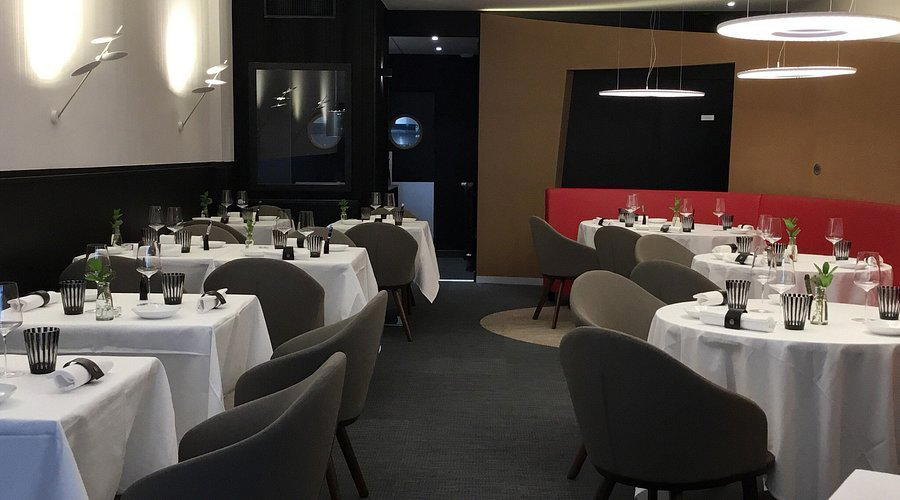
Bars in Dijon
Browse all →
Hotels in Dijon
Browse all →
At a Glance
- Cozy
- Elegant
- Intimate
- Date Night
- Special Occasion
- Terrace
- Extensive Wine List
- Local Sourcing
Current opening hours
- Monday
- 12–2 PM, 7:30–10 PM
- Tuesday
- 12–2 PM, 7:30–10 PM
- Wednesday
- 12–2 PM, 7:30–10 PM
- Thursday
- 12–2 PM, 7:30–10 PM
- Friday
- 12–2 PM, 7:30–10 PM
- Saturday
- Closed
- Sunday
- Closed
Hours can change for holidays and private events. Last verified .
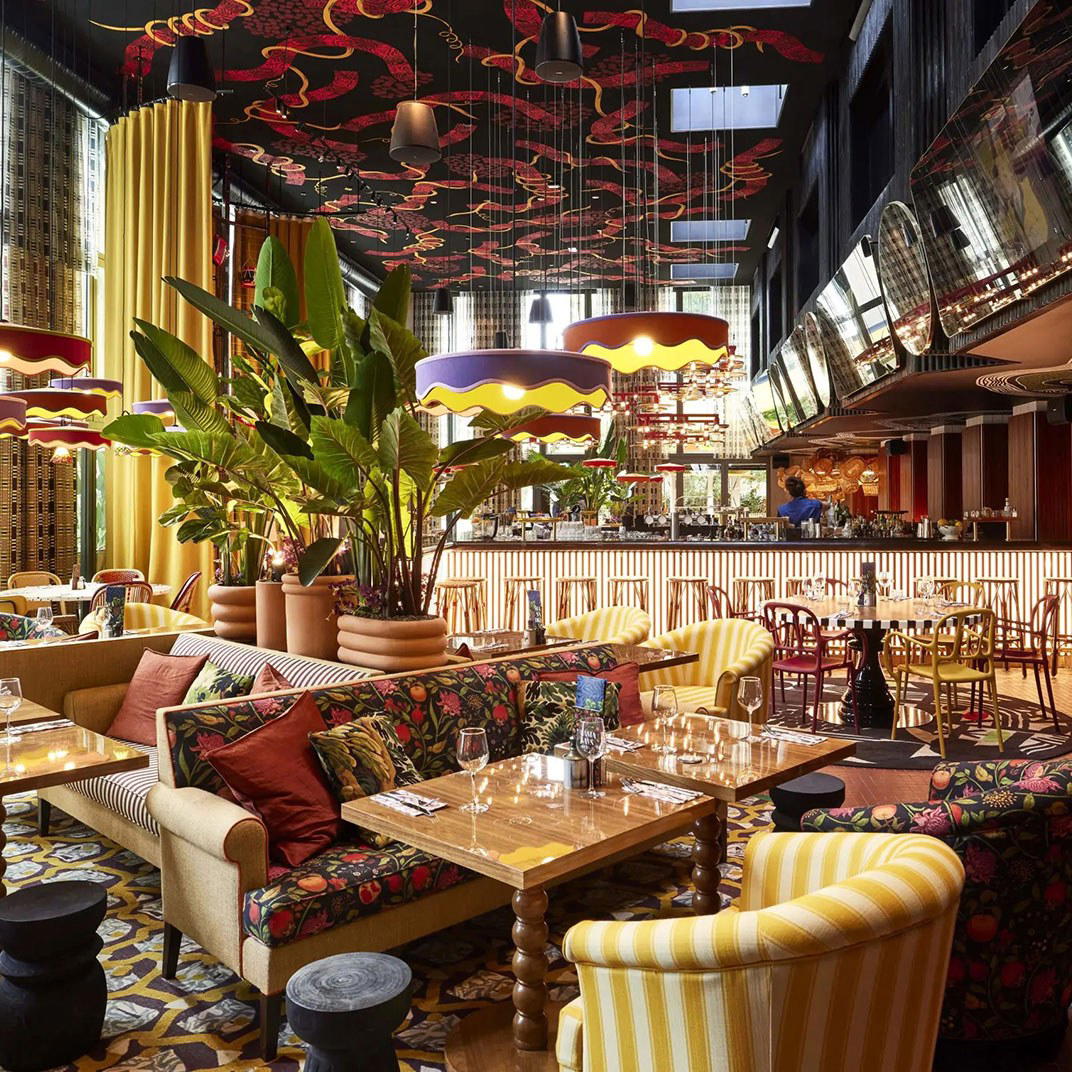
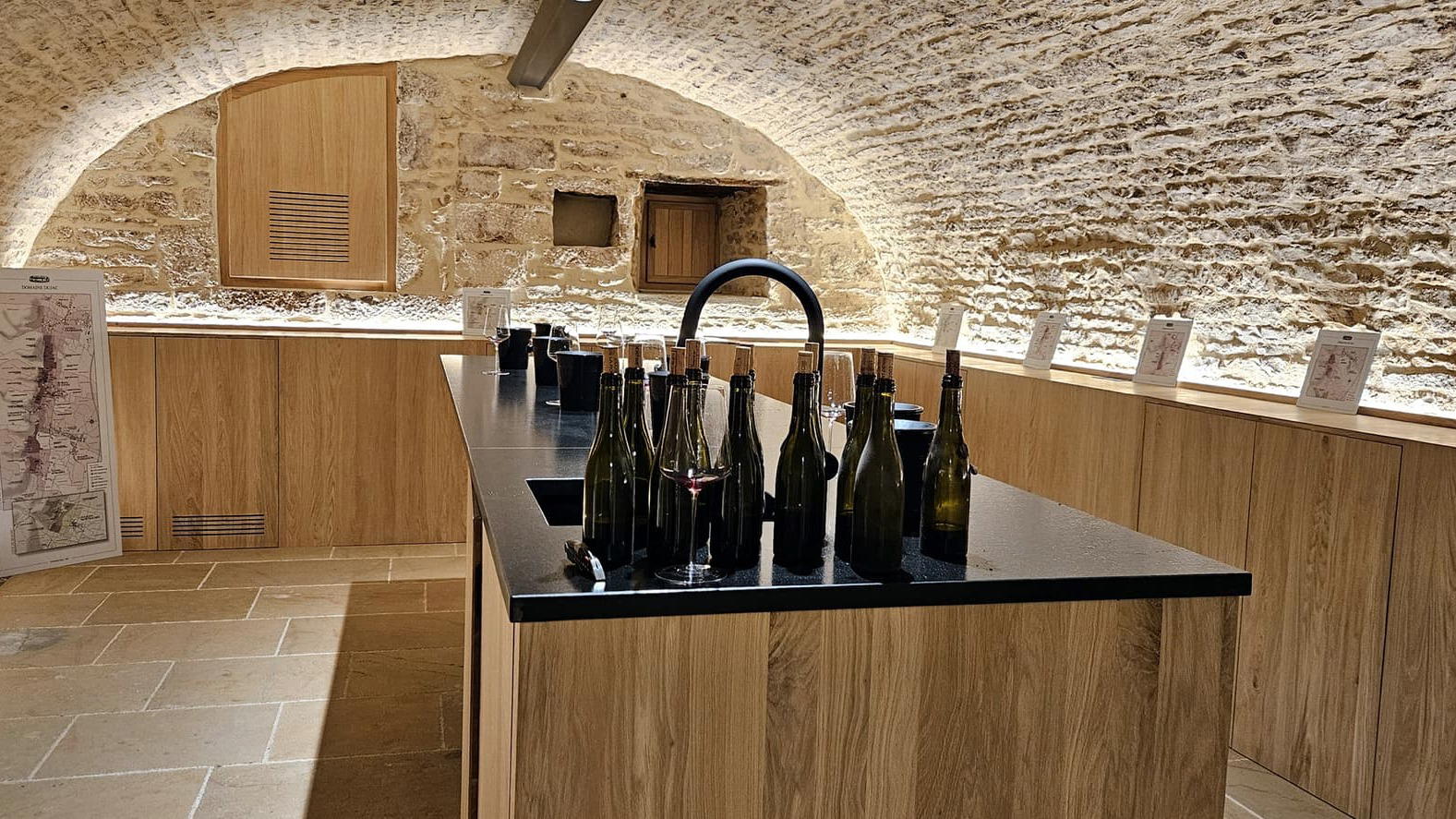
Warm and convivial atmosphere in a small 30-seat room with elegant red walls and modern furniture, enhanced by friendly attentive service.