
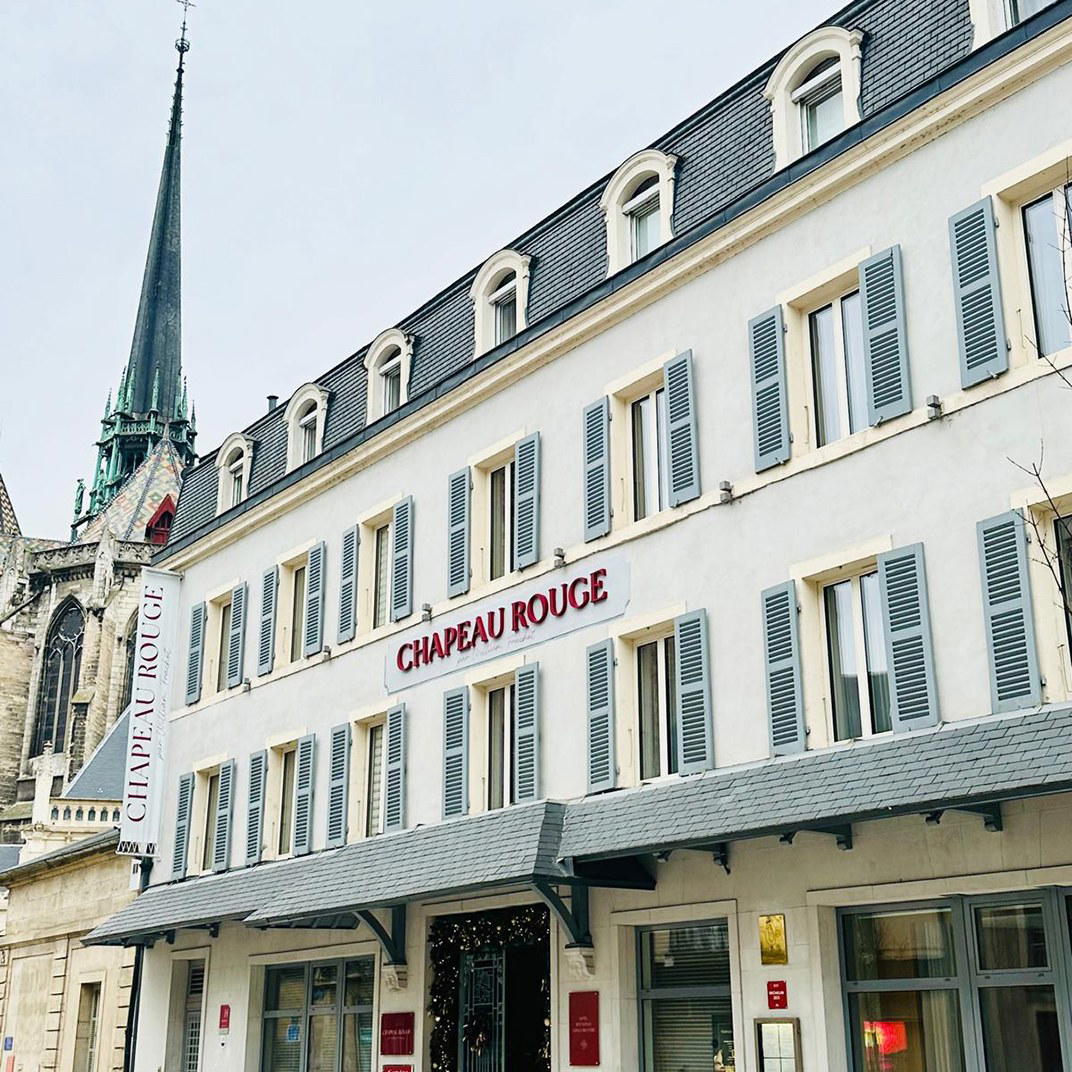
Place Darcy sits at the civic heart of Dijon, and The Garden of the Bells occupies that address with the quiet confidence of a venue that relies on repeat custom rather than passing trade. Located steps from the central square, it draws a loyal local clientele who return for something consistent rather than spectacular, the kind of dependable, address-specific dining that anchors a neighbourhood without announcing itself.
Pearl is the En Primeur Club membership app — saves, bookings, and concierge access live there. Same editors, same standards.
- Address
- 14 Pl. Darcy, 21000 Dijon, France
- Phone
- +33380301232
- Website
- hotel-lacloche.fr
- Directions
- Get directions
 Saves & bookings on Pearl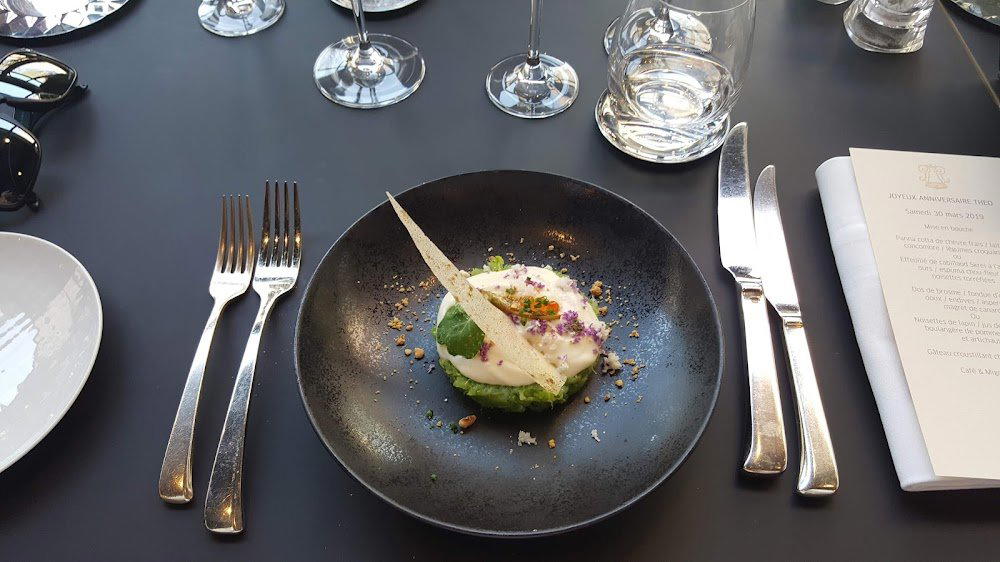
A Square, a Address, and the Crowd That Keeps Coming Back
Place Darcy is not a tourist accident. The square anchors the northern approach to Dijon's old city, funnelling both visitors and residents through a junction that has served as a civic gathering point for centuries. A venue at number 14, The Garden of the Bells, sits within that foot-traffic logic, yet the crowd inside skews notably local. In Dijon, where the dining scene runs from the traditional bistro tier up to two Michelin-starred operations like William Frachot, the venues that survive on regulars rather than walk-in curiosity tend to occupy a specific middle register: familiar enough to return to without occasion, considered enough to matter.
That is the social position The Garden of the Bells appears to hold. Its address on Place Darcy places it in immediate proximity to the city's main pedestrian axis, but the regulars who anchor its trade are not people passing through, they are people who have worked out what this place does and return for precisely that. In a city with a strong culinary identity rooted in Burgundian tradition, that kind of repeat loyalty is not incidental. It is earned.
What Dijon's Dining Scene Looks Like From the Inside
Dijon's restaurant culture organises itself across a wider range than the city's compact footprint might suggest. At the creative end, Origine and L'Aspérule represent modern cuisine with serious technique, while Loiseau des Ducs carries the Bernard Loiseau legacy with a formal tasting format. Below that tier, a cluster of neighbourhood addresses handle the daily trade of a city that takes eating seriously but does not treat every meal as an event. The Garden of the Bells sits within that broader Dijon context, a city that has contributed meaningfully to French gastronomy and whose residents expect a certain baseline from even casual dining.
That baseline matters when considering what draws regulars back. Across French provincial cities, the venues that build a loyal clientele tend to share certain characteristics: a kitchen that understands its own register and does not overreach, a front-of-house rhythm that recognises faces, and a menu logic that allows for reliable choices without making every visit feel identical. The unwritten menu, the thing regulars know to order that never appears in the printed version, is often the clearest signal of a venue that has achieved real local integration.
The Regulars' Case and What It Implies
In cities like Dijon, where dining culture is as much civic ritual as gastronomy, the regulars at any given address form a kind of distributed quality signal. They have eaten widely, they know the alternatives, including the broader French fine dining circuit that runs from Mirazur in Menton to Troisgros in Ouches, and they have chosen to return. That choice, made repeatedly, is more informative than most published assessments.
The restaurant draws that kind of returning crowd to Place Darcy. Surviving in that environment on repeat business requires delivering something consistent and specific, not simply being convenient.
France's broader fine dining geography, which includes operations as far-reaching as Alléno Paris au Pavillon Ledoyen, Flocons de Sel in Megève, and the long-standing institutions like Auberge de l'Ill in Illhaeusern and Bras in Laguiole, sets a demanding comparative frame for any address in a city with Dijon's reputation. Regional venues are not evaluated in isolation; they are measured against a national standard that also encompasses Paul Bocuse in Collonges-au-Mont-d'Or, Assiette Champenoise in Reims, and the Alsatian tradition represented by Au Crocodile in Strasbourg.
Planning a Visit: What to Know in Advance
The restaurant is located at 14 Place Darcy, 21000 Dijon, a central address. For those arriving from further afield, Dijon is served by TGV from Paris Gare de Lyon in approximately 1 hour 35 minutes, which makes it a realistic day-trip or short-stay destination for dining-focused travel.
Booking is recommended, and the dress code is smart casual. Dijon's high season runs from late spring through early autumn, when the city's market culture, wine-region proximity, and festival calendar drive significant visitor numbers, and when central addresses operate at their fullest.
Cuisine Lens
Comparable venues nearby, for context on price, style, and recognition.
| Venue | Cuisine | Price | Awards | Notes |
|---|---|---|---|---|
| The Garden of the bellsThis venue — the venue you are viewing | Modern French Bourgogne | $$$ | Not listed | Not listed |
| Dr Wine | Burgundian Wine Bar with Small Plates | $$$ | Not listed | city centre |
| L'AbenFant | Modern French Locavore Bistro | $$$ | Not listed | old Dijon |
| Saison | Modern French-Italian | $$$ | Michelin Plate | Antiquaires |
| Le Piano Qui Fume | Traditional French Bistro | $$$ | Not listed | centre historique |
| The Little Italy Shop | Authentic Italian Pizza and Pasta | $$ | Not listed | :null |
Recognition history
Dated appearances from independent guides and award organizations, with the underlying list record or original source where available.
Michelin Plate
Michelin
Michelin Plate
Michelin
Continue exploring
More in Dijon
Restaurants in Dijon
Browse all →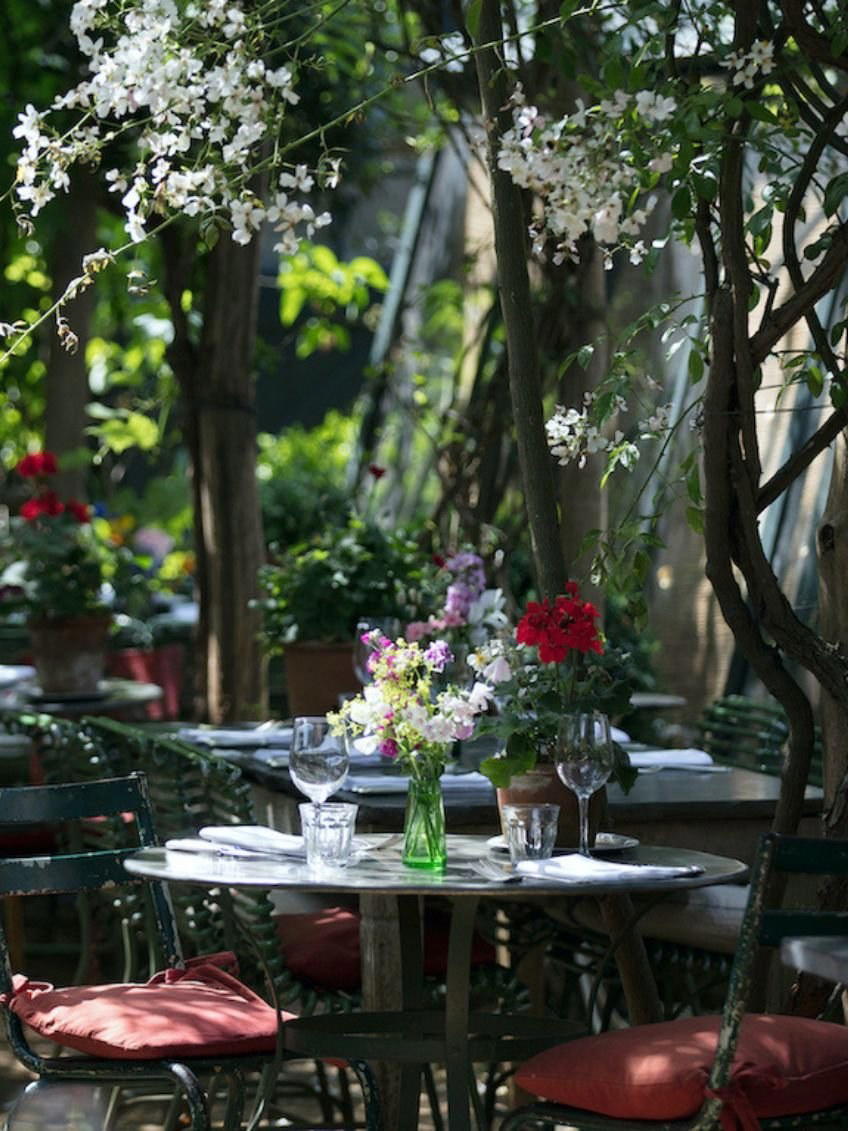
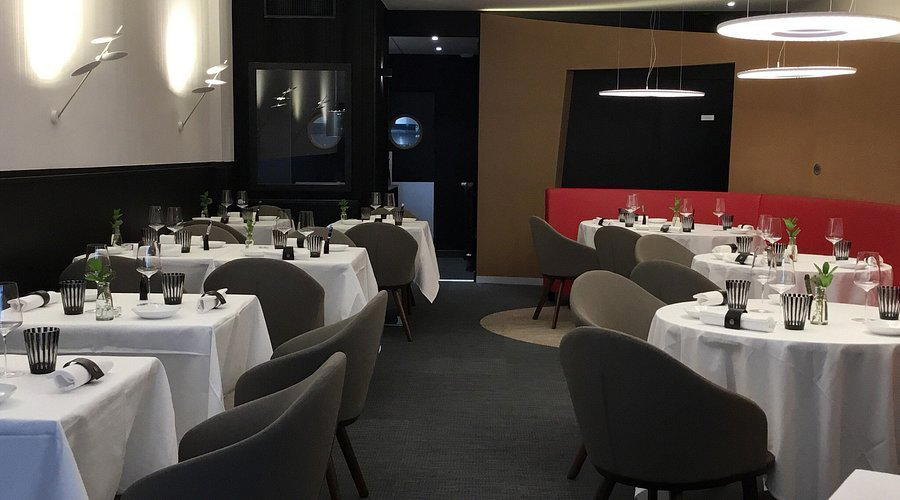
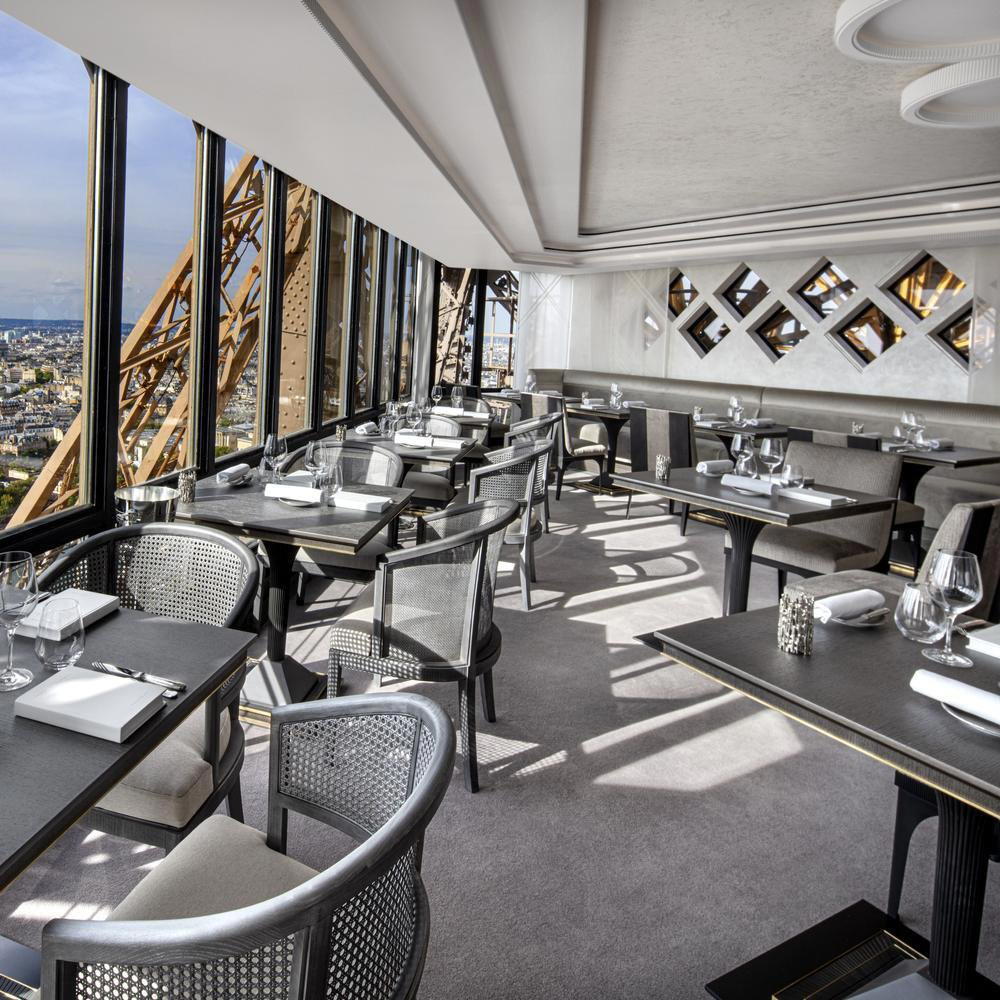
Bars in Dijon
Browse all →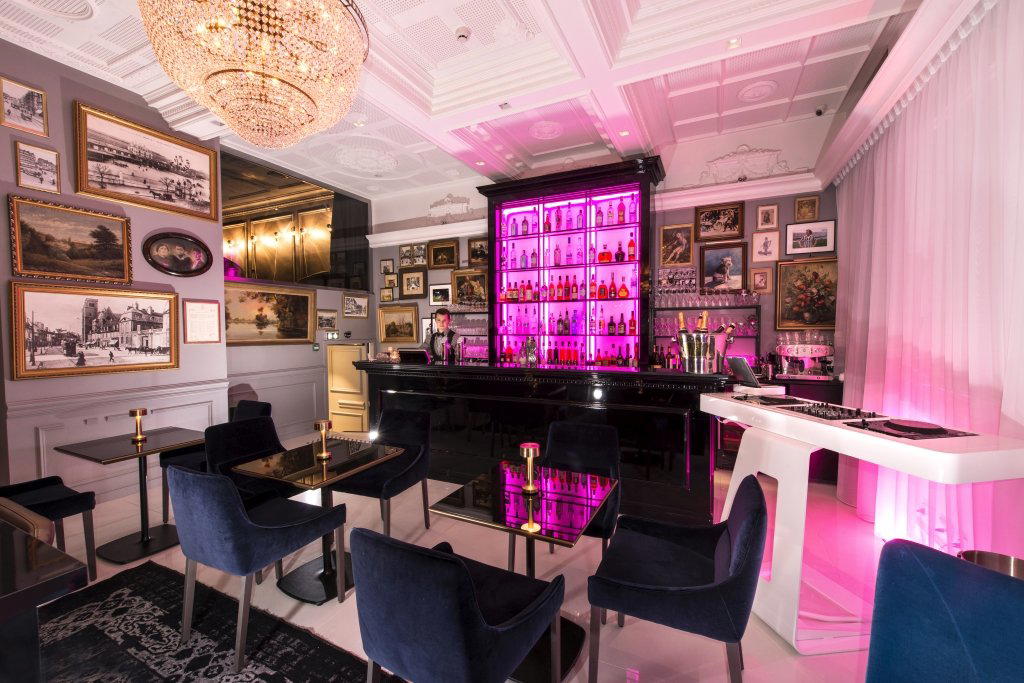
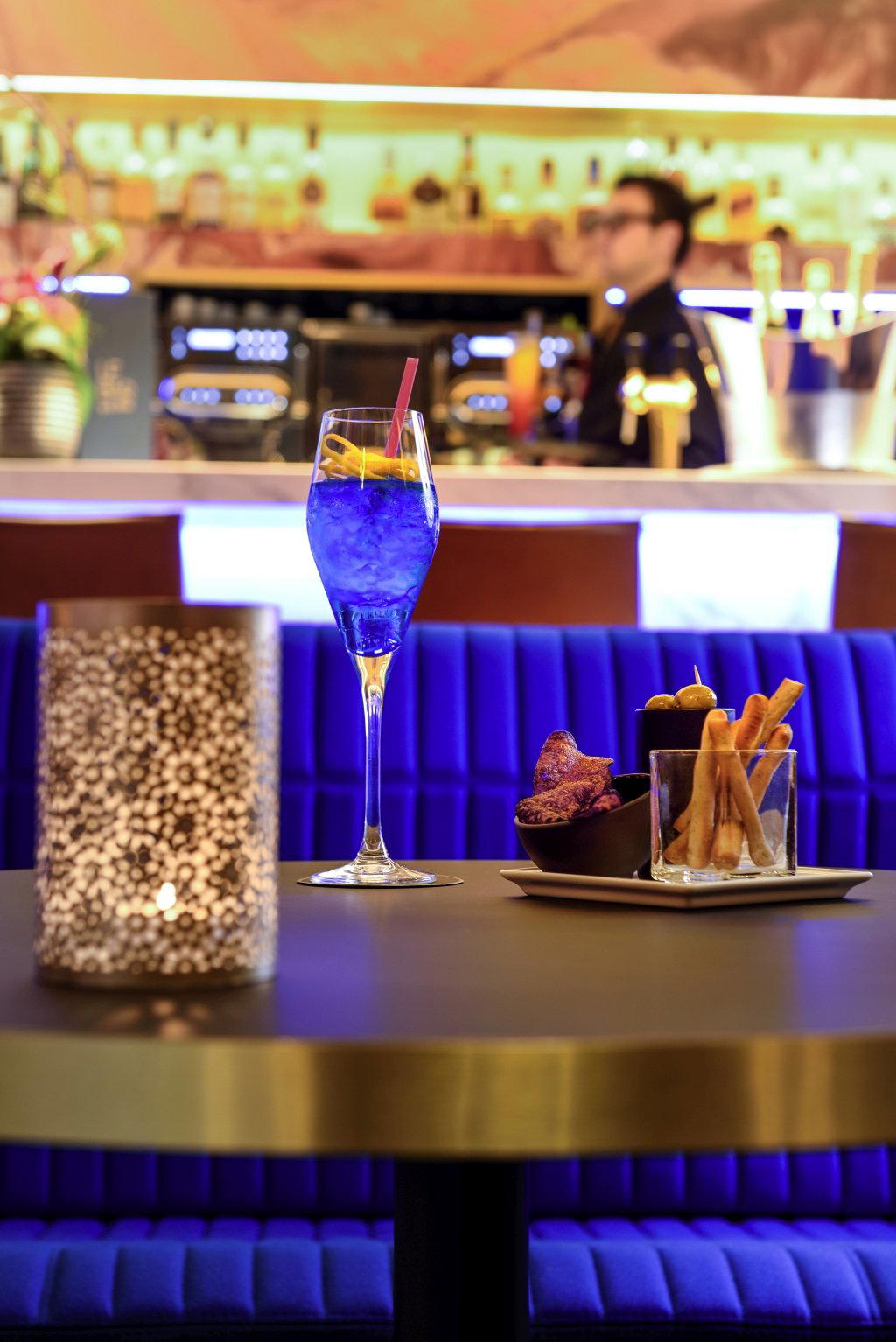
Hotels in Dijon
Browse all →
At a Glance
- Elegant
- Scenic
- Cozy
- Date Night
- Special Occasion
- Garden
- Extensive Wine List
- Local Sourcing
- Garden
Current opening hours
- Monday
- 12–2 PM, 7–10 PM
- Tuesday
- 12–2 PM, 7–10 PM
- Wednesday
- 12–2 PM, 7–10 PM
- Thursday
- 12–2 PM, 7–10 PM
- Friday
- 12–2 PM, 7–10 PM
- Saturday
- 12–2 PM, 7–10 PM
- Sunday
- 12–2 PM, 7–10 PM
Hours can change for holidays and private events. Last verified .
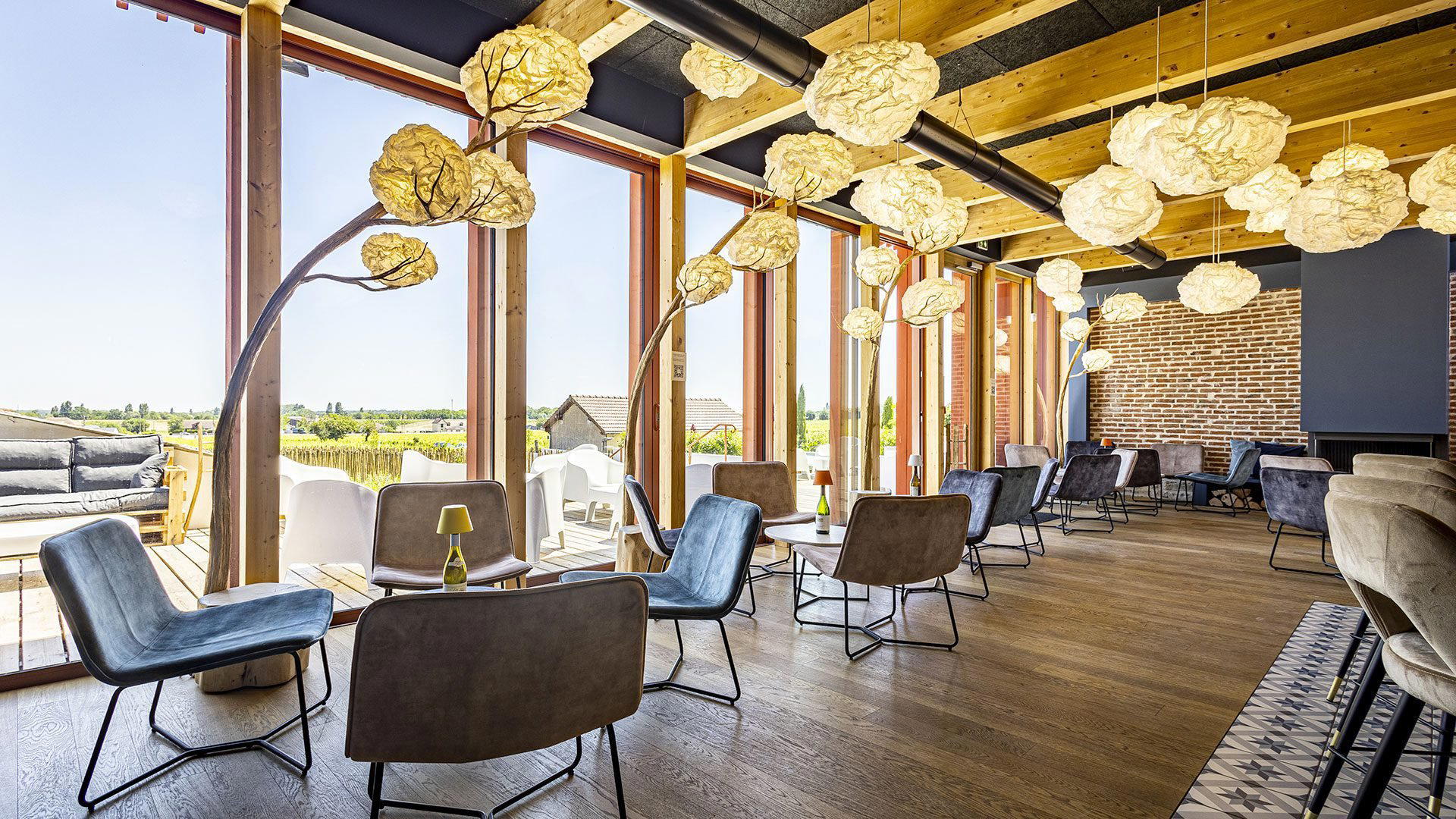
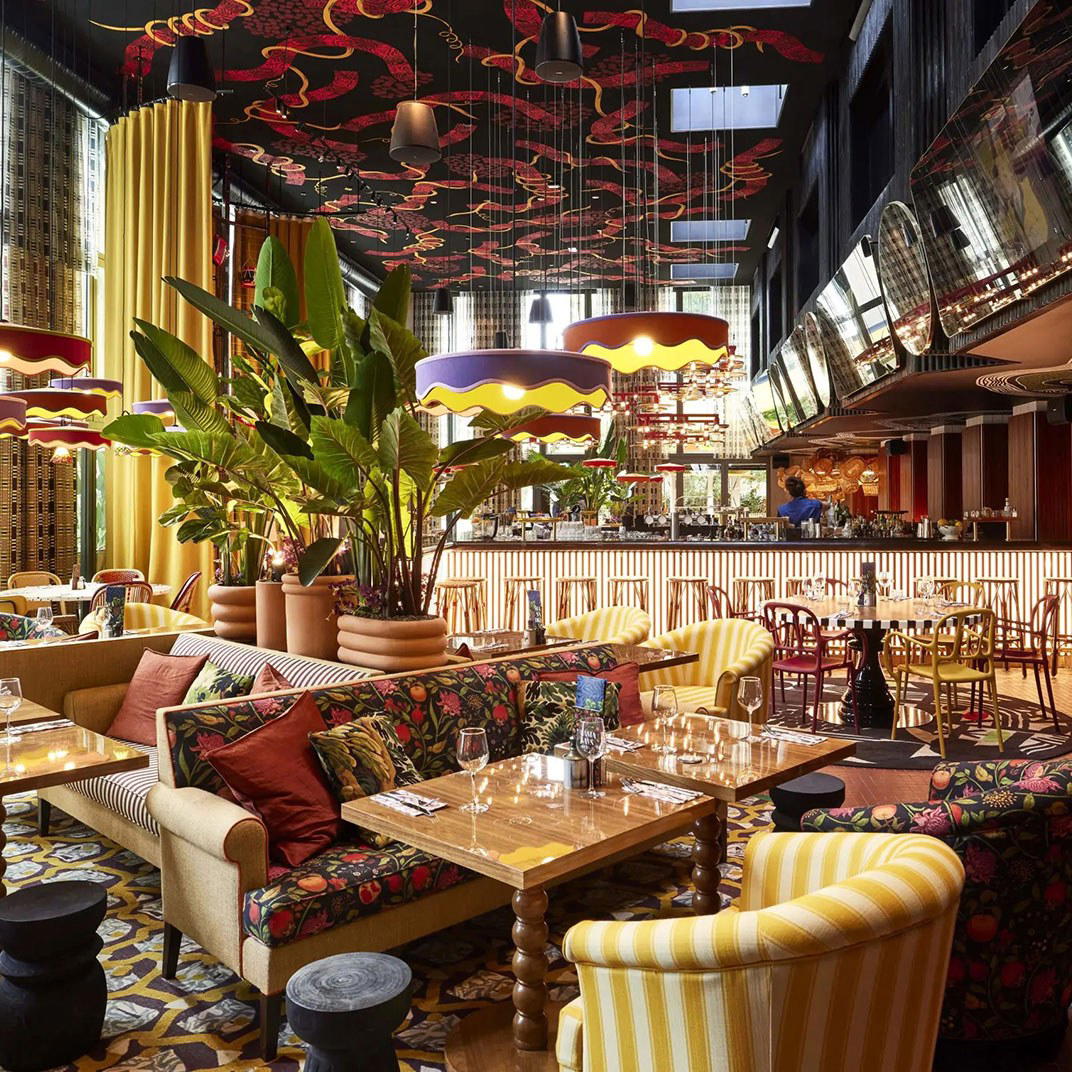
Serene and picturesque atmosphere under a glass roof with views of the lush inner courtyard, offering a quiet and elegant dining experience.