Wax
Our verdict
Wax occupies a quiet address in Pétange, the industrial-heritage town in Luxembourg's southwestern corner near the Belgian and French borders. The restaurant sits in a part of the Grand Duchy where cross-border culinary influences are a practical reality rather than a marketing device, and where sourcing decisions reflect that three-country geography directly on the plate.

Pearl is the En Primeur Club membership app — saves, bookings, and concierge access live there. Same editors, same standards.
- Address
- 2 Rue d'Athus, 4710 Linger Pétange, Luxembourg
- Phone
- +35226502641
- Hours
- Mon–Tue ClosedWed–Sat 12–2 PM, 7–10 PMSun 12–2 PM
- Website
- waxrestaurant.lu
- Directions
- Get directions
Where Three Borders Shape What Arrives on the Plate
Luxembourg's southwestern corner operates differently from the capital's polished dining circuit. Pétange sits at the junction of the Belgian, French, and Luxembourgish borders — a geography that has long defined how the region eats. Lorraine's produce traditions, the Ardennes' farming culture, and Luxembourg's own small-scale agriculture converge here in a way that doesn't happen in the same concentrated form anywhere else in the Grand Duchy. Restaurants working in this triangle have access to a supplier network that crosses national lines as a matter of routine, not as a statement of intent. Wax, at 2 Rue d'Athus in the Linger quarter of Pétange, operates inside that context.
The address itself is informative. Rue d'Athus points toward the Belgian town of Athus, a few kilometres west, where the steel industry once defined the entire region's identity. That industrial past has left Pétange with a particular civic character — less manicured than the Moselle valley villages, less transient than Luxembourg City's financial district, more anchored in the day-to-day life of people who live and work in the southwest. Dining here operates on different terms than at the capital's showcase addresses, and the sourcing logic that follows from the town's position tends to be driven by proximity and relationship rather than prestige.
Cross-Border Sourcing as a Structural Condition
In most European dining regions, ingredient sourcing from across national borders carries a kind of novelty premium, the Italian truffle, the Spanish ibérico, the Breton lobster flown in to signal reach. In Pétange's case, cross-border sourcing is simply how the local food economy functions. Belgian Ardennes producers, French Lorraine farms, and Luxembourgish market gardens are all within practical delivery range. This creates a supply environment closer to what a French regional city would experience than what the capital of a small nation typically offers: genuine agricultural plurality within a short radius.
For context, compare the sourcing position here to what restaurants further east in Luxembourg work with. Along the Moselle, kitchens lean on the valley's wine culture and the produce rhythms that go with it. In the Mullerthal, game and forest produce dominate the seasonal logic. In Luxembourg City, chefs at addresses like Léa Linster in Luxembourg operate at a price point and profile where sourcing is a deliberate curation exercise. The southwest works differently, the sourcing diversity is structural, built into the geography, and available to kitchens that choose to use it.
The Pétange Dining Scene in Its Regional Frame
Pétange doesn't appear prominently in international dining coverage, which reflects its position as a working town rather than a destination address. That relative absence from the editorial circuit means kitchens here are not calibrated to impress visiting critics; they are calibrated to serve a local population with specific expectations. This is not a disadvantage. Restaurants that depend on repeat local custom, rather than tourist turnover or expense-account spending, tend to develop a different kind of consistency.
The southwest Luxembourg dining scene sits in the same regional orbit as a cluster of independent restaurants working outside the capital's concentration. Kore in Steinfort and Beim Bertchen in Wahlhausen both operate in similarly sized communities in the western part of the Grand Duchy, where local character and accessible pricing define the offer more than formal recognition. Further afield, La table du curé in Lasauvage represents another corner of the same industrial-heritage southwest, where the dining culture carries traces of the region's French and Belgian affinities.
For those mapping Luxembourg's wider dining geography, the contrast with the Moselle corridor is worth noting. Domaine La Forêt in Remich and Le Bistrot Gourmand in Remerschen sit in a wine-focused landscape where the menu logic is shaped by pairing culture. The southwest has no equivalent anchoring tradition, its restaurants draw on a more eclectic regional larder, which gives kitchens like Wax a different kind of flexibility.
Planning a Visit
Pétange is accessible by rail from Luxembourg City on the southern line, with journey times that make it a practical day or evening trip rather than an overnight destination. The Linger quarter, where Wax is located, sits close to the town centre. Given the limited publicly available information about Wax's current hours, booking format, and pricing, contacting the venue directly before visiting is the practical approach, details that were not verifiable at time of publication are not reproduced here. For a broader view of what the area offers across price points and cuisine types, our full Pétange restaurants guide covers the current scene with more granularity.
Readers building a wider southwest Luxembourg itinerary might also consider Beim Schlass in Wiltz to the north, or, for a cross-border dimension, the French and Belgian options that are genuinely within easy driving range of Pétange, a reminder that the three-border geography which shapes ingredient supply here also shapes how locals think about where to eat on any given evening. Those interested in comparing the southwest experience to Luxembourg's higher-profile dining circuit can reference Côté cour in Bourglinster, B13 in Bertrange, or Beefbar Smets in Strassen for a sense of what the capital's western suburbs offer at a different price register. Further afield in Luxembourg's dining geography, Les Roses in Mondorf Les Bains, Laotse in Moutfort, Victoria vum Berdorfer Eck in Berdorf, Bo Zai Fan in Letzebuerg, and Der Napf in Wilwerdange each represent distinct regional positions within the Grand Duchy's dining spread. For an international reference point on what serious sourcing discipline looks like at the highest level, Le Bernardin in New York City and Atomix in New York City illustrate how ingredient provenance functions as a primary editorial argument in two-Michelin-star contexts.
Frequently asked questions
Is Wax child-friendly?
No specific family policy is documented for Wax. Pétange itself is a working town with a local rather than destination dining culture, which often translates to a relaxed, unpretentious atmosphere. Contacting the venue directly before visiting with children is the most reliable approach.
Is Wax better for a quiet night or a lively one?
Wax sits on Rue d'Athus in Linger Pétange, away from Luxembourg City's busier dining circuit. The town's character leans toward neighbourhood regulars rather than large tourist groups, which typically produces a lower-key atmosphere.
What makes Wax in Pétange different from restaurants in Luxembourg City?
Wax operates in Pétange at the tripoint where Luxembourg, Belgium, and France meet — a geographic position that no Luxembourg City address shares. That proximity to three national borders shapes the sourcing conditions and local dining culture in ways the capital's more polished circuit does not replicate. It is a working-town venue rather than a destination-circuit stop, which places it in a distinct category within Luxembourg's dining geography.
What dish is Wax famous for?
The venue's position at the convergence of Luxembourg, Belgian, and French borders means the surrounding region draws on three distinct culinary traditions, but specific menu details have not been published.
Where do I go for Wax?
Wax is located at 2 Rue d'Athus, 4710 Linger Pétange, Luxembourg, Petange.
Is Wax reservation-only?
Given its location in Pétange — a smaller southwest Luxembourg town rather than a high-traffic capital address — walk-ins may be feasible, but confirming directly before arriving is advisable.
How It Stacks Up
Comparable venues nearby, for context on price, style, and recognition.
| Venue | Cuisine | Price | Notes |
|---|---|---|---|
| WaxThis venue — the venue you are viewing | French Fine Dining & Comfort Food | Not listed | Not listed |
| Le Quai Steffen | French-European Brasserie and Rotisserie | $20–30 | Gare |
| Victoria vum Berdorfer Eck | French Farm-to-Table Bistro | Not listed | Berdorf |
| Le Bistrot Gourmand | French-Luxembourgish Bistro | $30–50 | Remerschen |
| Big Fernand | French Hamburgers | $20–30 | Gasperich |
| Bellamy | French Fusion Gastro-Tapas | $50–100 | Ville Haute |
Continue exploring
More in Petange
Restaurants in Petange
Browse all →
Bars in Petange
Browse all →
Hotels in Petange
Browse all →
Details
- Modern
- Cozy
- Elegant
- Date Night
- Special Occasion
- Private Dining
- Extensive Wine List
- A La Carte
- Vegetarian Friendly
Current opening hours
- Monday
- Closed
- Tuesday
- Closed
- Wednesday
- 12–2 PM, 7–10 PM
- Thursday
- 12–2 PM, 7–10 PM
- Friday
- 12–2 PM, 7–10 PM
- Saturday
- 12–2 PM, 7–10 PM
- Sunday
- 12–2 PM
Hours can change for holidays and private events. Last verified .
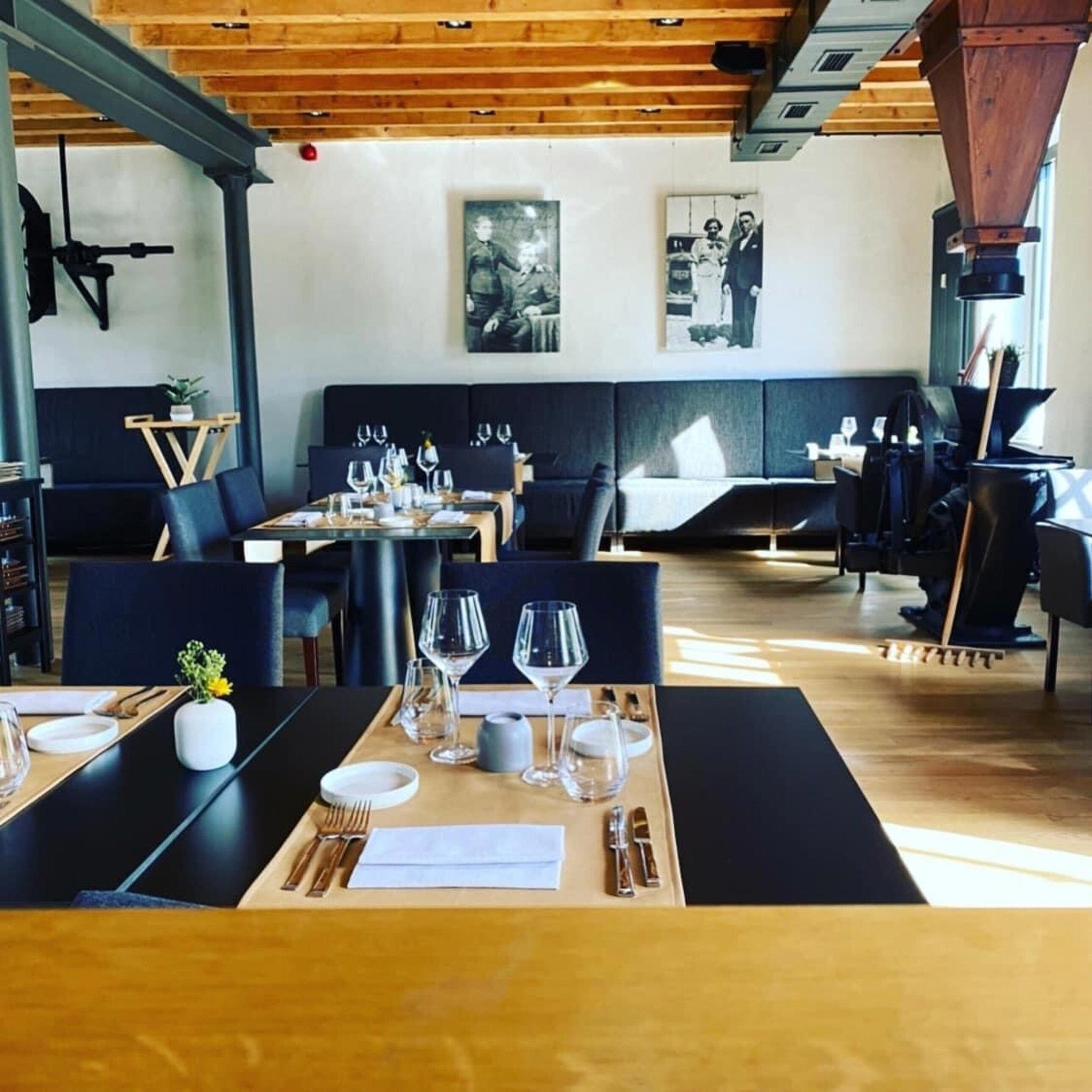
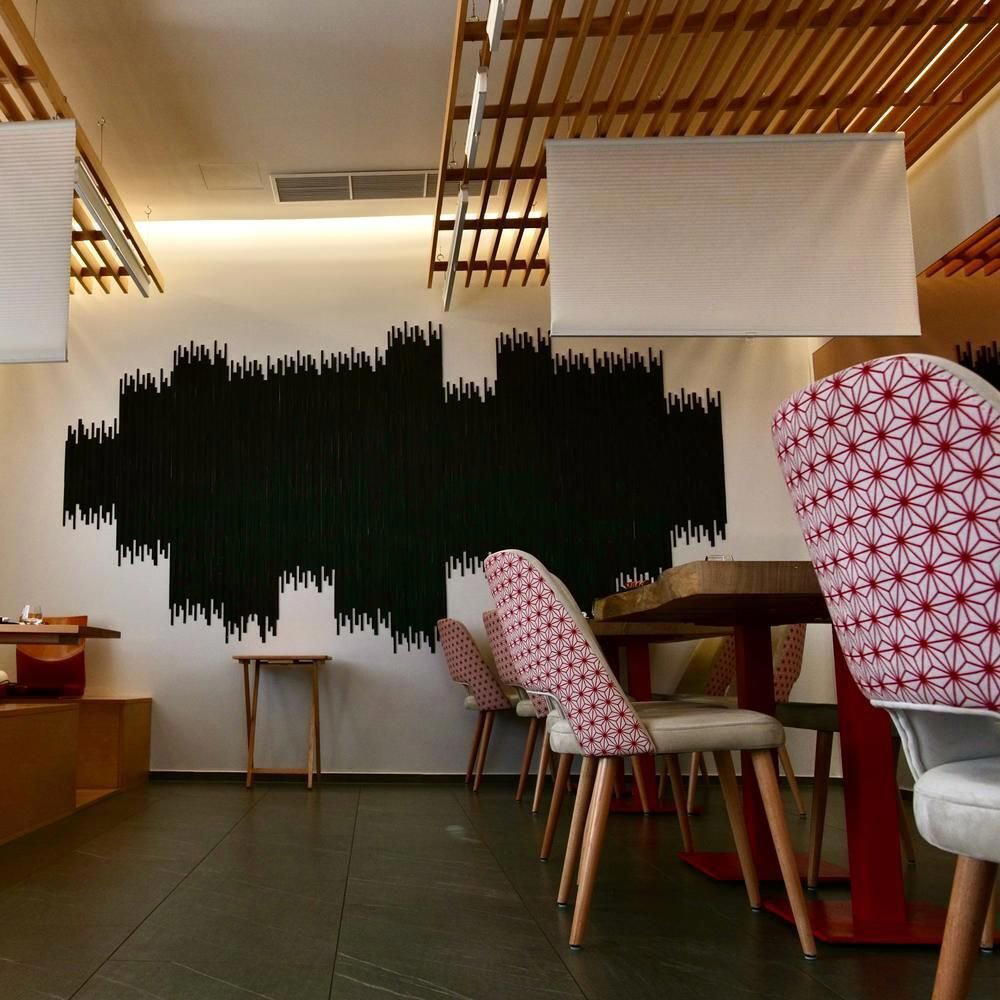
Warm and cosy modern atmosphere in a renovated historic mill with chic styling and lively open kitchen view.