Le Bardot
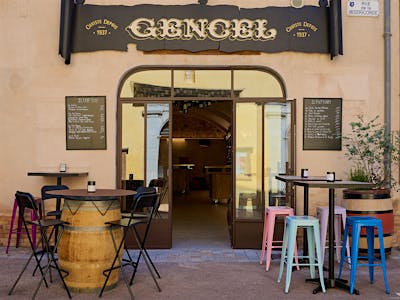
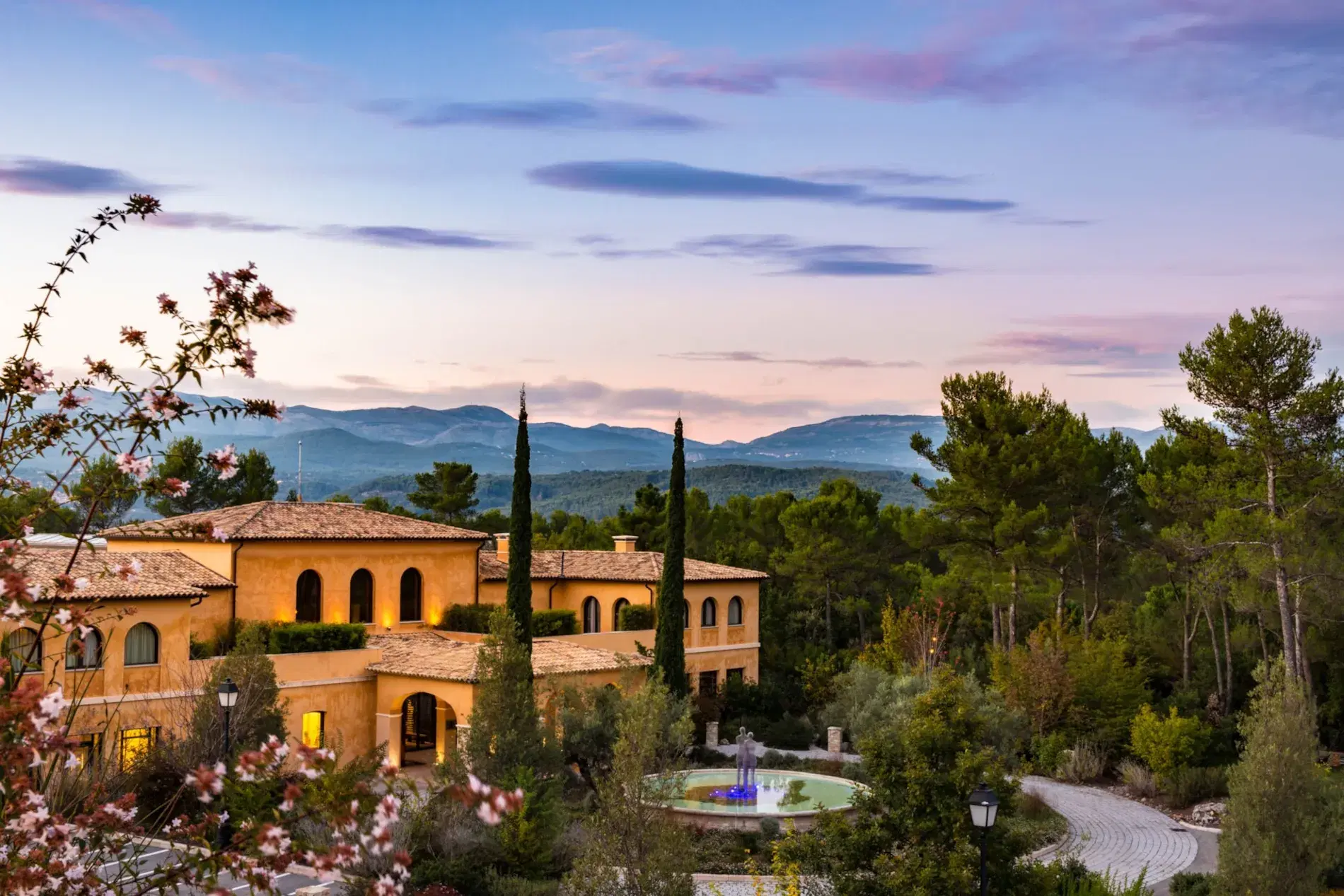
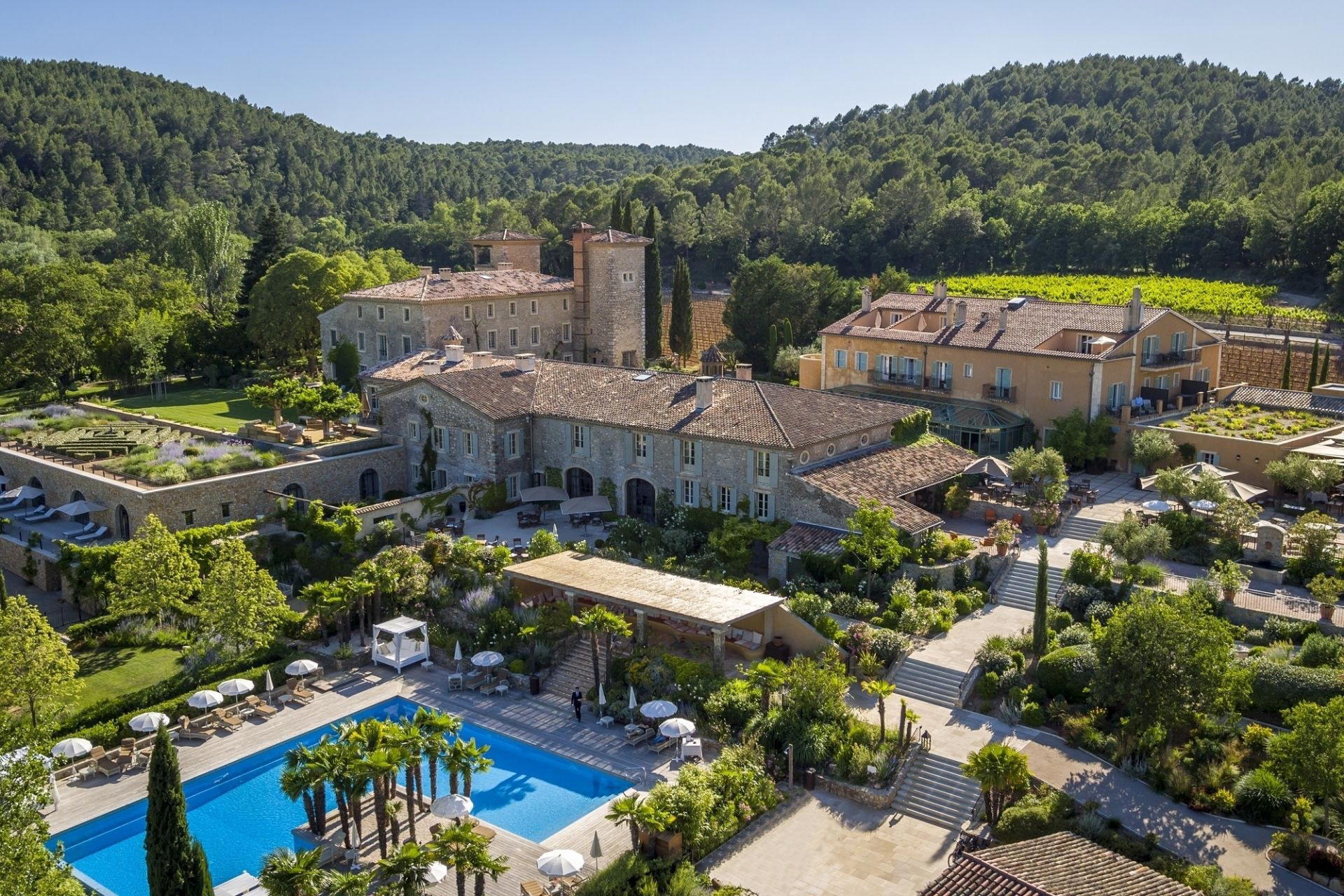
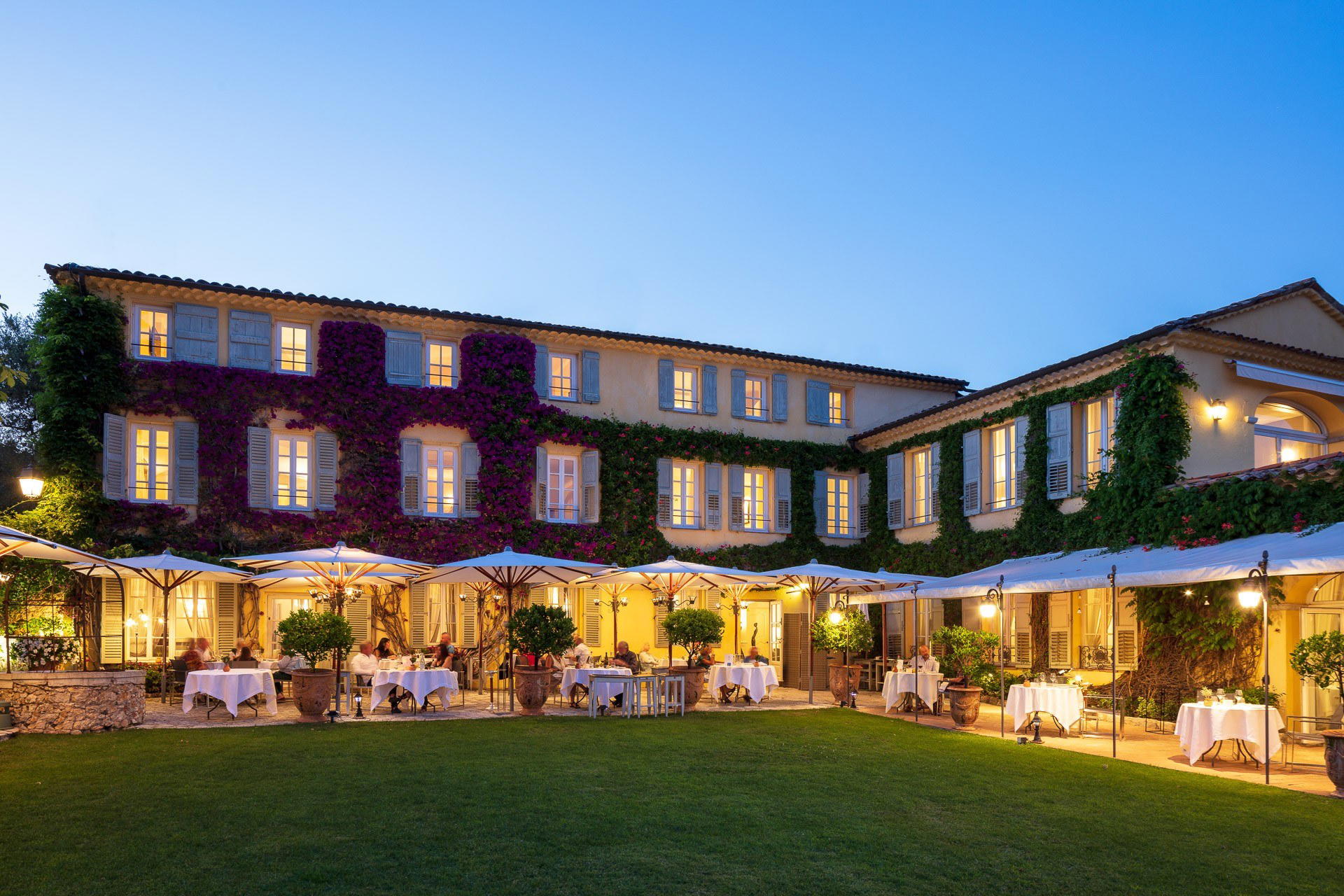
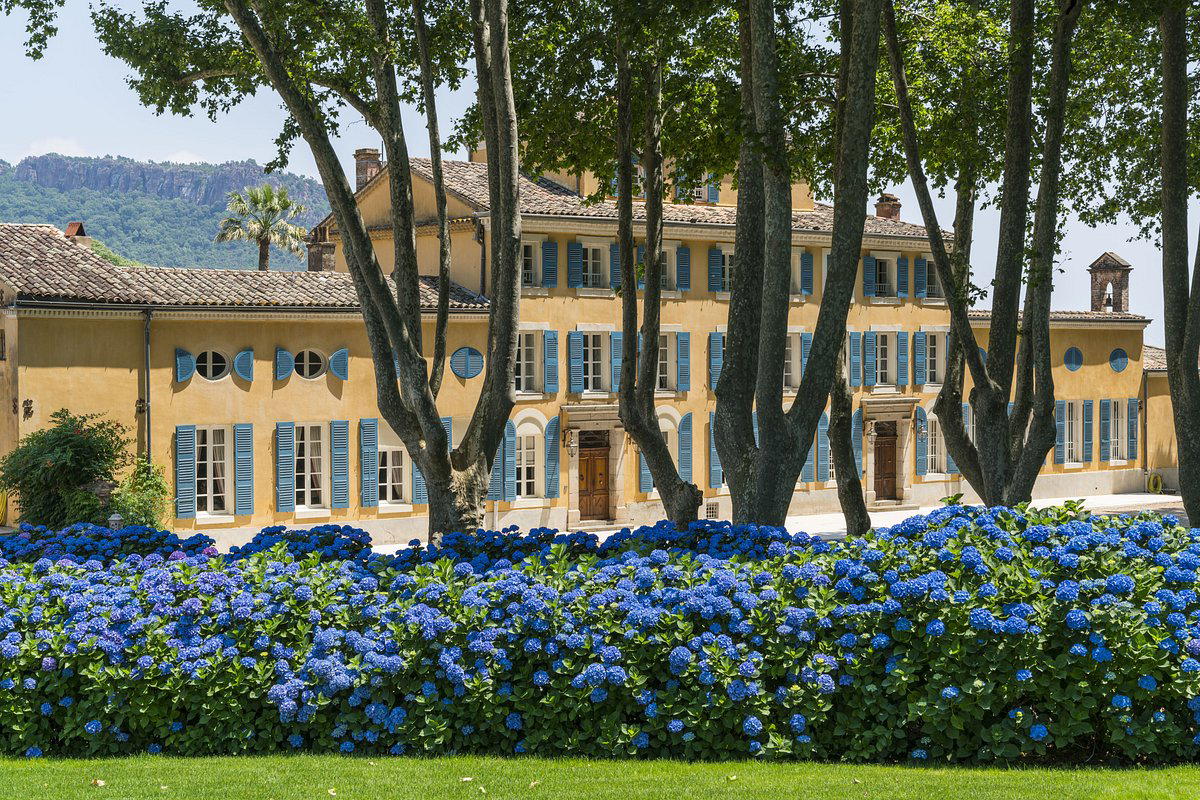
Le Bardot serves French-Provençal cooking with Belgian influences, plus terrace seating and street-scene views; lunch or dinner fits a smart casual plan.
Pearl is the En Primeur Club membership app — saves, bookings, and concierge access live there. Same editors, same standards.
- Address
- 23 Rue du Mitan, 04120 Castellane, France
- Phone
- +33492833165
- Website
- facebook.com
- Directions
- Get directions
 Saves & bookings on Pearl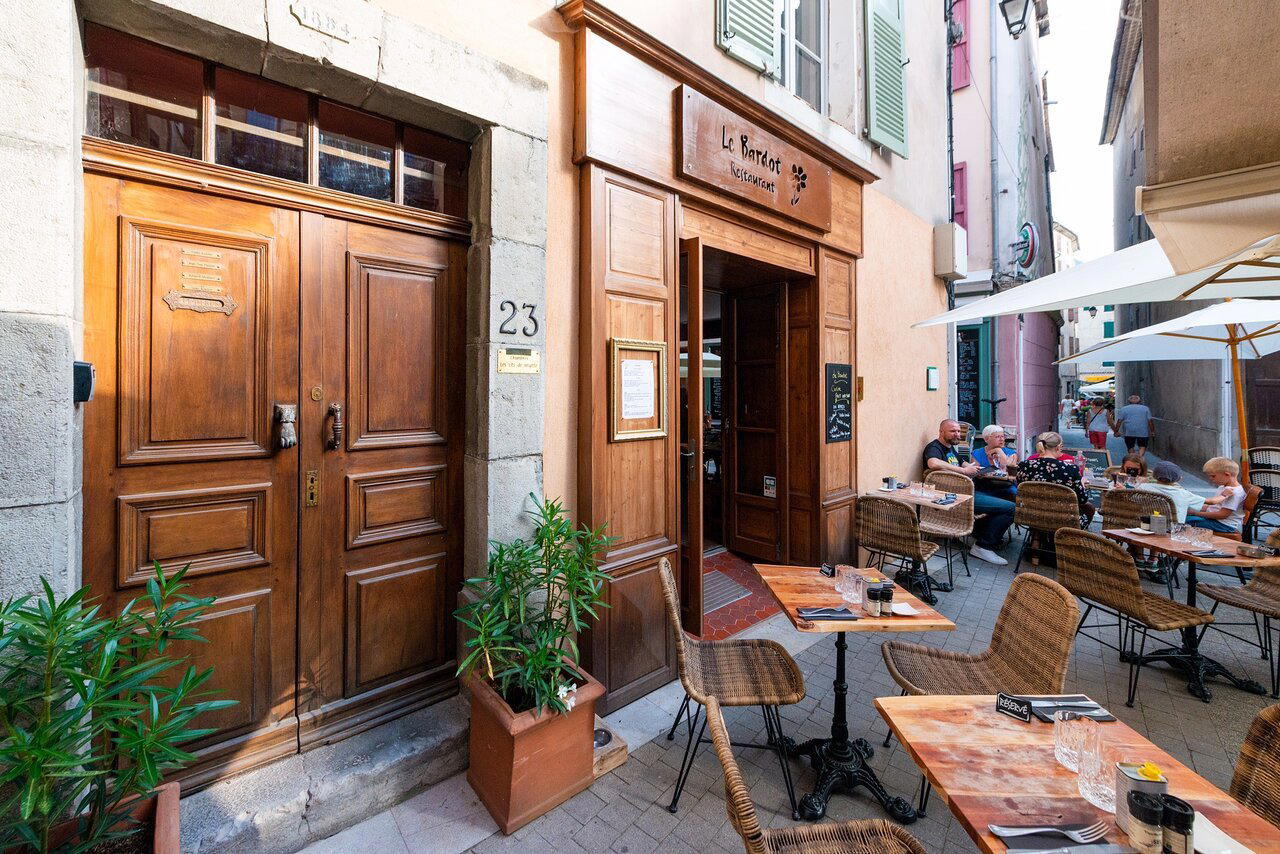
Where the Verdon Corridor Sets the Table
Castellane sits at roughly 700 metres elevation on the Route Napoléon, flanked by the Parc Naturel Régional du Verdon and the upper reaches of the Gorges du Verdon. The town functions as the gateway to among the more dramatically carved river systems in Europe, but its food tradition is rooted in something quieter: the agricultural rhythms of the Alpes-de-Haute-Provence. Lamb from the plateau, lavender honey, wild herbs, and game from the surrounding forests, these are the raw materials that define what arrives on local tables, and they have done so long before any particular restaurant opened its doors. Le Bardot, at 23 Rue du Mitan, sits within that context.
Rue du Mitan is a central artery in Castellane's old quarter, the kind of narrow street where limestone buildings press close on both sides and a restaurant's character announces itself from the pavement before you reach the door. Dining in this part of inland Provence carries different expectations than it does along the Côte d'Azur: the produce is harder-won, the seasons are sharper, and the cooking that makes sense here tends to track what the surrounding territory actually yields at any given moment. That geographical discipline, not a style choice but a structural condition, gives Alpes-de-Haute-Provence restaurants a sourcing logic that coastal venues, with year-round market access and import infrastructure, rarely need to develop to the same degree.
The Sourcing Logic of Inland Provence
High-altitude Provence operates on a shorter growing season than the coastal strip. The Verdon plateau produces agneau de Sisteron under a Label Rouge designation, which means the lamb carries traceable provenance, specific breed and rearing standards, and a flavour profile shaped by high-altitude grazing on aromatic scrubland. That single ingredient carries more information than a menu paragraph, it tells you the animal walked on thyme, serpolet, and savoury before it reached a kitchen. Alongside it, the broader Alpes-de-Haute-Provence territory contributes truffles from the Luberon edge, small-scale olive oil from lower-elevation groves, and the wild mushrooms that emerge from the forests above the gorge in autumn. For a restaurant operating in Castellane, sourcing from this territory is not a marketing posture, it is the path of least resistance.
That contrasts sharply with the kind of sourcing decisions facing kitchens in metropolitan France. The three-starred kitchens of Paris, venues like Alléno Paris au Pavillon Ledoyen, operate in an environment of near-total supply abundance, where the sourcing statement is a deliberate curatorial act rather than a geographic constraint. Similarly, the altitude-driven cuisine at Flocons de Sel in Megève demonstrates how mountain kitchens can build formal structure around regional produce, but Megève operates within the luxury hospitality ecosystem of the northern Alps, a different commercial context than a small town on the Verdon corridor. What Castellane's restaurants share with places like Bras in Laguiole, another high-altitude, inland French kitchen, is the condition of working at genuine geographic remove from France's metropolitan supply chains. That condition produces cooking that is shaped by necessity as much as intention.
Castellane's Position in Regional Dining
The town's dining circuit is small but anchored in Provence's broader culinary identity: olive oil, herbed lamb, goat cheese, wild thyme, and the honey that comes from lavender fields at altitude. These ingredients appear across the region from the Luberon to the Mercantour, but in Castellane they arrive without the tourist-market premium that attaches to them in better-known Provençal destinations. For context on what serious regional French cooking looks like at its most decorated, the coast is instructive: Mirazur in Menton, ranked among the world's fifty most recognised restaurants, draws on the microclimate of the Ligurian border and its own kitchen gardens. L'Oustau de Baumanière in Les Baux works with the limestone garrigue and olive groves of the Alpilles. Each of those addresses has formalised a regional ingredient narrative into a fine-dining proposition. Castellane operates at a different scale, closer in spirit to the auberge tradition, where the sourcing is local by default and the cooking is measured against the season rather than against a reference menu.
Further afield in France, the auberge format has produced some of the country's most critically respected restaurants. Auberge de l'Ill in Illhaeusern and Auberge du Vieux Puits in Fontjoncouse both demonstrate that this format, a restaurant embedded in a specific place, drawing from its immediate surroundings, can sustain serious culinary ambition over decades. Other decorated addresses along France's interior routes include Troisgros - Le Bois sans Feuilles in Ouches, Georges Blanc in Vonnas, and Paul Bocuse - L'Auberge du Pont de Collonges, all of which built national reputations from non-metropolitan bases. The lesson from those addresses is that distance from Paris is not a limiting condition. Castellane's isolation is, in that sense, an asset as much as a constraint.
Visitors planning a broader regional circuit might note that the Provence-Alpes corridor connects several noteworthy dining destinations: AM par Alexandre Mazzia in Marseille represents the contemporary, technically ambitious end of the southern French spectrum, while the addresses above chart the tradition-rooted middle ground. Le Bardot on Rue du Mitan sits somewhere in that spectrum, a town-centre restaurant in a small Provençal community, shaped by its geography and by the seasonal availability that altitude imposes.
Planning a Visit
Castellane is most accessible by car, positioned on the D4085 (the historic Route Napoléon) approximately 90 kilometres northwest of Cannes and around 70 kilometres from Digne-les-Bains. The town sees its highest visitor density in July and August, when the Gorges du Verdon draws significant traffic from the coast. Outside those peak weeks, particularly in late spring and early autumn, the town operates at a pace that suits the kind of meal that is worth taking time over. For comparison points elsewhere in France, Christopher Coutanceau in La Rochelle, La Marine in Noirmoutier-en-l'île, Assiette Champenoise in Reims, and Au Crocodile in Strasbourg each represent different regional French traditions worth placing alongside what the south has to offer. International reference points in the refined dining category, Le Bernardin and Atomix in New York City, offer useful contrast in format and ambition for readers calibrating expectations across different dining tiers.
Comparable Spots, Quickly
Comparable venues nearby, for context on price, style, and recognition.
| Venue | Cuisine | Price | Notes |
|---|---|---|---|
| Le BardotThis venue — the venue you are viewing | French-Provençal with Belgian Influences | $$$ | Not listed |
| Maison Blanche | Modern French Fine Dining | $$$ | 8th arrondissement |
| Chez Hugo | Seasonal French Provençal | $$$ | Seillans village centre |
| La Farigoule | Traditional Provençal French | $$$ | Vence |
| Cap 21 Les Murènes | Provençal Seafood | $$$ | Plage de Pampelonne |
| La Belle Etoile | Modern French Mediterranean Bistro | $$$ | Vieille Ville |
Continue exploring
More in Castellane
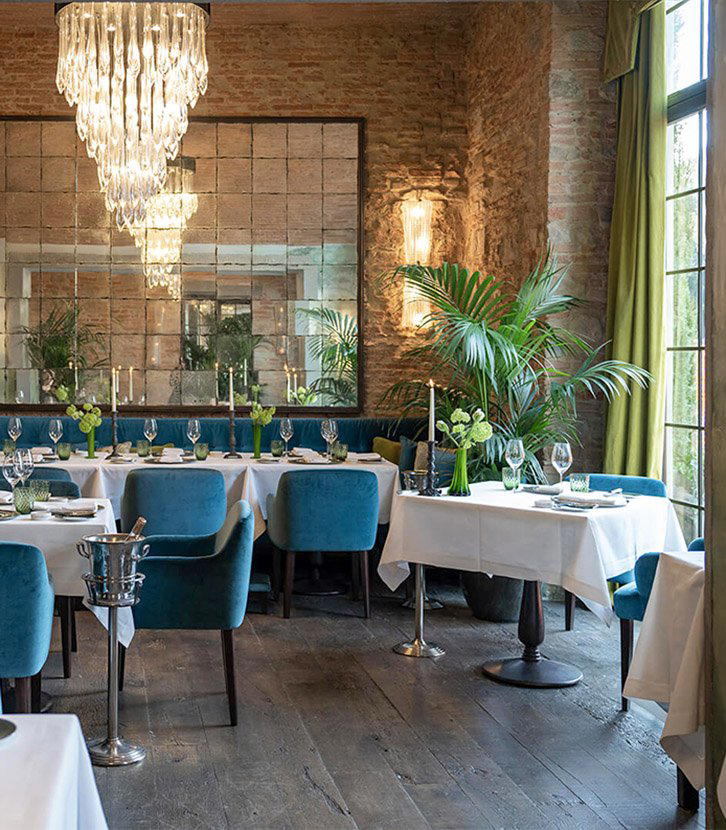
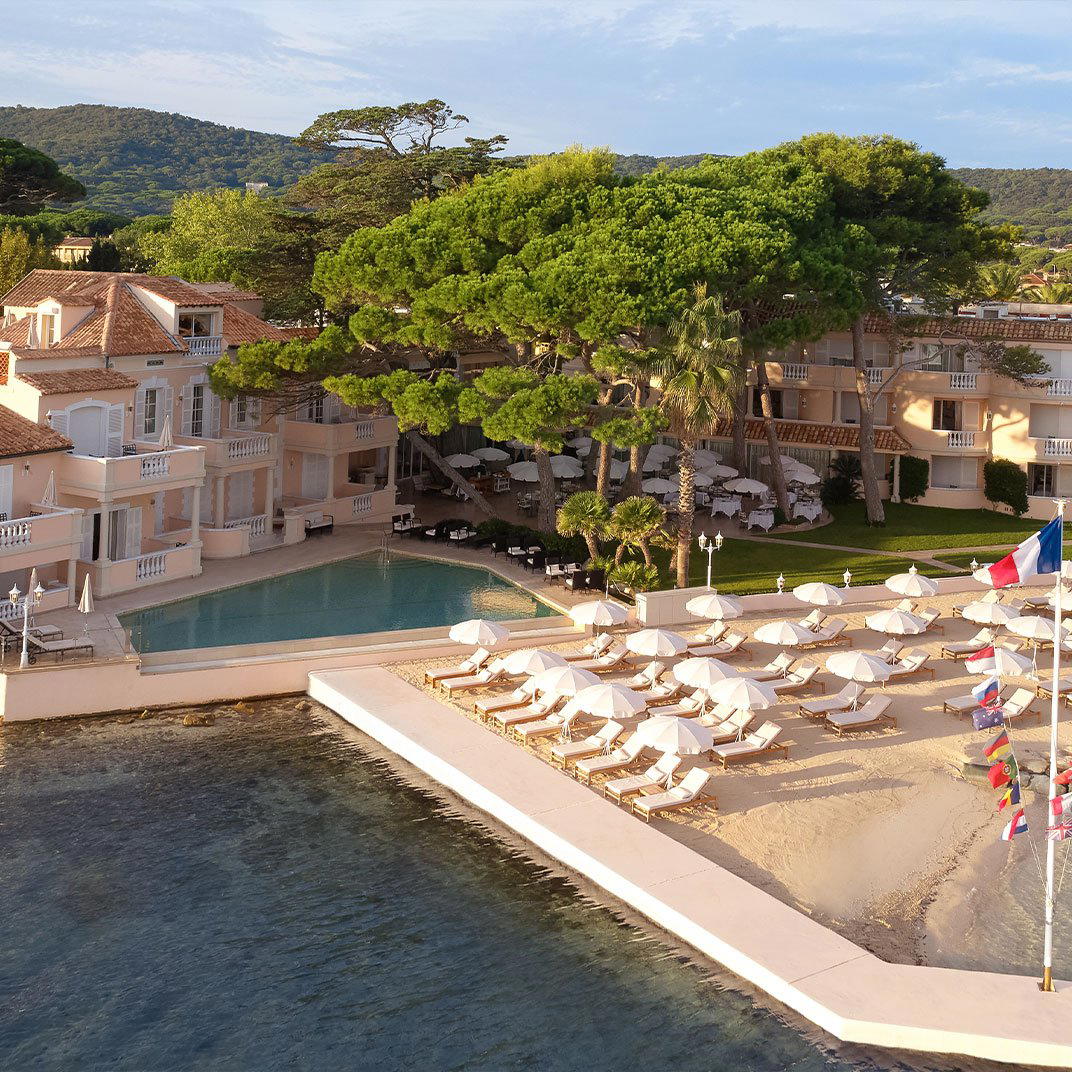
Restaurants in Castellane
Browse all →
Bars in Castellane
Browse all →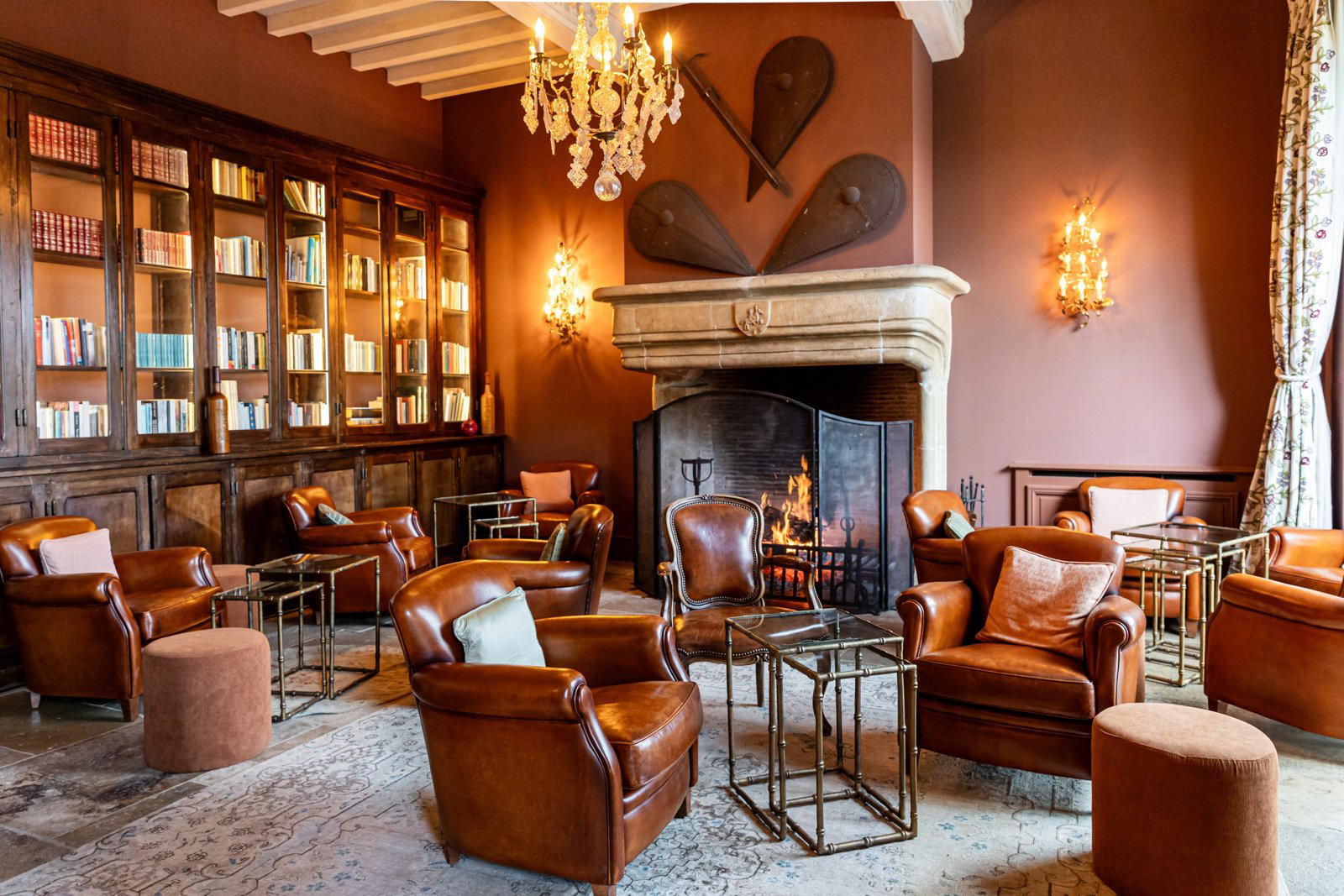
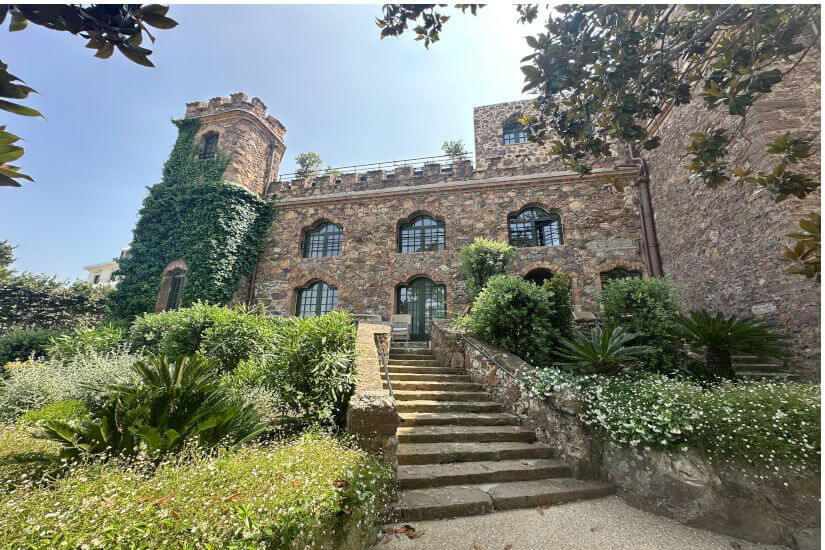
Hotels in Castellane
Browse all →

At a Glance
- Cozy
- Romantic
- Elegant
- Intimate
- Date Night
- Special Occasion
- Terrace
- Street Scene
Current opening hours
- Monday
- 12–2 PM, 6:30–9 PM
- Tuesday
- Closed
- Wednesday
- Closed
- Thursday
- 12–2 PM, 6:30–9 PM
- Friday
- 12–2 PM, 6:30–9 PM
- Saturday
- 12–2 PM, 6:30–9 PM
- Sunday
- 12–2 PM, 6:30–9 PM
Hours can change for holidays and private events. Last verified .
Cozy and refined atmosphere with beautiful terrace seating by a fountain, praised for its intimate and idyllic charm.