La Farigoule sits at 15 Avenue Henri Isnard in the medieval hill town of Vence, where the cooking tradition draws on the aromatic herbs, olive oil, and stone-fruit abundance of the Provençal interior. The address places it among a small cluster of independent tables that serve Vence's resident population as much as its visitors, positioning it firmly in the mid-register of the town's dining scene rather than the tourist-facing tier.
Pearl is the En Primeur Club membership app — saves, bookings, and concierge access live there. Same editors, same standards.
- Address
- 15 Av. Henri Isnard, 06140 Vence, France
- Phone
- +33493580127
- Website
- lafarigoule-vence.fr
- Directions
- Get directions
 Saves & bookings on Pearl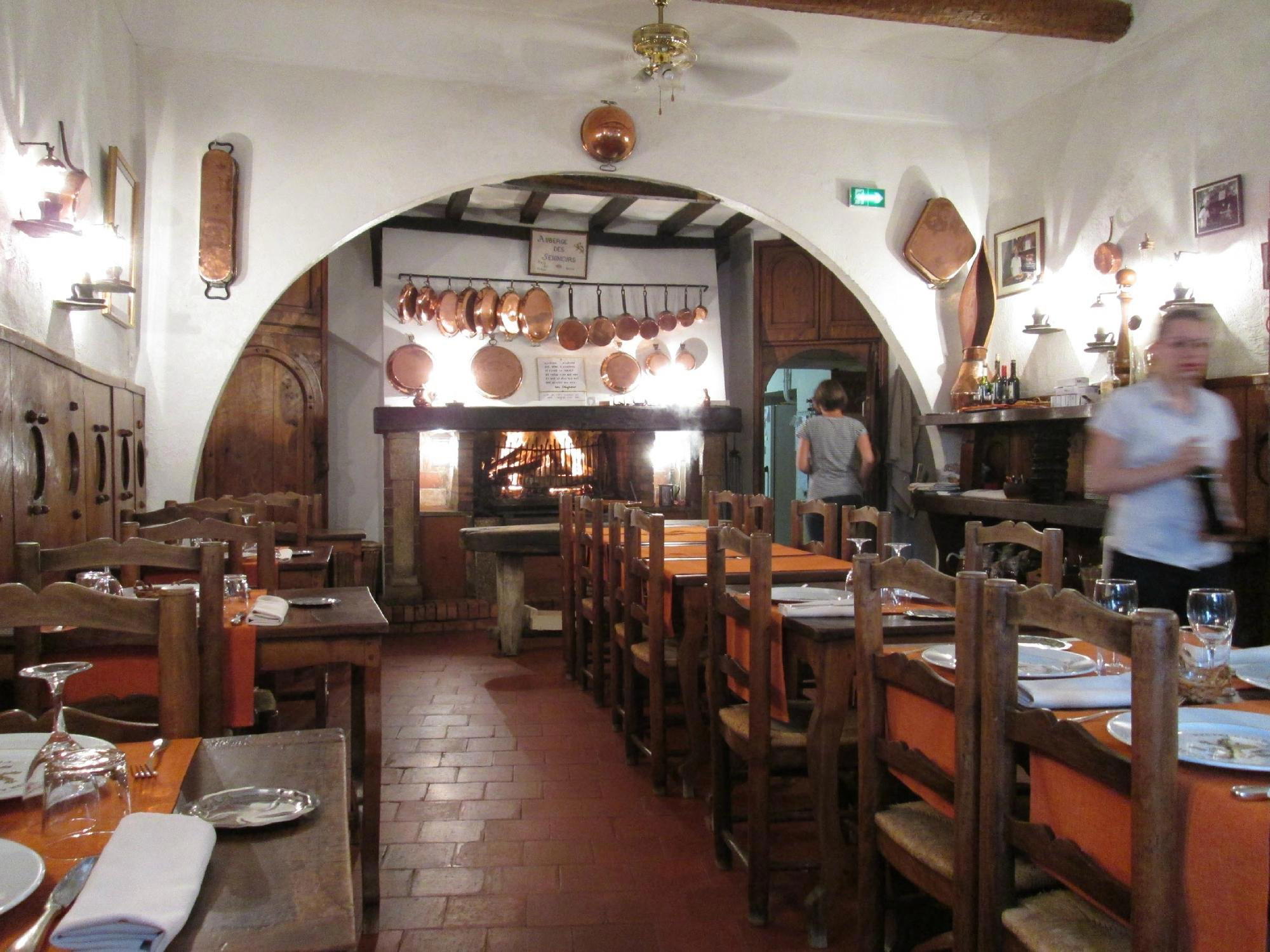
Vence and the Provençal Table It Sustains
Inland from the Côte d'Azur's coastal strip, the hill towns of the Alpes-Maritimes have always maintained a cooking tradition distinct from the seafood-led restaurants of Nice and Antibes. Vence sits roughly twenty kilometres from the coast, high enough that the markets still fill with thyme, rosemary, and farigoule, the Provençal word for wild thyme, and the name that gives this address its clearest signal of intent. In a region where many restaurants have migrated toward fusion menus priced for summer tourists, a name drawn from the local herb vocabulary is a statement of positioning.
The broader Provençal culinary tradition that places like La Farigoule represent is among the more coherent regional cooking identities in France. It is defined less by technique than by ingredient sourcing: courgette flowers from the hill farms above Vence, lamb from the Sisteron plateau to the north, olive oil pressed in the Var, and the dried herbs that colonise every scrubby hillside between Nice and Aix. The cuisine asks cooks to resist the urge to overlay these materials with complexity, which is a harder discipline than it sounds. Restaurants such as La Cassolette occupy the more accessible end of this tradition in Vence, while Le Saint-Martin applies a more contemporary hand to the same larder at a higher price point. La Farigoule's address on Avenue Henri Isnard, within the old town's pedestrian orbit, locates it in the neighbourhood fabric rather than the destination-dining circuit.
What the Name Tells You About the Kitchen
Farigoule is not a word that appears on menus designed for international visitors unfamiliar with Occitan plant names. Its use here is a shorthand: the kitchen is grounded in the garrigue, the scrubland ecosystem that produces the aromatic herbs central to Provençal cooking. In the culinary tradition this name invokes, thyme is not a garnish, it appears in braises, in marinades for olives, in the base aromatics of a daube. The dish vocabulary associated with this corner of France includes slow-cooked meats, tians of summer vegetables layered in earthenware, socca from Nice thirty minutes south, and the anchovy-based sauces that reflect the Ligurian culinary corridor running along this coastline.
This tradition connects Vence's tables to a wider regional conversation. On the French Riviera's more internationally recognised dining tier, restaurants such as Mirazur in Menton have reframed the same coastal and Alpine larder through a fine-dining lens, earning the kind of recognition that changes a town's visitor profile. Vence has not been subject to that kind of transformation, which means its mid-register restaurants operate for a different clientele with different expectations. That gap between the region's highest-profile tables and its neighbourhood bistros is where addresses like this one function.
Situating La Farigoule in Vence's Dining Tier
Vence supports a modest but varied restaurant population for a town of its size. The range runs from the gastronomic room at La Table du Cantemerle, which operates at a formal register tied to its hotel setting, through mid-market Provençal addresses, to the casual terraces around the Place du Peyra. L'Ambroisy and Comme Chez Soi occupy different positions within that range. The restaurant sits in the category of independent bistros that serve the town's resident population across multiple seasons, which distinguishes them from addresses that open only for the July and August peak.
The broader French regional bistro tradition this represents has come under sustained economic pressure over the past decade. Rising food costs, seasonal staffing difficulties in hill towns with limited housing, and the year-round competition from delivery platforms have made the traditional family-run Provençal restaurant a less stable proposition than it was twenty years ago. The tables that survive tend to do so because they have a local clientele that returns weekly, not because they attract travelling food writers. That kind of durability is its own credential, even when it generates little documented press coverage.
The Provençal Season and When to Visit
The rhythm of cooking in the Alpes-Maritimes is tied closely to altitude and season in ways that coastal Nice restaurants can partially avoid through year-round supply chains. Vence's markets and the farms above the town operate on a more compressed summer abundance: courgettes and tomatoes in July and August, wild mushrooms from the hills in autumn, root vegetables and stored legumes through winter. A restaurant with Provençal roots that operates across multiple seasons will shift its menu accordingly, which means a visit in October produces a different plate than the same address in June. Spring, when asparagus from the Var and the first artichokes arrive, is often one interesting window for ingredient-driven cooking in this part of France.
Old town of Vence is walkable from the main car parks on the periphery, and Avenue Henri Isnard runs close enough to the historic centre that the approach takes you through the medieval lanes rather than along any main road. Arriving on foot from the Place du Grand Jardin takes under ten minutes. For those visiting from the coast, Vence is roughly forty minutes from Nice by car via the D2210, or accessible by regular bus service from Cagnes-sur-Mer, which has a train connection to Nice.
Planning a Visit
The restaurant is recommended for reservations, and its hours are Wednesday to Sunday, 12 to 1 PM and 7:30 to 9 PM, with Monday and Tuesday closed. Walk-in availability depends heavily on season and day of week; in summer, weekend lunches at mid-register Vence addresses fill early.
A Pricing-First Comparison
Comparable venues nearby, for context on price, style, and recognition.
| Venue | Cuisine | Price | Awards | Notes |
|---|---|---|---|---|
| La FarigouleThis venue — the venue you are viewing | Vence, Traditional Provençal French | $$$ | Not listed | Not listed |
| L'Ambroisy | Not listed | $$$ | Not listed | Vence, Traditional French in a Historic Chapel |
| La Table du Cantemerle | Vence, Locavore Provençal French | $$$ | Not listed | Not listed |
| Nacl | Not listed | $$$$ | Michelin Plate | Vence Old Town, Modern French Seasonal Cuisine |
| Comme Chez Soi | Not listed | $$ | Not listed | Vence old town, Portuguese-influenced French Bistro |
| La Cassolette | Old Town, Provençal Mediterranean Bistro | $$$ | Michelin Plate | Not listed |
Continue exploring
More in Vence
Restaurants in Vence
Browse all →
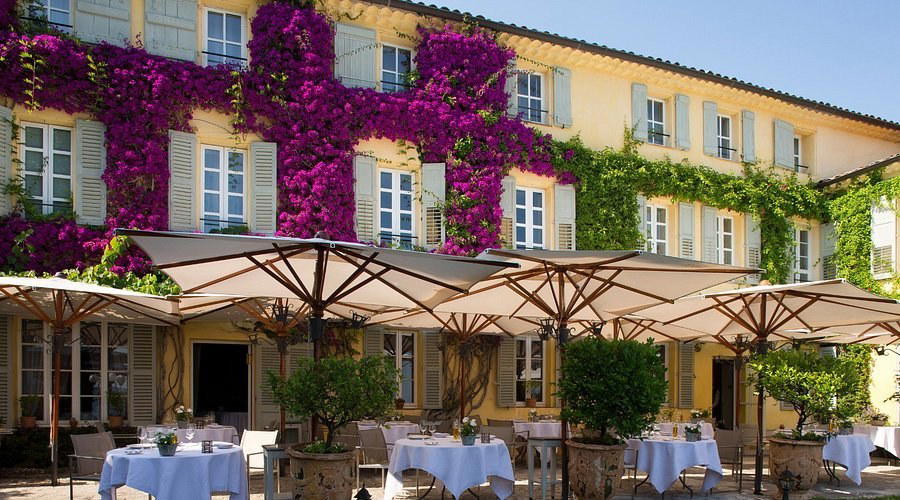
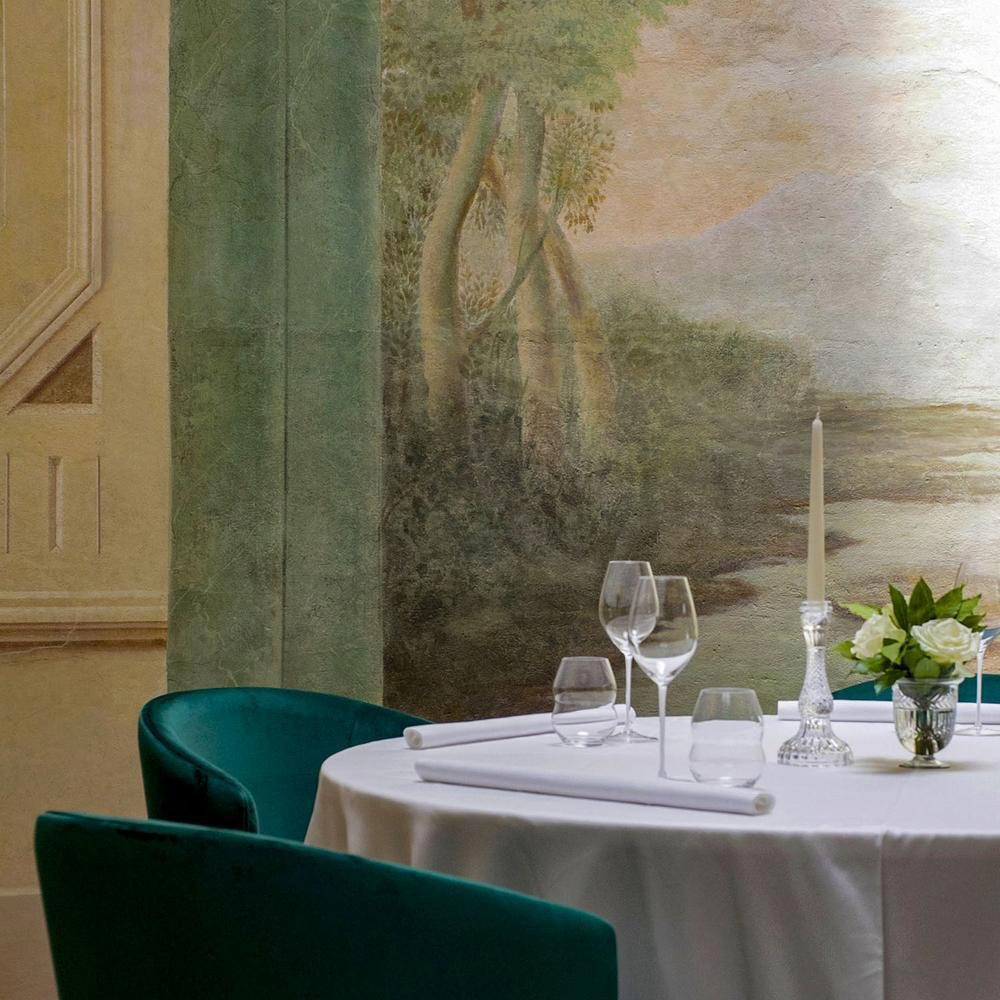
Bars in Vence
Browse all →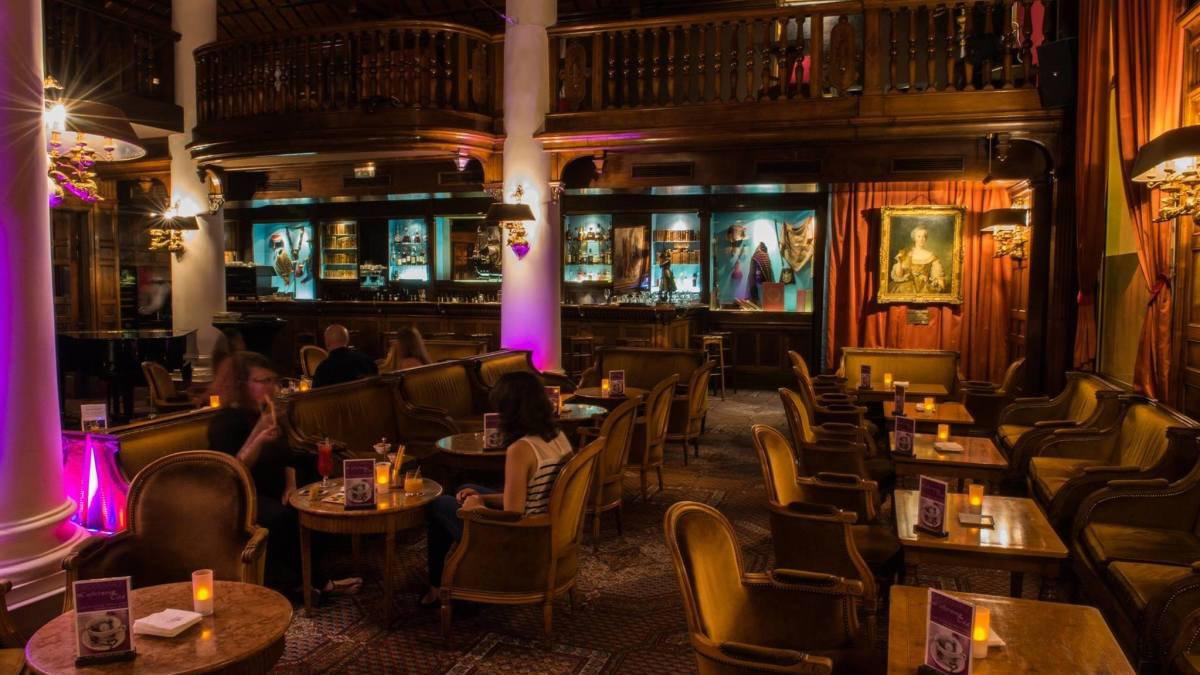
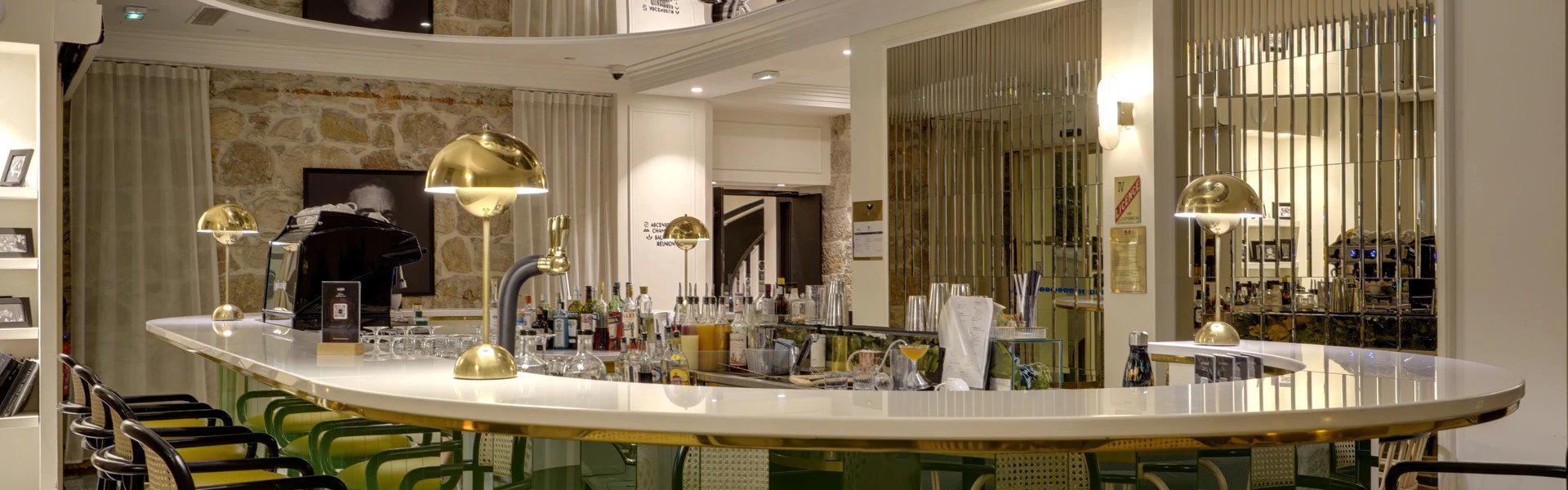
Hotels in Vence
Browse all →
Wineries in Vence
Browse all →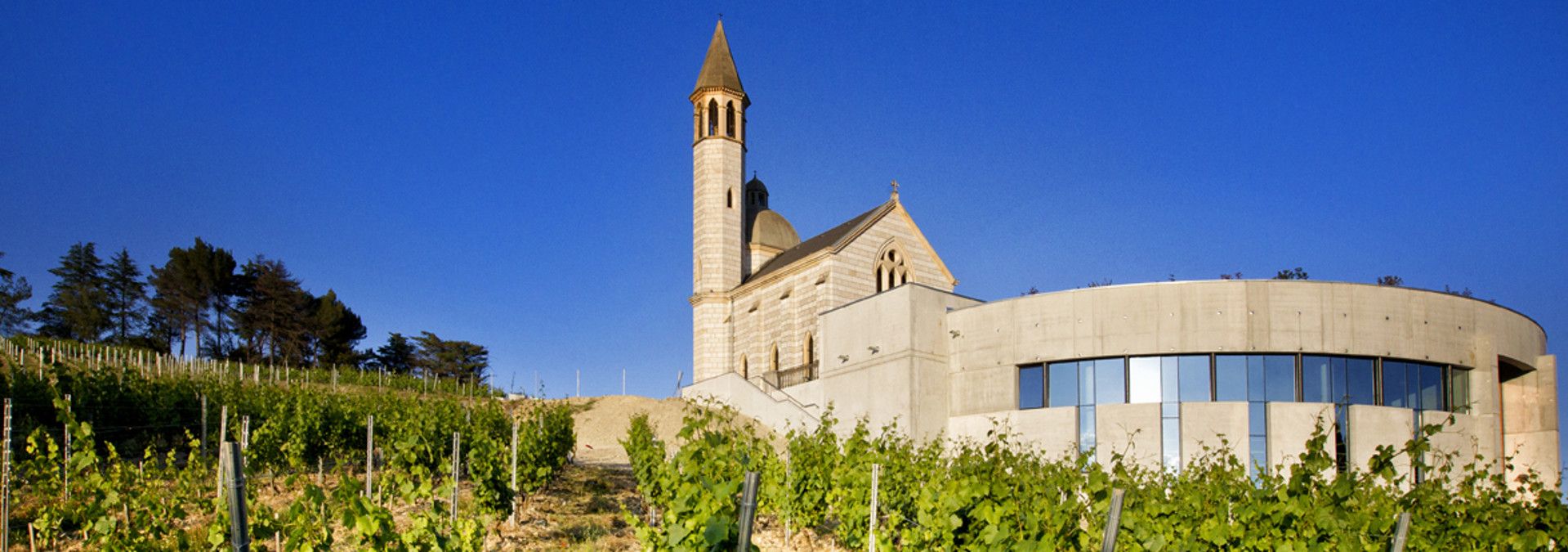
At a Glance
- Romantic
- Rustic
- Cozy
- Elegant
- Date Night
- Special Occasion
- Terrace
- Garden
- Local Sourcing
- Garden
Current opening hours
- Monday
- Closed
- Tuesday
- Closed
- Wednesday
- 12–1 PM, 7:30–9 PM
- Thursday
- 12–1 PM, 7:30–9 PM
- Friday
- 12–1 PM, 7:30–9 PM
- Saturday
- 12–1 PM, 7:30–9 PM
- Sunday
- 12–1 PM, 7:30–9 PM
Hours can change for holidays and private events. Last verified .
Romantic Provençal décor with warm, elegant atmosphere and courteous service.