Chez Hugo sits on Rue de l'Hospice in the medieval hilltop village of Seillans, one of the Var's most quietly serious dining addresses. The kitchen draws on the agricultural depth of the Provençal interior, where proximity to market gardens, hill farms, and Côtes de Provence producers shapes what arrives on the plate. For visitors making the drive inland from the Riviera coast, it offers a grounded alternative to the region's more theatrical dining circuit.
Pearl is the En Primeur Club membership app — saves, bookings, and concierge access live there. Same editors, same standards.
- Address
- Rue de l'Hospice, 83440 Seillans, France
- Phone
- +33494855470
- Website
- chezhugo.fr
- Directions
- Get directions
 Saves & bookings on Pearl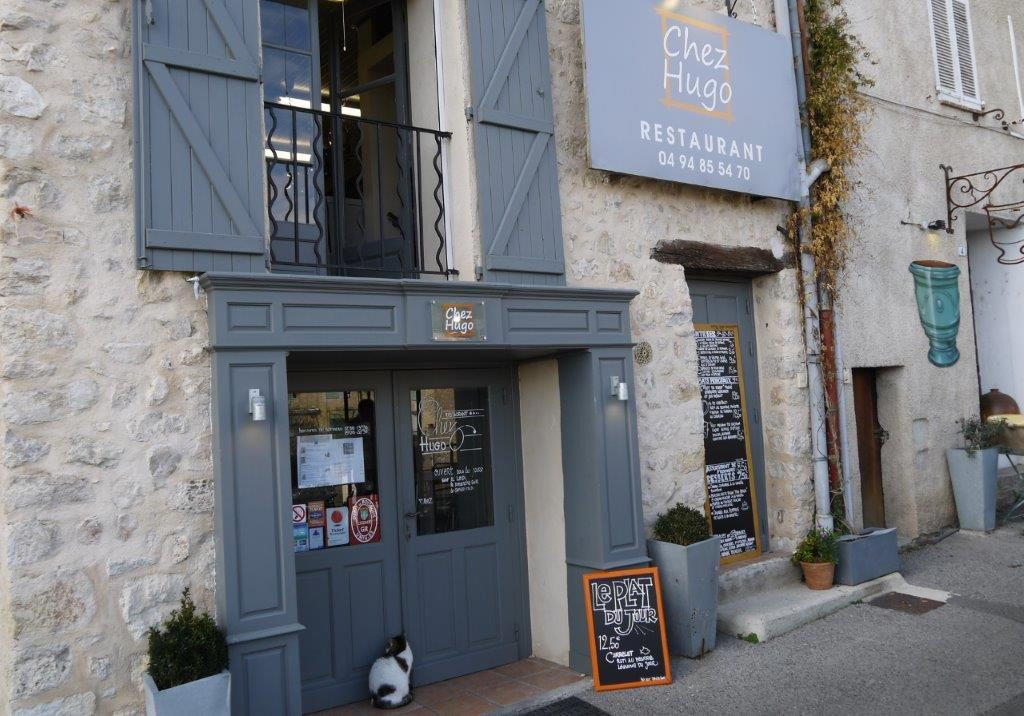
Stone, Shadow, and the Provençal Interior
Seillans doesn't announce itself. The village climbs a limestone ridge above the Var plain in a series of narrow lanes, arched passageways, and sun-warmed stone facades that have changed little since the medieval period. Rue de l'Hospice, where Chez Hugo sits, belongs to the older, quieter part of the village, away from the market square, where the architecture suggests function over display. Arriving on foot from the lower car parks, the only practical approach in a village this compact, you pass walls stained amber and ochre, the kind of surfaces that take on different colours depending on the hour. By early evening, the light in this part of the Var turns thick and directional, and the alleyways around Rue de l'Hospice hold it longer than the open terraces do. The physical environment sets expectations before you've sat down: this is a place that operates inside a tradition rather than against it.
That positioning matters in the context of Provençal dining more broadly. The region's restaurant culture has, over the past two decades, split in a familiar direction: coastal and resort-facing venues have trended toward theatrical formats, high-price tasting menus, and international reference points, while the interior villages have maintained a quieter, more ingredient-led approach where the sourcing logic is visible on the plate. Seillans, classified among the Plus Beaux Villages de France, sits squarely in that interior tradition, and the dining addresses here reflect it.
What the Land Produces, and Why It Reaches the Table Here
The ingredient sourcing argument for the Var interior is direct and worth taking seriously. The plateau and valley farmland between Draguignan and Grasse produces particularly varied agricultural output in the South of France: lamb from the garrigue, courgettes and aubergines from summer market gardens, truffles from the oak-heavy hillsides around Aups, goat's milk from small producers throughout the Haut-Var, and olives pressed at mills that have operated continuously for generations. The Côtes de Provence appellation surrounds the area, meaning local wine isn't a secondary consideration, it's a structural part of the meal.
Restaurants in villages like Seillans benefit from proximity to this supply chain in a way that urban kitchens, even high-performing ones, cannot replicate through logistics alone. The seasonal compression is shorter: what arrives in the kitchen may have been harvested within thirty kilometres and within the past twenty-four hours. This is the condition that separates ingredient-led cooking in the French interior from its coastal counterpart. Hôtel des Deux Rocs, also in Seillans, operates with a comparable sourcing orientation, and La Gloire de Mon Père anchors the village's more casual end of the same local-produce argument.
Chez Hugo fits within this framework. The address on Rue de l'Hospice places it in the residential core of the village rather than on its tourist-facing edges, which is itself a signal about the intended audience and the operational approach. Restaurants that locate themselves in this part of a Provençal village tend to be cooking for the village as much as for visitors, and that dual audience typically enforces a standard of consistency that seasonal-only tourist trade does not.
The Provençal Cooking Tradition as Context
To understand what a kitchen like Chez Hugo is working within, it helps to place Provençal cooking in its broader French context. This is not a cuisine that positions itself against classical French technique in the way that, say, the nouvelle cuisine movement did, nor does it reach for the hyper-local conceptualism that defines restaurants like Bras in Laguiole or the modernist ambition of Mirazur in Menton. Provençal cooking, at its most considered, is a cuisine of accumulation, of technique applied lightly to ingredients that arrive in good condition and need relatively little intervention. The benchmark dishes (daube, tian, ratatouille prepared properly, aioli made from local oil) are not simple in their execution, but they don't ask the ingredient to become something other than itself.
That tradition has been maintained with varying degrees of seriousness across the region. At the high end of the French national dining circuit, Provençal influence surfaces in kitchens like L'Oustau de Baumanière in Les Baux and, further afield, in how sourcing philosophies have shaped starred addresses including La Table du Castellet in Le Castellet. The village-scale version of that same philosophy, operating without the infrastructure of a grand hotel or a multi-decade Michelin identity, is what places like Chez Hugo represent. The comparison set is the broader tradition of French auberge cooking, represented at different scales by addresses like Auberge de l'Ill in Illhaeusern, Auberge du Vieux Puits in Fontjoncouse, and Les Prés d'Eugénie in Eugénie-les-Bains.
Planning the Visit
Seillans sits roughly between Draguignan and Fayence, accessible by car from Nice or Marseille in under two hours depending on departure point and traffic on the A8. There is no train access to the village itself; a rental car is the practical requirement for anyone combining this with broader Var or Côtes de Provence exploration. The village's most manageable entry point by car is the lower parking area, with the walk up to Rue de l'Hospice taking around ten minutes on foot through the medieval lanes. Booking ahead is essential.
Quick Comparison
Comparable venues nearby, for context on price, style, and recognition.
| Venue | Cuisine | Price | Awards | Notes |
|---|---|---|---|---|
| Chez HugoThis venue — the venue you are viewing | Seasonal French Provençal | $$$ | Not listed | Not listed |
| Hôtel des Deux Rocs | Traditional Provençal French Bistro | $$$ | Michelin Plate | Seillans |
| La Gloire de Mon Père | Traditional Provençal Mediterranean | $$$ | Not listed | Seillans village centre |
| Maison Blanche | Modern French Fine Dining | $$$ | Not listed | 8th arrondissement |
| Le Bistrot Marceau | Nouvelle-Aquitaine French Bistro | $$$ | Not listed | ['Gare'] |
| La Rastègue | Provençal Mediterranean Fine Dining | $$$ | Not listed | Le Pin |
Continue exploring
More in Seillans
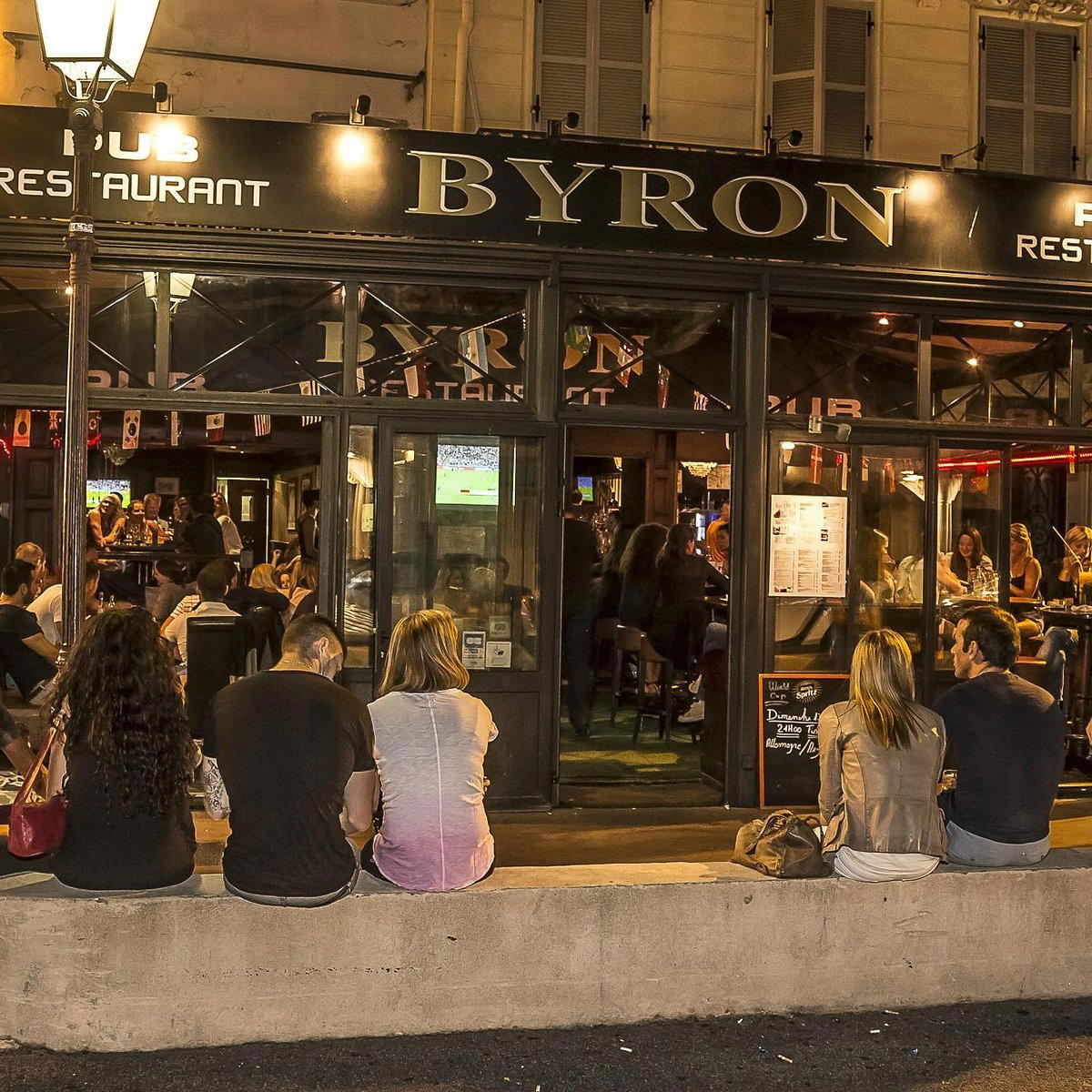
Restaurants in Seillans
Browse all →
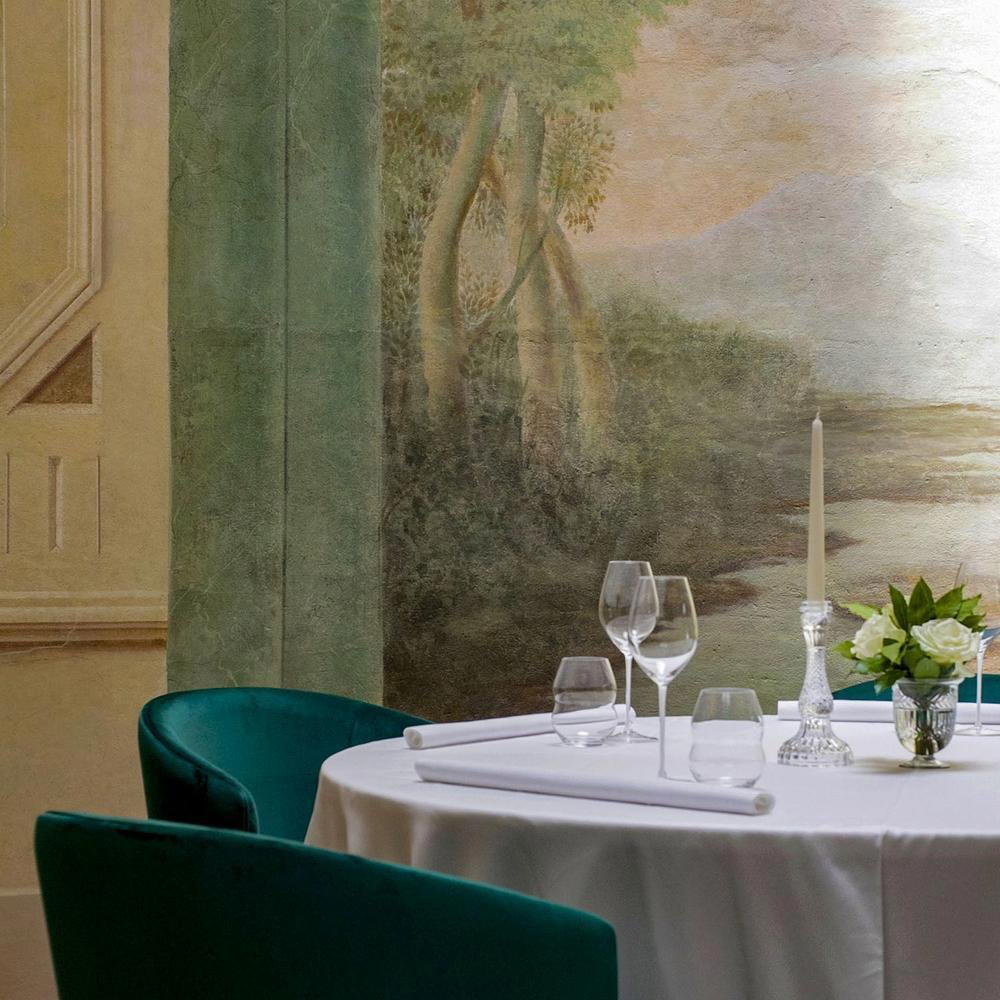
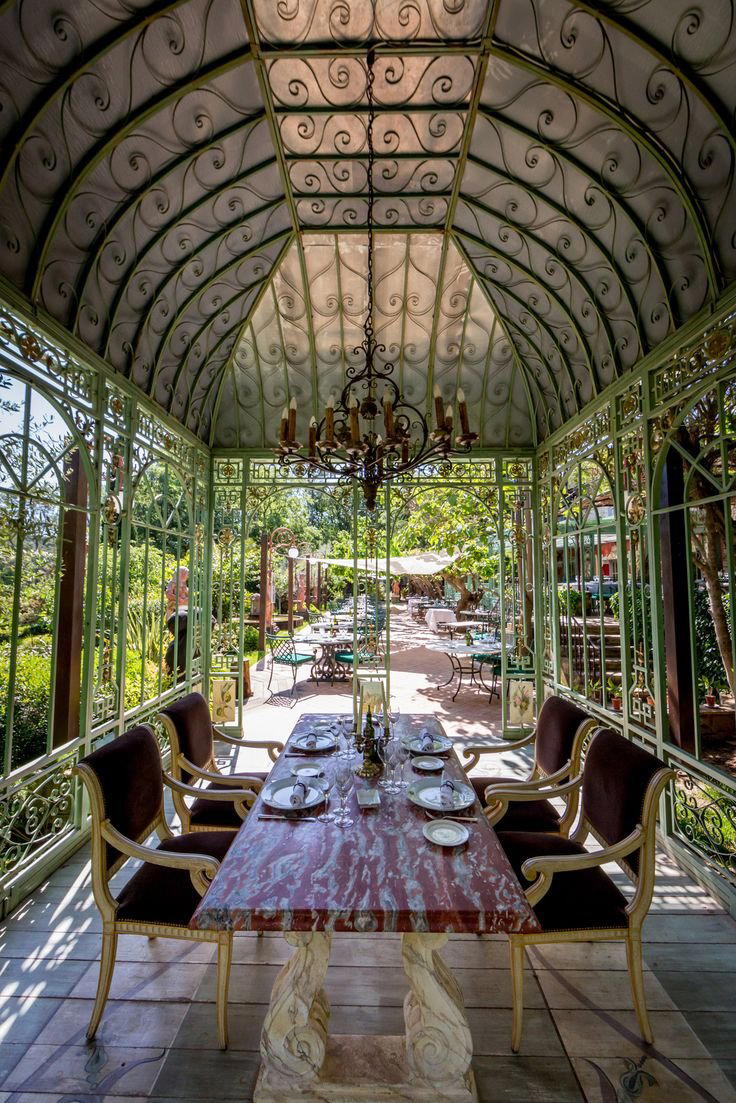
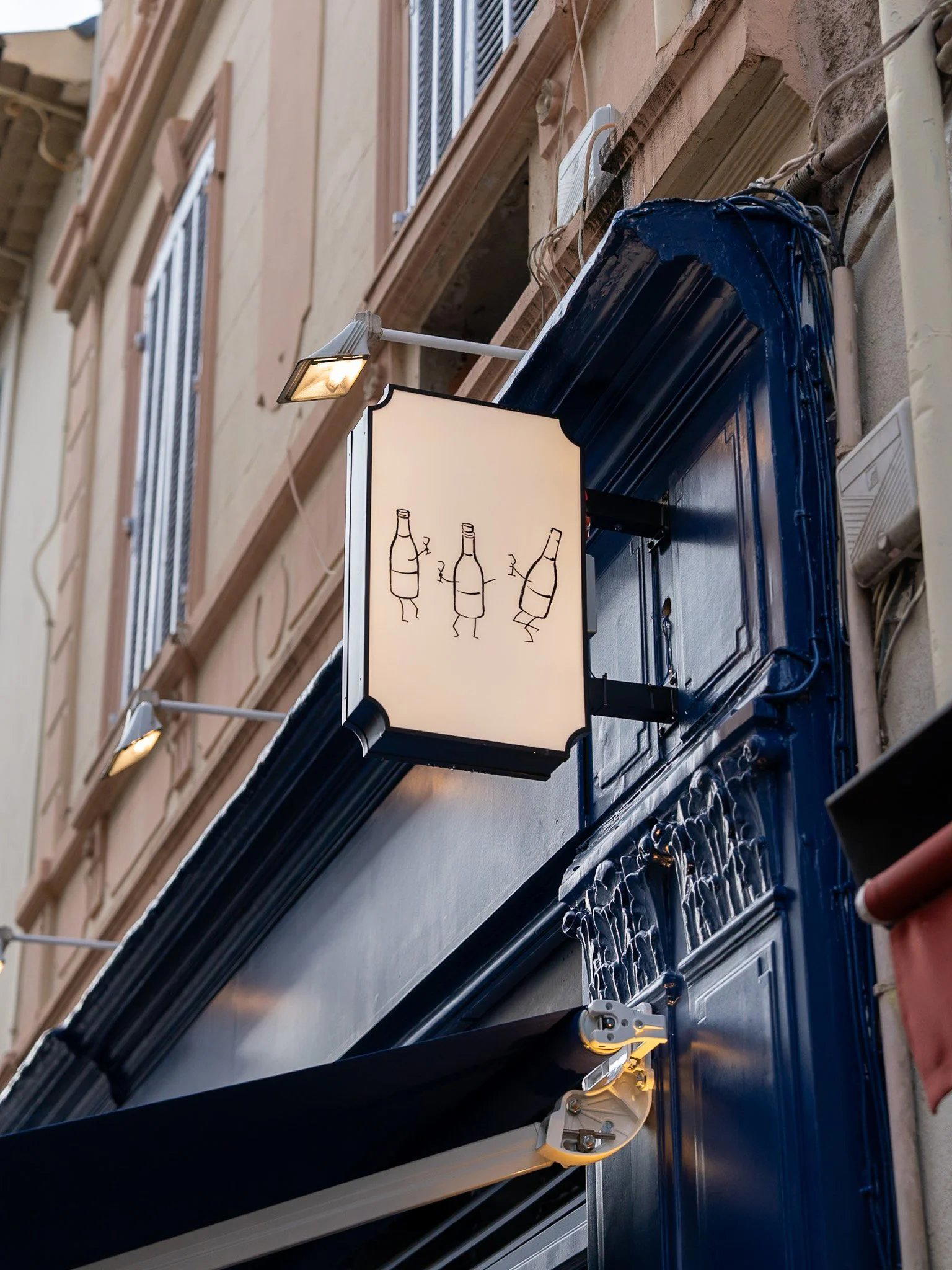
Bars in Seillans
Browse all →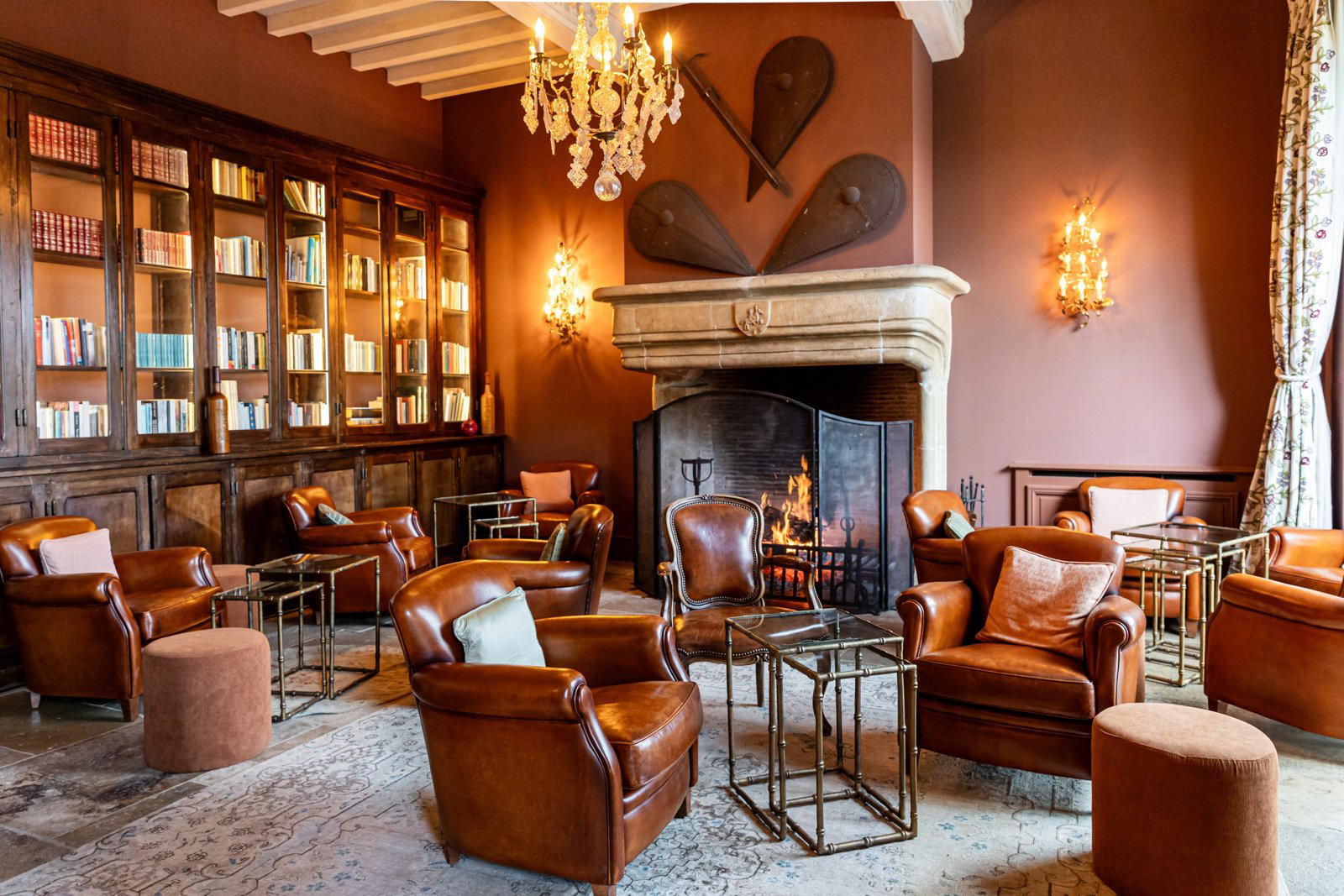
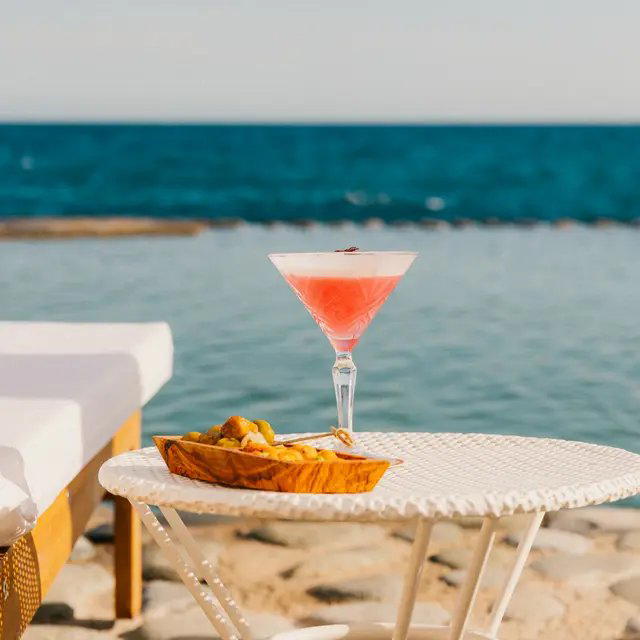
Hotels in Seillans
Browse all →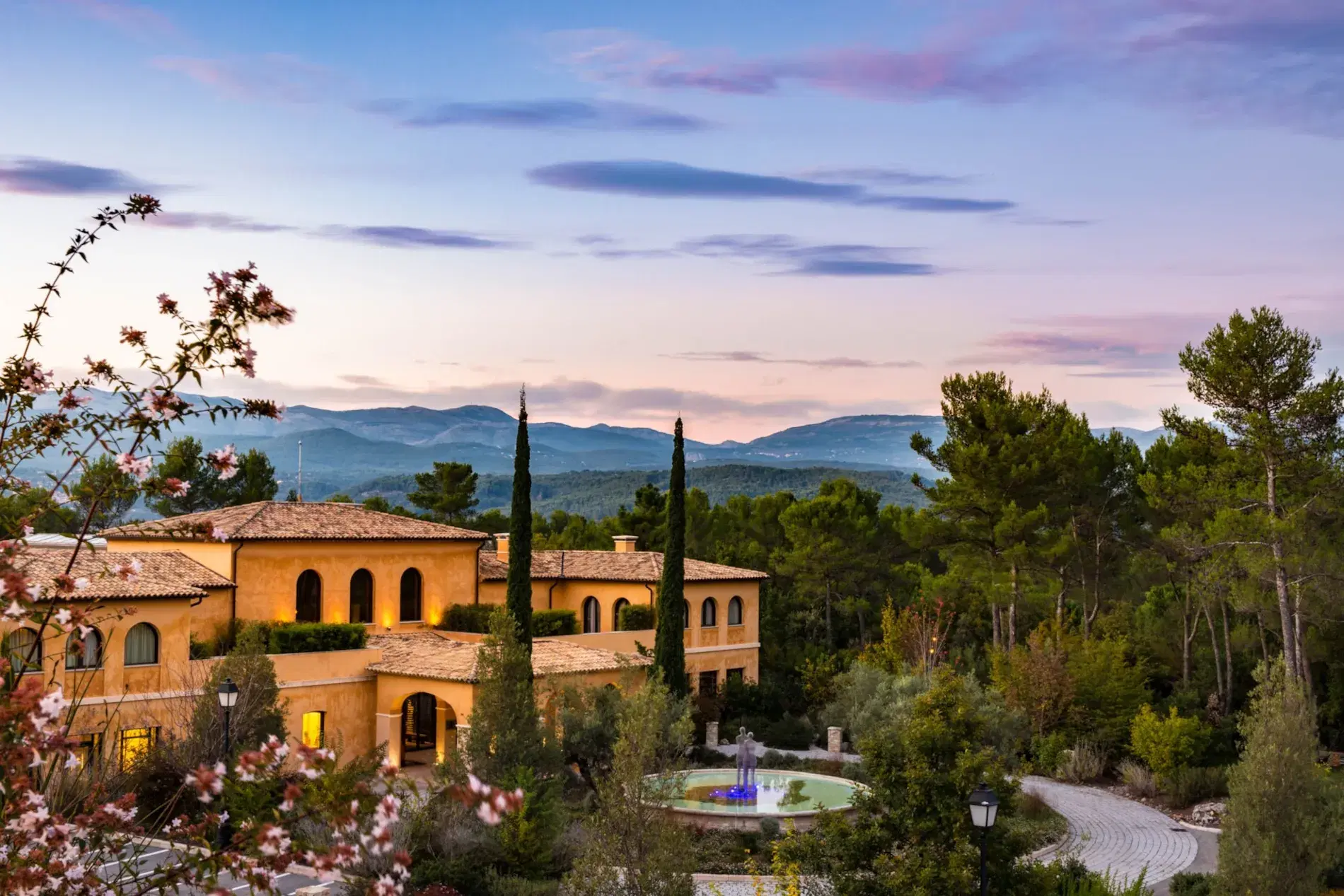
At a Glance
- Romantic
- Scenic
- Cozy
- Elegant
- Intimate
- Date Night
- Special Occasion
- Celebration
- Terrace
- Panoramic View
- Natural Wine
- Sommelier Led
- Local Sourcing
- Farm To Table
- Mountain
- Garden
Current opening hours
- Monday
- Closed
- Tuesday
- Closed
- Wednesday
- 7–11 PM
- Thursday
- 12–3 PM, 7–11 PM
- Friday
- 12–3 PM, 7–11 PM
- Saturday
- 12–3 PM, 7–11 PM
- Sunday
- 12–3 PM, 7–11 PM
Hours can change for holidays and private events. Last verified .
Intimate and cozy with warm, friendly service; vaulted stone dining room is beautiful and intimate indoors; small terrace offers dramatic panoramic views across the valley with lovely natural lighting.