On Rue de la Monnaie in Lille's Vieux-Lille quarter, Le Barbier qui Fume occupies a place in the city's mid-range dining scene where smoked and grilled preparations anchor the menu. The name itself signals a culinary identity built around fire and smoke, situating it within a broader French tradition of wood-driven cooking that has gained renewed attention across the country's provincial cities.
Pearl is the En Primeur Club membership app — saves, bookings, and concierge access live there. Same editors, same standards.
- Address
- 69 Rue de la Monnaie, 59000 Lille, France
- Phone
- +33320069935
- Website
- lebarbierquifume.fr
- Directions
- Get directions
 Saves & bookings on Pearl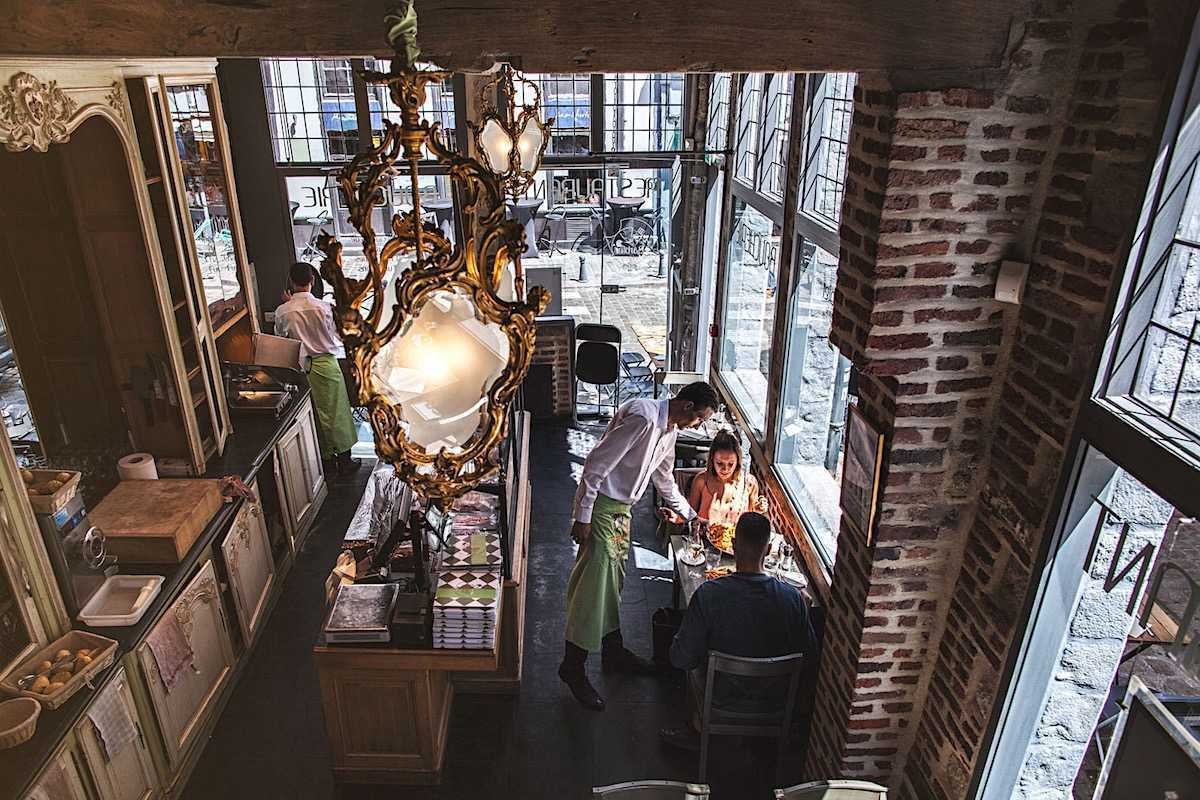
Fire, Smoke, and the Rue de la Monnaie
Vieux-Lille's cobbled streets have a way of sorting restaurants into two camps: those that perform Flemish nostalgia and those that work with something more immediate. Rue de la Monnaie, one of the neighbourhood's more characterful addresses, is home to both. Le Barbier qui Fume is a French Smoked Meats Bistro in Lille's Vieux-Lille district. The name, literally "the smoking barber", is a deliberate provocation, signalling a kitchen identity built around fire and smoke rather than cream and butter. In a northern French city that still defaults to carbonnade, maroilles, and waterzooi, that is a pointed position to occupy.
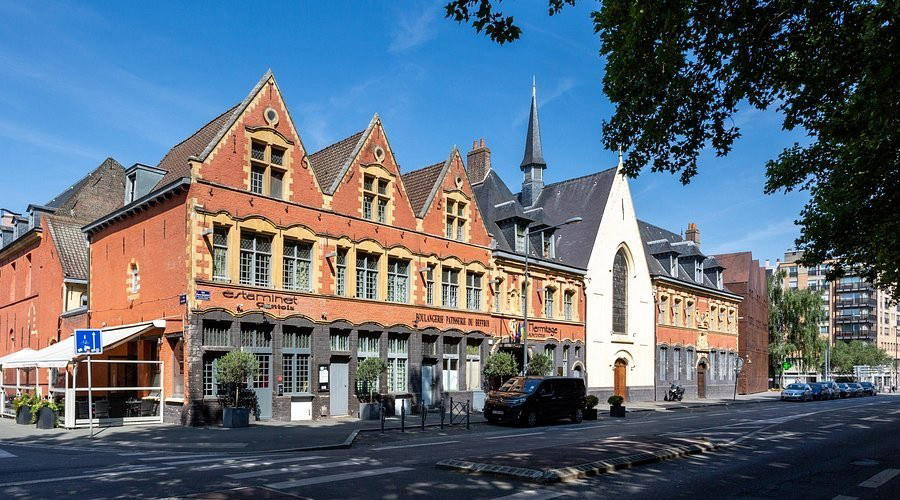
The street itself runs through the heart of Vieux-Lille, a quarter that functions as the city's premium residential and dining core. Visitors approaching from Grand-Place walk through a shift in pace and architecture: narrower streets, Flemish baroque facades, the kind of stone that absorbs afternoon light differently from the glass-and-steel blocks of Euralille to the south. By the time you reach number 69, the context has already done part of the restaurant's work, this is a neighbourhood where dining out carries a certain seriousness of purpose.
Where Le Barbier qui Fume Sits in Lille's Dining Order
Lille's restaurant scene has developed distinct tiers over the past decade. At the leading end, properties like La Table - Hôtel Clarance (€€€€) operate within a formal modern-cuisine framework, with tasting menus and a hotel context that places them in direct comparison with regional destinations elsewhere in northern France. One step below, Ginko (€€€) represents the more accessible end of serious contemporary cooking in the city. Pureté works a similar register. These are restaurants where technique is foregrounded and the cooking makes an argument about what Lille dining can be.
Le Barbier qui Fume operates in a different register: less ceremony, more direct engagement with the cooking itself. Wood-fired and smoke-driven kitchens have become a meaningful category across French provincial dining over the past several years, appearing in cities where the restaurant culture is confident enough to move beyond classical bistro formats without the cost and formality of full tasting-menu operations. This is the space Le Barbier qui Fume occupies: a kitchen identity with a clear technical anchor, positioned in a neighbourhood that draws residents and visitors alike, at roughly $35 per person.
For comparison, the Lille bistro tradition is represented by Au Vieux de la Vieille, a long-established address where Flemish classics remain the primary reference, and Au Soyeux, which works a more neighbourhood-focused format. The restaurant's smoke-and-fire identity sets it apart from both.
The Logic of a Smoke-Led Kitchen
Smoke as a primary cooking tool carries specific implications for how a kitchen is organised and how a front-of-house team interacts with guests. Unlike a classical brigade structure where the pass is the final point of transformation, smoke and fire kitchens require a different rhythm: timing is less forgiving, temperature management is continuous, and the service team needs to understand what is happening at the source in order to pace a meal correctly. Particularly effective versions of this format operate as close collaborations between the kitchen and the floor, a sommelier who understands char and acidity, a front-of-house team that can read the kitchen's pace and translate it into a dining room that never feels rushed or stalled.
This dynamic has been one of the more interesting structural developments in French provincial restaurant culture over the past decade. At properties like Flocons de Sel in Megève and Bras in Laguiole, the team structure is as much a part of the restaurant's identity as the menu. At a smaller city address like Le Barbier qui Fume, the same principle applies at a more compact scale: the coherence between kitchen approach and service style is what determines whether a smoke-led concept reads as intentional or merely fashionable.
France's most-discussed cooking in recent years has often centred on individual chef narratives, the arc from apprenticeship to starred dining room, tracked at places like Mirazur in Menton, Alléno Paris au Pavillon Ledoyen, or the multigenerational project at Troisgros - Le Bois sans Feuilles in Ouches. But the more durable story in French dining is the one happening at mid-tier addresses in provincial cities, where smaller teams are building coherent identities around specific techniques rather than chef celebrity.
Vieux-Lille as a Dining Context
Understanding the restaurant requires understanding the neighbourhood it works within. Vieux-Lille is not a tourist district in the way that Paris's Marais or Lyon's Vieux-Lyon function, it is primarily residential, with a dining scene that serves locals as its first priority. This shapes the rhythm of restaurants here: lunch services that draw professionals from nearby offices, dinner services that skew towards neighbourhood regulars and visiting friends rather than destination-seeking tourists.
That residential character has consequences for a smoke-and-grill concept. Repeat visitors notice more; consistency matters more than the first impression that carries a destination restaurant through a single visit. The Rue de la Monnaie address at number 69 places the restaurant within walking distance of Lille's main squares but in a street context that feels genuinely embedded rather than positioned for tourist traffic.
Lille sits roughly 35 minutes from Brussels by high-speed rail and around an hour from Paris via TGV from Lille-Europe station, which makes it a realistic day trip from either city for food-focused visitors. The restaurant scene is compact enough to cover thoroughly in a weekend. For broader French reference points, the Alsatian institution Au Crocodile in Strasbourg, the Champagne region anchor Assiette Champenoise in Reims, or the Alsatian family legacy at Auberge de l'Ill in Illhaeusern, Lille's dining scene reads as less formally structured but more fluid in its influences, drawing on both French and Belgian culinary references simultaneously.
Planning a Visit
The Rue de la Monnaie address is accessible on foot from Grand-Place in under ten minutes, or from Rihour metro station in roughly the same time. Vieux-Lille has limited parking close to the restaurant, and the cobbled streets are easier to approach on foot. For visitors arriving by train, Lille-Flandres station is the closer terminus for regional services; Lille-Europe handles Eurostar and TGV connections. Booking ahead is advisable, particularly for weekend dinner, as the neighbourhood's compact restaurant supply means popular addresses fill quickly. Reservations are recommended, and the restaurant opens Monday through Friday from 10:30 AM to 2:30 PM and 6 PM to 12 AM, Saturday from 10:30 AM to 12:30 AM, and Sunday from 10:30 AM to 12 AM.
Budget and Context
Comparable venues nearby, for context on price, style, and recognition.
| Venue | Price | Notes |
|---|---|---|
| Le Barbier qui FumeThis venue — the venue you are viewing | $$$ | Not listed |
| Brasserie André | $$$ | Lille Centre 12, Traditional French Brasserie |
| Le Barbue d'Anvers | $$$ | Vieux Lille 4, Traditional Northern French & Belgian Estaminet |
| Le Passe Porc | $$$ | Lille Centre 19, Traditional French Meat & Offal Bistro |
| Brother & Sister | $$$ | Vieux Lille 3, French Bistronomie |
| Quai 38 | $$ | Vieux Lille 1, Modern French Seafood |
Continue exploring
More in Lille
Restaurants in Lille
Browse all →
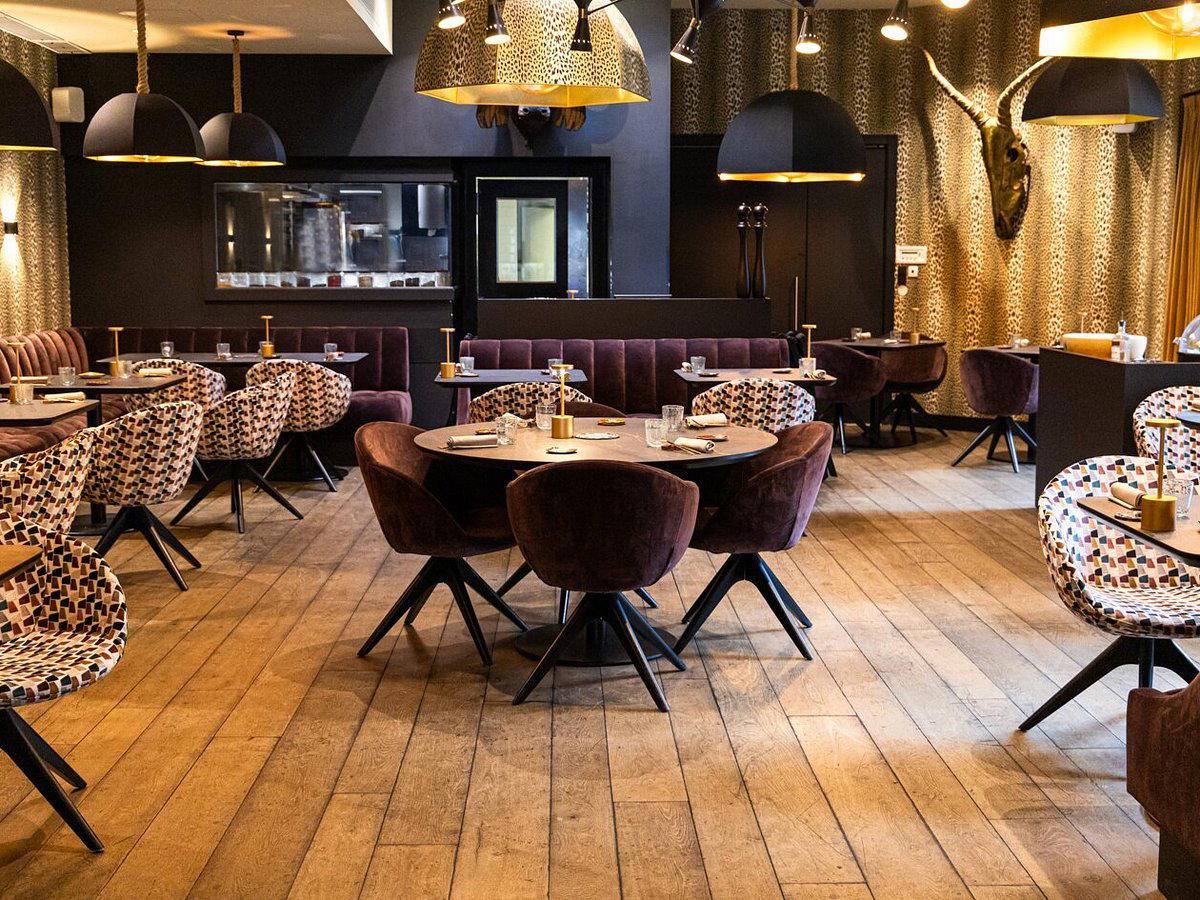
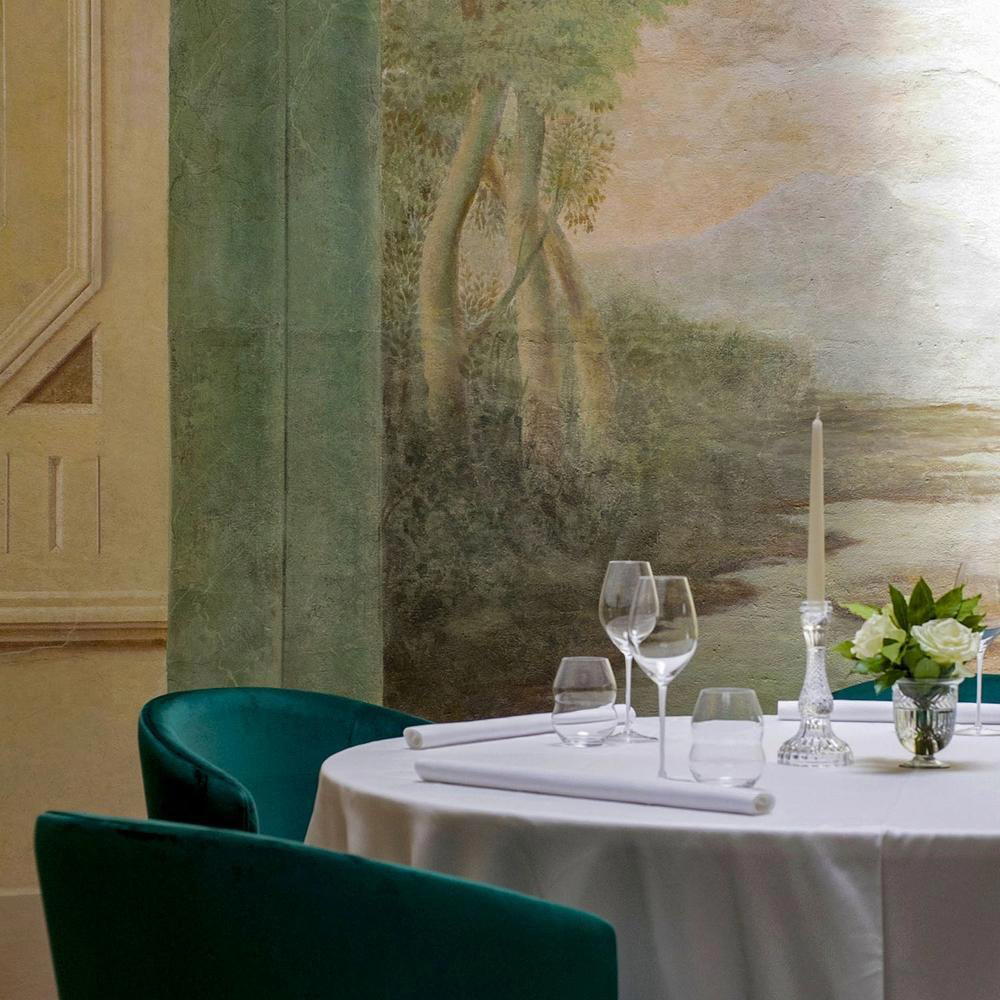
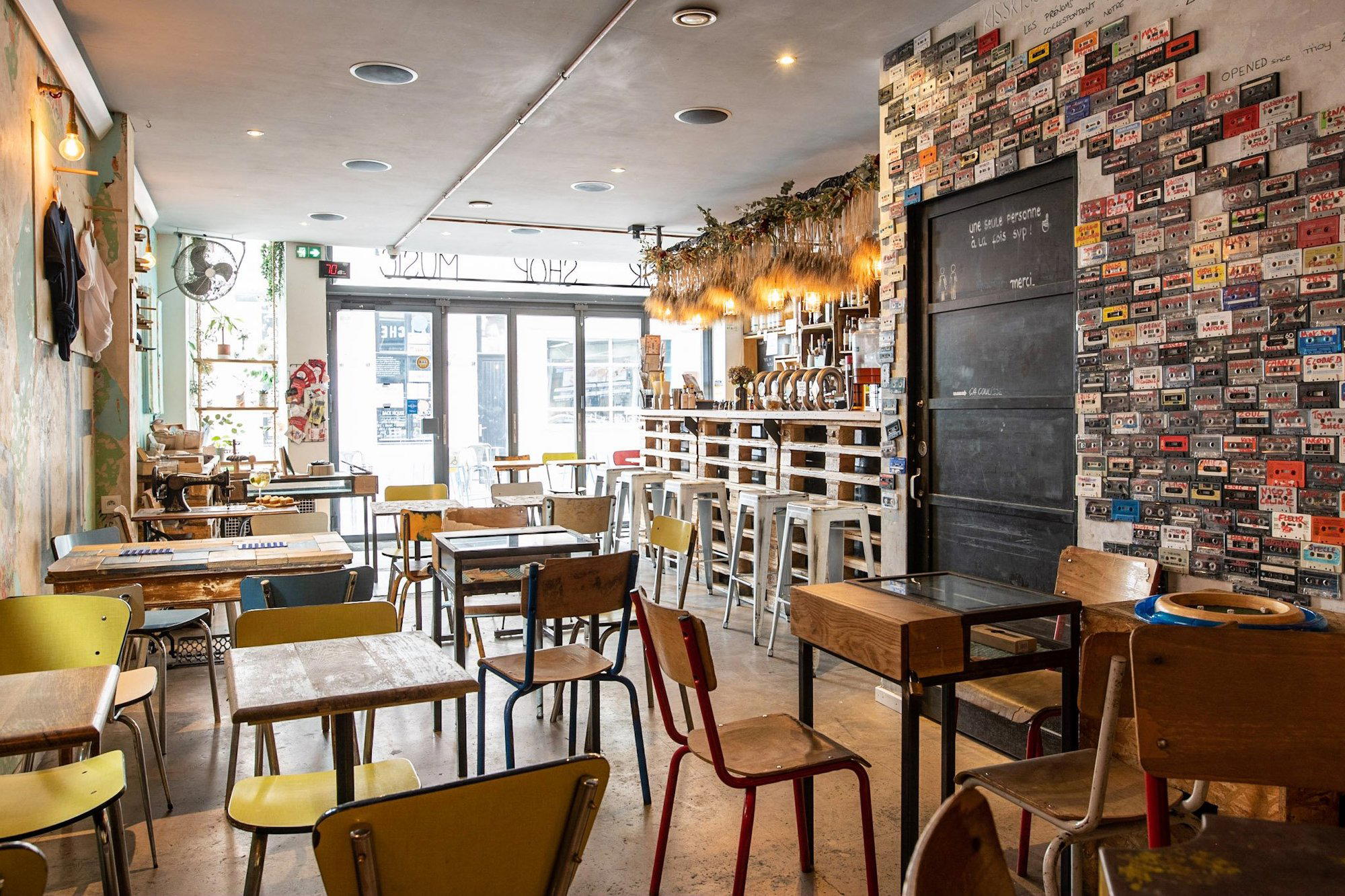
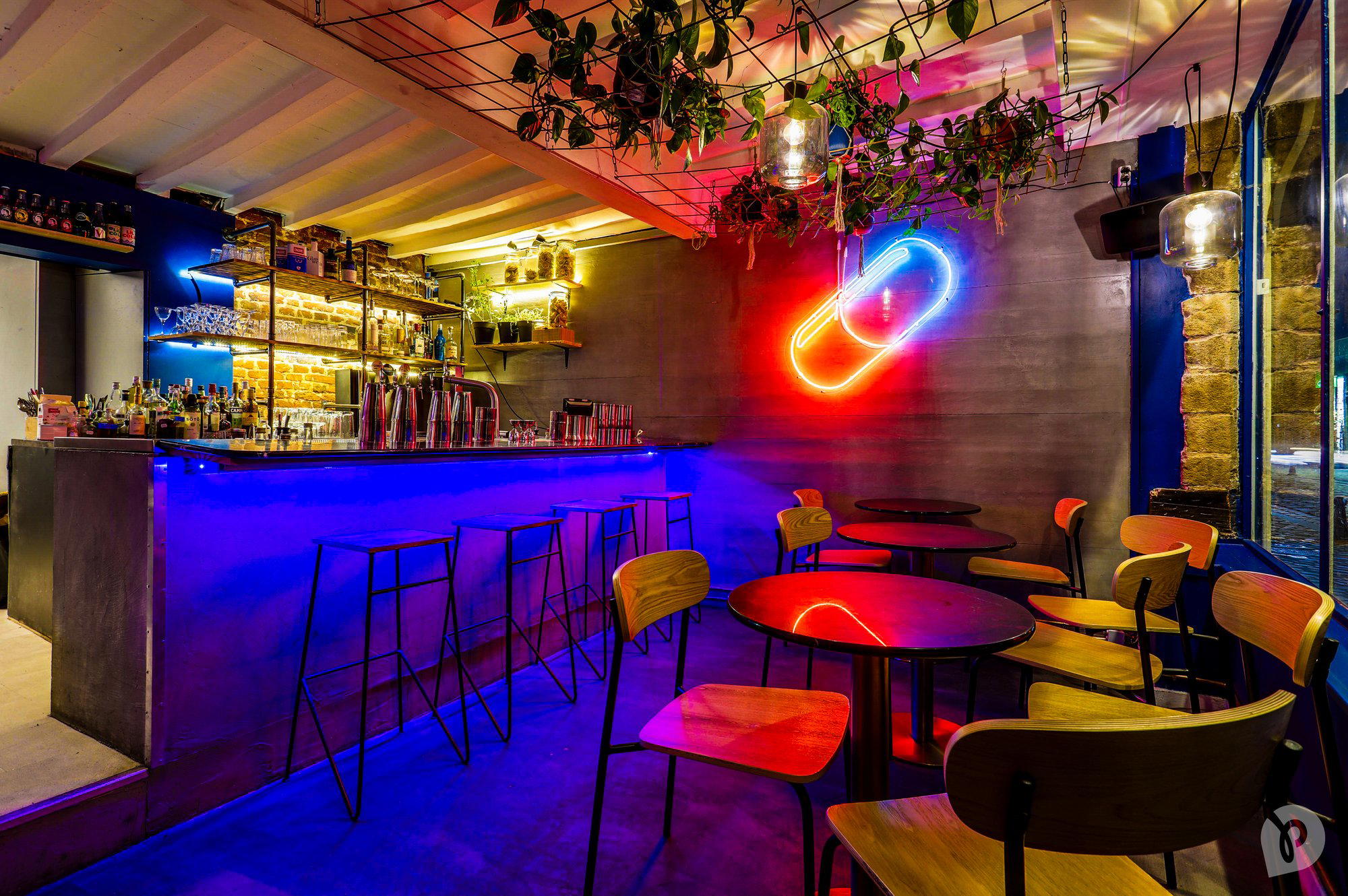
At a Glance
- Classic
- Cozy
- Rustic
- Casual Hangout
- Group Dining
- Special Occasion
- Open Kitchen
- Extensive Wine List
Current opening hours
- Monday
- 10:30 AM–2:30 PM, 6 PM–12 AM
- Tuesday
- 10:30 AM–2:30 PM, 6 PM–12 AM
- Wednesday
- 10:30 AM–2:30 PM, 6 PM–12 AM
- Thursday
- 10:30 AM–2:30 PM, 6 PM–12 AM
- Friday
- 10:30 AM–2:30 PM, 6 PM–12 AM
- Saturday
- 10:30 AM–12:30 AM
- Sunday
- 10:30 AM–12 AM
Hours can change for holidays and private events. Last verified .
Authentic and charming with a traditional Welsh pub feel, featuring an upstairs dining area above a butcher-charcuterie shop.