Le Barbue d'Anvers serves Traditional Northern French & Belgian Estaminet in a historic building at 1 Rue Saint-Etienne, with a beer program, terrace, and private dining.
Pearl is the En Primeur Club membership app — saves, bookings, and concierge access live there. Same editors, same standards.
- Address
- 1 Rue Saint-Etienne, 59800 Lille, France
- Phone
- +33320551168
- Website
- lebarbuedanvers.fr
- Directions
- Get directions
 Saves & bookings on Pearl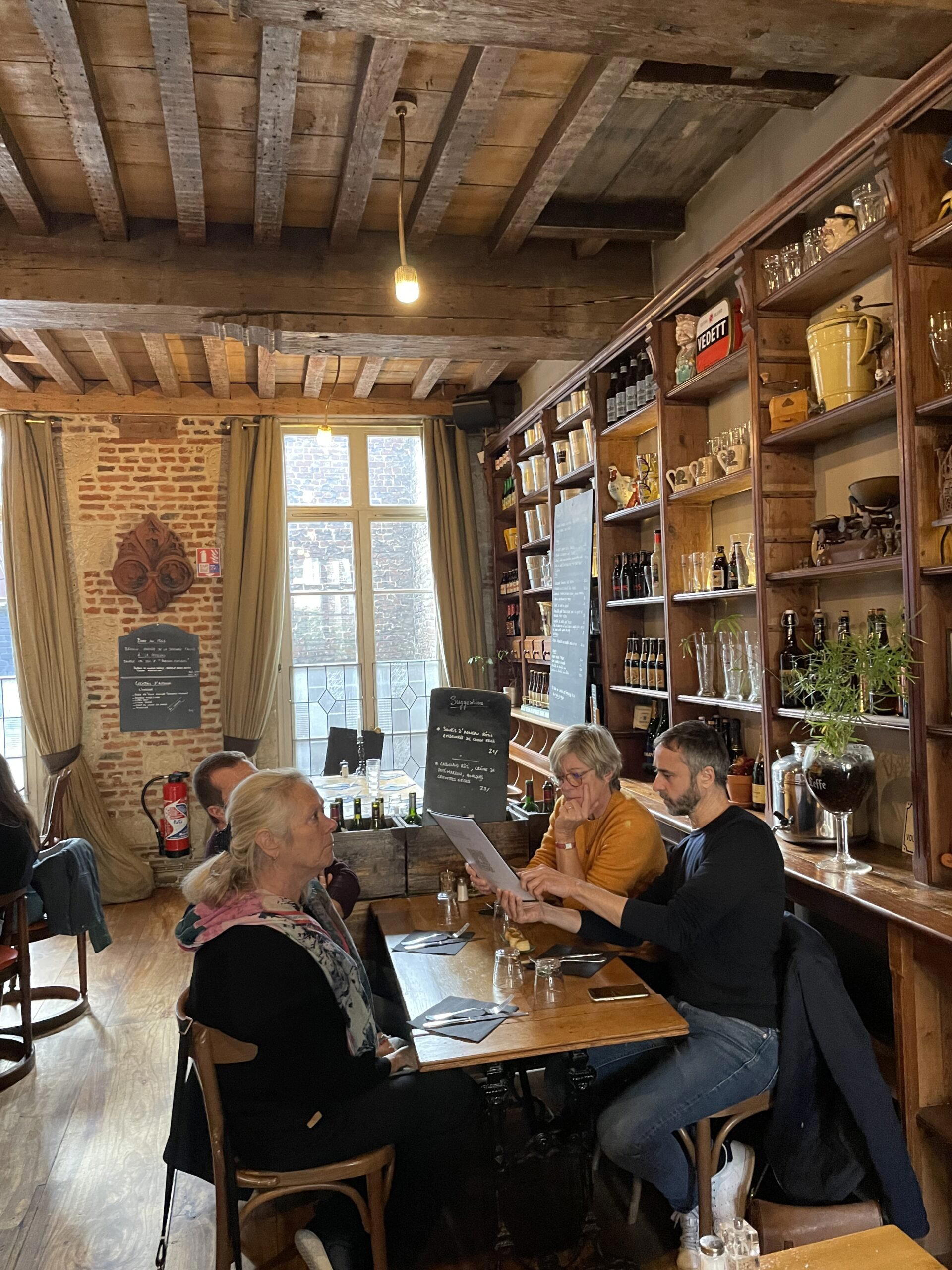
Rue Saint-Etienne and the Northern French Table
Lille's dining identity is shaped by its position at the intersection of French culinary discipline and the hearty, ingredient-forward traditions of the Nord-Pas-de-Calais region. The city sits closer to Brussels than to Paris, and that proximity has always given its restaurant culture a distinct character: less deferential to Parisian fashion, more anchored in the produce of the Channel coast and the Flemish interior. Chicory, juniper-smoked fish, carbonnade, and waterzooi have long defined the regional table, and the addresses that do well in Lille tend to be those that find a credible way to sit between that local inheritance and the technical expectations of a contemporary French dining public. Le Barbue d'Anvers, addressed at 1 Rue Saint-Etienne in the historic core of the city, occupies that space.
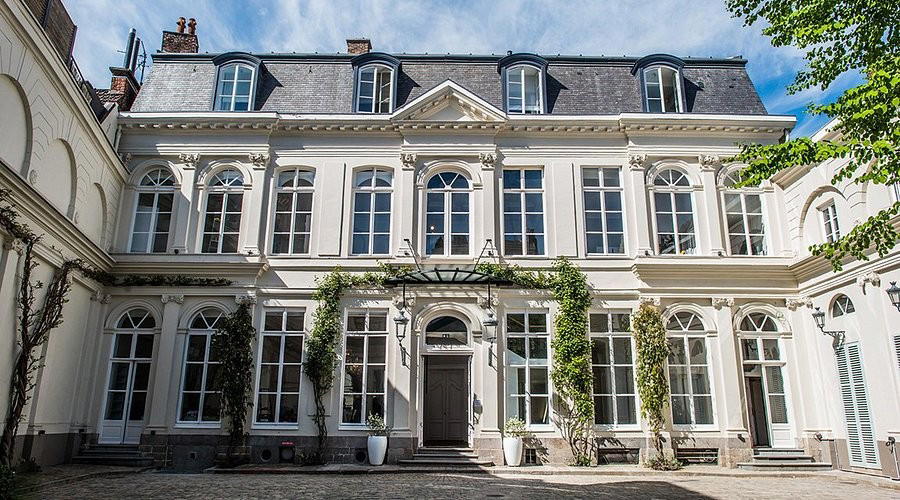
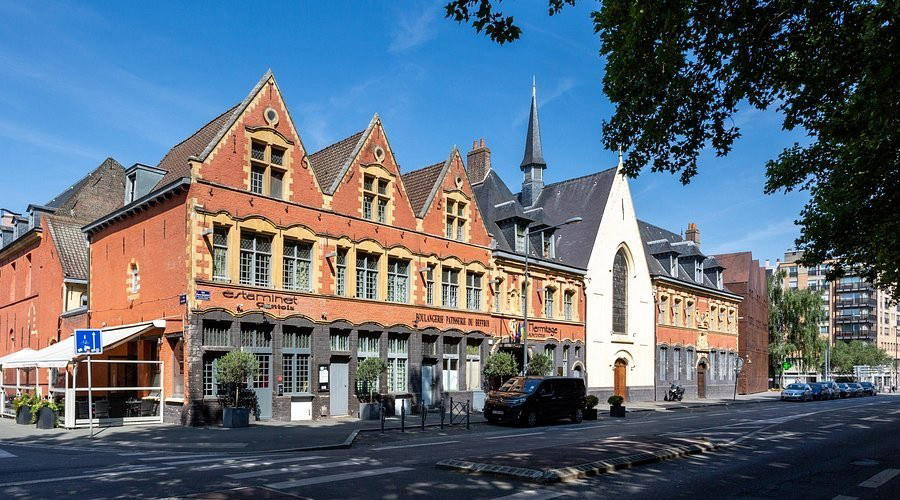
The street itself is a useful frame. Rue Saint-Etienne runs through one of the older quarters of Vieux-Lille, where the Flemish baroque facades and the narrow, cobbled passages create a physical argument for continuity. Restaurants in this quarter tend to carry weight by association with place. The dining rooms are typically compact, the aesthetic leans toward preserved rather than renovated, and the clientele is a mixture of locals with long institutional loyalty and visitors who have been pointed here by someone who knows. It is, in that sense, representative of a particular tier of French provincial dining: the address with a name that means something in the city but does not necessarily translate onto international shortlists.
Cultural Roots of a Regional Tradition
The word "barbue" in French refers to brill, the flatfish common to the North Sea and the Channel. That the restaurant carries the fish's name in its title is not incidental. Northern France has one of the more underappreciated seafood traditions in the country. The ports of Boulogne-sur-Mer, Calais, and Dunkirk bring in significant volumes of turbot, sole, brill, and herring, and the region's better kitchens have historically treated this abundance with a seriousness that goes unreported relative to the Brittany and Basque coasts. The name is a signal, a declaration of regional alignment rather than a generic positioning around French haute cuisine broadly conceived.
That alignment places Le Barbue d'Anvers in a different competitive conversation from Lille's more internationally oriented modern addresses. Ginko and La Table at Hôtel Clarance operate with the language and presentation codes of contemporary French gastronomy directed at a broader audience. Pureté works in a similarly modernist register. Le Barbue d'Anvers, by contrast, draws its authority from a different source: the specificity of northern French culinary geography rather than the ambitions of a chef building toward international recognition. That distinction matters when deciding which room to book. It is also why local recommendation carries particular weight here in a way it might not at a property with Michelin or 50 Best visibility.
Across France, the restaurants that hold this particular position, regionally anchored, historically grounded, resistant to trend cycles, form a critical but often overlooked layer of the national dining culture. Auberge de l'Ill in Illhaeusern represents one celebrated version of that model in Alsace. Bras in Laguiole occupies an analogous role in the Aveyron. In each case, the authority comes from depth of rootedness rather than from competitive positioning against the Paris circuit. The restaurant operates on a smaller scale than either of those references, but the logic is recognisably similar.
Where It Sits in Lille's Restaurant Picture
Lille has a concentrated restaurant culture relative to its size, with a clear stratification between the €€€€ tier occupied by the Clarance dining room and a few other ambitions-driven tables, a solid €€€ middle band, and a lower range that includes some genuinely well-executed traditional bistro cooking. Au Soyeux and Au Vieux de la Vieille represent the latter register, both anchored in the estaminets tradition that is specific to the Nord. The restaurant sits in a position that is harder to map from the outside, and that is partly the point: in French provincial dining, the addresses without legible price signals or award badges are sometimes the instructive about what a city actually eats.
Nationally, the conversation about French restaurant culture at the highest level tends to concentrate on a small number of houses. Alléno Paris au Pavillon Ledoyen, Mirazur in Menton, Troisgros in Ouches, and Paul Bocuse in the Lyon orbit define much of how international visitors frame what French dining means. Regional tables like this one do not compete on that axis. What they offer instead is a form of specificity that the flagship houses, by their nature, cannot provide: the taste of a particular coastline, processed through a kitchen that has been answering to the same local audience for years. For contrast at the opposite end of the ambition spectrum, AM par Alexandre Mazzia in Marseille, Assiette Champenoise in Reims, and Au Crocodile in Strasbourg each demonstrate what sustained institutional investment looks like in a French regional capital.
For readers who are also tracking the international French-trained fine dining circuit, Le Bernardin in New York and Atomix show how the technical discipline that originates in rooms like this one eventually travels. Flocons de Sel in Megève represents another version of the regionally embedded French table operating at a different altitude.
Planning Your Visit
The restaurant is located at 1 Rue Saint-Etienne, in Vieux-Lille, the city's most historically intact quarter. The address is walkable from the Grand-Place and from Lille-Flandres station, which is around 20 minutes on foot through the old town. The restaurant is located at 1 Rue Saint-Etienne, in Vieux-Lille, the city's most historically intact quarter. The address is walkable from the Grand-Place and from Lille-Flandres station, which is around 20 minutes on foot through the old town. Reservations are recommended.
A Pricing-First Comparison
Comparable venues nearby, for context on price, style, and recognition.
| Venue | Price | Notes |
|---|---|---|
| Le Barbue d'AnversThis venue — the venue you are viewing | $$$ | Not listed |
| Octopus | $$$ | Lille Centre 19, Contemporary French with Mediterranean Octopus Specialization |
| Brasserie André | $$$ | Lille Centre 12, Traditional French Brasserie |
| Brother & Sister | $$$ | Vieux Lille 3, French Bistronomie |
| La Fleur de Lille | $$$ | Vieux Lille 2, Creative French Bistro |
| Quai 38 | $$ | Vieux Lille 1, Modern French Seafood |
Continue exploring
More in Lille
Restaurants in Lille
Browse all →
At a Glance
- Cozy
- Rustic
- Classic
- Intimate
- Group Dining
- Family
- Casual Hangout
- Historic Building
- Terrace
- Private Dining
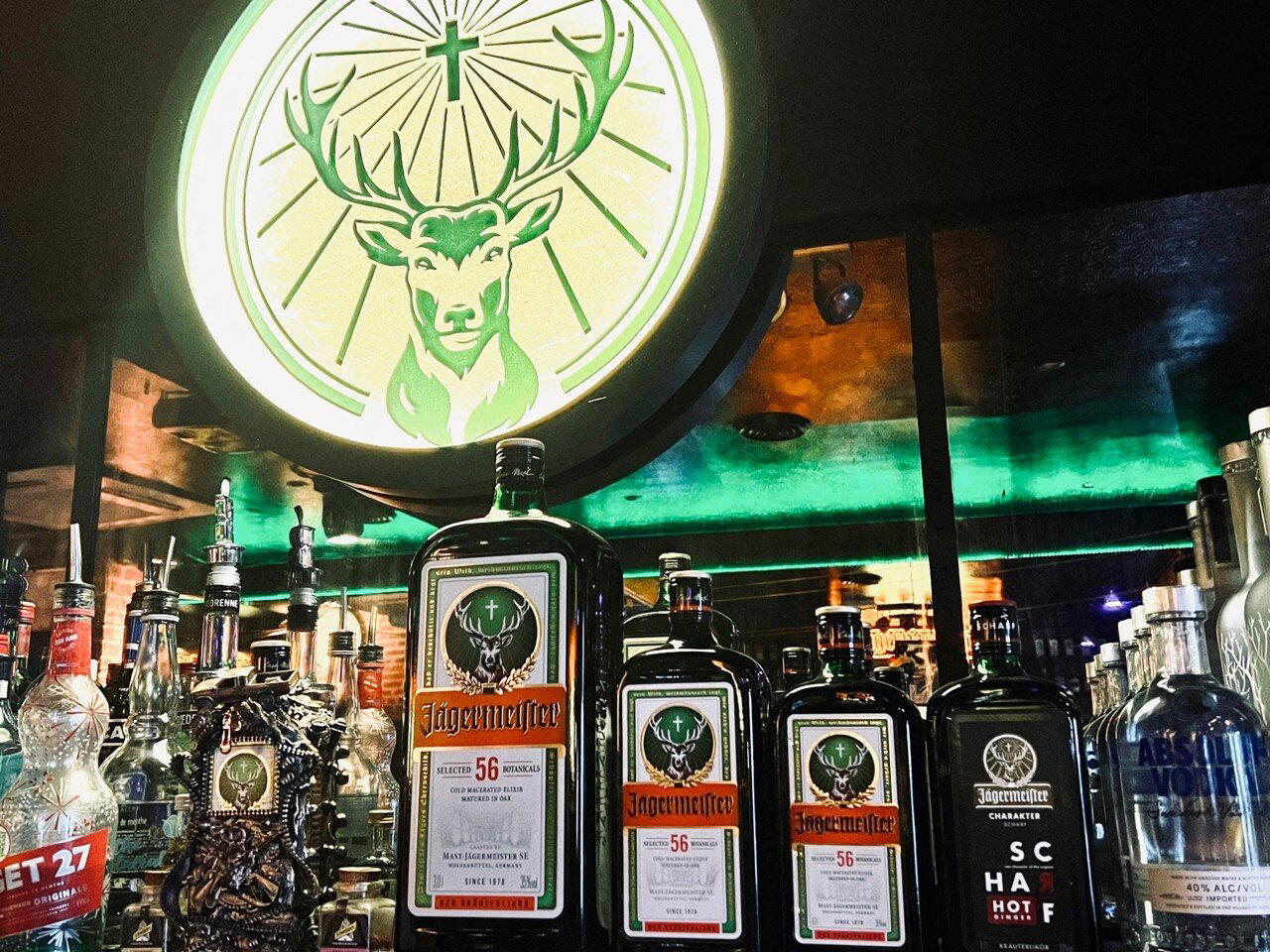
- Beer Program
- Local Sourcing
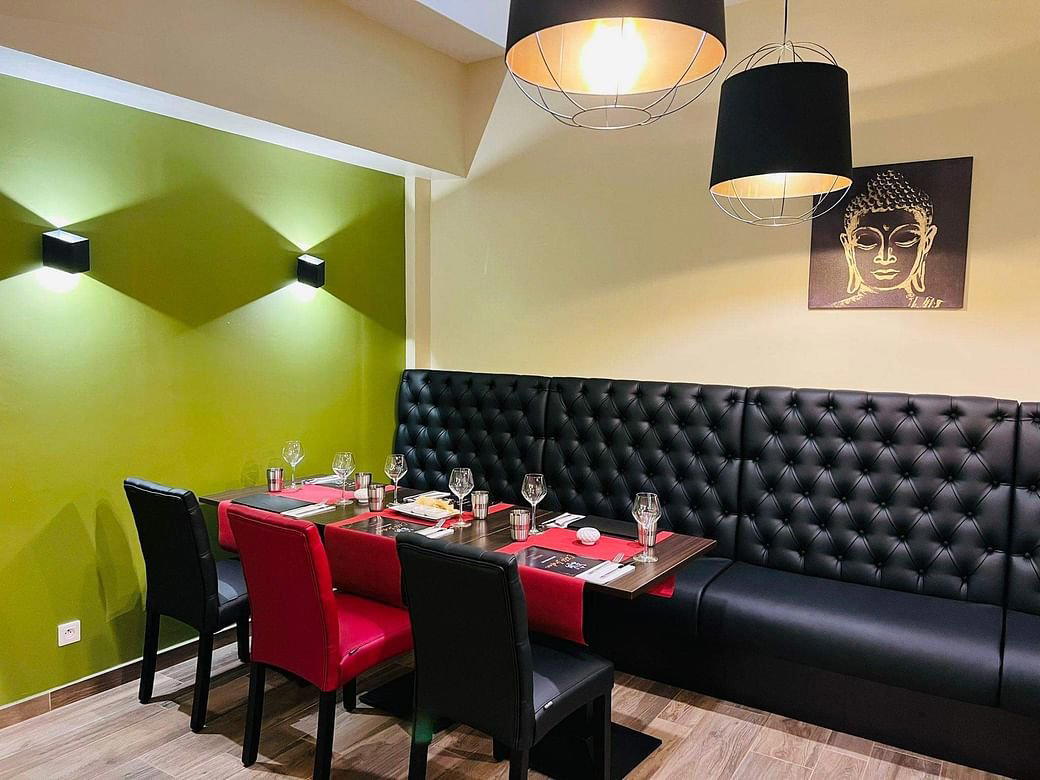
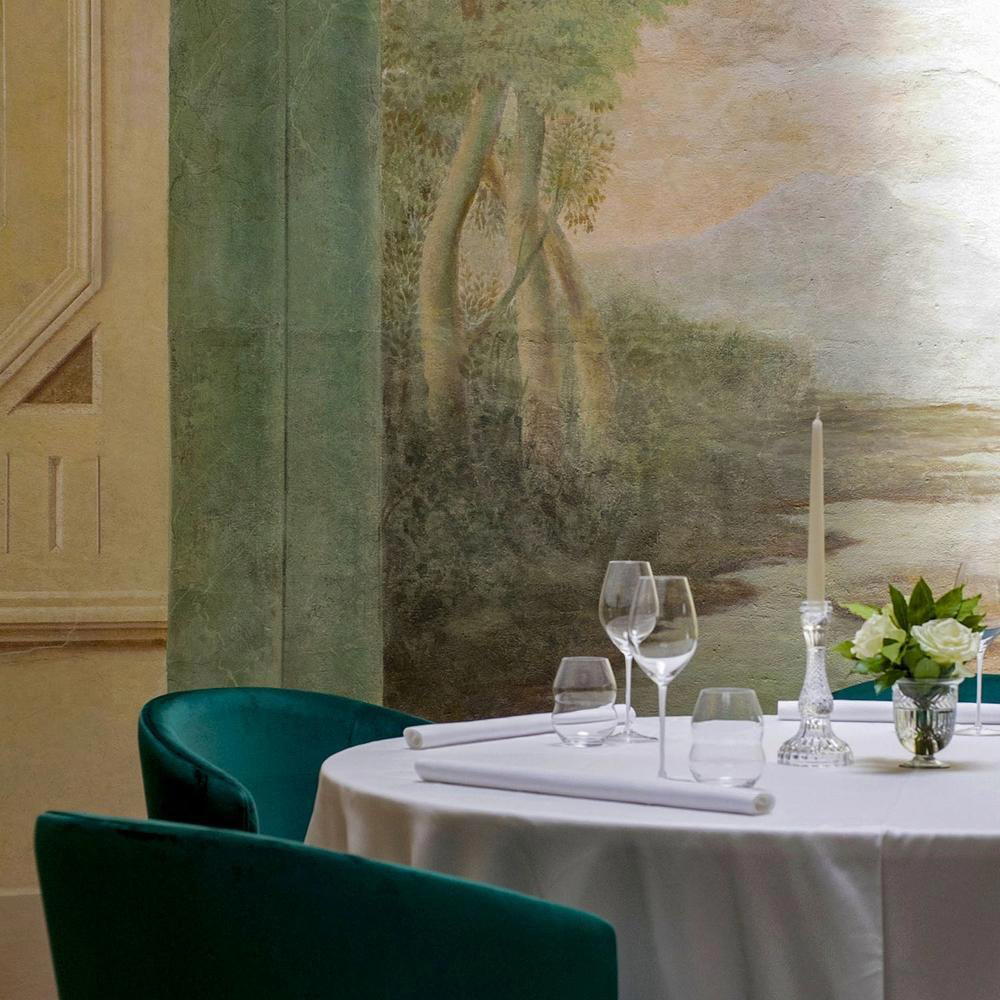
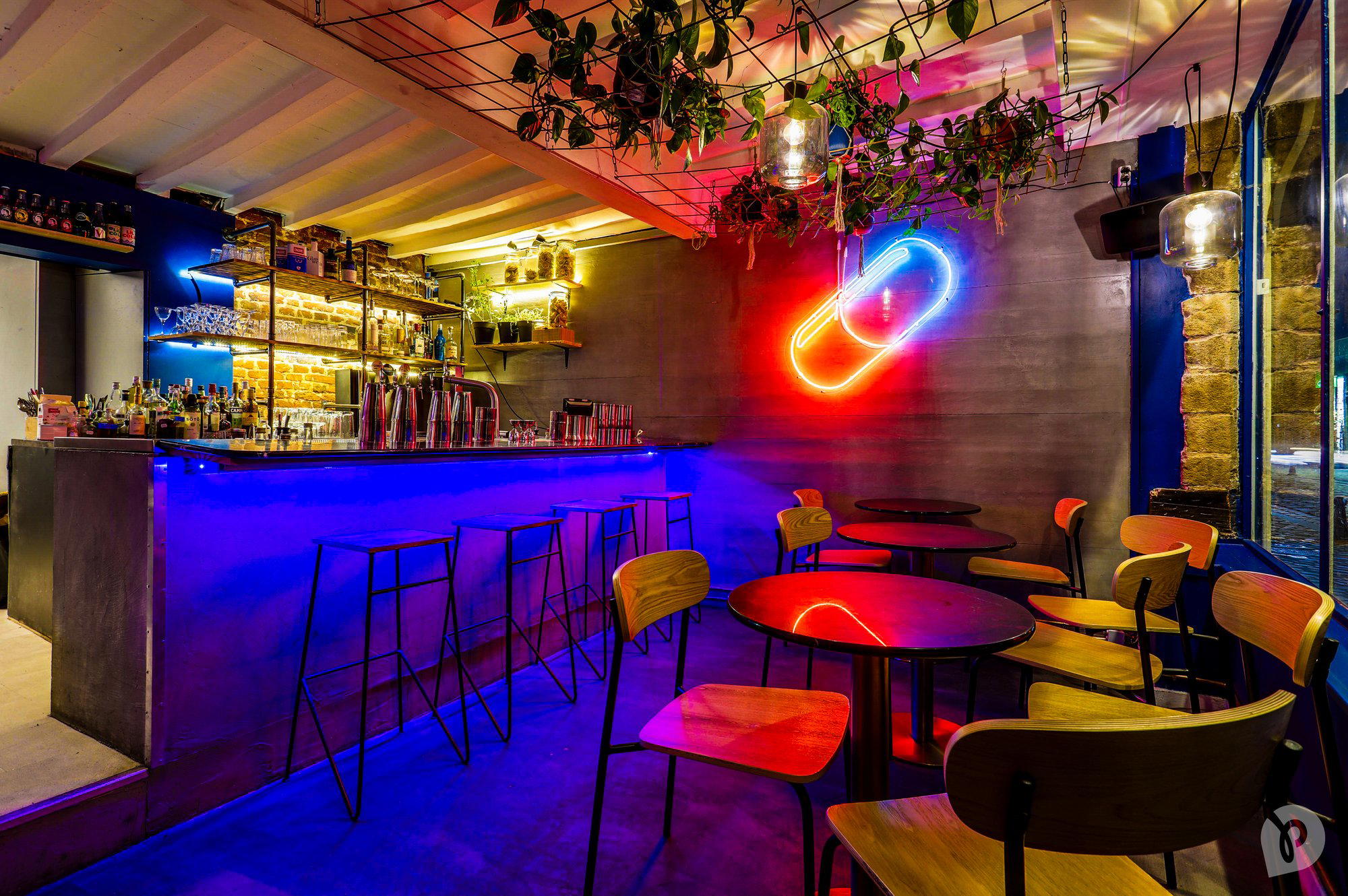
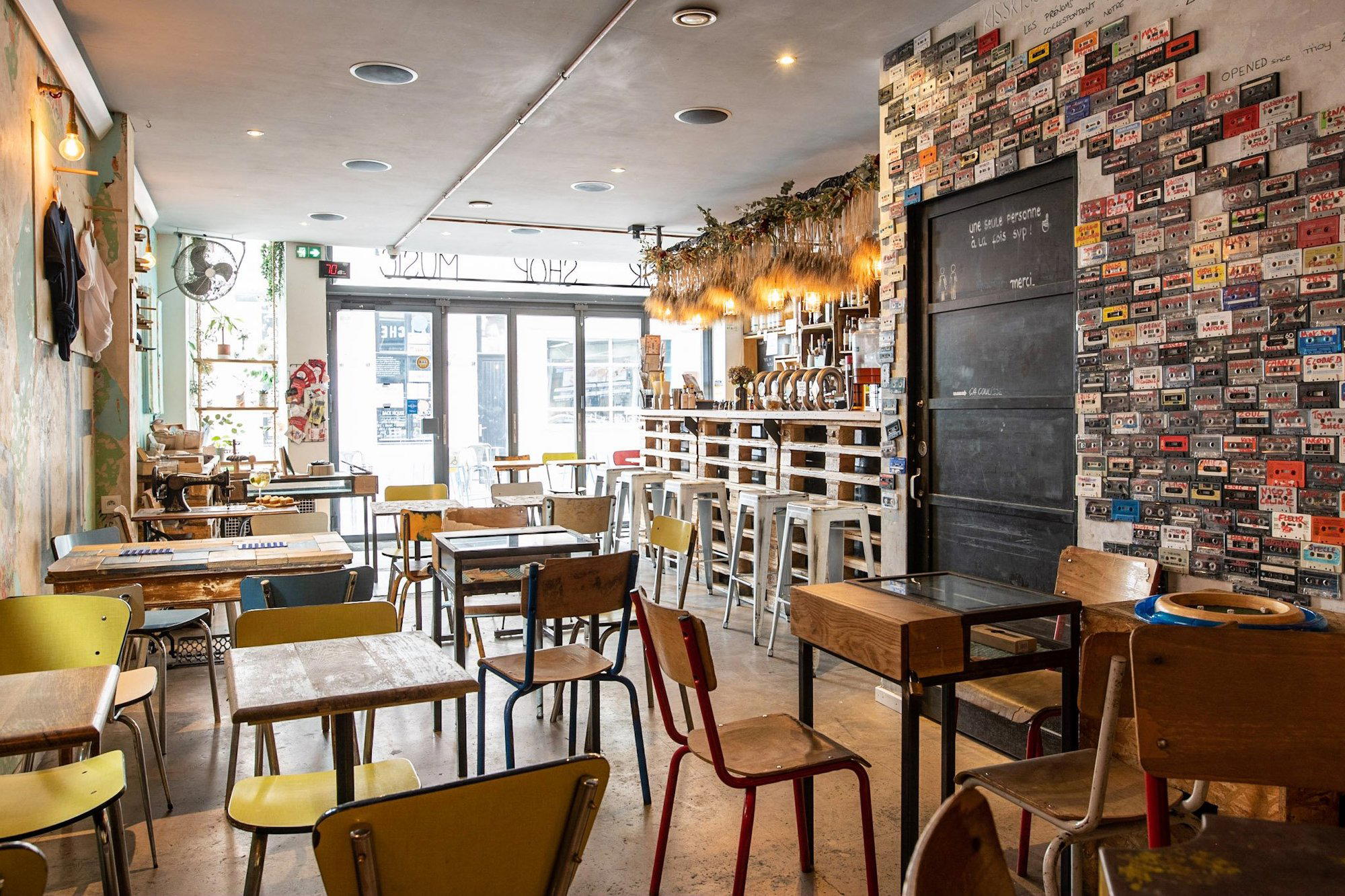
Chaleureux and rustic with old stones, wooden tables, parquet floors, period lighting, and an envoûtant traditional Flemish atmosphere.