Our verdict
On Rue de Gand, one of Lille's quieter commercial streets, Au Soyeux sits within a neighbourhood that has long traded in fabric and craft. The restaurant draws from that same tradition of careful, material-focused work, placing it in the conversation among Lille's more considered dining addresses. For visitors to northern France, it represents a useful point of entry into the city's evolving restaurant scene.

Pearl is the En Primeur Club membership app — saves, bookings, and concierge access live there. Same editors, same standards.
- Address
- 48 Rue de Gand, 59800 Lille, France
- Phone
- +33320556208
- Hours
- Mon–Thu 12–2 PM, 7–10 PMFri 12–2 PM, 7–10:30 PMSat 12–2:30 PM, 7–11 PMSun 12–2:30 PM, 7–10 PM
- Website
- estaminet-ausoyeux.fr
- Directions
- Get directions
- Booking
- Book on TheFork
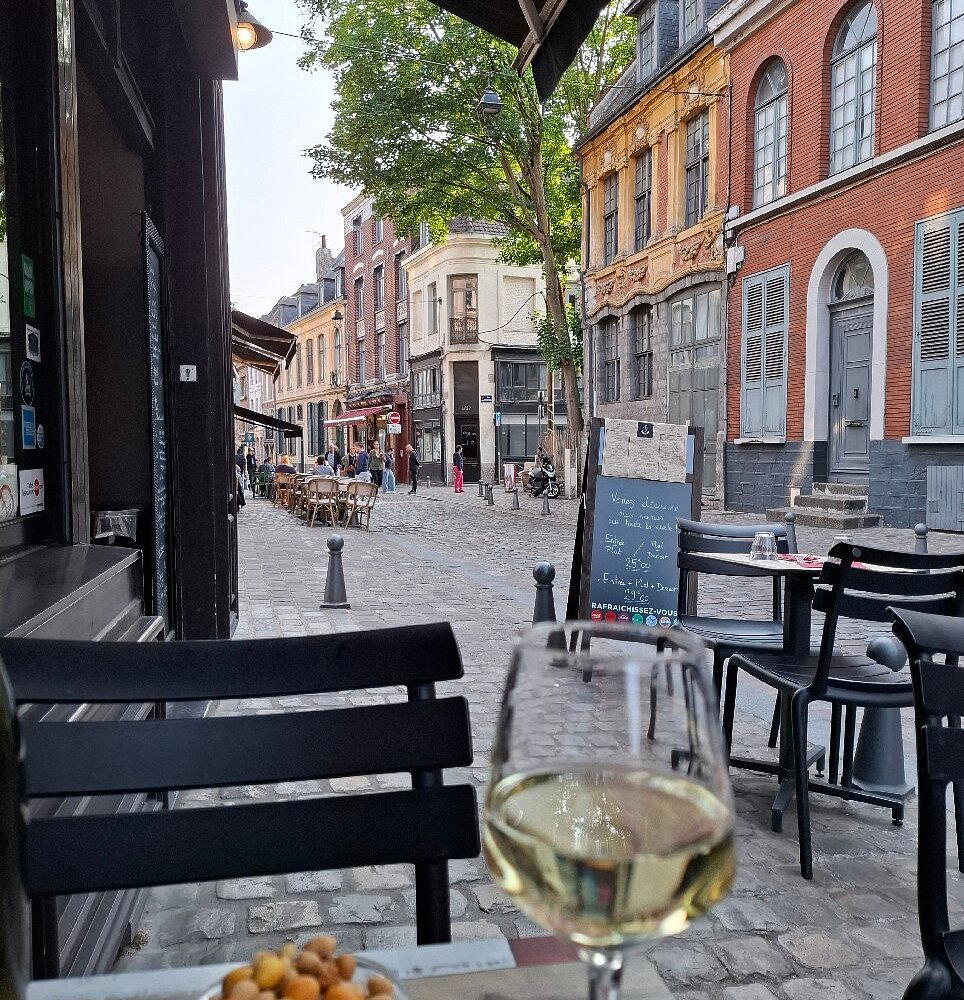
The menu
What to order
- Carbonnade with gingerbread
- Flamiche with maroilles
- Potjevleesch
- Welsh
- Chicken with maroilles cheese
Rue de Gand and the Texture of Northern French Dining
Lille's restaurant culture has been reshaping itself over the past decade, moving away from its older identity as a city of estaminets and hearty Flemish table cooking toward a more varied scene that includes tasting-menu counters, natural wine bars, and a handful of addresses where the sourcing conversation is as considered as the cooking itself. Rue de Gand, where Au Soyeux is addressed at number 48, sits in a part of the city that still carries traces of its textile past, the street name itself a reference to the trade route connecting Lille to Ghent. That material history is not incidental to what the neighbourhood has become: a quieter, less tourist-facing quarter where the businesses that survive tend to be the ones that reward attention.
The broader pattern across French regional dining, from Bras in Laguiole to Flocons de Sel in Megève, has been a growing insistence on place as ingredient: the idea that where food comes from is not supplementary information but the organising logic of a menu. In northern France, that conversation has its own specific character. The Nord-Pas-de-Calais region produces chicory, endive, Maroilles cheese, and some of the country's better artisan charcuterie. The coast at Boulogne-sur-Mer handles roughly a third of France's total fish landings. Any serious restaurant working in this geography has an unusually strong raw material argument available to it, if it chooses to make it.
What Sourcing Looks Like in This Part of France
The ingredient sourcing frame matters more in northern France than it might in, say, the Rhône Valley or Provence, precisely because the region's produce does not carry the same international prestige. Burgundy truffles, Breton lobster, and Périgord foie gras travel easily as brand signals. Flemish grey shrimp, Bergues cheese, or endive from the Pévèle plain require more contextual work to place on a menu with conviction. Restaurants that manage it, and there are an increasing number doing so across the Nord department, tend to develop a more locally specific identity than those that import their prestige ingredients from further south.
This positioning distinguishes the more interesting end of Lille's current restaurant scene from its peers in larger French cities. Where a Paris tasting menu might call on produce from across the country, assembling prestige from multiple regions, a Lille address working the Nord's own supply chain is making a different editorial claim: that this specific geography is sufficient. La Table at Hôtel Clarance and Pureté both operate in this space at the higher price tier; Ginko and others work similar sourcing logic at a slightly more accessible price point. Au Soyeux, at 48 Rue de Gand, sits within that broader movement without the public-facing data, awards, or press record that would allow for precise placement within it.
The Competitive Context on Rue de Gand
Lille's dining scene has enough depth now that a restaurant's neighbourhood location carries real meaning. The Vieux-Lille quarter, with its cobbled streets and heritage architecture, draws the most visitor traffic and hosts several of the city's most established addresses, including Au Vieux de la Vieille for traditional Flemish cooking and Aux éphérites for a more contemporary take on the city's food culture. Rue de Gand sits just outside that core, which means a restaurant there is not competing on foot traffic or tourist visibility but on the strength of the reason to seek it out. That self-selection tends to produce a more deliberate clientele, and, in turn, more deliberate kitchens.
The name Au Soyeux, meaning the silk merchant or the silky one, references the textile trade that shaped this part of the city through the nineteenth century. Whether that reference extends into the restaurant's aesthetic or menu approach is not something the available public record confirms. What the address does confirm is a location that places the restaurant in a quieter commercial corridor where the competition for attention is lower and the expectation is that guests arrive with a specific intention. For a full picture of Lille's current restaurant options, the EP Club Lille restaurants guide maps the city's dining by neighbourhood and price tier.
Northern France in the Wider French Fine Dining Conversation
It is worth understanding where northern France sits in the national hierarchy of serious French cooking. The celebrated benchmarks, Alléno Paris au Pavillon Ledoyen, Troisgros in Ouches, Paul Bocuse, Auberge de l'Ill in Illhaeusern, Les Prés d'Eugénie, Georges Blanc in Vonnas, and La Table du Castellet, are all concentrated in regions with stronger culinary brand recognition. The Nord has historically been underrepresented at the top tier of that conversation, which means that restaurants operating here are doing so in a market where local pride and local clientele matter more than international press cycles. That is not a limitation; it shapes the cooking in ways that menus built for food tourism rarely achieve. It is also the reason that restaurants like Mirazur in Menton, which built a global reputation on intense regional specificity, offer a useful model for what ambition looks like when it is rooted in place rather than oriented toward prestige markets.
In New York and San Francisco, similar logic drives the more compelling end of the tasting-menu format. Le Bernardin and Lazy Bear both build their authority on a clear, defensible sourcing and format argument. The restaurants in Lille that are doing the same thing, wherever they fall on the price scale, are working in a tradition that travels.
Planning a Visit
Au Soyeux is located at 48 Rue de Gand, 59800 Lille, a ten-minute walk from the Grand-Place and close to the République-Beaux-Arts metro station, which makes it direct to reach from the city centre or from Lille-Flandres station. Lille as a city rewards the extra step of booking in advance at any address that has built a local following: the dining scene here punches above the city's tourist profile, and the better rooms tend to fill on weekday evenings as well as weekends.
Frequently asked questions
Where is Au Soyeux in Lille?
Au Soyeux is located at 48 Rue de Gand, 59800 Lille, France, Lille.
Is Au Soyeux a good choice for a dinner near Lille's Grand-Place?
Au Soyeux sits at 48 Rue de Gand, approximately a ten-minute walk from the Grand-Place, placing it closer to the quieter residential edge of Vieux-Lille than to the tourist-heavy centre. That distance is an asset for diners looking to eat away from the busiest squares. The Rue de Gand corridor has developed a reputation among Lille residents as a more local alternative to the highly trafficked streets immediately around the Grand-Place.
What should I order at Au Soyeux?
Specific menu details for Au Soyeux are not published in advance, which is consistent with kitchens in the Vieux-Lille quarter that adjust their offer based on seasonal sourcing. Given the restaurant's address on Rue de Gand and the northern French context, expect dishes that reflect regional produce from the Nord. Ask the room what is freshest when you arrive rather than arriving with fixed expectations.
Do I need a reservation for Au Soyeux?
Au Soyeux is located at 48 Rue de Gand in Lille, a street where several serious restaurants compete for a limited pool of local regulars and visitors staying near the Vieux-Lille quarter. Booking ahead is the practical approach, particularly for weekend evenings.
What's the standout thing about Au Soyeux?
The address places it squarely in the most restaurant-dense part of Lille, where proximity to the cobbled streets of Vieux-Lille and the République-Beaux-Arts metro line keeps foot traffic high but filters for a more intentional diner. Au Soyeux holds its own in a neighbourhood that has become the reference point for the city's shift toward considered, produce-led cooking rather than the older estaminet tradition.
What if I have allergies at Au Soyeux?
This is standard practice for kitchens running market-driven or rotating formats, which are common at this tier of Lille dining. Contact the venue at 48 Rue de Gand, 59800 Lille, or reach out via a current booking platform to flag requirements in advance.
In Context: Similar Options
| Venue | Cuisine | Price | Awards | Notes |
|---|---|---|---|---|
| Au SoyeuxThis venue — the venue you are viewing | Traditional Northern French Bistro | $30–50 | Not listed | Not listed |
| La Table - Hôtel Clarance | Modern French Fine Dining | $100–150 | Michelin Plate · Relais Chateaux Award | Modern Cuisine |
| Ginko | Modern French with Japanese and Italian Accents | $50–100 | 1 Michelin Star | Modern Cuisine |
| Bloempot | Innovative Local Flemish | $50–100 | Michelin Plate · We're Smart World 3 Radishes | Modern Cuisine |
| Le Restaurant du Cerisier | Modern French Fine Dining | $100–150 | 1 Michelin Star | Creative |
| Limpide | Modern French Fine Dining | $50–100 | Michelin Plate | Not listed |
Continue exploring
More in Lille
Restaurants in Lille
Browse all →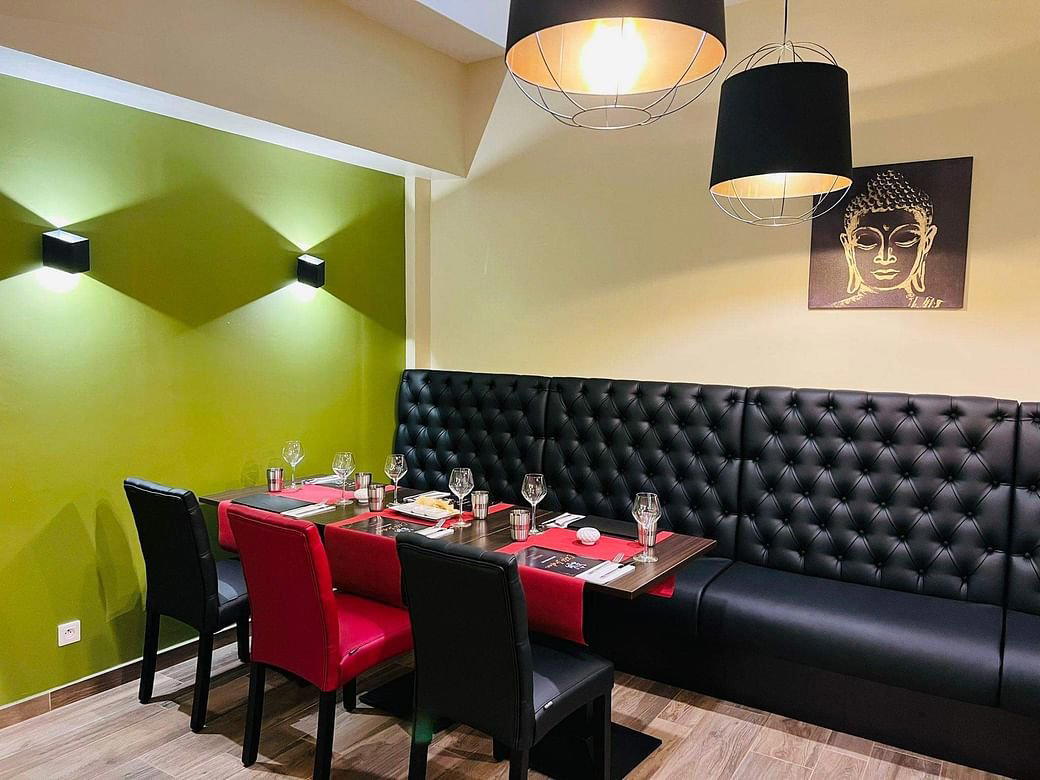
Hotels in Lille
Browse all →
Wineries in Lille
Browse all →
Details
- Rustic
- Cozy
- Classic
- Lively
- Group Dining
- Family
- Casual Hangout
- After Work
- Terrace
- Private Dining
- Historic Building
- Beer Program
- Local Sourcing
- A La Carte
- Set Menu
- Regional Beer
- Wine
- Vegetarian Friendly
Current opening hours
- Monday
- 12–2 PM, 7–10 PM
- Tuesday
- 12–2 PM, 7–10 PM
- Wednesday
- 12–2 PM, 7–10 PM
- Thursday
- 12–2 PM, 7–10 PM
- Friday
- 12–2 PM, 7–10:30 PM
- Saturday
- 12–2:30 PM, 7–11 PM
- Sunday
- 12–2:30 PM, 7–10 PM
Hours can change for holidays and private events. Last verified .
Warm, jovial atmosphere recreating the estaminets of yesteryear with period decor; conversational noise level with friendly, welcoming service.