Quai 38 occupies a specific position in Lille's mid-to-upper dining tier, at 38 Rue Saint-Sébastien in the city's Vauban-Esquermes quarter. Where many of the city's contemporary addresses lean toward pure technique, Quai 38 draws its editorial interest from a grounding in ethical sourcing and environmental awareness — a positioning that aligns it with a broader shift across French regional dining away from prestige-at-any-cost toward something more considered.
Pearl is the En Primeur Club membership app — saves, bookings, and concierge access live there. Same editors, same standards.
- Address
- 38 Rue Saint-Sébastien, 59000 Lille, France
- Phone
- +33320421068
- Website
- quai38-lille.fr
- Directions
- Get directions
 Saves & bookings on Pearl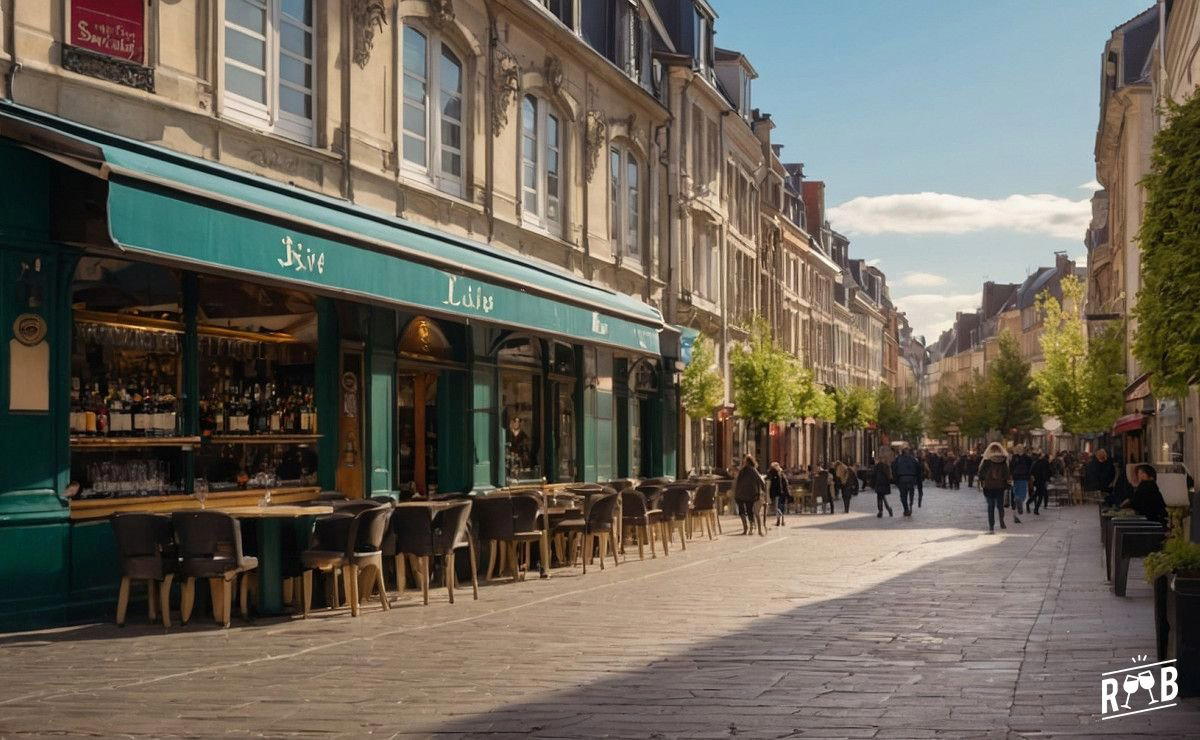
Lille's Evolving Restaurant Scene and Where Quai 38 Sits Within It
French regional dining has spent the past decade recalibrating. The old hierarchy — starred temples in city centres, brasseries everywhere else — has given way to something more textured. Across Lille in particular, a cohort of mid-to-upper-tier addresses has emerged that takes its cooking seriously without reproducing the formality of the grand Parisian houses. Quai 38, at 38 Rue Saint-Sébastien in the Vauban-Esquermes neighbourhood, belongs to this current. It is not attempting to compete with the formal register of La Table - Hôtel Clarance or the technical ambition of Ginko. Its competitive set sits slightly below that tier in price and presentation, but it has a distinct editorial angle that makes it worth discussing separately: a commitment to sourcing ethics and reduced environmental impact that feels less performative here than it does at addresses where sustainability has become a marketing layer applied over a conventional kitchen.
That shift matters because it reflects something happening across French cooking more broadly. Houses like Bras in Laguiole built the philosophical groundwork for terrain-connected, low-intervention cooking decades before it had a name. More recently, Mirazur in Menton made biodynamic calendars a structural element of its menu, not a footnote. What Quai 38 represents is that same current arriving at neighbourhood scale, without the Michelin apparatus, in a northern French city that tends to be skipped over on the prestige-dining circuit.
The Address and the Approach to the Room
Rue Saint-Sébastien is a residential street in Vauban-Esquermes, one of the quieter, more architecturally coherent quarters of Lille. Arriving here, you are not in the tourist centre; you are in the kind of neighbourhood that sustains local regulars rather than passing traffic. The physical environment of the street, stone facades, modest scale, relative quiet, sets a tone before you enter. Spaces in this part of the city tend toward the intimate rather than the theatrical, and that context is relevant to how Quai 38 positions itself: as a neighbourhood address with something to say about where its food comes from, rather than a destination built around spectacle.
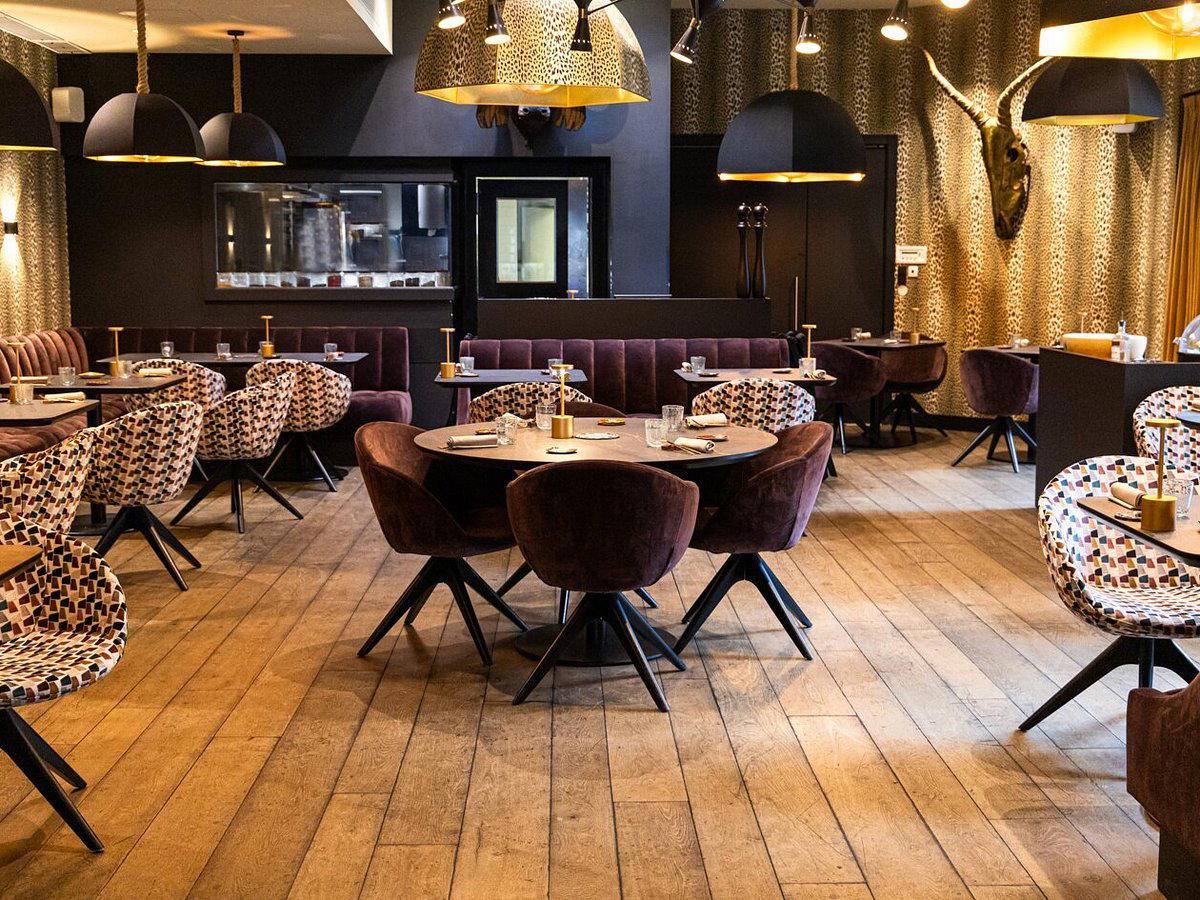
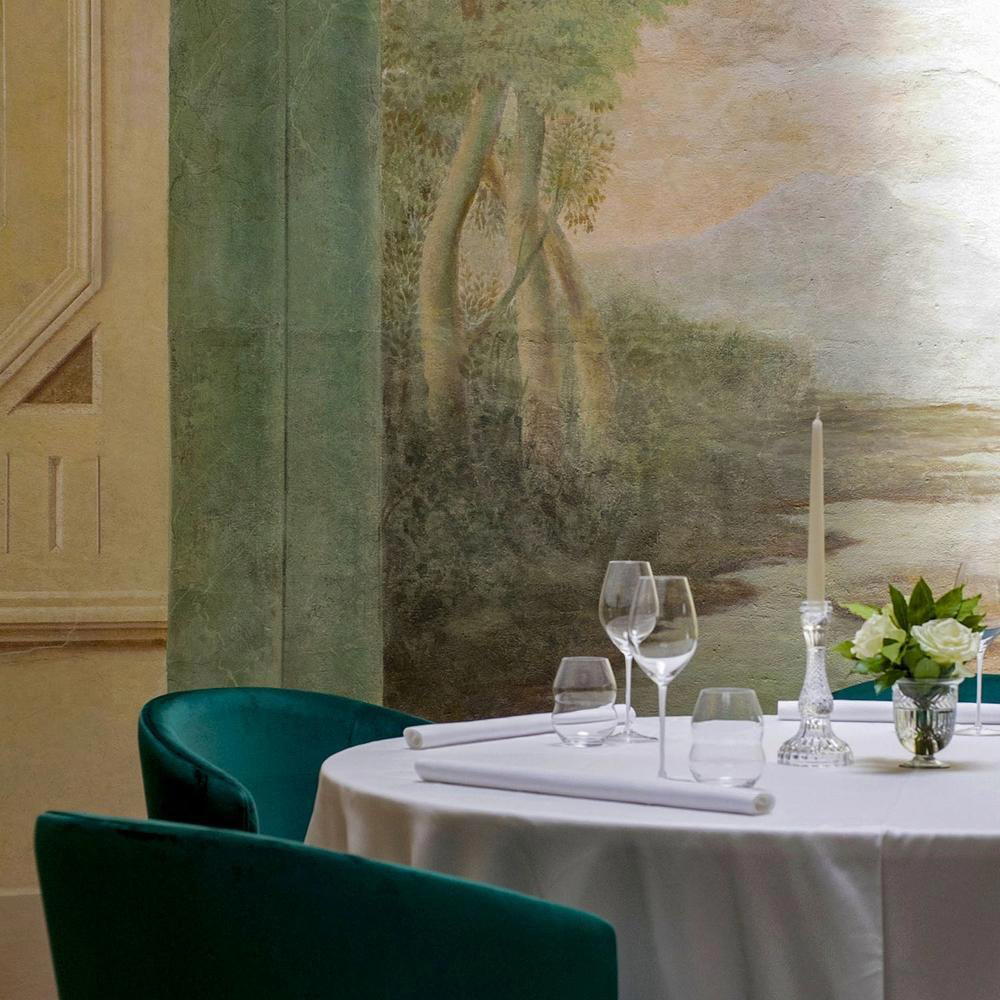
The atmosphere inside aligns with that register. That operational scale is actually a requirement for serious ethical sourcing, not merely a stylistic choice.
Sustainability as Structure, Not Gesture
The framing of sustainability in dining has become so broad that it risks meaning nothing. A menu that mentions a local farm in the header copy is not the same as a kitchen that structures its procurement around waste reduction, seasonal constraint, and supplier transparency. The distinction matters when reading any address that positions itself in this space.
What French regional dining at its more considered end tends to do well is anchor this in specificity: specific producers, specific regions, specific seasons. The broader French tradition has always had a version of this in the form of terroir logic, the idea that food is an expression of where and how it was grown, not merely what a chef did to it afterward. Flocons de Sel in Megève builds around alpine terrain and high-altitude producers with that same granularity. Troisgros - Le Bois sans Feuilles in Ouches has restructured its entire estate around a kitchen garden and waste minimisation as architectural decisions. These are not trends borrowed from elsewhere, they are extensions of a deep French culinary logic.
Quai 38 operates at a different scale from these houses, but the underlying orientation is recognisable. For diners who find the ethical sourcing framing at some addresses thin or aspirational rather than operational, this is an address worth investigating precisely because it exists at the neighbourhood scale where such commitments are either genuinely lived or quickly exposed.
Lille's Position in the Northern French Dining Circuit
Lille is underrepresented in international food coverage relative to what it actually offers. The city sits at a geographic and cultural junction between French, Flemish, and Belgian influences, which gives its food culture a different register from Paris or Lyon. Estaminets, the traditional Flemish-influenced taverns serving dishes like carbonnade flamande and waterzooi, anchor one end of the city's culinary identity. Addresses like Au Vieux de la Vieille and Au Soyeux occupy that traditional register. Contemporary restaurants in the city, including Quai 38, work in dialogue with that heritage rather than ignoring it, the northern French emphasis on hearty, ingredient-forward cooking translates reasonably naturally into sourcing-conscious contemporary cuisine.
For context on where Lille sits within France's broader fine dining map, the country's most decorated addresses, Alléno Paris au Pavillon Ledoyen, Paul Bocuse - L'Auberge du Pont de Collonges, Assiette Champenoise in Reims, and Au Crocodile in Strasbourg, define a ceiling that Lille's independent neighbourhood addresses are not competing against. Quai 38 is not in that conversation, and it should not be evaluated as if it were. Internationally, the sustainability-forward neighbourhood restaurant model it represents has equivalents at addresses like AM par Alexandre Mazzia in Marseille, where rigorous sourcing underpins a technically ambitious menu, and further afield at Atomix in New York City, where ingredient provenance is built into the service narrative itself.
For a thorough look at how Quai 38 fits within Lille's full dining offer, see our full Lille restaurants guide.
Planning a Visit
Quai 38 is located at 38 Rue Saint-Sébastien in the Vauban-Esquermes district, reachable on foot from the city centre or by local transport. As with most neighbourhood restaurants at this scale in Lille, advance contact is advisable rather than arriving without prior notice. Given the sourcing-conscious positioning and the operational scale implied by the address, this is not the kind of kitchen that benefits from unannounced large groups, the model is better suited to small parties who have engaged with what the restaurant is actually doing.
How Quai 38 Lille compares with similar nearby venues.
| Venue | Cuisine | Price |
|---|---|---|
| Coup de Main | Creative | €€€ |
| Rouge Barre | Modern Cuisine | €€ |
Continue exploring
More in Lille
Restaurants in Lille
Browse all →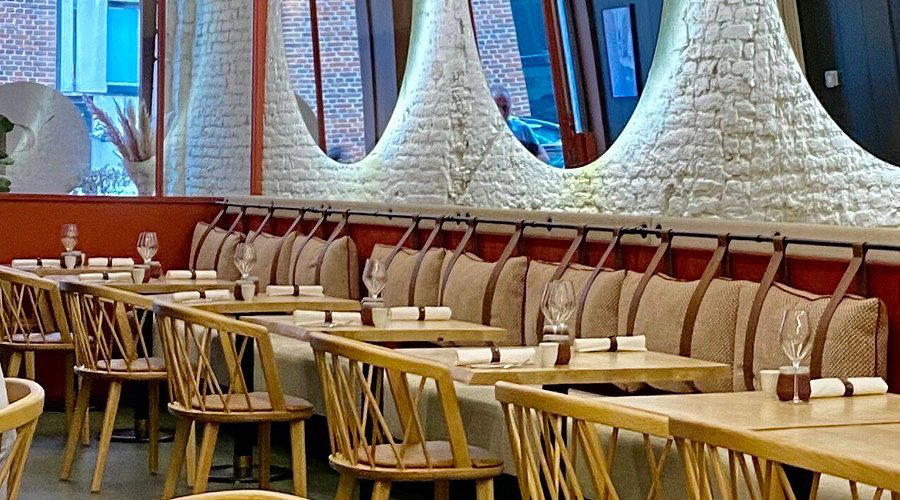
Hotels in Lille
Browse all →
Wineries in Lille
Browse all →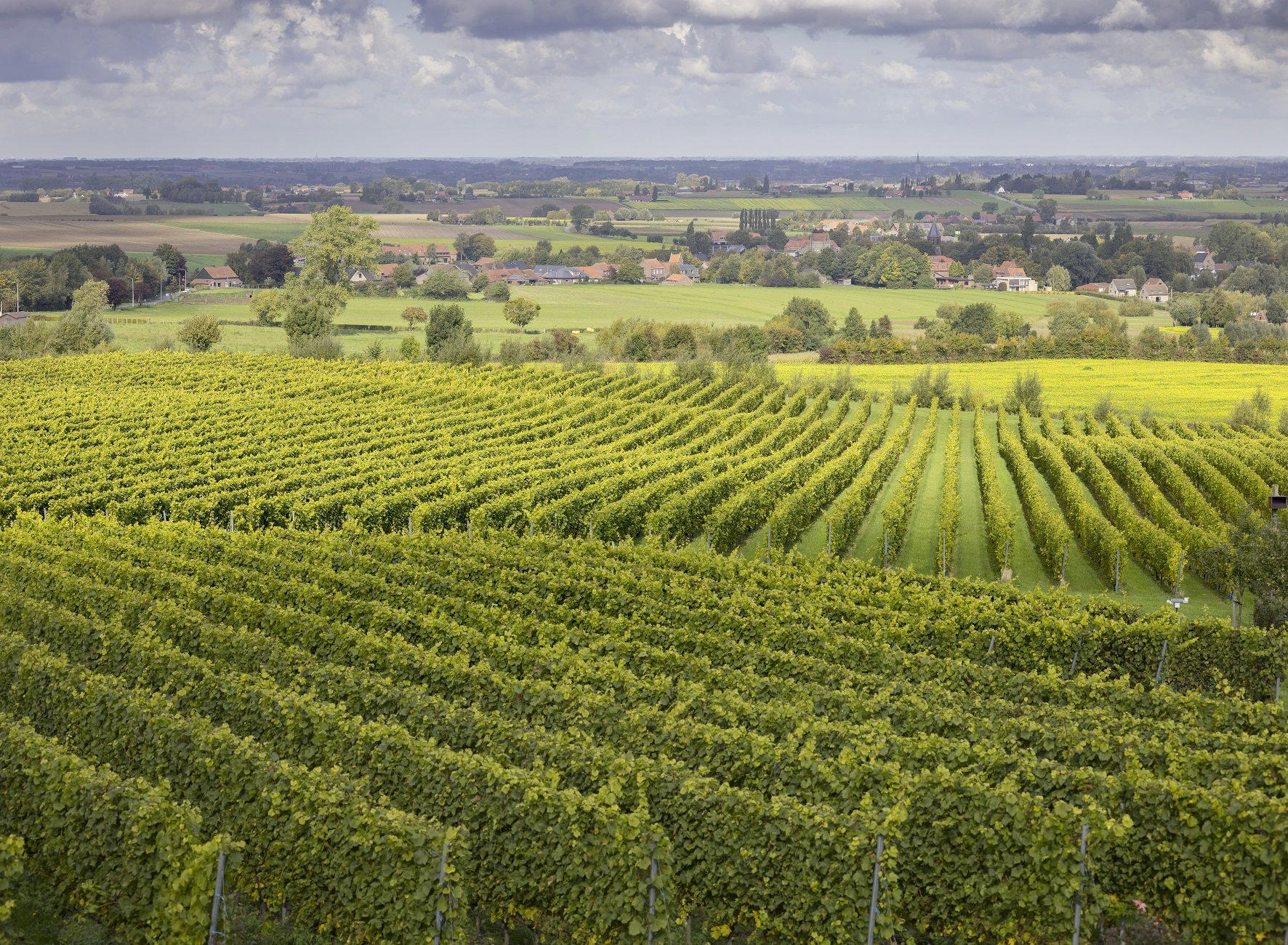
At a Glance
- Intimate
- Cozy
- Elegant
- Date Night
- Special Occasion
- Open Kitchen
- Local Sourcing
Current opening hours
- Monday
- Closed
- Tuesday
- 12–3:30 PM, 7:30–11:30 PM
- Wednesday
- 12–3:30 PM, 7:30–11:30 PM
- Thursday
- 12–3:30 PM, 7:30–11:30 PM
- Friday
- 12–3:30 PM, 7:30–11:30 PM
- Saturday
- 12–3:30 PM, 7:30–11:30 PM
- Sunday
- Closed
Hours can change for holidays and private events. Last verified .
Refined yet intimate setting with a warm and welcoming atmosphere.
Know Before You Go
- Getting there
- 38 Rue Saint-Sébastien, 59000 Lille, France